
Industry News
Curation by industry experts
Hot Articles
Popular Tags
Waste Vitrification vs Landfill: Cost, Risk, and Long-Term Value
Waste Vitrification vs Landfill: Cost, Risk, and Long-Term Value
For enterprise decision-makers weighing disposal strategies, waste vitrification is no longer a niche technology but a serious long-term asset consideration.
Compared with landfilling, the real question goes far beyond gate fees or transport costs.
It includes regulatory exposure, liability duration, environmental risk, and future resource value.
When those factors are measured together, waste vitrification often looks less like a disposal expense and more like strategic risk control.
Why the Comparison Is Changing
Landfill has long been treated as the default answer because it appears simple, familiar, and initially cheaper.
That assumption is getting weaker.
From recent market shifts, the clearer signal is tighter regulation around hazardous residues, long-tail contamination, and post-closure accountability.
This matters especially for industrial groups handling toxic ash, heavy metals, complex inorganics, or radioactive streams.
In these cases, waste vitrification is gaining attention because it changes the physical behavior of the waste itself.
What waste vitrification actually does
Waste vitrification uses high temperatures to convert waste into a stable, glass-like matrix.
Hazardous constituents become immobilized inside that structure, sharply reducing leaching potential.
Landfill, by contrast, stores waste in engineered containment systems and relies on barriers, liners, and long-term monitoring.
So the core choice is simple: transform the waste now, or manage its risk for decades.
Upfront Cost: What Buyers Usually See First
On first review, landfill usually wins the short-term cost comparison.
The reason is straightforward.
Waste vitrification often requires high-capital thermal systems, energy input, pretreatment, emissions control, and specialized operation.
Landfill usually presents lower immediate cash outflow, faster contracting, and easier budgeting.
That said, procurement decisions fail when they stop at the visible invoice.
A better comparison separates direct cost from full life-cycle cost.
- Direct landfill cost includes hauling, tipping fees, permits, and site-dependent surcharges.
- Direct waste vitrification cost includes CapEx, thermal energy, maintenance, and process controls.
- Hidden landfill cost often includes future remediation, insurance pressure, and compliance escalation.
- Hidden waste vitrification value may include volume reduction, lower liability, and easier final storage planning.
A practical cost lens
If the waste stream is low-risk and stable, landfill can remain economically rational.
If the waste stream is highly regulated, chemically unstable, or reputation-sensitive, waste vitrification may outperform over time.
The key is not asking which option is cheaper today, but which option stays cheaper after ten or twenty years.
Risk Profile: Containment vs Transformation
This is where the difference becomes more strategic.
Landfill is fundamentally a containment model.
It depends on infrastructure remaining effective across long periods, often under changing climate and regulatory conditions.
Waste vitrification is a transformation model.
It reduces waste mobility and can materially lower the probability of future release events.
Where landfill risk grows
- Leachate management becomes harder as waste chemistry evolves over time.
- Closure does not end monitoring duties or legal exposure.
- Public opposition can intensify around hazardous landfill capacity expansion.
- Cross-border waste rules may narrow disposal flexibility for global operators.
Where waste vitrification reduces exposure
- It immobilizes hazardous compounds in a durable matrix.
- It often reduces waste volume, cutting downstream storage demand.
- It supports stronger evidence for environmental due diligence.
- It aligns better with high-scrutiny waste management frameworks.
In real business terms, waste vitrification can shift risk from an open-ended future obligation to a controlled engineering event.
Compliance and Liability: The Long Tail Matters
Many disposal decisions look good in procurement, then become expensive in compliance.
That is why liability duration should be treated as a financial metric.
Landfill liability can stretch across monitoring, groundwater concerns, cap maintenance, stakeholder disputes, and policy revision.
Waste vitrification does not remove all obligations, but it can narrow the compliance uncertainty window.
That difference becomes important in M&A reviews, ESG reporting, insurance negotiation, and board-level risk disclosure.
Long-Term Value: Where Waste Vitrification Can Win
The strongest case for waste vitrification appears when long-term value is part of the buying model.
That value shows up in several ways.
- Lower future remediation probability improves financial predictability.
- Better compliance posture supports permits, audits, and stakeholder confidence.
- Reduced waste volume can free logistics capacity and storage footprint.
- Advanced treatment positioning can strengthen brand trust in sensitive industries.
This is especially relevant in nuclear waste management, hazardous ash treatment, and residues with persistent toxic elements.
In those environments, waste vitrification is often valued for reliability, not just disposal.
When landfill still makes sense
A balanced view matters.
Landfill is not automatically the wrong choice.
For lower-hazard material, short project cycles, or regions with stable compliant capacity, landfill can remain practical.
The mistake is applying that same logic to waste streams that carry very different long-term consequences.
How to Evaluate Procurement Options More Effectively
In practice, the best sourcing decisions come from structured comparison rather than unit-cost ranking.
A useful evaluation framework should include the following checkpoints.
- Define waste chemistry, hazard class, moisture profile, and variability.
- Model ten-year and twenty-year cost, not only first-year spend.
- Test regulatory scenarios, including stricter leaching or closure obligations.
- Assess technology maturity, uptime, and emissions control for waste vitrification vendors.
- Quantify reputational and transaction risk tied to long-tail disposal liability.
This also means procurement should work closely with EHS, legal, operations, and finance.
Waste strategy becomes stronger when it is treated as an enterprise decision, not a narrow utility purchase.
Final Decision Signal
If the decision is framed only around today's invoice, landfill often looks attractive.
If the decision includes compliance resilience, environmental exposure, and asset-life economics, the picture changes.
That is where waste vitrification stands out.
It is not always the lowest-cost option at entry.
But for high-risk waste streams, it can be the lower-cost decision across the full liability horizon.
That also makes it a more defensible decision in front of regulators, insurers, investors, and future buyers.
Before selecting a disposal route, compare waste vitrification and landfill using life-cycle cost, risk transfer, and long-term value together. That is where the real procurement answer usually appears.
Recommended News
How to size ingredient mixing equipment for viscous formulations
Size mixing ingredient processing equipment for viscous formulations with expert guidance on rheology, torque, and heat removal. Learn how to select a system that delivers reliable batch performance.
How moisture affects material separation in solid waste recovery
Improve solid waste recovery material separation by understanding moisture effects on screening and sorting. Discover practical ways to boost recovery, purity, and throughput.
How to set recovery rates in seawater reverse osmosis system design
Explore seawater desalination systems engineering: learn to set SWRO recovery rates that balance energy, scaling risks, and water quality for reliable, cost-effective operation.
When is compaction suitable for solid nuclear waste treatment?
Is compaction right for solid nuclear waste treatment? Discover suitable waste streams, key safety checks, and disposal requirements to reduce package volume and optimize costs.
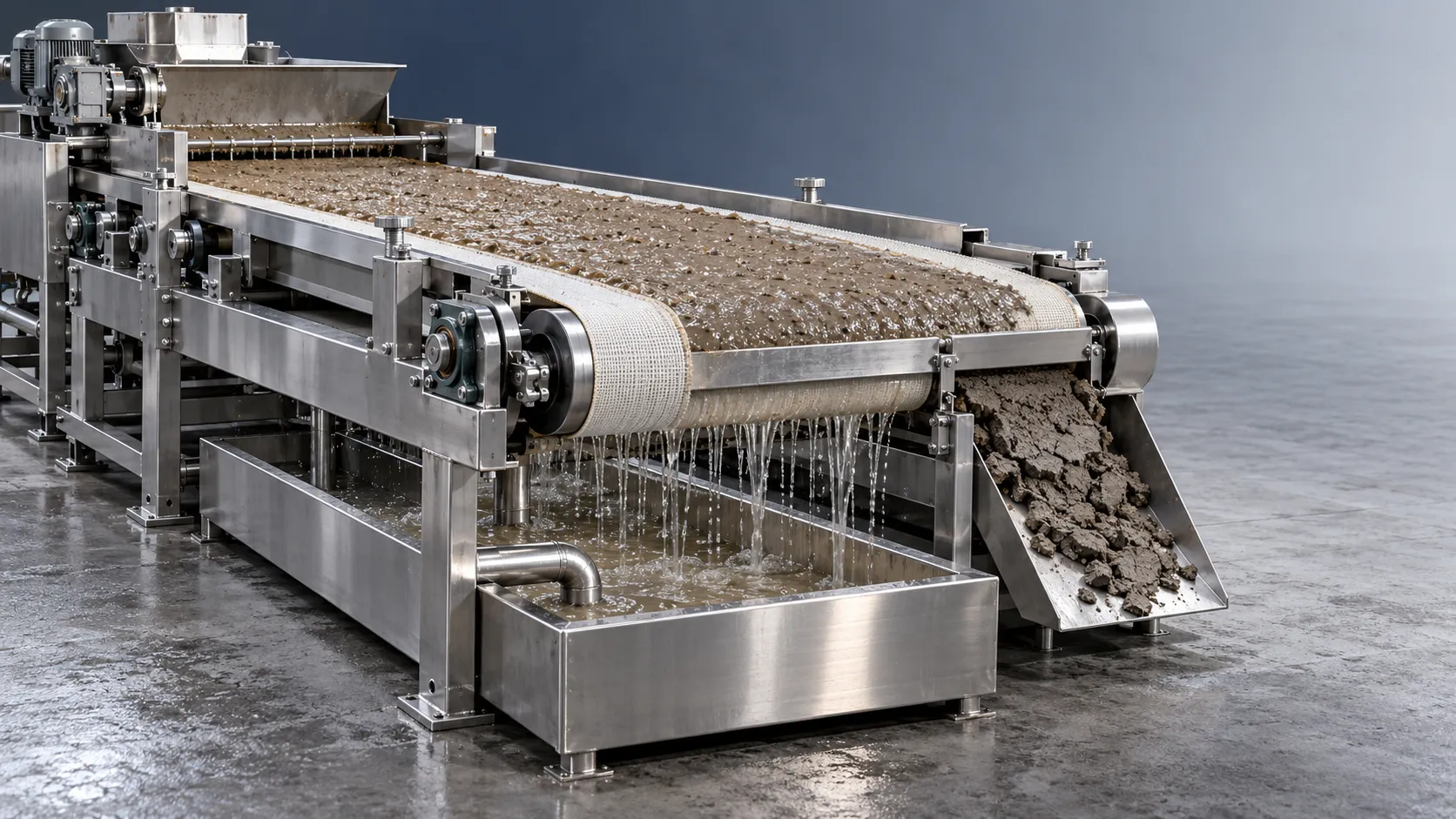
How solids concentration affects dewatering in waste recovery systems
Optimize waste recovery systems dewatering with insights on solids concentration. Learn to balance throughput, cake dryness, and solids capture while avoiding costly equipment overloads.
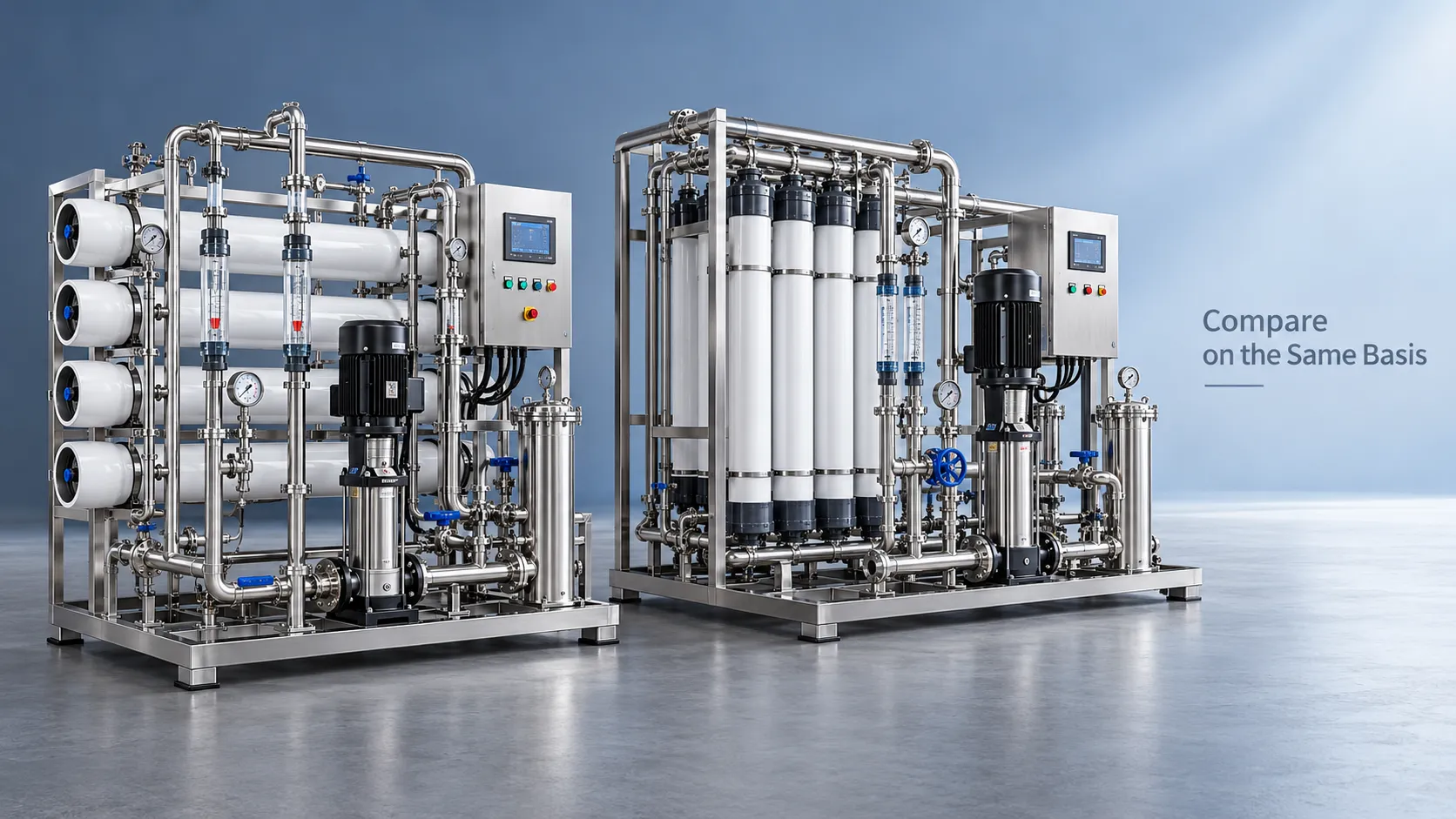
How to compare technical specs in an environmental equipment directory
Use this environmental equipment directory technical guide to compare capacity, energy use, compliance, and supplier evidence. Build a defensible shortlist and choose with confidence.
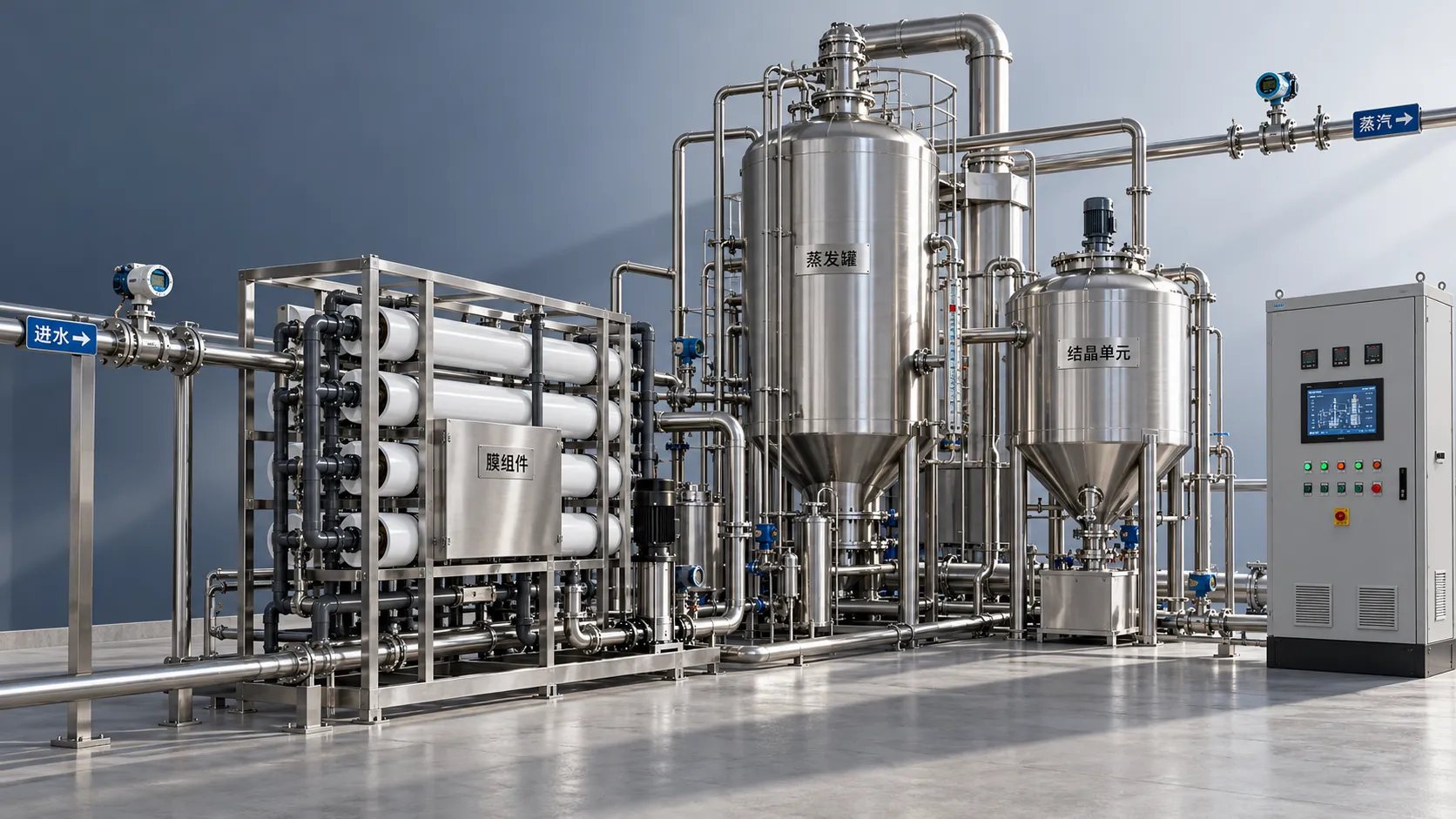
How to assess a zero liquid discharge equipment supplier’s energy claims
Assess a zero liquid discharge equipment supplier’s energy claims. Learn how to verify system boundaries, compare real costs, and demand testable guarantees before you buy.
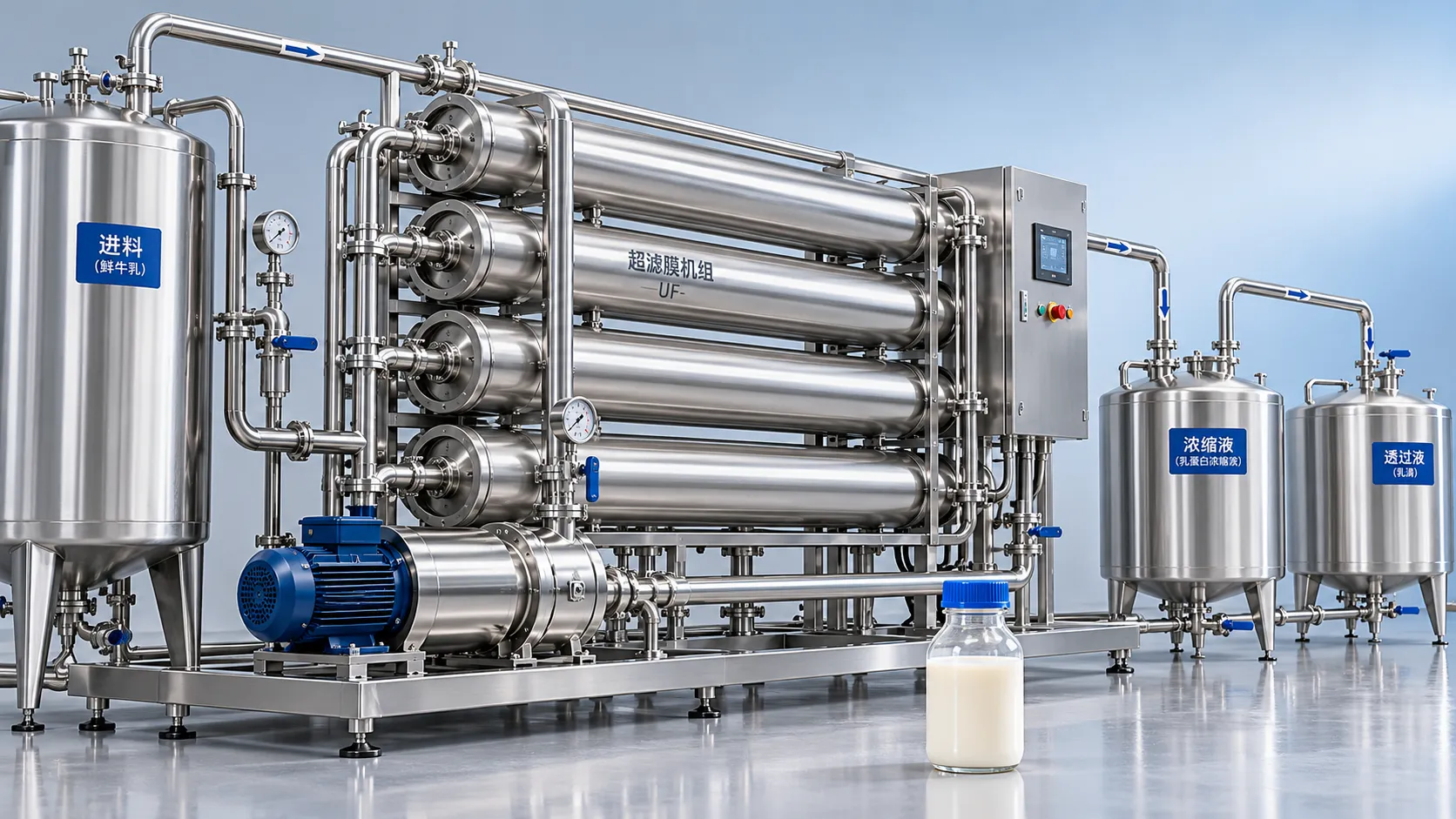
Which membrane filtration process suits dairy protein concentration?
Explore membrane filtration for dairy: compare UF, MF, and RO to select the right process for protein concentration, lactose reduction, and better recovery. Find your best fit.
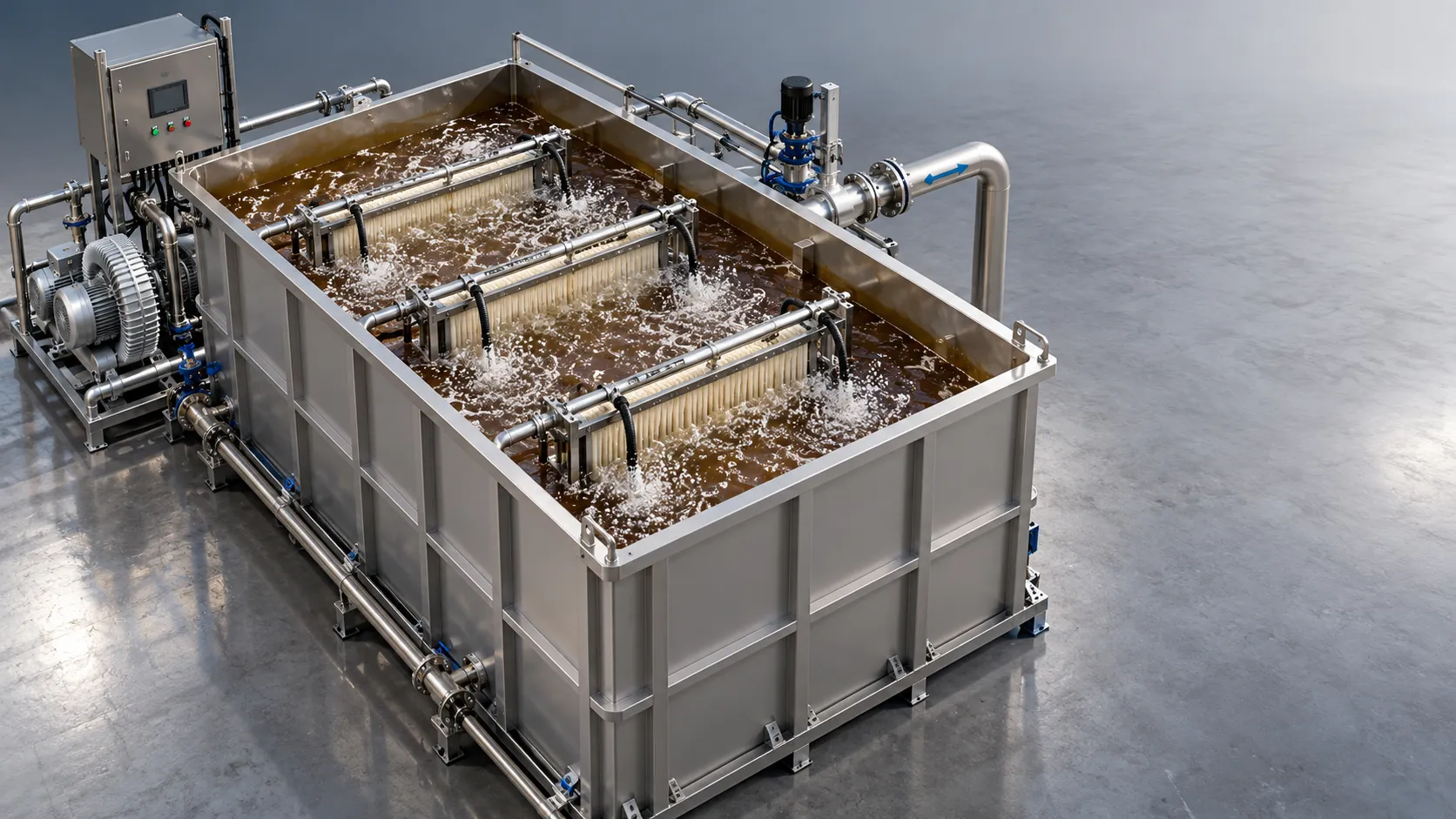
When is an MBR suitable for wastewater purification for bioprocessing?
For wastewater purification for bioprocessing, discover when an MBR fits your needs. Compare water quality, fouling risks, and lifecycle costs before investing.