
Industry News
Curation by industry experts
Hot Articles
Popular Tags
Desalination Plant Equipment Standards: Key Compliance Points for New Projects
Why do desalination plant equipment standards shape project success so early?
New desalination projects rarely fail because of one dramatic mistake.
More often, problems start with small gaps in desalination plant equipment standards during design, procurement, or bid preparation.
That is why standards matter before equipment is ordered, not after packages arrive on site.
In practical terms, desalination plant equipment standards connect process reliability, corrosion control, energy use, operator safety, and permit readiness.
They also influence documentation quality, inspection scope, and warranty boundaries.
For seawater reverse osmosis projects, the pressure is even higher.
High salinity, continuous operation, and aggressive marine conditions expose weak specifications very quickly.
Across the wider environmental equipment field, ESD often tracks the same pattern.
When compliance logic is stitched into the project early, delivery becomes smoother and lifecycle risk drops.
When it is treated as a paperwork task, redesign and claim exposure usually follow.
A useful way to read desalination plant equipment standards is this: they are not only legal references.
They are decision filters for materials, interfaces, operating envelopes, and future expansion.
Which standards usually matter most in a new desalination facility?
There is no single global rulebook covering every package.
Most projects combine international codes, local regulations, client specifications, and lender or utility requirements.
The real task is deciding which standards are mandatory, which are preferred, and which must be proven by testing.
For core desalination equipment, the most common compliance layers include the following:
- Pressure vessel and piping codes such as ASME, PED, or equivalent local frameworks.
- Material standards for duplex stainless steel, super duplex, titanium, FRP, coatings, and elastomers.
- Electrical and hazardous area rules, including IEC, NEC, grounding, and motor protection requirements.
- Water quality and membrane system references tied to pretreatment, fouling control, and product water targets.
- Environmental discharge rules covering brine, cleaning waste, noise, chemical storage, and energy performance.
- Factory acceptance, welding qualification, NDT, and commissioning protocols.
The difficult part is not listing them.
The difficult part is understanding where one standard affects another.
For example, material compliance cannot be separated from cleaning chemistry, temperature range, or shutdown conditions.
That cross-linking is familiar across ESD coverage, from ZLD systems to flue gas treatment packages.
Extreme equipment performs reliably only when standards are read as an operating system, not a checklist.
A quick judgment table helps prevent early confusion
Before tender release, it helps to separate approval-critical items from items that can be finalized later.
Where do new projects most often misread desalination plant equipment standards?
A frequent mistake is assuming that “international standard” automatically means “locally accepted.”
Approval bodies may still require national adoption versions, utility amendments, or region-specific safety notes.
Another common error appears in material selection.
Teams may specify super duplex or titanium broadly, yet leave gaps around bolts, gaskets, weld consumables, or coating systems.
In seawater service, those “small parts” can become failure points.
There is also a documentation trap.
Some packages look compliant on datasheets but cannot prove traceability, test records, or inspection witness points.
That becomes painful during FAT, customs clearance, or final turnover.
A more subtle issue is performance guarantee language.
If desalination plant equipment standards are not linked to feedwater assumptions, suppliers may guarantee output under conditions that differ from reality.
The result is a compliant package on paper and a disputed plant in operation.
Useful warning signs include vague wording such as “or equivalent,” “vendor standard,” or “to be confirmed after award.”
Those phrases are not always wrong, but they need strict technical boundaries.
How should equipment standards be evaluated during design and tendering?
A workable approach is to test compliance across three layers: process fit, code fit, and execution fit.
Process fit asks whether the package can survive actual feedwater, dosing, shutdowns, and cleaning cycles.
Code fit checks whether it satisfies required regulations and certifying bodies.
Execution fit asks whether the vendor can document, inspect, and deliver what is being promised.
This is where desalination plant equipment standards stop being abstract.
They become bid filters.
- Check whether all quoted standards are current editions or obsolete references.
- Map each major package to required certificates, inspections, and hold points.
- Ask vendors to identify every deviation, not only the major ones.
- Tie guaranteed performance to a defined feedwater envelope and operating window.
- Review maintainability, spare strategy, and replacement lead times along with compliance.
In actual projects, this step often protects schedule more than any late-stage expediting effort.
It also improves tender defensibility, especially where government review or external financing applies.
ESD’s industry intelligence frequently shows that stronger bid authority comes from sharper technical framing, not lower headline price.
What compliance points affect lifecycle cost more than many teams expect?
Energy efficiency is the obvious one, but it is not the only one.
Desalination plant equipment standards also shape membrane life, chemical consumption, unplanned outages, and major replacement cycles.
For example, a lower-cost alloy may pass a basic specification but degrade faster under real chloride and temperature exposure.
Likewise, an underspecified pretreatment train can increase SDI instability and shorten membrane cleaning intervals.
Environmental compliance also carries hidden cost consequences.
Brine discharge conditions, chemical handling rules, and noise limits can trigger redesign of tanks, outfalls, buildings, or neutralization systems.
That is why standards should be reviewed with operating scenarios in mind.
More common questions worth asking are these:
- Will the selected materials still perform after repeated CIP cycles?
- Can efficiency guarantees be verified at partial load, not only nameplate conditions?
- Are spare parts standardized across trains, or package by package?
- Do safety and environmental rules affect future capacity expansion?
Those questions often reveal more value than a narrow capex comparison.
What is the most practical next step before freezing specifications?
Start by building a compliance matrix that is technical, contractual, and operational at the same time.
Keep it short enough to use, but detailed enough to expose risk.
A strong matrix usually covers equipment item, applicable standard, deviation status, proof document, testing method, and responsible party.
Then review the matrix against real project stress points.
These include seawater variability, power quality, ambient heat, shutdown frequency, discharge obligations, and local inspection practice.
That final check matters because desalination plant equipment standards are only useful when they fit the plant that will actually be built.
The broader environmental market is moving in the same direction.
Across desalination, ZLD, waste recovery, and emissions control, tighter compliance now overlaps with decarbonization and reliability expectations.
Seen from that angle, standards work is not administrative overhead.
It is an early design discipline that protects schedule, bankability, and long-term plant confidence.
Before issuing the next package, compare your current specification set against actual permit needs, operating conditions, and vendor proof paths.
That step usually clarifies where to tighten requirements, where to allow alternatives, and where more technical evidence is still needed.
Recommended News
How to verify a water treatment system factory’s production capacity
Verify a water treatment systems factory’s production capacity through records, bottlenecks, component availability, and testing. Learn what to check before accepting a delivery promise.
When does EPC environmental project support reduce delivery risk?
EPC environmental project support engineering reduces delivery risk by aligning design, procurement, compliance, construction, and commissioning decisions.
How nuclear plants select a radioactive waste solidification method
Radioactive waste management for nuclear plants: compare vitrification, cementation, polymers, and ceramics to select a compliant, durable solidification solution.
Activated Sludge Cost: Budgeting Energy, Chemicals, Sludge, and Labor
Activated sludge cost explained: compare energy, chemicals, sludge disposal, labor, and compliance risks to build a reliable lifecycle budget.
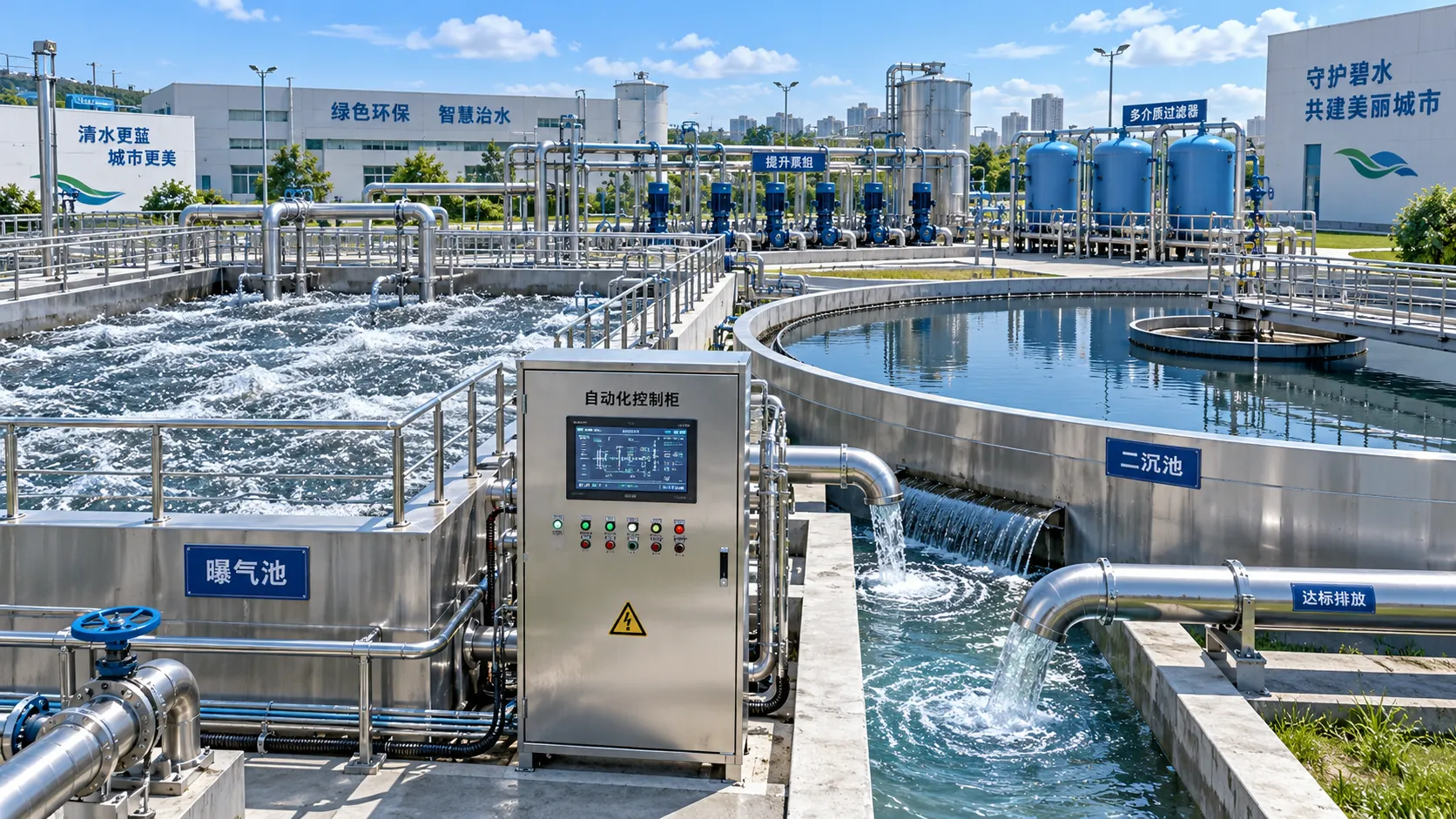
When Should Municipal Wastewater Plants Upgrade Treatment Capacity and Controls?
Municipal wastewater treatment upgrades: learn when capacity, controls, and resilient planning are needed to protect compliance and optimize plant performance.
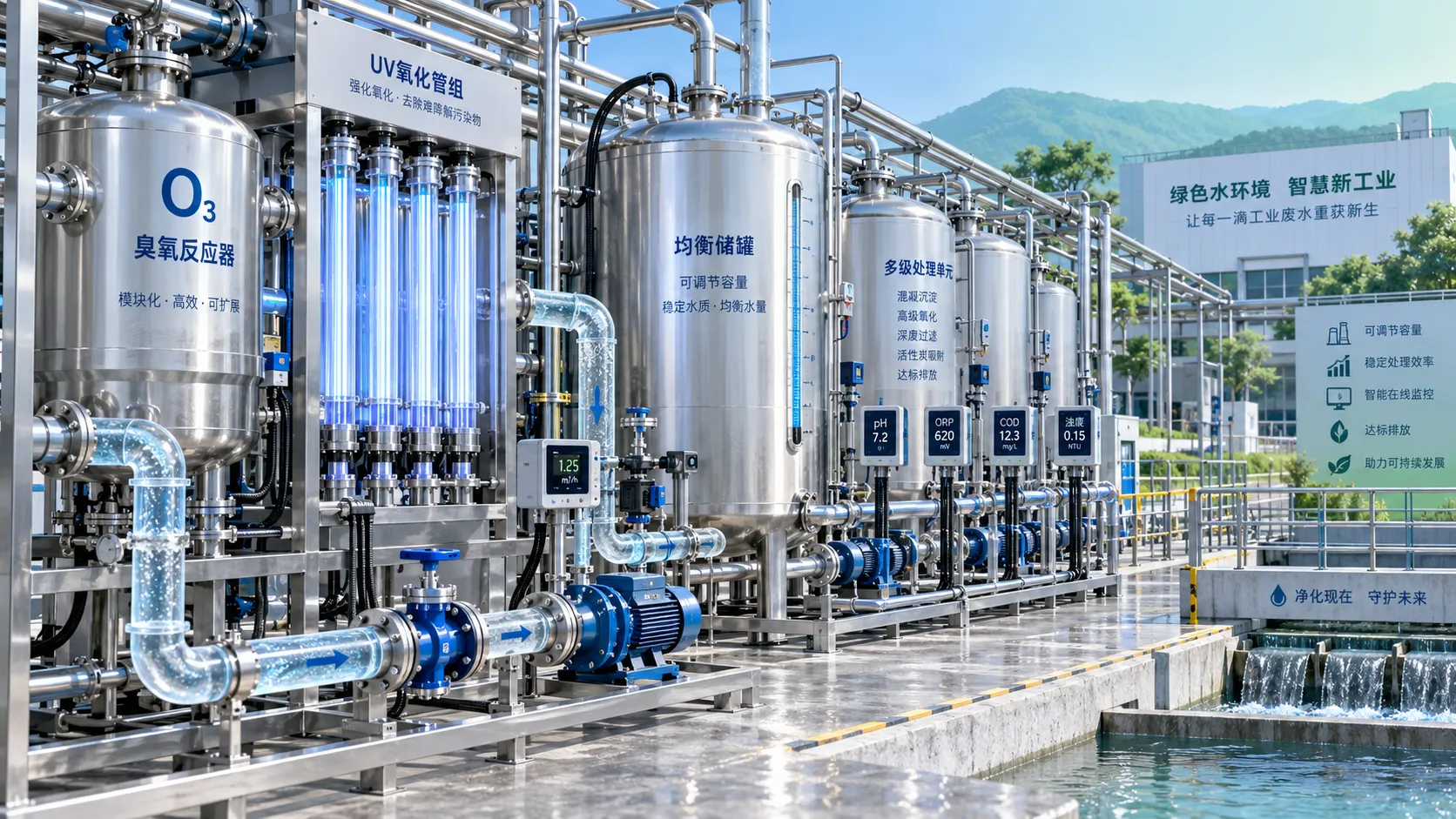
How to size advanced oxidation equipment for variable wastewater loads
Advanced oxidation equipment guide for sizing AOP systems under variable wastewater loads, improving compliance, efficiency, and lifecycle cost control.
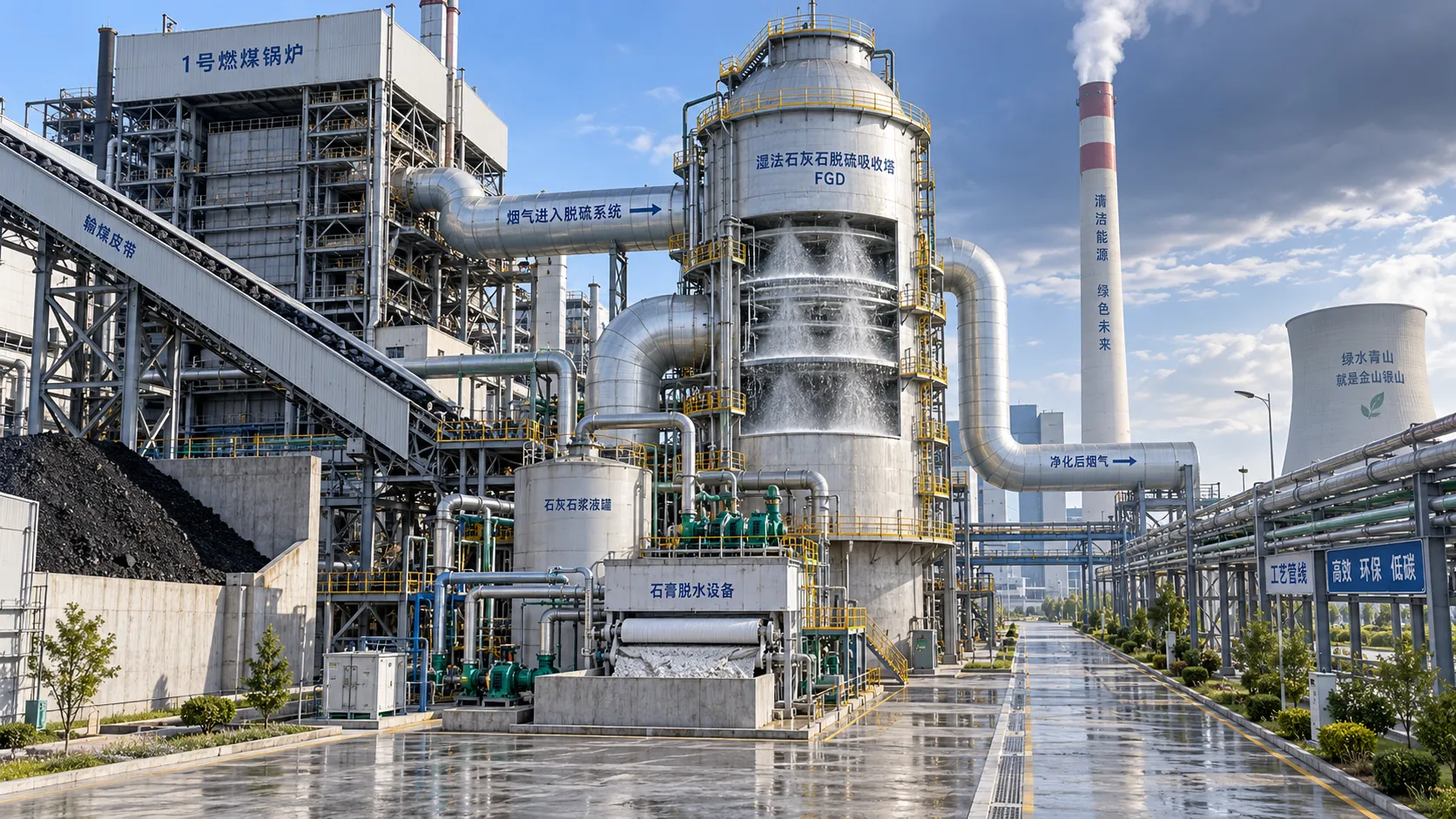
How to select FGD systems for coal boilers based on sulfur content
FGD systems for coal boilers: learn how sulfur content, fuel variability, emissions limits, water, waste, and retrofit constraints guide a compliant, cost-effective scrubber choice.
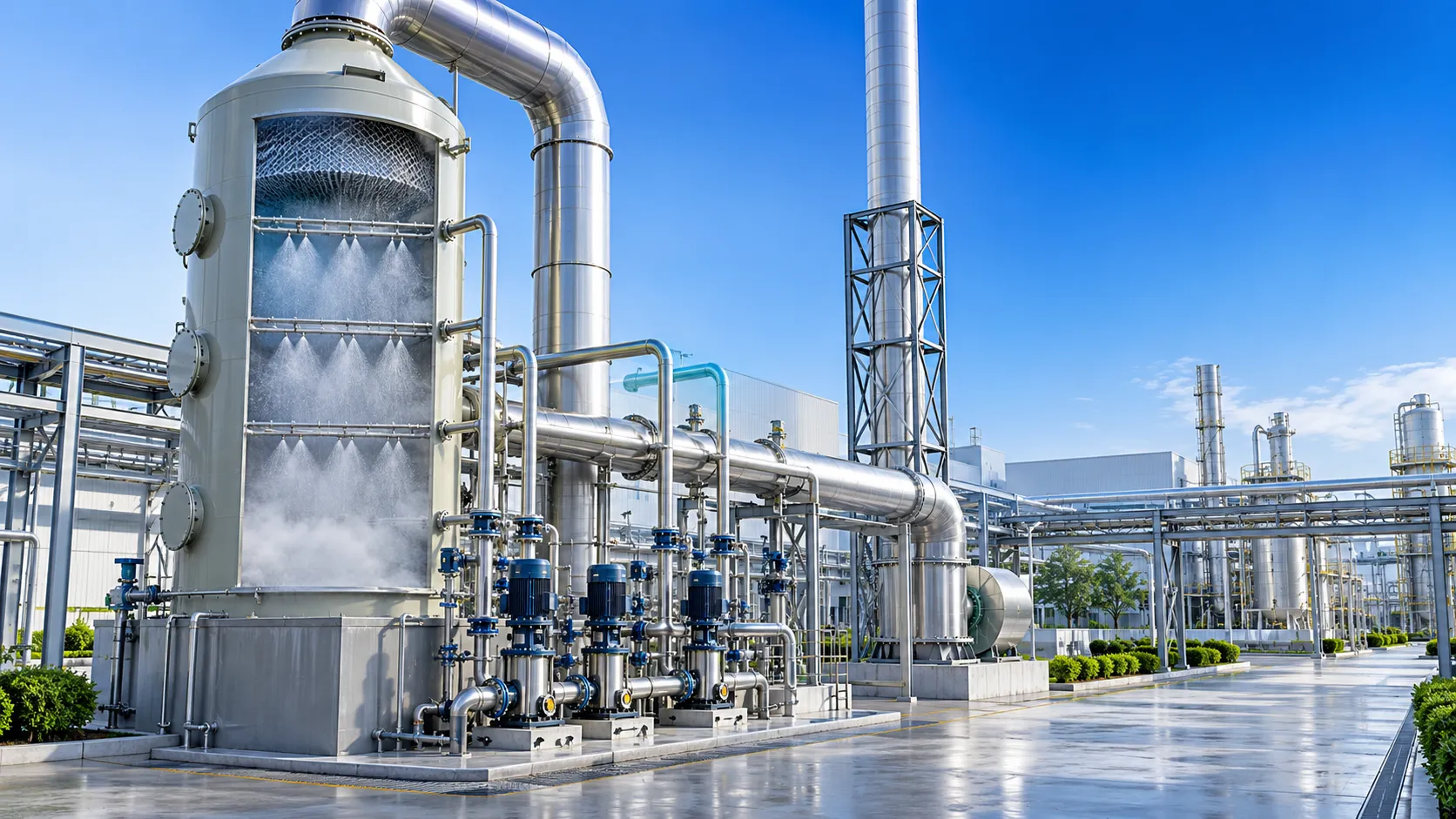
How to size a desulfurization equipment scrubber for variable gas flow
Desulfurization equipment scrubber sizing for variable gas flow: optimize SO2 removal, pressure drop, liquid-to-gas control, and compliance across every load.
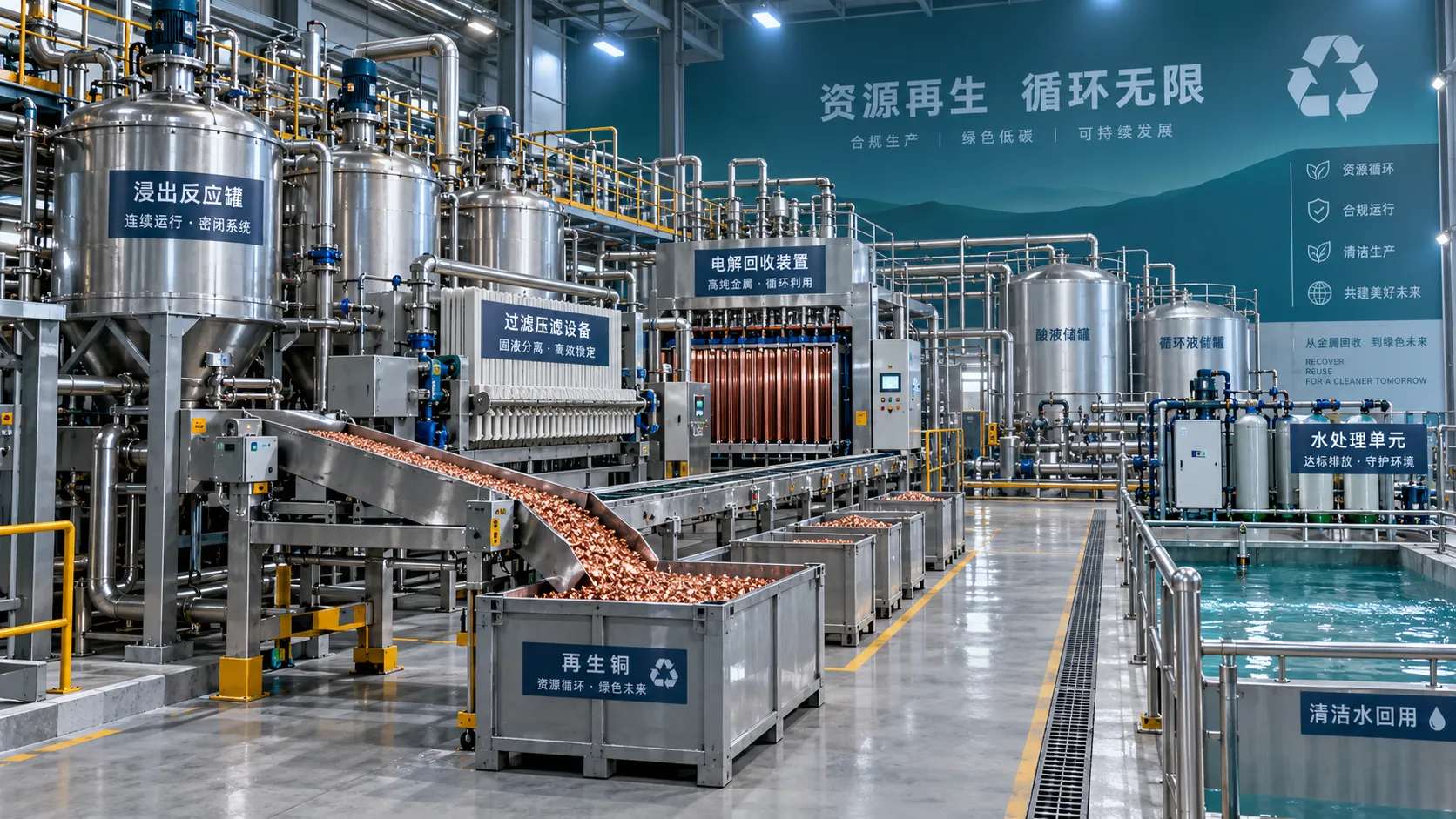
When does repeatable metals recovery infrastructure justify the investment?
Repeatable metals recovery infrastructure: discover when consistent feedstock, lower disposal costs, compliance control, and reliable offtake justify investment.