
Industry News
Curation by industry experts
Hot Articles
Popular Tags
Industrial Decarbonization Solutions: Which Projects Pay Back First?
Industrial decarbonization solutions are shifting from ambition to capital discipline
Industrial decarbonization solutions are no longer judged only by carbon headlines. They are increasingly screened by cash payback, compliance timing, and operating resilience.
That shift is becoming clearer across water, waste, flue gas, desalination, and other heavy infrastructure segments. The first money now moves toward projects with visible savings and limited execution friction.
In practice, the fastest-return industrial decarbonization solutions often sit close to existing assets. They improve energy intensity, recover value from loss streams, and reduce exposure to tighter environmental rules.
This matters because decarbonization spending is no longer a standalone sustainability line. It is increasingly part of broader decisions on uptime, water security, export access, and financing cost.
Seen through the ESD lens, the strongest opportunities emerge where environmental equipment already touches core process economics. That is why high-end treatment systems are becoming central to decarbonization allocation.
Why payback-first thinking is becoming more visible now
Several signals are converging at once. Energy volatility remains a planning problem, while carbon-linked regulation is moving from abstract direction to measurable operating cost.
CBAM is part of that pressure, but not the whole story. Local discharge rules, air permits, water reuse targets, and lender scrutiny are also pushing industrial decarbonization solutions toward faster financial justification.
Another change is technical maturity. Many projects no longer rely on unproven pilots. Waste heat recovery, variable speed drives, smart aeration, membrane upgrades, and process controls now have stronger performance histories.
More importantly, baseline data is improving. Plants can now quantify steam loss, blower overrun, pumping inefficiency, reagent drift, and wastewater energy load with much greater confidence.
That improved visibility favors industrial decarbonization solutions with short verification cycles. Capital committees tend to approve what can be metered, audited, and tied to avoided cost.
The main forces behind this capital rotation
- Higher utility costs make thermal and electrical efficiency gains easier to defend.
- Water stress raises the value of reuse, ZLD optimization, and lower intake dependency.
- Air and waste compliance costs turn emissions control upgrades into profit-protection measures.
- Export-facing operations need cleaner footprints to preserve market access and pricing power.
- Digital monitoring reduces performance uncertainty after commissioning.
Which industrial decarbonization solutions usually pay back first
The earliest winners are rarely the most headline-grabbing projects. They are usually the ones that cut energy waste, recover materials, or avoid immediate environmental penalties.
Across mixed industrial settings, first-payback projects tend to cluster around four families: energy recovery, process optimization, water circularity, and targeted emissions upgrades.
Waste heat recovery usually ranks high because the physics are simple. Where heat is already leaving the system, recovery economics depend more on integration quality than demand creation.
Water reuse projects are also moving up the list. In high-concentration wastewater environments, industrial decarbonization solutions can deliver both carbon and water value from the same retrofit.
That dual value is especially relevant in sectors watched by ESD. Large water treatment plants, desalination assets, and closed-loop recovery systems increasingly shape operating cost rather than merely supporting it.
The strongest returns often come from environmental infrastructure already in place
A common mistake is to look for decarbonization only in new energy supply. Many faster returns sit inside treatment equipment, separation systems, and process utilities that already consume large amounts of power and chemicals.
Consider wastewater treatment. Better aeration control, pumping redesign, sludge handling optimization, and heat integration can materially cut energy intensity without changing core production lines.
The same pattern appears in desalination. Advanced SWRO membrane management, pressure recovery, and pretreatment refinement can lower specific energy use while protecting output reliability.
In flue gas treatment, low-temperature SCR performance and scrubber efficiency now matter beyond compliance. They influence reagent spend, fan load, downtime risk, and future retrofit depth.
Solid waste recovery shows another version of early payback. AI sorting, thermal conversion, and better residue separation can reduce hauling cost while increasing secondary material yield.
Even highly specialized segments, including nuclear waste management, reflect the same discipline. Capital approval increasingly favors steps that improve containment certainty, reduce lifecycle handling cost, and prevent later remediation expense.
Where returns show up beyond the utility bill
- Lower permit risk and fewer unplanned shutdowns.
- More stable output during water, fuel, or reagent disruptions.
- Better positioning in export contracts with embedded carbon scrutiny.
- Improved financing narratives for lenders and insurers.
What separates bankable projects from expensive intentions
The next question is not whether industrial decarbonization solutions save money somewhere. It is whether the savings survive engineering reality, commissioning risk, and changing input assumptions.
Projects that pay back first usually share a few traits. They start with a stable baseline, affect measurable cost centers, and avoid dependence on optimistic future carbon prices.
They also fit existing maintenance capability. A technically elegant retrofit can still underperform if spare parts, controls expertise, or operator routines are misaligned.
This is where strategic intelligence matters. ESD’s focus on process parameters, material behavior, and compliance evolution reflects a broader market need for deeper technical diligence before capital release.
The next phase will reward integrated, not isolated, industrial decarbonization solutions
The market is moving past one-dimensional retrofit logic. The better projects now connect carbon reduction with water balance, materials recovery, and environmental reliability.
That is especially true in infrastructure-heavy sectors. A water reuse project may reduce pumping energy, lower discharge cost, and protect production during drought restrictions at the same time.
A flue gas upgrade may also stabilize permits needed for capacity expansion. A resource recovery line may cut methane risk, landfill dependence, and imported feedstock exposure together.
So the real ranking of industrial decarbonization solutions is becoming less about carbon alone. It is about stacked value under increasingly hard operational constraints.
For the next review cycle, the practical move is to build a shortlist around measurable loss streams first. Then compare projects by combined savings, compliance relief, and implementation certainty.
A useful next step is to map heat, water, emissions, and waste flows at asset level. The projects that pay back first are usually visible there before they appear in strategy slides.
From that base, industrial decarbonization solutions can be staged more effectively: quick-return retrofits first, larger system shifts later, and deeper transformation when the data supports it.
Recommended News
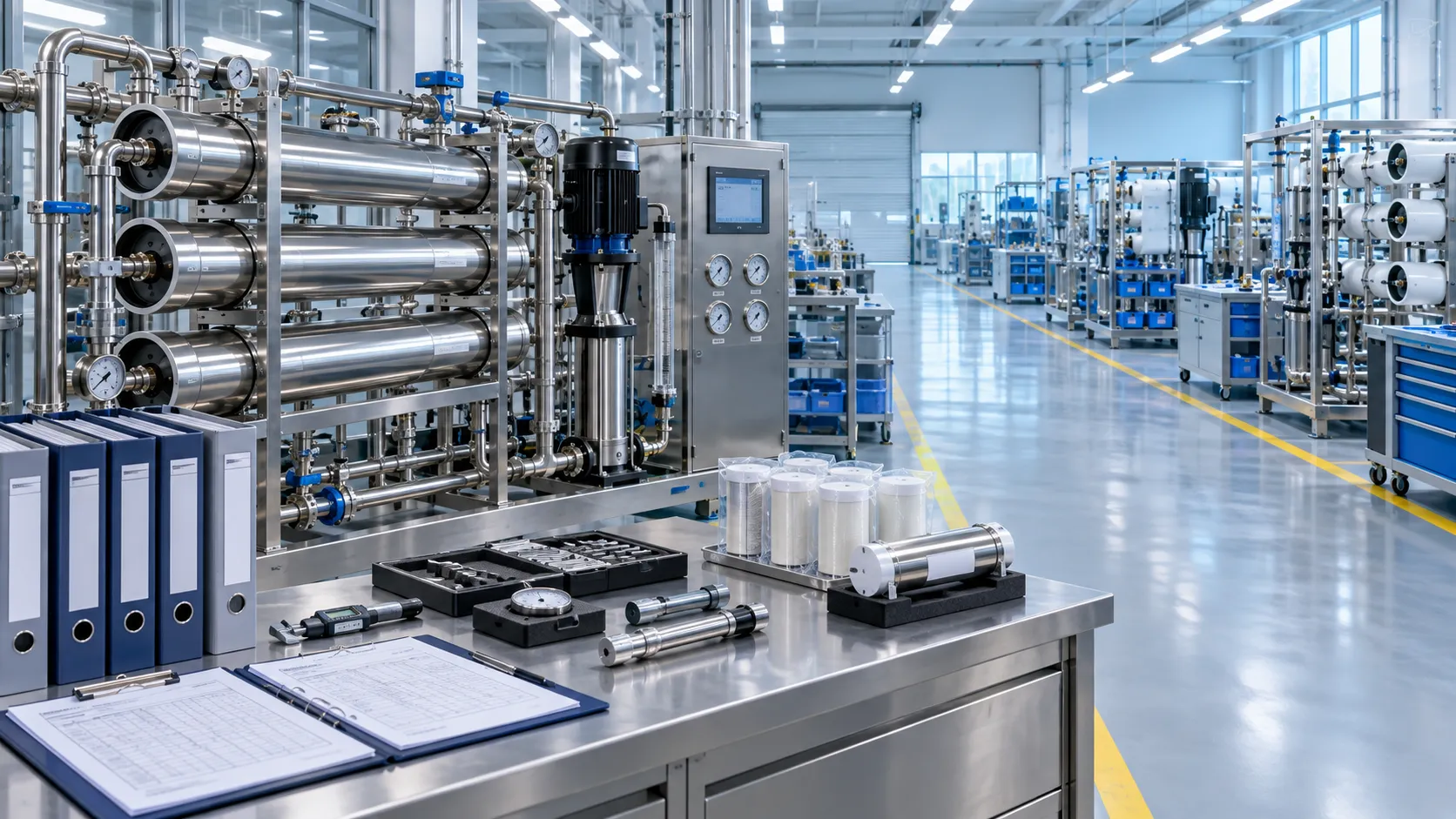
Which supplier evaluation support tools improve audit consistency?
Supplier evaluation support tools improve audit consistency with controlled checklists, evidence capture, risk scoring, CAPA workflows, and traceable approvals. Explore the essentials.
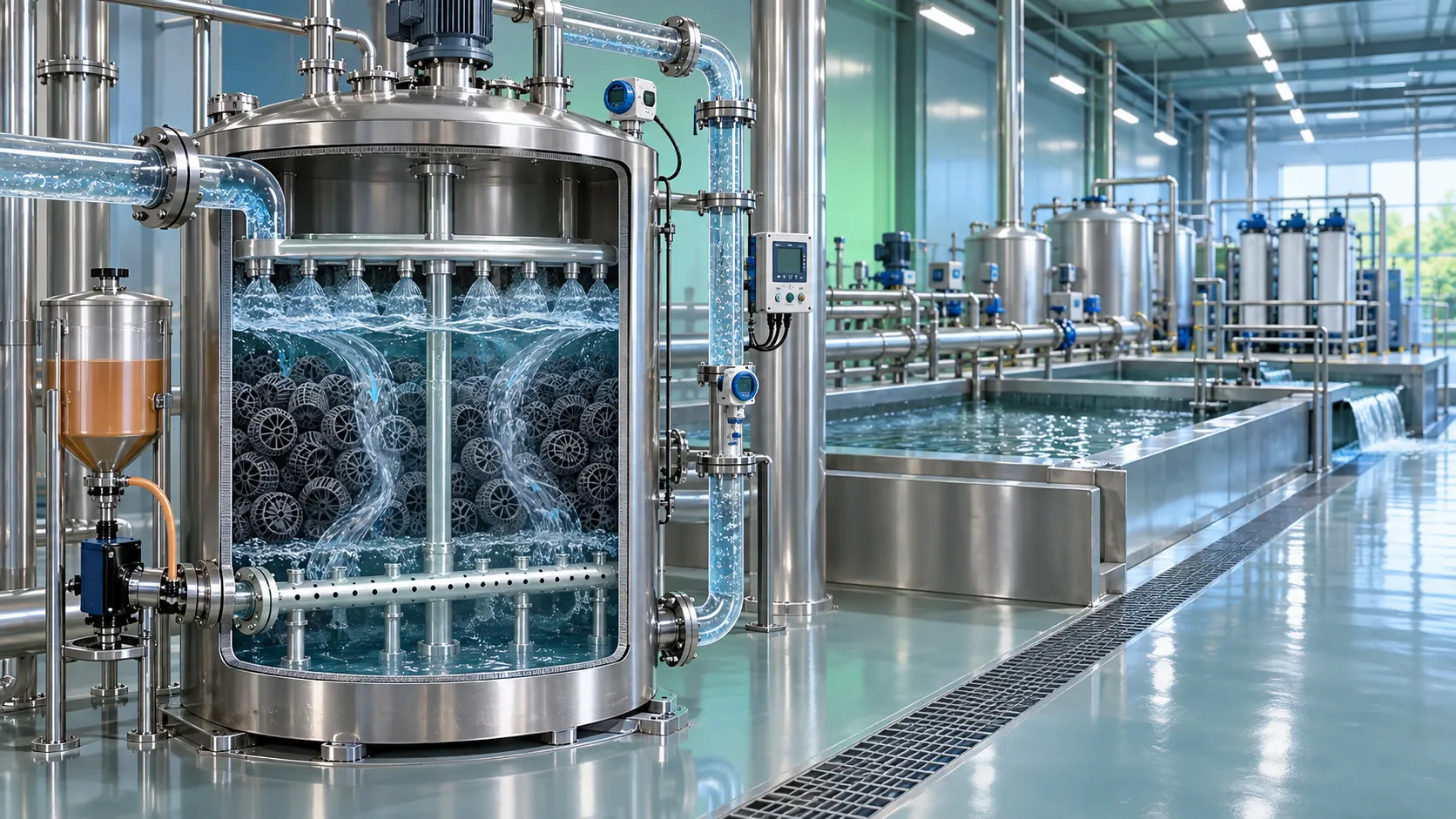
How reactor retention time affects denitrification equipment performance
Denitrification equipment reactor performance depends on retention time, carbon, mixing, and load control. Explore practical insights for reliable nitrogen removal.
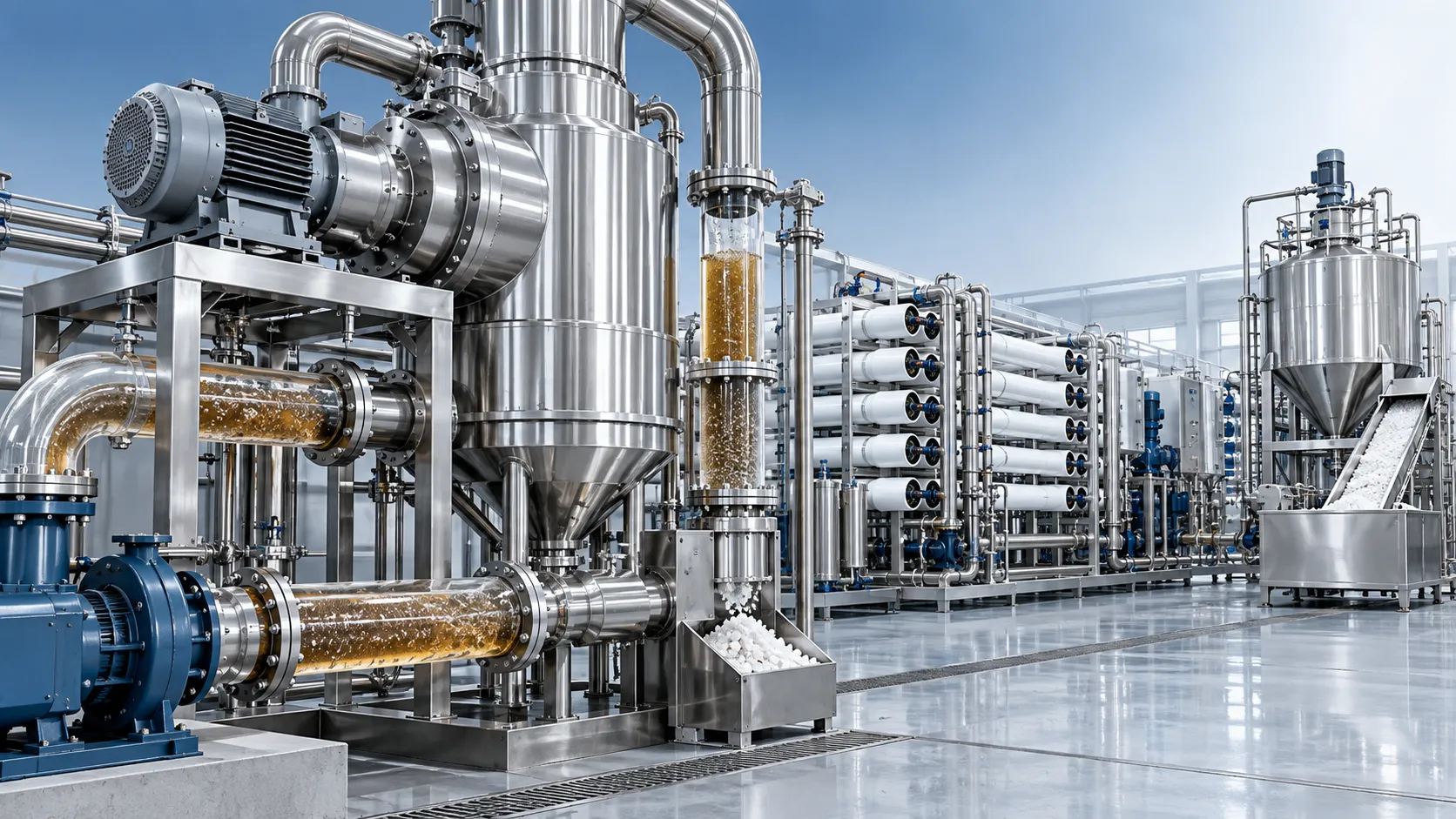
How feed salinity affects energy use in ZLD system brine treatment
ZLD system brine treatment: discover how feed salinity drives energy use, scaling risk, and technology choices for efficient, reliable zero liquid discharge.
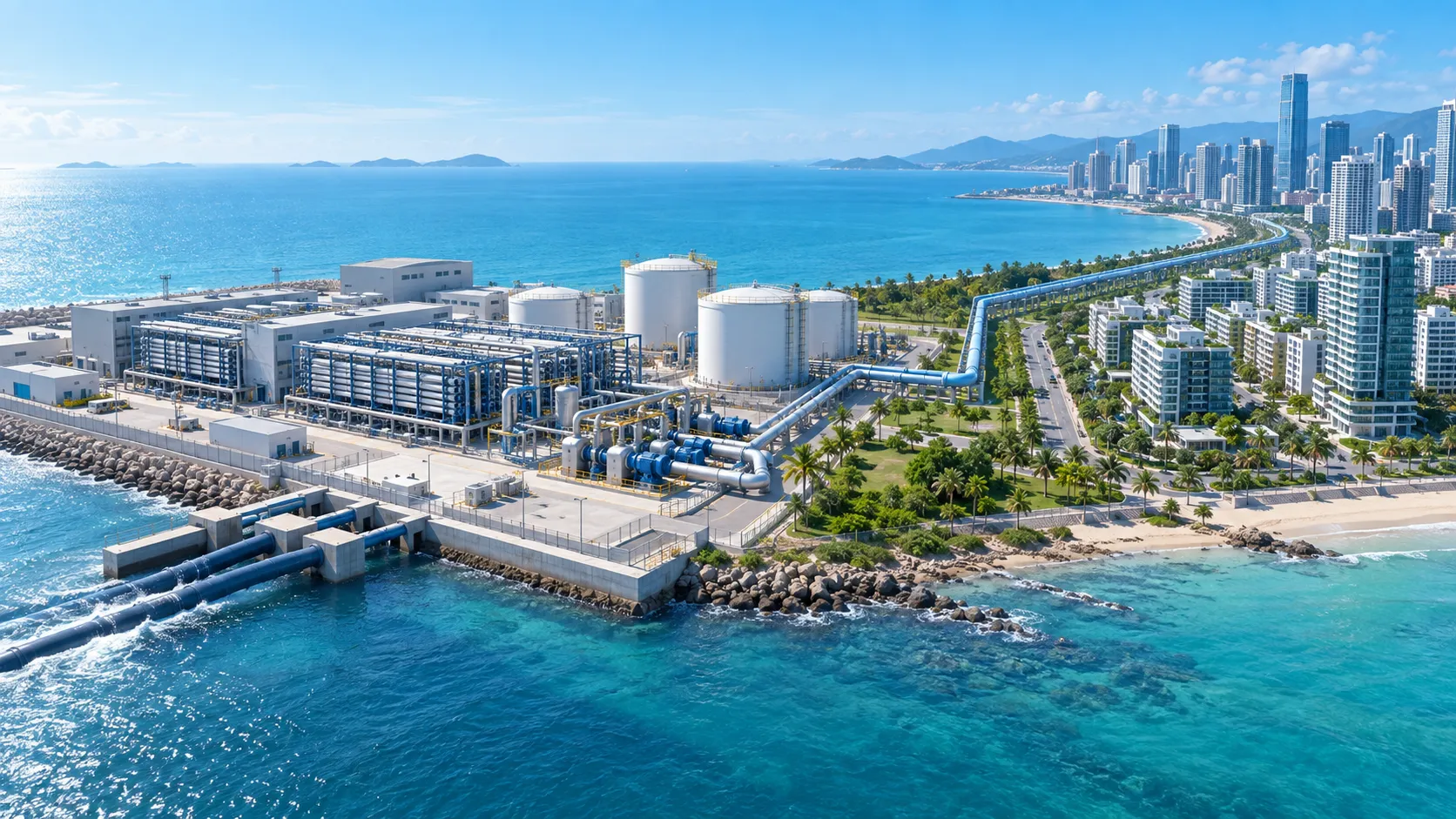
How coastal cities can select desalination solutions for peak demand
Seawater desalination solutions for coastal cities: compare firm peak capacity, intake risk, energy resilience, and lifecycle value to secure reliable water supply.
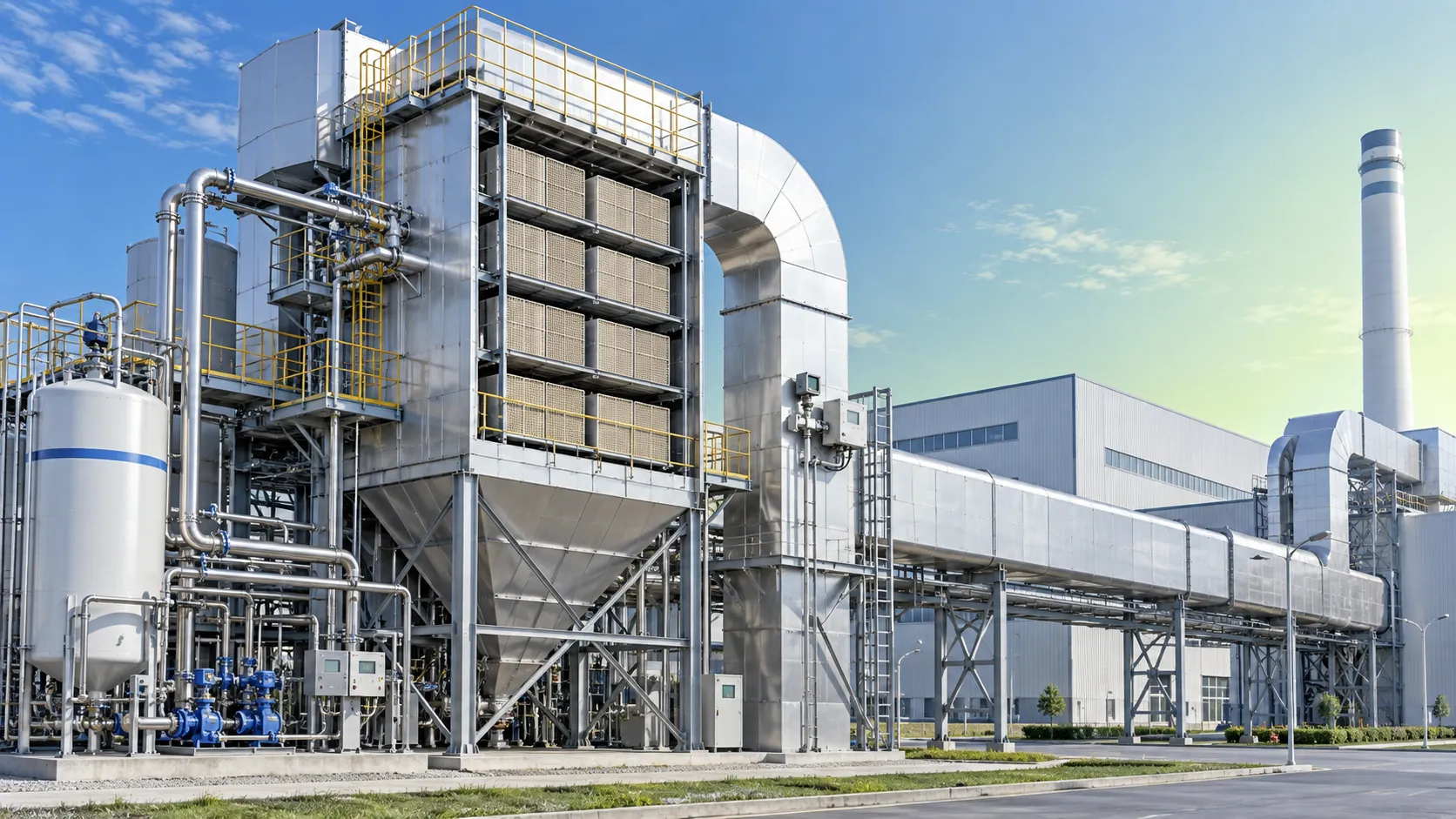
How SCR denitrification systems in Europe meet Industrial Emissions rules
SCR denitrification systems Europe: learn how permit-led design, ammonia-slip control, catalyst management and monitoring support Industrial Emissions compliance.
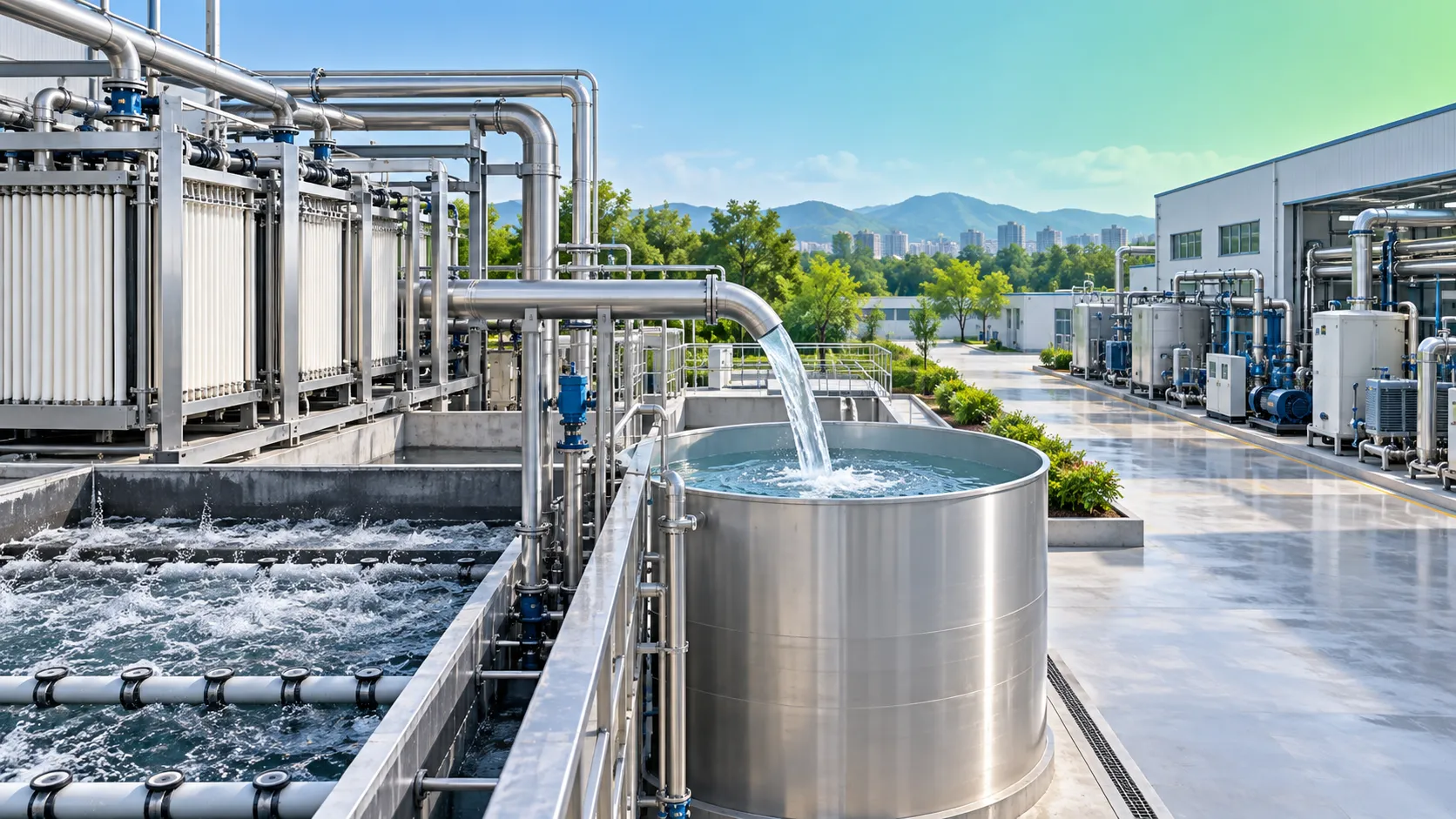
When does MBR equipment make sense for wastewater reuse?
Water treatment equipment for wastewater reuse: learn when MBR delivers compact, reliable low-solids effluent—and when alternative treatment trains offer better value.
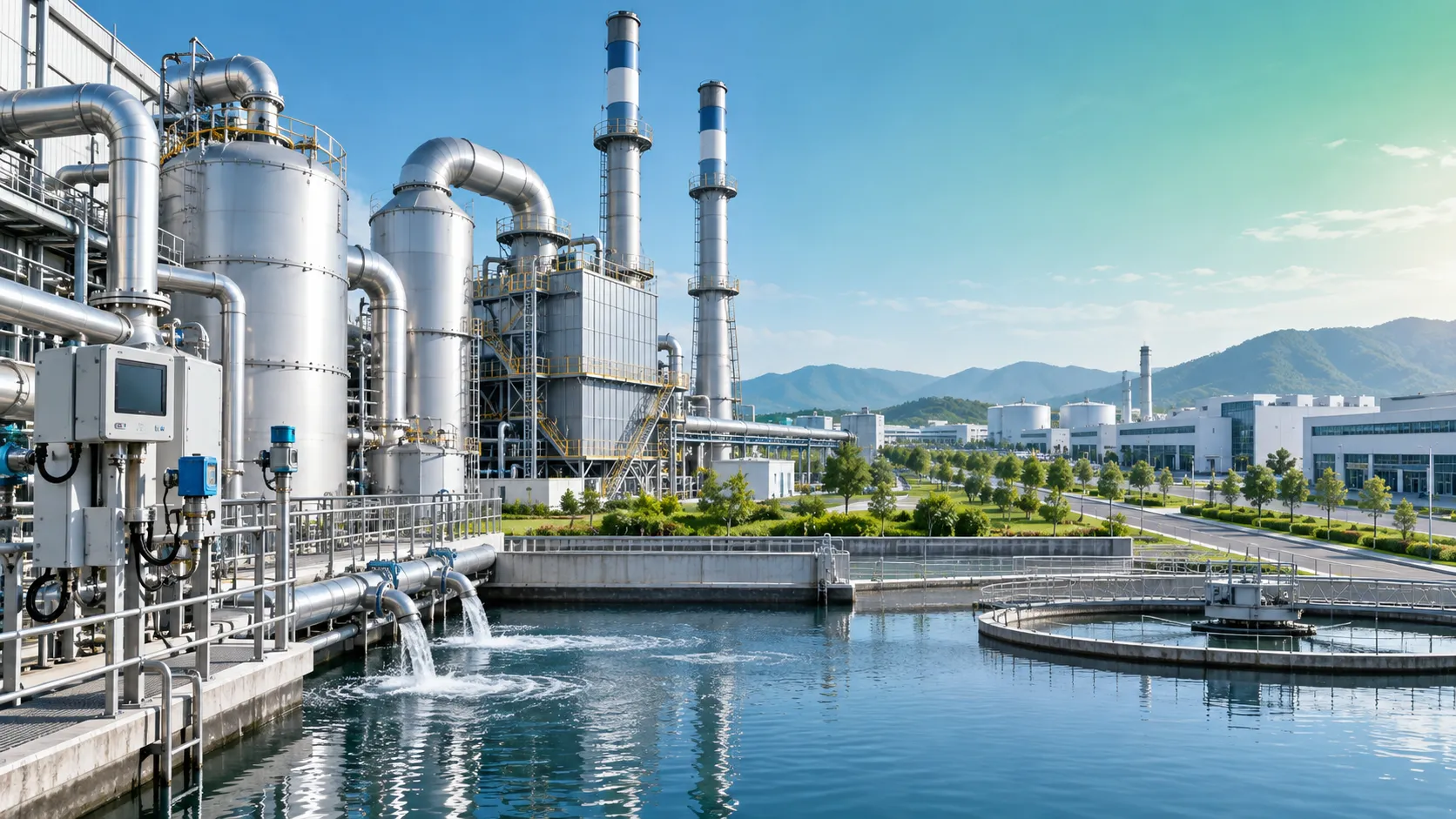
How North America shapes global environmental governance standards
Global environmental governance North America: discover how regulation, finance, and procurement raise worldwide standards and reshape environmental projects.
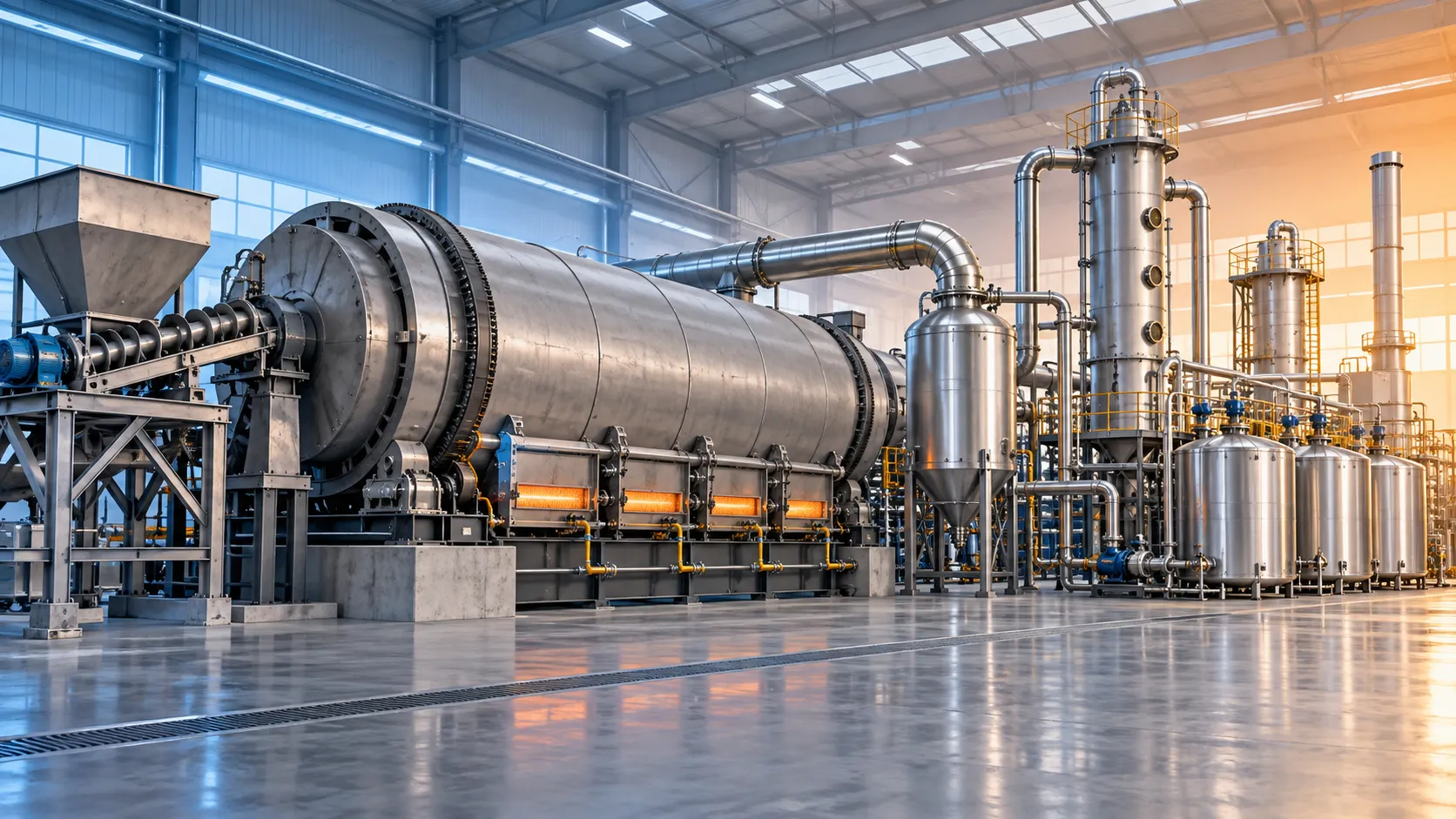
How reactor capacity affects throughput in pyrolysis systems
Pyrolysis systems reactor capacity explained: learn how heat transfer, residence time, feed quality, and emissions controls determine reliable throughput.
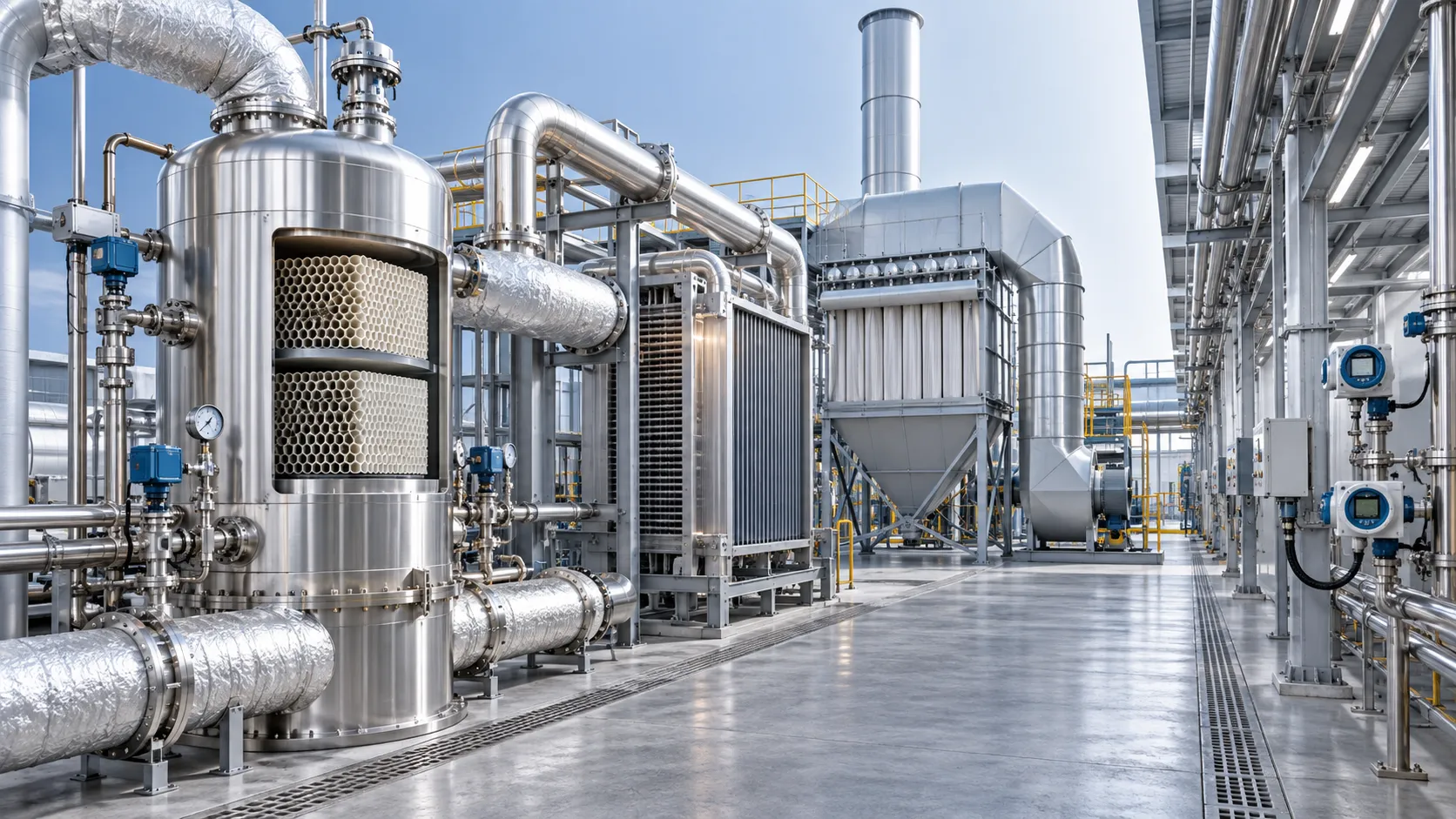
When low-temperature reaction equipment is the right fit for heat-sensitive processes
Low-temperature reaction equipment helps protect heat-sensitive streams, improve energy integration, and maintain reliable conversion. Explore key selection factors today.