
Industry News
Curation by industry experts
Hot Articles
Popular Tags
Heavy Metal Recovery Methods Compared for E-Waste Refining Lines
Selecting the right heavy metal recovery route is critical for e-waste refining lines facing tighter compliance, higher purity demands, and volatile feed composition. This comparison explains how major recovery methods perform in practice, where they fit best, and which trade-offs matter most when balancing recovery value, operating stability, effluent control, and line integration.
Why a checklist approach matters in heavy metal recovery
E-waste refining rarely handles a stable feed. Printed circuit boards, connectors, plating residues, dust, and leachates all vary in metal grade, chlorides, organics, and suspended solids.
That variability makes method selection difficult. A route that works for copper-rich acidic liquor may fail on mixed nickel, lead, zinc, and precious-metal-bearing streams.
A checklist avoids oversimplified decisions based only on recovery rate. Effective heavy metal recovery must also consider sludge burden, reagent demand, purity, secondary waste, safety, and downstream polishing.
For integrated environmental systems, the best answer is often not a single technology. It is a sequenced process train designed around value recovery first and compliance assurance second.
Core checklist for comparing heavy metal recovery methods
- Define the target metals first, separating bulk-value metals like copper and nickel from trace toxics like cadmium, chromium, and lead before selecting any recovery path.
- Measure feed chemistry in full, including pH, ORP, chloride, sulfate, ammonia, cyanide, TSS, oils, and organics that can suppress selectivity or poison media.
- Compare recovery value against treatment duty, because some streams justify metal recovery, while others are better managed through stabilization and compliant discharge polishing.
- Check concentration range carefully, since precipitation suits higher mass removal, while ion exchange, membranes, and electro-winning often depend on narrower loading windows.
- Review required product purity, because recovered metal salt, cathode metal, or concentrated eluate each support different resale channels and refining economics.
- Calculate secondary waste generation, especially hydroxide sludge, spent regenerant, exhausted resin, membrane concentrate, and off-gas residues from thermal pretreatment steps.
- Assess process resilience under fluctuating feed, because e-waste lines often experience batch swings that destabilize pH control, current efficiency, and separation performance.
- Verify integration with upstream leaching and downstream wastewater systems, ensuring the chosen heavy metal recovery route does not shift risk to another unit operation.
How the main heavy metal recovery methods compare
Chemical precipitation
Chemical precipitation remains the baseline method for heavy metal recovery and removal. Hydroxide, sulfide, and carbonate precipitation can reduce dissolved metal loads quickly and at relatively low capital cost.
Its main strength is robustness. It handles mixed-metal streams, high flow rates, and variable composition better than many selective systems. It is often the first containment barrier in e-waste wastewater treatment.
Its main weakness is selectivity. Sludge volume can be high, metal purity is usually poor, and reprocessing the sludge often becomes necessary to recover embedded value.
Solvent extraction
Solvent extraction is effective when specific metals must be separated from acidic leach liquors. It is widely used for copper, nickel, cobalt, and some specialty metal circuits.
This method offers strong selectivity and can generate cleaner streams for electrowinning or crystallization. In high-value refining lines, that selectivity supports better product quality and higher recovery value.
However, solvent management is demanding. Emulsion risks, organic losses, fire controls, and phase disengagement issues raise operational complexity, especially where feed solids are not well controlled.
Ion exchange and chelating resins
Ion exchange is suited to lower-concentration streams or polishing duty after bulk removal. Chelating resins can selectively capture copper, nickel, zinc, or precious traces from relatively clean solutions.
For heavy metal recovery, the value lies in concentration. A dilute wastewater stream can be transformed into a smaller regenerant stream that is easier to recycle or refine.
The limitation is fouling. Suspended solids, oils, oxidants, and competing ions can sharply reduce resin life and usable capacity, making pretreatment essential rather than optional.
Electrowinning and electrochemical recovery
Electrowinning is attractive when dissolved metal concentration is high enough and product-grade metal is desired. Copper recovery from chloride or sulfate solutions is a common example.
It can produce saleable metal directly, reducing chemical inputs and sludge generation. For some circuits, electrochemical recovery also supports tighter closed-loop operation.
Yet current efficiency falls when concentration drops or impurities increase. Mixed-metal systems may plate unevenly, and energy demand becomes difficult to justify in weak liquors.
Membrane concentration
Nanofiltration, reverse osmosis, and electrodialysis are not always primary heavy metal recovery methods, but they are powerful concentration and water reuse tools.
Their role is often strategic. They reduce wastewater volume, recover process water, and create a concentrated reject stream suitable for precipitation, extraction, or electrochemical recovery.
The downside is fouling and concentrate management. Membranes move the metal burden into a smaller stream, but they do not eliminate the need for final metal handling.
Best-fit scenarios across e-waste refining lines
Mixed rinse waters with low metal concentration
For low-strength rinse waters, ion exchange or membranes usually outperform direct electrowinning. The objective is concentration and reuse, not immediate metal production.
A common route is filtration, pH control, ion exchange, then regenerant collection for off-line refining. This improves heavy metal recovery without overbuilding the main line.
Acidic leach liquors from board and connector processing
These streams often justify selective recovery. Solvent extraction followed by electrowinning is strong where copper or nickel value is high and feed chemistry is reasonably stable.
If solids, organics, or colloids remain uncontrolled, a precipitation-first approach may be safer. Protecting unit stability can matter more than theoretical peak recovery.
Hazardous mixed-metal wastewater with compliance pressure
Where discharge compliance is the first priority, staged precipitation remains the anchor technology. Sulfide or hydroxide steps can remove broad metal loads before polishing.
Polishing with ion exchange or membranes then manages residual limits. In this scenario, heavy metal recovery is important, but risk containment leads the design basis.
Commonly overlooked issues and risk alerts
Ignoring metal speciation: Chromium VI behaves differently from chromium III, and complexed copper may resist precipitation. Method selection must reflect actual species, not total metal only.
Underestimating pretreatment: Poor solids removal, oil carryover, or unstable pH can destroy resin performance, foul membranes, and destabilize solvent extraction circuits.
Overvaluing recovery percentage: A high lab recovery rate means little if the recovered product cannot enter a downstream refinery or fails impurity specifications.
Missing sludge economics: Cheap precipitation can become expensive when dewatering, transport, hazardous disposal, and lost entrained metals are properly costed.
Forgetting water balance: Strong heavy metal recovery design should also support water reuse, reduced blowdown, and lower load on ZLD or final treatment assets.
Practical execution recommendations
- Segment streams by chemistry and value instead of mixing all wastewater into one equalization tank.
- Pilot at least two process trains under variable feed conditions, not just under optimized laboratory samples.
- Score each option on recovery value, compliance reliability, OPEX, sludge burden, safety, and integration with water reuse.
- Design for hybrid operation, combining bulk removal with selective polishing or concentration where economics justify the added complexity.
- Build monitoring around pH, conductivity, ORP, metal concentration, and differential pressure to catch performance drift early.
Conclusion and next-step guidance
No single method dominates every e-waste application. The best heavy metal recovery strategy depends on feed strength, target metals, purity goals, water balance, and compliance risk.
As a rule, precipitation secures broad control, ion exchange and membranes improve polishing and concentration, and solvent extraction or electrowinning unlock higher-value recovery from suitable liquors.
The most reliable next step is to map all metal-bearing streams, rank them by value and hazard, and test a staged process train. That approach delivers actionable data for capital selection and long-term operating stability.
Recommended News
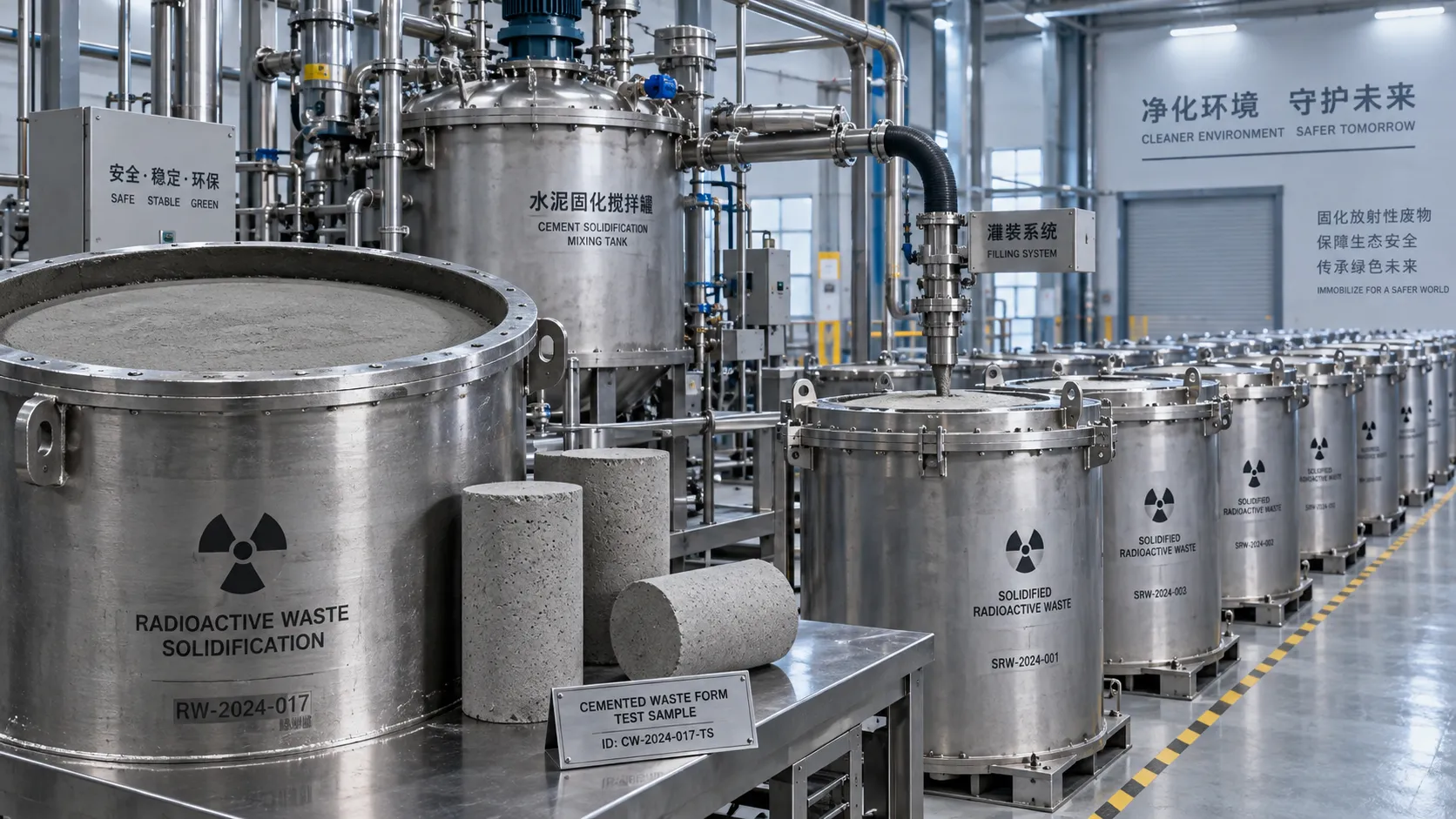
When is cementation suitable for nuclear decommissioning waste?
Explore nuclear waste treatment technology for decommissioning: learn when cementation fits, which risks to assess, and how disposal criteria guide an effective treatment choice.
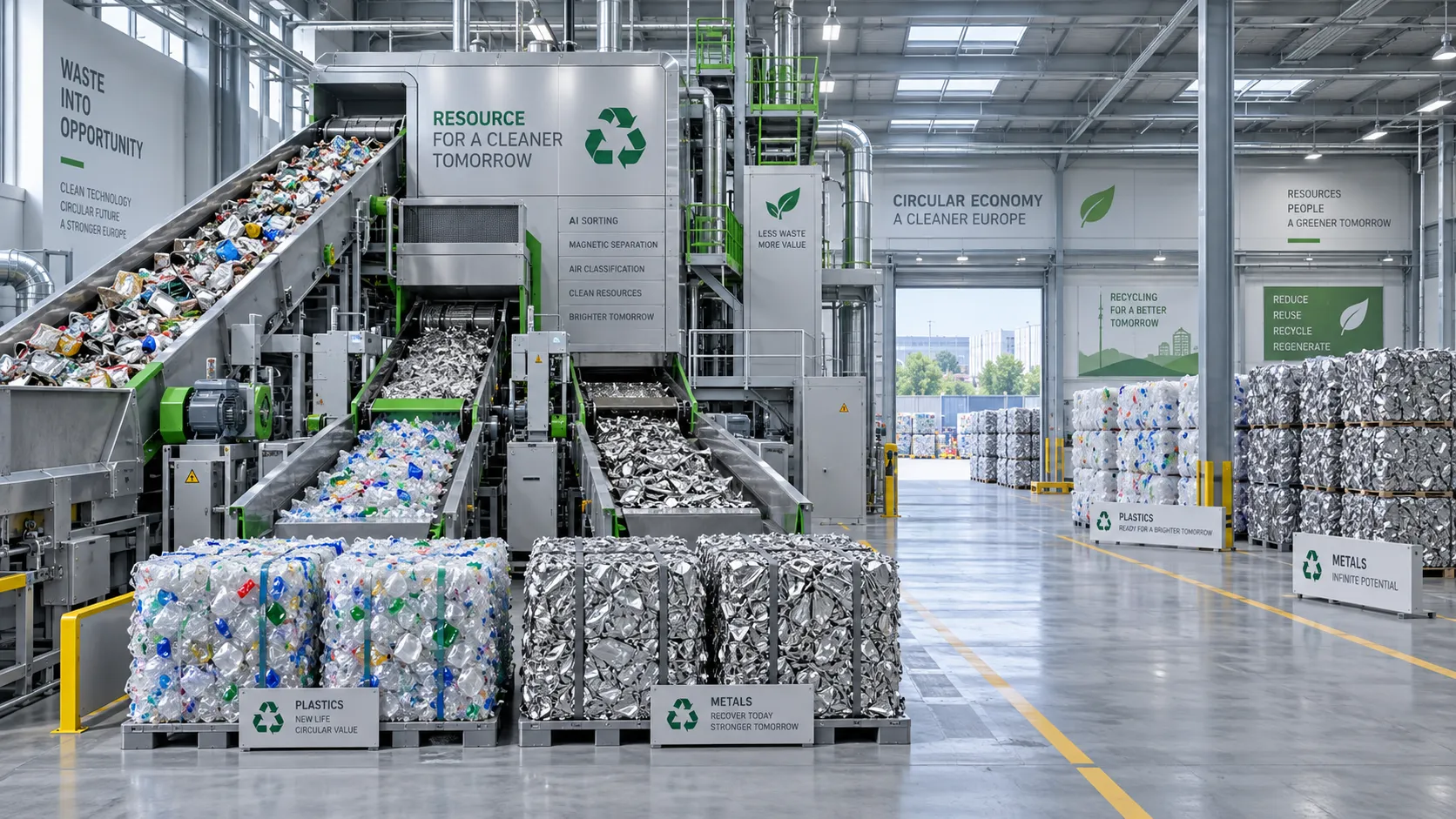
What determines payback for waste-to-resource systems in Europe?
Assess waste-to-resource systems Europe-wide: compare feedstock, recovery yields, costs and contracts to uncover payback drivers and make smarter investment decisions.
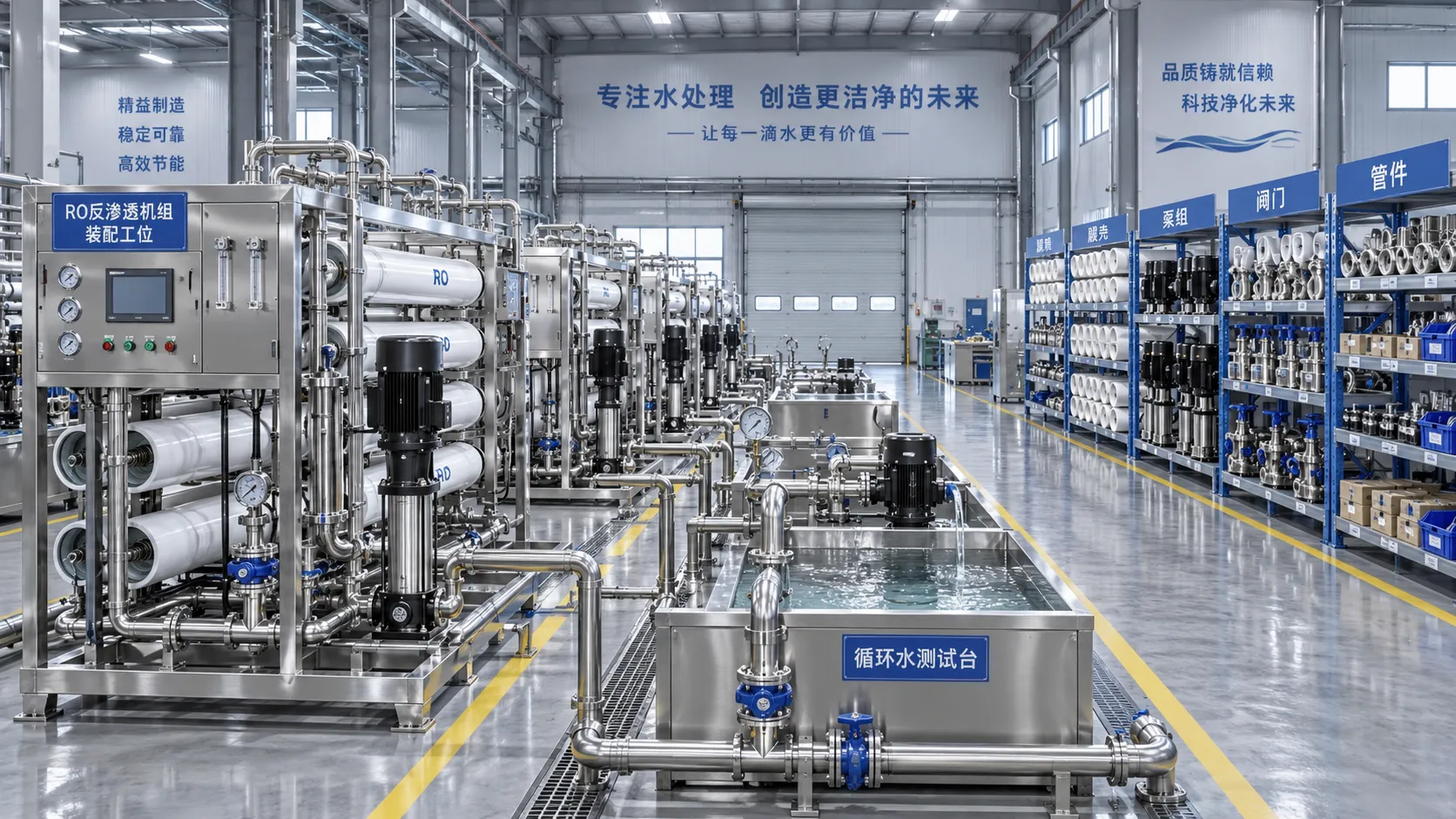
How to verify a water treatment system factory’s production capacity
Verify a water treatment systems factory’s production capacity through records, bottlenecks, component availability, and testing. Learn what to check before accepting a delivery promise.
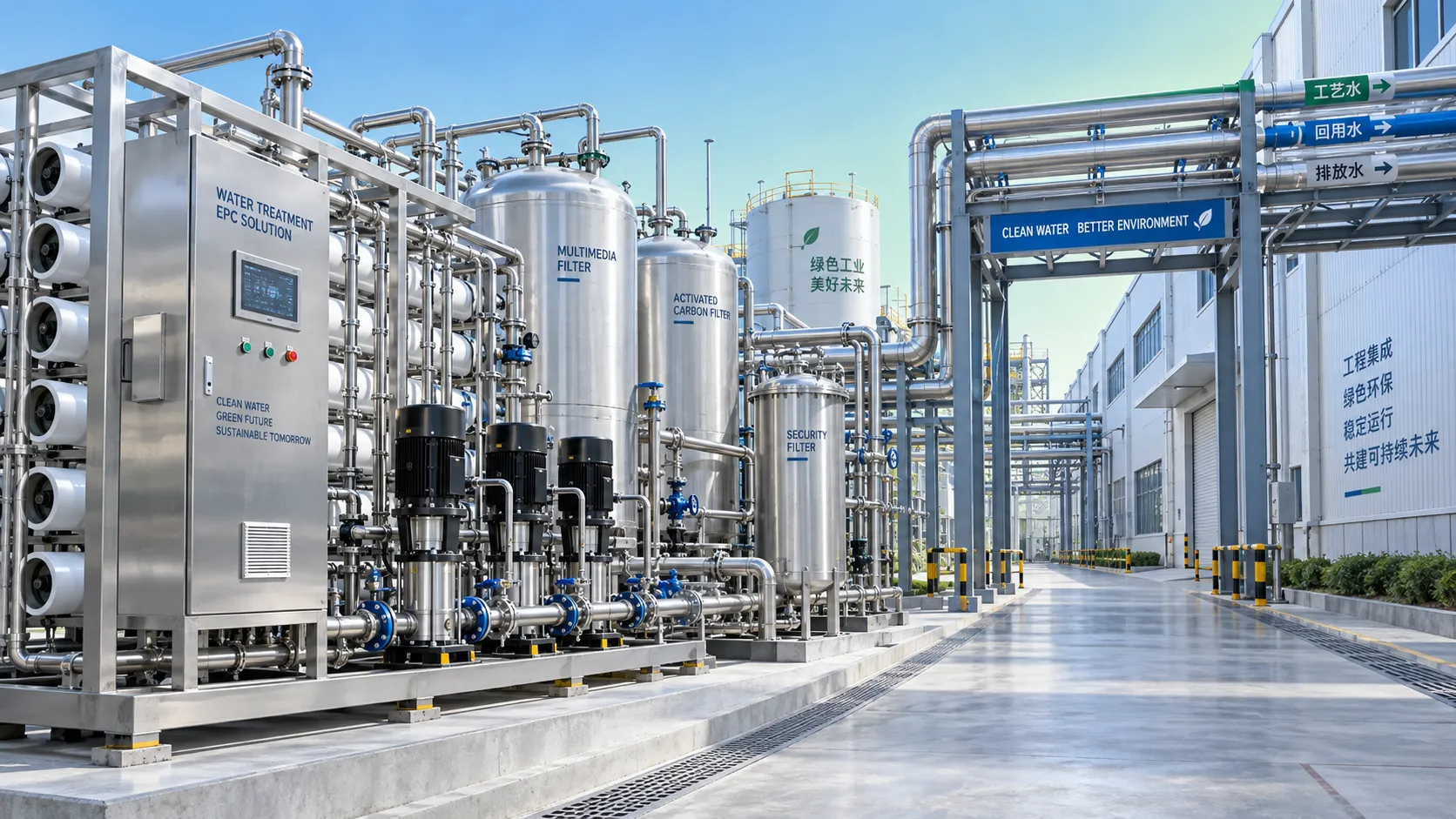
When does EPC environmental project support reduce delivery risk?
EPC environmental project support engineering reduces delivery risk by aligning design, procurement, compliance, construction, and commissioning decisions.
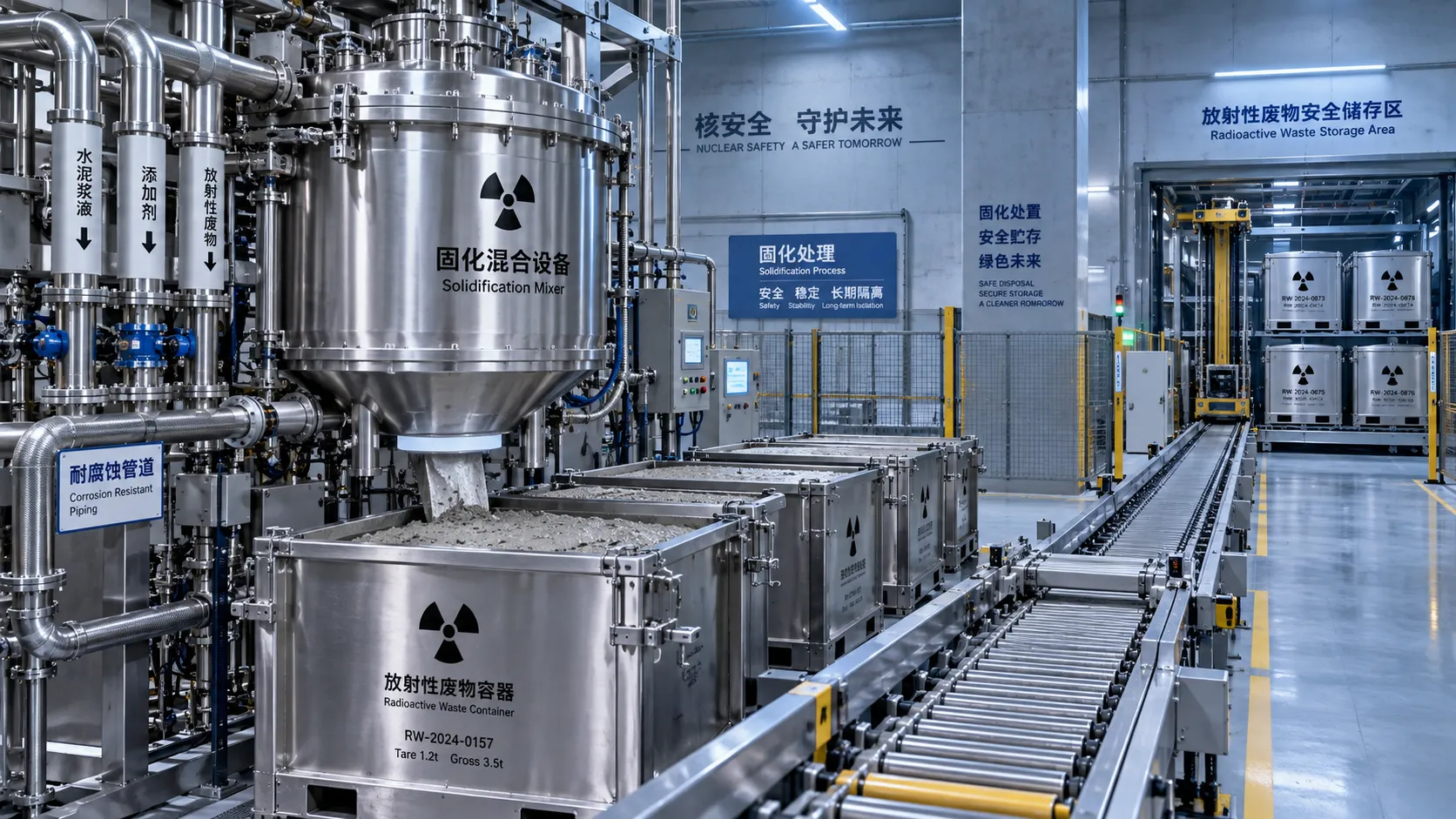
How nuclear plants select a radioactive waste solidification method
Radioactive waste management for nuclear plants: compare vitrification, cementation, polymers, and ceramics to select a compliant, durable solidification solution.
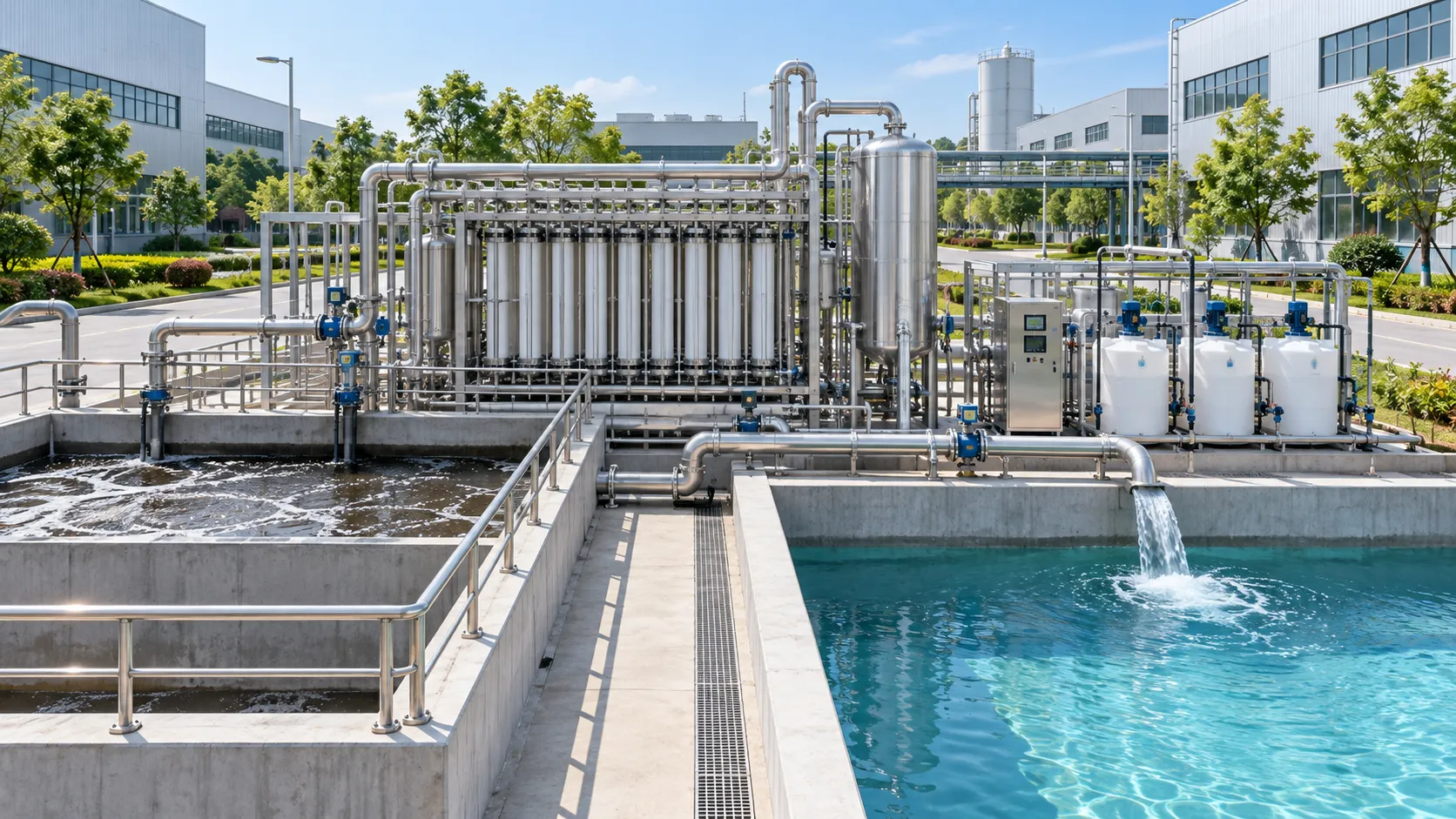
Comparing Upgrade Costs for Industrial Park Wastewater Treatment Systems
Compare costs for wastewater system upgrades in industrial parks with a lifecycle view of CAPEX, OPEX, compliance, resilience, and future expansion.
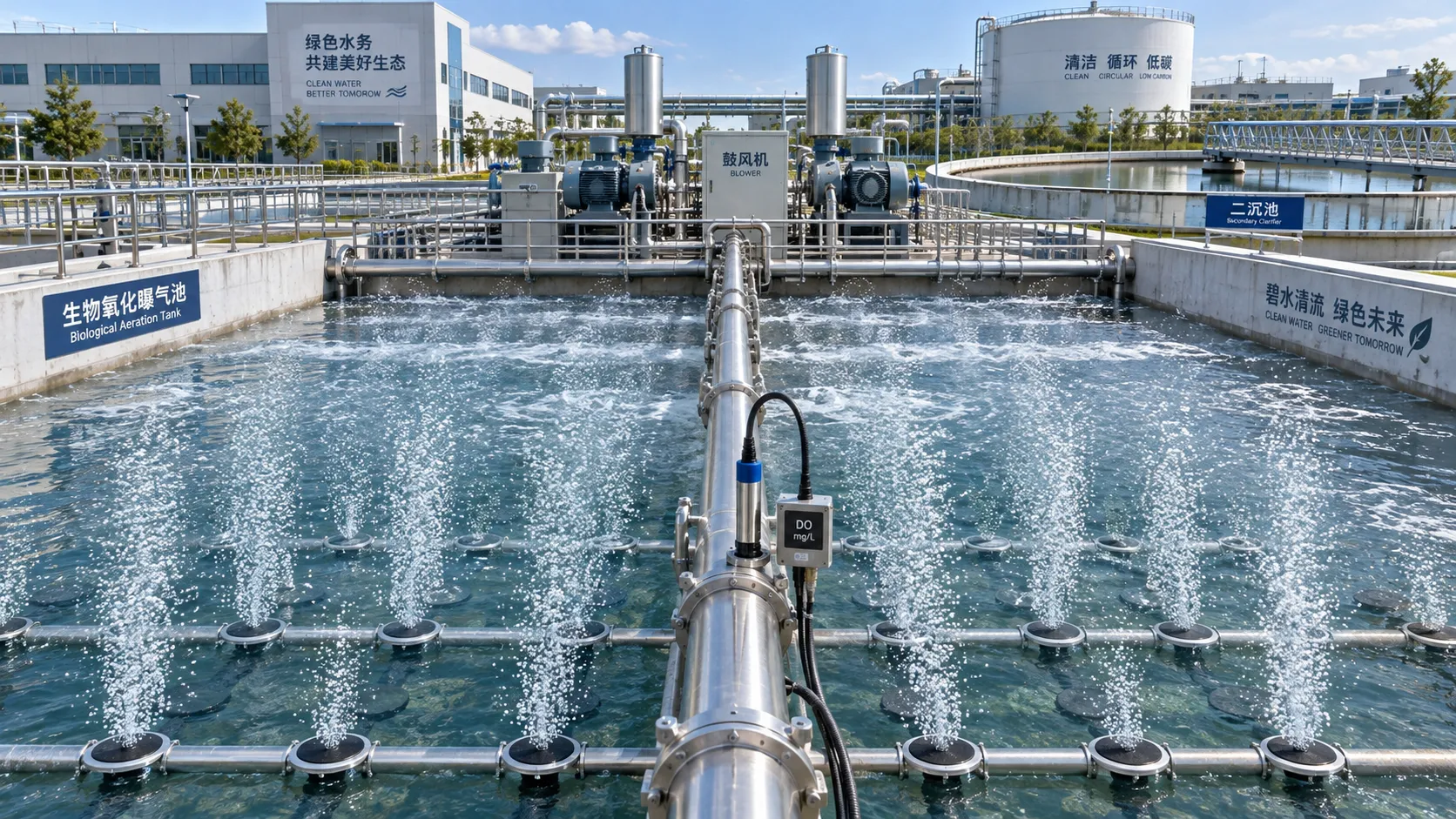
Biological Wastewater Oxidation Explained: Aeration Demand and Process Control
Biological wastewater oxidation explained: optimize aeration demand, DO control, nitrification, and sludge age for stable effluent quality and lower energy costs.
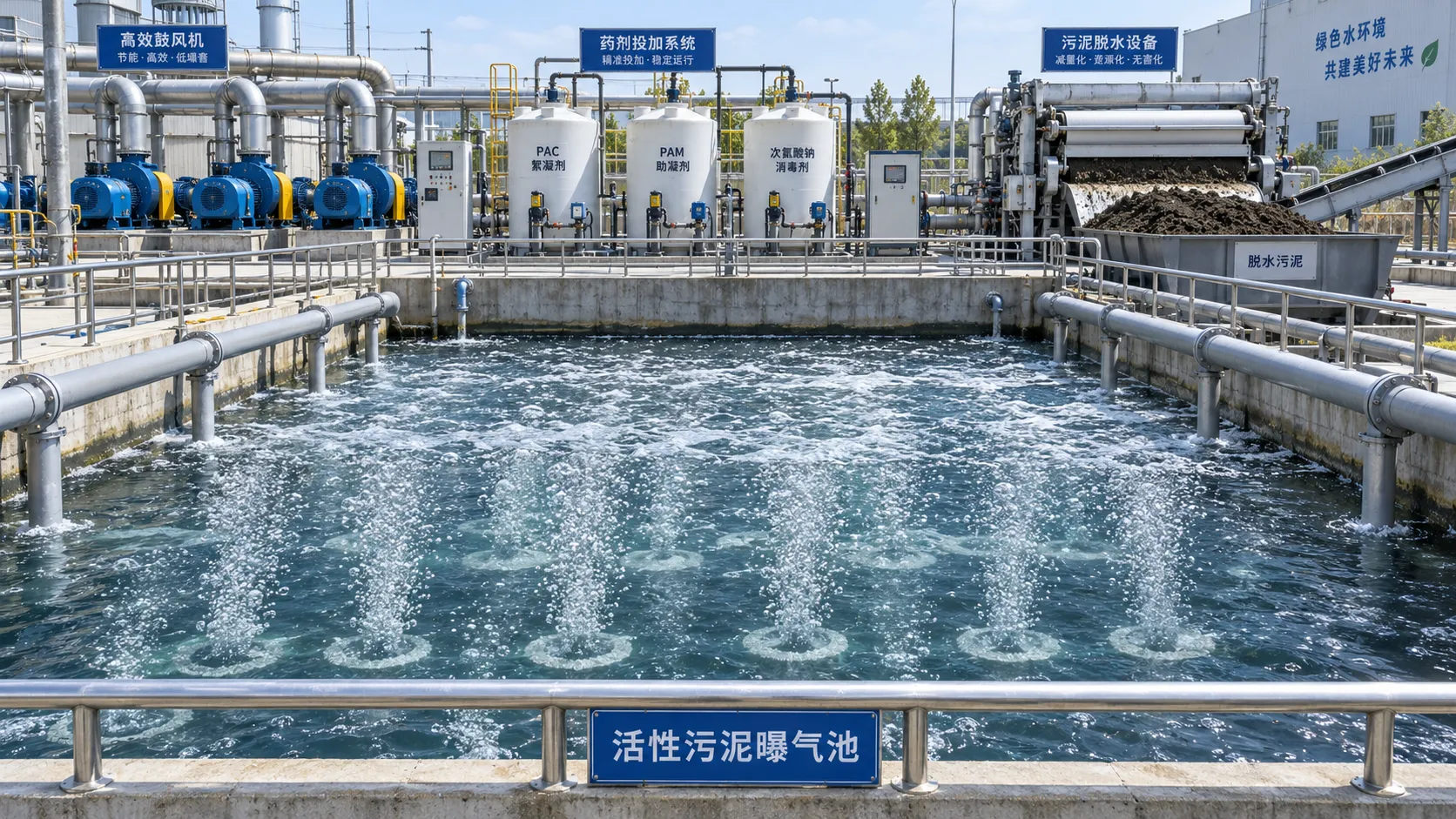
Activated Sludge Cost: Budgeting Energy, Chemicals, Sludge, and Labor
Activated sludge cost explained: compare energy, chemicals, sludge disposal, labor, and compliance risks to build a reliable lifecycle budget.
When Should Municipal Wastewater Plants Upgrade Treatment Capacity and Controls?
Municipal wastewater treatment upgrades: learn when capacity, controls, and resilient planning are needed to protect compliance and optimize plant performance.