
Industry News
Curation by industry experts
Hot Articles
Popular Tags
Membrane Filtration Technology: Fouling Control That Works
For operators, membrane filtration technology proves its value only when fouling remains predictable and manageable.
In demanding treatment systems, flux loss, pressure rise, and short cleaning cycles quickly damage reliability, cost control, and discharge performance.
Across industrial water, municipal reuse, desalination, and high-purity applications, practical fouling control is now a core operating discipline.
This article explains how membrane filtration technology can maintain stable output through proven fouling control methods that work under real plant conditions.
Understanding membrane filtration technology and the fouling challenge
Membrane filtration technology separates contaminants through selective barriers driven by pressure, concentration, or electrochemical gradients.
Common systems include microfiltration, ultrafiltration, nanofiltration, and reverse osmosis.
Each process serves different particle sizes, dissolved solids ranges, and treatment goals.
Fouling occurs when unwanted material accumulates on the membrane surface or inside membrane pores.
That buildup increases hydraulic resistance, lowers permeate quality, and accelerates membrane aging.
In practice, membrane filtration technology rarely fails because the membrane concept is weak.
It fails when pretreatment, operating discipline, and cleaning strategy do not match actual feedwater behavior.
Main fouling types seen in operating plants
- Particulate fouling from suspended solids, silt, colloids, and corrosion products.
- Organic fouling from oils, humic substances, surfactants, and industrial organics.
- Scaling from calcium carbonate, sulfate salts, silica, and metal precipitation.
- Biofouling from bacteria, extracellular polymers, and biofilm growth.
Most systems face mixed fouling, not a single isolated mechanism.
That is why successful membrane filtration technology depends on diagnosis before intervention.
Why fouling control matters across the environmental industry
Fouling control is not only a maintenance topic.
It directly shapes energy use, chemical demand, membrane replacement frequency, and compliance stability.
For integrated environmental infrastructure, unstable membranes create upstream and downstream process risk.
For portals such as ESD, membrane filtration technology sits at the center of water resilience and circular resource recovery.
Its performance influences ZLD strategy, reuse economics, desalination reliability, and regulatory confidence.
The operating indicators that reveal fouling early
Early detection is the most cost-effective fouling control tool.
Waiting for severe performance loss often turns reversible fouling into permanent damage.
Key indicators to track daily
- Normalized permeate flux trend.
- Transmembrane pressure or differential pressure increase.
- Permeate conductivity or turbidity drift.
- Cleaning interval shortening.
- Pretreatment upset frequency.
Trending data matters more than isolated snapshots.
Good membrane filtration technology programs normalize data for temperature, salinity, and production rate.
That prevents false alarms and identifies root causes faster.
Fouling control strategies that work in real conditions
Reliable membrane filtration technology uses layered protection, not a single corrective action.
The strongest results usually come from combining feed control, hydraulic discipline, chemical optimization, and timely cleaning.
1. Strengthen pretreatment before membranes
Pretreatment quality determines how hard the membrane must work.
Clarification, dissolved air flotation, media filtration, cartridge protection, and upstream ultrafiltration can sharply reduce fouling pressure.
Where feedwater fluctuates, online SDI, turbidity, TOC, or particle monitoring improves response speed.
2. Operate below critical stress limits
Running at maximum flux may look efficient for a short period.
However, excessive flux accelerates cake buildup, concentration polarization, and irreversible fouling.
A slightly lower design flux often delivers better yearly output because cleaning frequency and downtime fall.
3. Control scaling chemistry carefully
Scaling control depends on recovery targets, pH, temperature, and ionic balance.
Antiscalant selection should reflect actual water chemistry, not generic assumptions.
Silica, barium, and sulfate risks require special attention in high-recovery systems.
4. Reduce biofouling nutrient and residence risks
Biofouling is often underestimated because it develops gradually.
Dead zones, warm feed tanks, poor dechlorination control, and residual biodegradable carbon create ideal growth conditions.
Periodic sanitation, stable pretreatment, and hygienic storage reduce biological pressure significantly.
5. Clean based on evidence, not delay
Cleaning too late is expensive.
Cleaning too often also wastes chemicals, labor, and membrane life.
Effective membrane filtration technology uses trigger thresholds for pressure rise, normalized flux loss, and salt passage change.
Cleaning solutions, temperature, pH, and soaking time must match the foulant profile.
Typical application scenarios and control priorities
Different sectors apply membrane filtration technology under very different feedwater and recovery demands.
These examples show that membrane filtration technology should be tuned to context, not copied from another plant.
Practical recommendations for stable long-term performance
- Build a feedwater baseline using seasonal and upset-condition data.
- Set normalized alarm thresholds before severe fouling appears.
- Verify pretreatment after every upstream process change.
- Match CIP chemistry to foulant analysis whenever possible.
- Review membrane autopsy findings after repeated unexplained decline.
- Balance recovery targets with cleaning cost and membrane lifespan.
The most resilient membrane filtration technology programs combine plant data, chemistry knowledge, and disciplined operating routines.
That approach protects throughput while supporting stricter environmental compliance and resource efficiency goals.
Next-step focus for better membrane filtration technology results
Start with a focused fouling review of current operating records.
Check normalized flux, pressure trends, pretreatment stability, and actual CIP recovery after cleaning.
Then align membrane filtration technology settings with feedwater reality, not nameplate assumptions.
In complex environmental systems, consistent fouling control is what turns membrane performance from theoretical capacity into dependable daily output.
Recommended News
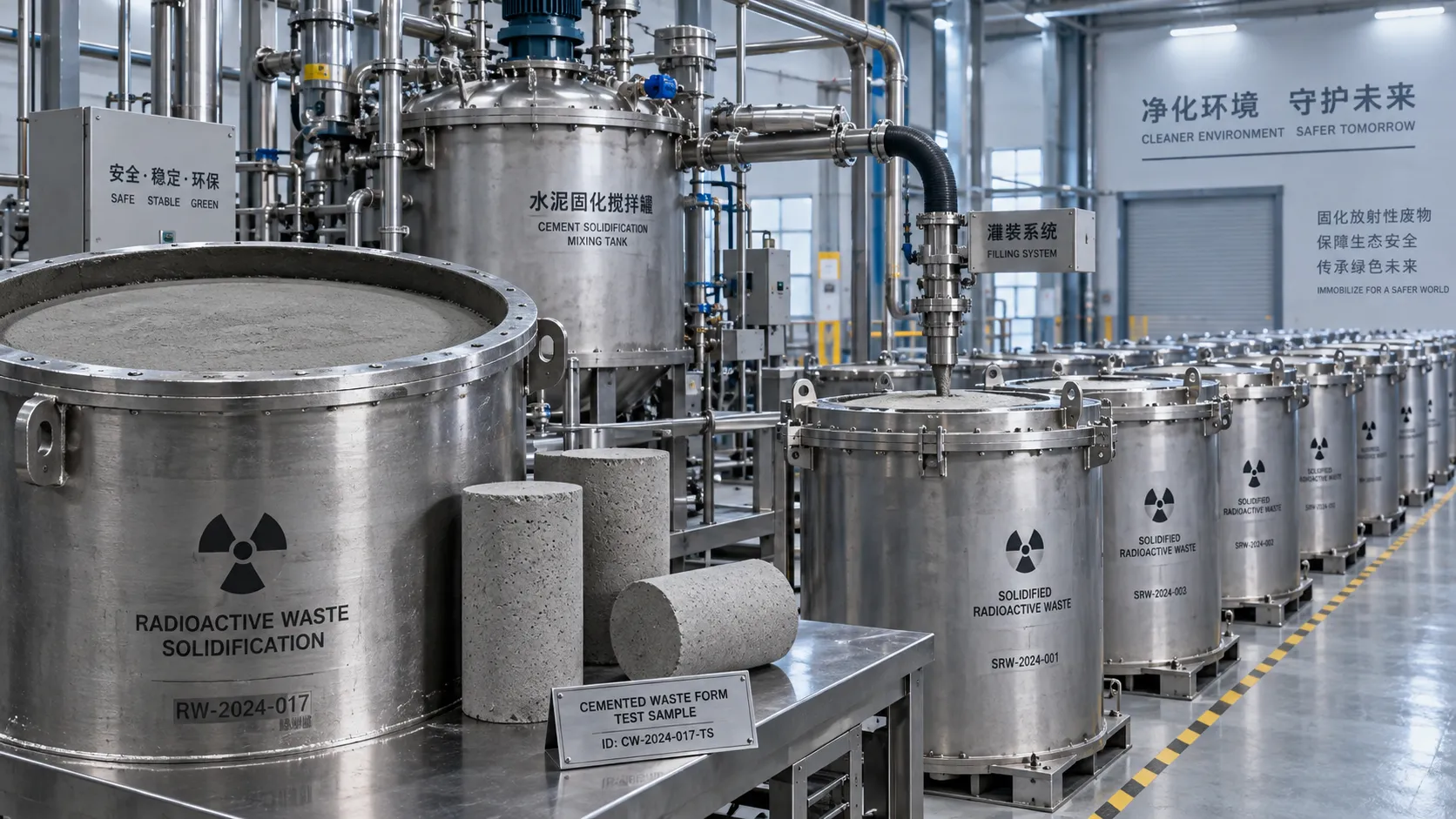
When is cementation suitable for nuclear decommissioning waste?
Explore nuclear waste treatment technology for decommissioning: learn when cementation fits, which risks to assess, and how disposal criteria guide an effective treatment choice.
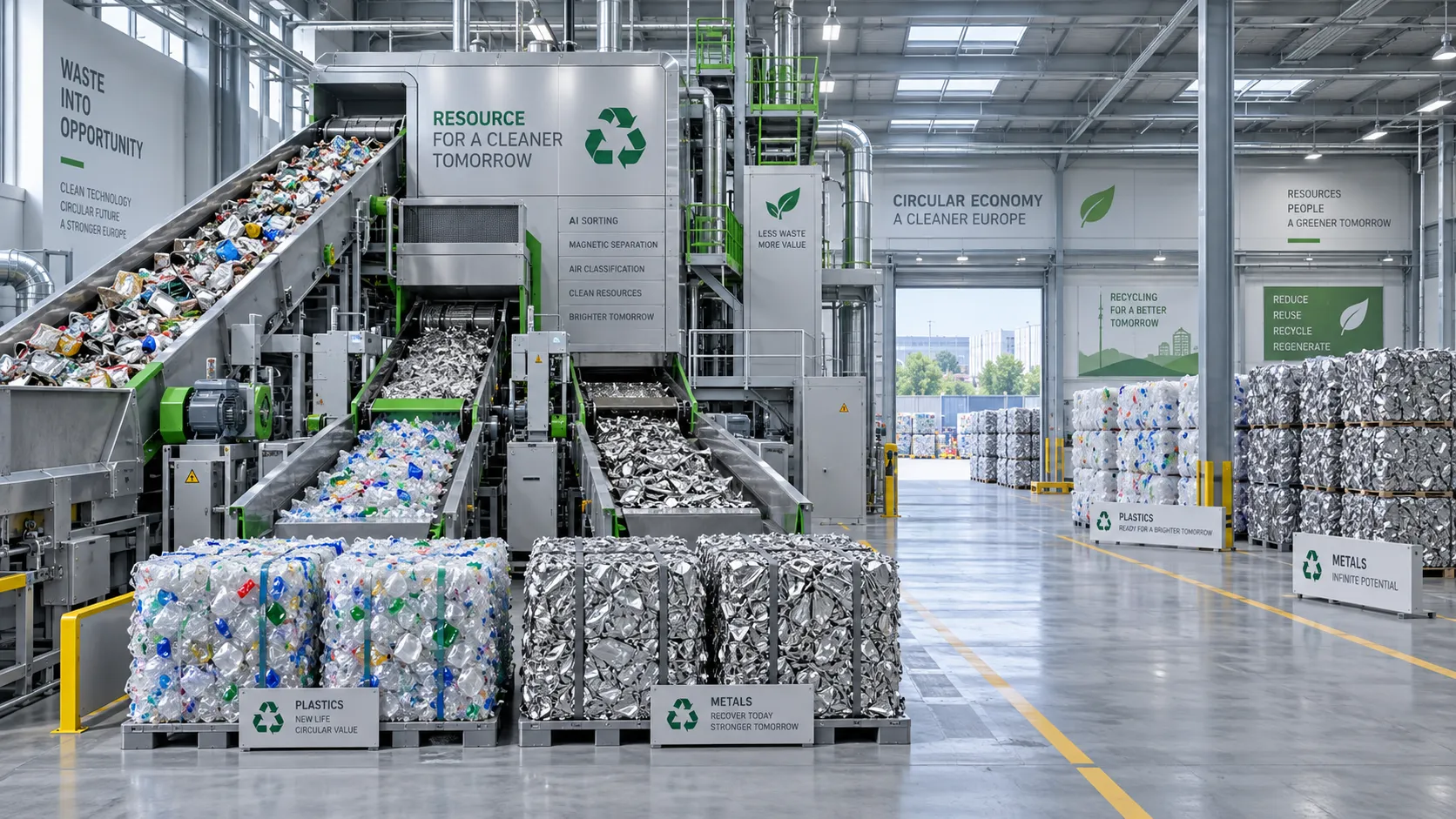
What determines payback for waste-to-resource systems in Europe?
Assess waste-to-resource systems Europe-wide: compare feedstock, recovery yields, costs and contracts to uncover payback drivers and make smarter investment decisions.
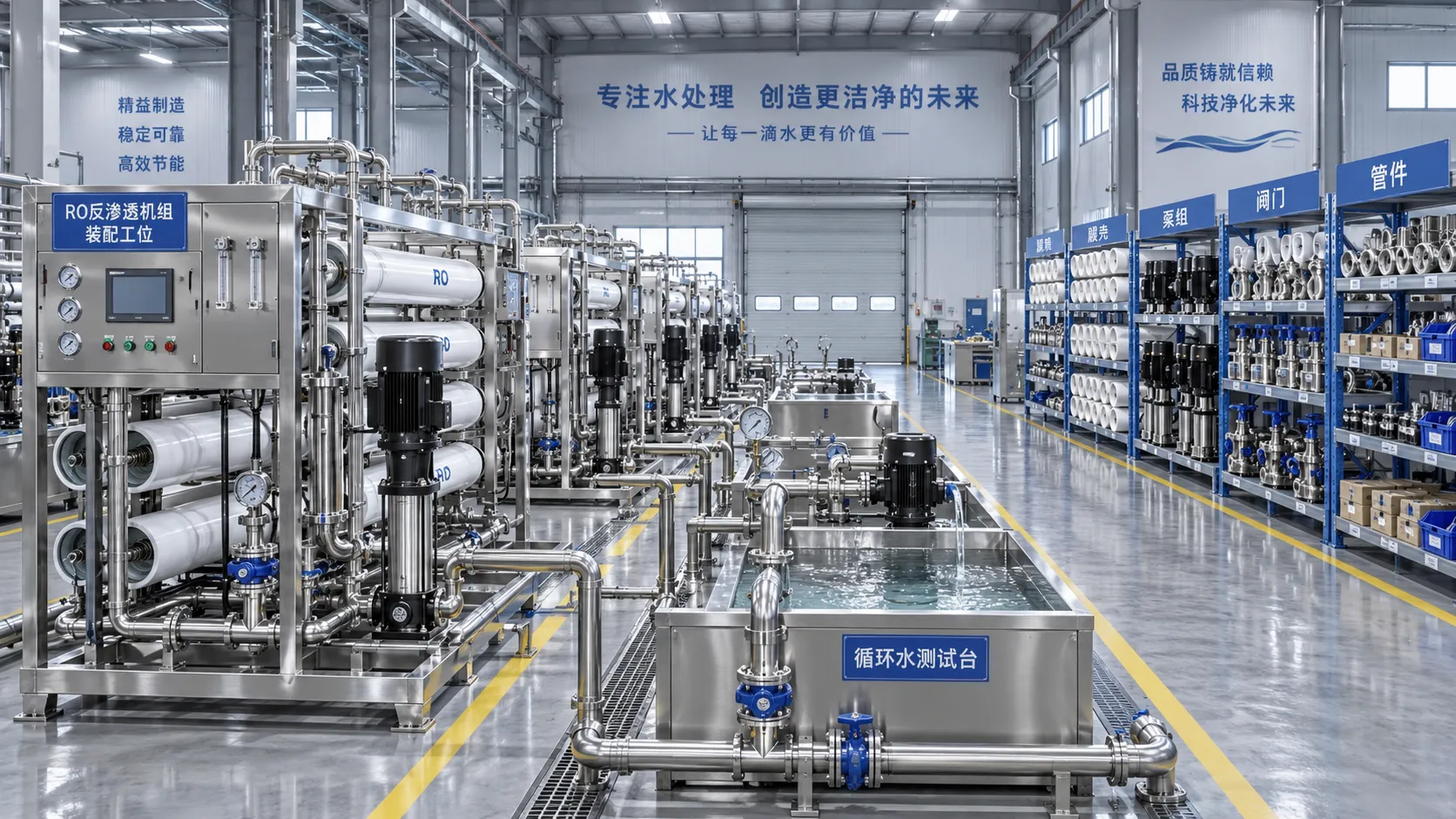
How to verify a water treatment system factory’s production capacity
Verify a water treatment systems factory’s production capacity through records, bottlenecks, component availability, and testing. Learn what to check before accepting a delivery promise.
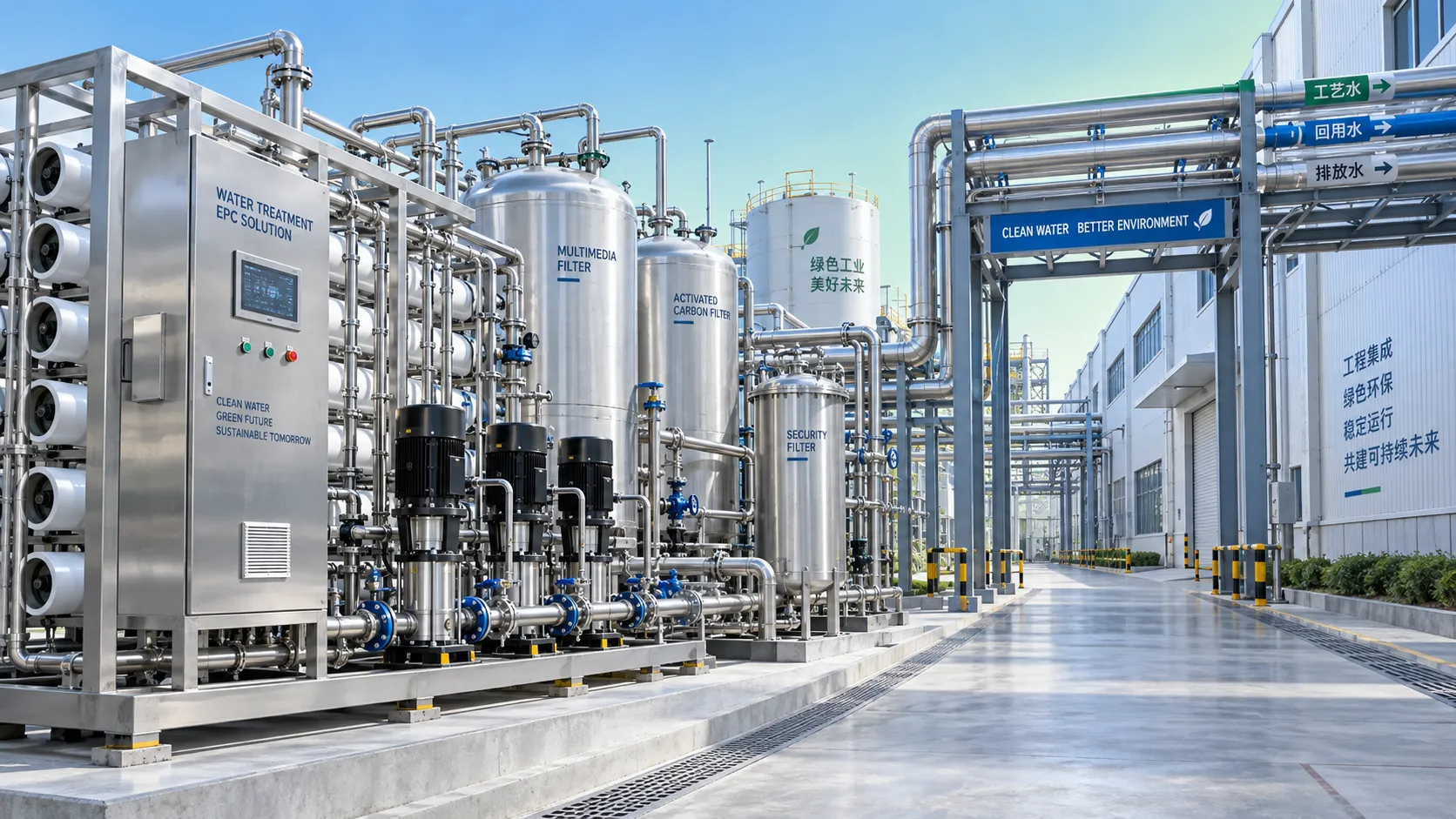
When does EPC environmental project support reduce delivery risk?
EPC environmental project support engineering reduces delivery risk by aligning design, procurement, compliance, construction, and commissioning decisions.
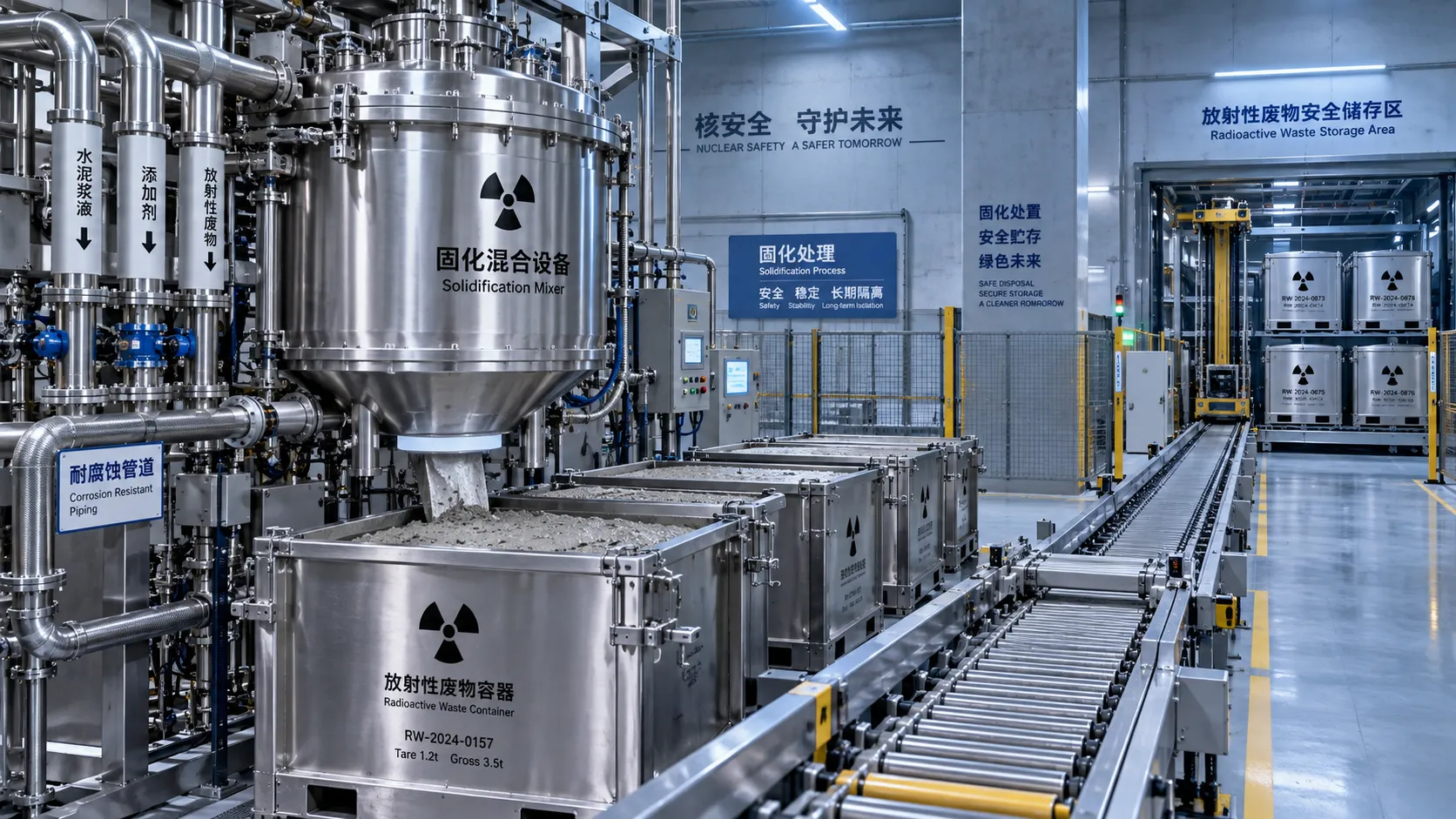
How nuclear plants select a radioactive waste solidification method
Radioactive waste management for nuclear plants: compare vitrification, cementation, polymers, and ceramics to select a compliant, durable solidification solution.
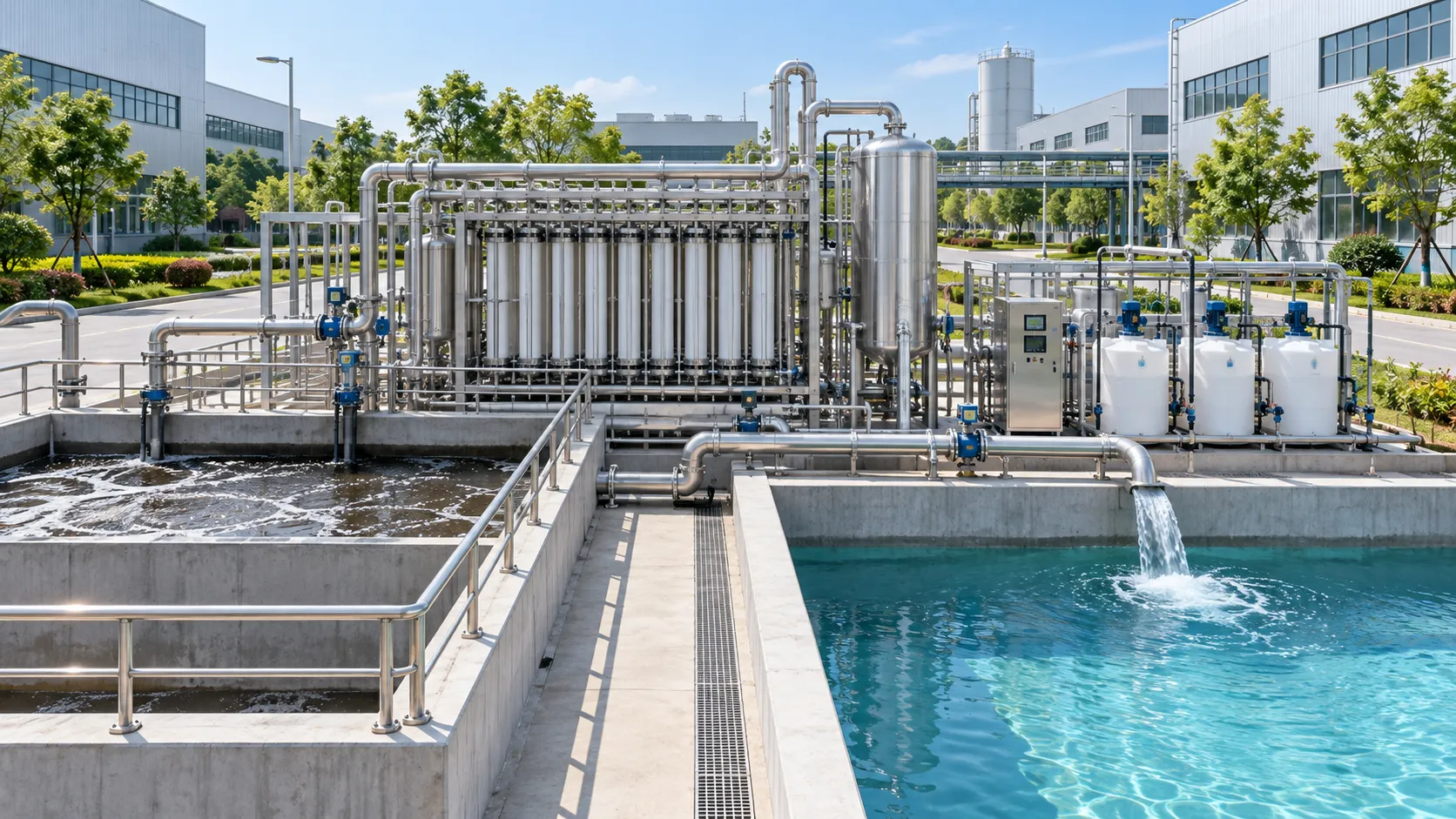
Comparing Upgrade Costs for Industrial Park Wastewater Treatment Systems
Compare costs for wastewater system upgrades in industrial parks with a lifecycle view of CAPEX, OPEX, compliance, resilience, and future expansion.
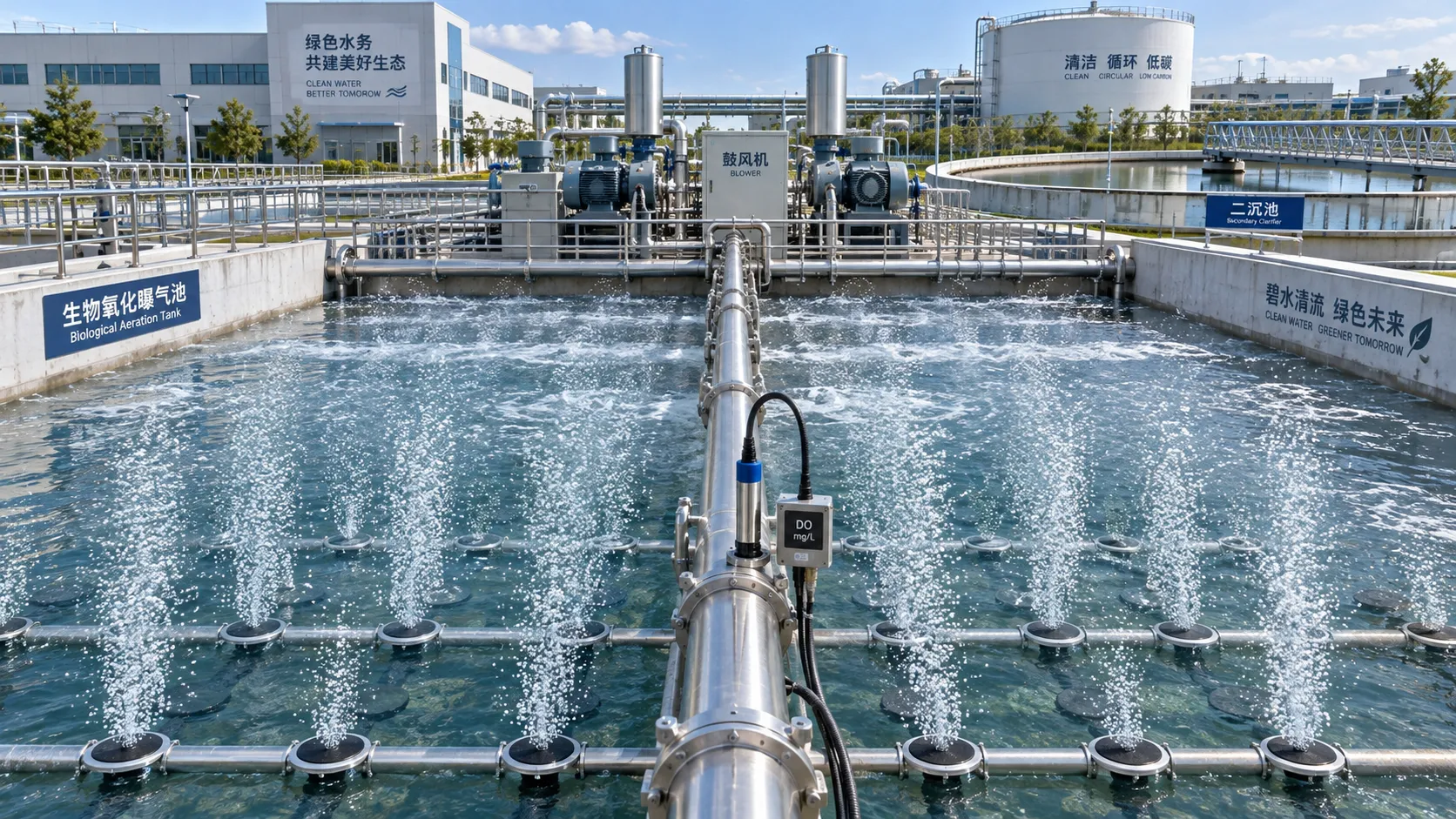
Biological Wastewater Oxidation Explained: Aeration Demand and Process Control
Biological wastewater oxidation explained: optimize aeration demand, DO control, nitrification, and sludge age for stable effluent quality and lower energy costs.
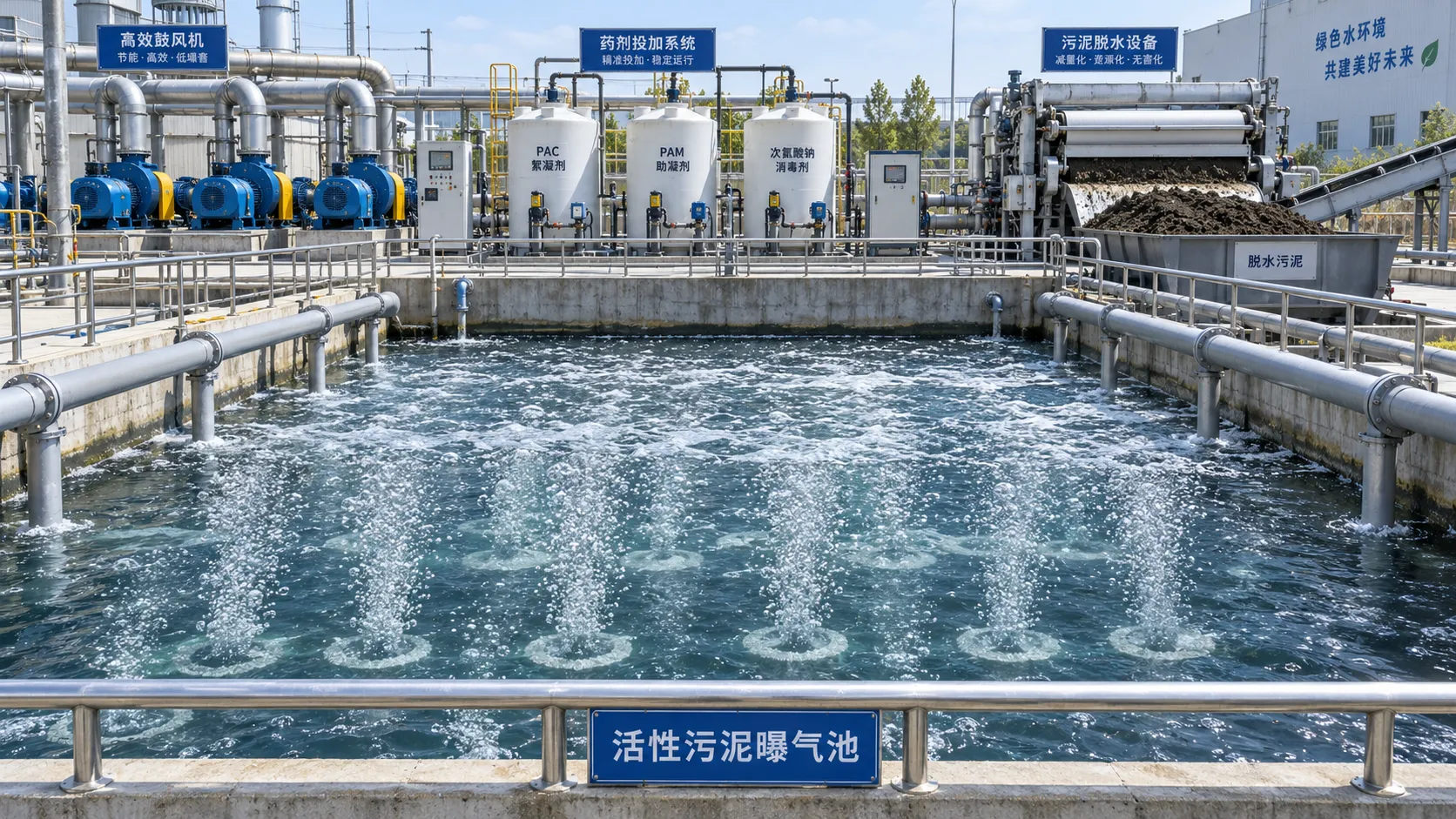
Activated Sludge Cost: Budgeting Energy, Chemicals, Sludge, and Labor
Activated sludge cost explained: compare energy, chemicals, sludge disposal, labor, and compliance risks to build a reliable lifecycle budget.
When Should Municipal Wastewater Plants Upgrade Treatment Capacity and Controls?
Municipal wastewater treatment upgrades: learn when capacity, controls, and resilient planning are needed to protect compliance and optimize plant performance.