
Industry News
Curation by industry experts
Hot Articles
Popular Tags
Advanced Water Purification Technologies for Tough Feedwater
When Tough Feedwater Changes the Design Basis
For technical evaluators facing variable salinity, scaling risk, refractory organics, and tightening discharge limits, advanced water purification technologies are now central to treatment certainty.
In complex industrial and municipal environments, feedwater rarely stays stable for long.
A system sized for average conditions may fail under seasonal spikes, shock loads, or changing compliance rules.
That is why advanced water purification technologies must be selected by scenario, not by headline recovery targets alone.
For ESD, this scenario-based approach links membrane science, oxidation chemistry, resource recovery logic, and environmental compliance into one operational framework.
The practical question is simple: which technology mix performs reliably when feedwater becomes difficult, variable, and expensive to misjudge?
Why Scenario Judgement Matters Before Selecting Advanced Water Purification Technologies
Tough feedwater is not one problem.
It can mean high TDS, silica, hardness, color, oil, PFAS, ammonia, COD, boron, radionuclide traces, or unstable pH.
Each driver shifts pretreatment needs, membrane limits, cleaning frequency, and reject management strategy.
A desalination train facing red tide organics differs greatly from a landfill leachate plant or a power station reclaim loop.
The strongest decisions begin with four judgement points:
- Is the load constant, cyclical, or shock-driven?
- Is the main limit fouling, scaling, selectivity, or concentrate disposal?
- Will future regulations tighten discharge or reuse quality?
- Can the site support energy, chemicals, and brine handling?
Advanced water purification technologies create value only when matched to these constraints early.
Scenario 1: High-Salinity Industrial Wastewater with Scaling and ZLD Pressure
This scenario is common in chemicals, mining, textiles, power, and inland desalination concentrate management.
The challenge is not only salt removal.
It is maintaining recovery while preventing gypsum, silica, barium, or calcium carbonate precipitation across the train.
In such cases, advanced water purification technologies usually combine robust pretreatment, staged RO or NF, and thermal or brine concentration finishing.
Key judgement points include saturation indices, temperature sensitivity, antiscalant compatibility, and whether selective softening can reduce downstream cost.
When ZLD is required, membrane recovery should be optimized against evaporator duty, not maximized blindly.
A balanced design often lowers total lifecycle cost more than chasing the highest membrane recovery figure.
Typical technology path
- Clarification or high-rate softening for hardness reduction
- UF or media filtration for solids stability
- NF or RO staging for salt separation
- Brine concentrator, MVR, or crystallizer for ZLD closure
Scenario 2: Refractory Organics and Color That Defeat Conventional Treatment
Leachate, pharmaceutical wastewater, dye effluent, and some municipal reuse streams often fall into this category.
Here, the limiting factor is often organic fouling, toxicity, or poor biodegradability rather than salinity alone.
Advanced water purification technologies in this scenario depend on oxidation strength, adsorption selectivity, and membrane protection.
Ozone, UV-AOP, Fenton variants, activated carbon, and ion exchange may each have a place.
The correct order matters as much as the equipment choice.
If oxidation produces smaller biodegradable fragments, downstream biofiltration or biologically active carbon can cut overall operating cost.
If oxidation generates byproducts that increase membrane fouling, the sequence must be changed.
Core judgement points
- COD fraction that is truly refractory
- SUVA, color, and aromatic content
- AOP energy demand versus carbon usage
- Impact of oxidation intermediates on RO fouling
Scenario 3: Seawater and Brackish Sources Under Reliability and Energy Stress
Desalination projects face another form of difficult feedwater.
Seasonal algae blooms, high boron, turbidity spikes, and temperature shifts can quickly destabilize intake-to-permeate performance.
Advanced water purification technologies for this scenario focus on pretreatment resilience, membrane selectivity, and energy recovery.
UF pretreatment, dissolved air flotation, dual-media filtration, SWRO optimization, and second-pass polishing often work together.
The right design target is stable net water output, not ideal laboratory flux.
Where boron or trace contaminants matter, pH adjustment and tailored membrane staging become essential.
For heavy seawater desalination, fouling resilience and cleaning recoverability should be weighted as heavily as specific energy consumption.
Scenario 4: High-Purity Reuse Where Trace Contaminants Drive Risk
Microelectronics, power, hydrogen, and advanced manufacturing increasingly require high-purity reuse from challenging source water.
In this scenario, trace silica, TOC, ammonia, sodium leakage, and emerging contaminants can be more critical than bulk removal.
Advanced water purification technologies here often include double-pass RO, EDI, mixed bed polishing, UV oxidation, and specialty ion exchange.
The main judgement issue is stability at the final polishing stage.
Small upstream fluctuations can cause major downstream quality excursions and resin burden.
A strong design therefore emphasizes continuous monitoring, redundant barriers, and predictable cleaning windows.
How Different Scenarios Change Technology Priorities
Practical Fit-For-Scenario Recommendations
When comparing advanced water purification technologies, use a decision sequence rather than isolated equipment quotes.
- Characterize worst-case water, not only average samples.
- Map fouling, scaling, and trace contaminant mechanisms separately.
- Test pretreatment impact on downstream cleaning frequency.
- Evaluate concentrate, sludge, and spent media handling early.
- Model compliance under future reuse and discharge scenarios.
- Compare energy and chemical intensity at full annual variation.
This method reduces false savings and exposes where hybrid trains outperform single-technology solutions.
Common Misjudgements That Undermine Performance
The first mistake is treating all difficult water as a membrane problem.
In many cases, pretreatment chemistry determines most of the downstream economics.
The second mistake is relying on short pilot windows during stable feed periods.
Seasonal variability is often where advanced water purification technologies prove their real value.
The third mistake is ignoring byproducts, brine, and residuals.
A treatment train is only as compliant as its final waste handling pathway.
The fourth mistake is selecting premium equipment without a control strategy for upset conditions.
Instrumentation, interlocks, and cleaning logic are part of the technology package.
Next-Step Actions for Better Technology Selection
Advanced water purification technologies deliver the best outcomes when selection starts from the real scenario burden.
For complex projects, build a matrix covering feed variability, target quality, recovery, residuals, energy, and regulatory exposure.
Then compare candidate trains against those conditions using pilot evidence and lifecycle logic.
This is where ESD’s intelligence perspective becomes useful.
From large water treatment plants to heavy seawater desalination and high-risk waste streams, scenario-specific analysis reveals which advanced water purification technologies are technically credible and commercially resilient.
If the feedwater is becoming tougher, the selection process must become smarter.
Start with the scenario, verify the mechanism, and choose the treatment train that remains stable when conditions stop being ideal.
Recommended News
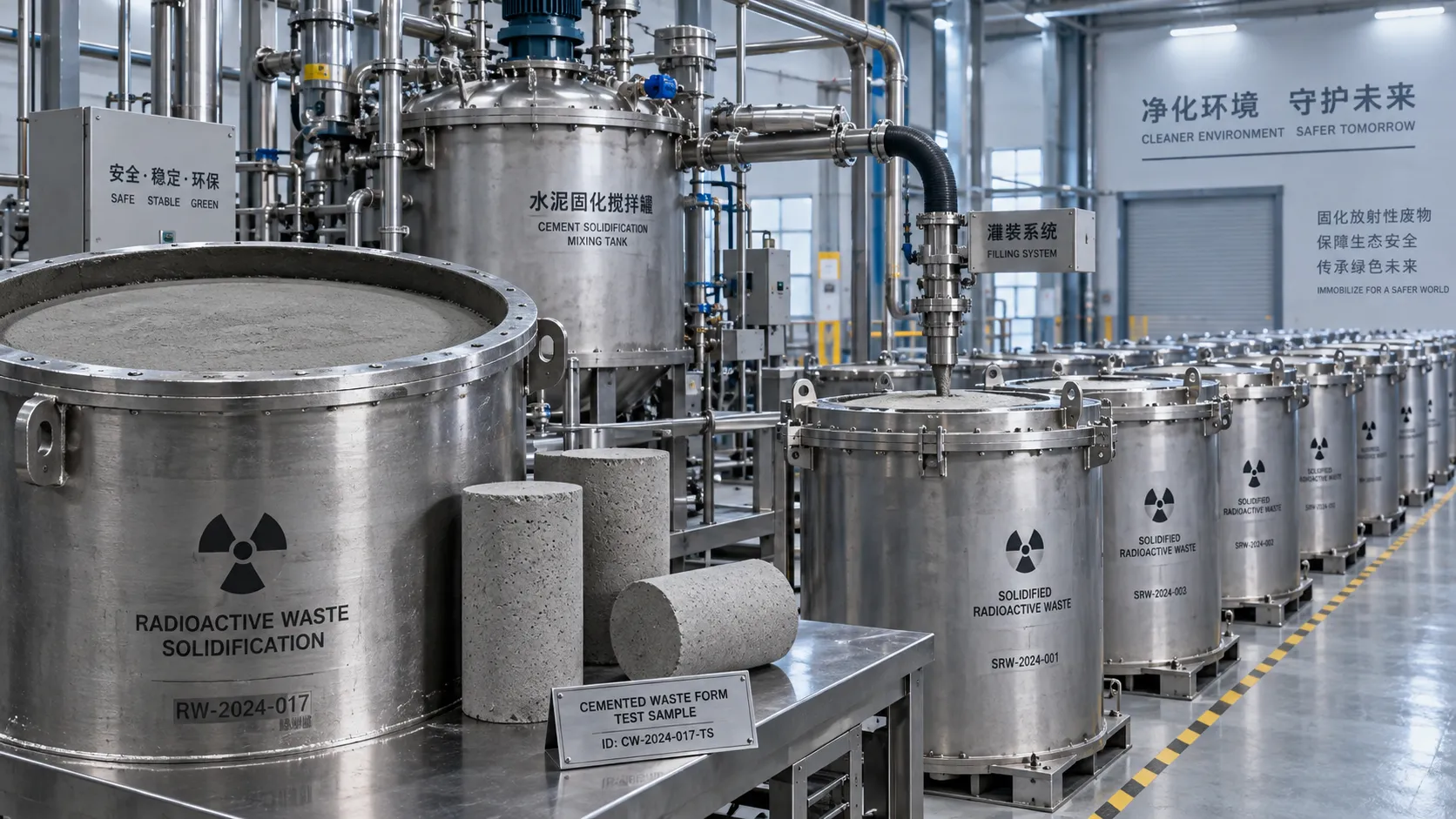
When is cementation suitable for nuclear decommissioning waste?
Explore nuclear waste treatment technology for decommissioning: learn when cementation fits, which risks to assess, and how disposal criteria guide an effective treatment choice.
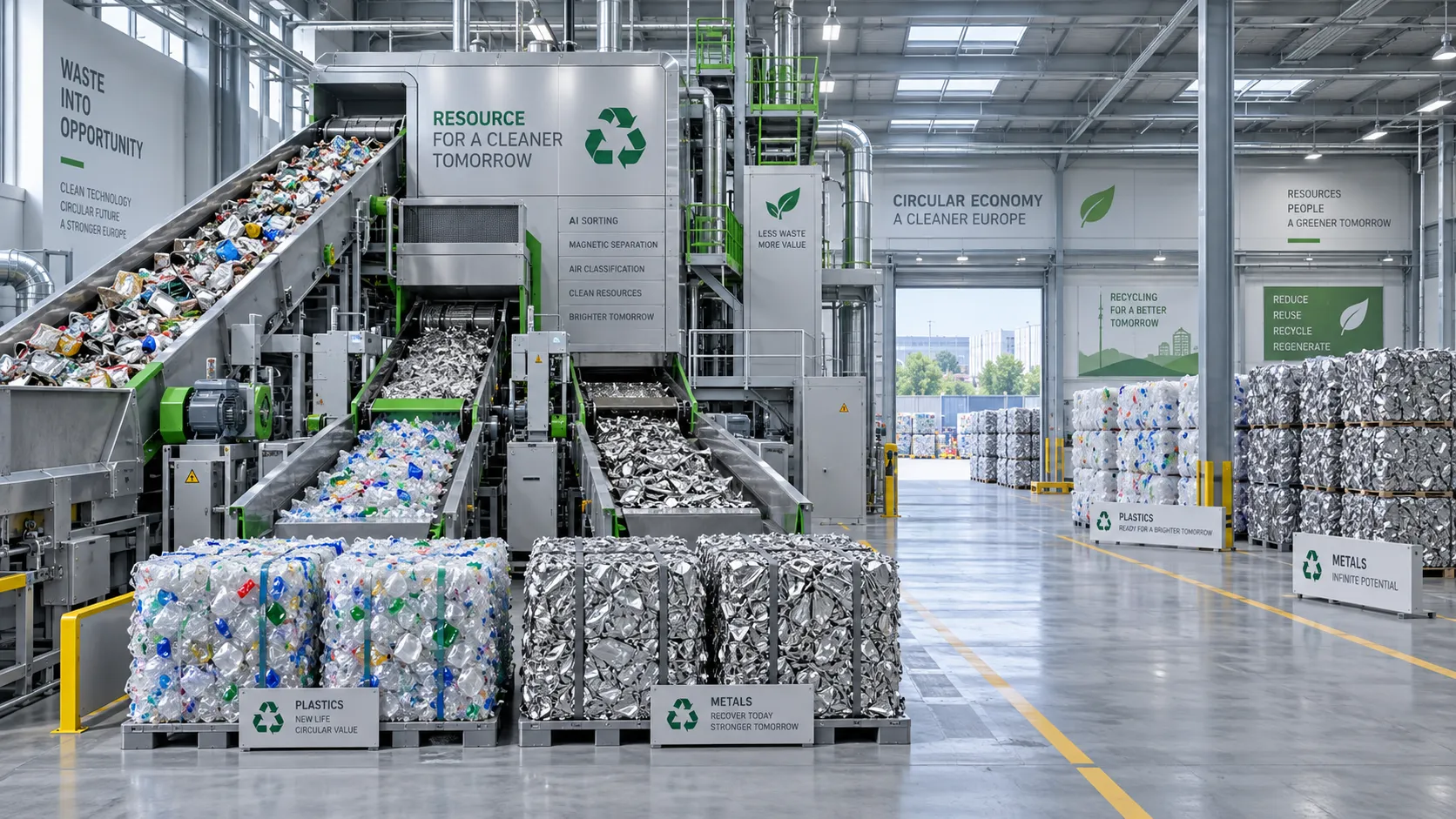
What determines payback for waste-to-resource systems in Europe?
Assess waste-to-resource systems Europe-wide: compare feedstock, recovery yields, costs and contracts to uncover payback drivers and make smarter investment decisions.
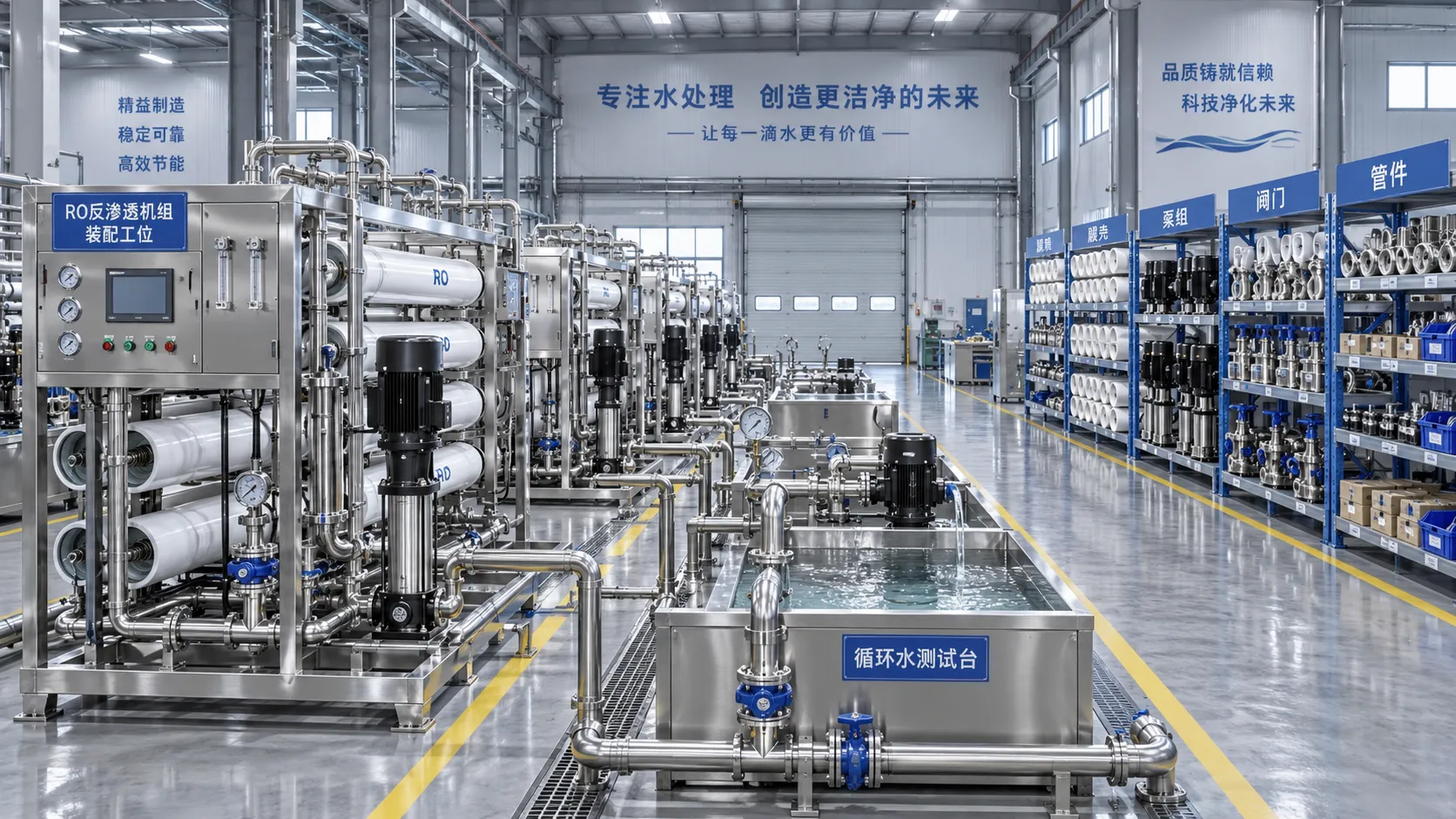
How to verify a water treatment system factory’s production capacity
Verify a water treatment systems factory’s production capacity through records, bottlenecks, component availability, and testing. Learn what to check before accepting a delivery promise.
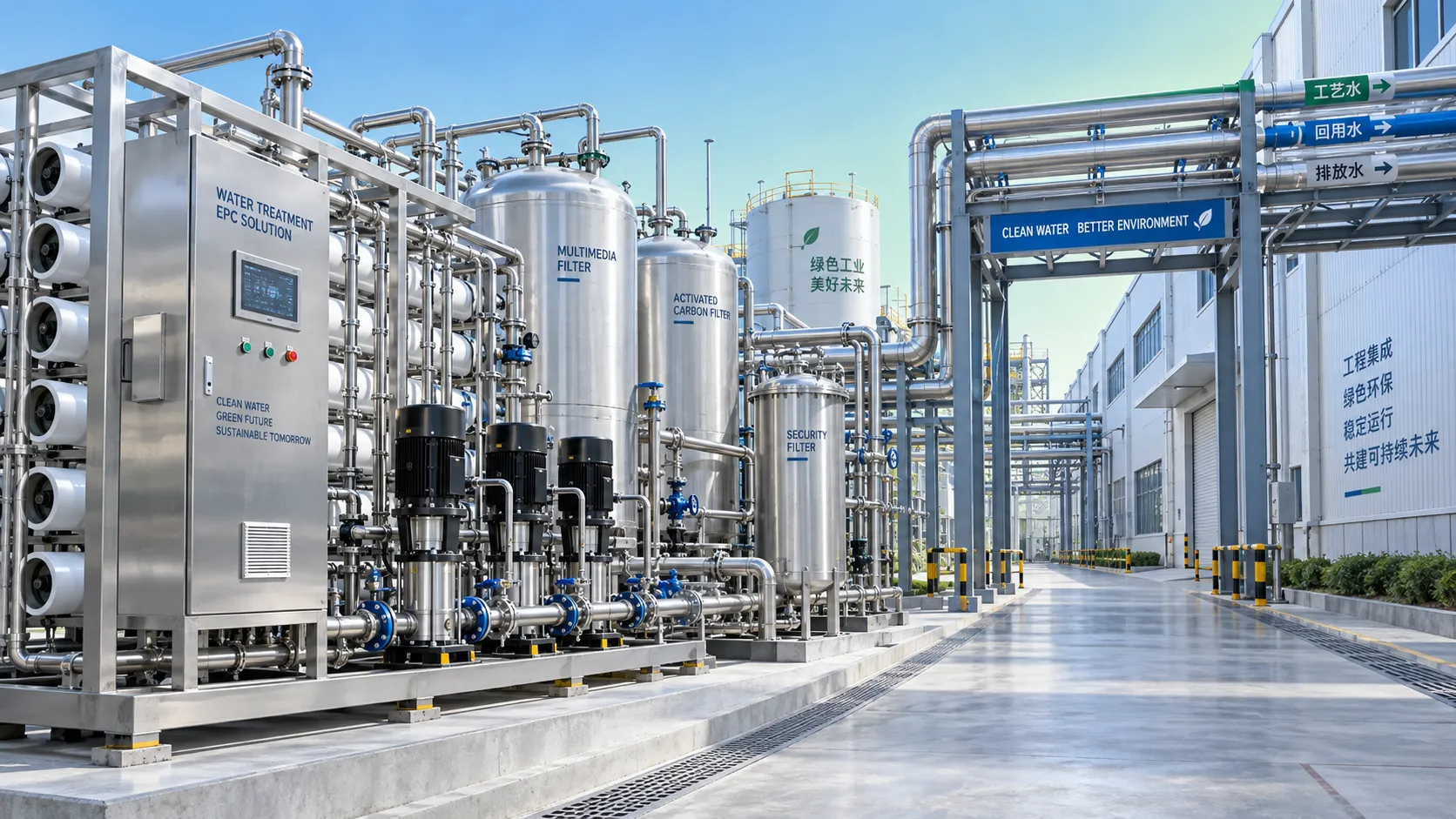
When does EPC environmental project support reduce delivery risk?
EPC environmental project support engineering reduces delivery risk by aligning design, procurement, compliance, construction, and commissioning decisions.
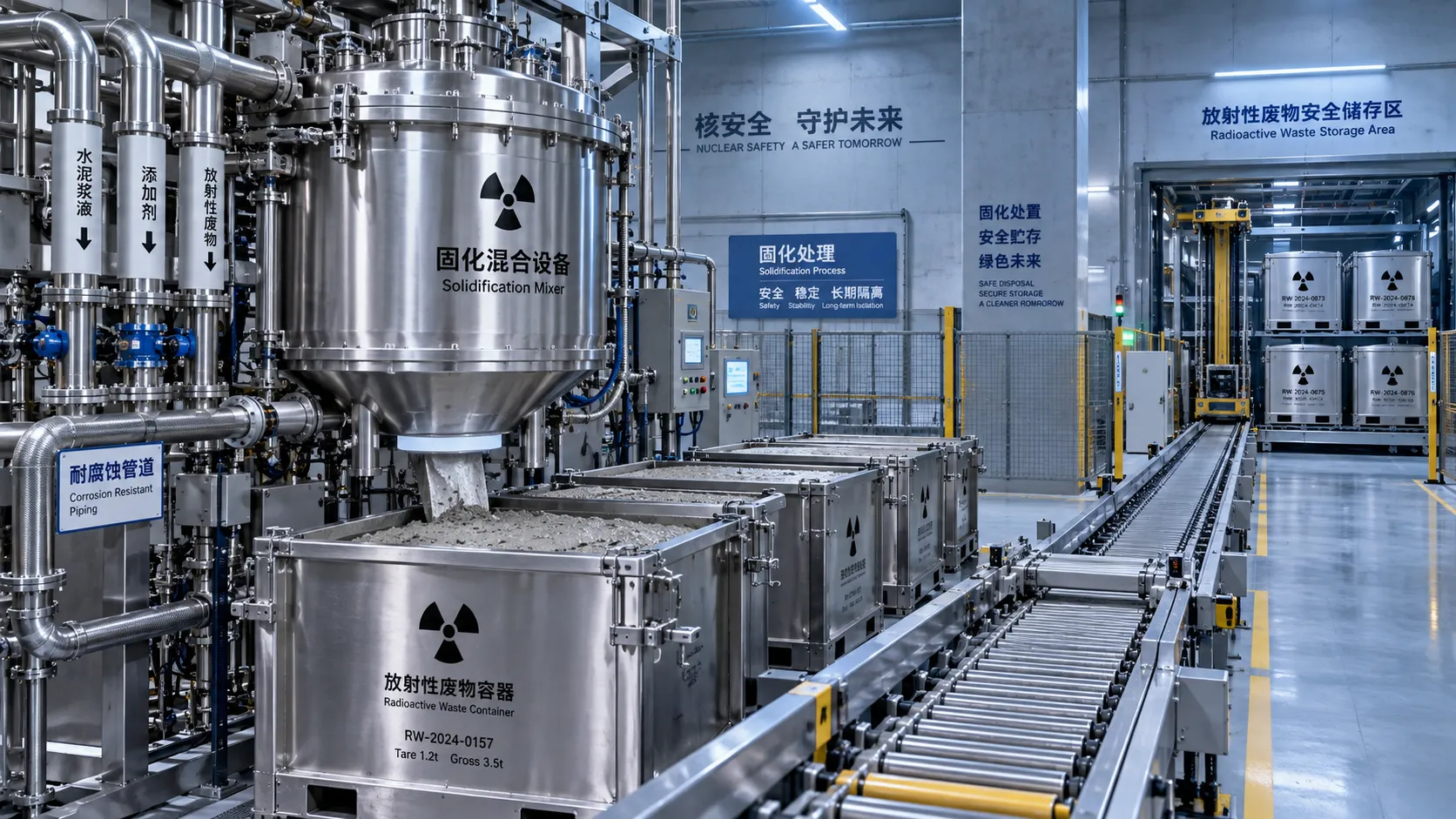
How nuclear plants select a radioactive waste solidification method
Radioactive waste management for nuclear plants: compare vitrification, cementation, polymers, and ceramics to select a compliant, durable solidification solution.
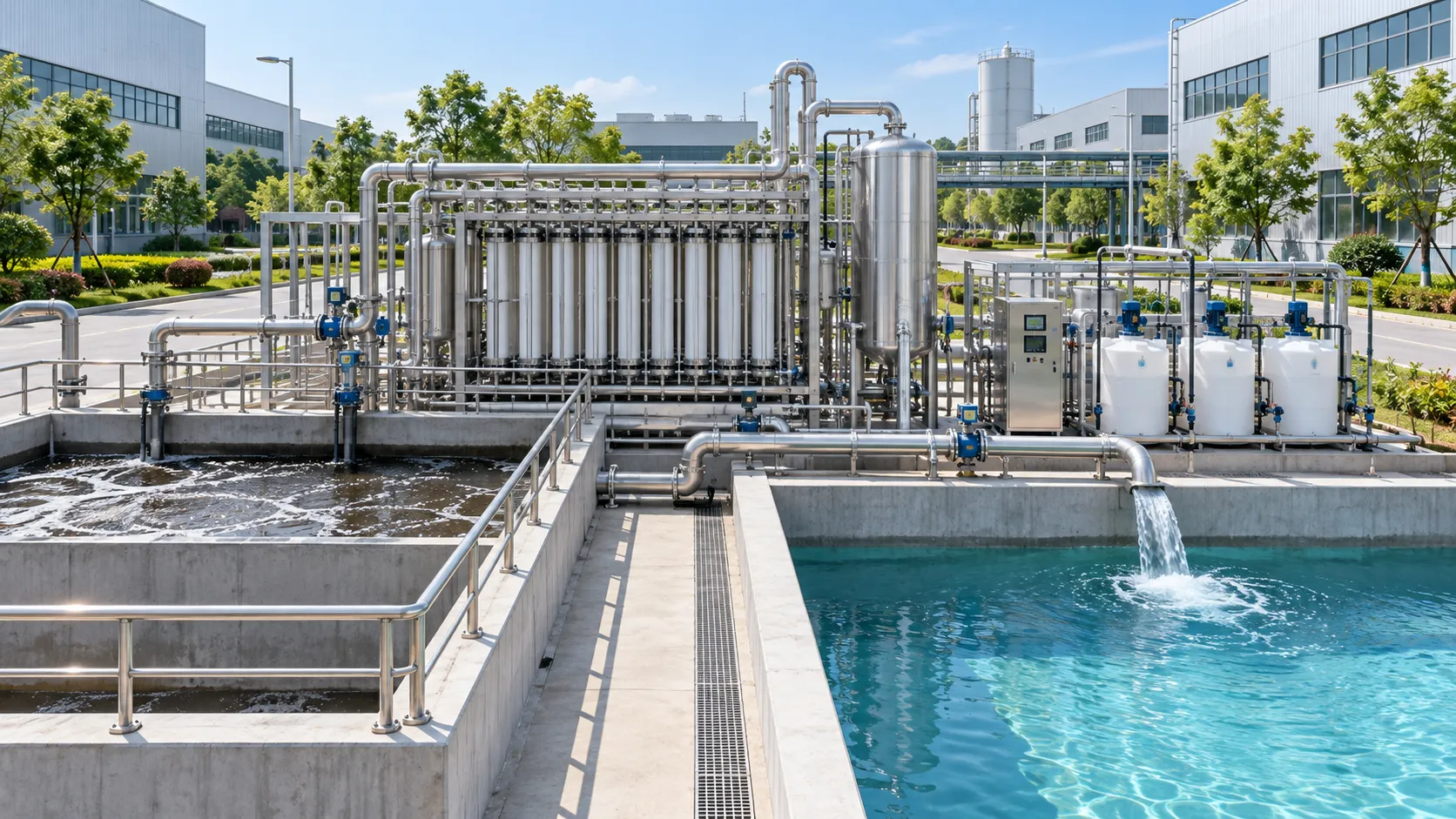
Comparing Upgrade Costs for Industrial Park Wastewater Treatment Systems
Compare costs for wastewater system upgrades in industrial parks with a lifecycle view of CAPEX, OPEX, compliance, resilience, and future expansion.
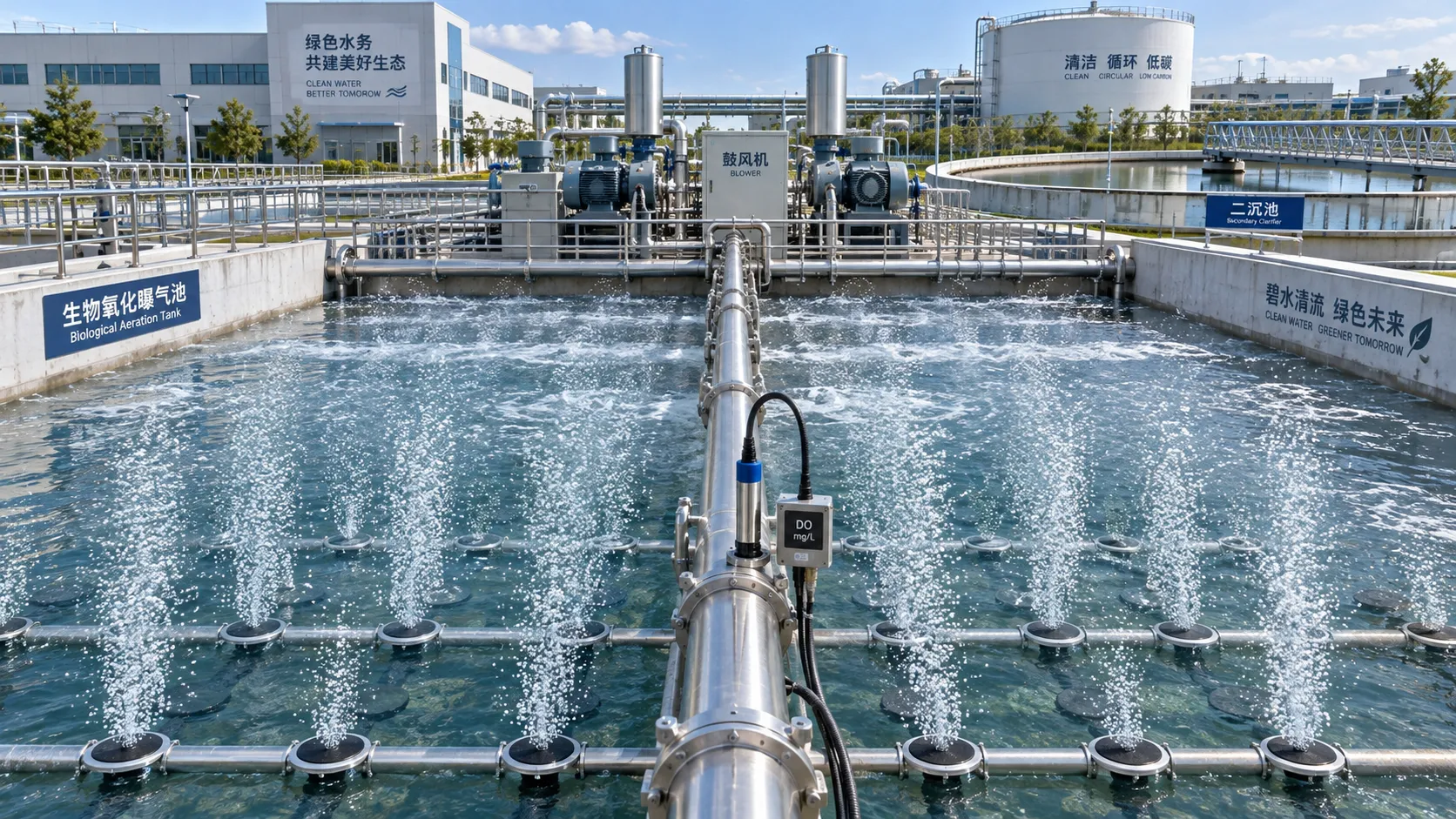
Biological Wastewater Oxidation Explained: Aeration Demand and Process Control
Biological wastewater oxidation explained: optimize aeration demand, DO control, nitrification, and sludge age for stable effluent quality and lower energy costs.
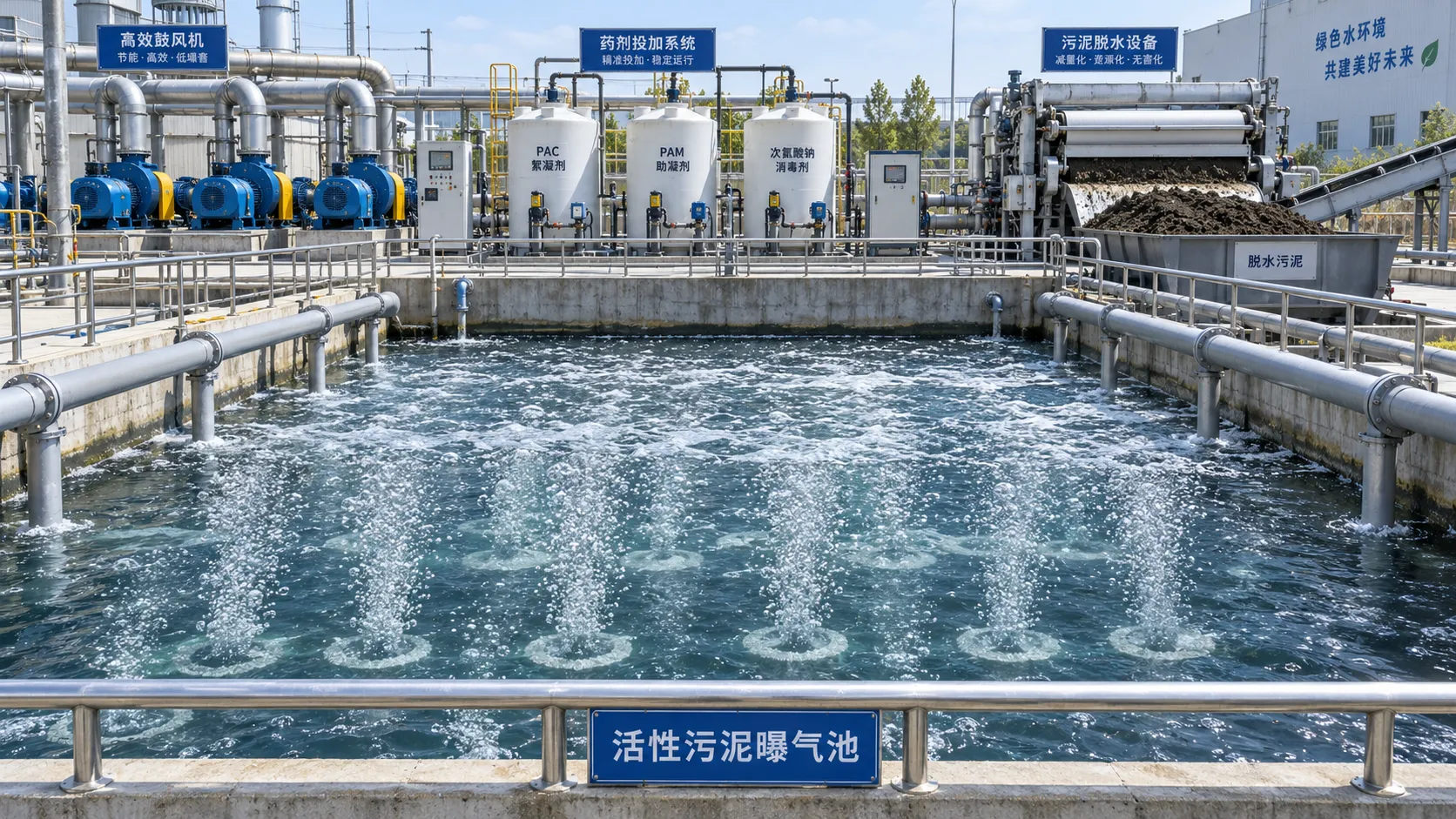
Activated Sludge Cost: Budgeting Energy, Chemicals, Sludge, and Labor
Activated sludge cost explained: compare energy, chemicals, sludge disposal, labor, and compliance risks to build a reliable lifecycle budget.
When Should Municipal Wastewater Plants Upgrade Treatment Capacity and Controls?
Municipal wastewater treatment upgrades: learn when capacity, controls, and resilient planning are needed to protect compliance and optimize plant performance.