
Industry News
Curation by industry experts
Hot Articles
Popular Tags
Urban Mining Equipment Suppliers: What Impacts ROI Most
For business evaluators comparing urban mining equipment suppliers, ROI is shaped by far more than purchase price alone. Equipment intelligence, recovery yield, automation stability, compliance readiness, and lifecycle operating costs all influence whether a project delivers lasting value. This article highlights the key factors that most directly affect returns, helping decision-makers assess suppliers with greater accuracy, lower risk, and stronger long-term resource recovery performance.
What business evaluators really need to know first
When reviewing urban mining equipment suppliers, the biggest ROI driver is usually not initial capital cost. It is the supplier’s ability to deliver stable recovery performance over years of variable feedstock and regulatory change.
In practical terms, the supplier that looks cheaper on paper can destroy returns through lower metal recovery, more downtime, higher labor dependence, weak digital monitoring, or expensive compliance retrofits after commissioning.
For business evaluators, the right question is not “Which supplier offers the lowest quote?” It is “Which supplier protects margin, throughput, compliance, and asset value across the full operating life of the plant?”
This is especially important in urban mining, where equipment processes complex waste streams such as e-waste, batteries, industrial scrap, catalytic residues, and mixed recyclable fractions with inconsistent composition and contamination levels.
Because urban mining economics depend on material recovery from imperfect inputs, supplier quality directly shapes yield certainty. That makes technical reliability and process adaptability far more important than broad marketing claims or standard brochure specifications.
Why recovery yield usually has the biggest impact on ROI
Among all evaluation factors, recovery yield often affects ROI most because it directly determines how much saleable value can be extracted from incoming material. Even a small yield improvement can transform annual project economics.
For example, if one system recovers copper, aluminum, precious metals, or battery black mass just a few percentage points more efficiently, the gain compounds across every ton processed. Over time, that difference can exceed the original equipment price gap.
Business evaluators should therefore ask suppliers for validated recovery data tied to specific feedstock categories, particle sizes, contamination levels, moisture ranges, and target purity outcomes rather than accepting generic headline percentages.
High ROI suppliers usually understand that recovery is not only about one machine. It depends on how shredding, sorting, separation, dust control, thermal treatment, sensor logic, and downstream refining readiness interact as a complete process line.
When suppliers cannot show line-level optimization data, projected returns become speculative. Reliable suppliers should be able to explain where losses occur, what process bottlenecks are expected, and how recovery can be improved under real operating conditions.
Feedstock variability is where many ROI models fail
One of the most common mistakes in supplier evaluation is assuming stable feedstock quality. In urban mining, input composition often changes by supplier source, collection channel, season, geography, and pre-sorting discipline.
A system that performs well on test material may underperform on mixed municipal electronics, informal scrap streams, aged batteries, or contaminated plastics. This mismatch can reduce throughput, lower recovery rates, and increase maintenance costs.
That is why high-value urban mining equipment suppliers design for variability, not ideal conditions. They build flexibility into sorting algorithms, modular line layouts, wear-resistant components, and control systems that adjust to material fluctuations.
Evaluators should ask whether the supplier has experience with similar waste profiles, whether pilot testing reflects actual feedstock, and whether the line can maintain performance without excessive manual intervention when input quality shifts.
If a supplier’s ROI assumptions depend on narrowly controlled feed characteristics that are unlikely in commercial reality, those assumptions should be discounted heavily during financial comparison and investment decision-making.
Automation stability matters more than automation claims
Many suppliers promote AI sorting, robotics, smart controls, or digital optimization. These features can improve ROI, but only when they work consistently in harsh industrial environments and support measurable operating gains.
For business evaluators, the issue is not whether a line includes advanced automation. The issue is whether the automation reduces labor dependence, improves sorting precision, lowers contamination, shortens troubleshooting time, and sustains uptime.
Poorly integrated automation can actually damage returns through false rejects, sensor drift, software instability, difficult maintenance, or the need for constant vendor intervention. Sophisticated technology without operational resilience becomes a hidden liability.
The best urban mining equipment suppliers link automation to practical business metrics: tons per hour, purity levels, labor hours per shift, unplanned stoppages, energy intensity, and remote diagnostic speed.
Evaluators should request evidence of control system reliability, spare part availability, cybersecurity readiness, interface simplicity, and the supplier’s ability to support local operators after handover rather than during the sales demonstration only.
Downtime often destroys ROI faster than energy cost
In many urban mining projects, unplanned downtime has a larger financial impact than modest differences in power consumption. Every lost processing hour means delayed revenue, underused labor, disrupted downstream contracts, and unstable material inventory.
This is why equipment robustness, wear life, maintainability, and service responsiveness should be treated as core ROI factors, not technical footnotes. High throughput means little if the system cannot sustain commercial operating schedules.
Suppliers should be evaluated on mean time between failures, expected wear-part replacement cycles, maintenance access design, local service capability, commissioning quality, and fault diagnosis speed under realistic site conditions.
Business evaluators should also examine whether critical components are standardized or proprietary. Highly proprietary systems can create supplier lock-in, inflate spare parts pricing, and lengthen recovery time when failures occur.
A strong ROI case usually comes from equipment that balances process sophistication with service practicality. The best supplier is often the one that prevents disruption through predictable, manageable, and transparent maintenance requirements.
Lifecycle operating cost is more important than purchase price
Capital cost remains important, but long-term returns are shaped by total cost of ownership. That includes energy use, consumables, wear parts, labor, software support, emissions control, training, maintenance, and process loss.
Urban mining projects often run on narrow margins influenced by commodity prices. In that context, a lower upfront quote can become more expensive if it brings higher electricity demand, more reagent use, greater dust handling needs, or extra staffing.
Business evaluators should model supplier offers across a multi-year operating horizon using conservative assumptions. This reveals whether apparent savings survive real throughput fluctuations, maintenance events, and commodity market pressure.
A useful comparison method is cost per ton processed and cost per ton of recovered saleable output. These indicators are more decision-relevant than simple capex because they connect equipment choice directly to operational economics.
Suppliers that provide transparent lifecycle data, sensitivity analysis, and performance guarantees usually deserve more attention than those that compete mainly on acquisition price or overly optimistic payback claims.
Compliance readiness protects ROI from future disruption
Environmental compliance is a major ROI factor because urban mining plants face strict requirements on emissions, wastewater, noise, dust, fire safety, hazardous residue handling, and worker exposure depending on the material stream.
If a supplier provides equipment that meets current throughput needs but ignores permitting realities, the project may face delayed approvals, retrofit costs, production restrictions, or reputational damage that undermines long-term returns.
This is especially relevant when processing e-waste, battery materials, or thermally treated fractions that may generate toxic dust, volatile compounds, acidic gases, or contaminated residues requiring specialized containment and treatment.
Strong urban mining equipment suppliers build compliance into system design rather than treating it as an optional add-on. They consider enclosure integrity, air handling, filtration, monitoring, wastewater interfaces, and hazardous waste segregation from the start.
For evaluators, supplier value increases when the vendor can support documentation for permitting, occupational safety requirements, environmental audits, and future tightening of standards in export-oriented or internationally financed projects.
Supplier process knowledge often matters more than machine count
Some suppliers sell machines. Others understand urban mining as a materials recovery system shaped by chemistry, particle behavior, contamination pathways, and downstream commercial specifications. The second type usually creates stronger ROI.
A supplier with deep process knowledge can optimize not just equipment selection but also line sequencing, liberation strategy, sensor placement, dust management, storage logic, and integration with refining or resale channels.
This expertise becomes especially valuable when a plant handles mixed streams or plans phased expansion into higher-value materials. Process-aware suppliers are better positioned to improve economics as feedstock strategy evolves.
Business evaluators should therefore test suppliers on problem-solving capability. Ask how they would address lower-than-expected recovery, excessive fines, cross-contamination, inconsistent black mass quality, or bottlenecks between sorting and downstream treatment.
The quality of these answers often reveals whether the supplier is a true long-term partner or simply a package vendor with limited ability to protect ROI after commissioning.
Data visibility and performance guarantees reduce investment risk
ROI improves when performance is measurable and accountability is clear. Suppliers that provide data architecture, remote monitoring, alarm history, reporting tools, and traceable KPIs help operators control output quality and financial performance.
From an investment perspective, transparency reduces uncertainty. It becomes easier to verify throughput, purity, recovery efficiency, downtime patterns, energy intensity, and maintenance burden against the original business case.
Evaluators should prefer suppliers willing to define performance acceptance criteria, testing methods, guarantee boundaries, and remediation responsibilities before contract signature. Ambiguous guarantees often lead to expensive disputes later.
Good supplier contracts typically specify feed conditions, target outputs, ramp-up milestones, operator training scope, spare parts strategy, warranty response times, and the data used to determine whether promised performance has been achieved.
When supplier accountability is strong, financing confidence usually improves as well, because lenders and internal approval teams can see a clearer path between technical performance and projected economic return.
How to compare urban mining equipment suppliers more accurately
For business evaluators, the most effective approach is to score suppliers against ROI-critical categories rather than relying on capex comparison alone. A structured framework produces better decisions and limits bias during procurement.
Core categories should include recovery yield, adaptability to feedstock variability, uptime reliability, automation stability, lifecycle operating cost, compliance readiness, service capability, digital transparency, and contractual performance guarantees.
Each category should be tested with evidence. That means reference projects, pilot results, maintenance records, site visit observations, operator feedback, and financial sensitivity models rather than only proposal documents.
It is also wise to compare best-case, base-case, and downside-case economics. This reveals which supplier remains resilient when commodity prices soften, feedstock quality declines, or operating utilization takes longer to stabilize.
In most cases, the supplier with the strongest long-term ROI is not the one with the lowest equipment price. It is the one with the most credible ability to sustain recoverable value under commercial reality.
Final takeaway for ROI-focused decision-makers
When assessing urban mining equipment suppliers, ROI is shaped most by recovery yield, uptime, feedstock adaptability, automation reliability, compliance readiness, and lifecycle operating cost. Purchase price matters, but it is rarely the decisive factor.
For business evaluators, the smartest decision is to treat supplier selection as a long-term asset performance question. The right supplier protects output value, operating continuity, and regulatory resilience across years of changing market conditions.
In a sector where margins depend on extracting maximum value from difficult waste streams, disciplined evaluation creates a real advantage. Better supplier choices reduce hidden cost, improve recovery confidence, and strengthen the bankability of urban mining projects.
That is ultimately what impacts ROI most: not the promise of equipment alone, but the supplier’s proven ability to turn complex waste into stable, compliant, and profitable resource recovery at industrial scale.
Recommended News
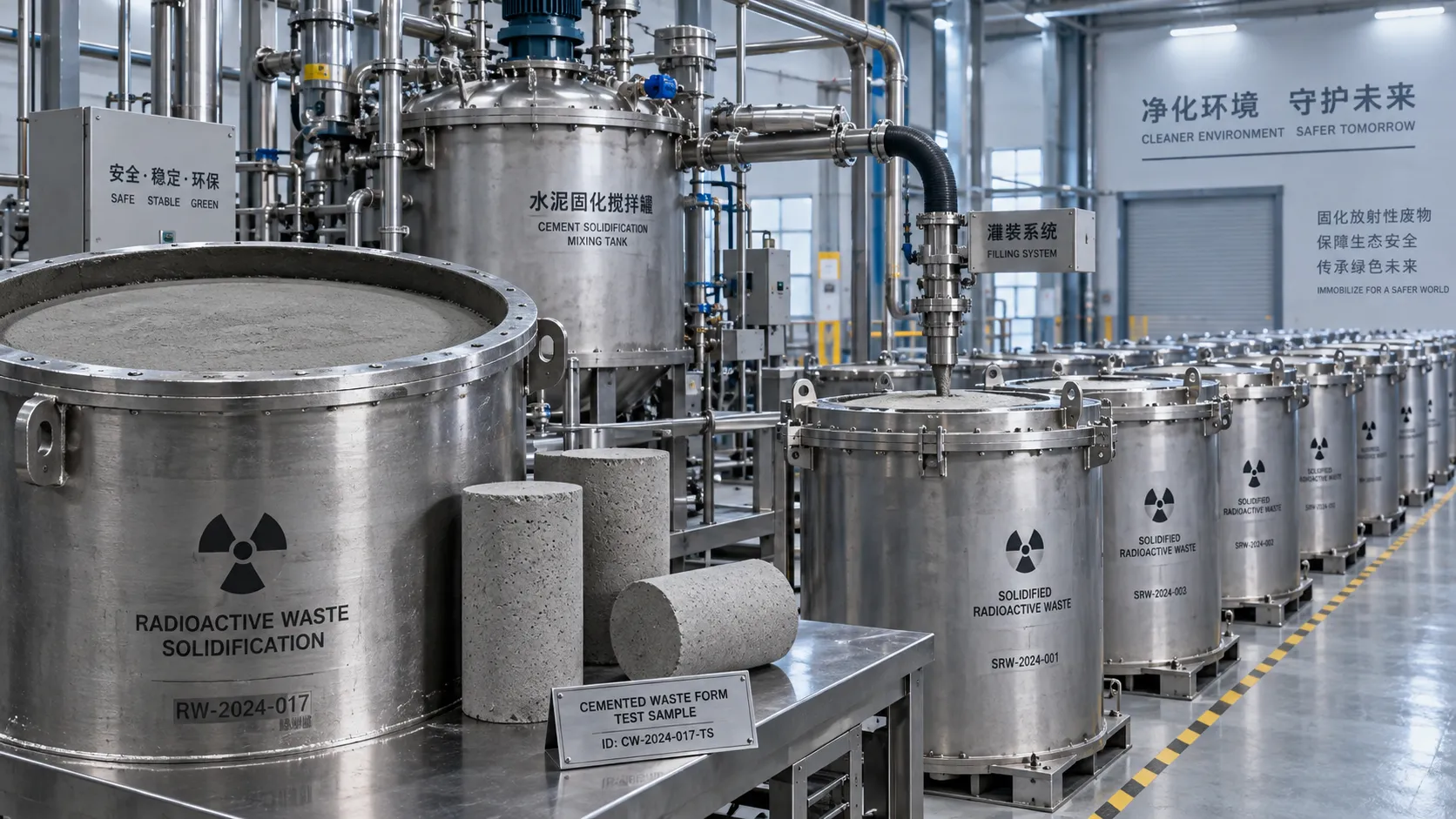
When is cementation suitable for nuclear decommissioning waste?
Explore nuclear waste treatment technology for decommissioning: learn when cementation fits, which risks to assess, and how disposal criteria guide an effective treatment choice.
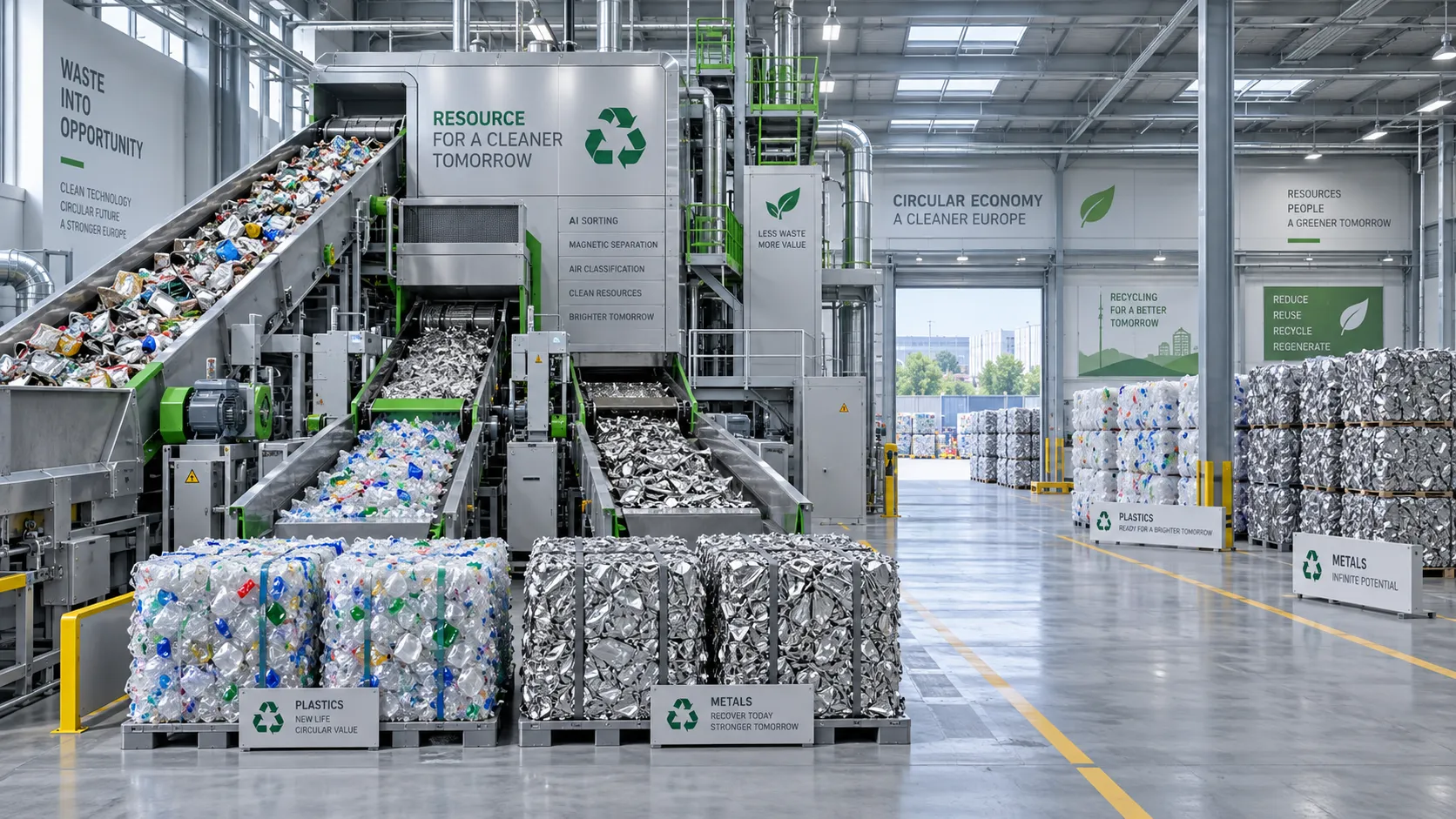
What determines payback for waste-to-resource systems in Europe?
Assess waste-to-resource systems Europe-wide: compare feedstock, recovery yields, costs and contracts to uncover payback drivers and make smarter investment decisions.
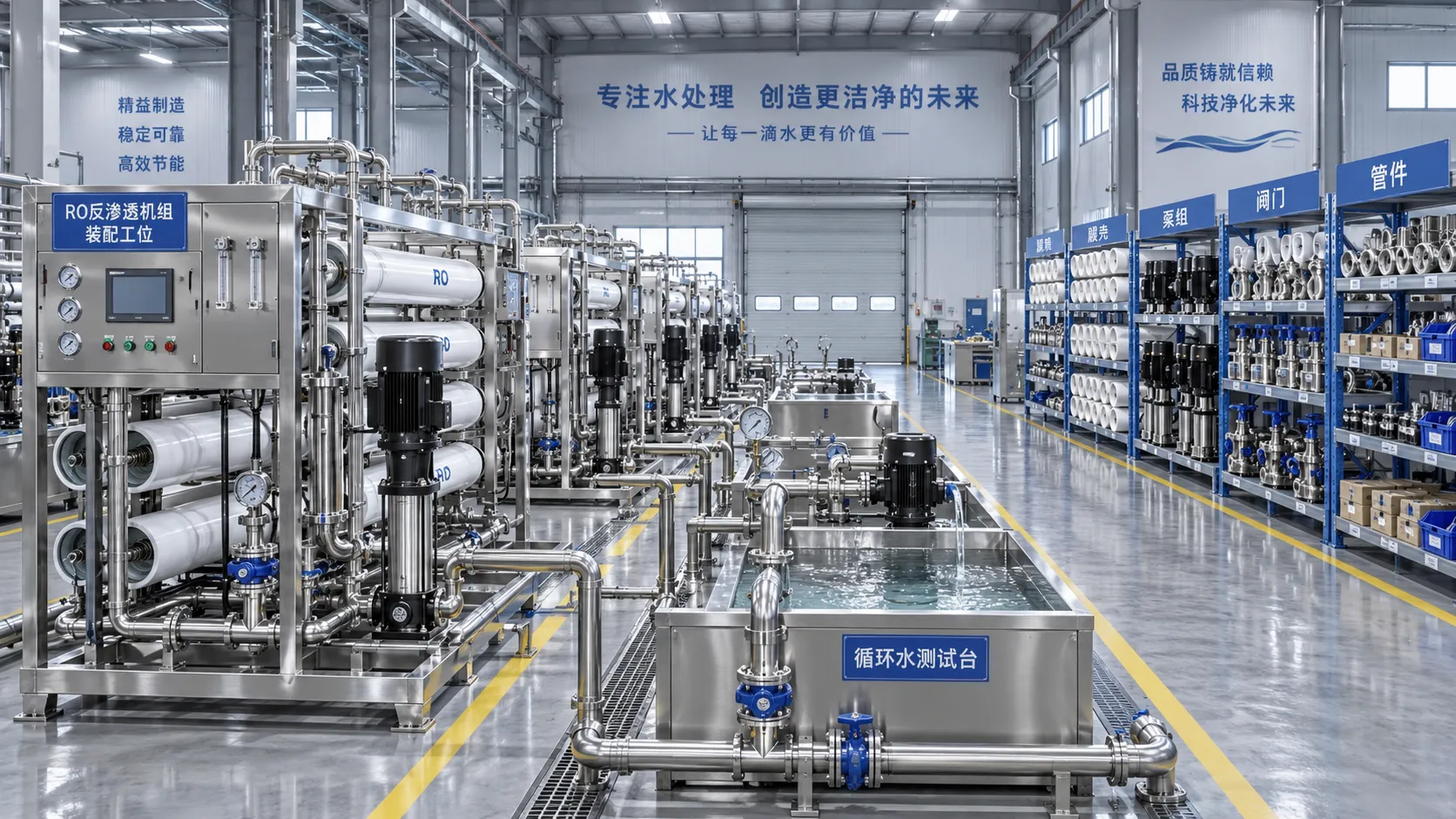
How to verify a water treatment system factory’s production capacity
Verify a water treatment systems factory’s production capacity through records, bottlenecks, component availability, and testing. Learn what to check before accepting a delivery promise.
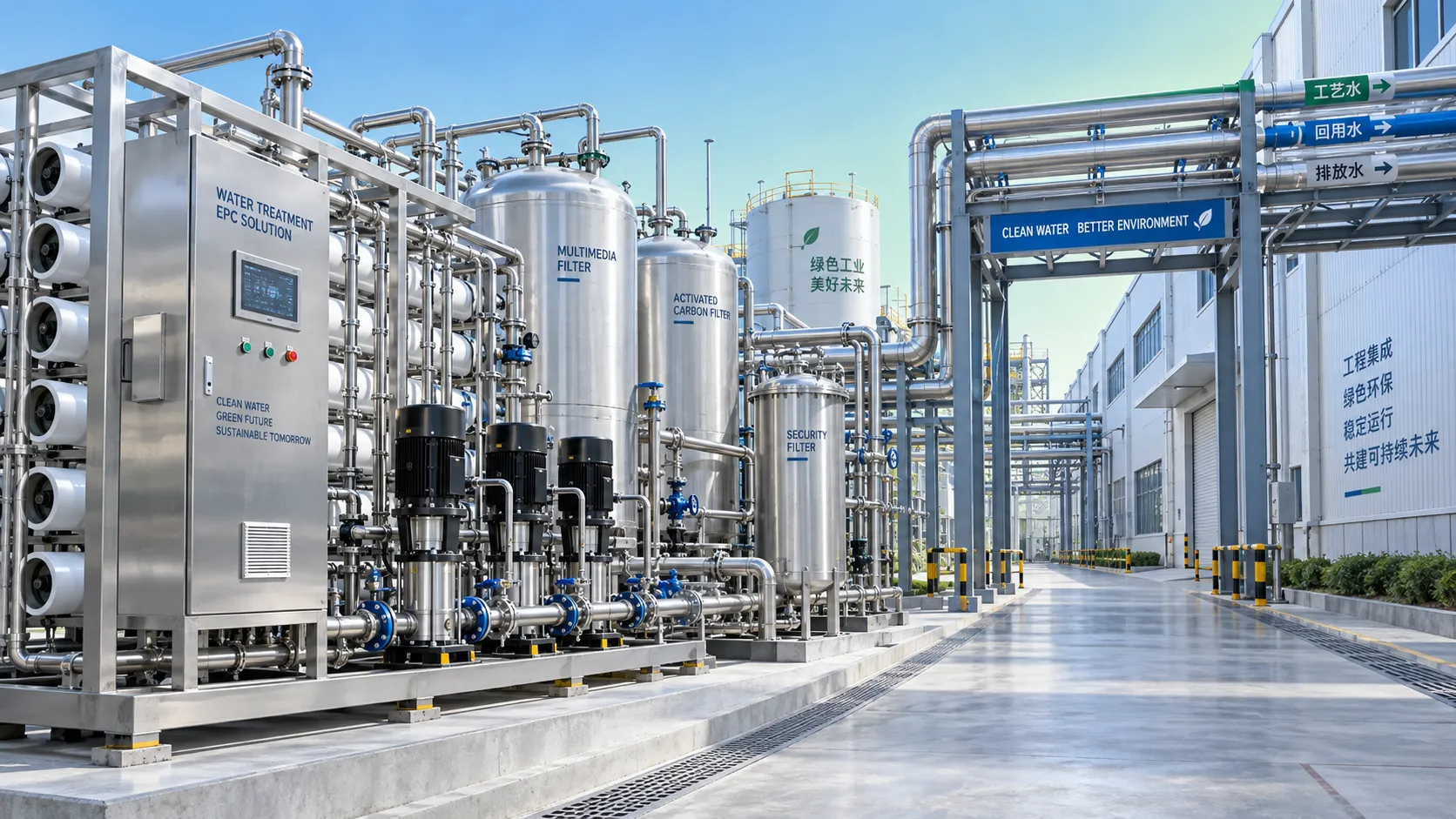
When does EPC environmental project support reduce delivery risk?
EPC environmental project support engineering reduces delivery risk by aligning design, procurement, compliance, construction, and commissioning decisions.
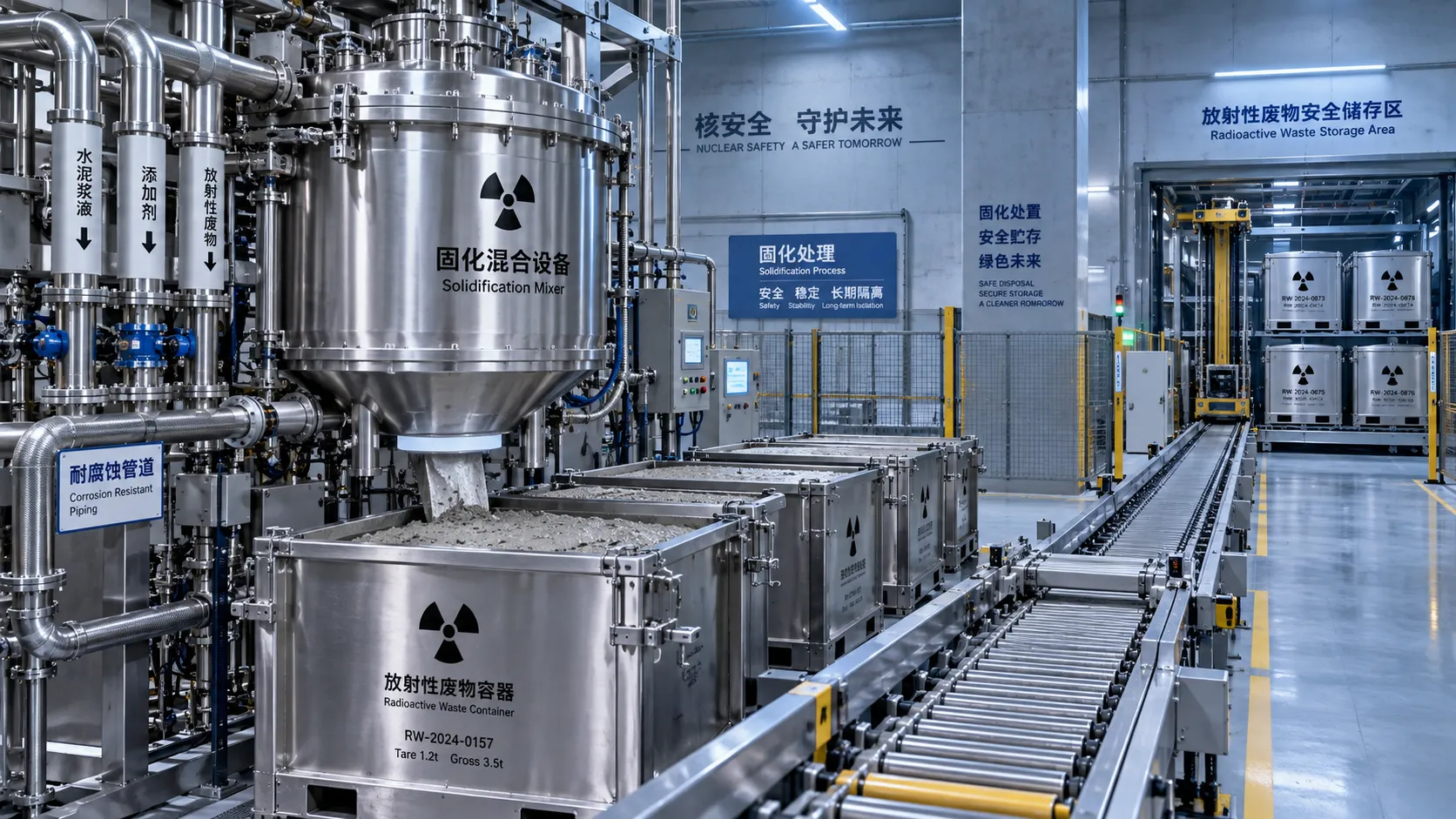
How nuclear plants select a radioactive waste solidification method
Radioactive waste management for nuclear plants: compare vitrification, cementation, polymers, and ceramics to select a compliant, durable solidification solution.
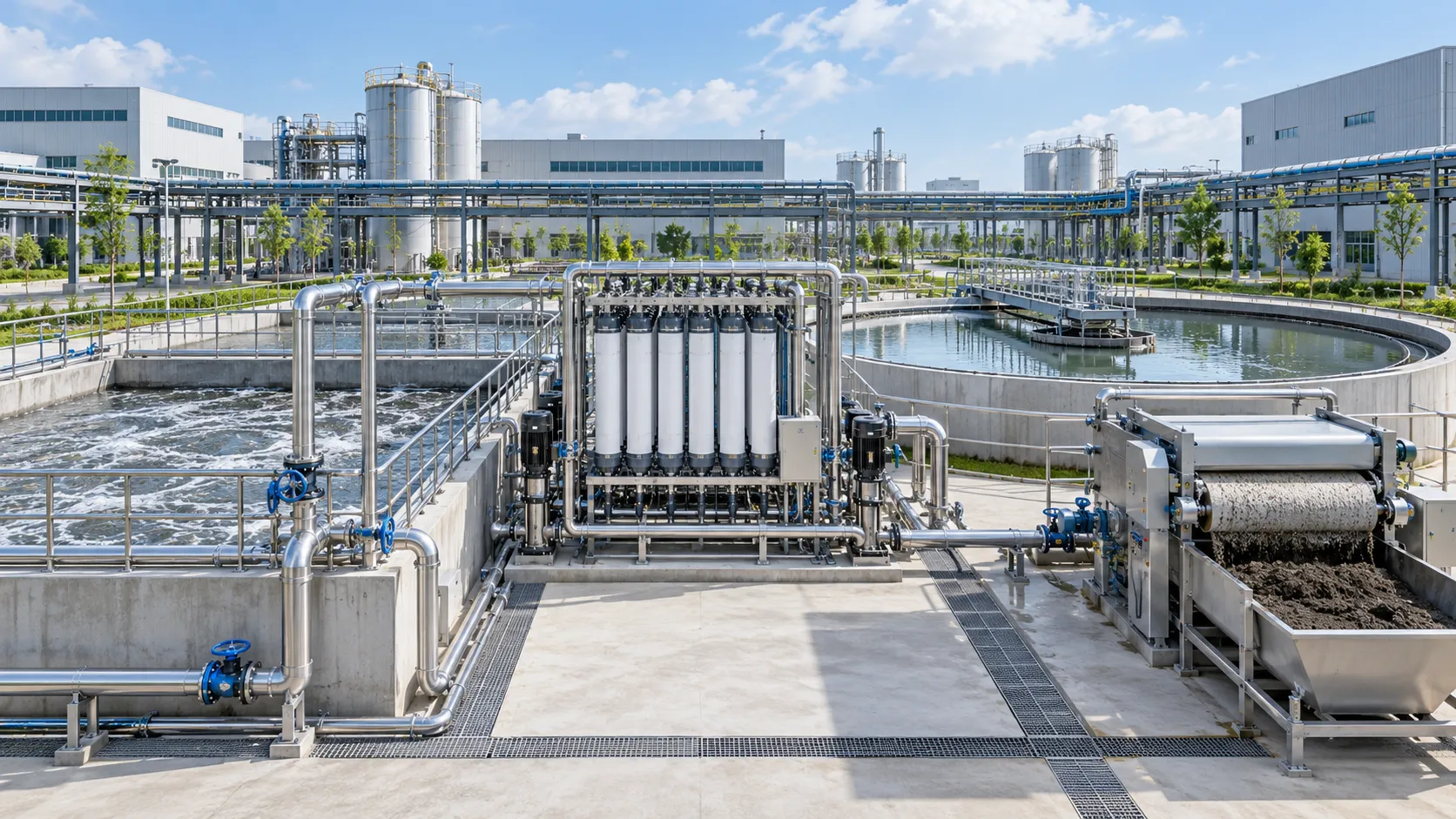
What Drives the Cost of Wastewater System Upgrades in Industrial Parks?
Costs of wastewater system upgrades in industrial parks: uncover key drivers from influent variability and civil works to sludge, energy, compliance, and lifecycle risk.
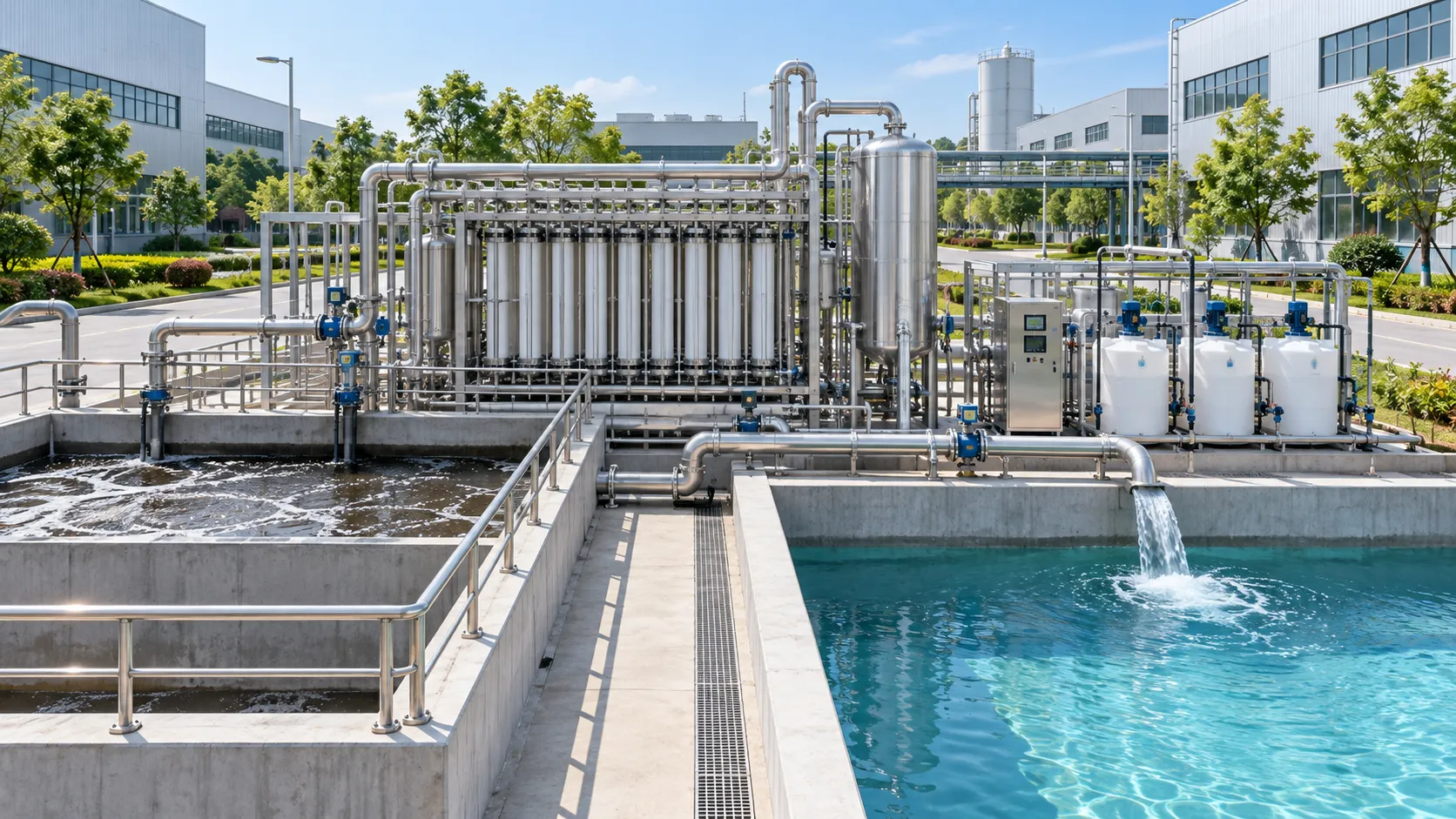
Comparing Upgrade Costs for Industrial Park Wastewater Treatment Systems
Compare costs for wastewater system upgrades in industrial parks with a lifecycle view of CAPEX, OPEX, compliance, resilience, and future expansion.
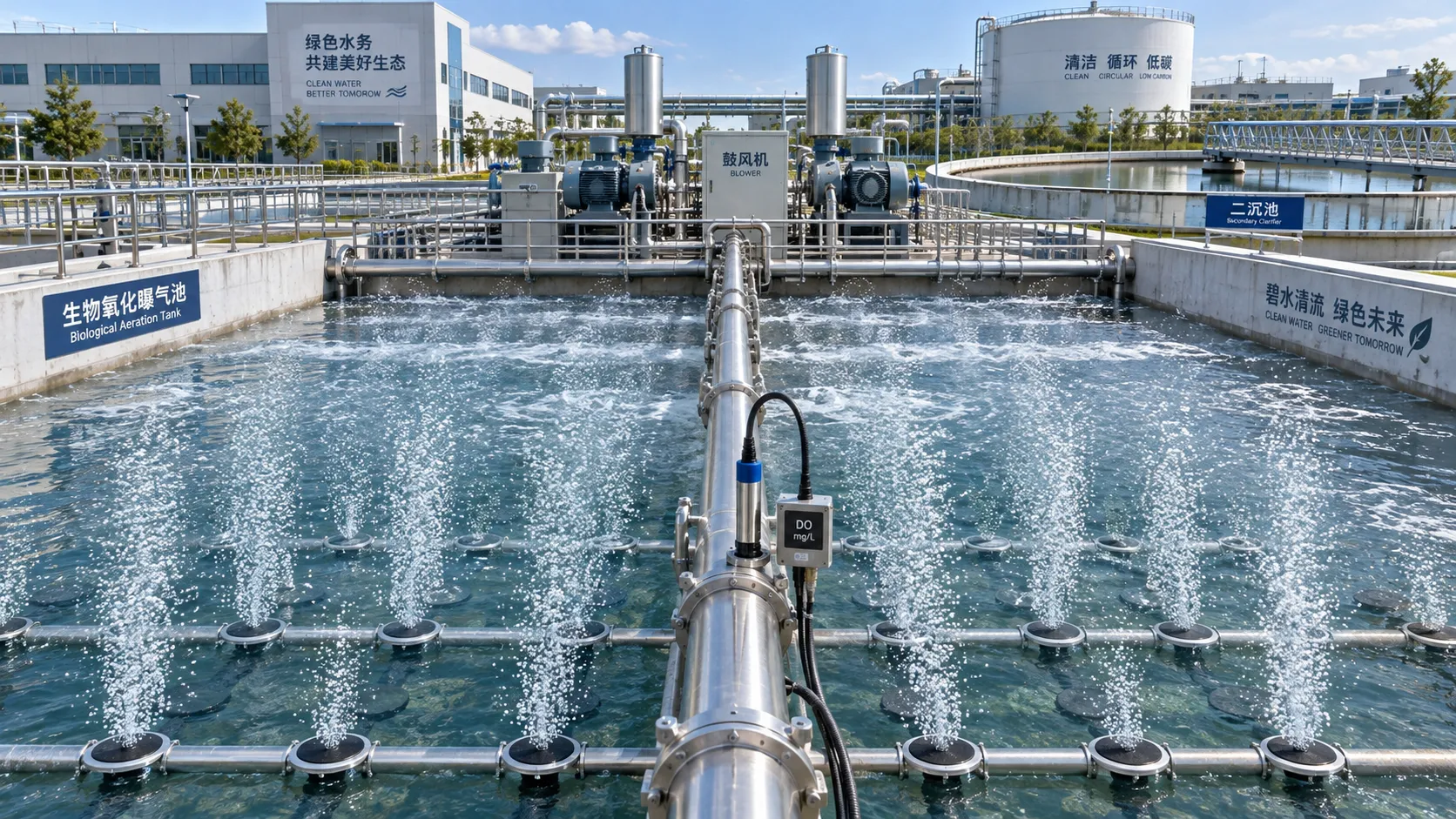
Biological Wastewater Oxidation Explained: Aeration Demand and Process Control
Biological wastewater oxidation explained: optimize aeration demand, DO control, nitrification, and sludge age for stable effluent quality and lower energy costs.
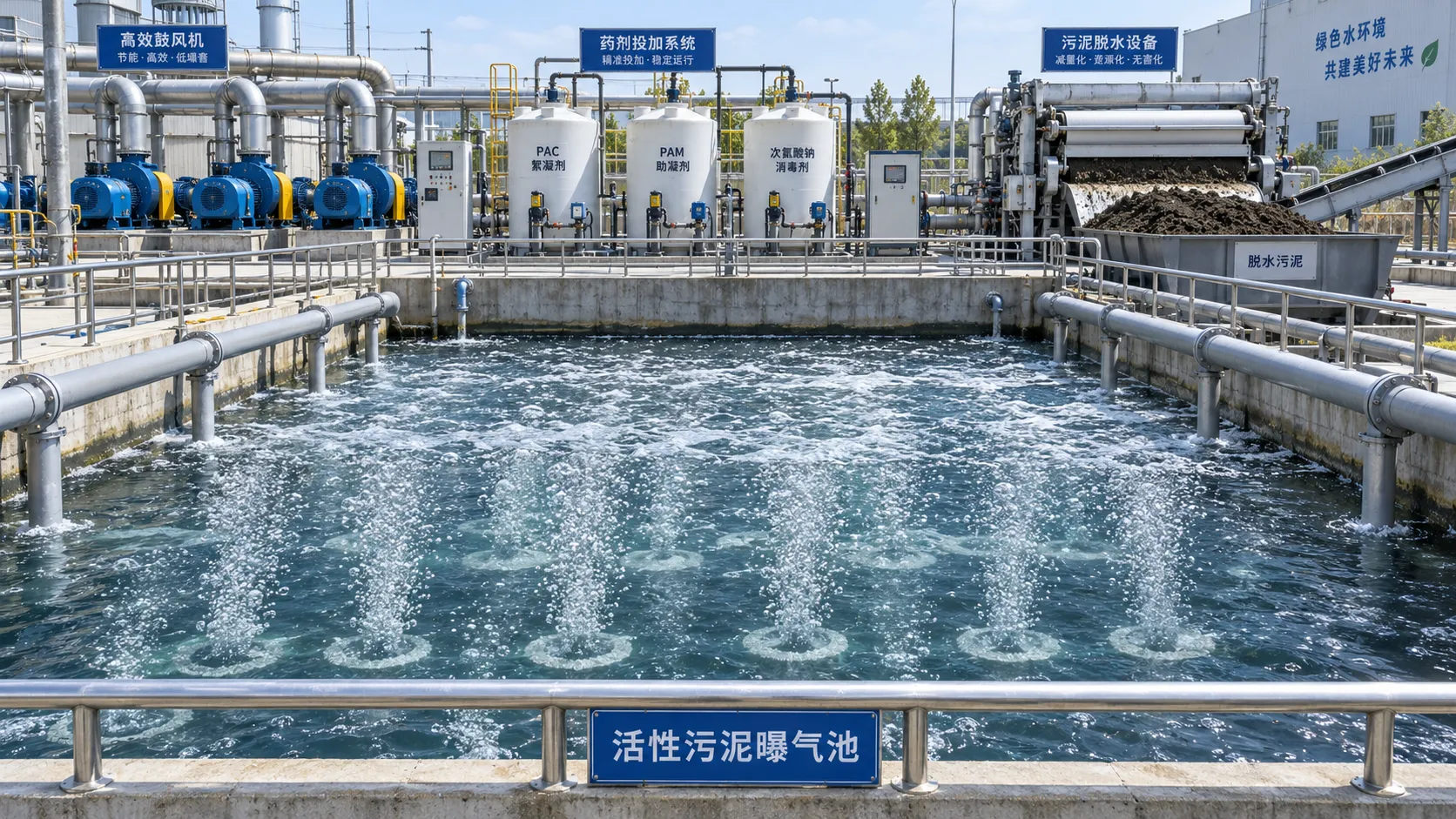
Activated Sludge Cost: Budgeting Energy, Chemicals, Sludge, and Labor
Activated sludge cost explained: compare energy, chemicals, sludge disposal, labor, and compliance risks to build a reliable lifecycle budget.