
Industry News
Curation by industry experts
Hot Articles
Popular Tags
Membrane Filtration Technology: Key Fouling Risks and Fixes
Membrane Filtration Technology: Key Fouling Risks and Fixes
In membrane filtration technology, fouling is rarely just a performance issue.
It can reduce uptime, destabilize water quality, raise energy use, and push maintenance costs much higher.
In daily field work, the real challenge is not spotting fouling after failure.
It is identifying the first warning signs early enough to act.
This guide explains the most common fouling risks in membrane filtration technology and the fixes that work under practical operating conditions.
The focus stays on diagnosis, corrective action, and prevention, so performance recovery is faster and membrane life is longer.
Why Fouling Matters More Than Many Teams Expect
Membrane filtration technology works by maintaining stable flow through a selective barrier.
Once deposits build up, that balance starts to break.
At first, the shift may look minor.
A small pressure increase, a mild flux drop, or slightly more frequent cleaning can seem manageable.
More often, those early signals point to a larger process imbalance.
If ignored, fouling can trigger irreversible damage, shortened cleaning intervals, and unstable product water quality.
That also means more emergency visits, more chemical use, and more pressure on spare parts planning.
The Main Fouling Types in Membrane Filtration Technology
In most systems, fouling does not come from one source alone.
Several mechanisms can appear together, which is why root-cause diagnosis matters.
Particulate and Colloidal Fouling
This is one of the most common issues in membrane filtration technology.
Fine suspended solids, silt, corrosion particles, and colloids block channels and form a cake layer.
The problem is especially visible when pretreatment is unstable.
Rapid differential pressure rise is usually the clearest signal.
Organic Fouling
Natural organic matter, oils, surfactants, and industrial residues can adsorb onto the membrane surface.
Organic fouling often develops slowly, then suddenly reduces normalized flux.
In wastewater reuse projects, this pattern is especially common.
Scaling and Inorganic Fouling
Calcium carbonate, calcium sulfate, barium sulfate, and silica are frequent scale-forming species.
In membrane filtration technology, scaling risk increases with higher recovery and concentration polarization.
Once crystals harden, cleaning becomes less effective and membrane damage risk rises.
Biofouling
Biofouling begins when microorganisms attach, multiply, and create a protective biofilm.
This is one of the most persistent problems in membrane filtration technology.
It usually causes pressure drop, flux loss, and uneven cleaning recovery.
Early Warning Signs You Should Not Ignore
Good troubleshooting starts with trend reading, not guesswork.
From recent operating changes, several indicators usually stand out first.
- Normalized permeate flow declines without a feed quality improvement.
- Differential pressure increases across pressure vessels or stages.
- Salt passage rises and product quality becomes less stable.
- Cleaning frequency becomes shorter than the original design expectation.
- Chemical cleaning restores less performance after each cycle.
- Cartridge filters foul faster than usual upstream.
A more meaningful signal is when several trends move together.
That often confirms a system-level issue rather than normal operating variation.
How to Diagnose Fouling Without Wasting Time
The fastest way to lose time is treating every fouling event with the same cleaning routine.
Effective diagnosis in membrane filtration technology depends on linking symptoms to feedwater and operating data.
- Compare current normalized data with the commissioning baseline.
- Check pretreatment performance, especially SDI, turbidity, and coagulant control.
- Review recovery, concentrate chemistry, and antiscalant dosing records.
- Look for disinfectant upsets, stagnant zones, or nutrient carryover.
- Inspect element loading patterns to see whether fouling is front-end or system-wide.
- Use membrane autopsy when routine indicators do not match field behavior.
In practical service work, the pattern matters as much as the absolute number.
For example, front-stage pressure rise often points to particulate loading or biofilm formation.
Best Fixes for Each Fouling Risk
Fixes for Particulate Fouling
Start upstream.
Stabilize coagulation, media filtration, ultrafiltration, or cartridge filtration before touching recovery targets.
If particulate fouling is confirmed, low-pH or high-pH cleaning alone may not be enough.
Hydraulic flushing and better pretreatment control usually bring more durable results.
Fixes for Organic Fouling
Use cleaning chemistry matched to the foulant profile.
Alkaline cleaners with surfactants are often more effective than standard acidic solutions.
Also check whether upstream oil separation or activated carbon performance has slipped.
Without that correction, the same organic fouling will return quickly.
Fixes for Scaling
For scale in membrane filtration technology, prevention is far cheaper than recovery.
Verify antiscalant selection, actual dosing rate, pH control, and recovery assumptions.
If silica or sulfate scaling is suspected, review concentrate saturation limits carefully.
Acid cleaning can help certain scales, but hardened deposits may require element replacement.
Fixes for Biofouling
Biofouling control requires consistency.
Intermittent action usually fails because the biofilm matrix protects deeper colonies.
Target nutrient sources, dead legs, storage tanks, and pretreatment sanitation routines.
In membrane filtration technology, better preservation and shutdown procedures also reduce repeat contamination.
A Practical Troubleshooting Table
How to Reduce Repeat Fouling Events
A good fix is not complete unless it prevents the next event.
That is where membrane filtration technology often succeeds or fails over the long run.
- Track normalized performance weekly, not only during alarms.
- Set action limits for pressure, flow, and conductivity drift.
- Audit pretreatment after raw water or process changes.
- Standardize cleaning records, including chemical strength and contact time.
- Review shutdown and preservation steps after every outage.
- Train operators to report small trend shifts before production loss grows.
In actual operations, repeat fouling usually reflects a weak control point upstream.
Once that point is strengthened, membrane filtration technology becomes far more stable and economical.
Final Takeaway
The best membrane filtration technology strategy is not aggressive cleaning alone.
It is early detection, accurate diagnosis, and targeted correction.
When particulate loading, organic contamination, scaling, and biofouling are treated as separate risks, response becomes faster and more precise.
That approach protects uptime, water quality, cleaning efficiency, and membrane service life.
For teams supporting field systems, the biggest advantage comes from disciplined trend review and upstream process control.
If the warning signs are addressed early, membrane filtration technology delivers more reliable performance with fewer costly surprises.
Recommended News
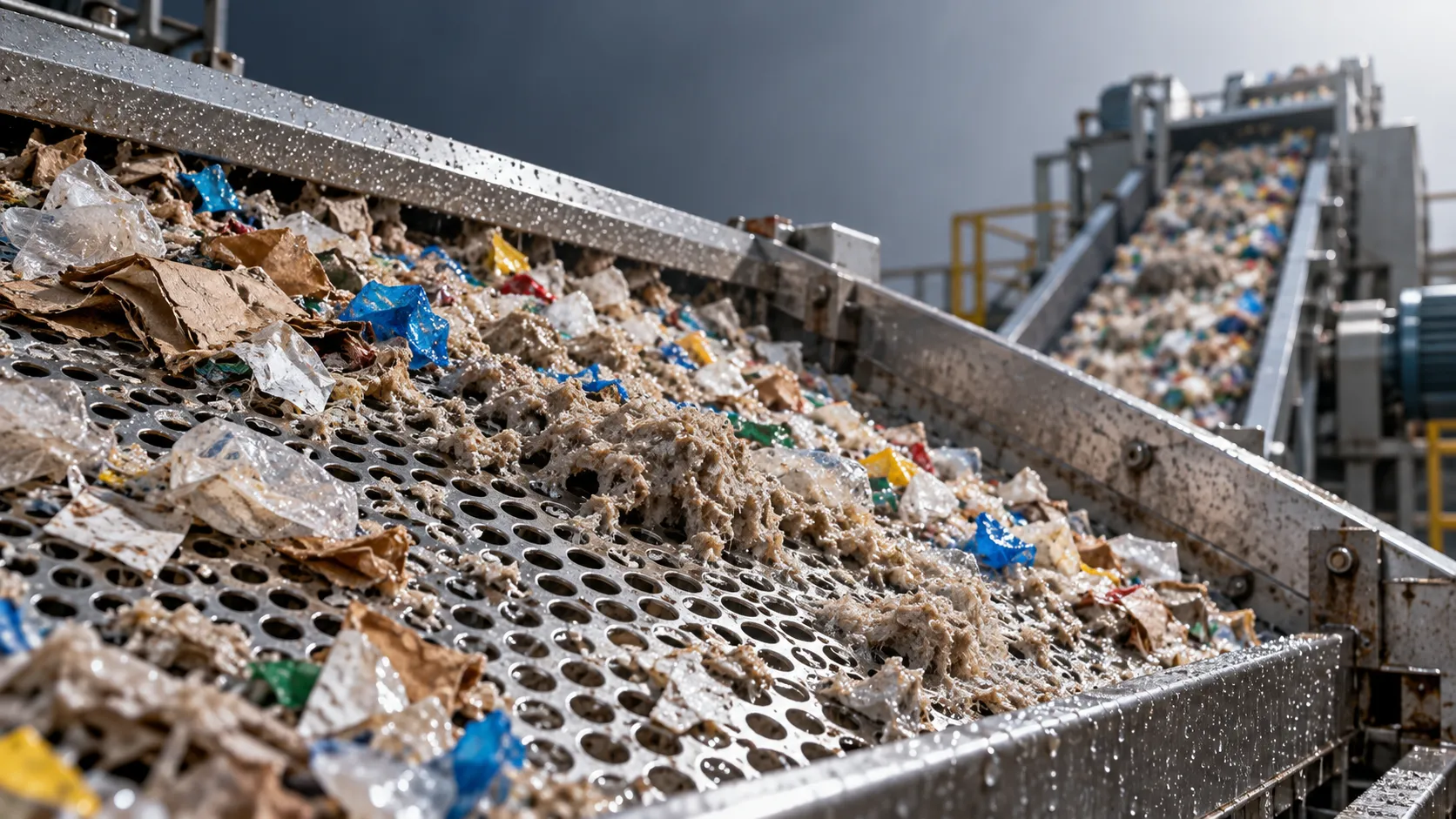
How moisture affects material separation in solid waste recovery
Improve solid waste recovery material separation by understanding moisture effects on screening and sorting. Discover practical ways to boost recovery, purity, and throughput.
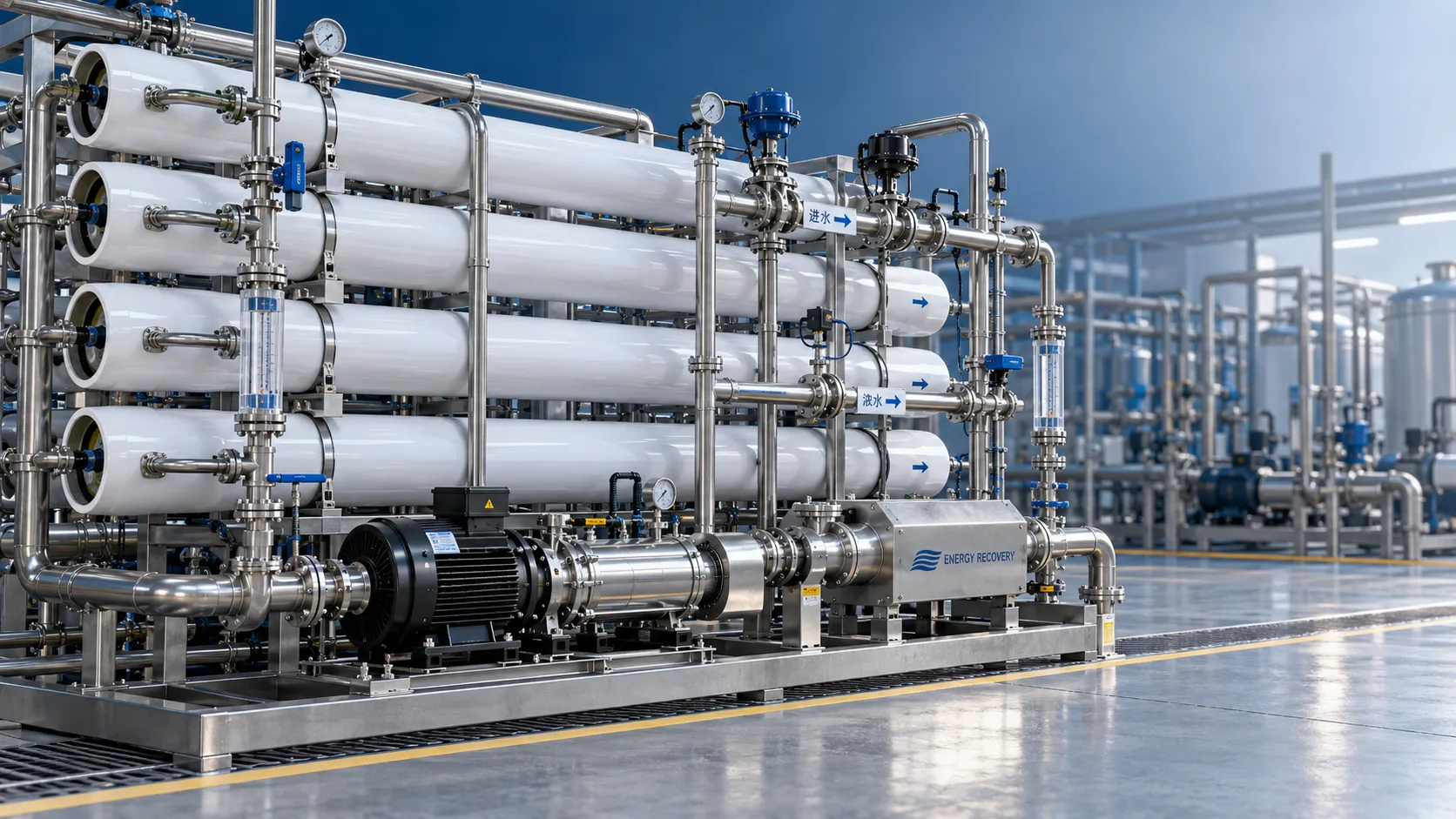
How to set recovery rates in seawater reverse osmosis system design
Explore seawater desalination systems engineering: learn to set SWRO recovery rates that balance energy, scaling risks, and water quality for reliable, cost-effective operation.
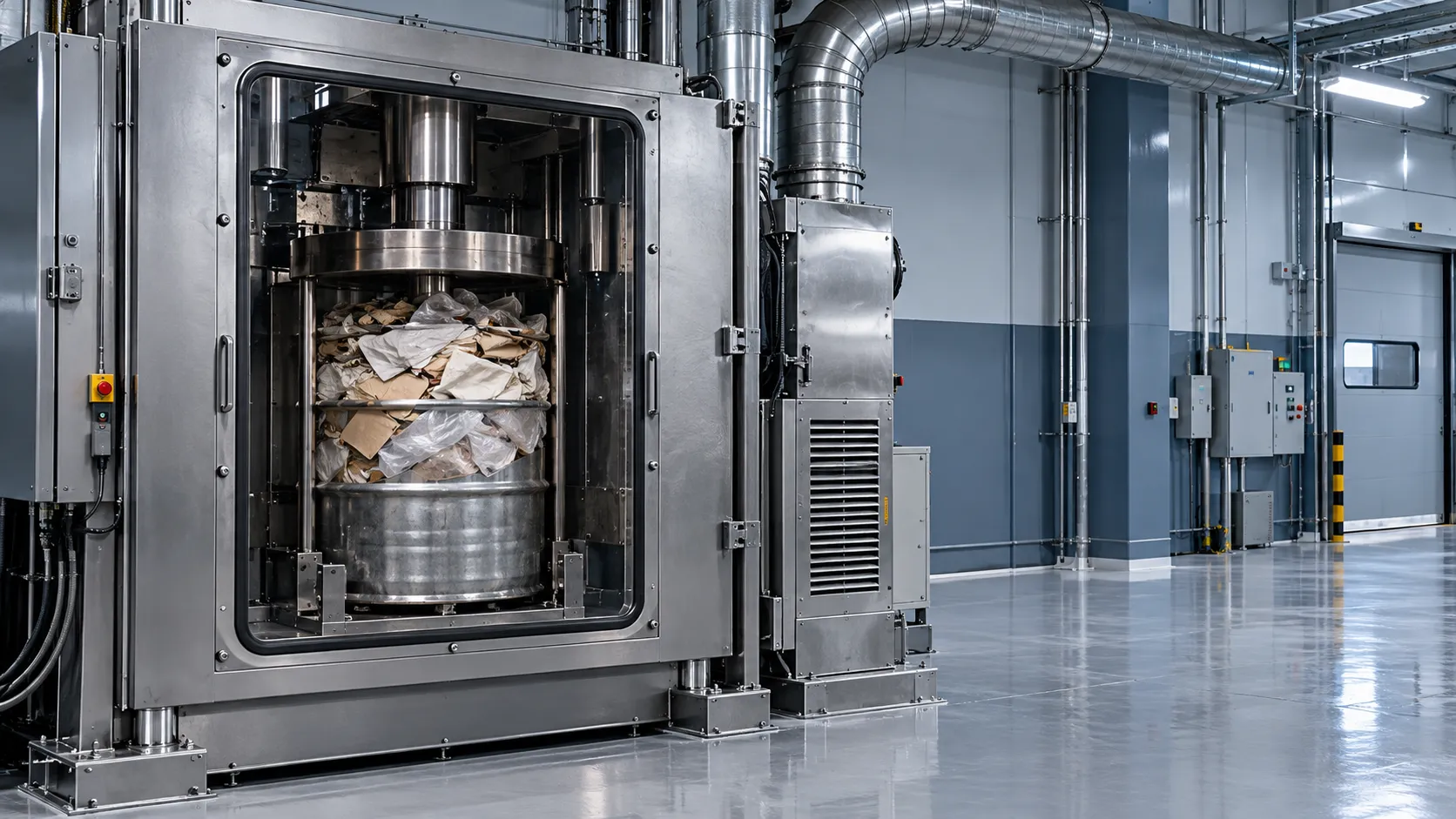
When is compaction suitable for solid nuclear waste treatment?
Is compaction right for solid nuclear waste treatment? Discover suitable waste streams, key safety checks, and disposal requirements to reduce package volume and optimize costs.
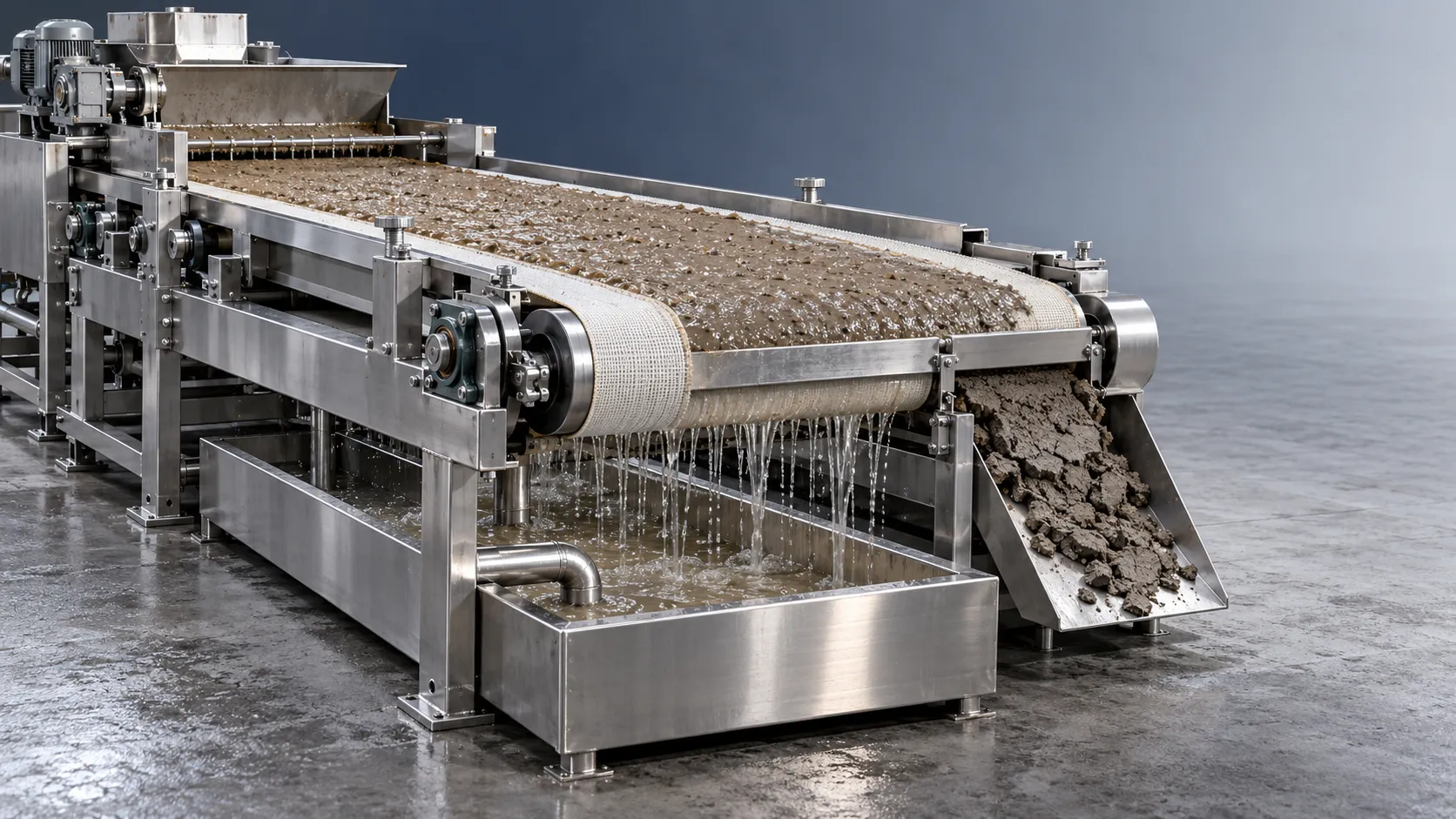
How solids concentration affects dewatering in waste recovery systems
Optimize waste recovery systems dewatering with insights on solids concentration. Learn to balance throughput, cake dryness, and solids capture while avoiding costly equipment overloads.
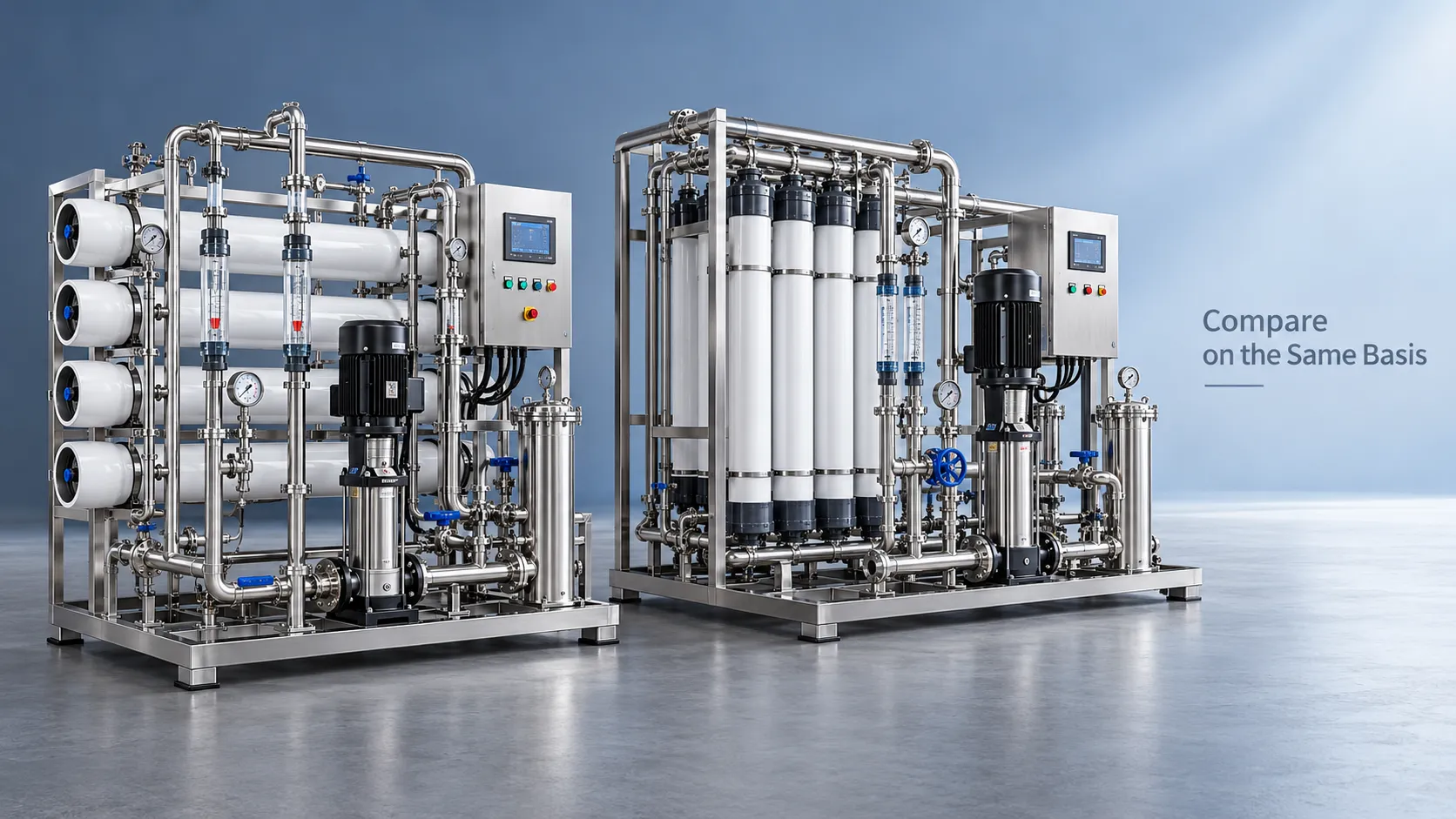
How to compare technical specs in an environmental equipment directory
Use this environmental equipment directory technical guide to compare capacity, energy use, compliance, and supplier evidence. Build a defensible shortlist and choose with confidence.
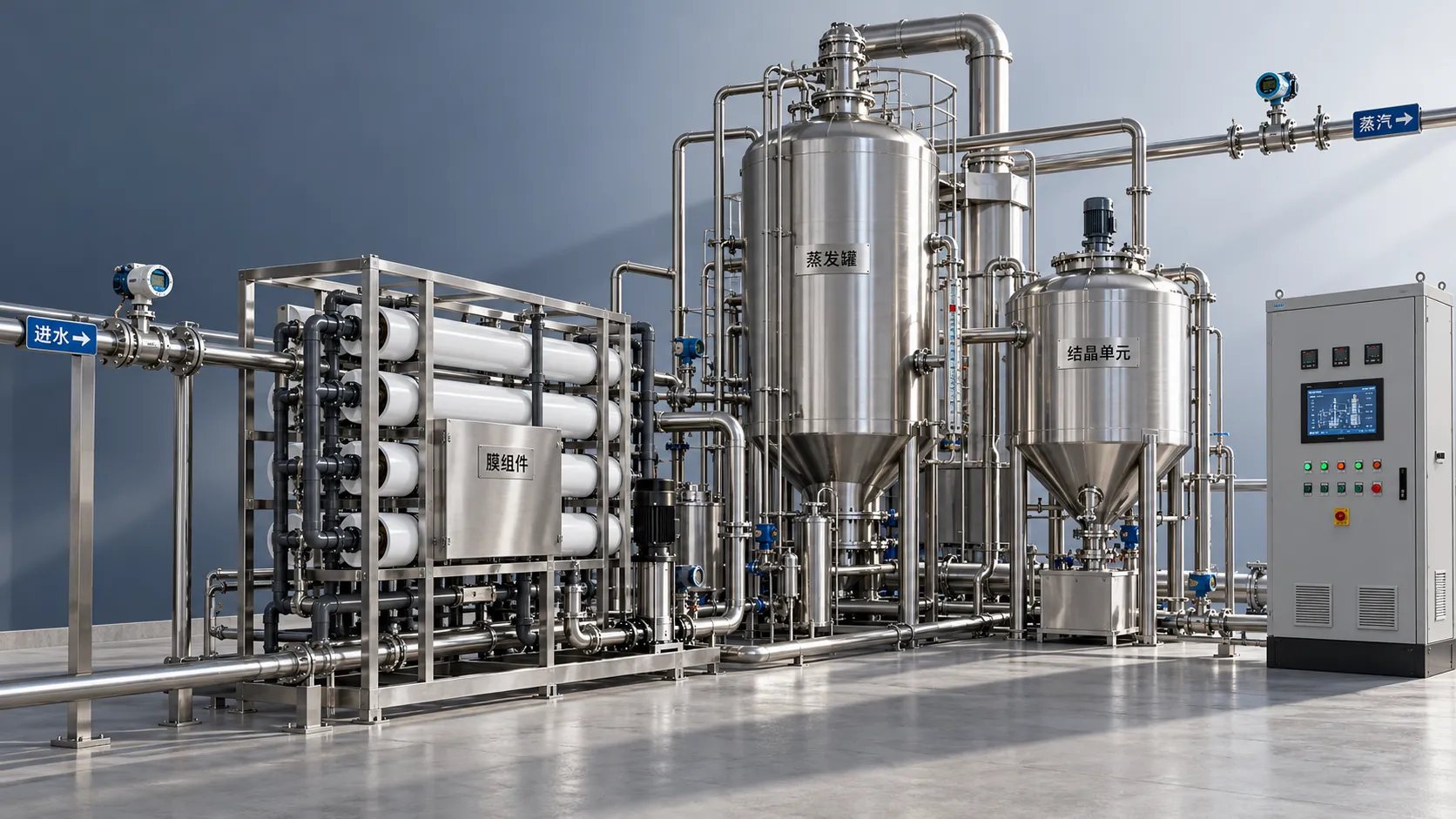
How to assess a zero liquid discharge equipment supplier’s energy claims
Assess a zero liquid discharge equipment supplier’s energy claims. Learn how to verify system boundaries, compare real costs, and demand testable guarantees before you buy.
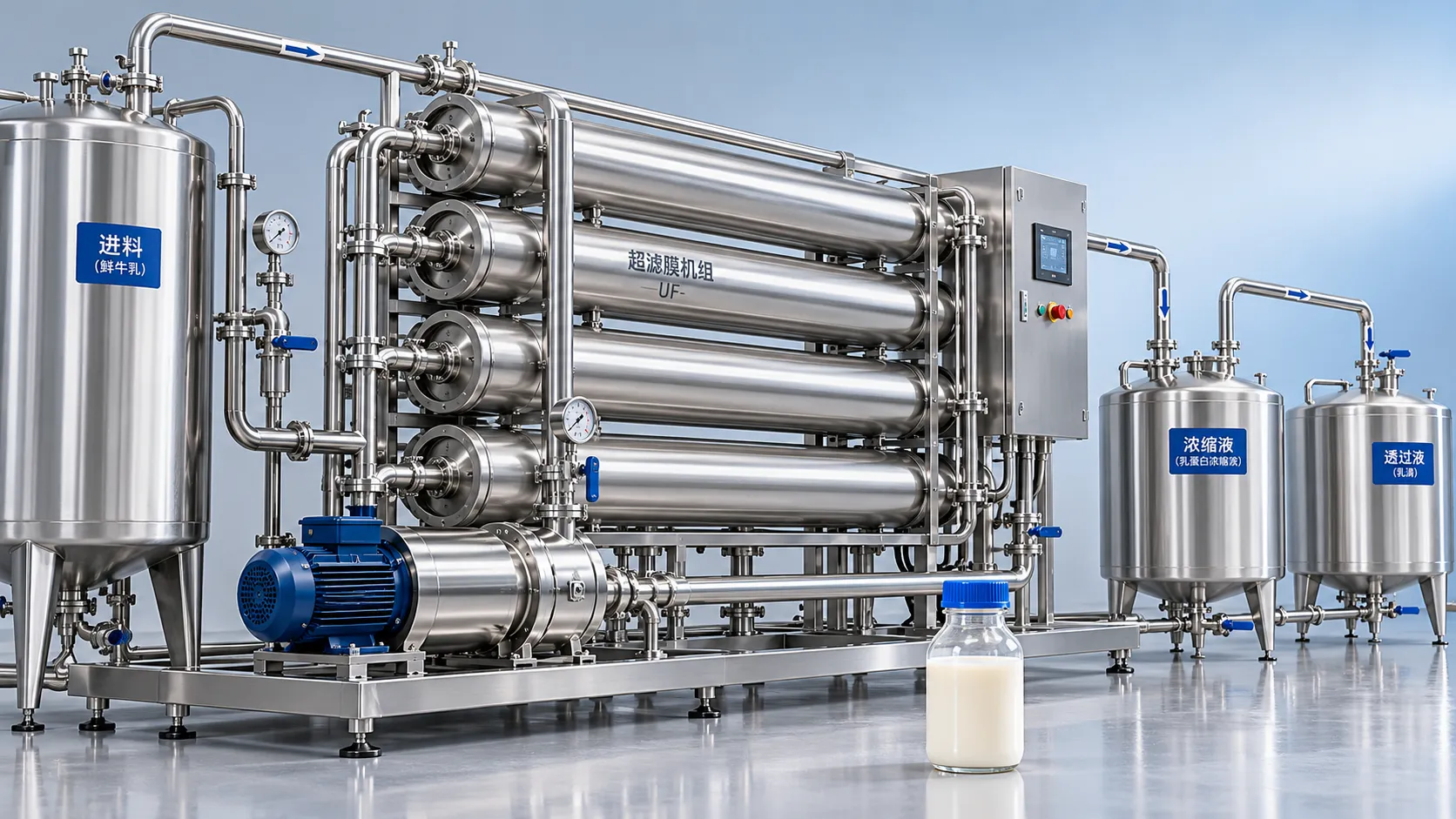
Which membrane filtration process suits dairy protein concentration?
Explore membrane filtration for dairy: compare UF, MF, and RO to select the right process for protein concentration, lactose reduction, and better recovery. Find your best fit.
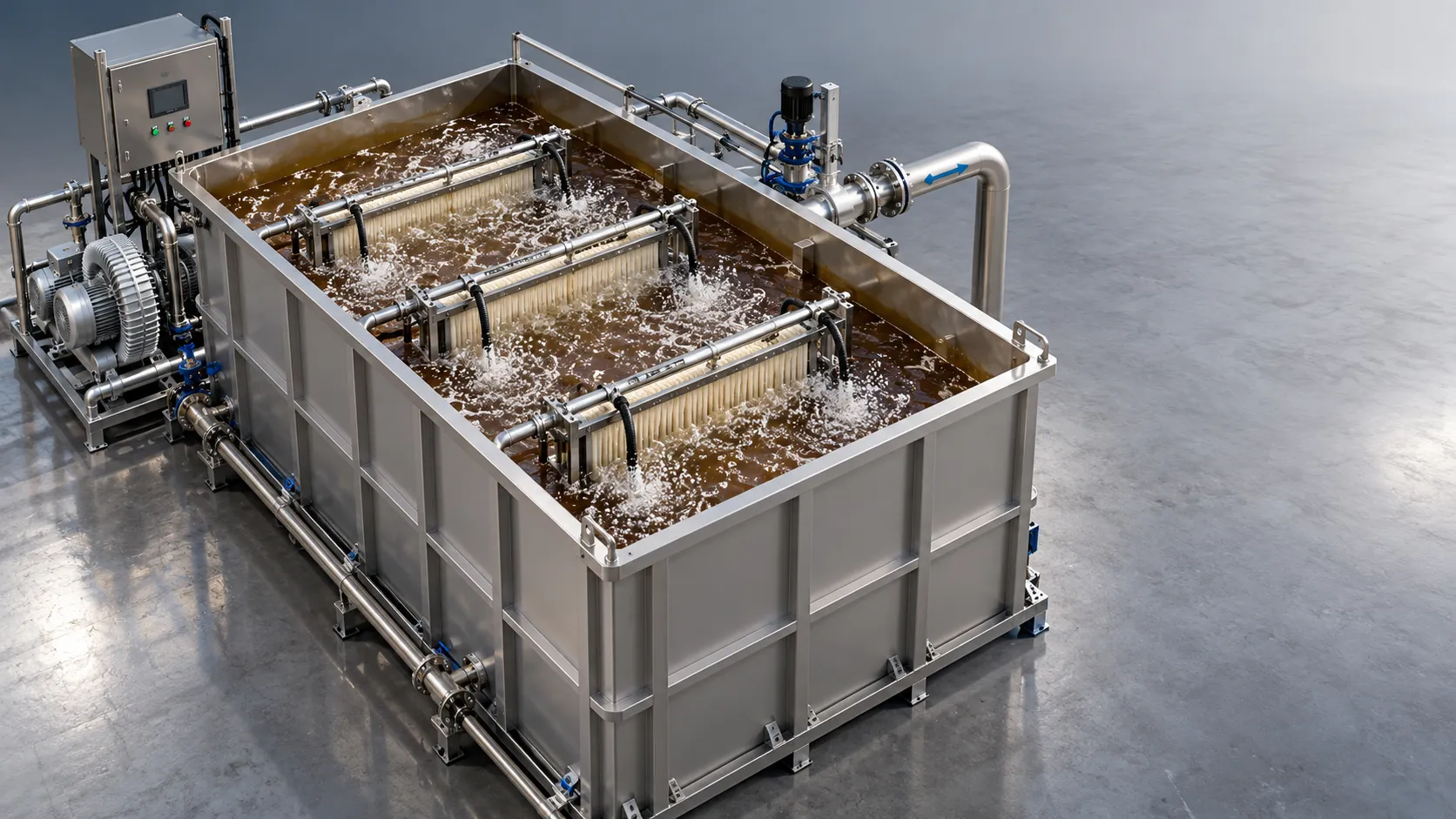
When is an MBR suitable for wastewater purification for bioprocessing?
For wastewater purification for bioprocessing, discover when an MBR fits your needs. Compare water quality, fouling risks, and lifecycle costs before investing.
How to check a water treatment quotation for hidden project costs
Review your water treatment quotation for hidden costs, scope gaps, and operating expenses. Learn what to check before signing to protect your budget and avoid costly surprises.