
Industry News
Curation by industry experts
Hot Articles
Popular Tags
Decarbonization Technologies for Heavy Industries in 2026
In 2026, decarbonization technologies for heavy industries are no longer a side topic for sustainability teams. They sit closer to capital planning, export readiness, operating resilience, and permit security. As carbon disclosure expands and financing favors cleaner assets, heavy industry is being pushed to cut emissions without compromising throughput, safety, or water reliability.
That pressure is especially visible in energy-intensive systems linked to water treatment, flue gas control, resource recovery, desalination, and hazardous waste handling. In these areas, decarbonization is not one technology. It is a portfolio of process redesign, electrification, heat recovery, digital control, cleaner feedstocks, and circular resource logic.
For organizations tracking the industrial ecological boundary, the key question is practical: which decarbonization technologies for heavy industries can reduce carbon intensity while also improving compliance, asset life, and cost discipline? That is where decision-quality intelligence matters more than broad ambition statements.
Why 2026 changes the discussion
Heavy industries have discussed low-carbon transition for years, but 2026 raises the stakes. Carbon pricing, border adjustment mechanisms, supply chain disclosure, and lender scrutiny are beginning to influence project timing and technology choice.
This shift matters because high-emission sectors often operate through long asset cycles. A delayed retrofit can lock in carbon exposure for another decade. A poorly chosen retrofit can raise energy use, reduce reliability, or create new water and waste burdens.
In other words, decarbonization technologies for heavy industries now have to be evaluated as integrated operating systems. Carbon reduction alone is not enough. Water balance, residue management, grid exposure, and environmental compliance must move together.
What the term really covers
The phrase often sounds broader than it should. In practice, decarbonization technologies for heavy industries fall into several linked groups, each addressing a different emissions source or efficiency gap.
- Process efficiency upgrades that reduce heat, steam, or electricity demand.
- Fuel switching, including electrification, hydrogen blends, biogenic fuels, or low-carbon feedstocks.
- Waste heat recovery and energy integration across adjacent units.
- Carbon capture, utilization, or storage where process emissions remain unavoidable.
- Water and waste system redesign that lowers hidden carbon in treatment and disposal.
- Digital optimization that improves load control, predictive maintenance, and emissions visibility.
What makes this relevant to environmental infrastructure is simple. Many facilities still underestimate the carbon footprint embedded in pumping, aeration, thermal treatment, membrane separation, sludge handling, flue gas cleanup, and off-site waste transport.
Where the biggest opportunities are emerging
Water-intensive industrial treatment
Large water treatment plants are becoming an important decarbonization field. High-concentration wastewater, ZLD systems, and advanced polishing trains often carry significant thermal and electrical loads.
The strongest gains usually come from smarter pretreatment, lower-fouling membranes, advanced oxidation control, brine concentration optimization, and tighter energy recovery. Carbon results improve further when water reuse reduces freshwater intake and discharge obligations.
Solid waste and recovery networks
In waste recovery, the carbon story extends beyond landfill avoidance. AI sorting, material purity improvement, pyrolysis process control, and localized recovery networks can reduce virgin resource demand and embedded emissions across industrial supply chains.
Here, decarbonization technologies for heavy industries are closely tied to circularity. A plant that turns complex residues into recoverable materials may cut transport, disposal, and upstream extraction impacts at the same time.
Flue gas treatment and energy interaction
Flue gas treatment is often discussed only as an air compliance issue. That view is too narrow. Scrubbers, SCR systems, fans, reheating units, and reagent preparation all affect total carbon intensity.
Low-temperature catalyst performance, pressure drop reduction, smarter fan control, and integrated heat recovery can reduce both emissions and operating cost. In some cases, the flue gas train becomes a useful entry point for broader decarbonization technologies for heavy industries.
Seawater desalination under carbon pressure
Heavy seawater desalination remains essential in water-stressed regions, yet it sits under growing scrutiny because of energy intensity. The next wave focuses on membrane efficiency, intake design, brine management, renewable power coupling, and advanced energy recovery devices.
This is a good example of why decarbonization cannot be judged in isolation. A desalination project may reduce regional water risk while increasing electricity exposure. The right evaluation looks at full system resilience, not a single emissions figure.
Nuclear waste management and low-carbon credibility
Clean power credibility depends partly on what happens after generation. Nuclear waste management is therefore part of the industrial decarbonization conversation, especially where long-term containment, vitrification stability, and safety assurance shape public acceptance.
The value here is indirect but strategic. Reliable waste handling supports the integrity of low-carbon energy systems that heavy industries may depend on for electrification and grid decarbonization.
How to judge technology options beyond carbon claims
A useful screening method compares technical fit, compliance impact, and business durability together. Many projects look attractive on carbon models but weaken under real operating conditions.
This is where specialized market intelligence becomes valuable. ESD’s focus on membrane performance, catalyst kinetics, vitrification stability, and regulatory movement reflects a real market need: technical detail now shapes strategic competitiveness.
Signals that matter most in real projects
The most effective decarbonization technologies for heavy industries usually share a few traits. They solve more than one problem, and they fit the constraints of existing assets.
- They reduce energy intensity without increasing environmental side streams.
- They improve process visibility through monitoring and control.
- They align with future discharge, waste, or cross-border carbon rules.
- They can be phased into brownfield sites with manageable downtime.
- They strengthen bidding credibility in large public or EPC projects.
That last point is increasingly important. In major infrastructure and industrial packages, carbon logic is moving from a reporting appendix to a selection criterion. Equipment intelligence, therefore, has commercial value beyond engineering.
A practical way to move from ambition to action
A sensible next step is not to chase every emerging option. It is to map emission hotspots against water load, heat demand, waste streams, and regulatory risk. That reveals where decarbonization technologies for heavy industries can create the strongest combined return.
Then compare short-cycle upgrades with longer-horizon transformations. Controls optimization, heat integration, and separation efficiency may deliver near-term results. Carbon capture, deep electrification, or full process redesign may require a different investment window.
For 2026 planning, the most useful discipline is structured comparison. Track technical readiness, hidden resource impacts, policy exposure, and equipment reliability in the same frame. That approach makes decarbonization technologies for heavy industries easier to evaluate, and much harder to misjudge.
The organizations that move well will not treat decarbonization as a separate program. They will read it as part of industrial survival logic: cleaner water systems, smarter waste recovery, lower flue gas burdens, credible low-carbon energy support, and stronger compliance architecture. From there, better decisions tend to follow.
Recommended News
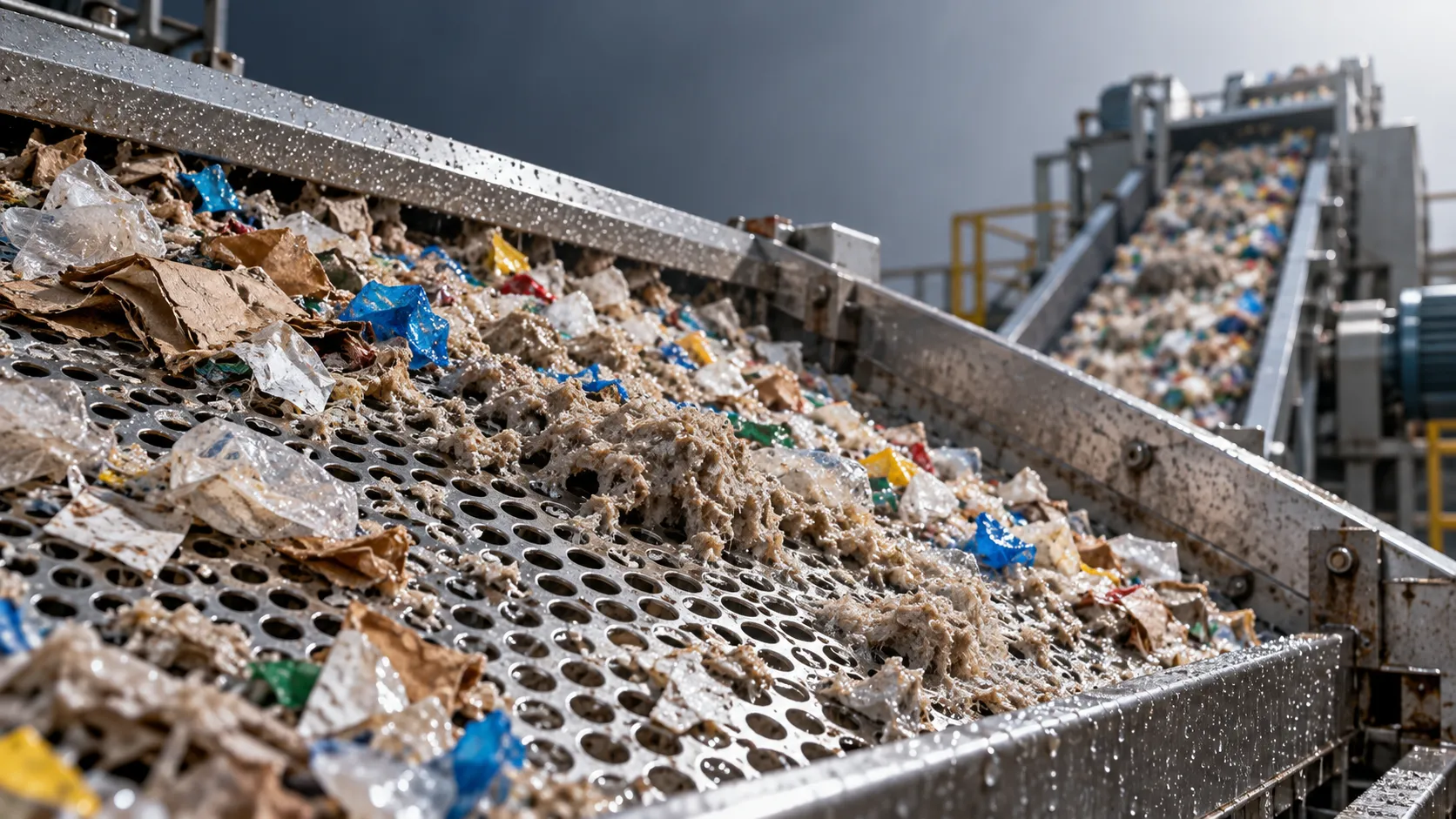
How moisture affects material separation in solid waste recovery
Improve solid waste recovery material separation by understanding moisture effects on screening and sorting. Discover practical ways to boost recovery, purity, and throughput.
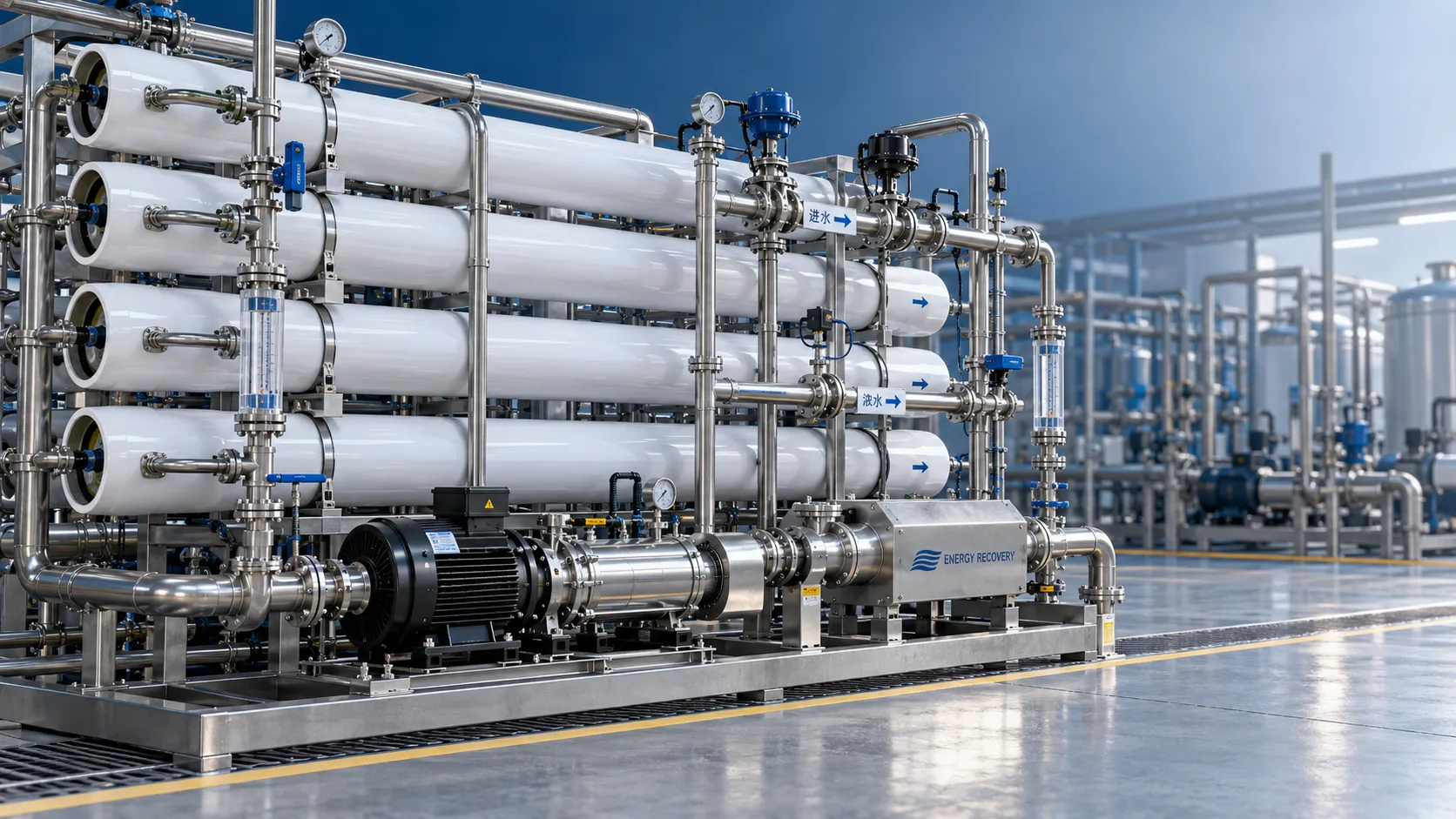
How to set recovery rates in seawater reverse osmosis system design
Explore seawater desalination systems engineering: learn to set SWRO recovery rates that balance energy, scaling risks, and water quality for reliable, cost-effective operation.
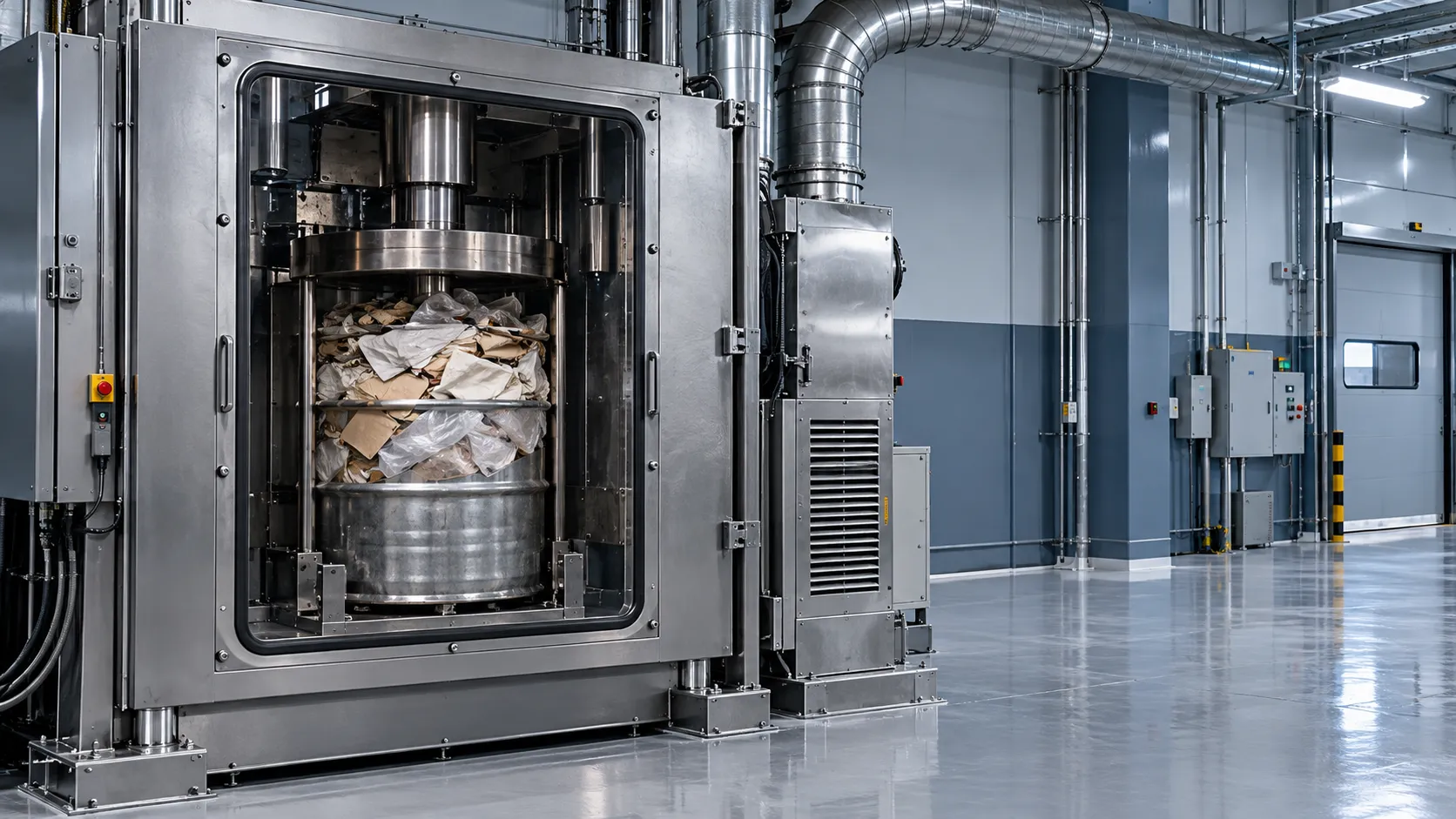
When is compaction suitable for solid nuclear waste treatment?
Is compaction right for solid nuclear waste treatment? Discover suitable waste streams, key safety checks, and disposal requirements to reduce package volume and optimize costs.
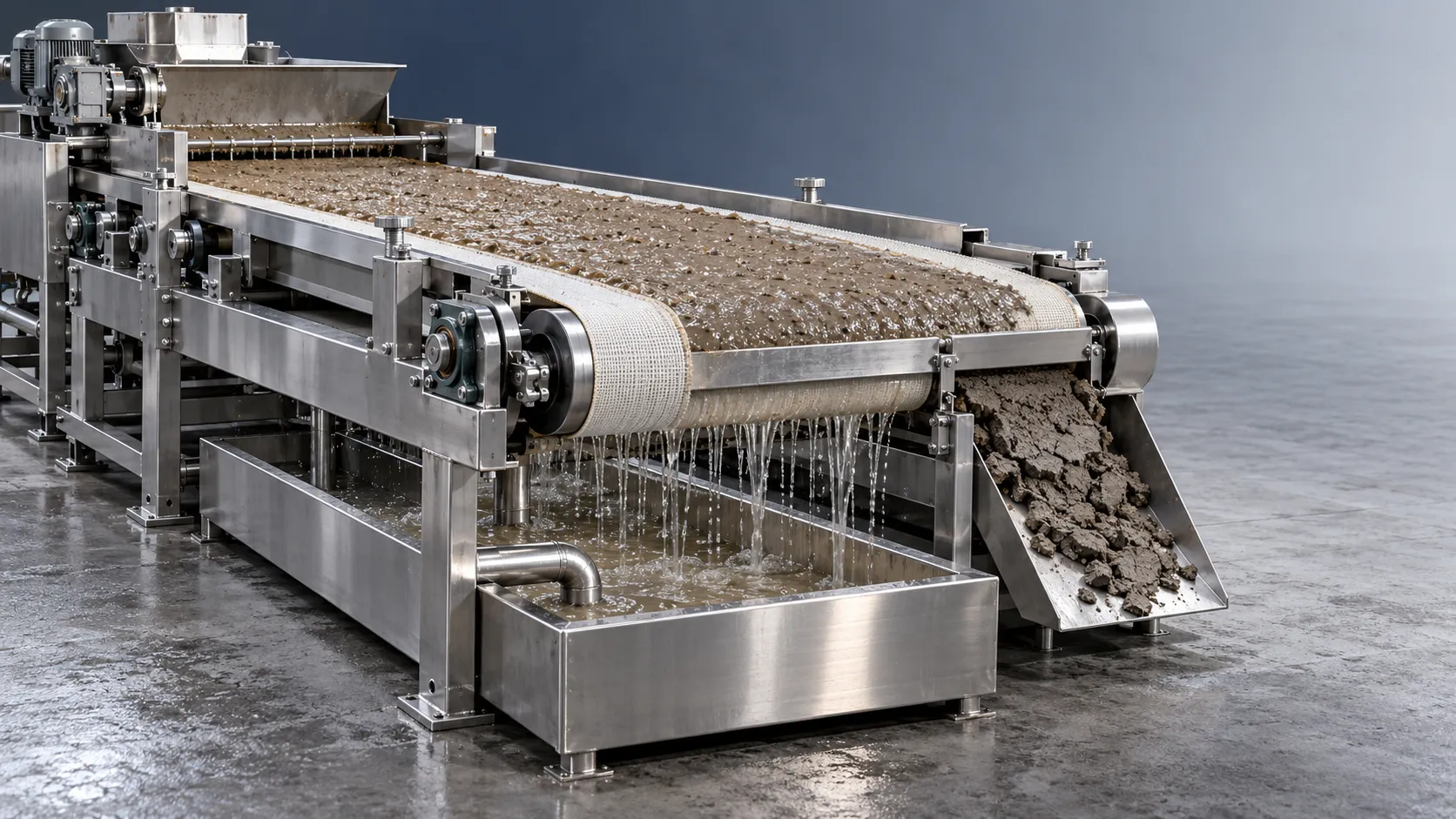
How solids concentration affects dewatering in waste recovery systems
Optimize waste recovery systems dewatering with insights on solids concentration. Learn to balance throughput, cake dryness, and solids capture while avoiding costly equipment overloads.
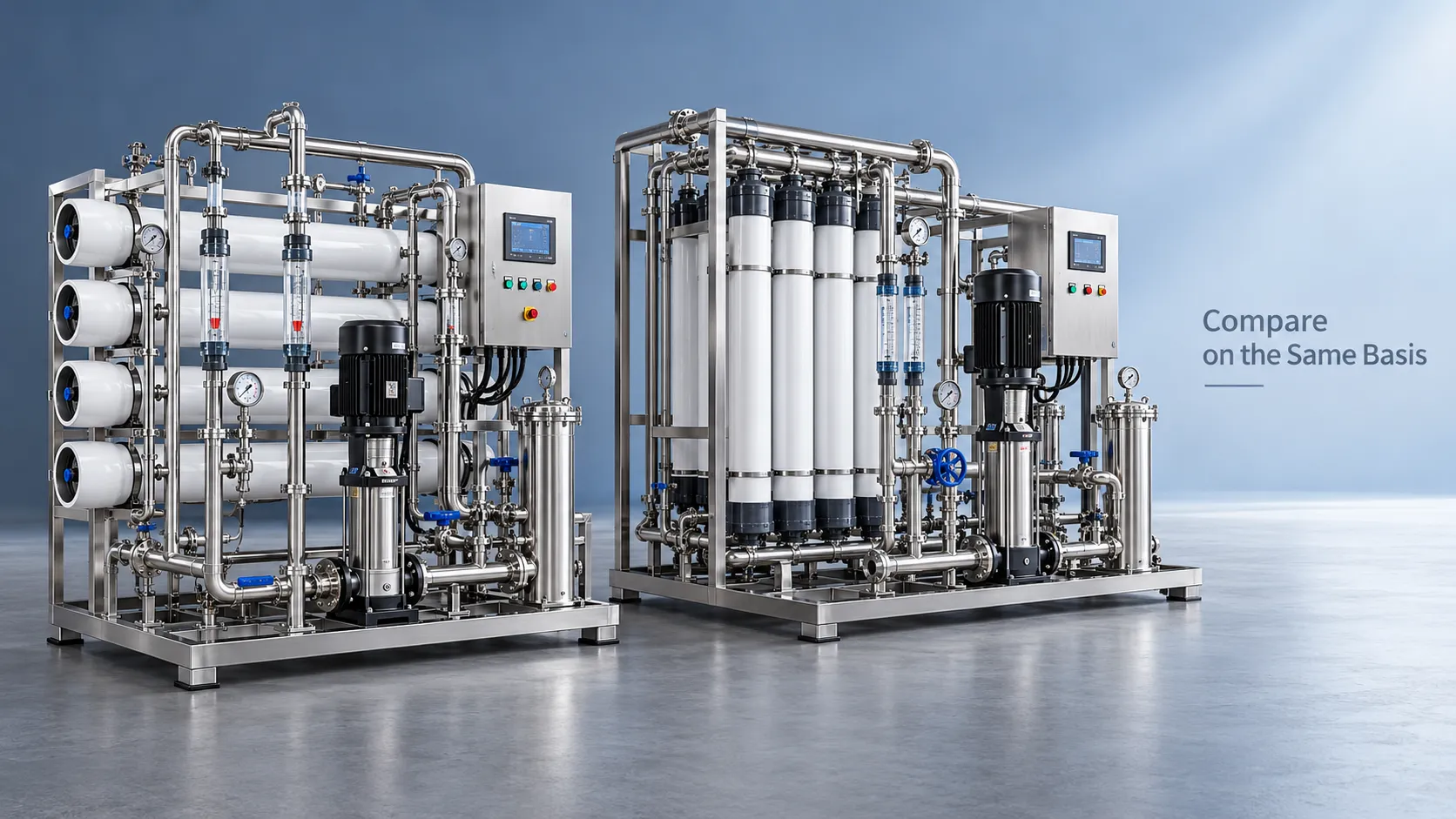
How to compare technical specs in an environmental equipment directory
Use this environmental equipment directory technical guide to compare capacity, energy use, compliance, and supplier evidence. Build a defensible shortlist and choose with confidence.
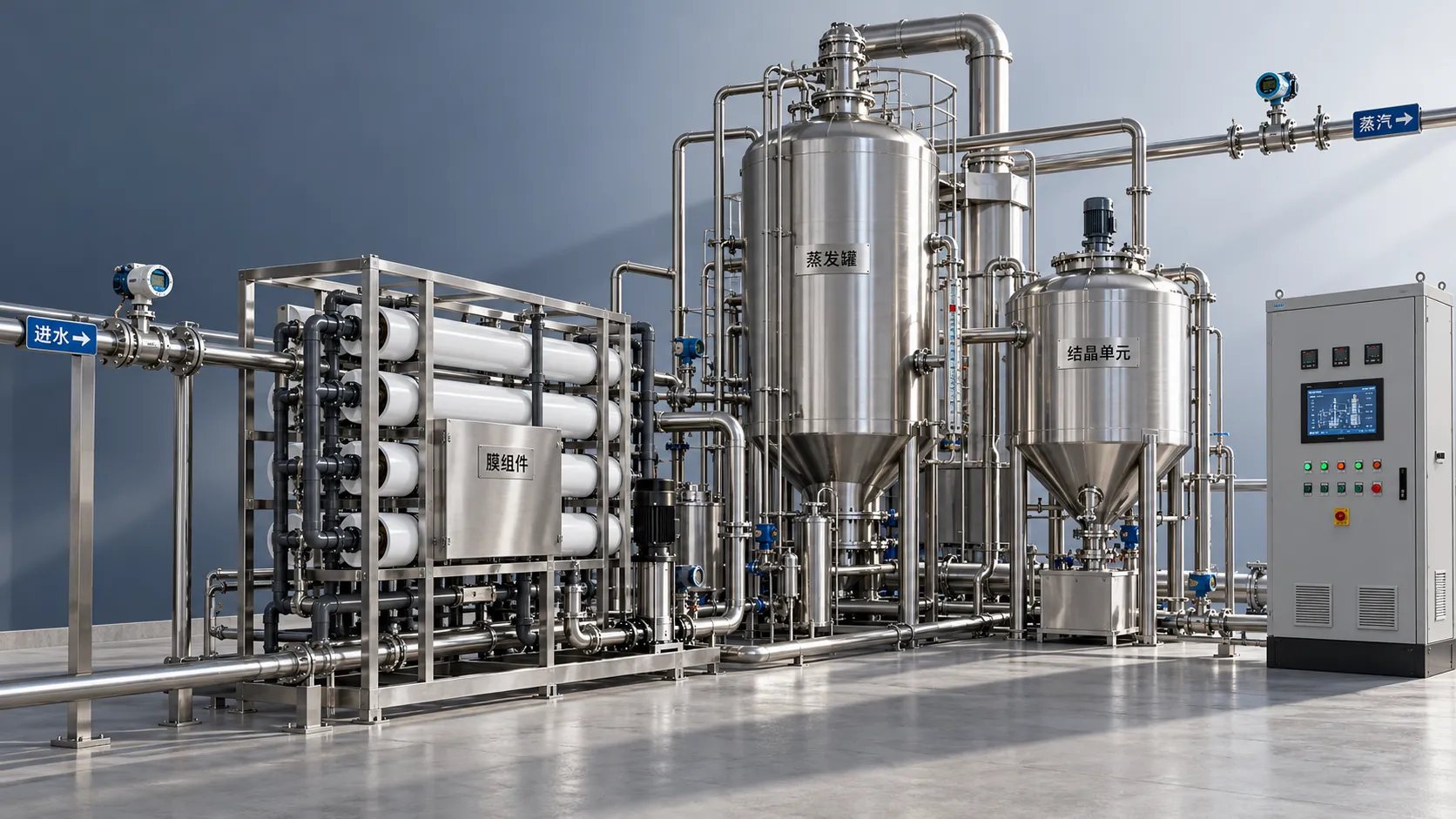
How to assess a zero liquid discharge equipment supplier’s energy claims
Assess a zero liquid discharge equipment supplier’s energy claims. Learn how to verify system boundaries, compare real costs, and demand testable guarantees before you buy.
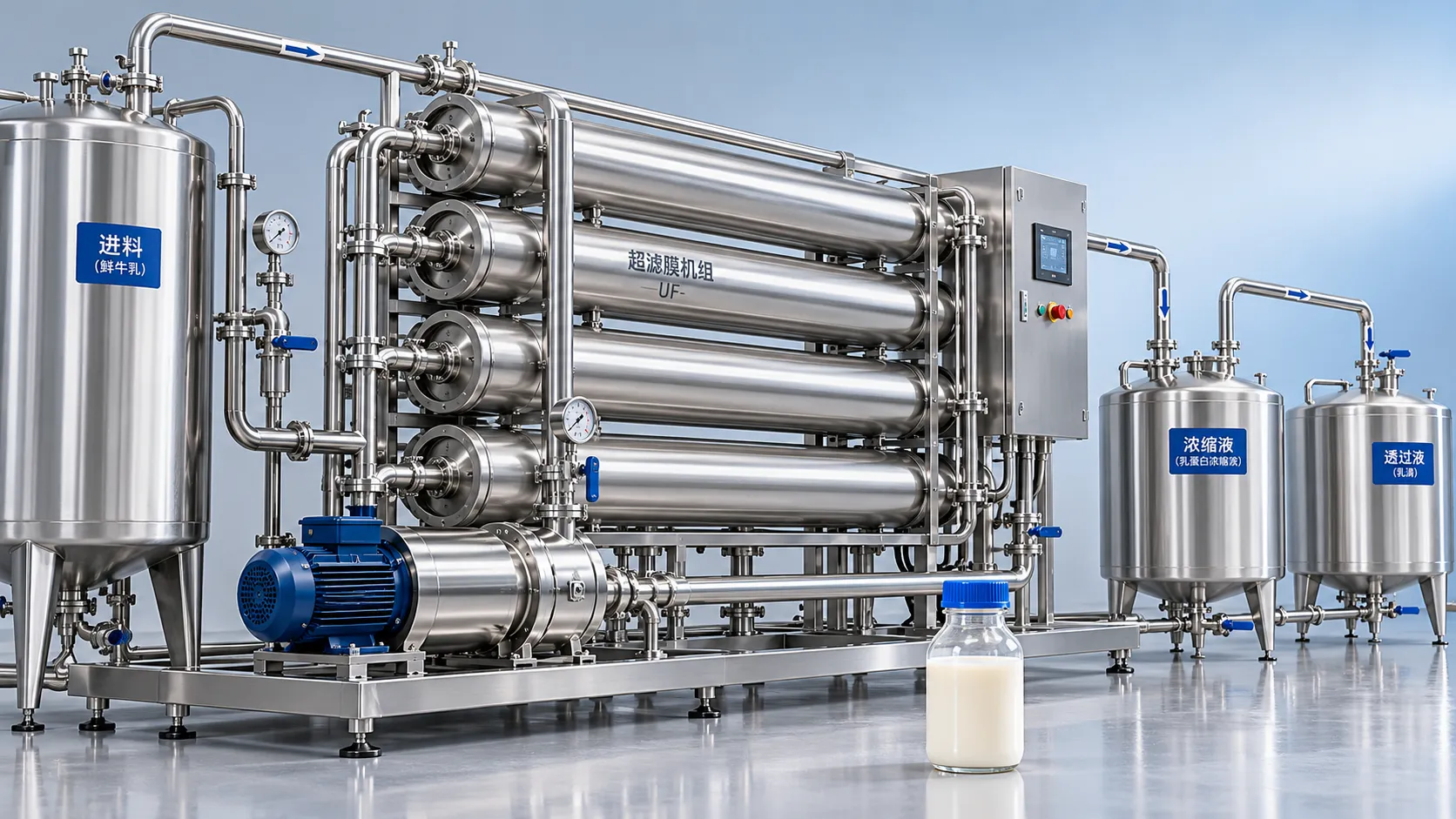
Which membrane filtration process suits dairy protein concentration?
Explore membrane filtration for dairy: compare UF, MF, and RO to select the right process for protein concentration, lactose reduction, and better recovery. Find your best fit.
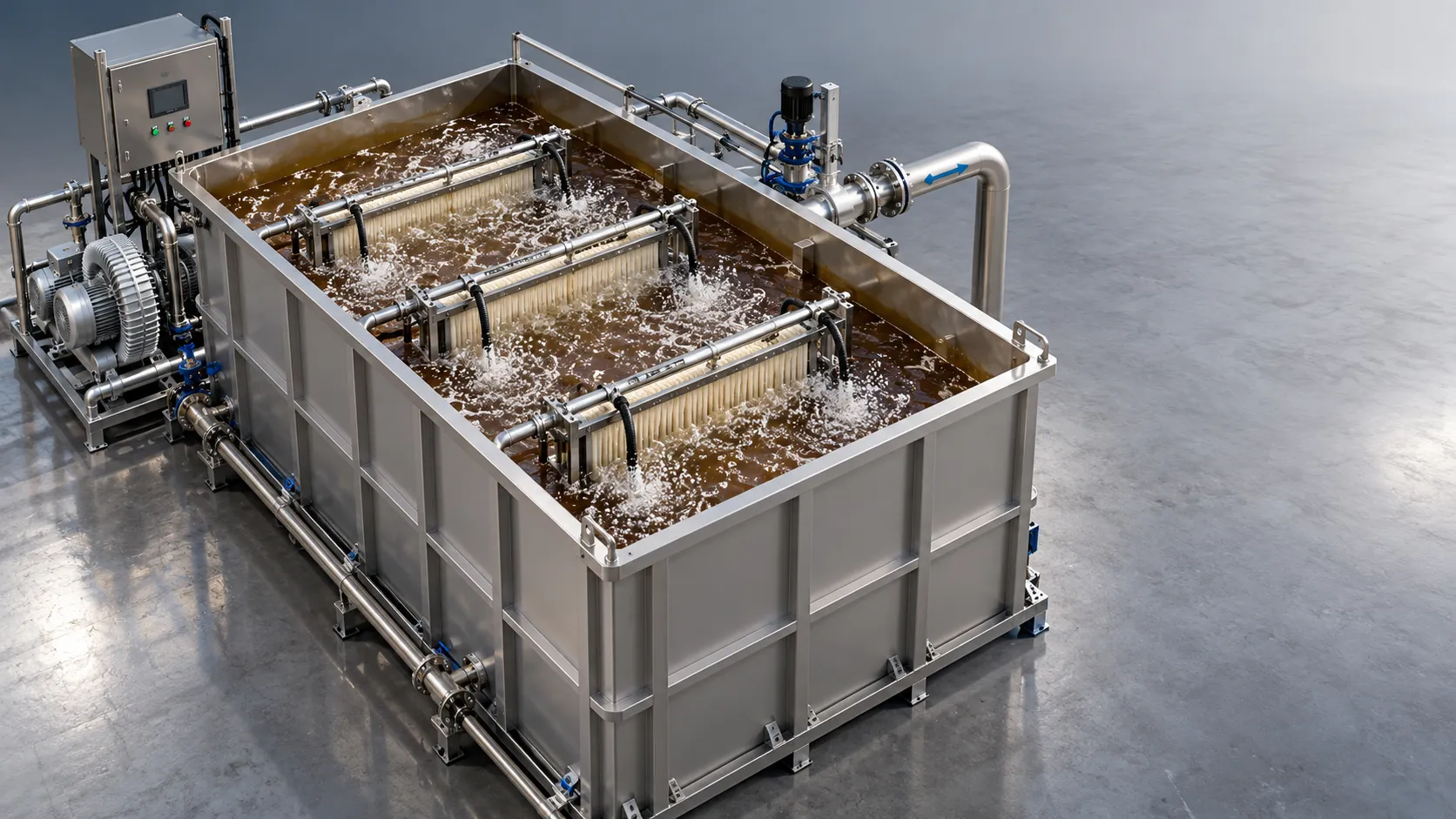
When is an MBR suitable for wastewater purification for bioprocessing?
For wastewater purification for bioprocessing, discover when an MBR fits your needs. Compare water quality, fouling risks, and lifecycle costs before investing.
How to check a water treatment quotation for hidden project costs
Review your water treatment quotation for hidden costs, scope gaps, and operating expenses. Learn what to check before signing to protect your budget and avoid costly surprises.