
Industry News
Curation by industry experts
Hot Articles
Popular Tags
SWRO Membranes: How to Compare Flux, Fouling, and Lifespan
SWRO membranes are compared differently once the operating context changes
In seawater desalination, membrane selection rarely fails because a datasheet looks weak. It usually fails because a strong number was trusted outside its real operating window.
That is why comparing SWRO membranes requires more than checking nominal permeate flow. Flux, fouling tendency, cleaning tolerance, and membrane lifespan move together, not separately.
On large infrastructure projects, those tradeoffs affect energy demand, outage frequency, chemical use, and replacement planning. The membrane becomes a strategic asset, not a simple consumable.
Within ESD’s heavy desalination focus, the practical question is clear: which SWRO membranes remain reliable when feed conditions, recovery targets, and compliance pressure become more demanding over time?
A useful comparison starts by matching membrane behavior to plant reality. The same SWRO membranes can look excellent in one train and underperform in another.
Why one membrane benchmark does not fit every desalination plant
Real plants see different combinations of intake quality, pretreatment maturity, temperature swings, and operating philosophy. These variables change what “best membrane” actually means.
A coastal utility with stable open-ocean intake may value lower specific energy first. An industrial complex near port activity may care more about resilience during feedwater shocks.
The difference matters because higher flux SWRO membranes can reduce installed area, yet they may also push concentration polarization harder under difficult feed conditions.
Likewise, low-fouling SWRO membranes may extend run length, but the gain depends on whether fouling is truly organic, colloidal, bioactive, or driven by pretreatment instability.
Membrane lifespan also varies by operating culture. Frequent cleanings, aggressive pH exposure, and stop-start operation can shorten life even when initial salt rejection looks excellent.
A quick decision frame before comparing models
- Confirm the dominant feedwater risk, not just average TDS.
- Check whether the plant values peak output or stable annualized output.
- Review allowable cleaning frequency and chemical envelope.
- Estimate how shutdowns and membrane replacement affect total water cost.
In stable municipal desalination, flux is useful only when stability is already under control
For large municipal plants with consistent pretreatment and relatively predictable intake quality, higher-flux SWRO membranes can create real value.
The benefit is not only higher permeate production. It can also reduce the number of pressure vessels needed for a target capacity expansion.
Still, the better comparison is normalized flux retention over time. A membrane that starts fast but declines quickly may lose its apparent advantage within months.
In this setting, good SWRO membranes usually show balanced permeability, consistent salt rejection, and predictable CIP response instead of chasing the highest catalog flow.
More mature plants also tend to track energy more closely. Even small shifts in operating pressure across thousands of cubic meters become financially visible.
Where intake quality fluctuates, fouling resistance often outranks headline flux
Plants near industrial corridors, shallow coasts, or biologically active zones face a different challenge. Feedwater can change faster than design assumptions suggest.
Here, SWRO membranes should be judged by how slowly differential pressure rises, how well cleaning restores performance, and how often unstable feed causes irreversible loss.
A membrane with moderate flux but better surface behavior can outperform a high-flux alternative across the full operating year. The reason is fewer interruptions.
This is common when pretreatment works well most days but not all days. Membrane robustness becomes the buffer that protects the plant from upstream variation.
In actual assessments, fouling should be separated into reversible and irreversible components. That distinction says more about membrane suitability than a single SDI value.
What to compare under unstable feed conditions
High-recovery designs shift attention toward membrane lifespan and cleaning tolerance
Not every desalination line is optimized for the same recovery rate. In water-stressed regions, the pressure to push recovery higher can be strong.
Under these conditions, SWRO membranes operate closer to scaling and osmotic limits. That changes the comparison logic immediately.
A membrane that performs well at conservative recovery may degrade faster when exposed to stronger concentration effects and more frequent chemical intervention.
So membrane lifespan should be evaluated as a chemical-and-hydraulic endurance question, not only as calendar years in service.
This is especially relevant where desalination links to wider environmental systems. Higher reject concentration can affect downstream brine handling and compliance planning.
In ESD’s broader ecological engineering view, membrane choice influences not just water output, but also energy intensity, chemical loops, and long-term operating resilience.
Retrofits and expansion trains usually need compatibility more than best-case performance
A common mistake in retrofit projects is comparing new SWRO membranes as if the train were designed from zero. Existing hydraulics change the answer.
Pressure vessel configuration, pump limits, energy recovery devices, and pretreatment capacity all constrain what membrane performance can be used safely.
In this scenario, slightly lower-flux SWRO membranes may be the safer upgrade if they preserve train balance and reduce fouling stress during transitional operation.
Expansion phases also raise blending and standardization issues. Too many membrane types across trains can complicate spares, cleaning programs, and performance interpretation.
That does not mean uniformity is always best. It means compatibility should be tested against actual plant constraints before ranking membrane options.
Different scenarios, different decision priorities
- Stable municipal base load: prioritize normalized flux, energy trend, and rejection stability.
- Variable coastal intake: prioritize fouling resistance, pressure-rise behavior, and recovery after CIP.
- High-recovery operation: prioritize cleaning tolerance, scaling resilience, and membrane lifespan under repeated stress.
- Retrofit or expansion: prioritize compatibility with existing hydraulics, controls, and pretreatment margins.
Common misjudgments when comparing SWRO membranes
One frequent error is treating test-cell results as field truth. Lab comparison is useful, but field conditions introduce fouling chemistry and operational variability that reshape rankings.
Another is focusing on purchase price while ignoring replacement intervals, cleaning consumption, and lost production during unstable runs. Cheap membranes can become expensive assets.
It is also easy to overgeneralize “low-fouling” performance. Some SWRO membranes handle organic loading well yet remain vulnerable to biofilm persistence or colloidal deposition.
Membrane lifespan is often overstated when operating logs are incomplete. Without tracking normalized pressure, salt passage drift, and cleaning history, lifespan claims stay anecdotal.
A final blind spot is regulatory evolution. Energy intensity, brine management, and chemical handling are increasingly tied to environmental compliance, not just plant economics.
A practical way to narrow options before pilot or full deployment
Start with three years of operating evidence if available. Seasonal intake changes often reveal more than a short qualification test.
Then compare SWRO membranes using a small set of weighted indicators linked to the intended duty, not a long list of disconnected technical claims.
- Normalized permeate flow retention
- Salt rejection stability over time
- Differential pressure growth rate
- Cleaning frequency and recovery ratio
- Expected membrane lifespan under actual chemical protocol
- Impact on specific energy consumption and downtime risk
Where uncertainty remains, pilot design should mirror the likely stress point. Testing only under ideal pretreatment conditions can hide the true separation between membrane options.
The most reliable comparison of SWRO membranes is the one that connects membrane behavior with system economics, operational continuity, and ecological compliance pressure.
Before any final selection, map the exact desalination scenario, rank the dominant risks, and define what failure looks like over the full service cycle. That makes membrane choice defensible.
Recommended News
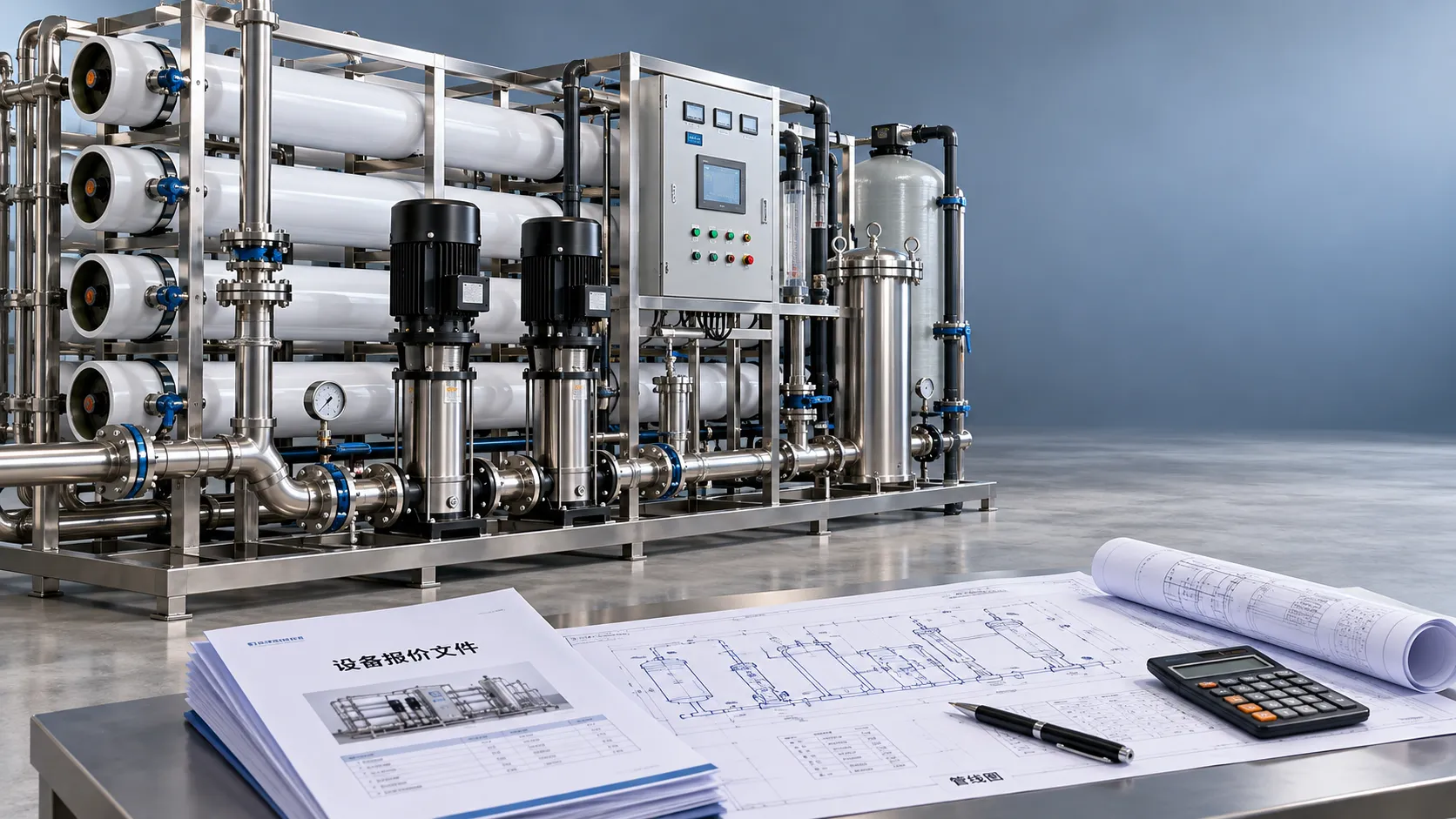
How to check a water treatment quotation for hidden project costs
Review your water treatment quotation for hidden costs, scope gaps, and operating expenses. Learn what to check before signing to protect your budget and avoid costly surprises.
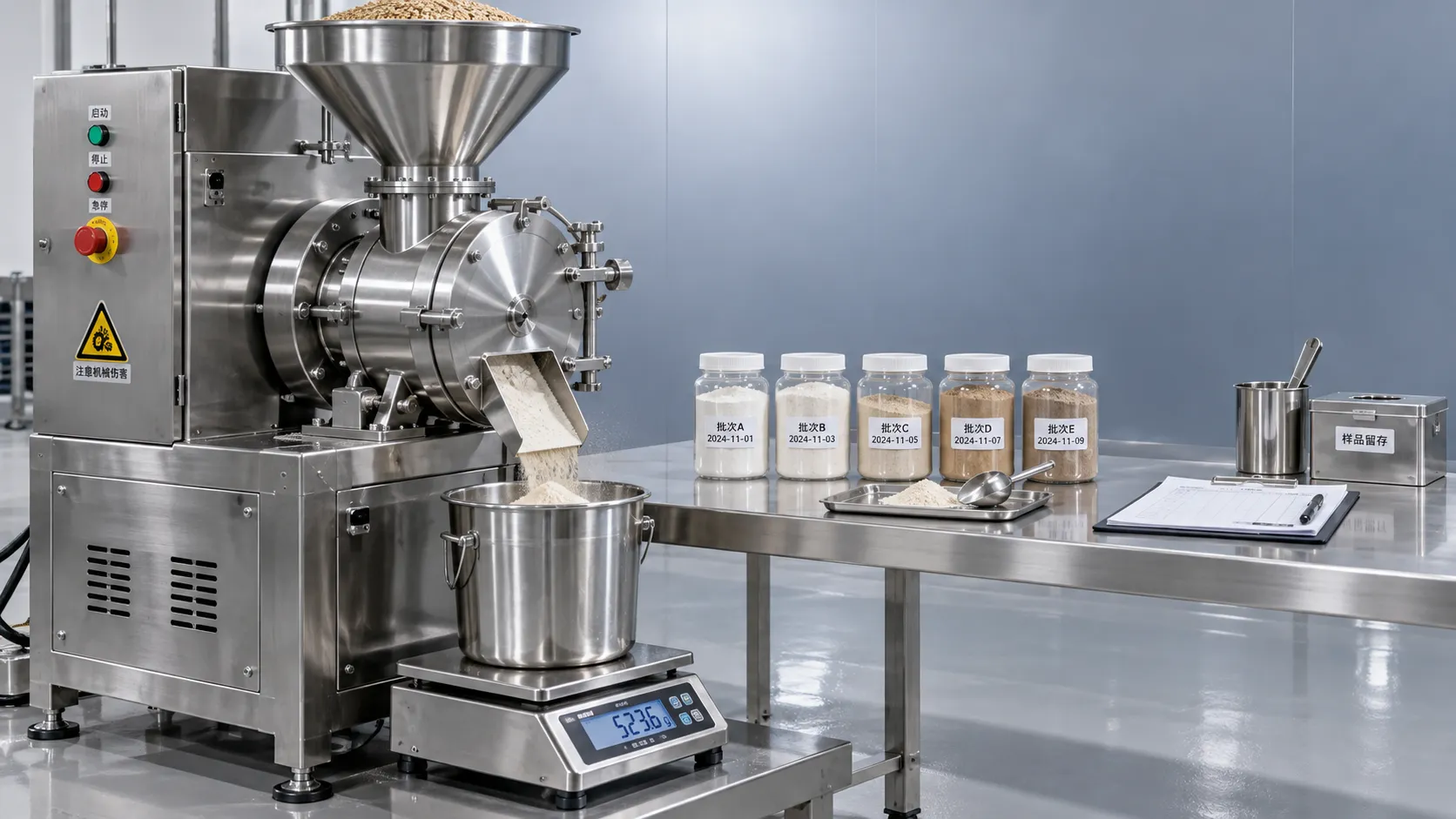
How to vet ingredient processing equipment manufacturers using trials
Vet ingredient processing equipment manufacturers with real-world trials. Learn how to verify yield, cleaning, energy use, and scale-up before you invest.
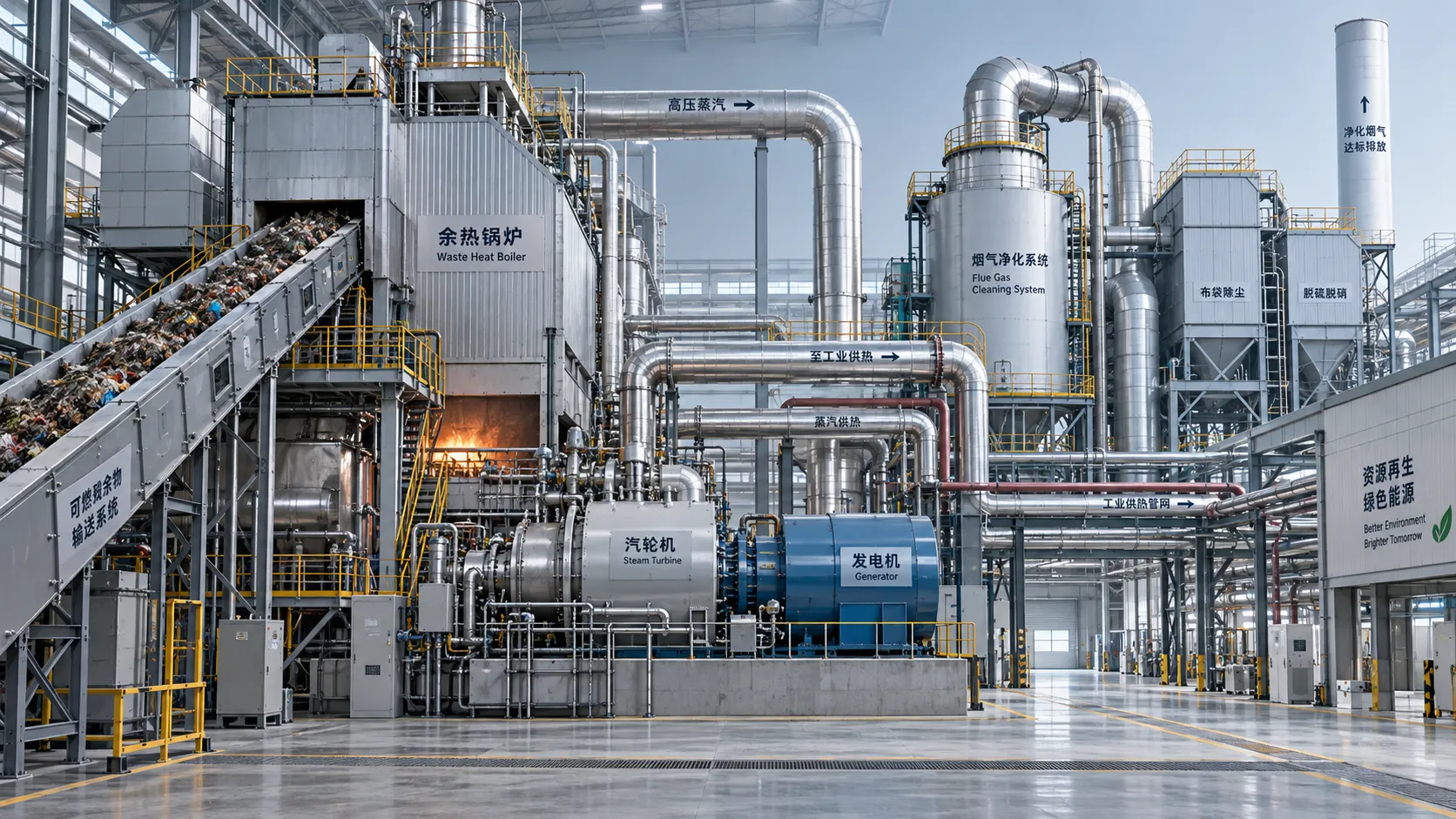
When is energy recovery viable in the solid waste recovery process?
When is energy recovery viable in the solid waste recovery process? Explore feedstock quality, net energy, emissions, and costs to assess feasibility and make smarter investment decisions.
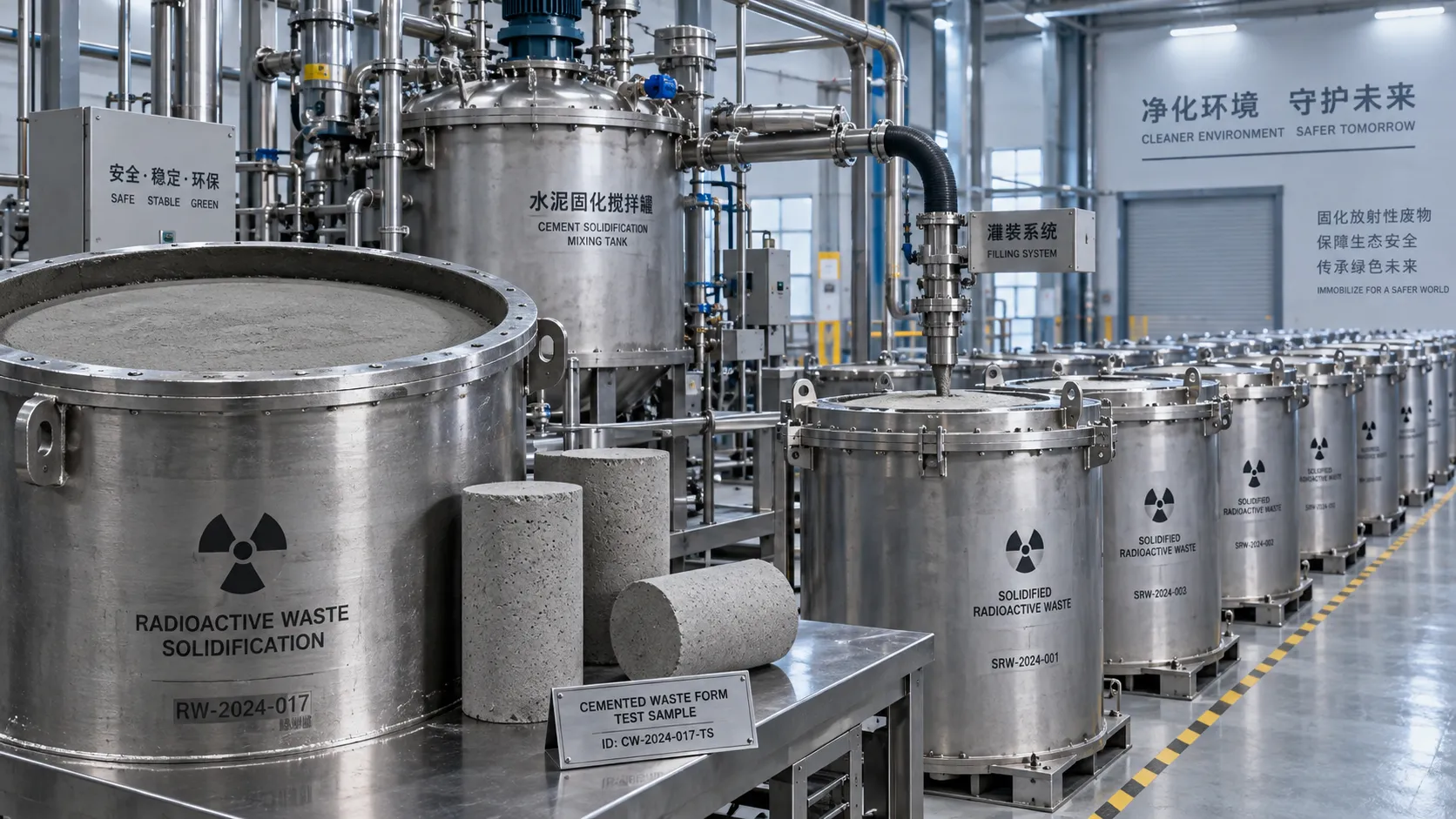
When is cementation suitable for nuclear decommissioning waste?
Explore nuclear waste treatment technology for decommissioning: learn when cementation fits, which risks to assess, and how disposal criteria guide an effective treatment choice.
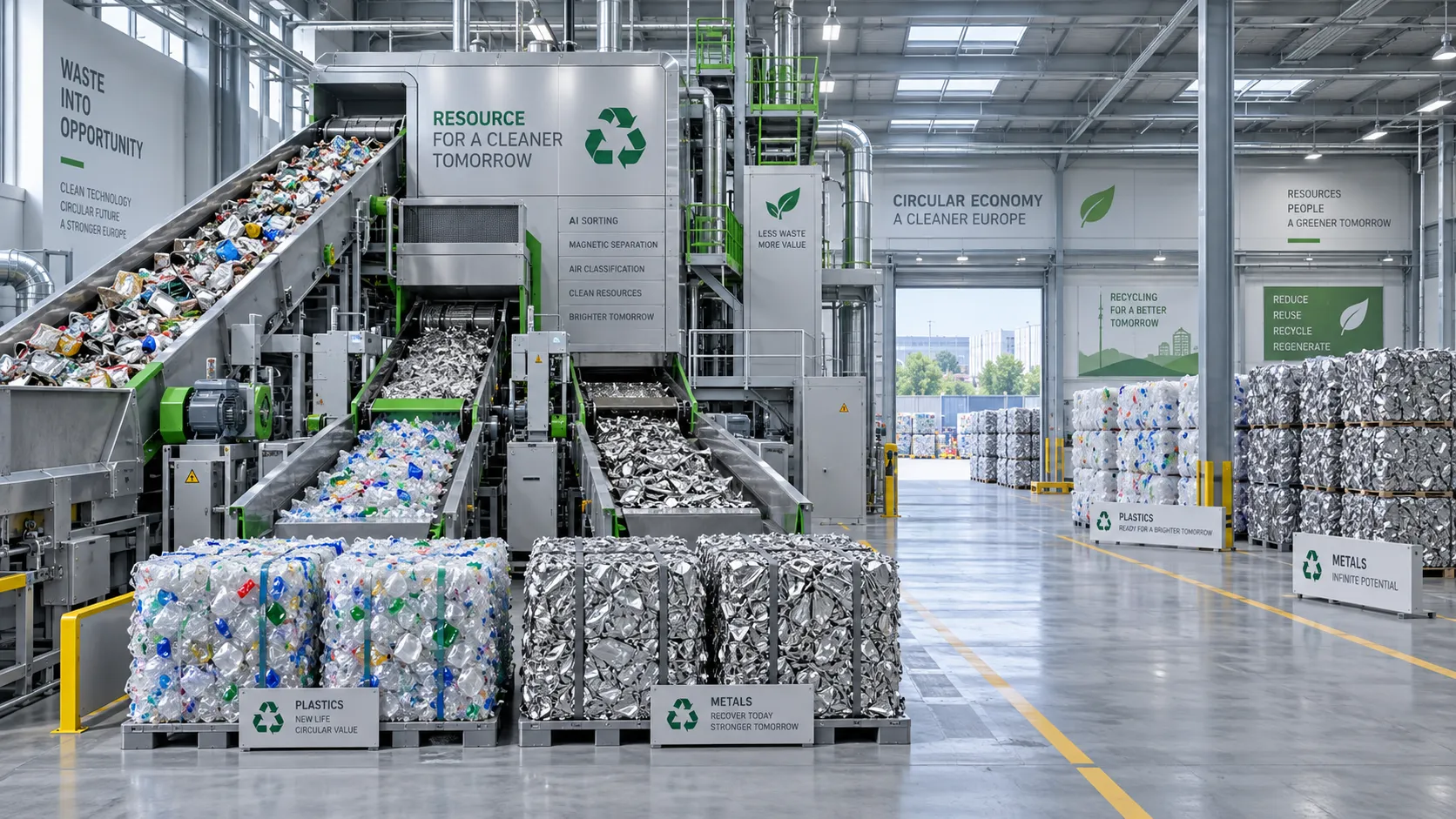
What determines payback for waste-to-resource systems in Europe?
Assess waste-to-resource systems Europe-wide: compare feedstock, recovery yields, costs and contracts to uncover payback drivers and make smarter investment decisions.
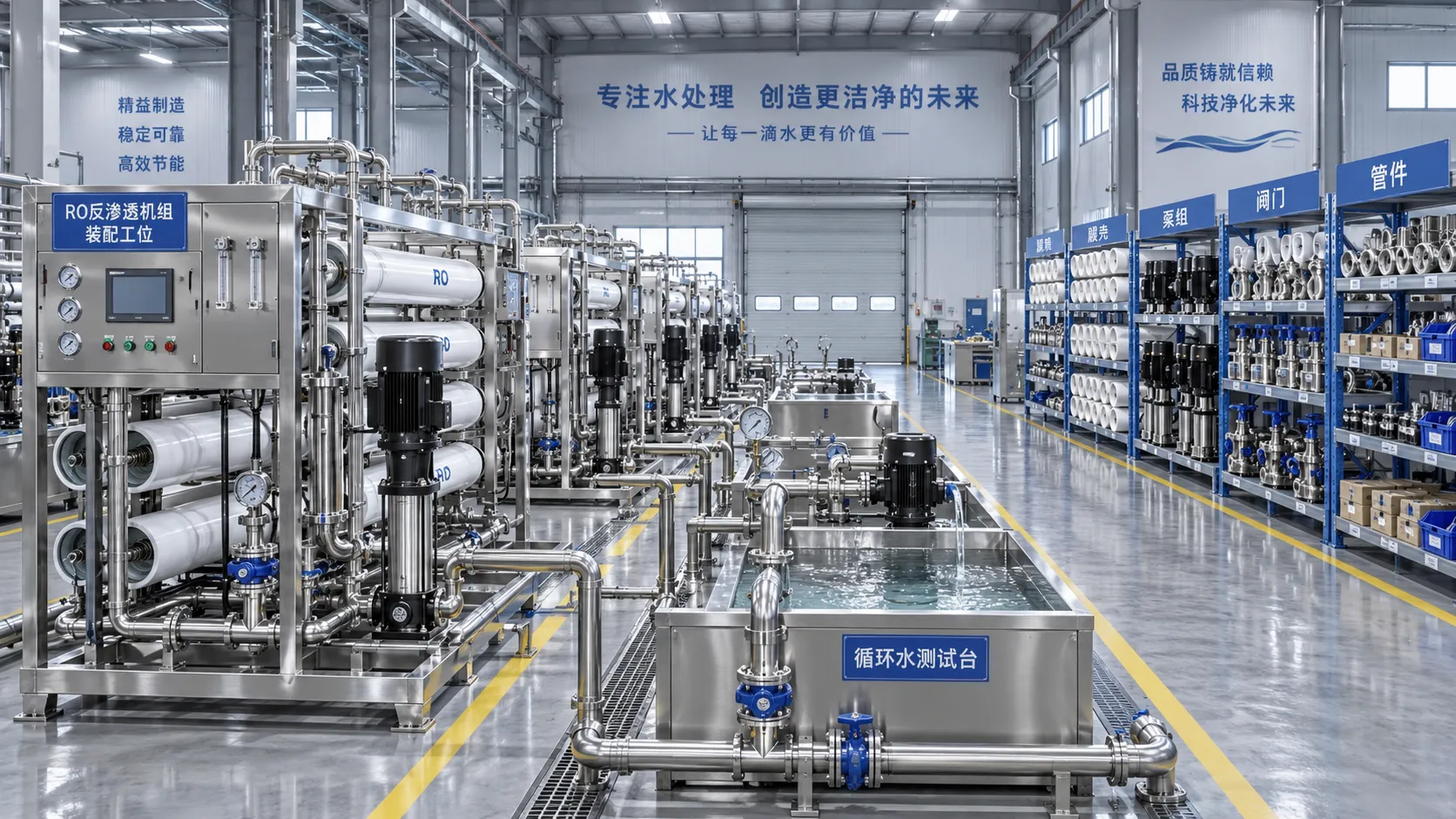
How to verify a water treatment system factory’s production capacity
Verify a water treatment systems factory’s production capacity through records, bottlenecks, component availability, and testing. Learn what to check before accepting a delivery promise.
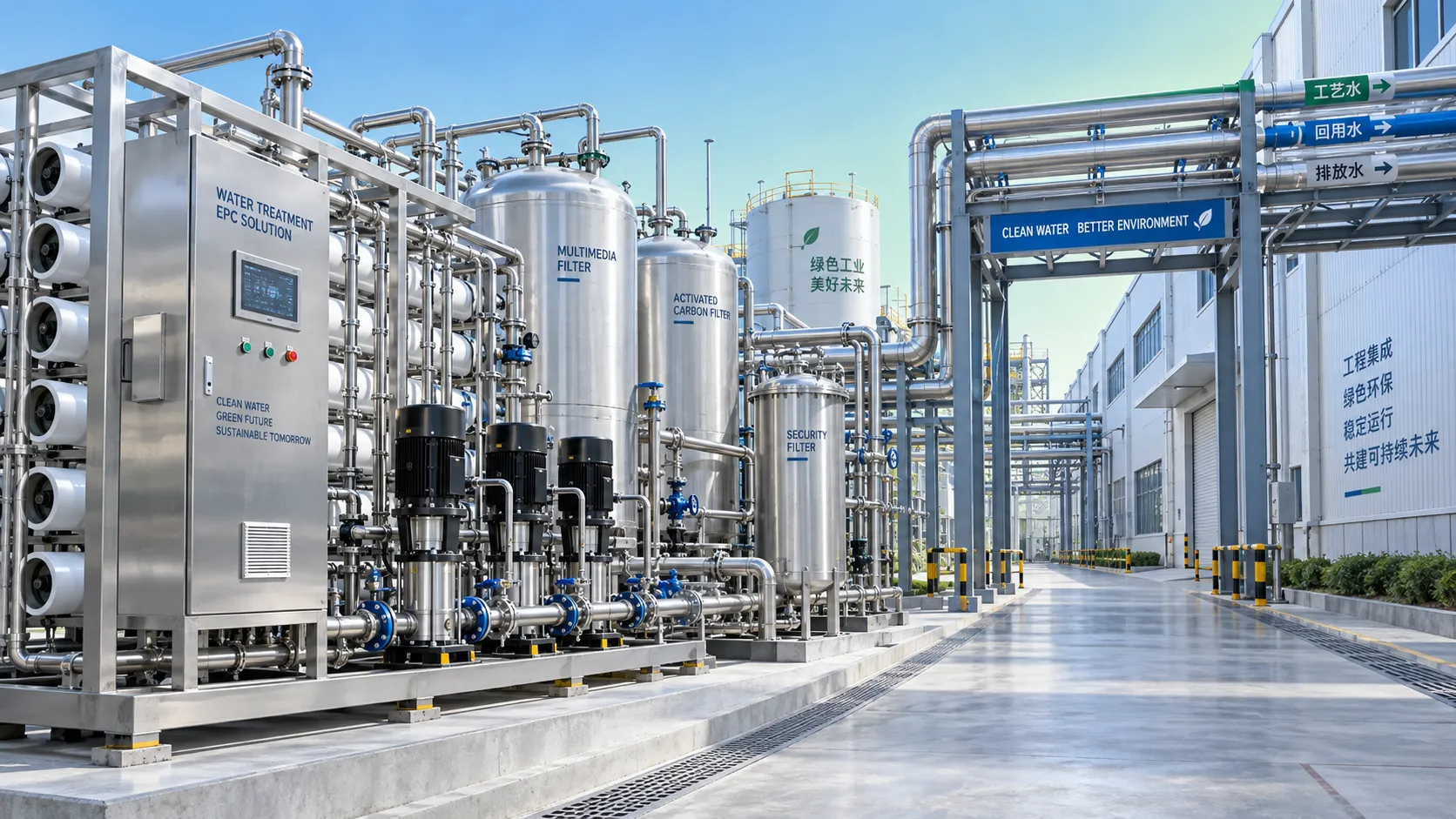
When does EPC environmental project support reduce delivery risk?
EPC environmental project support engineering reduces delivery risk by aligning design, procurement, compliance, construction, and commissioning decisions.
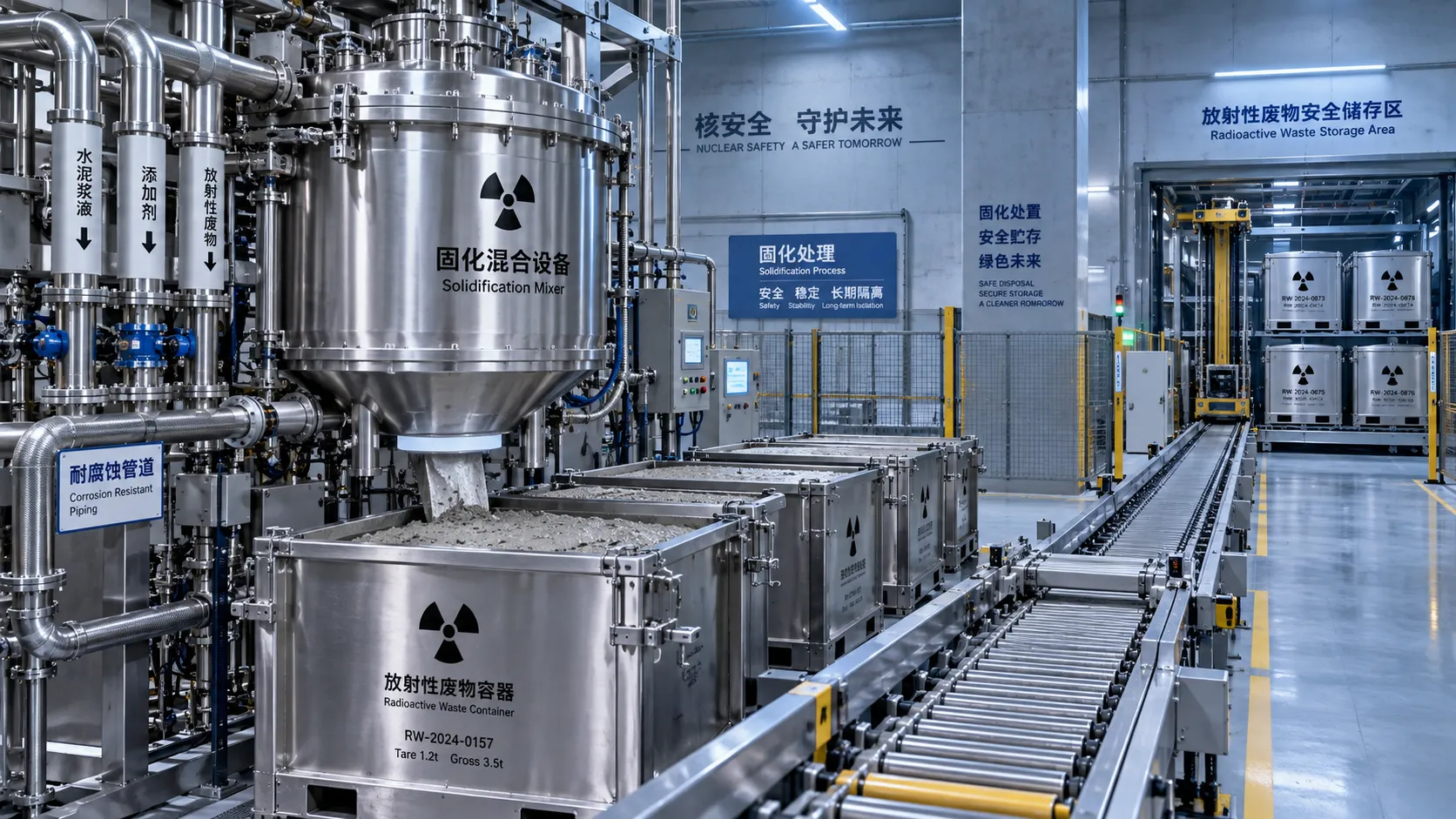
How nuclear plants select a radioactive waste solidification method
Radioactive waste management for nuclear plants: compare vitrification, cementation, polymers, and ceramics to select a compliant, durable solidification solution.
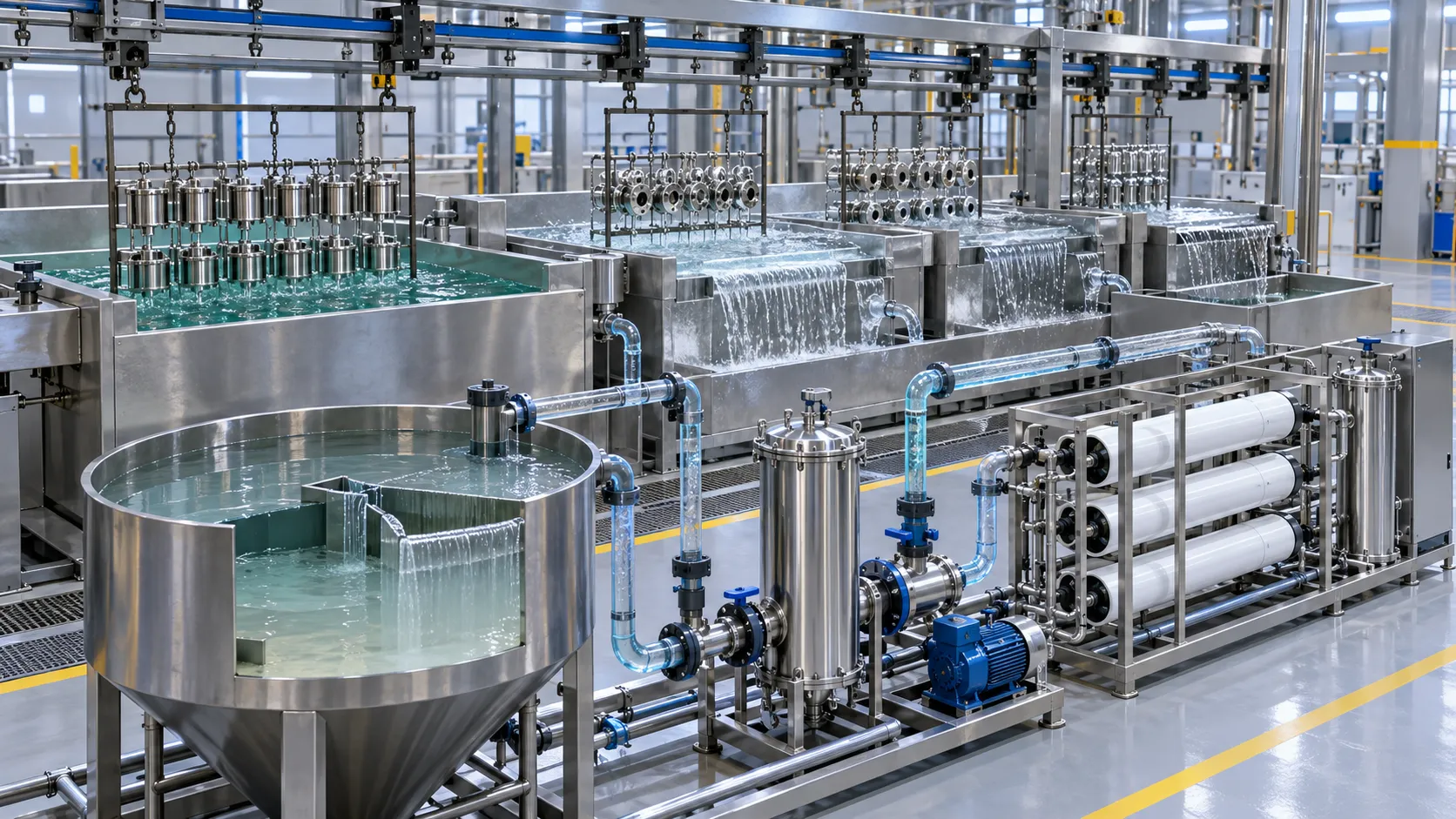
Water Treatment Options for Metal Finishing Rinse Water and Process Baths
Metal finishing water treatment solutions for rinse water and process baths—reduce costs, recover metals, improve reuse, and strengthen compliance.