
Industry News
Curation by industry experts
Hot Articles
Popular Tags
Decarbonization Solutions for Power Plants: Key Retrofit Risks
Decarbonization solutions for power plants start with retrofit reality, not technology headlines
Decarbonization solutions for power plants are often discussed as clean technology choices. In practice, retrofit risk decides whether a project stays bankable, buildable, and compliant.
That is why serious evaluation goes beyond nameplate capture rates or hydrogen blending percentages. The harder questions sit inside tie-ins, outages, water balance, emissions permits, and degraded legacy assets.
Across the wider ecological engineering chain, these decisions also affect flue gas treatment, wastewater polishing, solid by-product handling, and resource recovery logic.
Seen through the ESD intelligence perspective, decarbonization solutions for power plants belong to an interconnected system. Carbon reduction choices reshape purification loads, compliance pathways, and equipment reliability at the same time.
A coal unit near end of life needs a different answer from a flexible gas plant. A coastal station has different retrofit constraints than an inland site facing water stress.
Why similar plants face very different retrofit risks
The same decarbonization pathway can behave very differently across assets. Site age, dispatch profile, fuel quality, cooling configuration, and local regulation change the risk map fast.
More importantly, carbon projects rarely stay inside one process island. Carbon capture touches steam extraction, absorber footprint, solvent management, wastewater, stack conditions, and auxiliary power demand.
Fuel switching creates another chain reaction. Boiler dynamics, burner replacement, NOx behavior, SCR performance, pipeline routing, and explosion zoning all move together.
This is where many retrofit studies become too narrow. They compare technologies, but not operational context. Good decarbonization solutions for power plants are selected by fit, not by brochure strength.
A quick comparison of scenario-driven priorities
When carbon capture looks attractive on paper
Post-combustion capture remains one of the most discussed decarbonization solutions for power plants because it can preserve existing generation assets while cutting stack emissions deeply.
Yet the retrofit burden is rarely limited to absorber columns. Older plants often lack the physical space for ductwork rerouting, solvent tanks, reclaim units, compressors, and new cooling systems.
The steam source is another critical issue. If extraction reduces net output too much, the carbon benefit can collide with revenue loss and grid support obligations.
In actual projects, flue gas quality matters more than early models suggest. SOx, NOx, particulates, and trace contaminants directly influence solvent degradation and operating cost.
This links carbon capture to upstream FGD and SCR performance. Plants with unstable flue gas treatment may need hidden pre-investment before CCS can run reliably.
Water is another underestimated constraint. Solvent systems can increase blowdown and contaminated wastewater, pushing existing treatment plants toward redesign, ZLD expansion, or stricter discharge controls.
Where judgments usually go wrong
- Assuming capture rate alone defines project quality.
- Ignoring solvent reclaim residues and wastewater treatment capacity.
- Treating outage windows as engineering details rather than schedule-critical risks.
- Overlooking CO2 compression power demand and substation limits.
Fuel switching is not a simple burner replacement story
Hydrogen blending and low-carbon gaseous fuels are increasingly positioned as practical decarbonization solutions for power plants, especially where dispatch flexibility still has strategic value.
But retrofit risk shifts from capture chemistry to combustion behavior. Flame speed, materials compatibility, leak management, and control tuning become central.
A peaking plant may accept fuel variability better than a unit expected to start and stop frequently under strict emissions conditions. Those operating patterns matter more than generic blend limits.
Another frequent oversight is the NOx pathway. Cleaner carbon intensity does not automatically mean easier air permit compliance. Higher flame temperatures can force burner and SCR upgrades.
Fuel logistics also shape bankability. If pipeline pressure, storage safety, or supply contract maturity remain unclear, a technically feasible retrofit can still become an operational liability.
Efficiency-led decarbonization makes more sense in constrained sites
Not every asset needs full-scale carbon capture on day one. In land-constrained or water-stressed sites, efficiency upgrades may deliver lower-risk decarbonization solutions for power plants.
Typical measures include turbine retrofits, heat rate improvement, digital optimization, improved condensers, variable speed drives, and better sootblowing control.
These options look less dramatic, but they usually integrate faster and place less stress on permits, chemistry systems, and waste handling.
The real judgment point is asset horizon. If remaining plant life is short, a phased approach often protects capital better than a single large retrofit.
This is especially relevant where environmental systems already need upgrades. A combined plan across heat rate, flue gas treatment, and water recovery may outperform a carbon-only investment path.
What changes between constrained-site scenarios
- Inland plants usually prioritize water balance, wastewater polishing, and auxiliary load.
- Coastal plants often focus on corrosion resistance, desalination interaction, and marine construction sequencing.
- Industrial captive plants care more about steam integration and process continuity than merchant power economics.
The hidden cross-system risks often sit outside the boiler island
Strong decarbonization solutions for power plants are usually those that account for adjacent environmental systems early, not after FEED is finished.
Carbon capture can raise demands on demin water, cooling circuits, wastewater treatment, and sludge management. Fuel switching may alter particulate profiles, ash behavior, and catalyst life.
These interactions matter because environmental compliance is tightening globally. CBAM exposure and local discharge standards can quickly turn a narrow retrofit into a broader infrastructure project.
That wider lens aligns with how ESD tracks industrial decarbonization. The decisive question is not only how carbon is reduced, but what new burden moves into water, waste, or air systems.
Practical screening criteria before selecting decarbonization solutions for power plants
Before locking in a pathway, it helps to screen each option against a short set of site-specific filters. This avoids expensive redesign after vendor selection.
A more resilient next step is to define fit before commitment
The best decarbonization solutions for power plants are rarely universal. They are the ones that fit asset life, operating mode, environmental interfaces, and compliance timing without breaking reliability.
A useful next step is to build a site-specific retrofit matrix. Include carbon effect, outage demand, water impact, auxiliary load, permit complexity, and downstream waste consequences.
Then compare pathways under realistic operating scenarios, not idealized design points. That is usually where hidden integration risk becomes visible.
For any team reviewing decarbonization solutions for power plants, this broader systems view leads to better sequencing, fewer surprises, and far more durable project decisions.
Recommended News
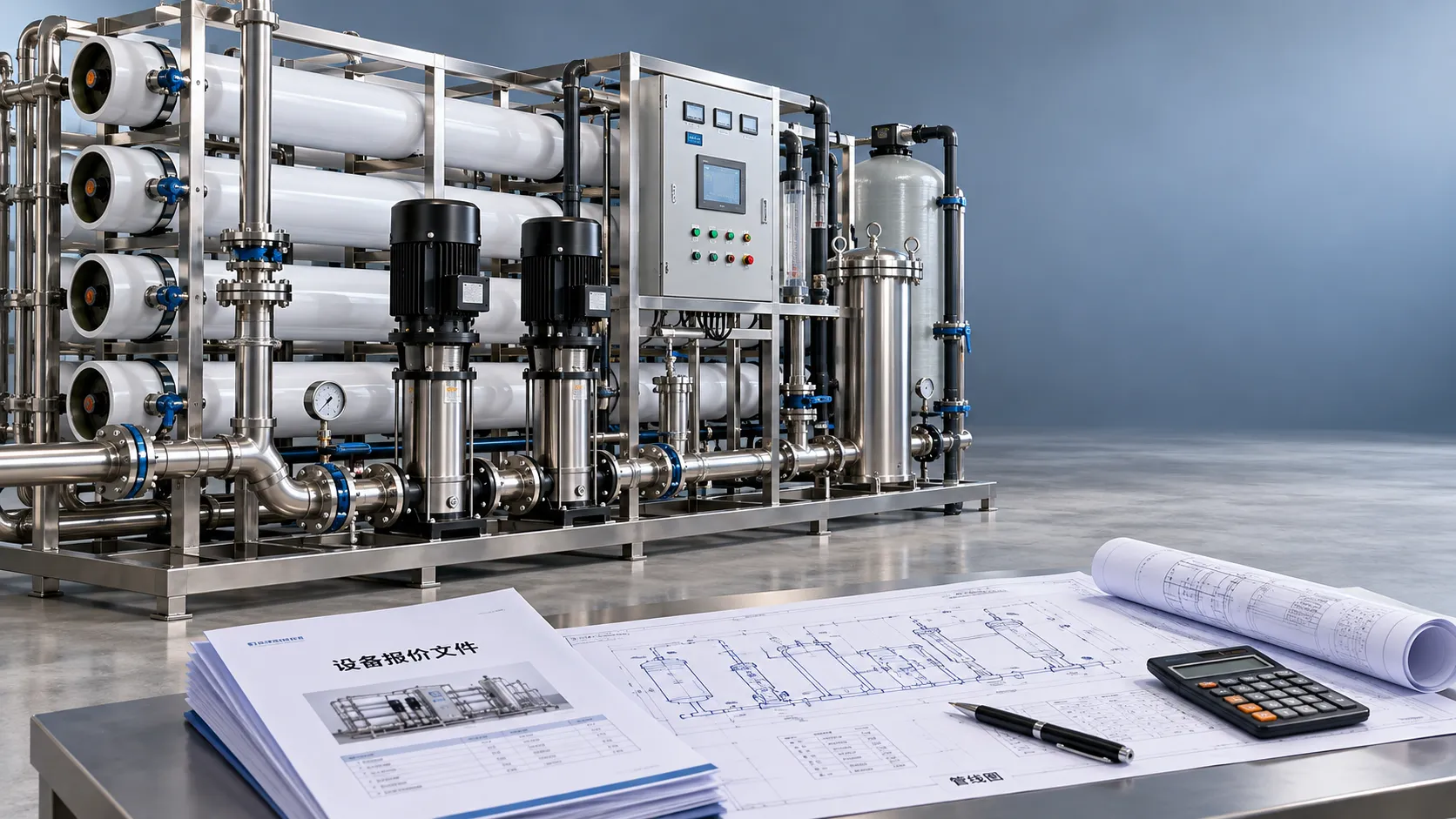
How to check a water treatment quotation for hidden project costs
Review your water treatment quotation for hidden costs, scope gaps, and operating expenses. Learn what to check before signing to protect your budget and avoid costly surprises.

How to vet ingredient processing equipment manufacturers using trials
Vet ingredient processing equipment manufacturers with real-world trials. Learn how to verify yield, cleaning, energy use, and scale-up before you invest.
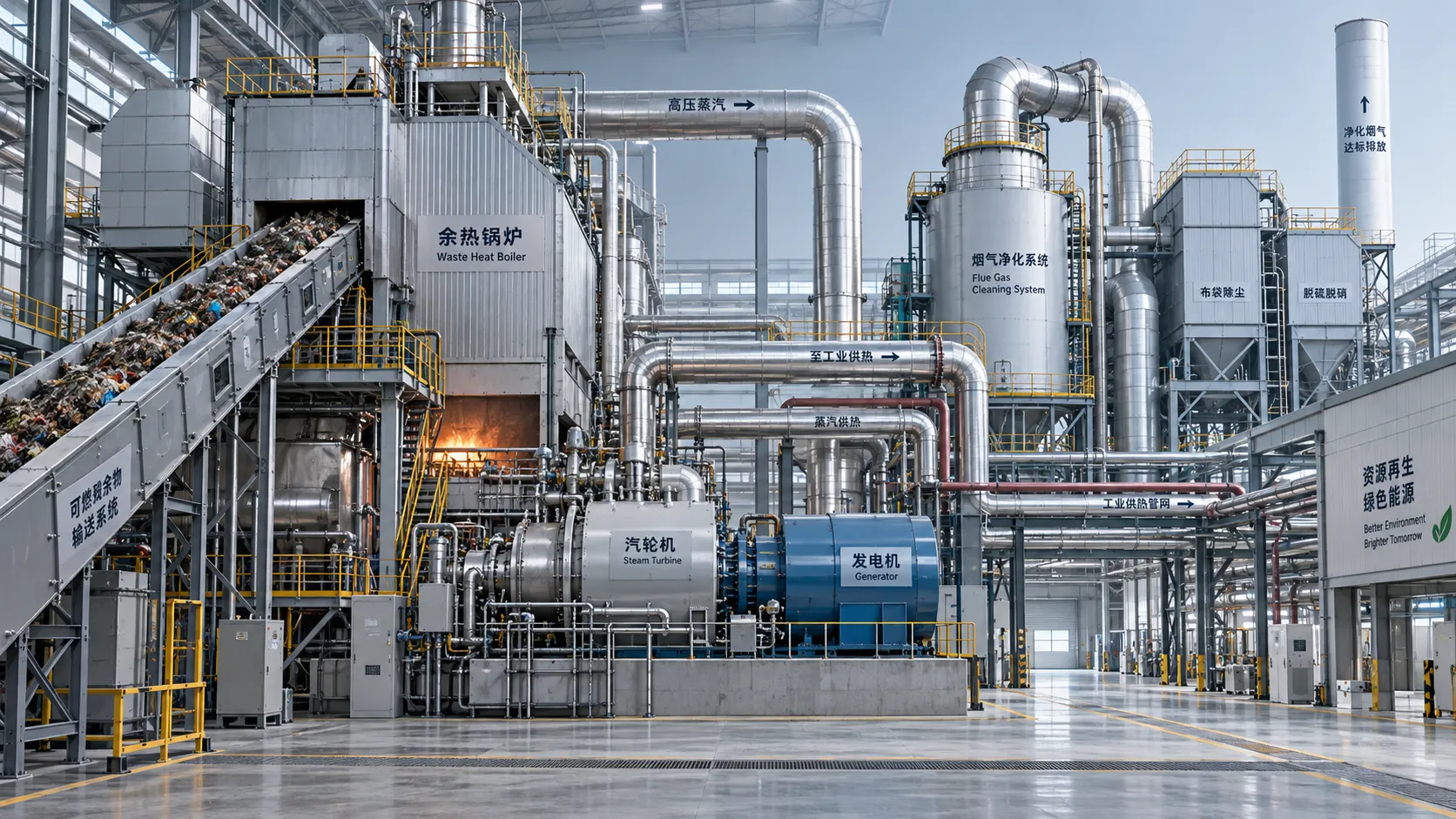
When is energy recovery viable in the solid waste recovery process?
When is energy recovery viable in the solid waste recovery process? Explore feedstock quality, net energy, emissions, and costs to assess feasibility and make smarter investment decisions.
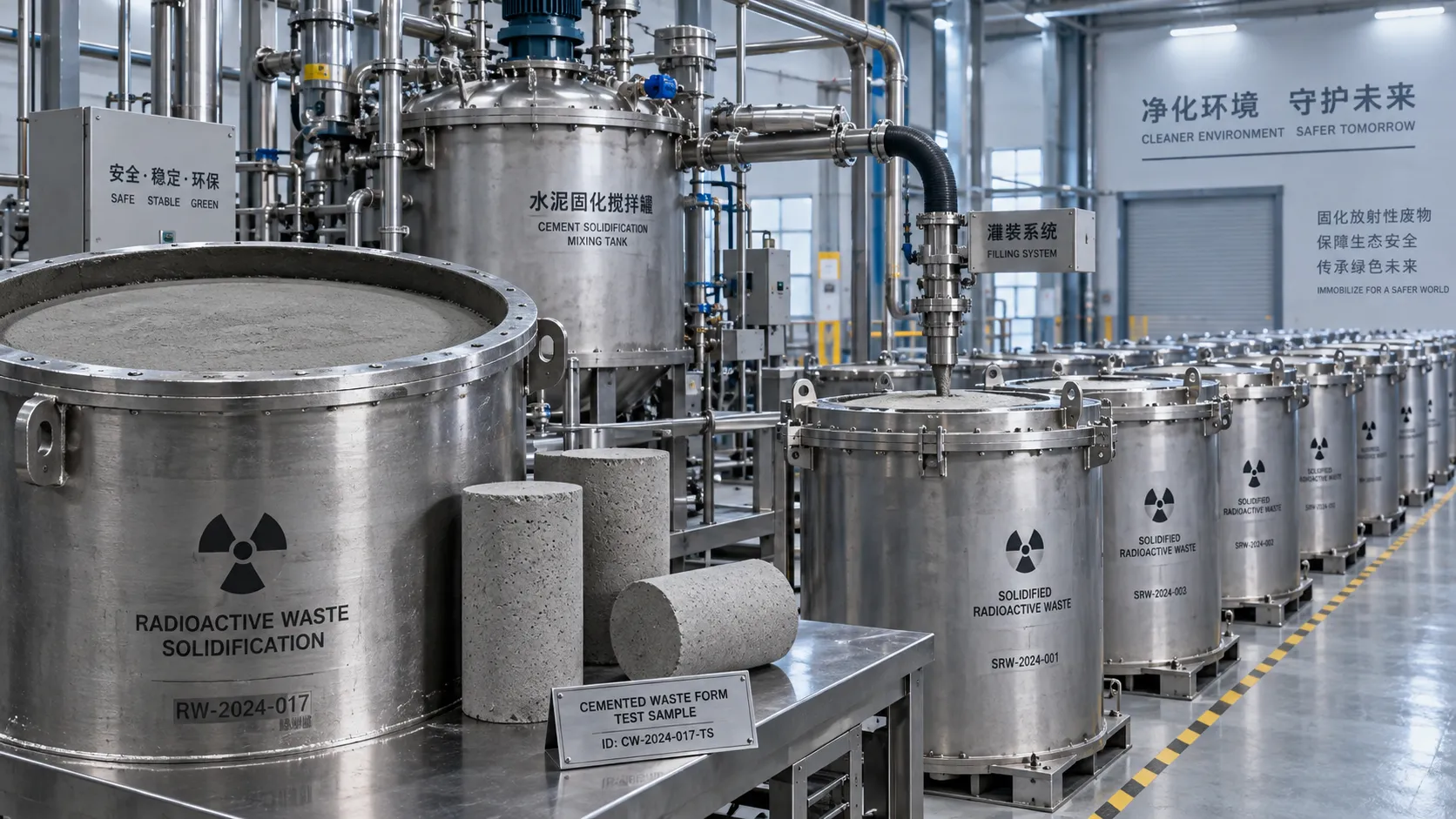
When is cementation suitable for nuclear decommissioning waste?
Explore nuclear waste treatment technology for decommissioning: learn when cementation fits, which risks to assess, and how disposal criteria guide an effective treatment choice.
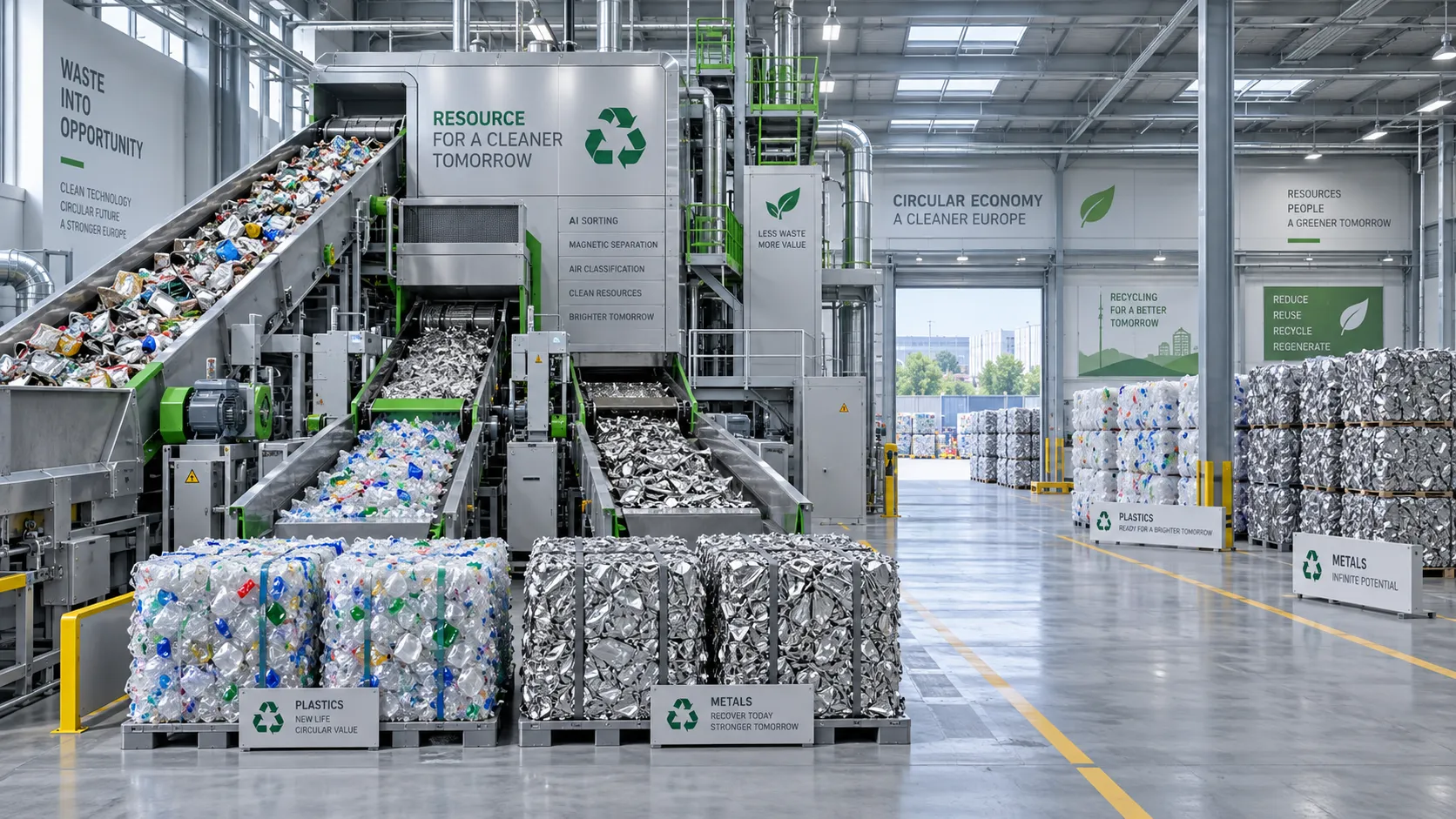
What determines payback for waste-to-resource systems in Europe?
Assess waste-to-resource systems Europe-wide: compare feedstock, recovery yields, costs and contracts to uncover payback drivers and make smarter investment decisions.
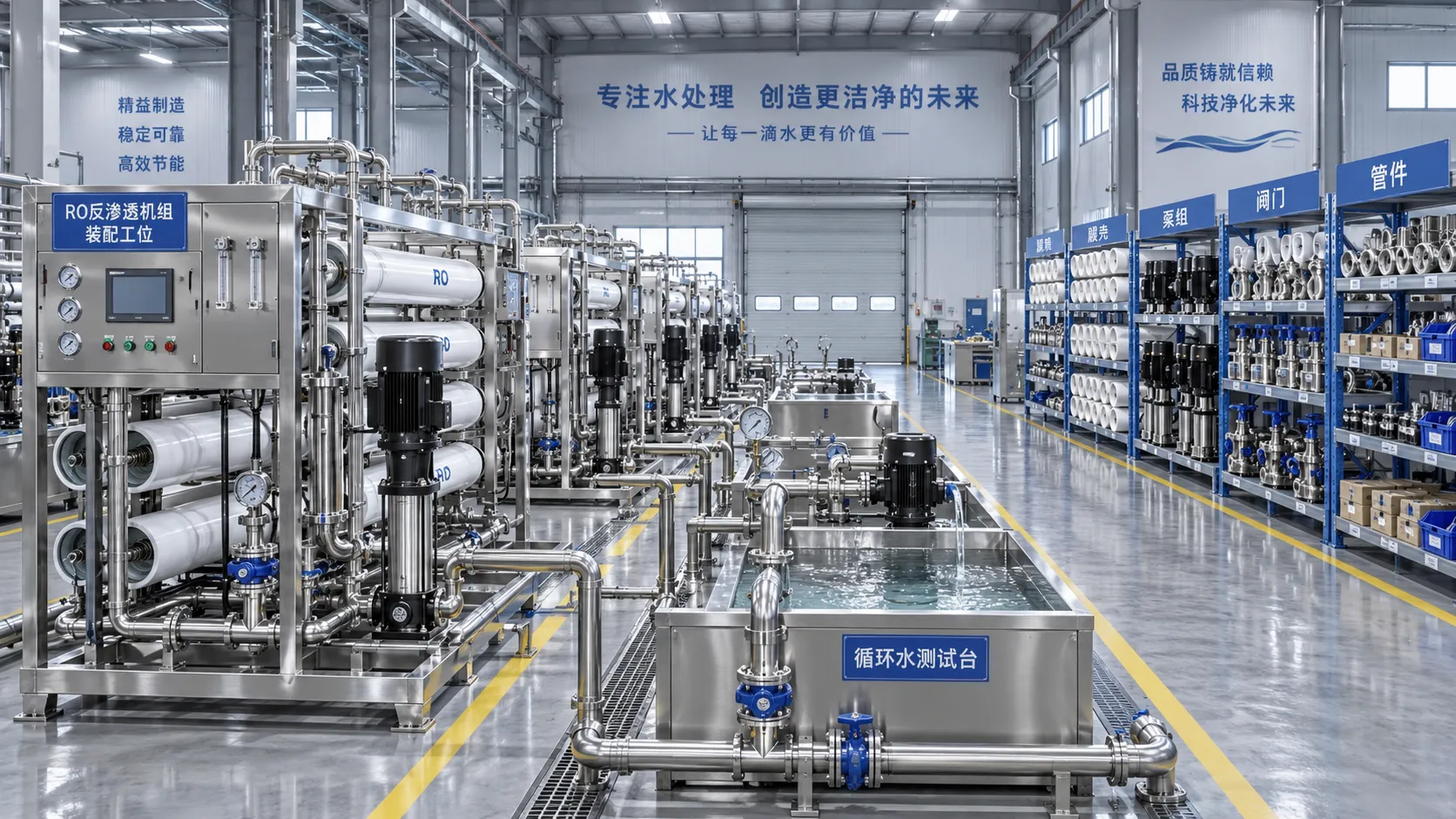
How to verify a water treatment system factory’s production capacity
Verify a water treatment systems factory’s production capacity through records, bottlenecks, component availability, and testing. Learn what to check before accepting a delivery promise.
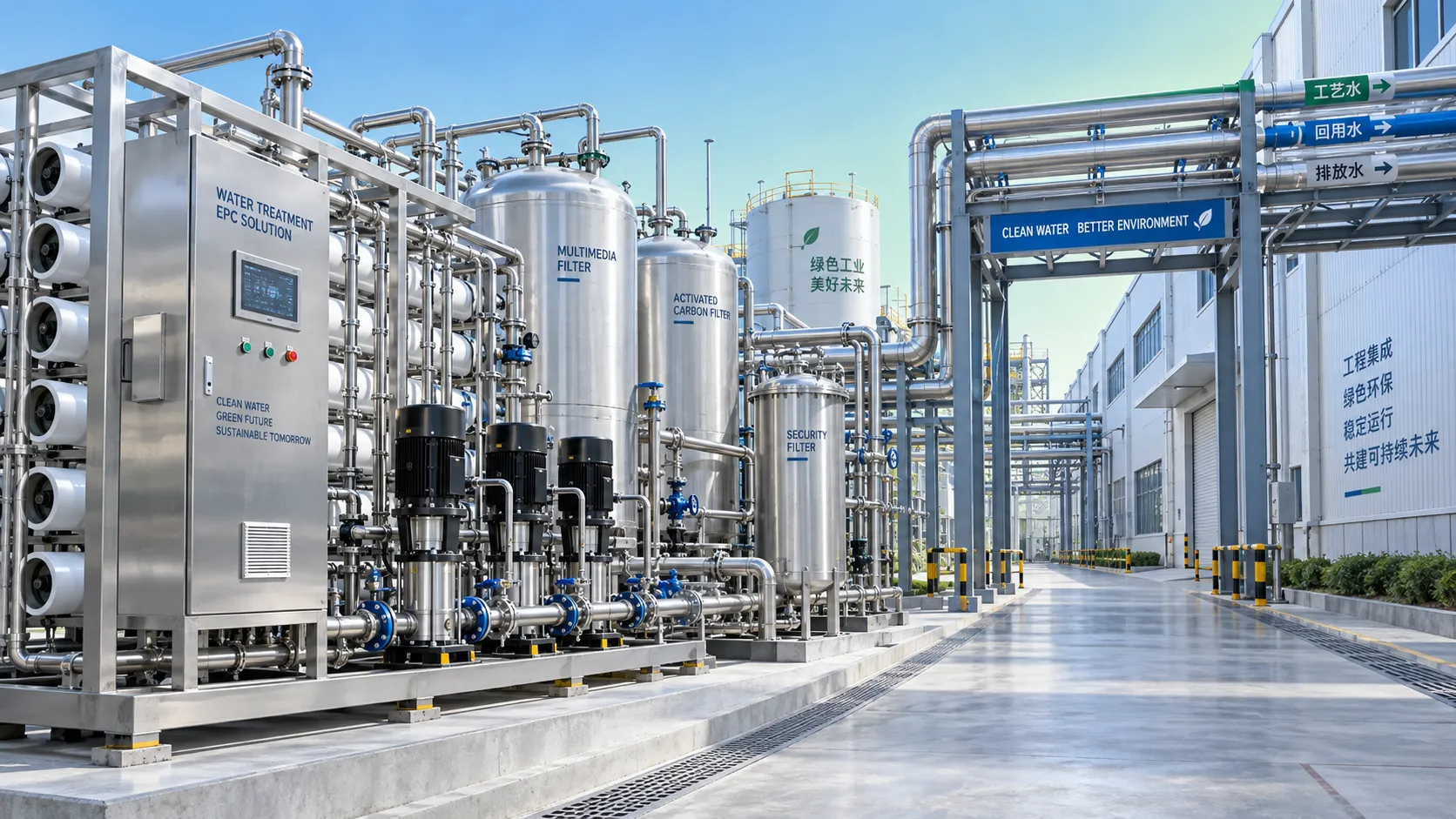
When does EPC environmental project support reduce delivery risk?
EPC environmental project support engineering reduces delivery risk by aligning design, procurement, compliance, construction, and commissioning decisions.
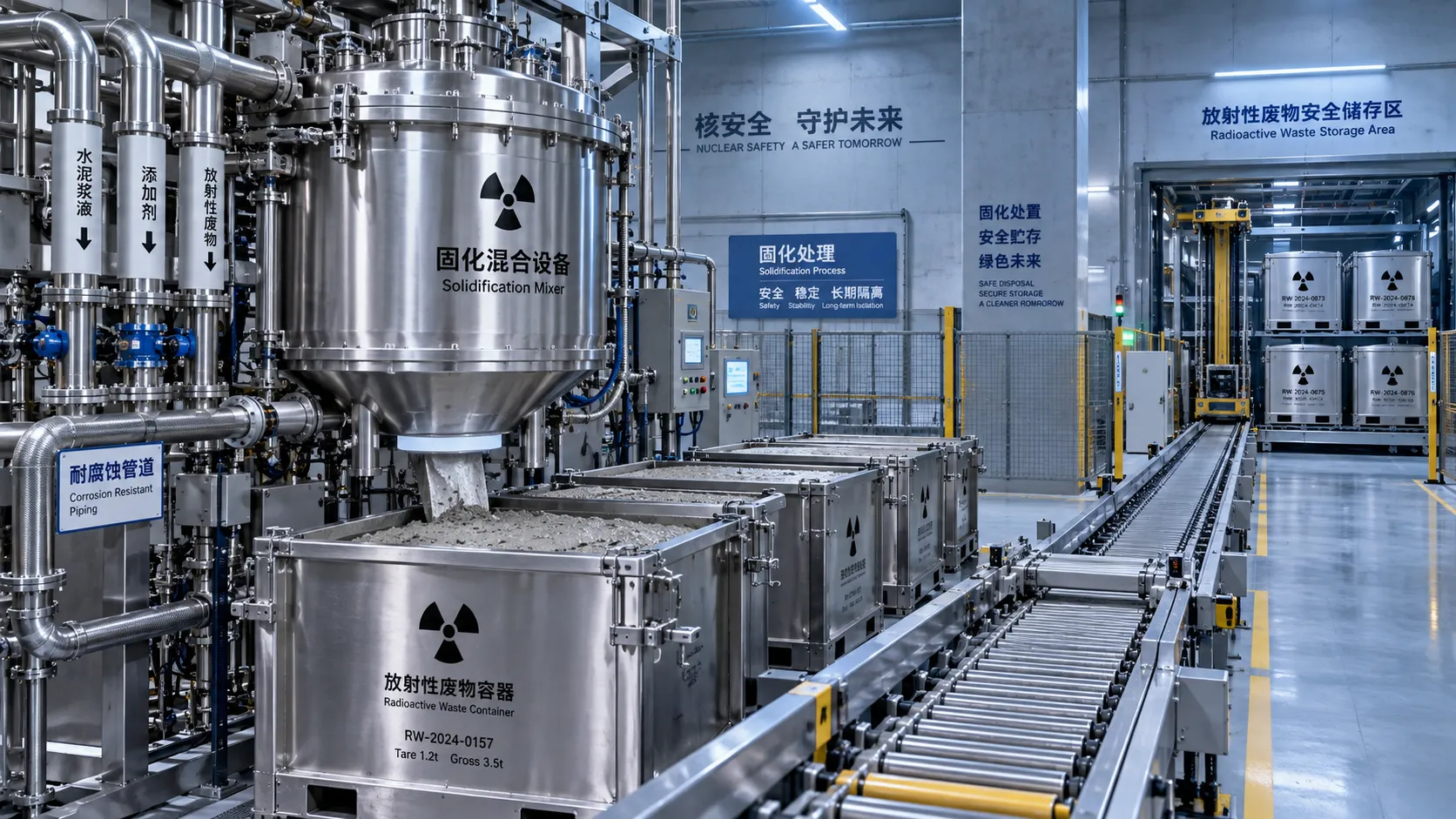
How nuclear plants select a radioactive waste solidification method
Radioactive waste management for nuclear plants: compare vitrification, cementation, polymers, and ceramics to select a compliant, durable solidification solution.
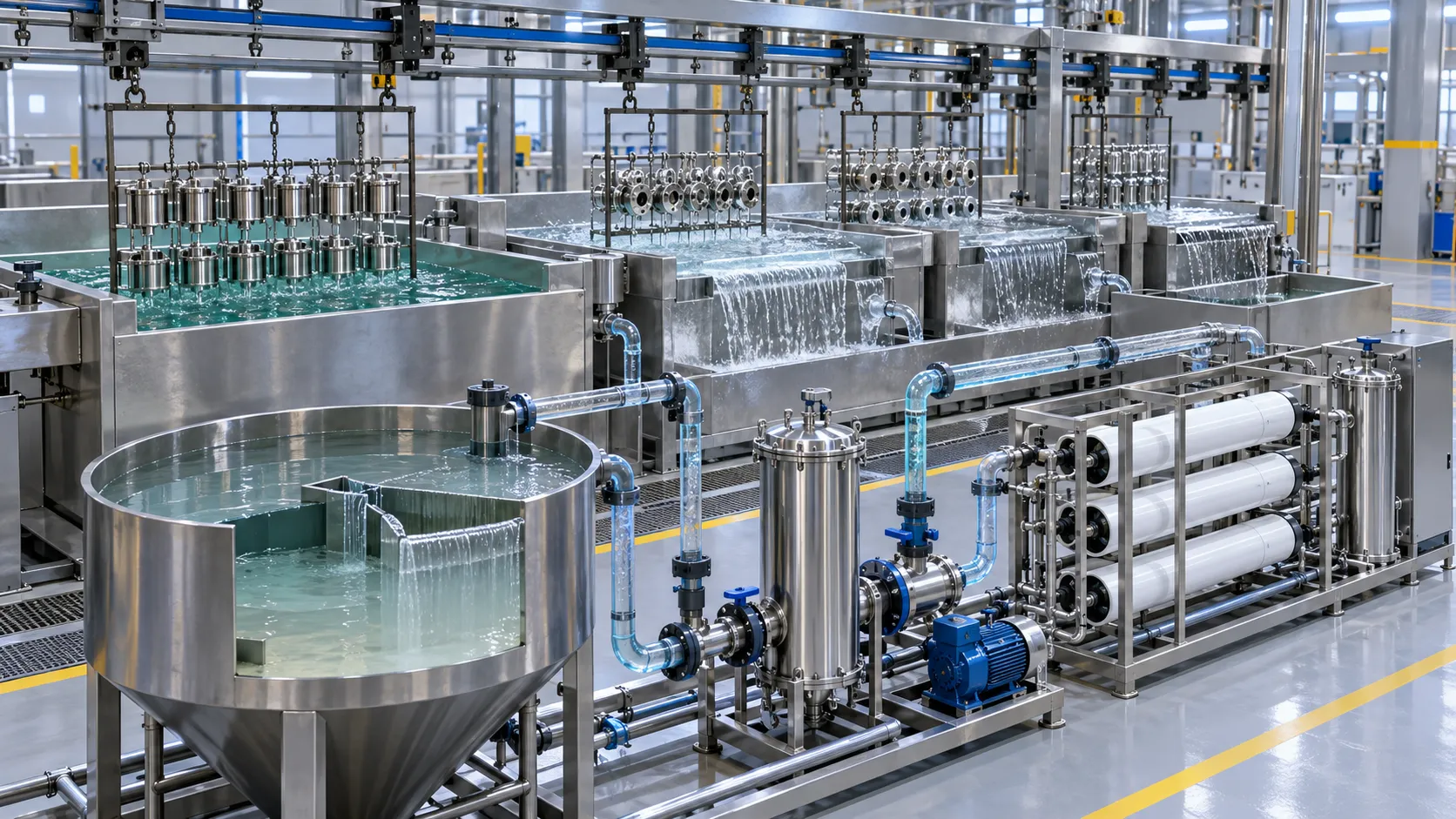
Water Treatment Options for Metal Finishing Rinse Water and Process Baths
Metal finishing water treatment solutions for rinse water and process baths—reduce costs, recover metals, improve reuse, and strengthen compliance.