
Industry News
Curation by industry experts
Hot Articles
Popular Tags
Urban Mining Equipment Suppliers: How to Assess Service Gaps
Urban mining equipment suppliers are being judged by more than machines
Urban mining has moved into a tougher phase. Recovery lines now sit under stricter environmental scrutiny, volatile feedstock quality, and sharper return-on-investment expectations.
That shift changes how urban mining equipment suppliers should be assessed. A strong quotation no longer proves long-term suitability.
What matters more is service depth: commissioning discipline, sorting optimization, emissions support, spare parts readiness, digital diagnostics, and compliance response.
Across the broader ecological engineering landscape, this is not an isolated equipment issue. It reflects a wider pattern seen in water treatment, flue gas systems, desalination, and hazardous waste control.
At ESD, the same pattern appears repeatedly. Asset owners increasingly value suppliers that can connect process intelligence, regulatory interpretation, and lifecycle reliability.
Why the service gap is becoming easier to spot
From recent project behavior, the most visible change is complexity at the plant edge. Urban mines are no longer simple scrap streams.
Mixed plastics, batteries, e-waste fractions, contaminated metals, and residual fines demand coordinated separation, safety, and downstream handling.
This puts pressure on urban mining equipment suppliers in ways that basic fabrication capacity cannot solve alone.
- Input variability now affects throughput stability more than nameplate capacity suggests.
- Environmental permits increasingly depend on dust, odor, wastewater, and residue control.
- Automation claims are being tested against actual sensor calibration and sorting accuracy.
- Downtime costs rise quickly when spare parts are imported or software support is slow.
The result is clear. Service gaps that once stayed hidden until late operation are now visible during technical evaluation.
More importantly, these gaps usually appear between disciplines. A line may sort well, yet fail on fire prevention, wastewater recirculation, or residue logistics.
The market is rewarding suppliers that understand the whole recovery ecosystem
Better urban mining equipment suppliers no longer act like stand-alone machine vendors. They increasingly behave like system interpreters.
That broader view matters because urban mining links to adjacent environmental systems. Fine dust collection touches flue gas treatment. Wash water loops affect industrial water management.
Thermal recovery routes may trigger pyrolysis emissions questions. Battery dismantling creates hazardous stream management issues.
This is where the ESD perspective becomes useful. In ecological infrastructure, equipment rarely succeeds through mechanics alone.
The strongest suppliers understand how recovery equipment interacts with compliance frameworks, carbon reporting pressure, and closed-loop material economics.
That includes awareness of CBAM-related reporting pressure, traceability expectations, and the rising demand for documented process reliability.
What this means during supplier assessment
Evaluation should shift from a machine checklist to a capability map. The question is not only what the line can do on day one.
The real question is whether urban mining equipment suppliers can keep recovery value stable when feedstock, regulation, or residue pathways change.
The biggest risks often sit outside the main equipment list
In practice, service weakness rarely starts with the shredder, sorter, or separator itself. It starts around the interfaces.
Urban mining equipment suppliers may present strong core hardware while underestimating supporting systems that protect uptime and compliance.
More noticeable signals include weak residue plans, unclear VOC control boundaries, poor fire suppression integration, and limited training for mixed-feed changes.
These details matter because modern recovery facilities operate like environmental nodes, not isolated workshops.
A battery-rich stream can alter safety logic. A higher moisture fraction can change screening behavior and wastewater loading. A policy revision can reshape acceptable outputs.
Service gaps that deserve early attention
- No clear material testing protocol before final equipment sizing.
- No documented uptime assumptions behind payback calculations.
- No ownership matrix for utilities, extraction, and environmental interfaces.
- No evidence of operator training beyond start-up week.
- No roadmap for software updates, sensor drift correction, or AI model retraining.
When these points are vague, the supplier relationship usually becomes expensive later, even if the original capital quote looks attractive.
Different project types expose different weaknesses
Not all recovery projects stress urban mining equipment suppliers in the same way. Service evaluation should reflect actual operating context.
A metals-focused line, an e-waste dismantling plant, and an AI-sorting municipal recovery center each reveal different gaps.
This is why comparing urban mining equipment suppliers line by line can be misleading. The better comparison is scenario by scenario.
A more reliable way to evaluate supplier resilience
A useful assessment method is to test resilience under change, not just performance under ideal conditions.
Ask how the supplier responds if contamination rises, residue routes tighten, utility costs jump, or reporting standards become stricter.
Urban mining equipment suppliers with deeper service capability usually answer with documented procedures, not broad assurances.
- Request proof of retrofit history, not only new-build references.
- Check whether control systems allow transparent KPI auditing.
- Review local service coverage and parts stocking logic.
- Examine environmental interface drawings early.
- Test how responsibility is divided during underperformance disputes.
That last point is especially important. Many service gaps appear only when output purity, uptime, or emissions fall short at the same time.
What to watch next as the sector matures
The next phase will likely favor urban mining equipment suppliers that combine mechanical robustness with measurable intelligence.
Remote diagnostics, predictive maintenance, and adaptive sorting models will matter more, but only when paired with operational accountability.
Another signal is convergence. Recovery facilities increasingly connect with wastewater reuse, flue gas cleaning, and carbon-sensitive reporting frameworks.
That broader systems view mirrors what ESD tracks across the ecological shield of industry: reliability now depends on stitched intelligence across boundaries.
For that reason, the most useful next step is not a faster shortlist. It is a sharper assessment model.
Review where service gaps could emerge after commissioning, map cross-system dependencies, and compare urban mining equipment suppliers against real operating scenarios.
When the evaluation frame shifts from purchase price to lifecycle defensibility, stronger decisions tend to follow.
Recommended News
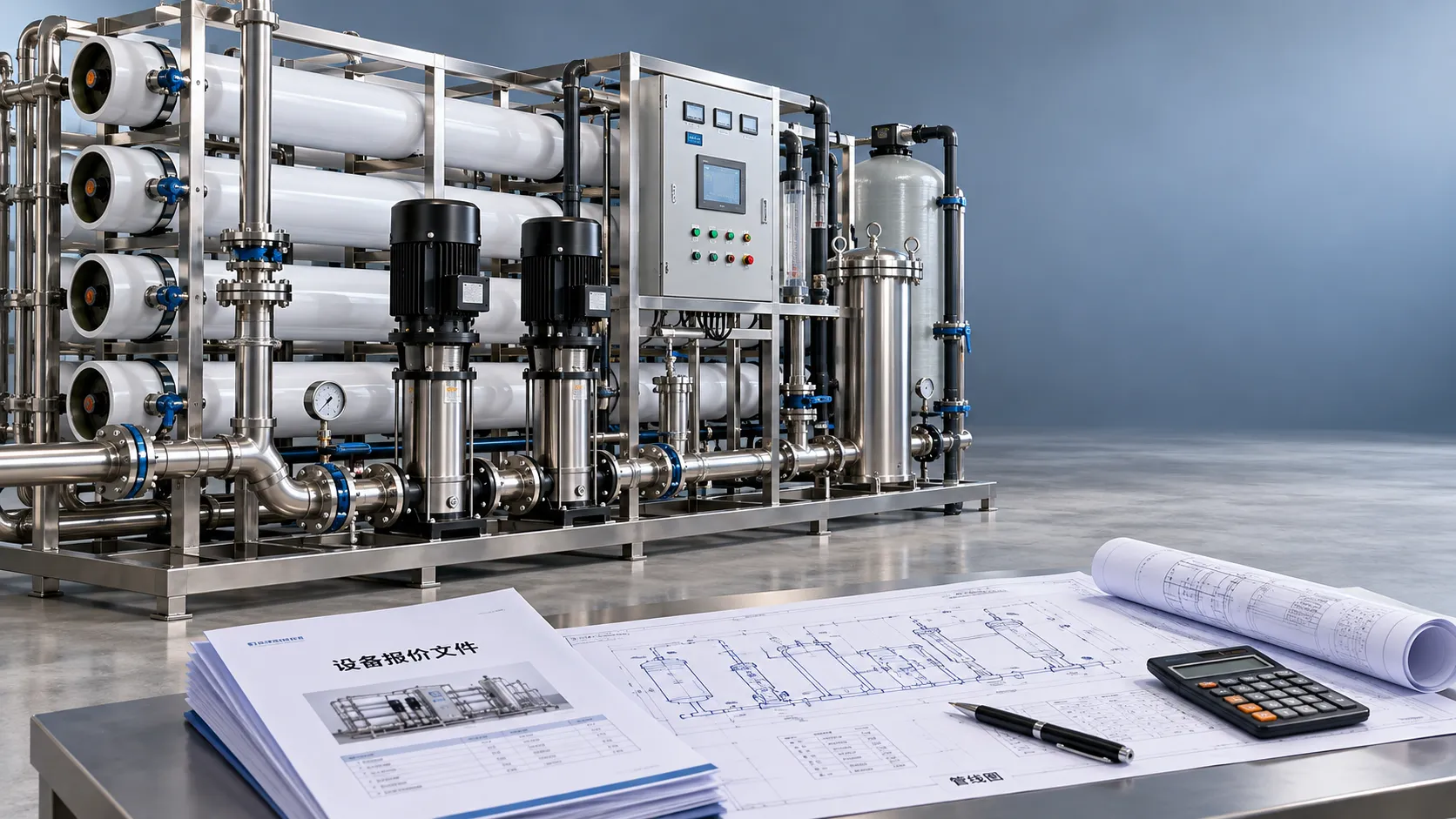
How to check a water treatment quotation for hidden project costs
Review your water treatment quotation for hidden costs, scope gaps, and operating expenses. Learn what to check before signing to protect your budget and avoid costly surprises.
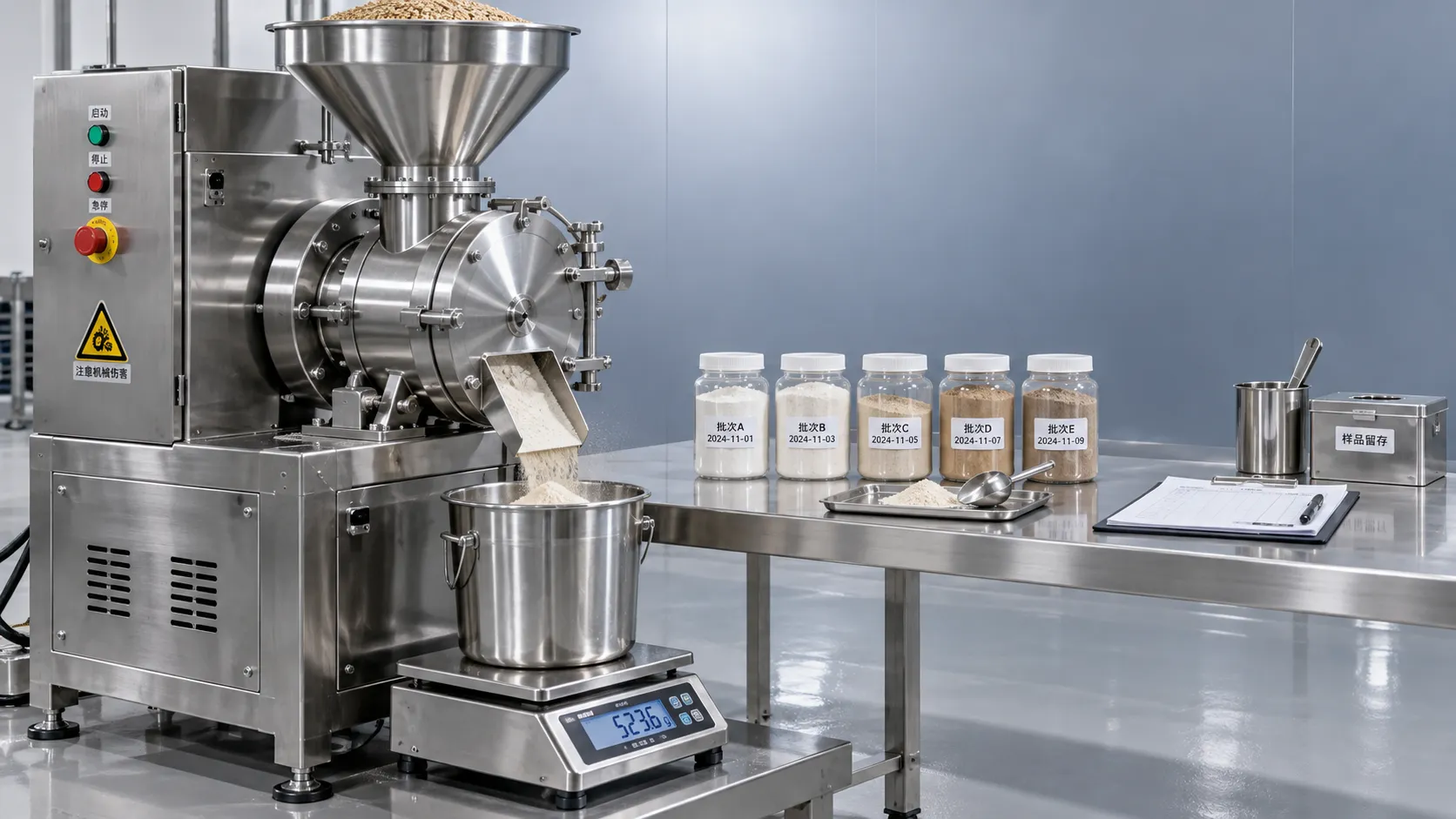
How to vet ingredient processing equipment manufacturers using trials
Vet ingredient processing equipment manufacturers with real-world trials. Learn how to verify yield, cleaning, energy use, and scale-up before you invest.
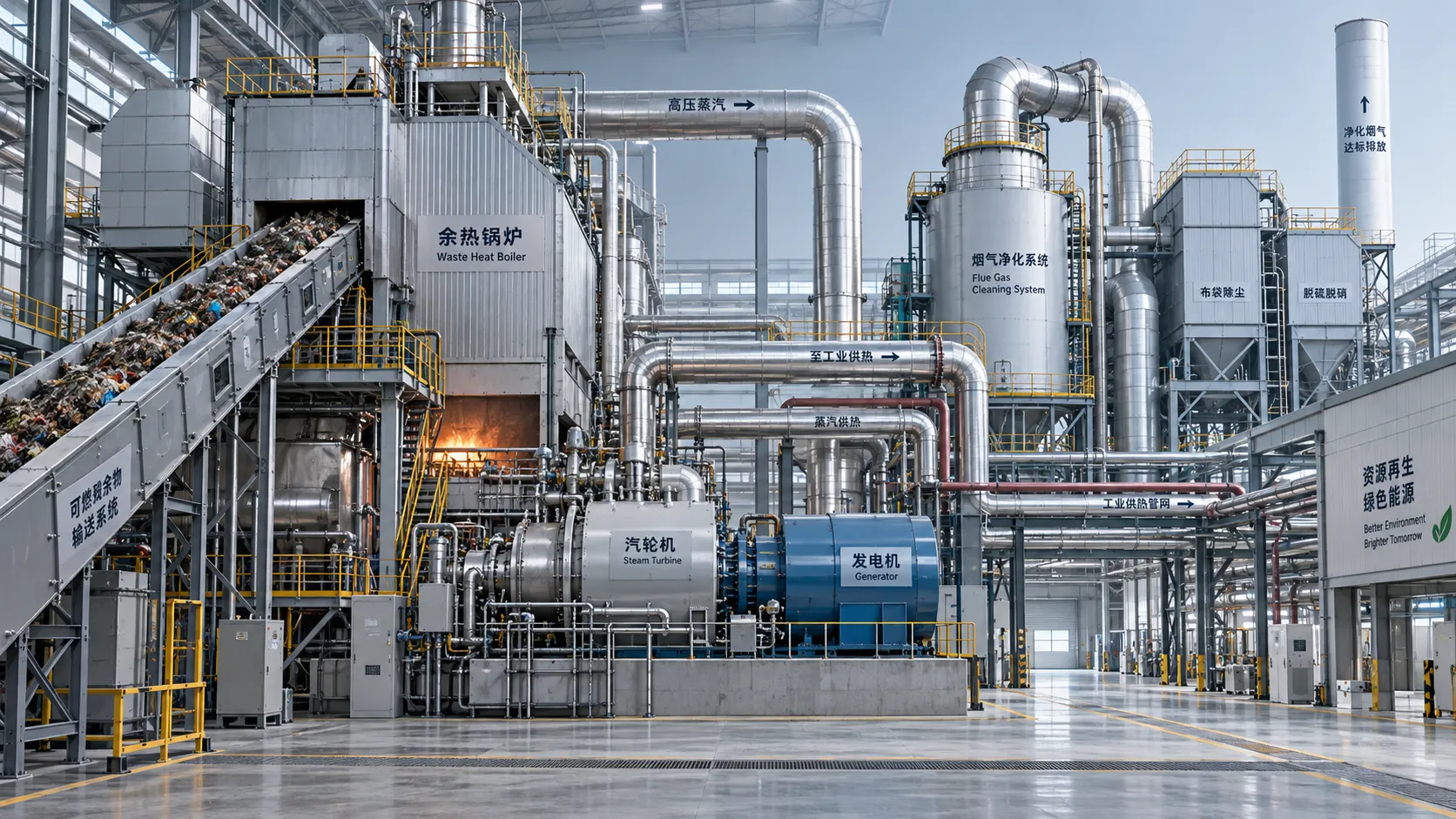
When is energy recovery viable in the solid waste recovery process?
When is energy recovery viable in the solid waste recovery process? Explore feedstock quality, net energy, emissions, and costs to assess feasibility and make smarter investment decisions.
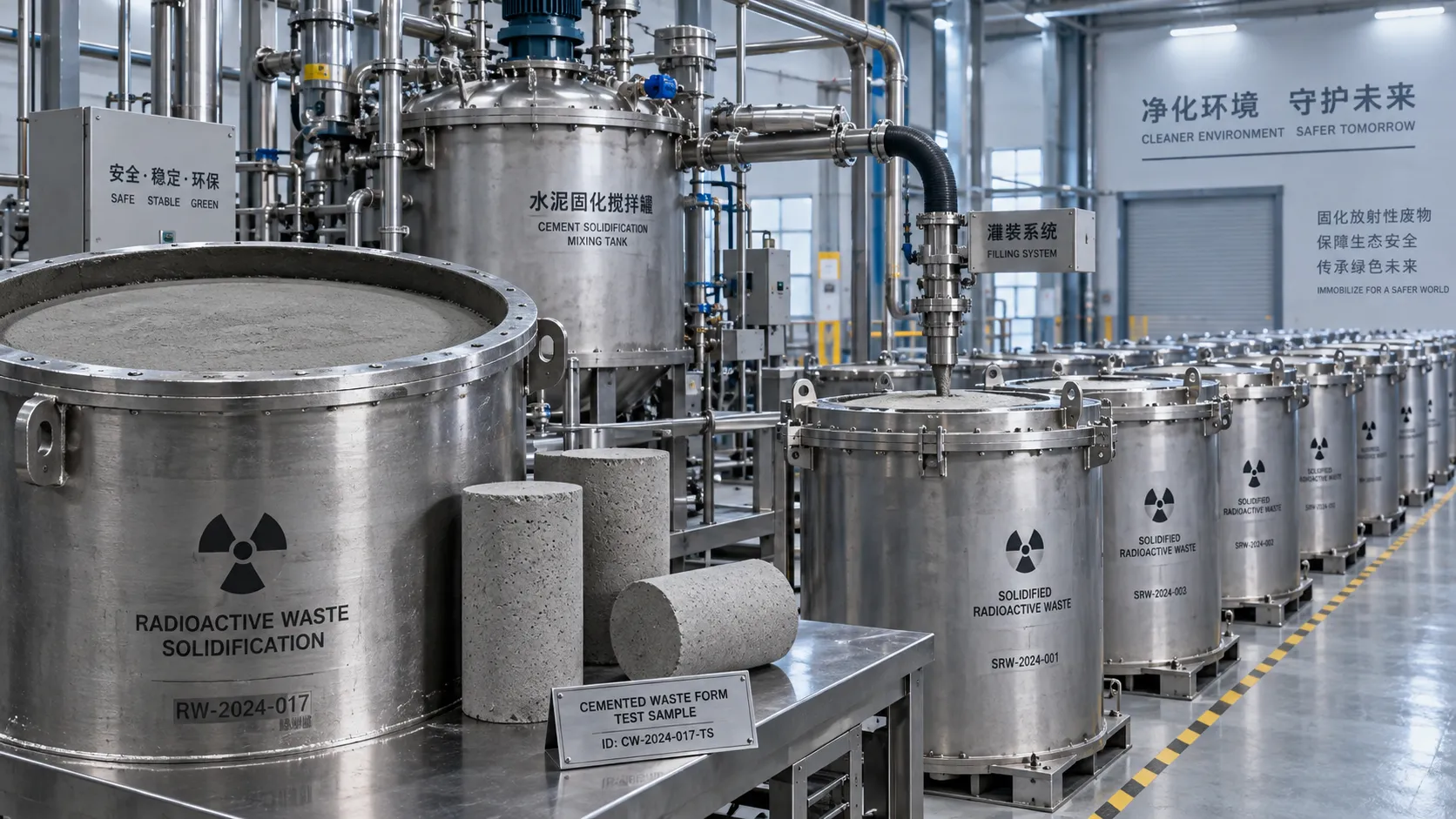
When is cementation suitable for nuclear decommissioning waste?
Explore nuclear waste treatment technology for decommissioning: learn when cementation fits, which risks to assess, and how disposal criteria guide an effective treatment choice.
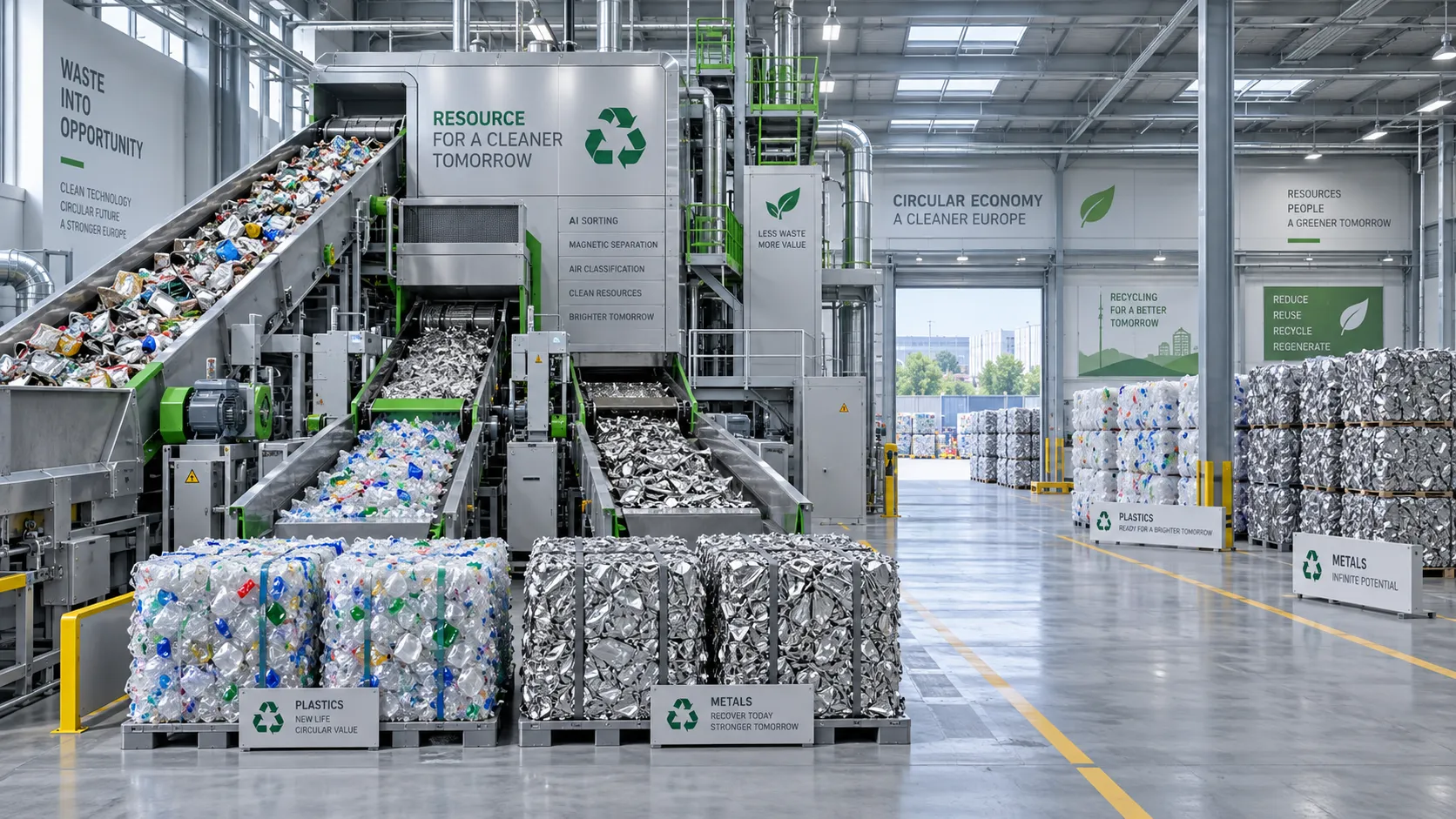
What determines payback for waste-to-resource systems in Europe?
Assess waste-to-resource systems Europe-wide: compare feedstock, recovery yields, costs and contracts to uncover payback drivers and make smarter investment decisions.
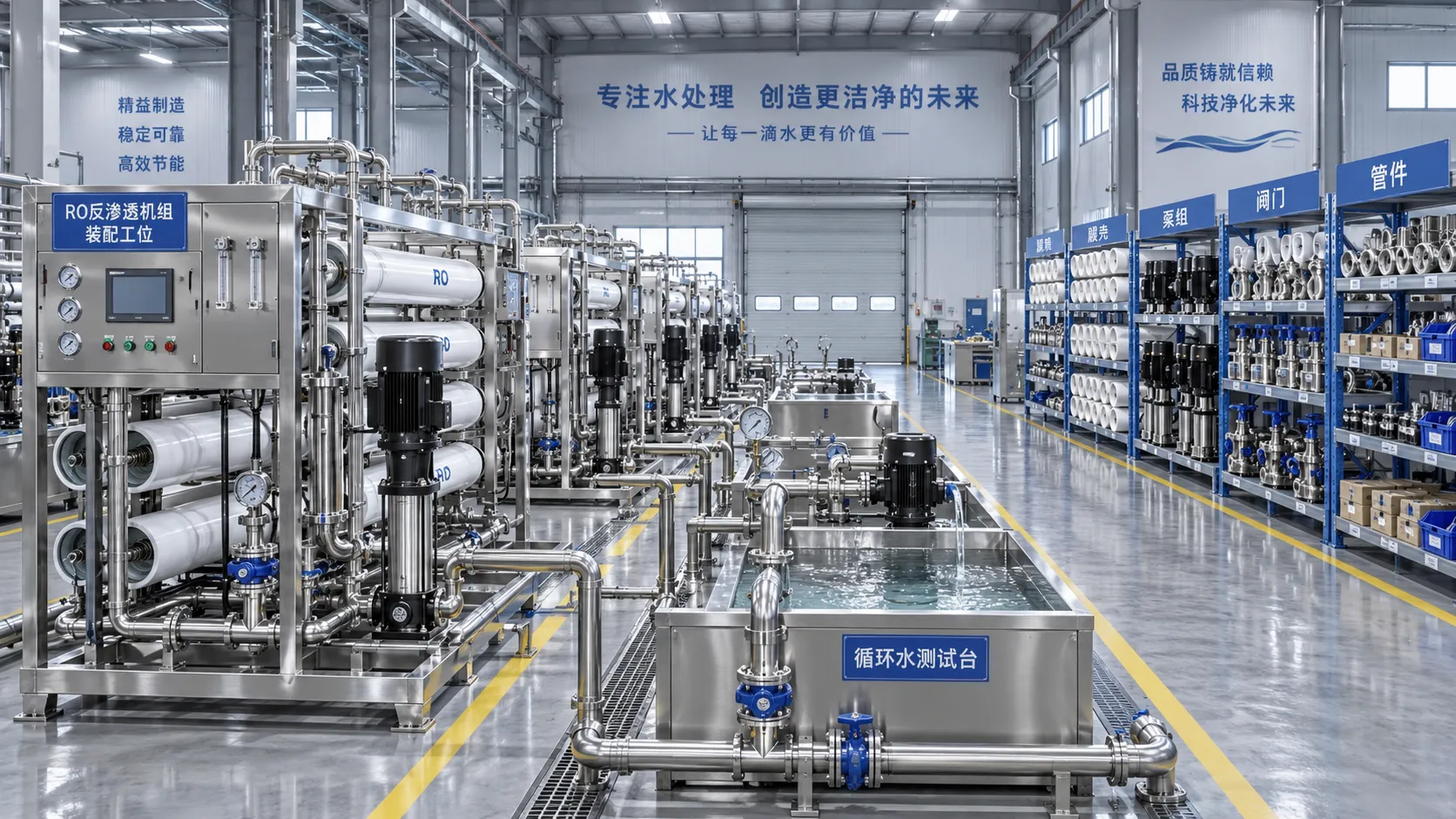
How to verify a water treatment system factory’s production capacity
Verify a water treatment systems factory’s production capacity through records, bottlenecks, component availability, and testing. Learn what to check before accepting a delivery promise.
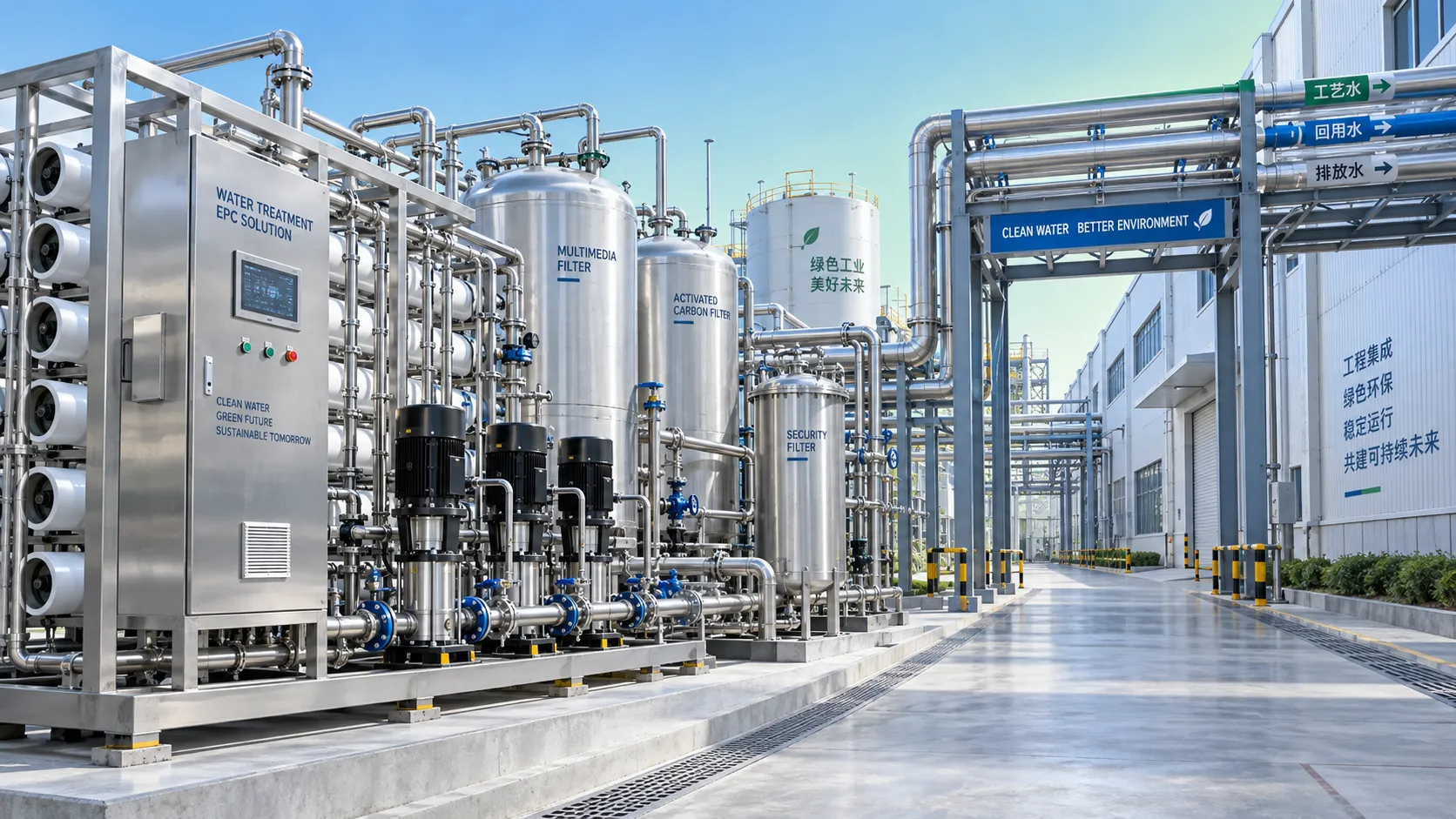
When does EPC environmental project support reduce delivery risk?
EPC environmental project support engineering reduces delivery risk by aligning design, procurement, compliance, construction, and commissioning decisions.
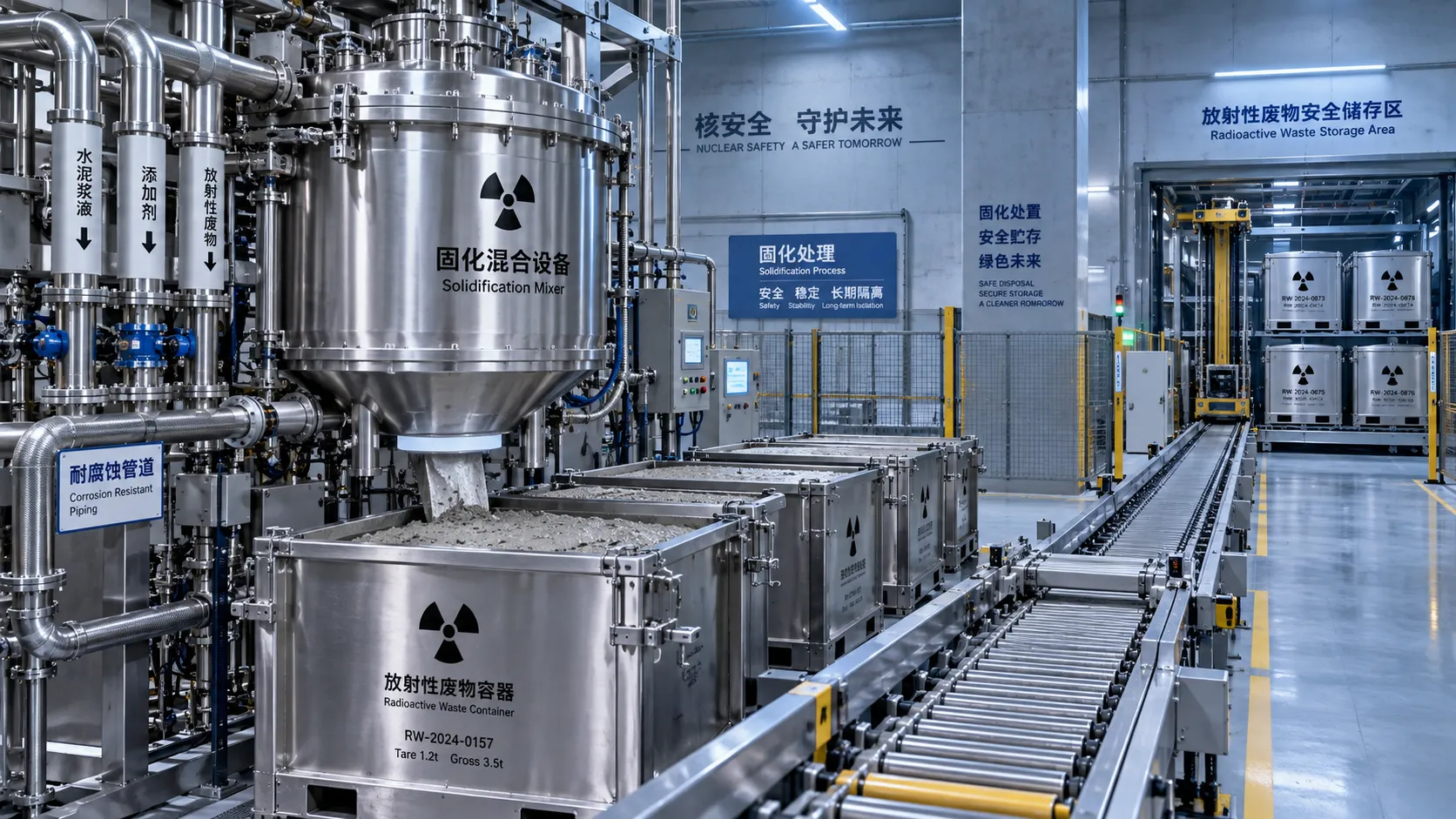
How nuclear plants select a radioactive waste solidification method
Radioactive waste management for nuclear plants: compare vitrification, cementation, polymers, and ceramics to select a compliant, durable solidification solution.
Water Treatment Options for Metal Finishing Rinse Water and Process Baths
Metal finishing water treatment solutions for rinse water and process baths—reduce costs, recover metals, improve reuse, and strengthen compliance.