
Industry News
Curation by industry experts
Hot Articles
Popular Tags
Seawater Desalination Plants: Key Cost Drivers in 2026
Seawater Desalination Plants: Key Cost Drivers in 2026
In 2026, the real question is no longer whether desalination can secure water supply.
The harder question is whether seawater desalination plants can withstand energy volatility, membrane cycles, brine compliance, financing pressure, and carbon scrutiny.
As climate-resilient water infrastructure accelerates, lifecycle economics now decide which projects are bankable, compliant, and technically durable.
Why seawater desalination plants need checklist-based cost review
Modern seawater desalination plants are not simple water factories.
They combine intake engineering, pretreatment, SWRO membranes, high-pressure pumping, energy recovery, post-treatment, brine discharge, and digital control.
A small assumption error can shift tariff outcomes for decades.
In 2026, cost review must connect engineering design with power markets, environmental permits, replacement planning, and financing structure.
Checklist-based assessment helps prevent hidden costs from being buried inside optimistic unit water cost calculations.
Core checklist for seawater desalination plants in 2026
1. Validate intake and seawater quality assumptions
- Confirm seasonal turbidity, algae bloom frequency, hydrocarbons, microplastics, and silt density index before finalizing intake and pretreatment capacity.
- Compare open intake, beach well, subsurface intake, and offshore intake costs against maintenance exposure and ecological permitting risk.
- Model storm events and marine heatwaves, because abnormal feedwater conditions can increase chemical use, cleaning frequency, and membrane stress.
For seawater desalination plants, intake decisions often lock in long-term cost behavior.
A cheaper intake can become expensive if it pushes higher loads into pretreatment and reverse osmosis trains.
2. Test pretreatment resilience, not only baseline performance
- Specify dissolved air flotation, ultrafiltration, dual-media filtration, or hybrid pretreatment according to real fouling patterns, not generic design habits.
- Calculate coagulant, antiscalant, acid, cartridge filter, and sludge handling costs under worst-month feedwater quality conditions.
- Require pilot data when seawater shows biological instability, industrial contamination, red tides, or inconsistent suspended solids.
Pretreatment is a protection system for the most valuable assets inside seawater desalination plants.
Poor pretreatment increases membrane cleaning, downtime, warranty disputes, and rejected water production.
3. Audit energy consumption and recovery equipment
- Benchmark specific energy consumption across pumps, pressure exchangers, motor efficiency, variable frequency drives, and auxiliary loads.
- Stress-test water tariffs under grid price escalation, fuel-linked power contracts, curtailment risk, and renewable intermittency.
- Quantify degradation of energy recovery devices, because efficiency losses directly affect OPEX across the concession period.
Energy remains the dominant operating cost for seawater desalination plants.
A low CAPEX design can lose competitiveness if it sacrifices pump efficiency or energy recovery reliability.
4. Build a membrane lifecycle model
- Forecast membrane replacement by train, stage, pressure vessel, salt passage, normalized flow, and cleaning recovery trends.
- Include membrane price inflation, logistics, customs duties, storage conditions, and vendor substitution risk in lifecycle costing.
- Track boron rejection, chloride control, and product water stability, especially where potable or industrial reuse standards are strict.
SWRO membranes define the operating rhythm of seawater desalination plants.
The best financial models treat membranes as strategic consumables, not occasional maintenance items.
5. Price brine management and discharge compliance
- Assess diffuser design, mixing zones, salinity limits, temperature effects, chemical residuals, and marine monitoring obligations.
- Evaluate zero liquid discharge, mineral recovery, deep well injection, or co-disposal only where regulation or geography justifies cost.
- Reserve budget for continuous ecological monitoring, reporting systems, independent audits, and adaptive permit requirements.
Brine is no longer a minor environmental line item.
For coastal seawater desalination plants, discharge compliance can influence design approval, public acceptance, and future expansion rights.
6. Review civil works, corrosion control, and site risk
- Check geotechnical studies, seismic exposure, flood elevation, coastal erosion, intake tunneling complexity, and access logistics.
- Select corrosion-resistant materials for high-salinity zones, including duplex stainless steel, HDPE, FRP, rubber lining, and coated concrete.
- Separate one-time civil costs from recurring maintenance, because marine structures often age faster than process equipment.
Civil and marine works can dominate CAPEX for large seawater desalination plants.
They also carry schedule risk that may trigger financing delays and contractual claims.
7. Calculate financing, currency, and contract exposure
- Model interest rates, debt service coverage, inflation indexation, foreign exchange exposure, and reserve account requirements.
- Define who bears power price risk, membrane replacement risk, availability penalties, and raw water quality deviations.
- Align EPC guarantees, O&M obligations, offtake terms, and tariff escalation formulas before financial close.
The apparent cost of seawater desalination plants changes when risk allocation changes.
A technically sound plant can become financially fragile if contracts transfer uncontrollable risks to the wrong party.
8. Include carbon, digitalization, and resilience costs
- Estimate emissions from grid electricity, embedded materials, chemical supply, membrane logistics, and standby generation.
- Budget for SCADA, cybersecurity, online analyzers, AI fouling prediction, vibration monitoring, and digital twin integration.
- Design redundancy for heatwaves, blackouts, supply chain interruptions, and stricter water quality or discharge standards.
Decarbonization pressure is reshaping seawater desalination plants.
Energy procurement, carbon accounting, and intelligent operations now influence long-term competitiveness.
Cost drivers by application scenario
Municipal coastal water supply
Municipal seawater desalination plants usually prioritize reliability, potable quality, and public affordability.
Key cost drivers include intake permitting, post-treatment mineral balance, storage integration, and tariff sensitivity.
Demand forecasting matters because oversized capacity raises debt burden, while undersized capacity weakens drought resilience.
Industrial parks and heavy manufacturing
Industrial seawater desalination plants often supply refineries, petrochemical complexes, mining hubs, power stations, and semiconductor facilities.
These projects need tighter control over conductivity, silica, boron, and downstream demineralization compatibility.
Shutdown penalties can exceed water production costs, making redundancy and spare parts strategy essential.
Island and remote communities
Smaller seawater desalination plants face higher unit costs because logistics, operators, fuel, and spare parts are less efficient.
Hybrid solar, battery storage, modular SWRO skids, and remote monitoring can reduce vulnerability.
However, resilience planning must include cyclone protection, emergency storage, and simple maintenance protocols.
Commonly overlooked risks in seawater desalination plants
Underestimated cleaning frequency
Many seawater desalination plants assume stable membrane cleaning intervals.
Actual fouling can accelerate during algae seasons, oil spills, construction runoff, or pretreatment chemical imbalance.
Weak chemical supply planning
Chemical costs are often treated as routine OPEX.
In remote or import-dependent regions, price spikes and delivery delays can disrupt production and regulatory compliance.
Incomplete brine impact modeling
Brine dispersion models may look acceptable under average ocean conditions.
Permitting risk rises when cumulative impacts, calm-water periods, and sensitive marine habitats are ignored.
Overconfidence in availability guarantees
Availability guarantees are valuable only when exclusions are narrow and measurable.
Seawater quality excursions, force majeure definitions, and spare part responsibilities must be contractually precise.
Practical execution guidance for 2026 projects
- Create one integrated cost model covering CAPEX, OPEX, membrane replacement, energy, chemicals, brine, carbon, and financing assumptions.
- Run sensitivity cases for power price, recovery ratio, membrane life, interest rate, construction delay, and permit modification.
- Request pilot results or reference-plant data where feedwater quality, marine ecology, or discharge requirements are unusual.
- Separate guaranteed performance from estimated performance, then connect each guarantee to liquidated damages or operational remedies.
- Build procurement buffers for membranes, cartridge filters, critical instruments, pressure exchanger parts, and high-pressure pump components.
- Compare lifecycle cost, not headline EPC price, when evaluating competing seawater desalination plants and technology packages.
The strongest reviews translate technical assumptions into financial consequences.
That approach exposes whether seawater desalination plants remain affordable under realistic operating stress.
Summary and next actions
In 2026, seawater desalination plants must be evaluated as integrated ecological infrastructure.
The decisive cost drivers are energy exposure, membrane lifecycle, pretreatment robustness, brine compliance, civil works, financing terms, and carbon accountability.
A defensible decision starts with a structured checklist, verified site data, and transparent risk allocation.
Before approving new seawater desalination plants, compare at least three lifecycle scenarios: base case, regulatory stress case, and energy volatility case.
Then convert the findings into procurement specifications, O&M targets, permit safeguards, and contract clauses.
That discipline turns seawater desalination plants from expensive emergency assets into resilient, compliant, and financeable water security platforms.
Recommended News
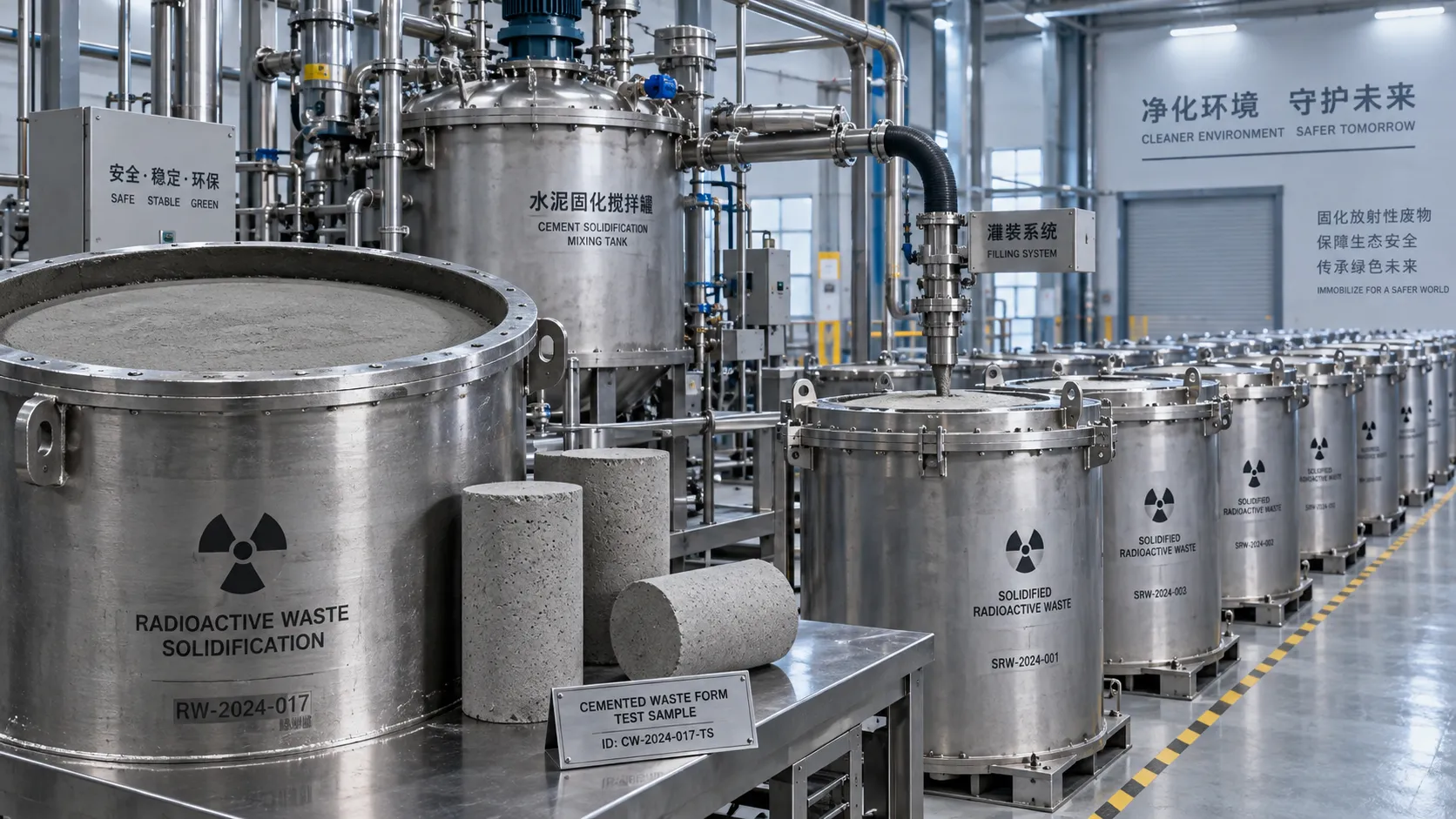
When is cementation suitable for nuclear decommissioning waste?
Explore nuclear waste treatment technology for decommissioning: learn when cementation fits, which risks to assess, and how disposal criteria guide an effective treatment choice.
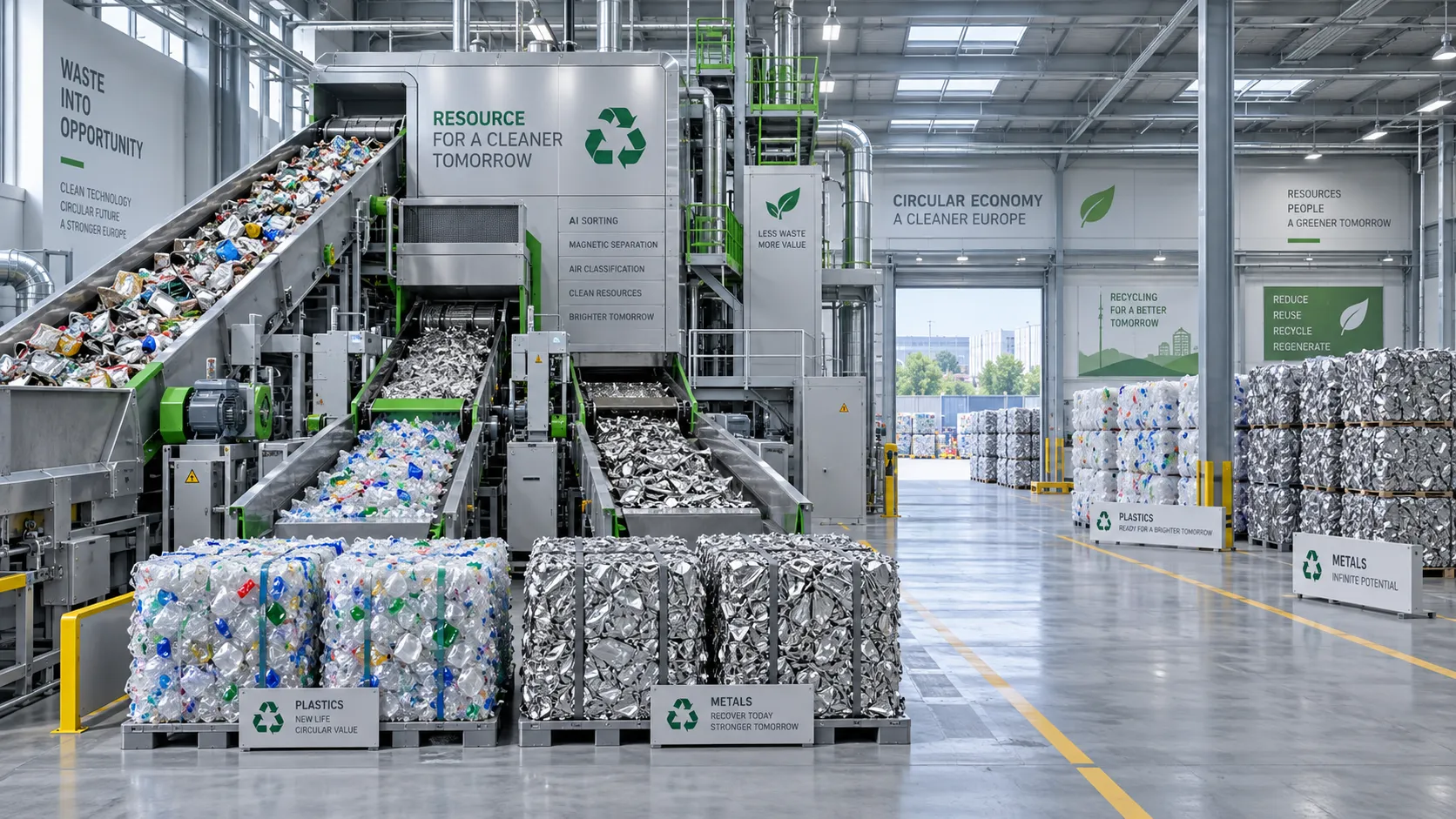
What determines payback for waste-to-resource systems in Europe?
Assess waste-to-resource systems Europe-wide: compare feedstock, recovery yields, costs and contracts to uncover payback drivers and make smarter investment decisions.
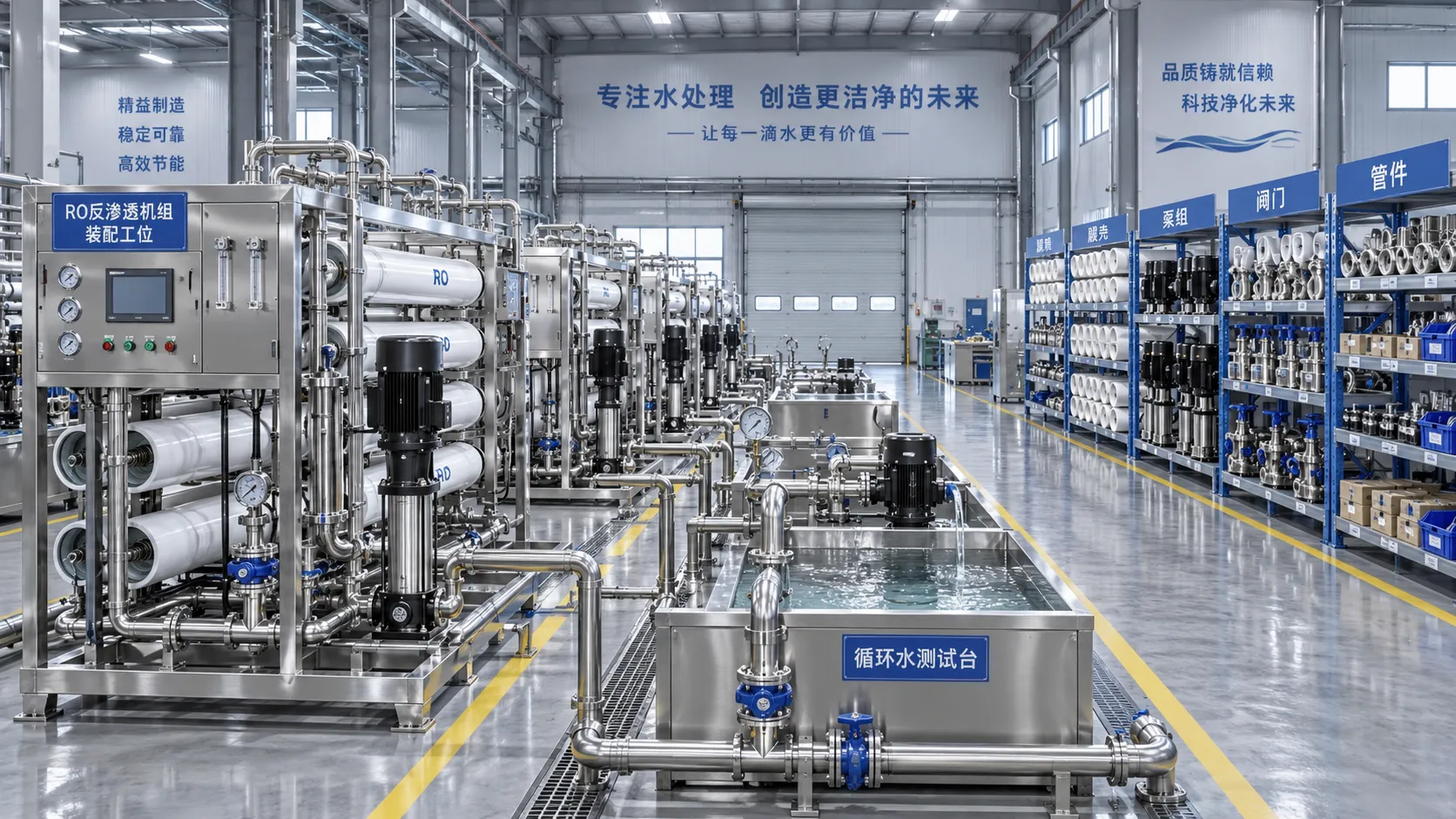
How to verify a water treatment system factory’s production capacity
Verify a water treatment systems factory’s production capacity through records, bottlenecks, component availability, and testing. Learn what to check before accepting a delivery promise.
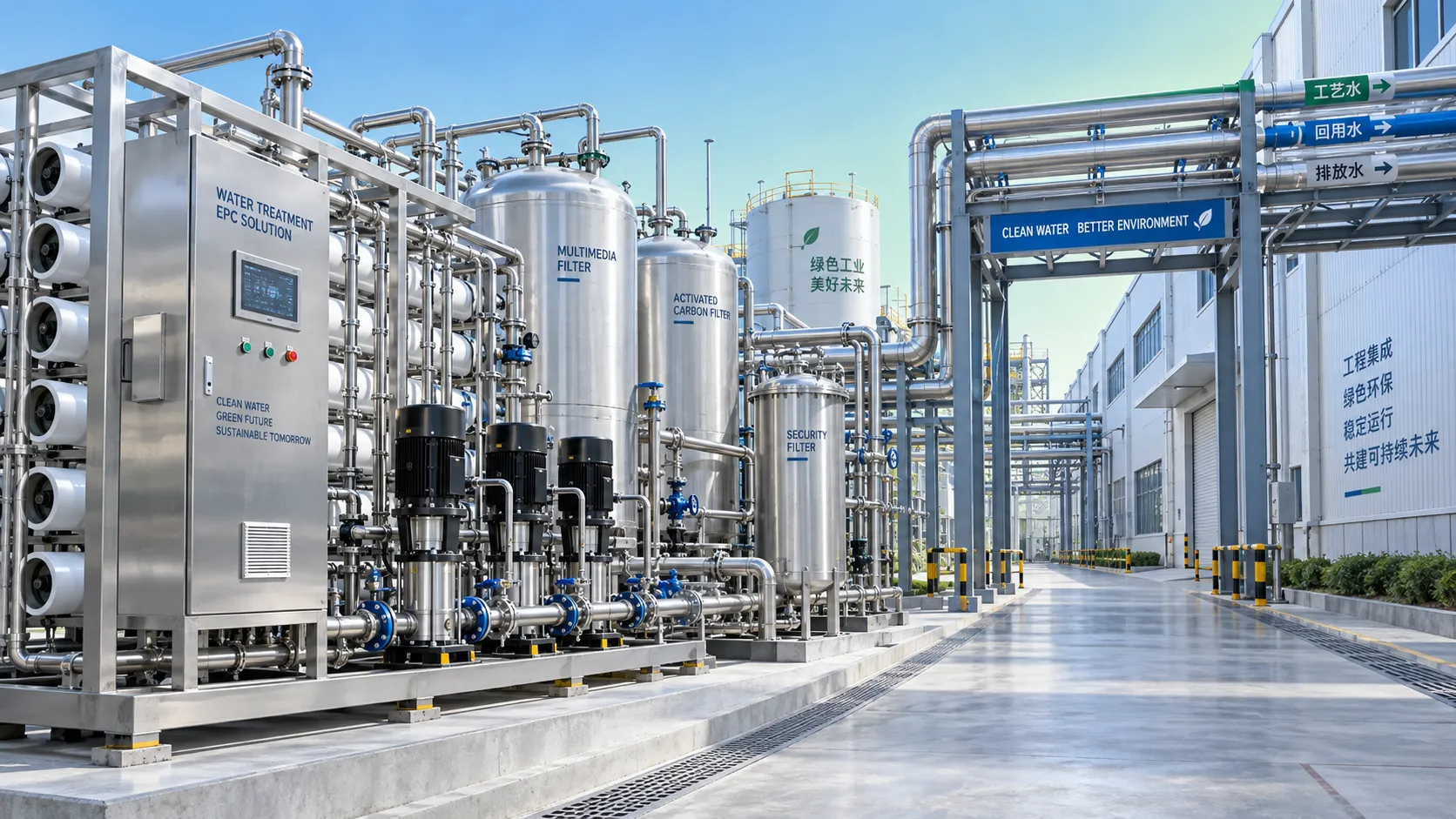
When does EPC environmental project support reduce delivery risk?
EPC environmental project support engineering reduces delivery risk by aligning design, procurement, compliance, construction, and commissioning decisions.
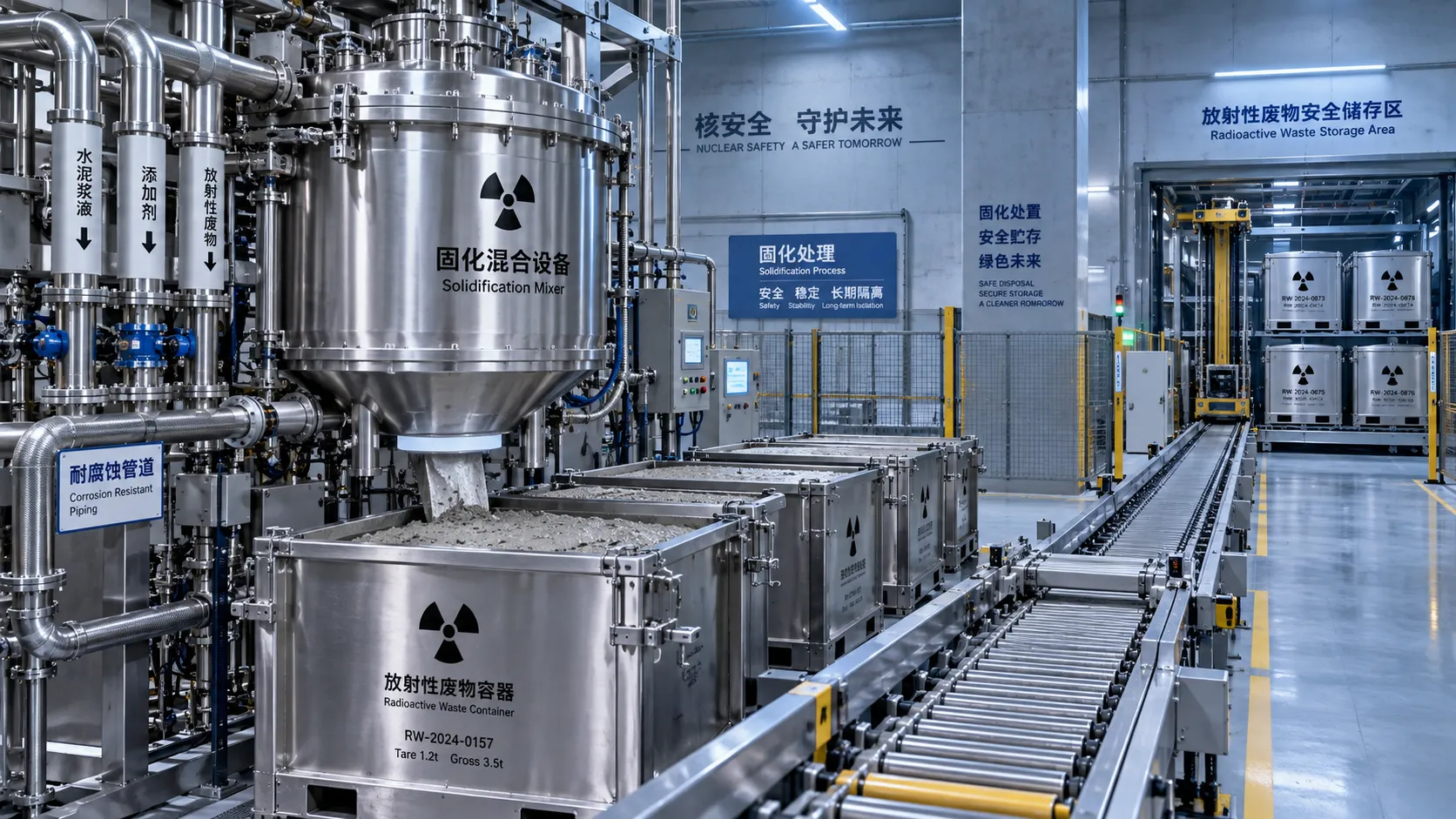
How nuclear plants select a radioactive waste solidification method
Radioactive waste management for nuclear plants: compare vitrification, cementation, polymers, and ceramics to select a compliant, durable solidification solution.
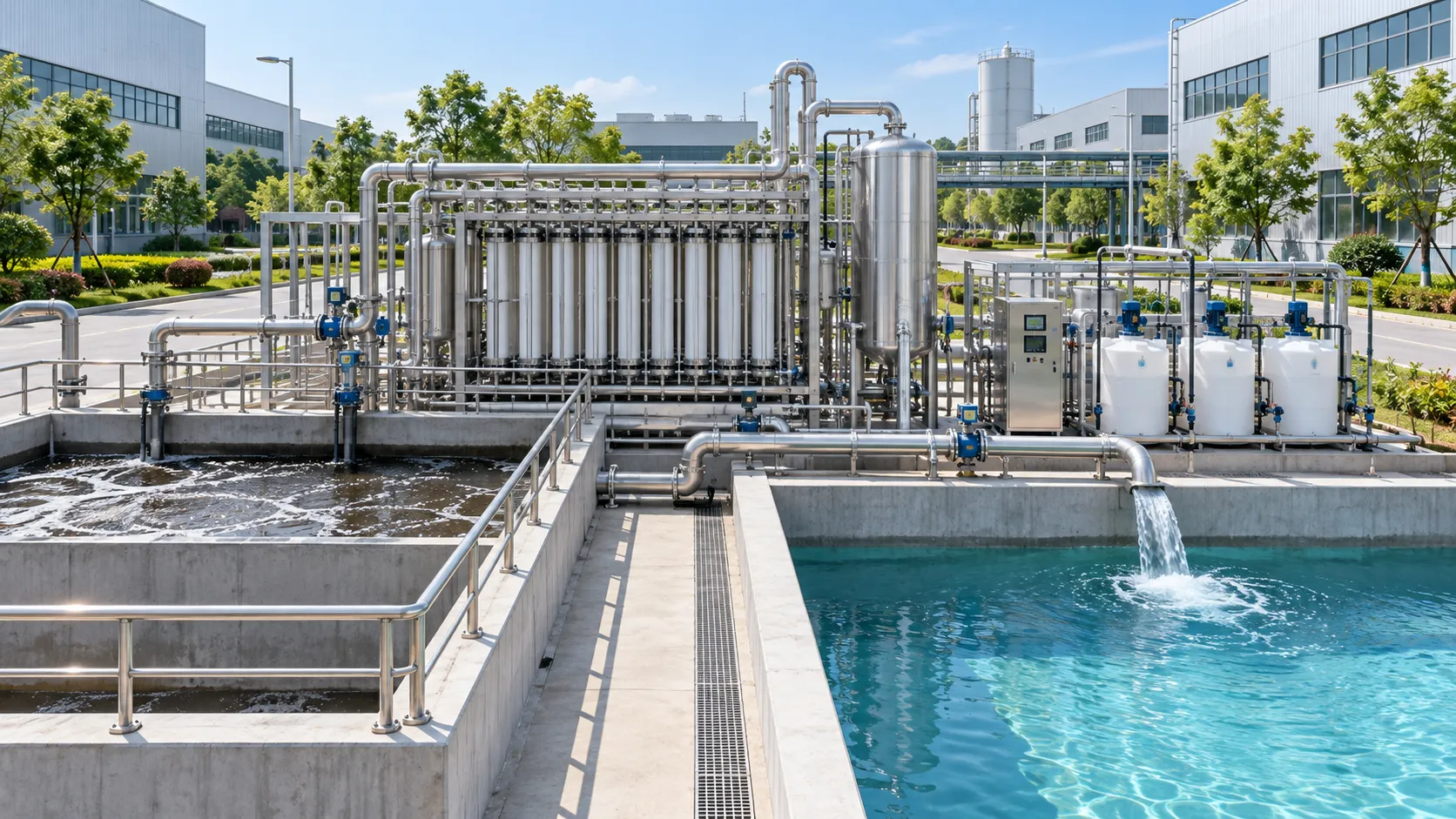
Comparing Upgrade Costs for Industrial Park Wastewater Treatment Systems
Compare costs for wastewater system upgrades in industrial parks with a lifecycle view of CAPEX, OPEX, compliance, resilience, and future expansion.
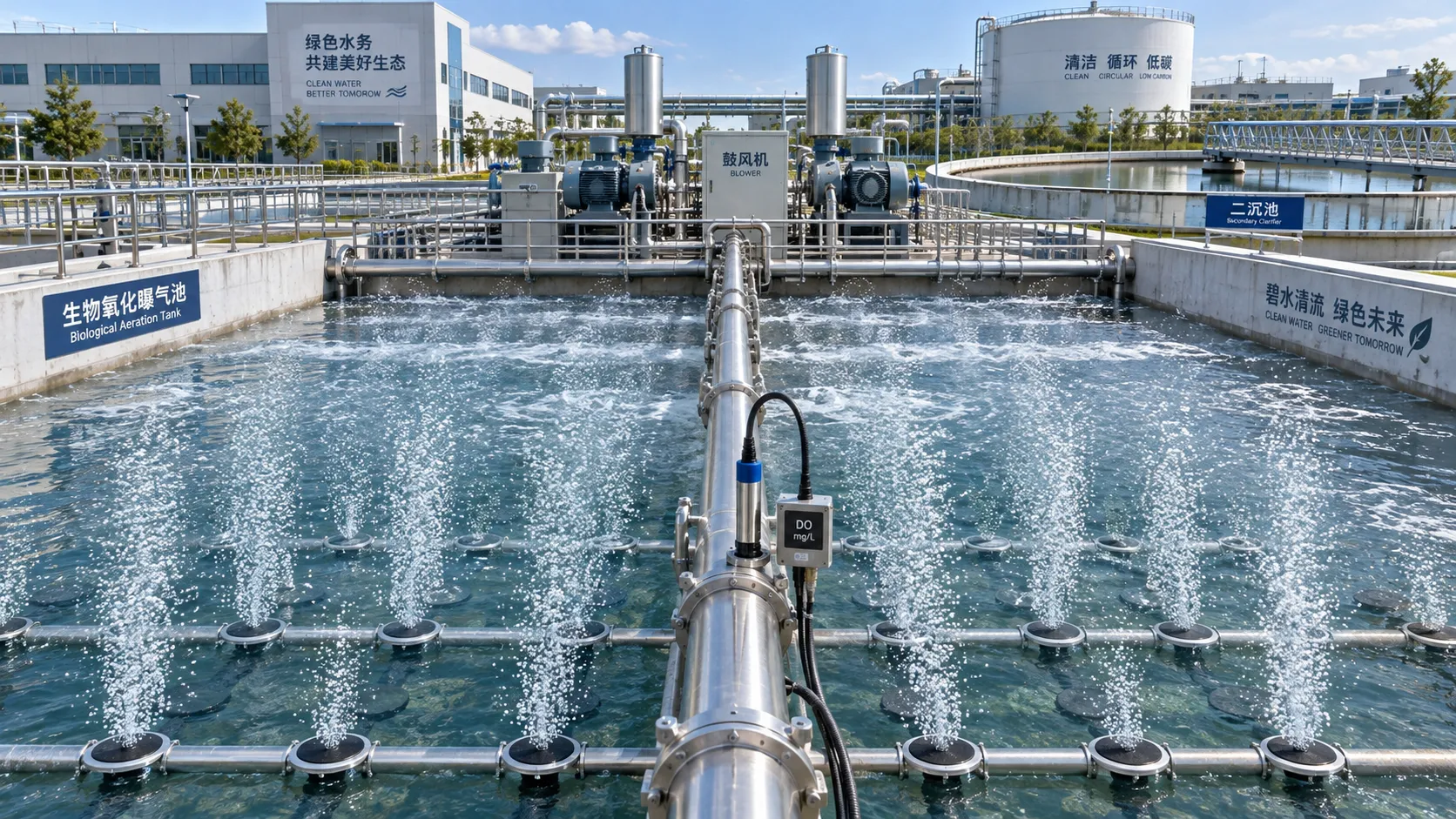
Biological Wastewater Oxidation Explained: Aeration Demand and Process Control
Biological wastewater oxidation explained: optimize aeration demand, DO control, nitrification, and sludge age for stable effluent quality and lower energy costs.
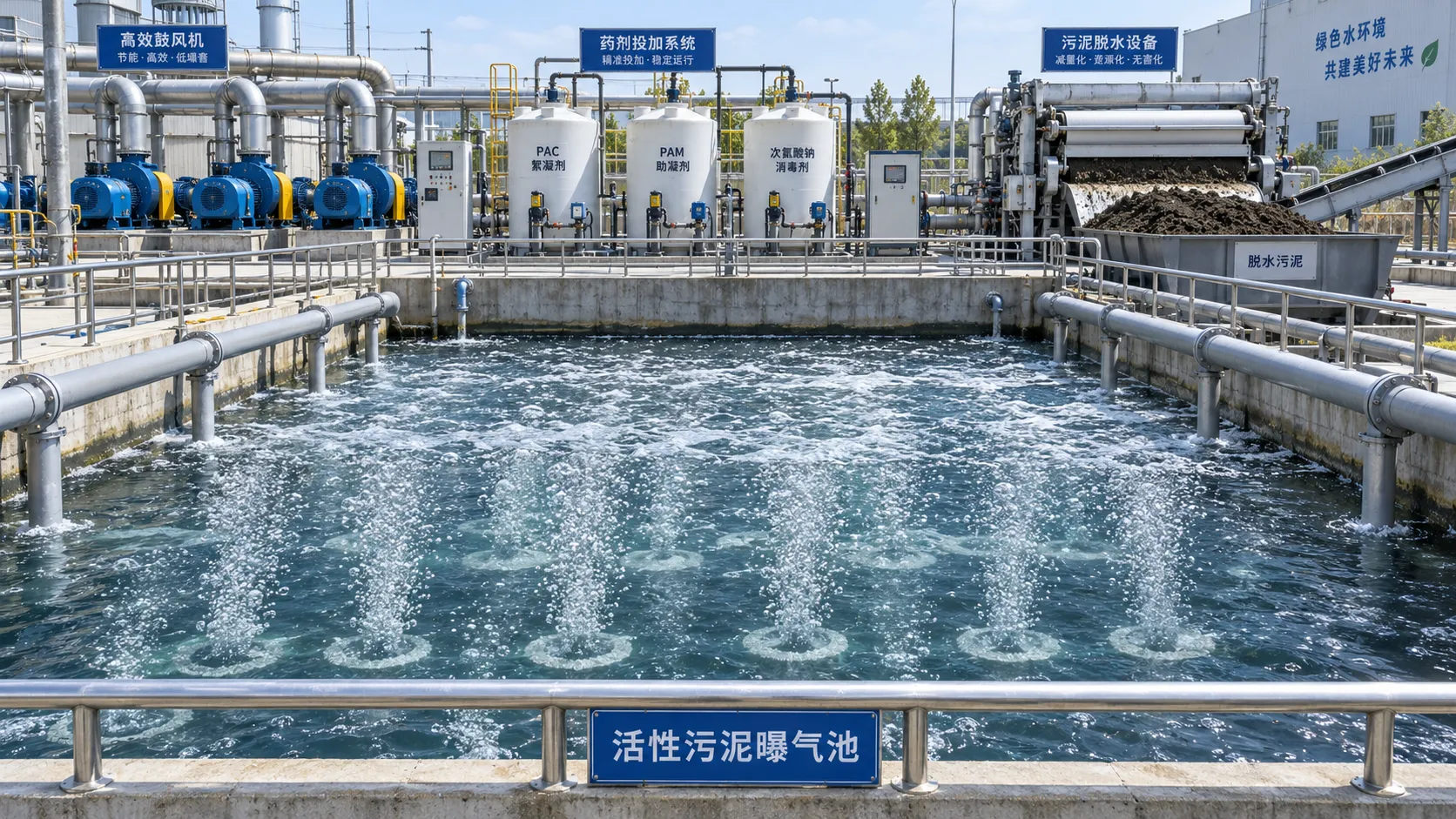
Activated Sludge Cost: Budgeting Energy, Chemicals, Sludge, and Labor
Activated sludge cost explained: compare energy, chemicals, sludge disposal, labor, and compliance risks to build a reliable lifecycle budget.
When Should Municipal Wastewater Plants Upgrade Treatment Capacity and Controls?
Municipal wastewater treatment upgrades: learn when capacity, controls, and resilient planning are needed to protect compliance and optimize plant performance.