
Industry News
Curation by industry experts
Hot Articles
Popular Tags
CBAM Impact on Industrial Supply Chain Risk
The CBAM impact is no longer a distant regulatory concern—it is becoming a boardroom-level supply chain risk for industrial companies exposed to carbon-intensive materials, cross-border procurement, and environmental compliance scrutiny. For decision makers in water treatment, waste recovery, desalination, flue gas control, and nuclear waste management, understanding CBAM means identifying hidden cost pressures, supplier vulnerabilities, and competitive opportunities before they reshape project economics and global bidding strategies.
For environmental infrastructure companies, CBAM is not only about carbon accounting. It influences steel structures, pumps, membranes, catalysts, pressure vessels, electrical systems, and every imported component with embedded emissions.
A desalination project may depend on alloy steel, high-pressure pumps, and energy-intensive chemicals. A waste recovery plant may rely on furnaces, conveyors, sensors, and refractory materials sourced across 3–5 countries.
The challenge for executives is to translate regulatory language into procurement decisions, supplier scoring, bid pricing, and long-term capital planning. That is where supply chain intelligence becomes strategic.
How CBAM Changes Industrial Supply Chain Risk
The Carbon Border Adjustment Mechanism introduces a carbon cost signal at the border for selected imported goods. Its practical effect reaches far beyond the first regulated product categories.
In industrial supply chains, a single project can include 200–2,000 purchase lines. Even if only 10–20% are directly exposed, cost uncertainty may spread through pricing formulas.
From Compliance Topic to Commercial Variable
The CBAM impact appears first in reporting, documentation, and supplier disclosure. It later becomes visible in quotations, contract clauses, working capital needs, and delivery risk.
For EPC contractors and equipment buyers, the risk is rarely a single surcharge. It is usually a combination of 4 variables: emissions data quality, supplier readiness, carbon intensity, and contract timing.
Environmental equipment is especially sensitive because it often uses high-grade metals, corrosion-resistant alloys, concrete, electrical assemblies, and specialty chemicals with energy-intensive upstream production.
Key Exposure Points
- Carbon-intensive inputs such as steel, aluminum, cement, fertilizers, hydrogen-related materials, and electricity-linked components.
- Cross-border procurement involving multiple tiers, where Tier 2 or Tier 3 emissions data may be incomplete.
- Large public tenders that require lifecycle carbon disclosure, environmental compliance evidence, or supplier traceability.
- Long delivery projects lasting 12–36 months, where carbon certificate prices and reporting rules may change mid-contract.
The following matrix helps decision makers identify where CBAM exposure may emerge in environmental infrastructure supply chains and how it affects commercial decisions.
The key conclusion is clear: the CBAM impact is strongest where carbon-intensive materials meet long project cycles, strict qualification rules, and limited supplier alternatives.
Why Environmental Equipment Buyers Should Act Early
Many industrial buyers still treat CBAM as a finance or customs matter. That approach is risky because procurement choices made today may determine emissions liability tomorrow.
Large environmental projects often require 3–9 months for vendor qualification and 6–18 months for fabrication, shipment, installation, and commissioning.
Hidden Cost Pressure in Project Economics
The CBAM impact can affect project economics through direct carbon costs, documentation labor, supplier premiums, customs delays, and tender evaluation penalties.
For a large ZLD system, steel structures, evaporators, crystallizers, and energy modules may account for a significant portion of capital expenditure.
If carbon-related costs are not priced during bidding, a 2–5% procurement variance can erode margins on fixed-price EPC contracts.
Supplier Readiness Becomes a Selection Criterion
Traditional vendor evaluation focuses on price, delivery, quality certificates, and after-sales service. CBAM adds a fifth dimension: verified emissions transparency.
A supplier that cannot provide production route, energy source, material origin, and emissions calculation method may create reporting gaps for the importer.
Practical Procurement Questions
- Can the supplier provide product-level embedded emissions within 7–15 working days?
- Are emissions values based on actual plant data or generic default factors?
- Does the quotation state who bears carbon cost changes during the contract period?
- Is there an alternative supplier in a lower-carbon production route or region?
- Can documentation be aligned with customs, audit, and project owner requirements?
For decision makers, early action does not mean overreacting. It means turning carbon uncertainty into a measurable procurement variable before it becomes a claims dispute.
A Decision Framework for Managing CBAM Impact
A structured approach helps executives avoid fragmented responses. The goal is to connect compliance, procurement, engineering, finance, and commercial bidding in one workflow.
For most industrial organizations, a 5-step framework is sufficient for the first implementation cycle, typically completed within 8–16 weeks.
Five-Step Implementation Logic
The CBAM impact should be evaluated at product category, supplier, contract, and project portfolio levels. Isolated spreadsheet tracking is rarely enough for complex equipment supply chains.
- Step 1: Map regulated and high-risk materials across the bill of materials.
- Step 2: Classify suppliers by data quality, production route, and geographic exposure.
- Step 3: Add carbon disclosure requirements to RFQ and technical bid documents.
- Step 4: Model cost sensitivity under 2–3 carbon price scenarios.
- Step 5: Update contract clauses, approval thresholds, and supplier development plans.
The following table translates the framework into practical management actions for environmental infrastructure projects and cross-border equipment procurement.
This framework turns the CBAM impact into operational intelligence. It helps teams compare suppliers on lifecycle risk rather than relying only on initial purchase cost.
What Good Supplier Evidence Looks Like
Strong evidence should be specific to a production site, product route, and reporting period. Generic sustainability statements are not enough for industrial procurement control.
Buyers should prioritize suppliers that can provide auditable data, traceable raw material records, energy consumption boundaries, and update frequency at least once per year.
Sector-Specific Implications for Eco-Industrial Projects
The CBAM impact is not uniform across environmental sectors. Each application has different material intensity, qualification barriers, energy exposure, and operational lifetime.
Decision makers should examine both capital expenditure and lifecycle performance, especially where equipment operates for 10–30 years.
Water Treatment and ZLD Systems
Large water treatment plants depend on tanks, pumps, valves, membranes, instruments, and chemical dosing systems. Carbon exposure may sit inside common procurement packages.
For ZLD projects, evaporators and crystallizers can involve substantial alloy content. Early material substitution analysis may reduce risk without compromising corrosion resistance.
Solid Waste Recovery and AI Sorting
Waste recovery systems combine mechanical structures, optical sorters, conveyors, pyrolysis units, and control systems. Their supply chains often include many small but critical vendors.
A practical approach is to segment suppliers into 3 groups: high-value carbon-exposed, medium-risk documentation-sensitive, and low-risk standard consumables.
Desalination, Flue Gas Control, and Nuclear Waste
Desalination has high energy relevance and specialized materials. SWRO pressure vessels, high-pressure pumps, and stainless piping should be included in early carbon reviews.
Flue gas treatment projects face bid sensitivity because FGD scrubbers, SCR catalyst systems, and large ducts may create both carbon and delivery risks.
Nuclear waste management adds another dimension: supplier qualification may take 12–24 months. Switching vendors late can create safety, documentation, and schedule risks.
Common Mistakes to Avoid
- Treating CBAM as only a customs declaration task after procurement decisions are already locked.
- Accepting supplier averages without checking whether data reflects the actual production plant.
- Ignoring small components that create documentation delays during final project delivery.
- Using lowest-price bidding without carbon cost sensitivity or contract adjustment clauses.
Sector-specific analysis makes the CBAM impact more manageable. It separates strategic risks from routine purchasing issues and supports better capital allocation.
Turning CBAM Risk into Competitive Advantage
Industrial companies that respond early can convert CBAM pressure into commercial advantage. Better carbon data improves bids, strengthens buyer confidence, and reduces negotiation uncertainty.
For EPC firms, environmental technology suppliers, and project owners, the opportunity is to create a procurement system that is both compliant and commercially sharper.
Commercial Benefits of Early Preparedness
Prepared companies can respond faster to tender questions, especially when project owners request lifecycle emissions, circular economy evidence, or low-carbon supply chain planning.
In competitive bidding, a supplier able to provide carbon documentation within 5–10 days may gain credibility over a cheaper but opaque competitor.
The CBAM impact also encourages better engineering decisions. Material optimization, modular design, local sourcing, and energy-efficient components can reduce both emissions exposure and lifecycle cost.
Recommended Executive Actions
- Create a cross-functional CBAM task group covering procurement, finance, engineering, legal, and sales.
- Review the top 20 suppliers by annual spend and carbon-sensitive material exposure.
- Add embedded emissions disclosure to all strategic RFQs within the next 30–60 days.
- Build carbon cost scenarios for bids exceeding a defined project threshold, such as USD 5 million.
- Use quarterly supplier reviews to monitor data quality, pricing changes, and delivery stability.
How ESD Supports Board-Level Decisions
Global Eco-Shield Dynamics connects environmental regulation, equipment technology, and industrial market intelligence for decision makers facing complex project risks.
Through its Strategic Intelligence Center, ESD observes the regulatory evolution around carbon neutrality, circular economy, CBAM impact, and environmental infrastructure investment.
For executives in water purification, resource recovery, flue gas treatment, desalination, and nuclear waste management, this intelligence helps align technical procurement with global compliance trends.
The value lies in connecting detailed equipment knowledge with boardroom questions: which suppliers are vulnerable, which bids need carbon buffers, and which technologies improve resilience.
Strategic Conclusion and Next Step
The CBAM impact is reshaping industrial supply chain risk from the inside out. It affects procurement timing, supplier qualification, contract structure, and project margin control.
For environmental infrastructure decision makers, the winning response is not panic. It is disciplined mapping, reliable supplier data, scenario-based pricing, and early contract protection.
Companies that act now can protect bids, reduce compliance friction, and strengthen their position in international projects where carbon transparency is becoming a buying criterion.
To assess your exposure, refine procurement strategy, or understand how CBAM may affect your next water treatment, waste recovery, desalination, flue gas, or nuclear waste project, contact ESD to get a customized intelligence-based solution.
Recommended News
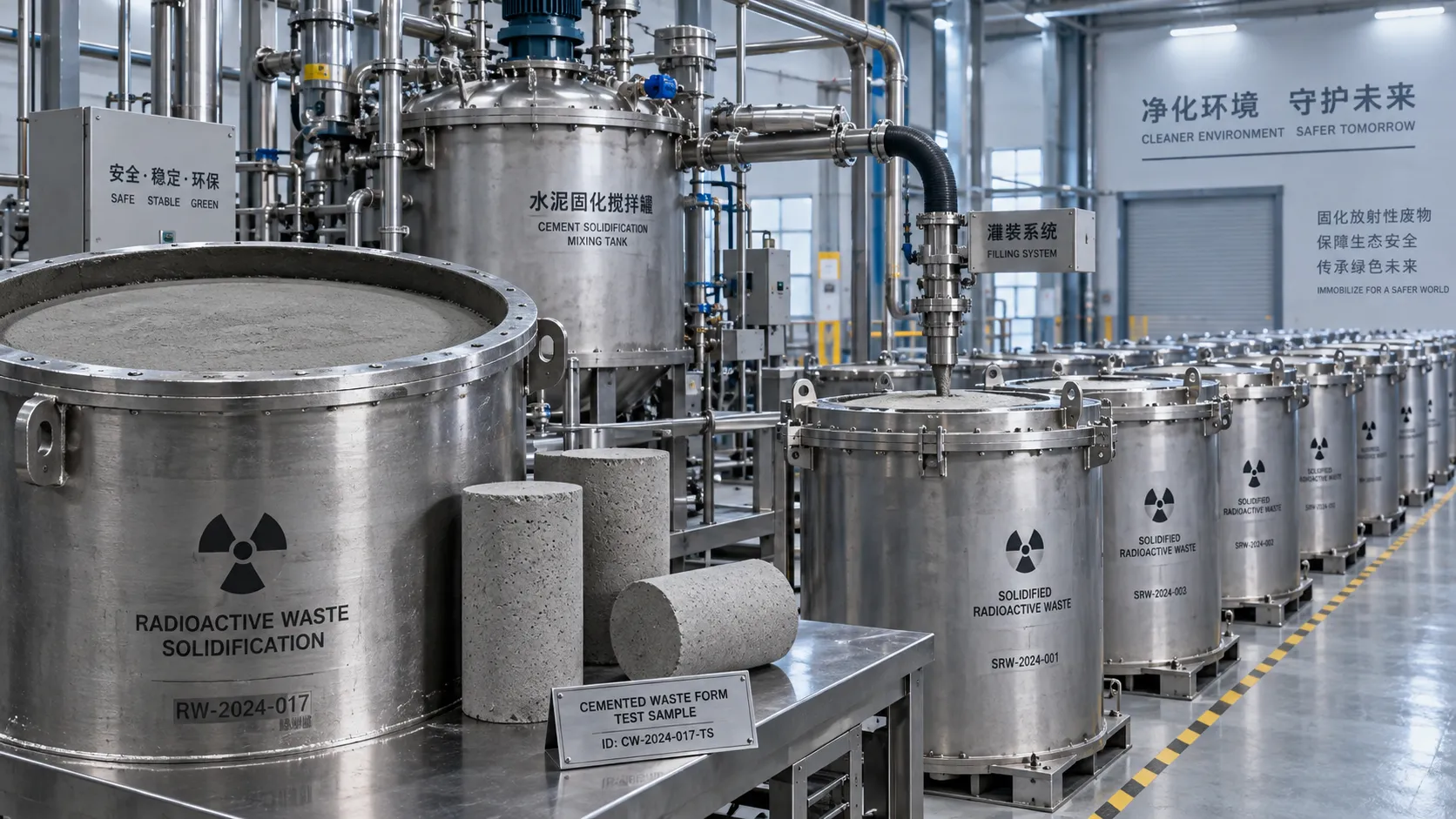
When is cementation suitable for nuclear decommissioning waste?
Explore nuclear waste treatment technology for decommissioning: learn when cementation fits, which risks to assess, and how disposal criteria guide an effective treatment choice.
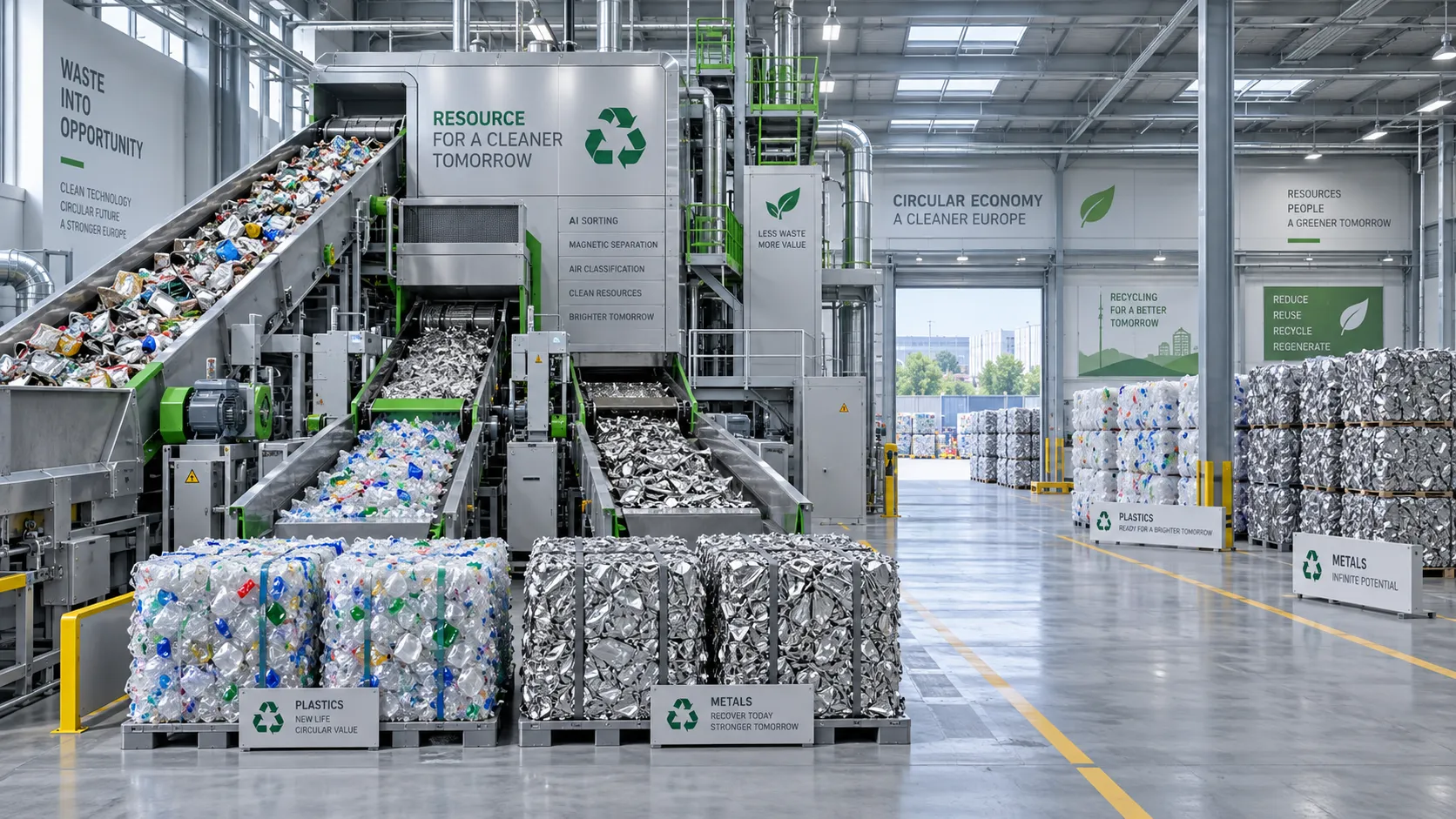
What determines payback for waste-to-resource systems in Europe?
Assess waste-to-resource systems Europe-wide: compare feedstock, recovery yields, costs and contracts to uncover payback drivers and make smarter investment decisions.
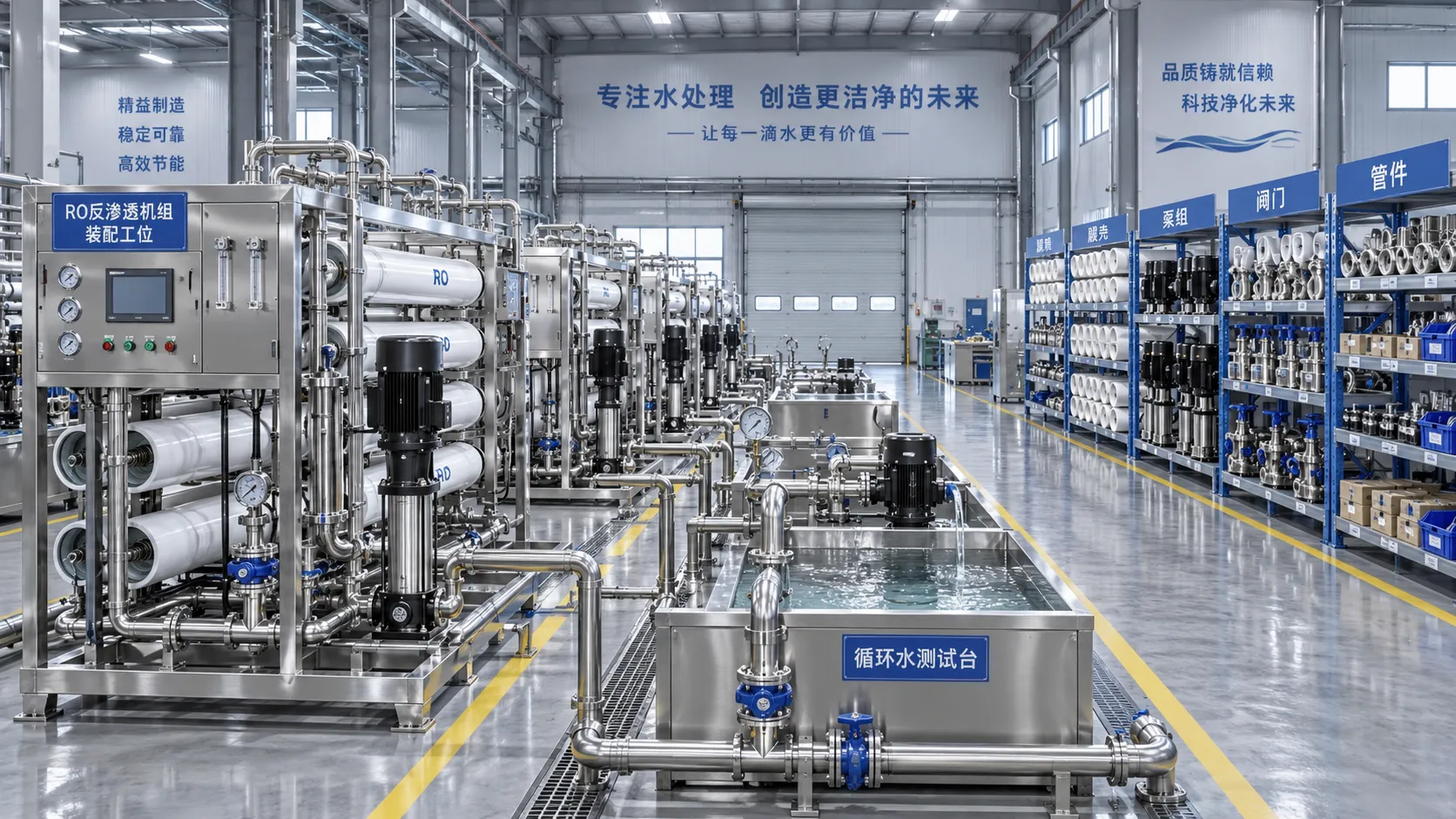
How to verify a water treatment system factory’s production capacity
Verify a water treatment systems factory’s production capacity through records, bottlenecks, component availability, and testing. Learn what to check before accepting a delivery promise.
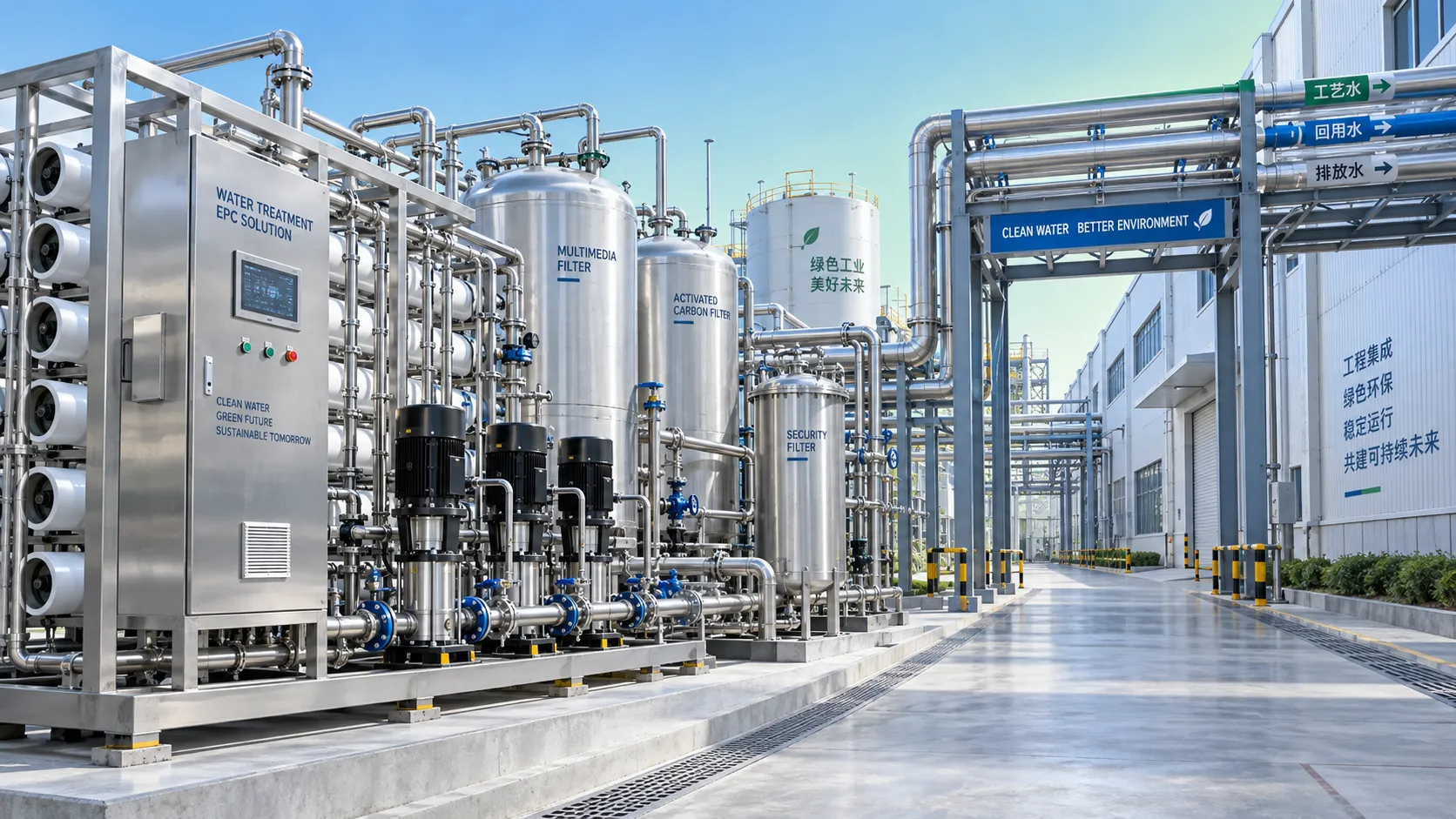
When does EPC environmental project support reduce delivery risk?
EPC environmental project support engineering reduces delivery risk by aligning design, procurement, compliance, construction, and commissioning decisions.
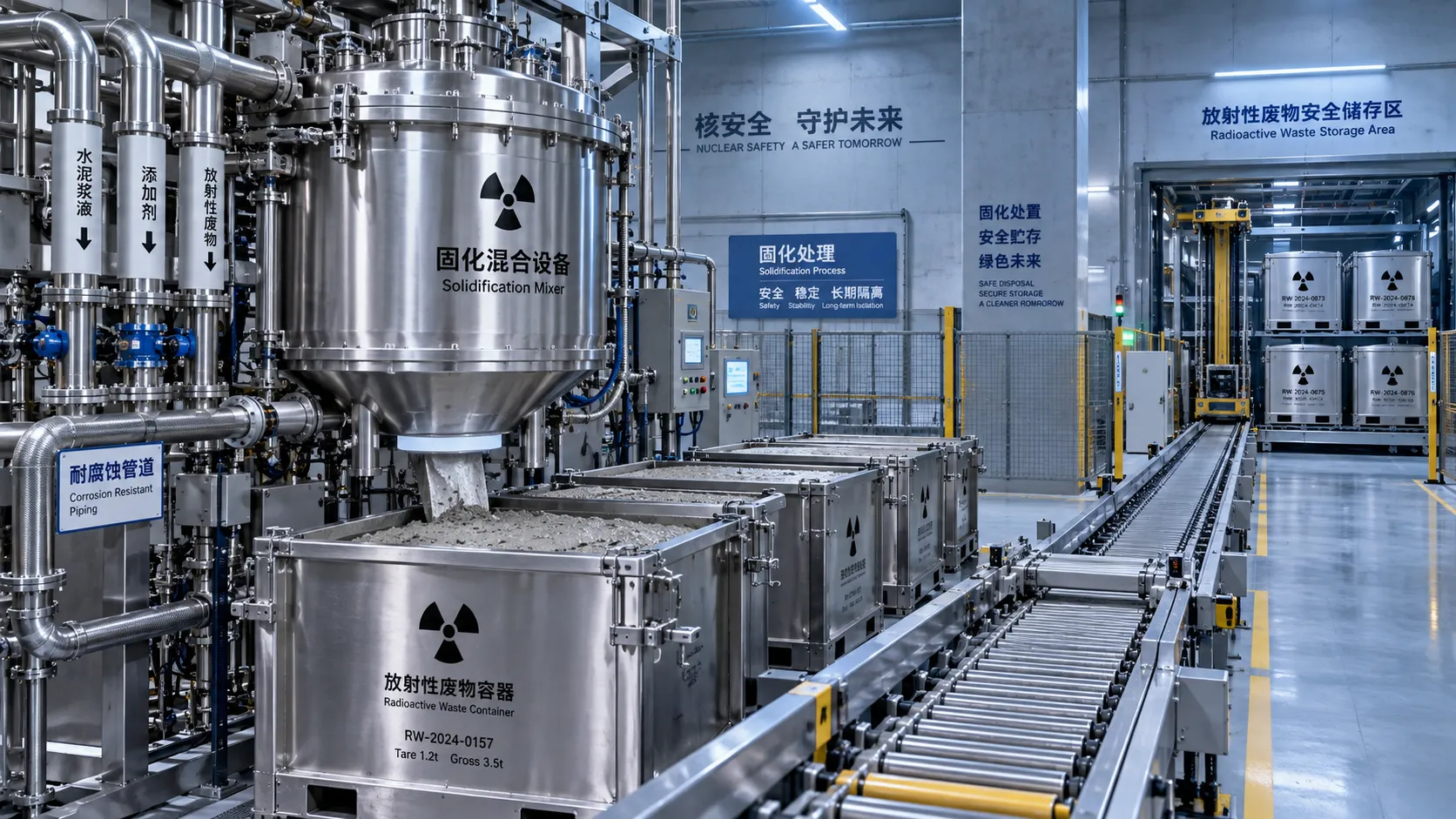
How nuclear plants select a radioactive waste solidification method
Radioactive waste management for nuclear plants: compare vitrification, cementation, polymers, and ceramics to select a compliant, durable solidification solution.
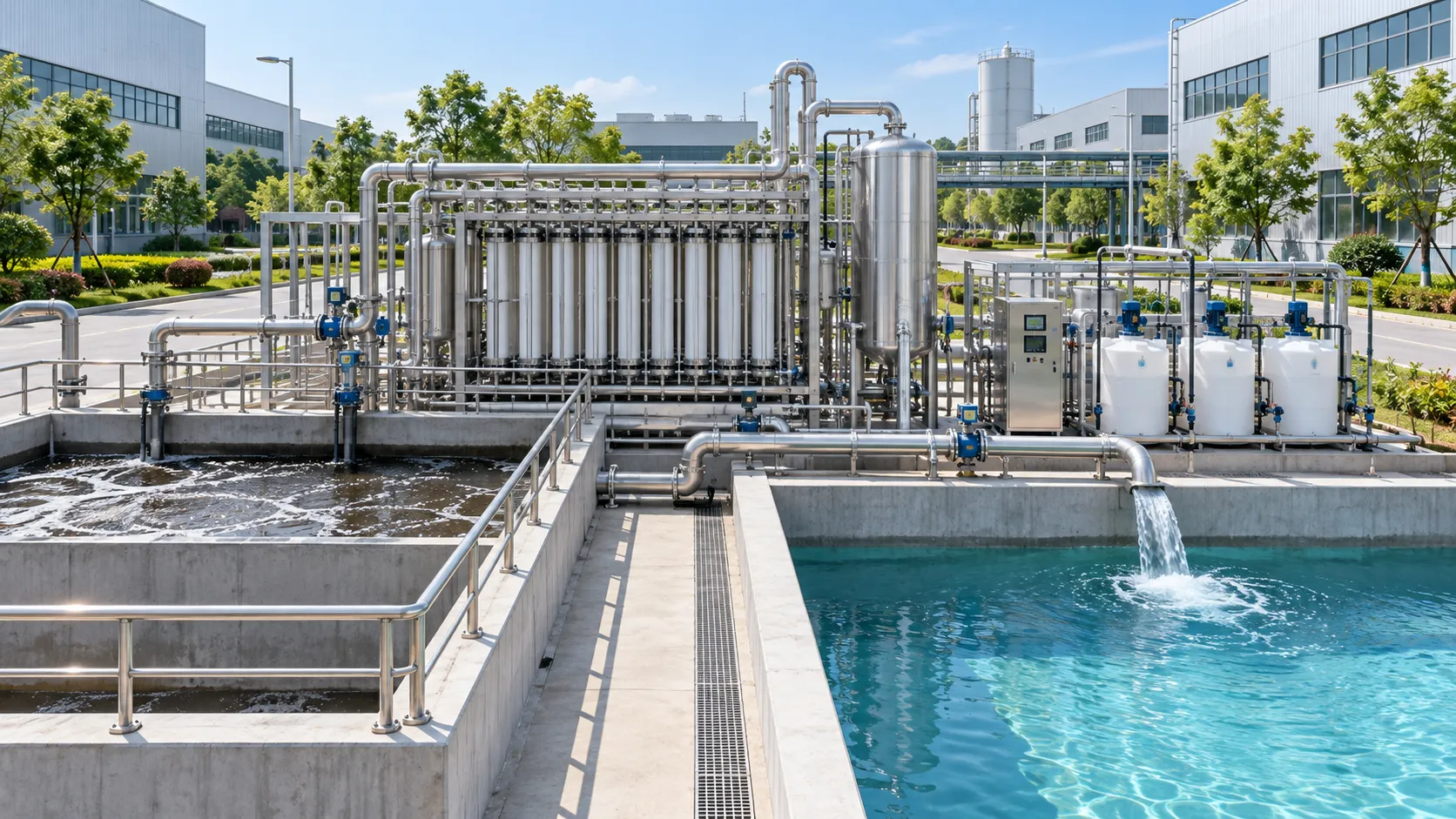
Comparing Upgrade Costs for Industrial Park Wastewater Treatment Systems
Compare costs for wastewater system upgrades in industrial parks with a lifecycle view of CAPEX, OPEX, compliance, resilience, and future expansion.
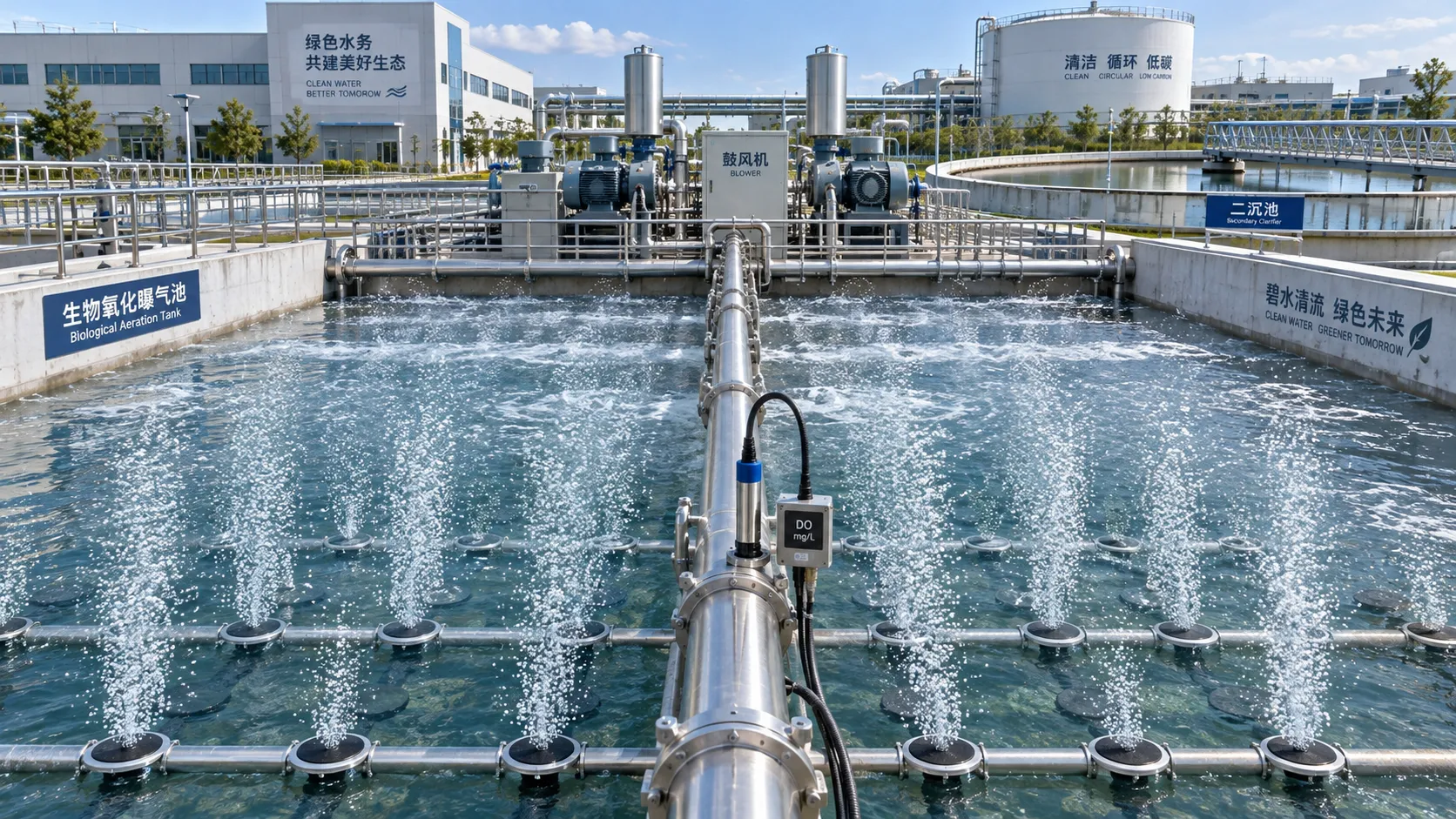
Biological Wastewater Oxidation Explained: Aeration Demand and Process Control
Biological wastewater oxidation explained: optimize aeration demand, DO control, nitrification, and sludge age for stable effluent quality and lower energy costs.
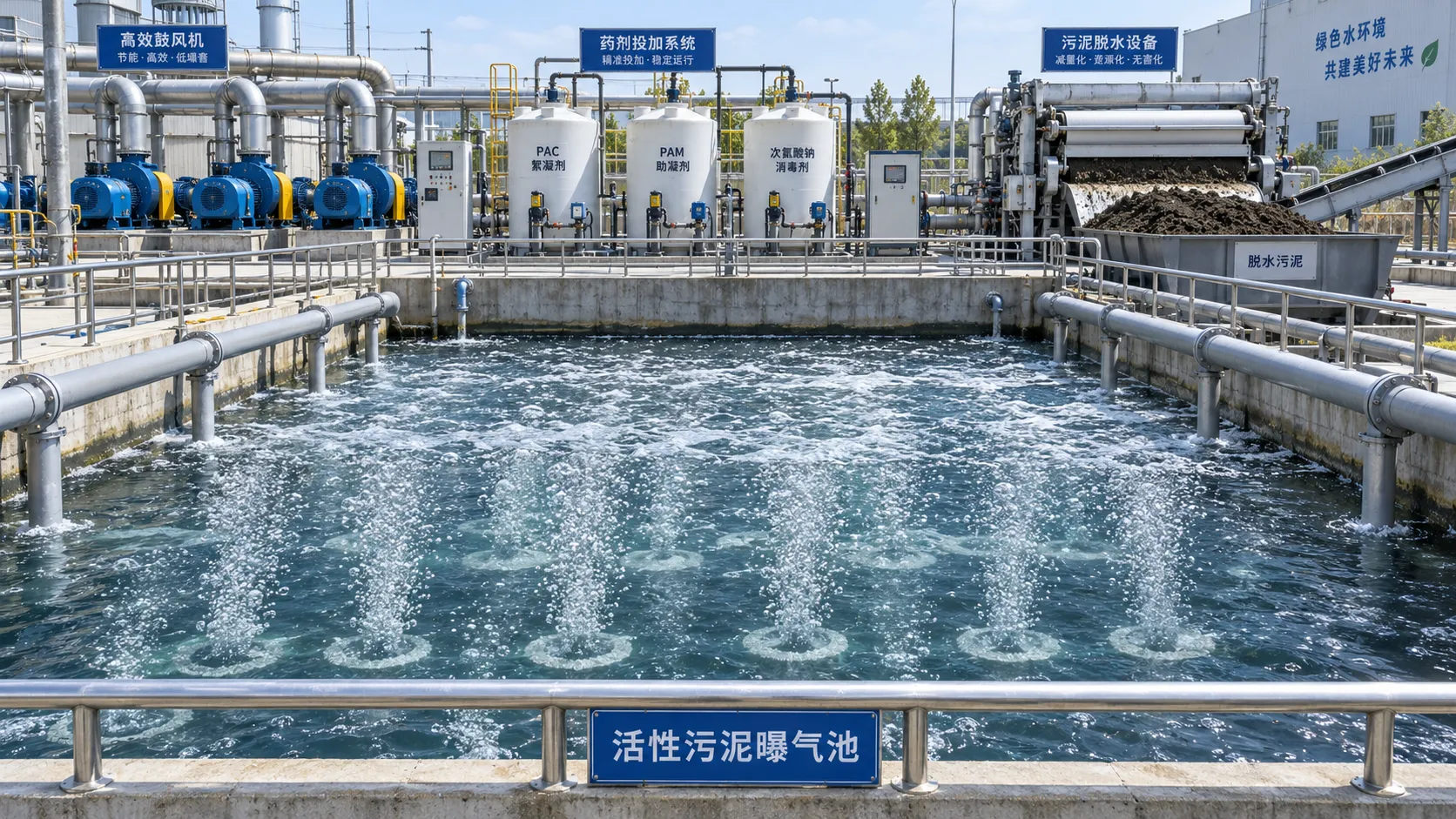
Activated Sludge Cost: Budgeting Energy, Chemicals, Sludge, and Labor
Activated sludge cost explained: compare energy, chemicals, sludge disposal, labor, and compliance risks to build a reliable lifecycle budget.
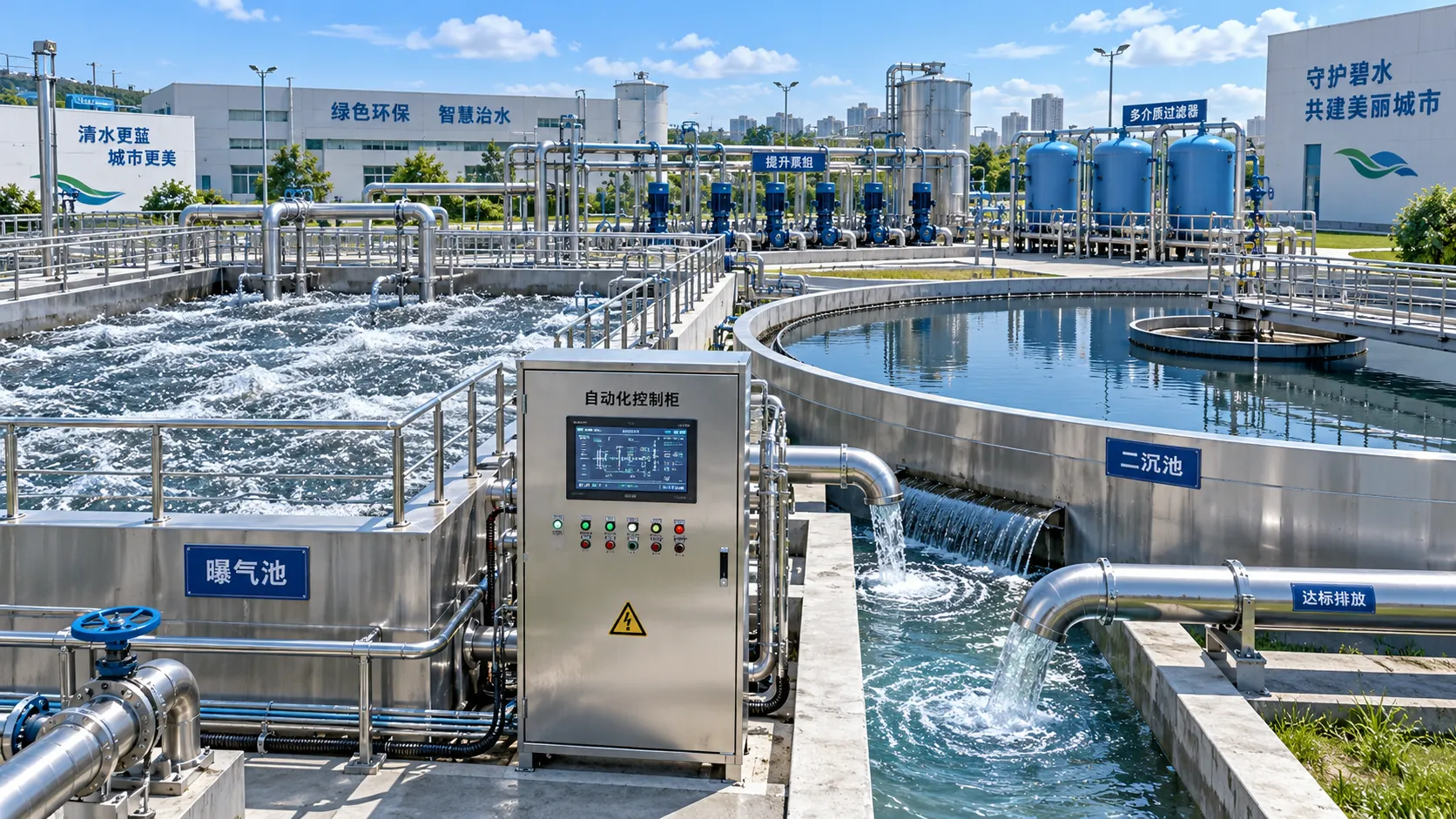
When Should Municipal Wastewater Plants Upgrade Treatment Capacity and Controls?
Municipal wastewater treatment upgrades: learn when capacity, controls, and resilient planning are needed to protect compliance and optimize plant performance.