
Industry News
Curation by industry experts
Hot Articles
Popular Tags
Sustainable Resource Management Tools: ROI Signals
For business evaluators, sustainable resource management tools are no longer a compliance checkbox—they are becoming measurable ROI signals across water treatment, waste recovery, desalination, flue gas control, and nuclear waste safety.
As environmental regulations tighten and capital projects face sharper scrutiny, intelligence must connect purification performance, lifecycle cost, carbon exposure, and resource recovery value.
This article explains how sustainable resource management tools reveal investment-grade indicators for profitability, resilience, and long-term competitive advantage.
What Are Sustainable Resource Management Tools in High-End Eco-Engineering?
Sustainable resource management tools are digital, mechanical, analytical, and governance systems that optimize the use, recovery, and protection of critical resources.
They include ZLD systems, SWRO membrane trains, AI sorting lines, SCR controls, FGD scrubbers, and nuclear waste stabilization platforms.
The strongest sustainable resource management tools do not measure sustainability in isolation. They connect environmental performance with bankable operational outcomes.
That means linking water reuse, energy intensity, waste recovery, emissions reduction, and regulatory exposure into a single decision framework.
In large water treatment plants, the tools measure contaminant removal, brine concentration, chemical consumption, and reuse stability.
In solid waste recovery, they evaluate sorting accuracy, pyrolysis yield, secondary material quality, and landfill diversion value.
In flue gas treatment, sustainable resource management tools track SOx, NOx, particulate capture, ammonia slip, reagent cost, and carbon-related penalties.
For desalination, they assess recovery ratio, membrane fouling, specific energy consumption, remineralization cost, and intake risk.
For nuclear waste management, they help verify containment reliability, vitrification stability, dose control, and lifecycle safety obligations.
Why Do Sustainable Resource Management Tools Produce ROI Signals?
ROI signals emerge when technical data becomes financial evidence. Sustainable resource management tools convert engineering performance into measurable economic indicators.
A lower membrane fouling rate becomes fewer cleanings, longer asset life, and less downtime. That is an operating margin signal.
Higher AI sorting precision becomes better recovered material quality. That supports resale value and reduces disposal fees.
Improved SCR catalyst activity at low temperature reduces energy penalties and non-compliance risk during variable industrial loads.
These signals matter because environmental infrastructure often requires long payback periods, complex permitting, and high reliability expectations.
Sustainable resource management tools strengthen investment confidence by making cost avoidance, efficiency gains, and resilience benefits visible.
- Reduced water intake through reuse and ZLD integration.
- Lower carbon exposure under tightening trade and emissions rules.
- Higher uptime through predictive maintenance and condition monitoring.
- Improved bidding authority in public infrastructure projects.
- Stronger proof for ESG, CBAM, and environmental compliance reporting.
The real value is not only reduced cost. It is the ability to prove why an asset deserves capital allocation.
Which ROI Metrics Should Be Tracked First?
The first metrics should connect directly to risk, cash flow, and operating continuity. Sustainable resource management tools become useful when indicators are prioritized.
Start with lifecycle cost instead of purchase cost. Many eco-engineering assets fail ROI tests because hidden operating costs are underestimated.
Energy intensity is another primary metric. Desalination, evaporation, air pollution control, and thermal recovery systems can be energy-sensitive.
Water recovery ratio is critical for water-stressed regions and industrial parks facing stricter discharge limits.
Material recovery value matters in circular economy projects. Recovered metals, plastics, salts, and construction aggregates can reshape project economics.
Compliance margin is often overlooked. Sustainable resource management tools should show how far performance remains from legal thresholds.
When these metrics are combined, sustainable resource management tools support clearer capital ranking across competing projects.
Where Do These Tools Create the Strongest Impact?
Impact is strongest where environmental limits, resource scarcity, and regulatory penalties converge. Sustainable resource management tools are especially valuable in complex industrial ecosystems.
Large Water Treatment and ZLD
In high-concentration wastewater, sustainable resource management tools identify the economic balance between reuse, evaporation, crystallization, and discharge compliance.
They help detect scaling risk, chemical overdosing, membrane aging, and brine management costs before they damage project returns.
Solid Waste Recovery and Urban Mining
For waste recovery networks, the tools measure whether sorting quality supports real circular value or only shifts waste downstream.
AI vision, robotic picking, pyrolysis monitoring, and product certification data turn waste streams into auditable resource flows.
Seawater Desalination and Water Security
Desalination projects gain from tracking membrane performance, intake variability, energy recovery device efficiency, and brine discharge obligations.
Sustainable resource management tools can separate attractive water security value from fragile economics caused by energy volatility.
Flue Gas and Nuclear Waste Safety
In flue gas treatment, ROI depends on pollutant capture, reagent optimization, catalyst life, and stable operation under load variation.
In nuclear waste management, financial logic includes containment durability, regulatory certainty, transport safety, and long-term monitoring responsibility.
How Should Sustainable Resource Management Tools Be Compared?
Comparison should move beyond feature lists. Sustainable resource management tools should be assessed through performance proof, integration depth, and lifecycle reliability.
A tool that produces elegant dashboards but weak operational decisions has limited ROI value.
A stronger platform connects sensors, process models, compliance records, cost assumptions, and maintenance workflows.
The comparison should also include scalability. Pilot results may not survive full-scale variability in industrial wastewater or mixed solid waste.
- Verify baseline data quality before accepting claimed savings.
- Check whether the system handles local regulations and reporting formats.
- Review interoperability with SCADA, laboratory systems, and asset management tools.
- Test decision latency during abnormal events, not only stable operation.
- Compare total lifecycle cost, including upgrades, calibration, training, and cybersecurity.
The best sustainable resource management tools make trade-offs transparent. They show when extra purification is profitable, necessary, or technically excessive.
What Risks and Misunderstandings Should Be Avoided?
The first misunderstanding is treating sustainability data as automatically reliable. Poor sensors and inconsistent sampling can create false ROI confidence.
The second risk is ignoring boundary conditions. A desalination system can look efficient while upstream intake impacts remain unresolved.
The third risk is overvaluing recovery without market validation. Recovered resources need buyers, specifications, logistics, and quality assurance.
Sustainable resource management tools must also avoid narrow optimization. Reducing one pollutant should not increase another hidden environmental burden.
Cybersecurity is another concern. Connected treatment plants, sorting lines, and safety systems can become operational risk points.
Regulatory change creates both opportunity and uncertainty. CBAM, water reuse mandates, and waste traceability rules may shift investment priorities quickly.
How Can an Implementation Roadmap Improve Payback?
Implementation should begin with a resource-risk map. This identifies where water, waste, emissions, energy, and safety risks affect economics.
Next, define the financial questions that sustainable resource management tools must answer. Examples include payback period, avoided penalties, and reuse value.
A phased rollout reduces risk. Begin with high-impact assets, then expand toward cross-site optimization and strategic reporting.
- Phase one: baseline data, compliance gaps, and asset condition.
- Phase two: process optimization, predictive maintenance, and resource recovery tracking.
- Phase three: carbon exposure modeling, procurement support, and project portfolio ranking.
- Phase four: continuous improvement linked to regulations and technology upgrades.
This roadmap turns sustainable resource management tools from monitoring systems into strategic intelligence infrastructure.
It also supports stronger EPC evaluation, equipment selection, and long-term service planning across ecological engineering assets.
Conclusion: Turning Eco-Engineering Data into Investable Intelligence
Sustainable resource management tools now define how advanced environmental infrastructure proves value beyond compliance.
They translate purification limits, recovery logic, emissions control, desalination economics, and nuclear safety assurance into ROI signals.
The most useful approach is disciplined: verify data, compare lifecycle performance, map regulatory exposure, and validate recovered resource markets.
Organizations can begin by auditing one critical process where resource loss, compliance pressure, or energy cost is already visible.
From there, sustainable resource management tools can guide smarter investment, stronger resilience, and a more credible path toward circular, low-carbon operations.
- water treatment
- ZLD systems
- industrial wastewater
- solid waste recovery
- urban mining
- flue gas treatment
- air pollution control
- seawater desalination
- nuclear waste management
- nuclear safety
- environmental regulations
- circular economy
- FGD scrubbers
- resource recovery
- decarbonization
- ecological engineering
- environmental compliance
- nuclear waste safety
- sustainable resource management
- sustainable resource management tools
Recommended News
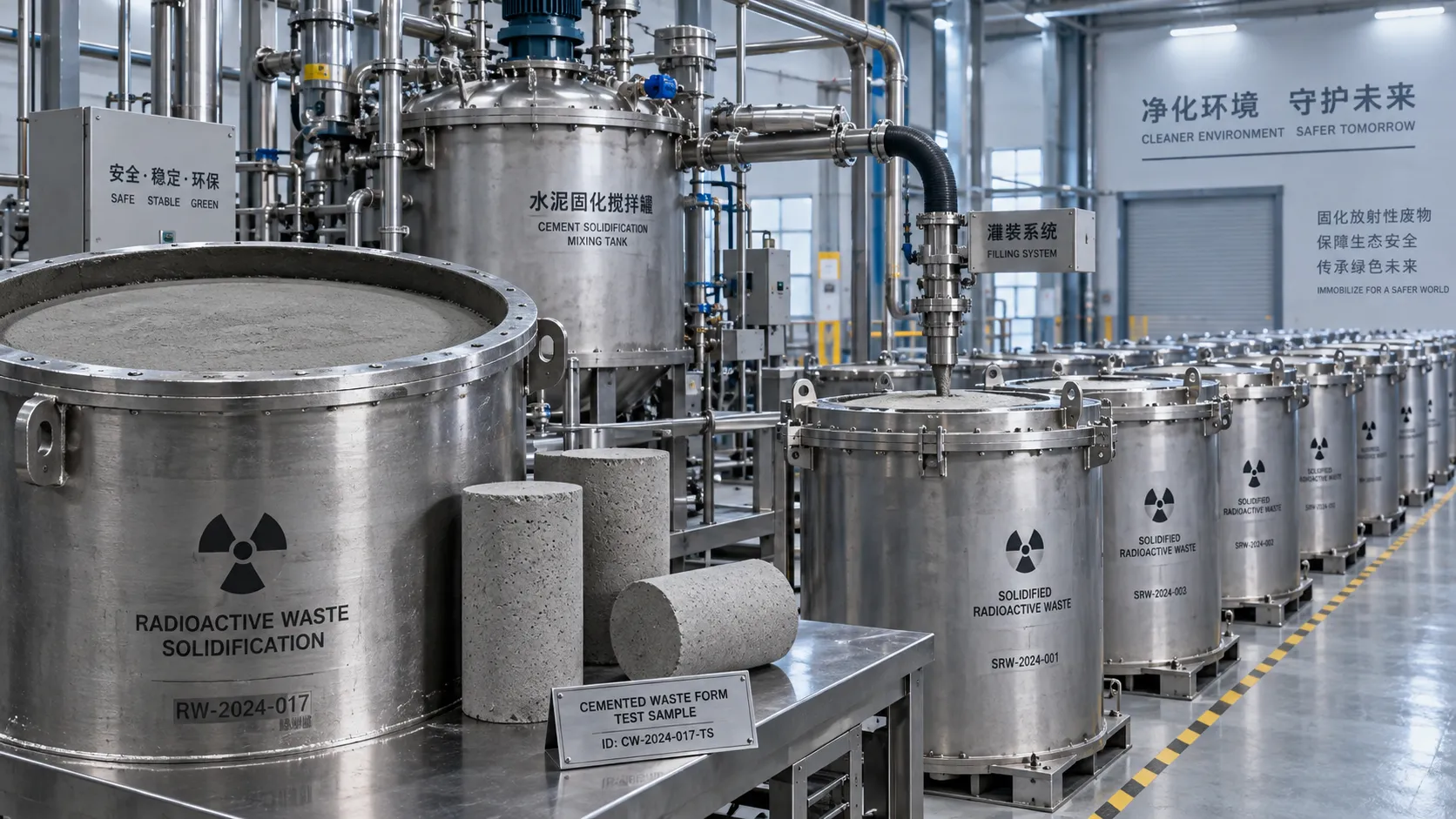
When is cementation suitable for nuclear decommissioning waste?
Explore nuclear waste treatment technology for decommissioning: learn when cementation fits, which risks to assess, and how disposal criteria guide an effective treatment choice.
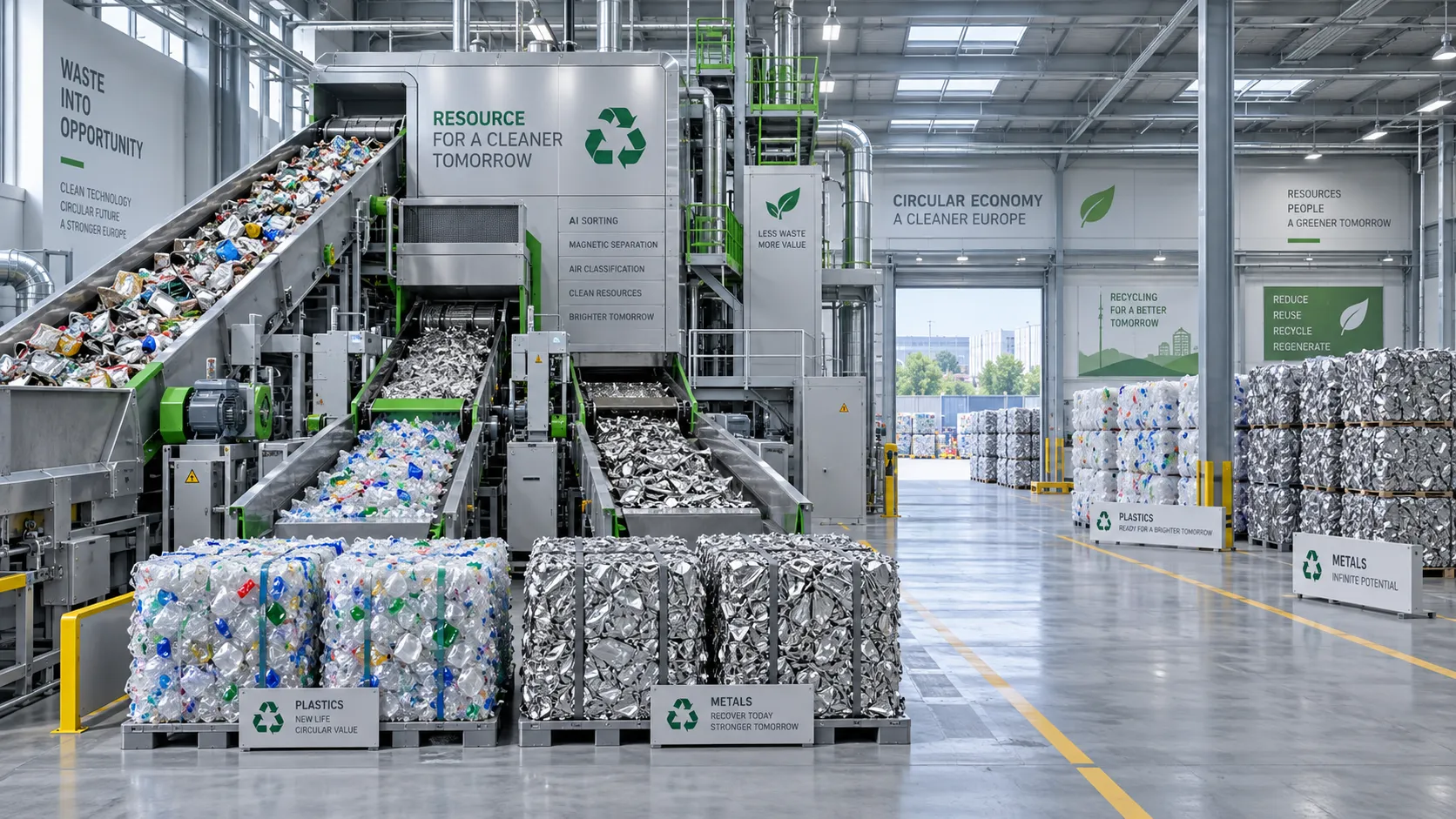
What determines payback for waste-to-resource systems in Europe?
Assess waste-to-resource systems Europe-wide: compare feedstock, recovery yields, costs and contracts to uncover payback drivers and make smarter investment decisions.
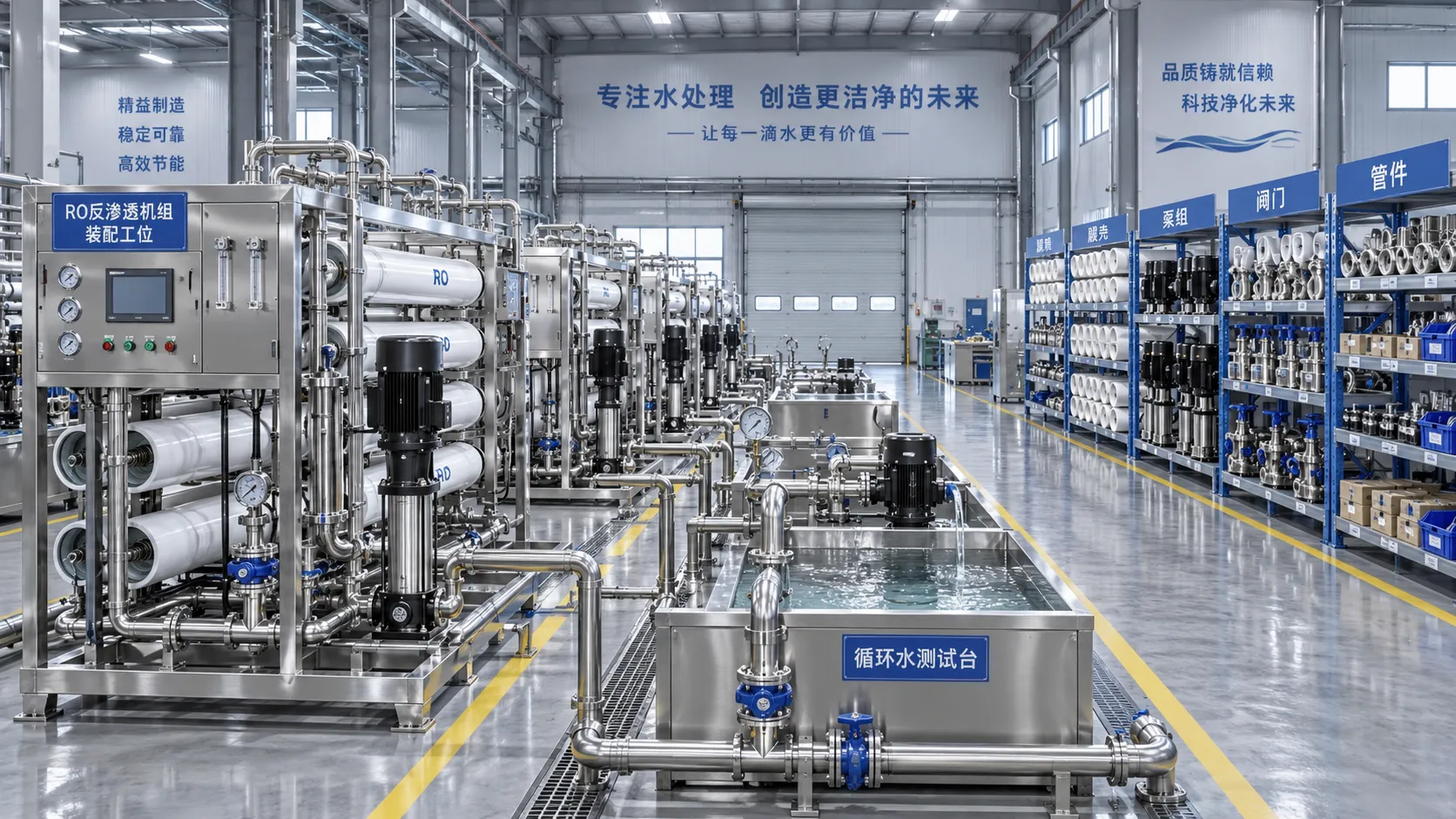
How to verify a water treatment system factory’s production capacity
Verify a water treatment systems factory’s production capacity through records, bottlenecks, component availability, and testing. Learn what to check before accepting a delivery promise.
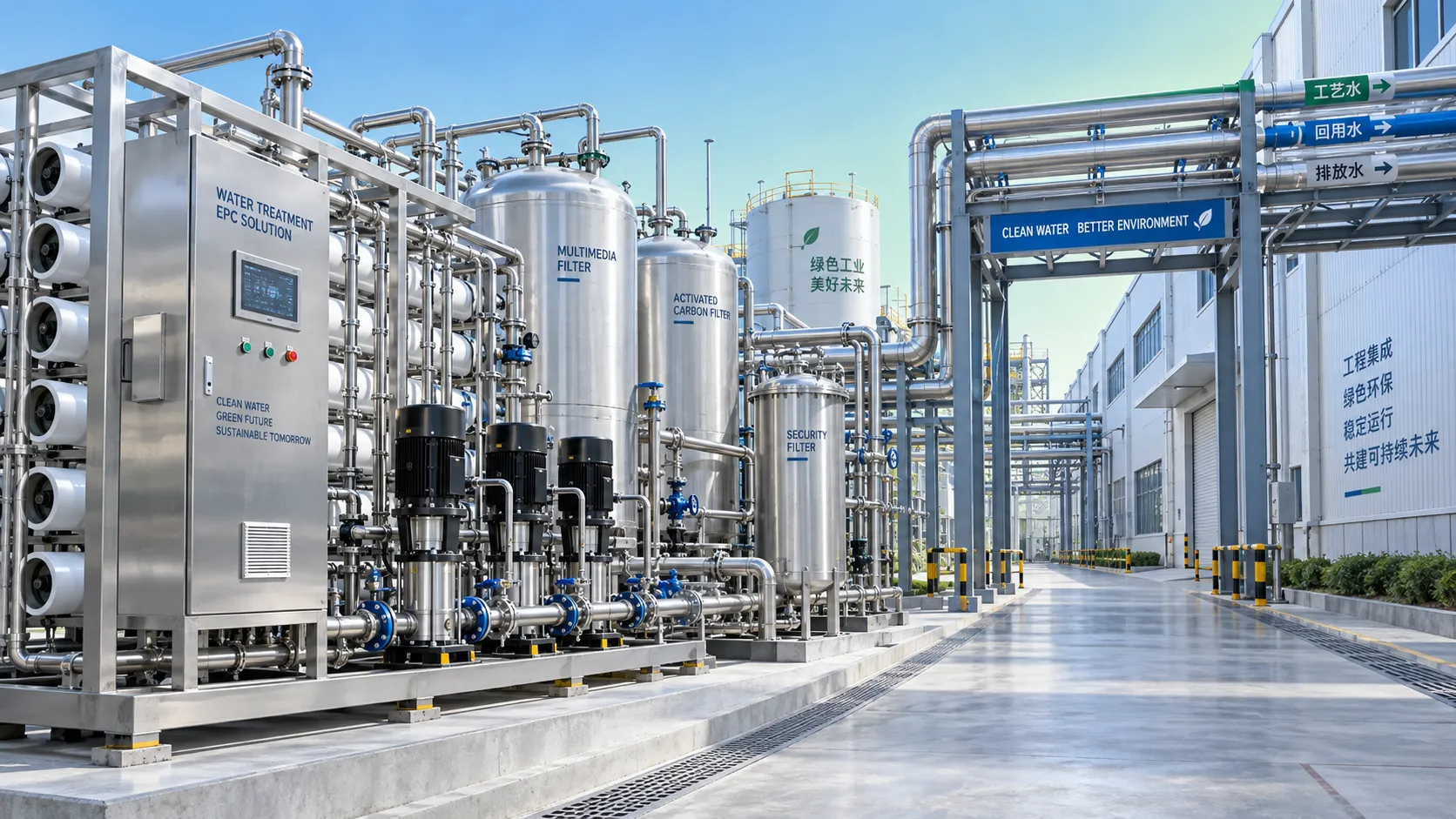
When does EPC environmental project support reduce delivery risk?
EPC environmental project support engineering reduces delivery risk by aligning design, procurement, compliance, construction, and commissioning decisions.
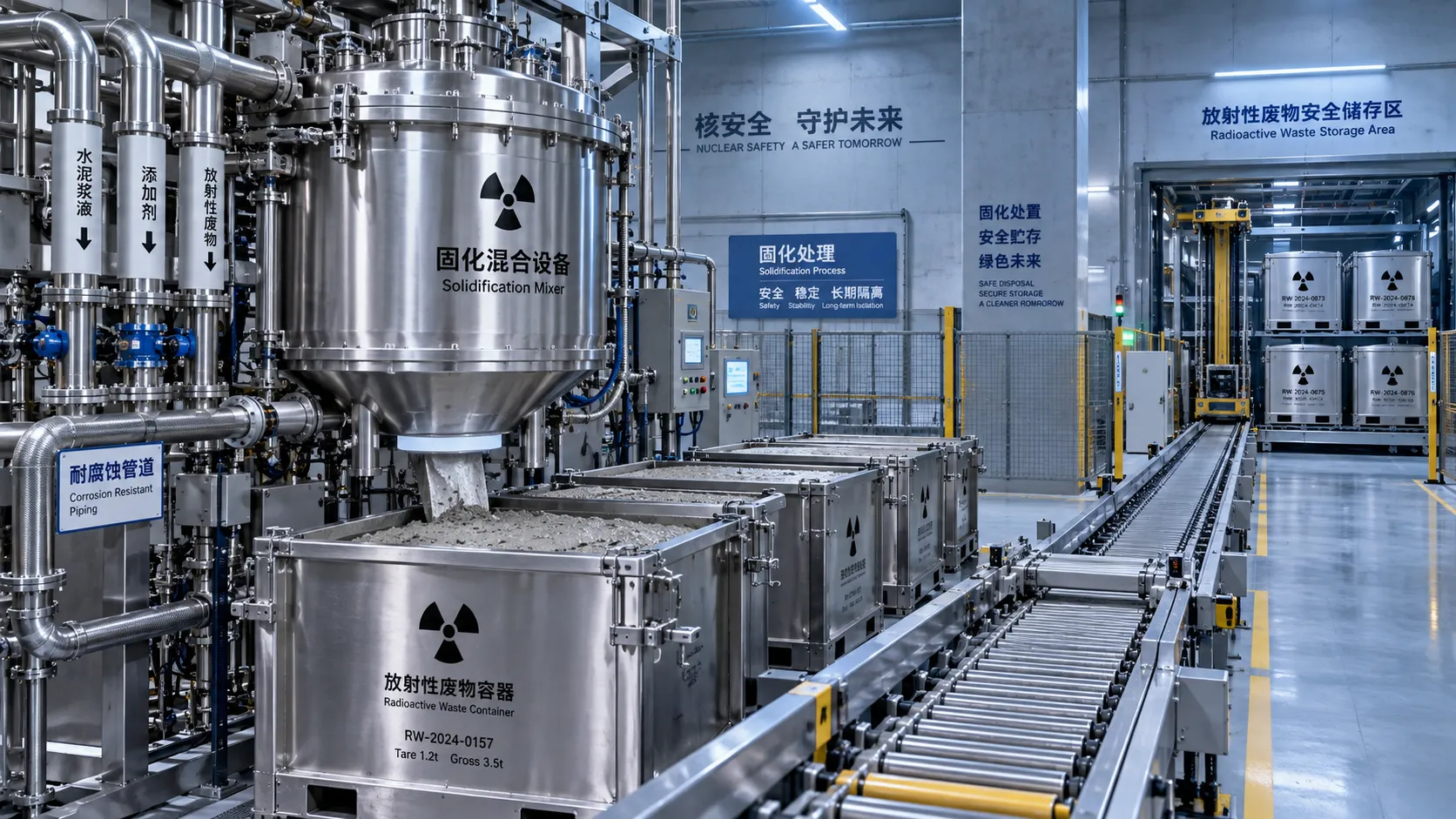
How nuclear plants select a radioactive waste solidification method
Radioactive waste management for nuclear plants: compare vitrification, cementation, polymers, and ceramics to select a compliant, durable solidification solution.
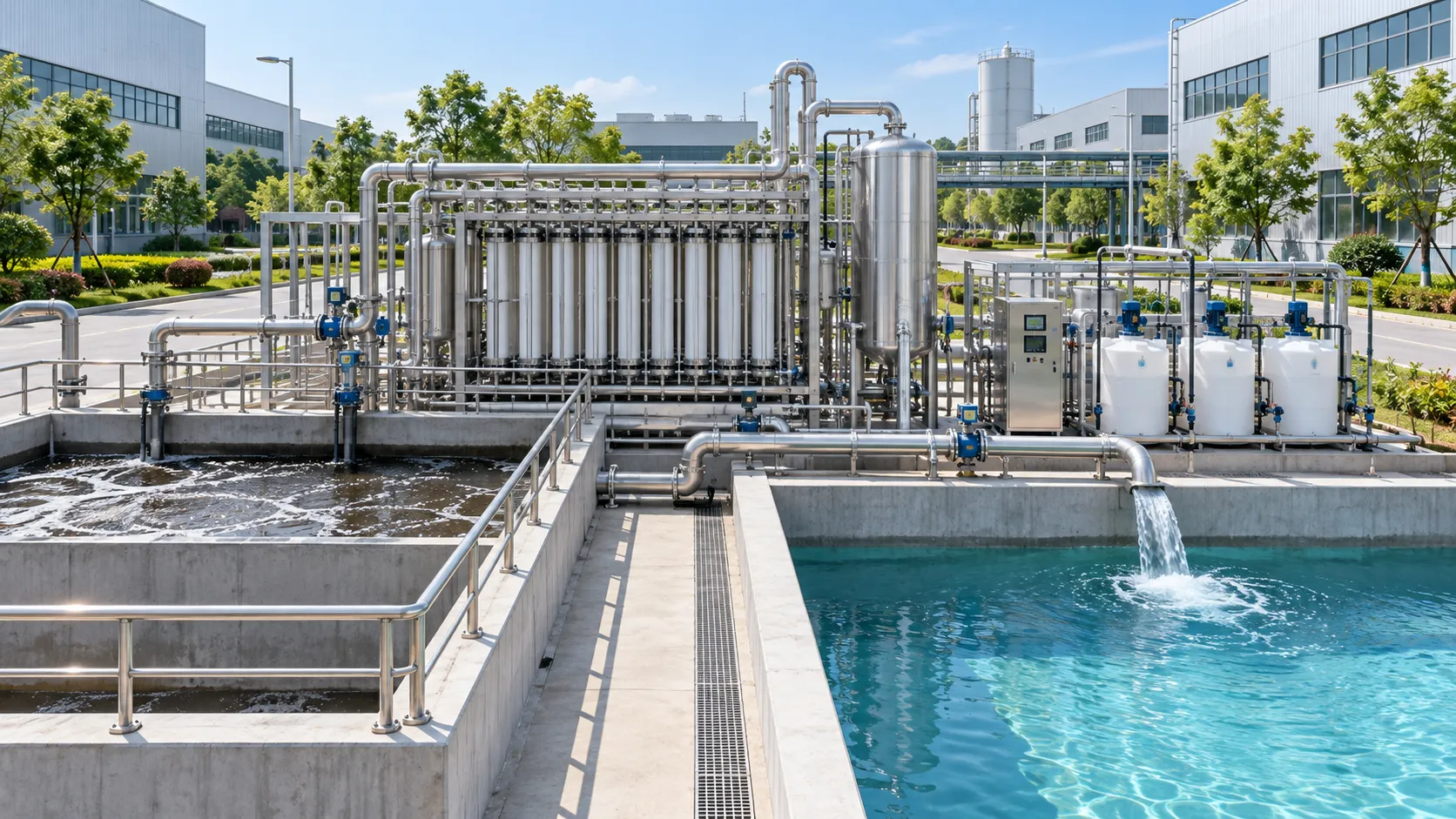
Comparing Upgrade Costs for Industrial Park Wastewater Treatment Systems
Compare costs for wastewater system upgrades in industrial parks with a lifecycle view of CAPEX, OPEX, compliance, resilience, and future expansion.
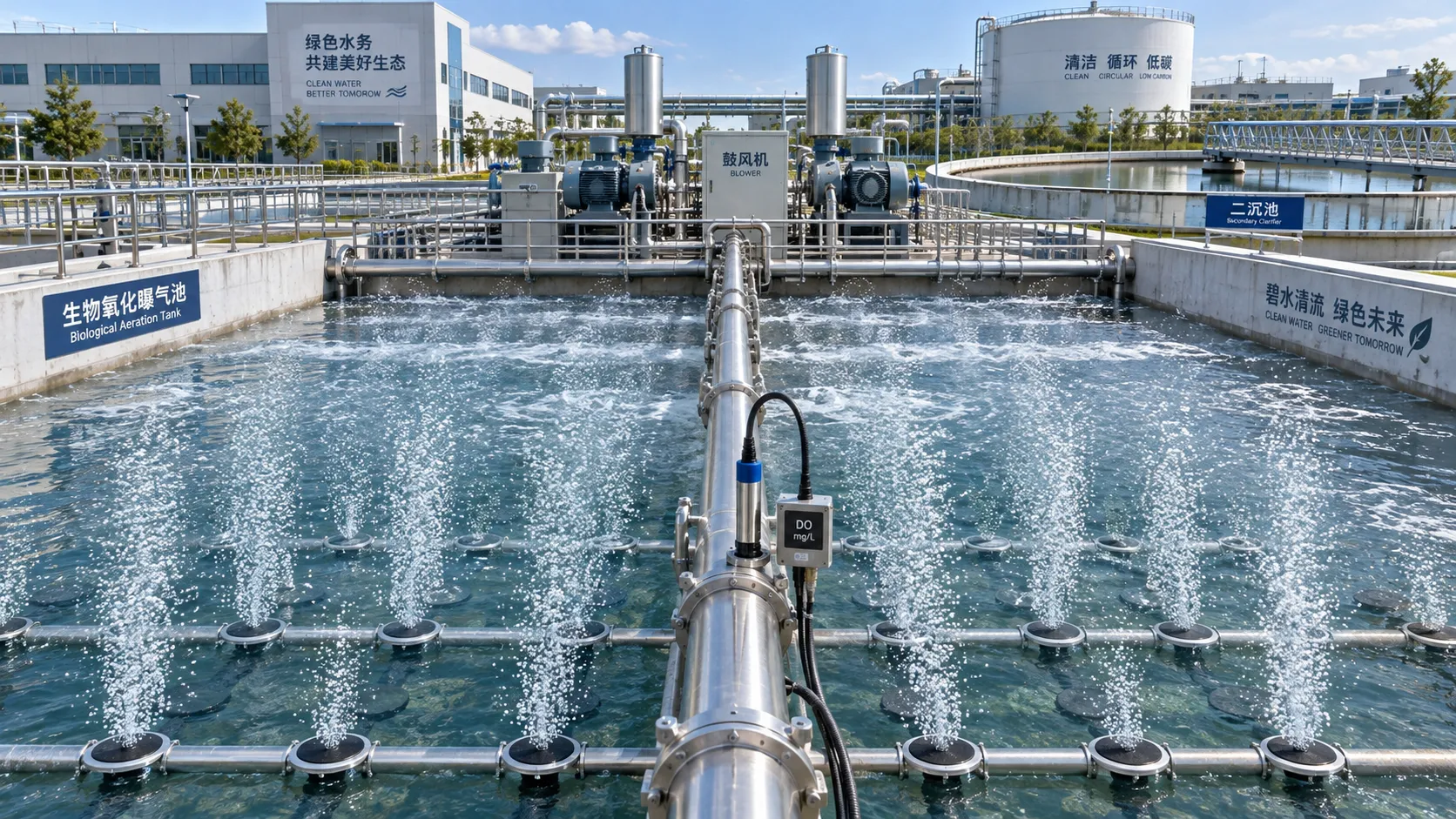
Biological Wastewater Oxidation Explained: Aeration Demand and Process Control
Biological wastewater oxidation explained: optimize aeration demand, DO control, nitrification, and sludge age for stable effluent quality and lower energy costs.
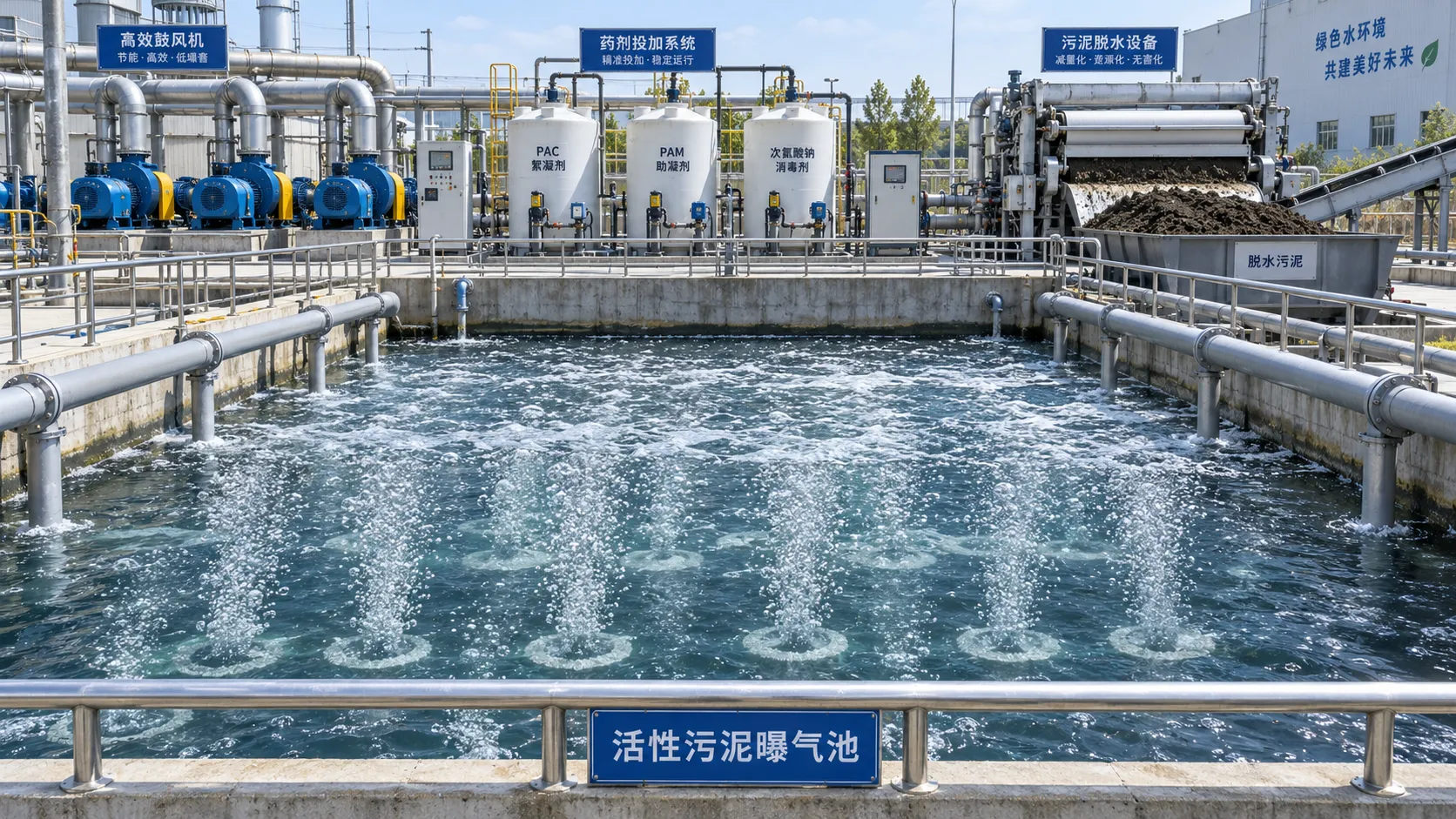
Activated Sludge Cost: Budgeting Energy, Chemicals, Sludge, and Labor
Activated sludge cost explained: compare energy, chemicals, sludge disposal, labor, and compliance risks to build a reliable lifecycle budget.
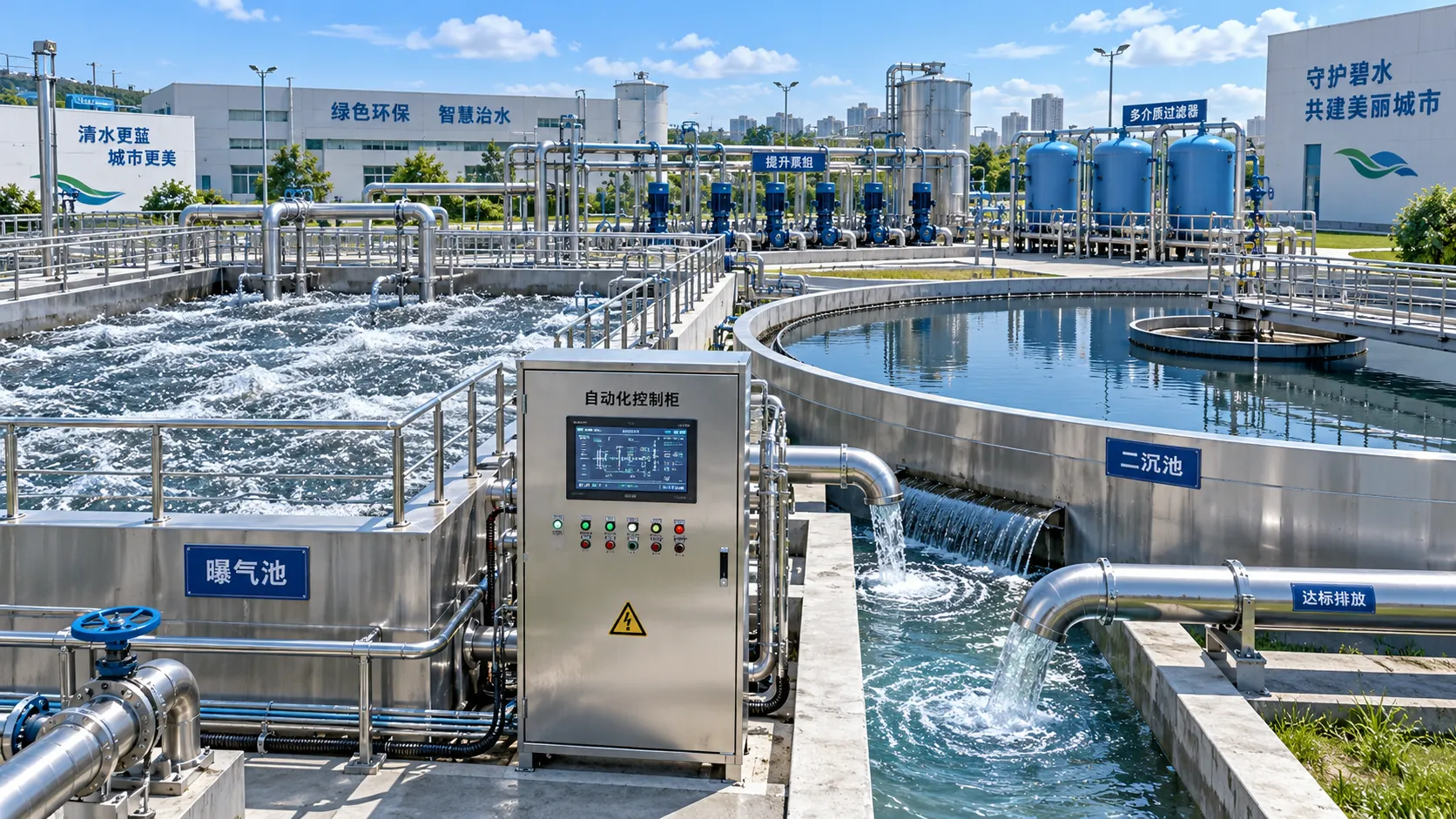
When Should Municipal Wastewater Plants Upgrade Treatment Capacity and Controls?
Municipal wastewater treatment upgrades: learn when capacity, controls, and resilient planning are needed to protect compliance and optimize plant performance.