
Industry News
Curation by industry experts
Hot Articles
Popular Tags
Seawater Desalination Plants: SWRO vs MED for Energy and Lifecycle Cost
In seawater desalination plants, the comparison between SWRO and MED is rarely settled by capacity alone. Real project value depends on how each process converts energy into water, how it behaves under unstable intake conditions, and how maintenance, replacement, and compliance costs accumulate over decades.
That is why this decision now sits at the center of broader ecological engineering. For platforms such as ESD, where desalination is assessed alongside water treatment, emissions control, and circular resource systems, technology choice is not isolated. It affects carbon intensity, plant resilience, procurement strategy, and long-term asset performance.
Why the SWRO versus MED choice matters now
Demand for seawater desalination plants is expanding in coastal cities, industrial clusters, islands, mining corridors, and energy projects. At the same time, electricity prices, decarbonization pressure, and stricter discharge rules are changing what counts as an economical design.
A plant that looks efficient on paper can become expensive in practice. Intake fouling, seasonal algae events, corrosion, thermal scaling, brine management, and spare-part logistics often reshape lifecycle cost more than initial selection models suggest.
This is especially relevant in large infrastructure programs. EPC teams and asset owners increasingly need an evidence-based view that connects process performance with financing, grid conditions, environmental approval, and service life.
Two mature paths to freshwater, but very different operating logics
SWRO, or seawater reverse osmosis, separates salts through semi-permeable membranes under high pressure. Its economics are driven by electrical power, pretreatment quality, membrane condition, recovery rate, and the effectiveness of energy recovery devices.
MED, or multi-effect distillation, produces freshwater by evaporating seawater across multiple stages using thermal energy. Its performance depends on steam or waste heat availability, heat-transfer efficiency, scaling control, and the durability of evaporator tubes and associated materials.
Both are established choices for seawater desalination plants. The practical difference is that SWRO mainly converts electrical energy and membrane integrity into output, while MED converts thermal stability and heat integration into output.
Energy intensity is only the first layer
Where SWRO usually leads
Modern SWRO systems generally show lower specific energy consumption than MED when only direct desalination energy is compared. With efficient pumps and energy recovery devices, SWRO often becomes the default option for grid-powered municipal projects.
That advantage is strongest when intake water quality is manageable and pretreatment is robust. Stable suspended solids, low biofouling pressure, and disciplined chemical cleaning routines help SWRO preserve its design efficiency.
Where MED can close the gap
MED looks different when low-cost thermal energy is already present. In cogeneration sites, refinery complexes, or power-water integrated facilities, available steam or waste heat can reduce the commercial penalty of thermal desalination.
Under those conditions, direct electrical comparisons can be misleading. MED may consume more total energy in thermodynamic terms, yet still deliver favorable operating economics if its heat source has low marginal value.
For technical evaluation, the key question is not only “Which process uses less energy?” It is “What type of energy is locally available, controllable, and affordable across the full contract horizon?”
Lifecycle cost is shaped by failure modes, not averages
In seawater desalination plants, lifecycle cost is usually decided by recurring disruptions. Average efficiency values matter, but unplanned downtime, major component replacement, and performance degradation often have greater financial impact.
SWRO usually carries lower capital intensity per installed output, but membrane replacement cycles, cartridge filtration load, intake upsets, and chemical consumption can gradually erode that advantage.
MED often starts with higher capital cost due to heat exchange surfaces, materials selection, and thermal equipment. Yet its operating profile can be attractive where long-life mechanical stability matters more than extreme electrical efficiency.
Pretreatment and materials decide more than brochures suggest
For SWRO, pretreatment is not a peripheral package. It is a strategic barrier against fouling, biofilm growth, and differential pressure rise. In many seawater desalination plants, the strongest predictor of membrane life is the quality and consistency of pretreatment.
Open intakes exposed to algal blooms, red tides, or high turbidity require conservative design. Dissolved air flotation, ultrafiltration, and optimized chemical dosing may improve reliability, but they also add cost and operational complexity.
MED reduces dependence on membrane integrity, yet it does not escape seawater chemistry. Scaling control, anti-corrosion metallurgy, and periodic cleaning are central. If tube materials are poorly matched to salinity, temperature, or cleaning chemicals, lifecycle cost rises quickly.
From ESD’s broader equipment intelligence perspective, this is where hidden value sits. Equipment decisions should be linked to the actual physicochemical profile of the site, not generic technology rankings.
Typical project settings favor different answers
Standalone coastal supply projects
For municipal or regional supply schemes with stable electricity access, SWRO often remains the stronger candidate. Its modularity, mature vendor ecosystem, and lower specific power profile fit phased expansion and competitive procurement.
Industrial campuses with usable waste heat
MED becomes more compelling where desalination is integrated into refineries, petrochemical bases, or power complexes. If thermal energy is already circulating through the site, MED can support a stable water supply with a different cost structure.
High-fouling or difficult seawater environments
Neither technology is automatically protected from difficult feedwater. However, in regions with severe biological variability, decision-makers often compare the added pretreatment burden of SWRO against the thermal and materials penalties of MED.
Strategic infrastructure requiring resilience
Where uptime has exceptional value, the preferred process may be the one that best matches local maintenance capability, spare-part availability, and operator familiarity. Reliability is operational, not theoretical.
How to evaluate seawater desalination plants with more precision
A strong comparison between SWRO and MED usually comes from scenario-based evaluation rather than generic benchmarking. The following checkpoints are especially useful:
- Map the real energy mix, including power volatility, waste heat quality, and future carbon cost exposure.
- Test feedwater variability across seasons instead of relying on a single design snapshot.
- Model membrane replacement, tube cleaning, chemical usage, and outage intervals over the full asset life.
- Review discharge and compliance requirements, especially brine strategy, chemical residuals, and reporting obligations.
- Check whether local service networks can sustain the selected technology without long procurement delays.
This wider lens is increasingly important as desalination projects intersect with carbon reporting, water security policy, and capital discipline. A process that is technically viable but operationally mismatched can weaken the whole business case.
A practical reading of SWRO and MED
SWRO is usually the leading choice when electricity efficiency, modular deployment, and lower initial cost dominate the project logic. It performs best when intake control and pretreatment discipline are strong enough to protect membrane life.
MED becomes strategically relevant when thermal integration, durability under a specific operating regime, or broader utility-system coordination changes the economics. It is less about beating SWRO in every metric and more about fitting the site better.
For seawater desalination plants, the better answer is often the process that aligns most closely with local energy architecture, water quality risk, maintenance reality, and compliance trajectory. That is the level of judgment now required in major infrastructure planning.
The next step is to build a comparison framework around actual site data: intake conditions, energy pricing, outage tolerance, materials strategy, and replacement cycles. With that structure in place, the choice between SWRO and MED becomes less ideological and far more bankable.
Recommended News
When is compaction suitable for solid nuclear waste treatment?
Is compaction right for solid nuclear waste treatment? Discover suitable waste streams, key safety checks, and disposal requirements to reduce package volume and optimize costs.
How solids concentration affects dewatering in waste recovery systems
Optimize waste recovery systems dewatering with insights on solids concentration. Learn to balance throughput, cake dryness, and solids capture while avoiding costly equipment overloads.
How to compare technical specs in an environmental equipment directory
Use this environmental equipment directory technical guide to compare capacity, energy use, compliance, and supplier evidence. Build a defensible shortlist and choose with confidence.
How to assess a zero liquid discharge equipment supplier’s energy claims
Assess a zero liquid discharge equipment supplier’s energy claims. Learn how to verify system boundaries, compare real costs, and demand testable guarantees before you buy.
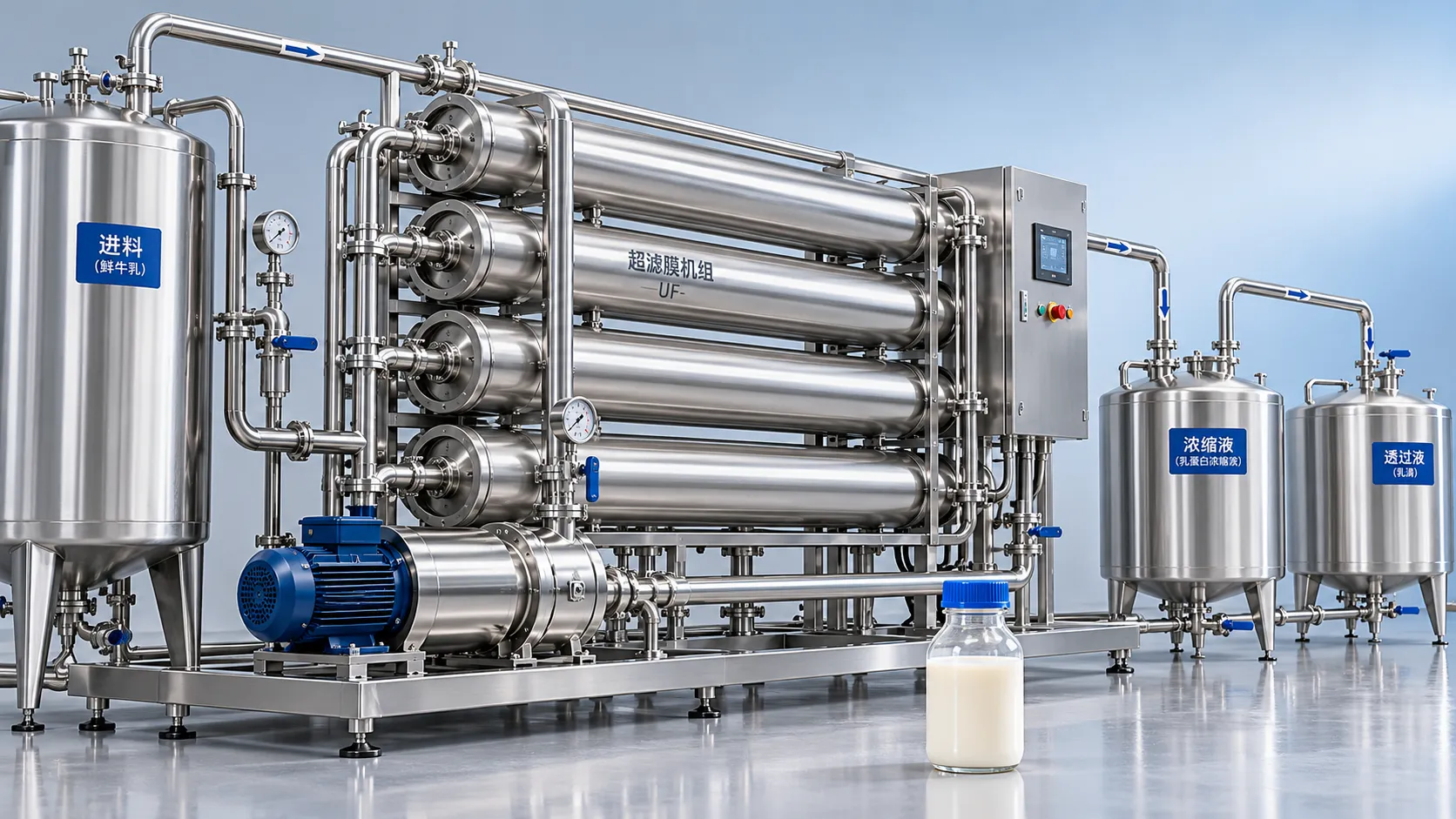
Which membrane filtration process suits dairy protein concentration?
Explore membrane filtration for dairy: compare UF, MF, and RO to select the right process for protein concentration, lactose reduction, and better recovery. Find your best fit.
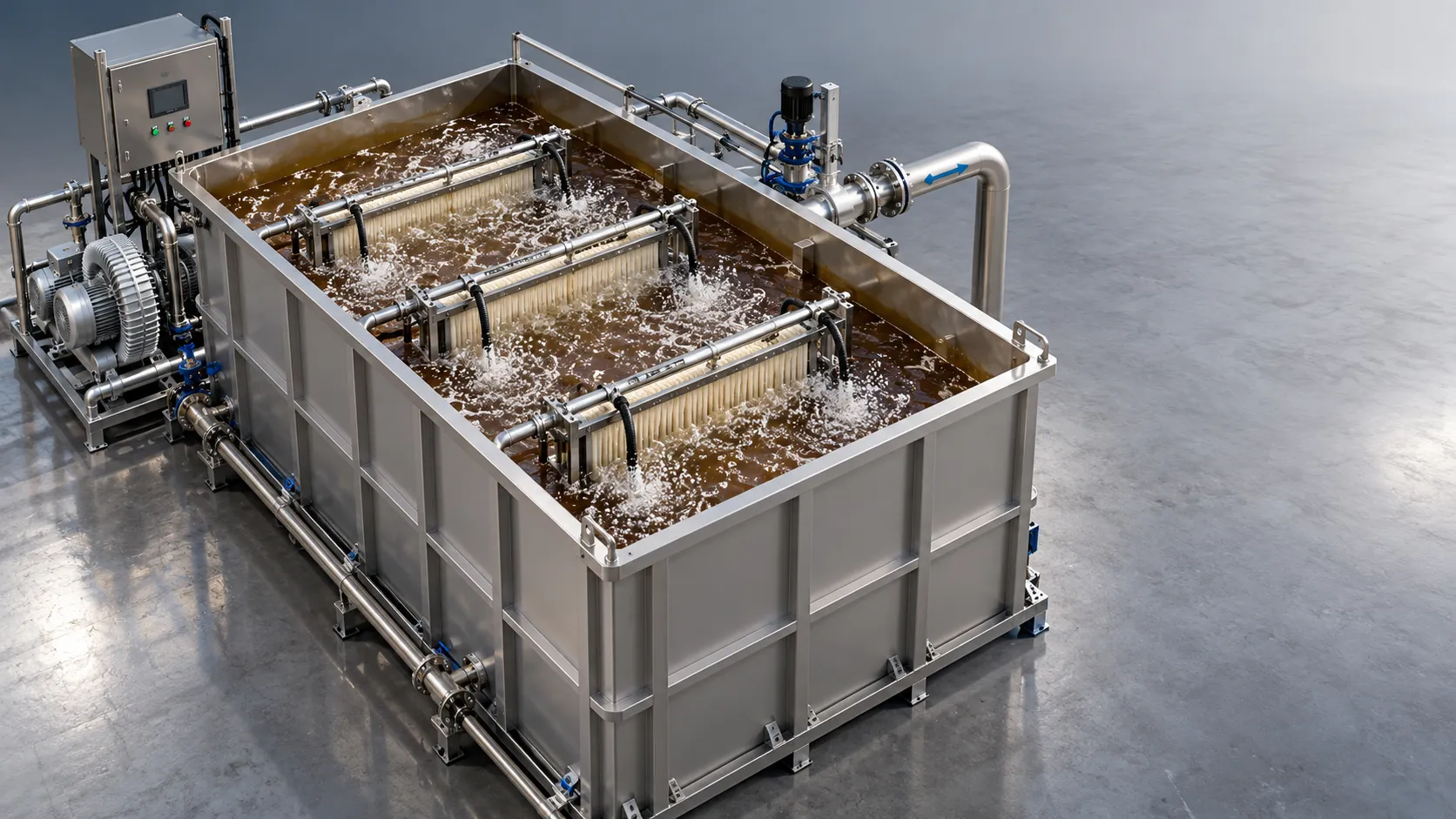
When is an MBR suitable for wastewater purification for bioprocessing?
For wastewater purification for bioprocessing, discover when an MBR fits your needs. Compare water quality, fouling risks, and lifecycle costs before investing.
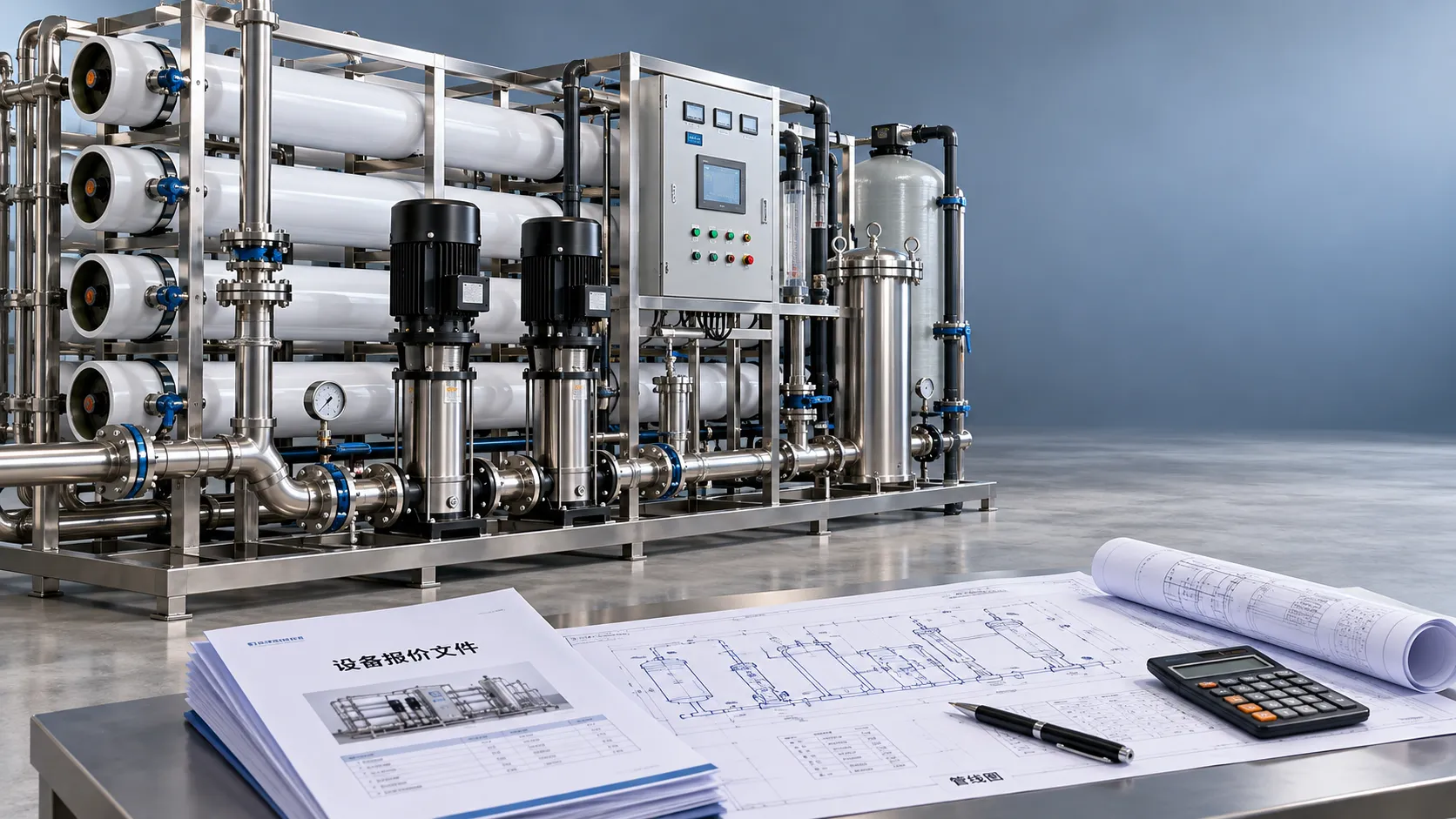
How to check a water treatment quotation for hidden project costs
Review your water treatment quotation for hidden costs, scope gaps, and operating expenses. Learn what to check before signing to protect your budget and avoid costly surprises.
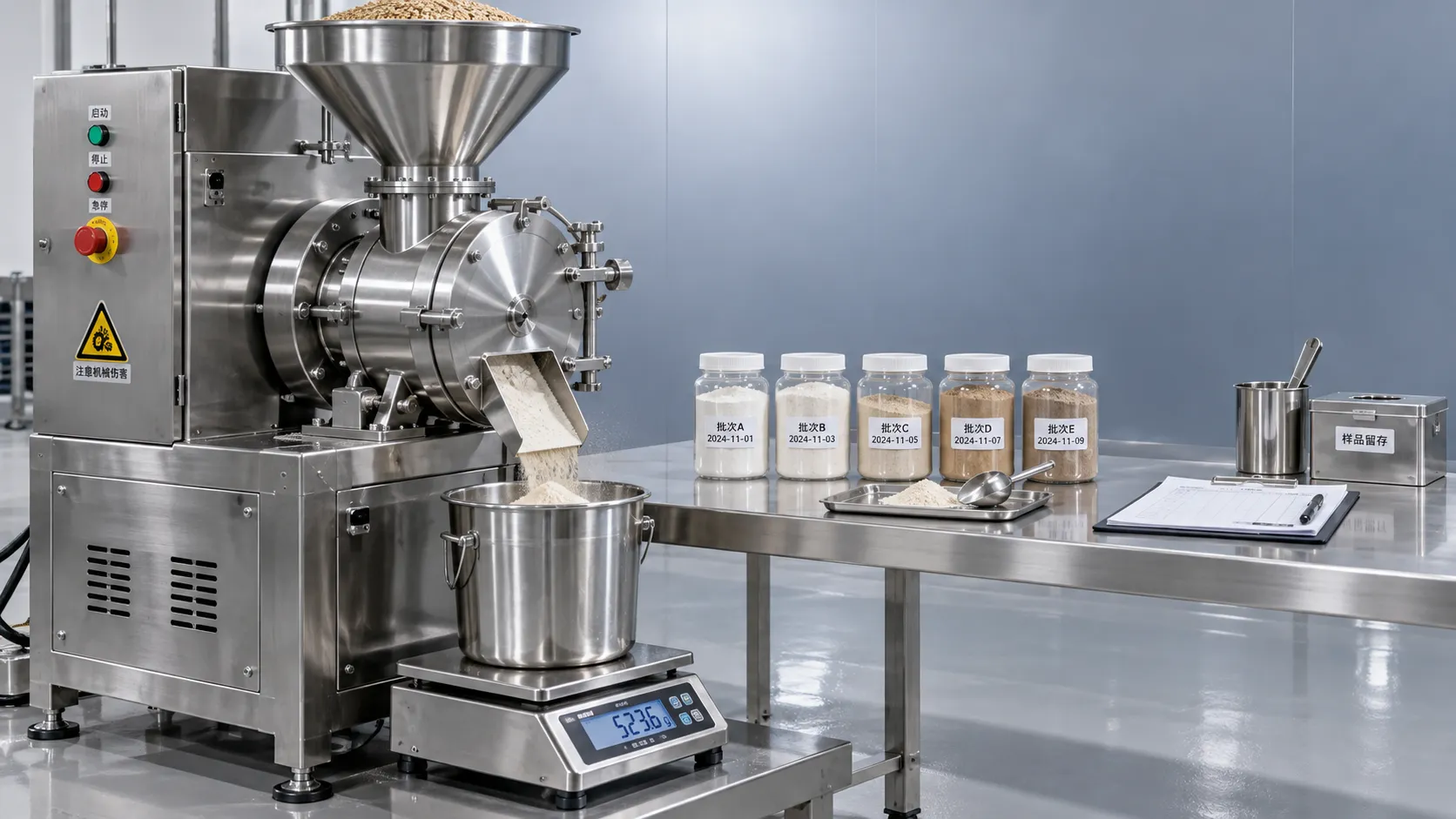
How to vet ingredient processing equipment manufacturers using trials
Vet ingredient processing equipment manufacturers with real-world trials. Learn how to verify yield, cleaning, energy use, and scale-up before you invest.
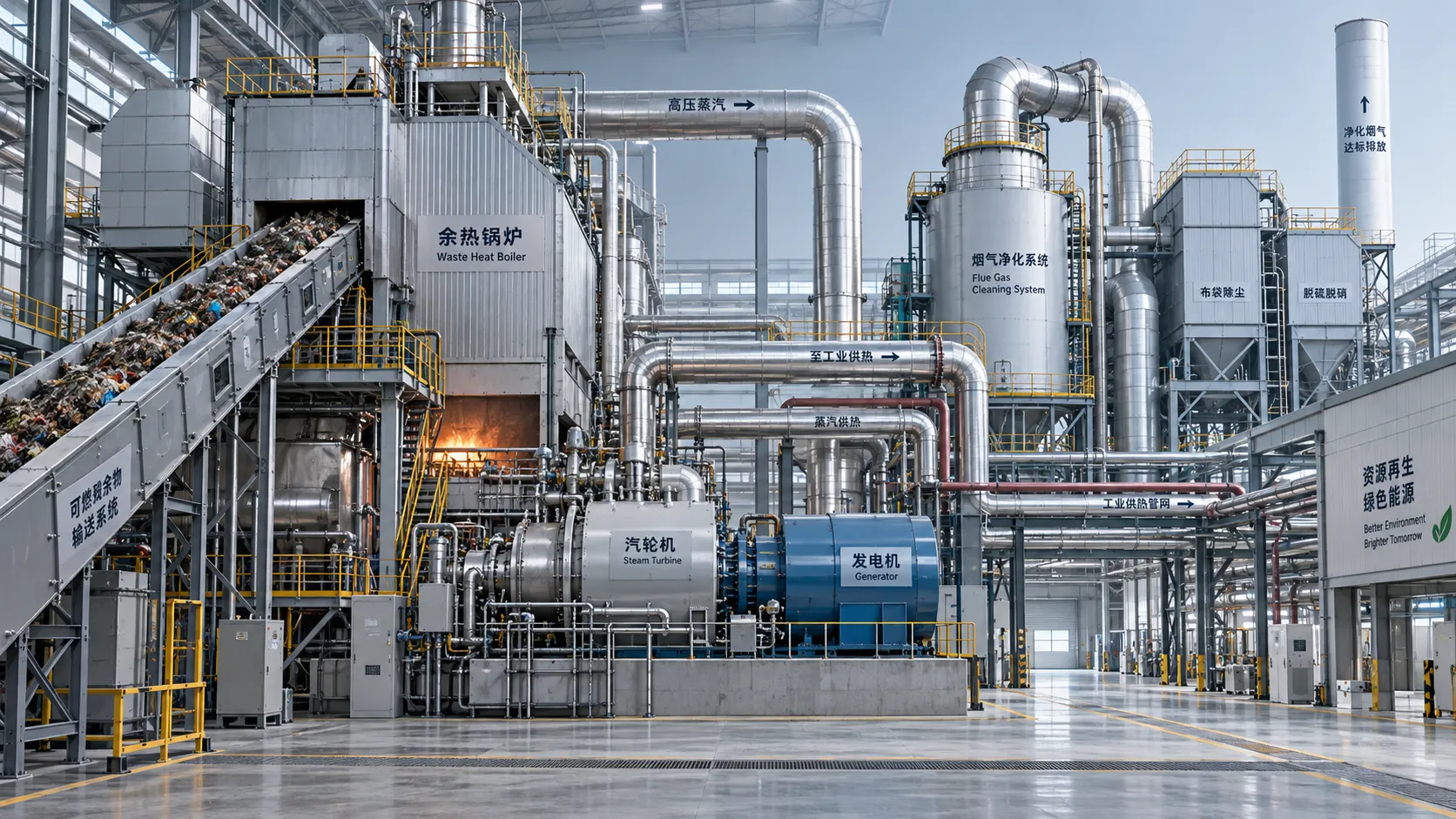
When is energy recovery viable in the solid waste recovery process?
When is energy recovery viable in the solid waste recovery process? Explore feedstock quality, net energy, emissions, and costs to assess feasibility and make smarter investment decisions.