
Industry News
Curation by industry experts
Hot Articles
Popular Tags
Low-Temperature Reaction Basics: Kinetics, Catalysts, and Scale-Up Limits
Low-temperature reaction behavior matters because many industrial systems rarely operate at ideal heat levels. In environmental engineering, that gap often decides efficiency, emissions stability, and long-term operating cost.
That is why the low-temperature reaction is watched closely in flue gas treatment, advanced water treatment, thermal recovery, desalination pretreatment, and nuclear waste support processes. A strong lab result means little if kinetics collapse under real flow, fouling, or compliance pressure.
Within ESD’s intelligence framework, low-temperature reaction analysis is useful because it connects catalyst chemistry, process constraints, and scale-up realism. The more practical question is not whether a reaction works, but whether it still works when heat, residence time, and contaminants become limiting.
What does a low-temperature reaction actually mean in practice?
A low-temperature reaction is not defined by one universal number. It describes a reaction occurring below the temperature range where conversion is usually easiest, fastest, or most selective.
In practical systems, lower temperature reduces molecular energy. That slows collision frequency and raises the influence of activation barriers, diffusion resistance, and surface poisoning.
The low-temperature reaction becomes important when heating is expensive, unavailable, unsafe, or limited by material stability. This is common in SCR units, biological-chemical hybrid treatment, gas polishing, and energy-sensitive recovery loops.
A useful way to read the term is this: lower temperature shifts process success from brute-force heat input toward smarter catalyst design, cleaner interfaces, and tighter process control.
Why do kinetics become the first bottleneck at lower temperatures?
Kinetics usually fail before equipment does. When temperature drops, the apparent rate constant falls, and conversion can decline sharply even if the reactor still looks mechanically stable.
That is why pilot data must be read carefully. A low-temperature reaction may appear acceptable at small scale because flow is uniform and feed composition is clean. Industrial conditions are less forgiving.
Three kinetic effects are especially common:
- Reaction rate drops faster than expected near the lower operating threshold.
- Selectivity shifts, creating more by-products or incomplete conversion.
- Mass transfer begins to compete with intrinsic chemistry, masking the true limitation.
In real projects, this matters because a low-temperature reaction rarely fails in one dramatic step. It more often drifts into unstable compliance, rising reagent use, and uneven bed performance.
For that reason, ESD-style technical screening often looks beyond nominal conversion. It asks how the rate changes across feed swings, cold starts, moisture variations, and partial fouling.
Can catalysts fully solve low-temperature reaction limits?
Catalysts help, but they do not repeal thermodynamics or transport limits. A better catalyst can lower activation energy, widen the operating window, and improve selectivity, yet performance still depends on the surrounding process.
This is especially visible in low-temperature SCR, odor oxidation, VOC cleanup, and advanced oxidation support systems. Catalyst brochures often emphasize peak activity, while field performance depends on sulfur tolerance, water resistance, ash exposure, and pressure-drop behavior.
More common evaluation mistakes include assuming that higher activity always means longer life, or that a catalyst tested with synthetic gas will behave the same in a contaminated stream.
A simple comparison table helps frame the decision.
So yes, catalysts are central to low-temperature reaction performance. Still, the right question is whether the catalyst remains active, cleanable, and controllable inside the full process envelope.
Where do scale-up limits usually appear first?
Scale-up problems often appear in heat transfer, residence-time distribution, and contaminant loading. These are less visible in laboratory reactors, where geometry is simple and thermal gradients are easy to manage.
For a low-temperature reaction, small heat losses can have a large effect. If the system is already near the minimum active window, a few degrees of local cooling may create dead zones.
In environmental systems, that can show up as ammonia slip in SCR, incomplete oxidation in gas cleanup, unstable pretreatment chemistry before membranes, or inconsistent destruction efficiency in hazardous waste support units.
The usual scale-up warning signs are worth checking early:
- Bench conversion stays high, but pilot conversion fluctuates with flow changes.
- Pressure drop rises faster than the reaction benefit.
- Sampling shows channeling or uneven reactant distribution.
- Deposits build at colder surfaces or inlet regions.
In other words, a low-temperature reaction is often scale-limited by non-chemical factors. That is why reactor internals, insulation, feed conditioning, and maintenance access deserve the same attention as catalyst choice.
How should low-temperature reaction feasibility be judged across sectors?
The answer depends on where the reaction sits in the process chain. In a large water treatment plant, lower-temperature chemistry may protect materials and save energy, but slower kinetics can enlarge reactors or complicate polishing.
In solid waste recovery, the low-temperature reaction may support selective conversion or preconditioning. Yet mixed feedstock and variable ash chemistry often make reproducibility harder than expected.
For flue gas treatment, low-temperature reaction performance is tightly linked to compliance. Emission control units must hold activity through load swings, sulfur stress, and prolonged operation below nominal thermal design.
In seawater desalination, the concern is often indirect. Pretreatment and brine-related side reactions at moderate temperatures can affect fouling, chemical consumption, and downstream membrane stability.
Nuclear waste support systems demand the strictest caution. Here, a low-temperature reaction may be attractive for containment or material protection, but reliability and long-term predictability outweigh any short-term energy gain.
A practical judgment matrix usually includes these questions:
- Is the lower temperature a process advantage or just a compromise?
- Can the reaction tolerate realistic contaminants and load variation?
- Does the lower energy demand offset added catalyst or reactor cost?
- Will compliance risk increase during startup, shutdown, or winter operation?
What are the most common mistakes when evaluating low-temperature reaction data?
The first mistake is trusting headline conversion without asking under which temperature profile it was achieved. Average reactor temperature can hide inactive regions.
The second is separating chemistry from operations. A low-temperature reaction may look excellent on kinetics charts, then fail because cleaning intervals, reagent control, or insulation strategy were underestimated.
Another common issue is overvaluing short pilot runs. Some catalysts show strong initial activity, then lose performance after exposure to trace poisons or particulate deposition.
It also helps to distinguish between reversible inhibition and permanent deactivation. If activity returns after drying or regeneration, the problem may be operational. If not, the material choice may be wrong.
More careful evaluations often include:
- Transient data, not only steady-state values.
- Sensitivity to feed impurities and moisture.
- Local temperature mapping across the reactor.
- Lifecycle cost under expected regeneration frequency.
So what is a sensible next step before approving a design path?
Start by defining the true operating window, not the preferred one. A low-temperature reaction should be tested against worst-case feed, cold conditions, and compliance-critical transitions.
Then compare intrinsic kinetics with transport and thermal limits. If conversion depends on perfect mixing or unrealistically clean surfaces, the design basis is weak.
It is also worth aligning technical review with broader environmental intelligence. ESD’s sectors show that reaction choices increasingly sit inside regulatory pressure, decarbonization targets, and long asset lifecycles.
The most reliable path is usually straightforward: document contaminant tolerance, verify catalyst aging behavior, map temperature distribution, and pressure-test scale-up assumptions before large capital decisions are locked in.
If the low-temperature reaction still performs under those checks, the case becomes much stronger. If not, the issue is identified early, while options remain open and redesign costs stay manageable.
Recommended News
How to set recovery rates in seawater reverse osmosis system design
Explore seawater desalination systems engineering: learn to set SWRO recovery rates that balance energy, scaling risks, and water quality for reliable, cost-effective operation.
When is compaction suitable for solid nuclear waste treatment?
Is compaction right for solid nuclear waste treatment? Discover suitable waste streams, key safety checks, and disposal requirements to reduce package volume and optimize costs.
How solids concentration affects dewatering in waste recovery systems
Optimize waste recovery systems dewatering with insights on solids concentration. Learn to balance throughput, cake dryness, and solids capture while avoiding costly equipment overloads.
How to compare technical specs in an environmental equipment directory
Use this environmental equipment directory technical guide to compare capacity, energy use, compliance, and supplier evidence. Build a defensible shortlist and choose with confidence.
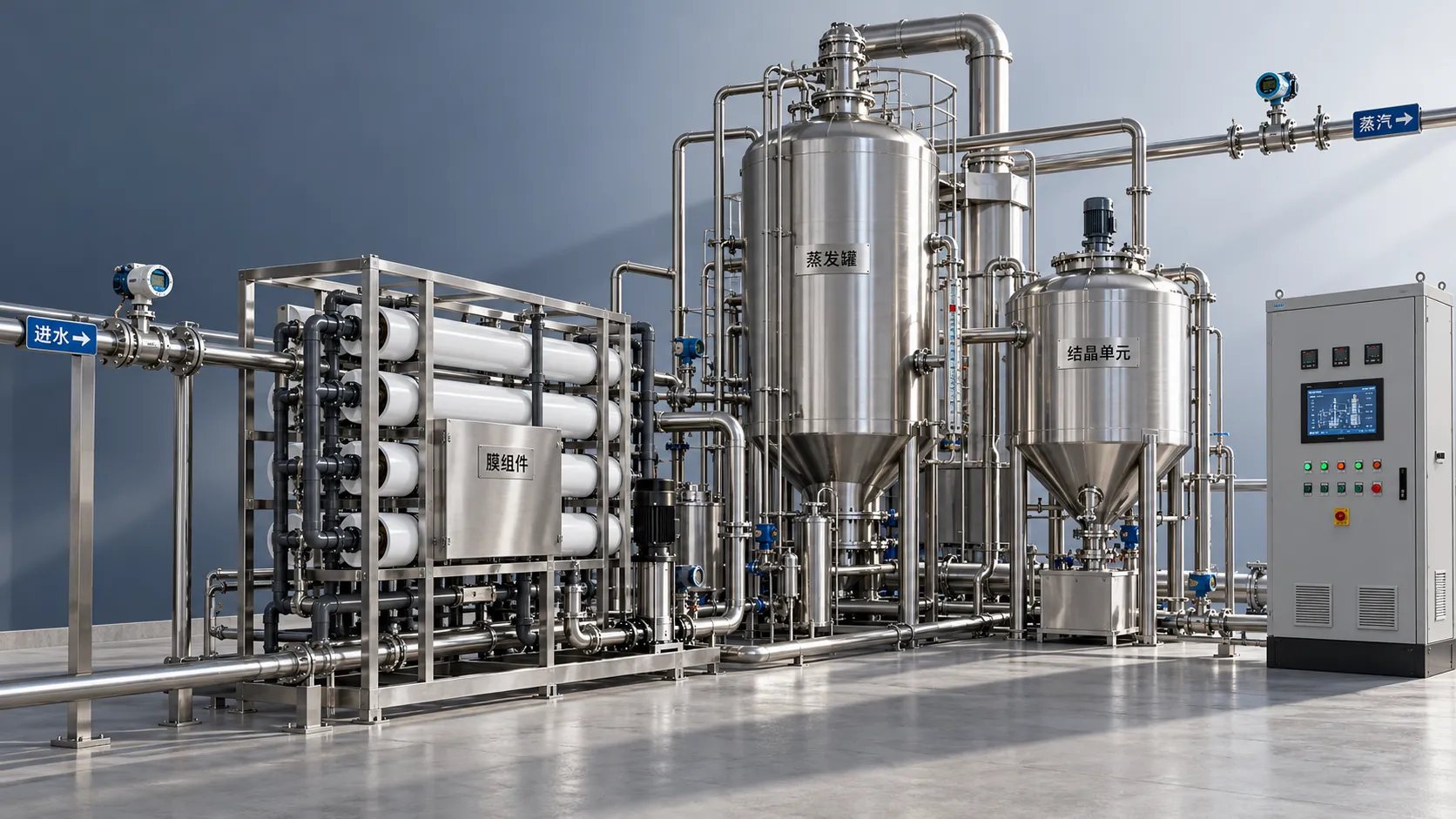
How to assess a zero liquid discharge equipment supplier’s energy claims
Assess a zero liquid discharge equipment supplier’s energy claims. Learn how to verify system boundaries, compare real costs, and demand testable guarantees before you buy.
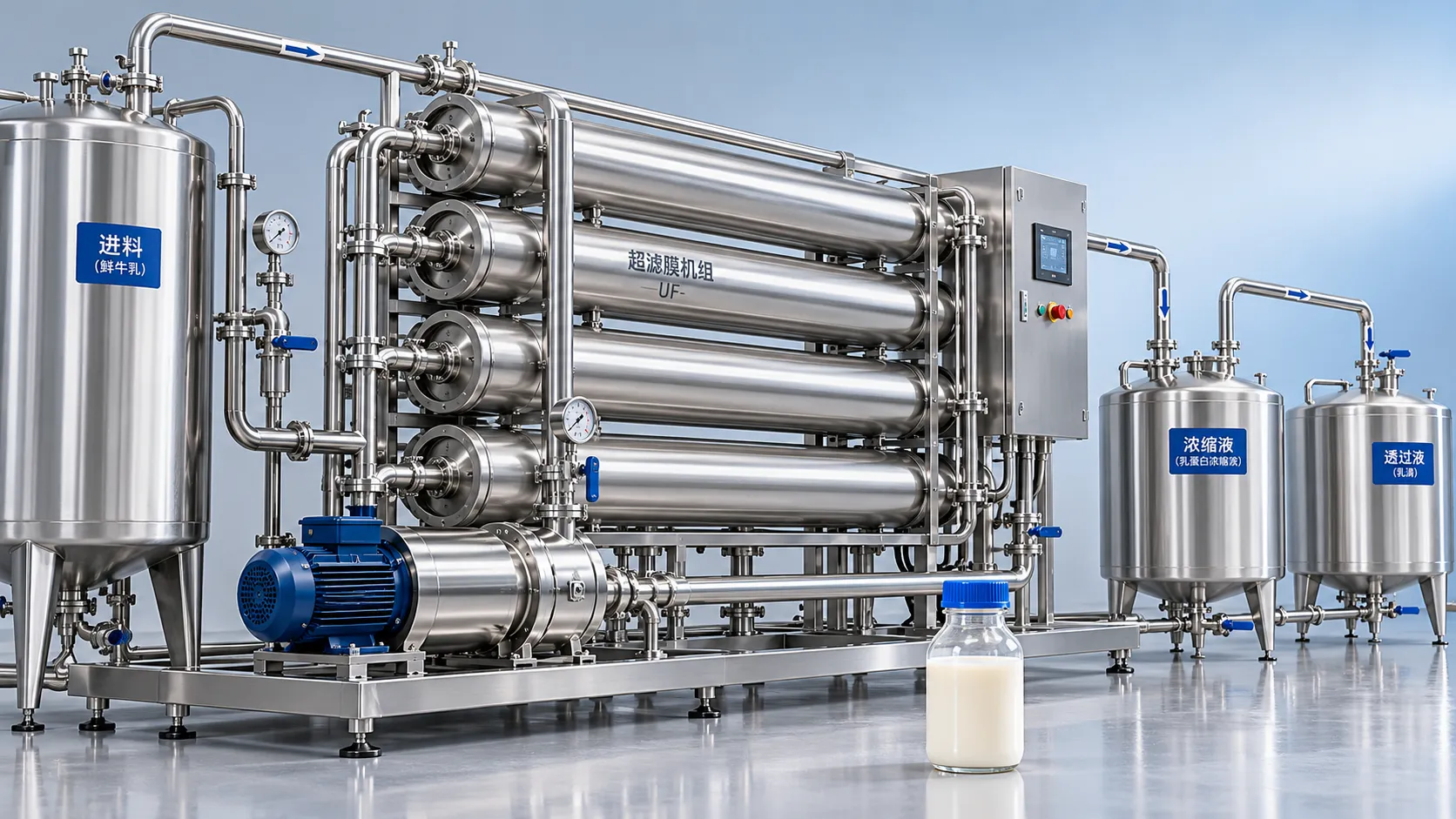
Which membrane filtration process suits dairy protein concentration?
Explore membrane filtration for dairy: compare UF, MF, and RO to select the right process for protein concentration, lactose reduction, and better recovery. Find your best fit.
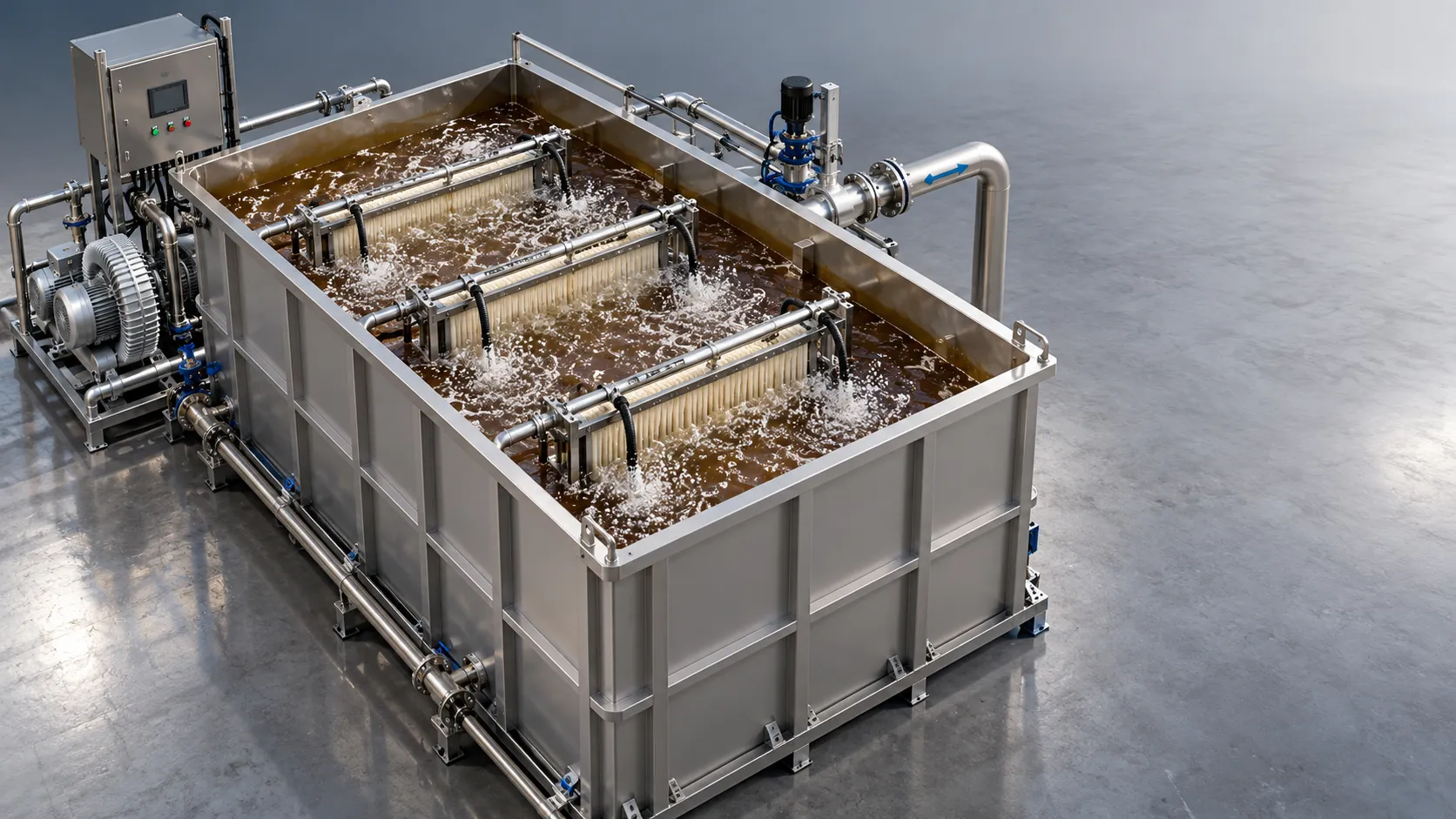
When is an MBR suitable for wastewater purification for bioprocessing?
For wastewater purification for bioprocessing, discover when an MBR fits your needs. Compare water quality, fouling risks, and lifecycle costs before investing.
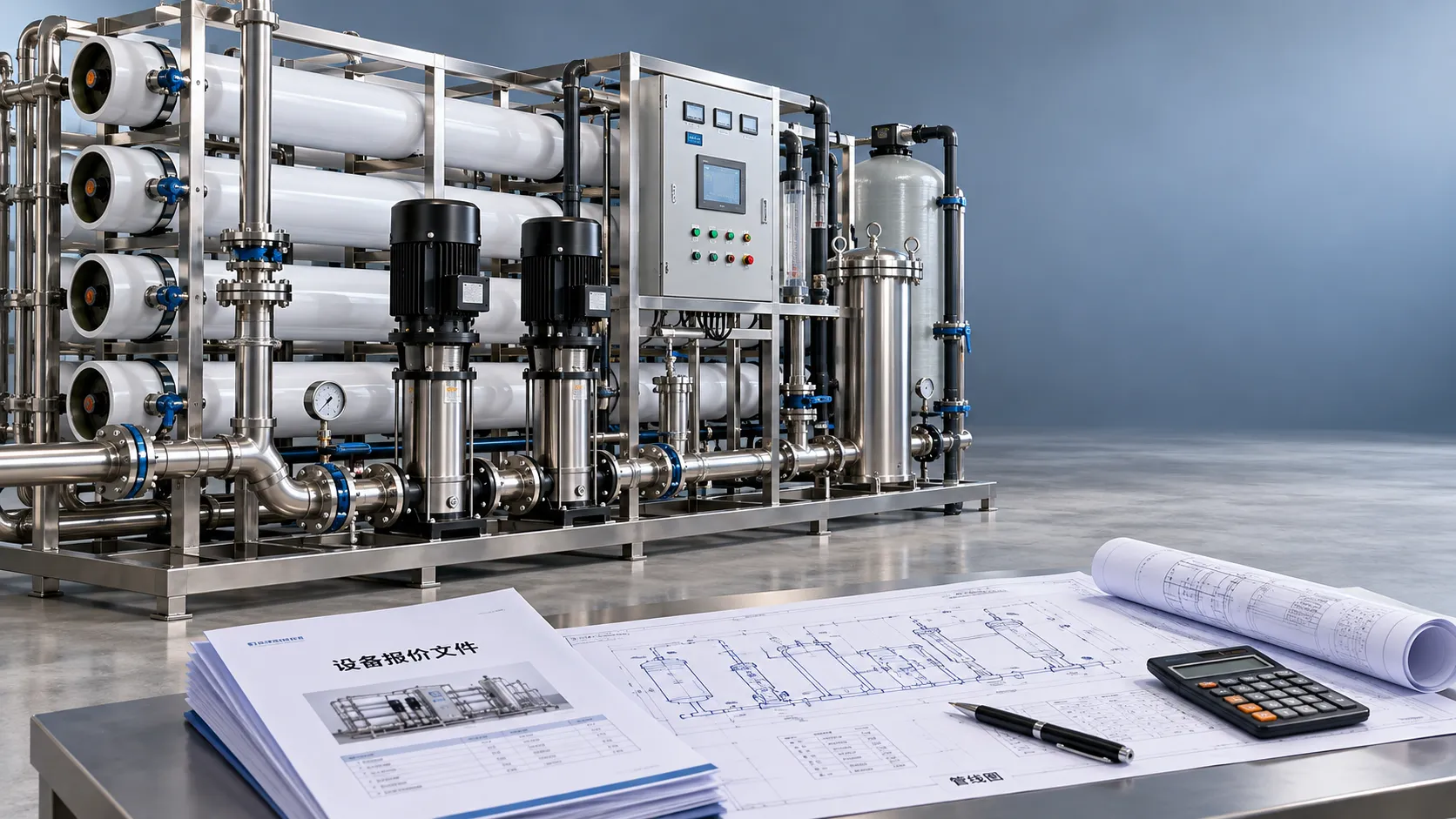
How to check a water treatment quotation for hidden project costs
Review your water treatment quotation for hidden costs, scope gaps, and operating expenses. Learn what to check before signing to protect your budget and avoid costly surprises.
How to vet ingredient processing equipment manufacturers using trials
Vet ingredient processing equipment manufacturers with real-world trials. Learn how to verify yield, cleaning, energy use, and scale-up before you invest.