
Industry News
Curation by industry experts
Hot Articles
Popular Tags
How the Environmental Value Chain Shapes Cost and Competitive Advantage
Why does the environmental value chain matter far beyond compliance?
The environmental value chain describes how environmental performance creates business value from design to operation, recovery, reporting, and policy response.
For many organizations, that sounds abstract at first.
In practice, it is a very concrete way to track cost, exposure, and strategic advantage across industrial assets.
That is why the environmental value chain now sits closer to investment logic than to a narrow sustainability checklist.
The shift is especially visible in water treatment, solid waste recovery, flue gas control, desalination, and nuclear waste management.
These sectors operate under strict performance thresholds, long asset lives, and rising regulatory scrutiny.
A portal such as ESD reflects this reality well.
Its focus on extreme purification, closed-loop recovery, and compliance intelligence shows that value is not created at one point alone.
It is created across connected decisions.
When those links are visible, cost forecasting improves, risk becomes easier to test, and competitive advantage looks less accidental.
What exactly sits inside the environmental value chain?
A useful answer is to think in layers rather than in departments.
The environmental value chain includes physical equipment, process chemistry, data visibility, compliance response, and resource recovery economics.
Each layer affects the next one.
For example, a membrane choice in seawater desalination changes energy demand, fouling risk, maintenance intervals, and delivered water cost.
In waste recovery, AI sorting accuracy influences feedstock purity, resale value, and downstream pyrolysis efficiency.
The same logic applies to flue gas treatment and nuclear waste handling.
A stronger catalyst, scrubber, or vitrification process does more than meet a standard.
It protects uptime, reduces penalty risk, and supports bid credibility in regulated projects.
So the environmental value chain is not just upstream and downstream activity.
It is the full logic connecting technical performance to business outcomes.
A simple way to map it
- Input stage: energy, chemicals, water, raw waste streams, labor, and capital equipment.
- Process stage: treatment, separation, filtration, combustion control, recovery, and monitoring.
- Output stage: discharge quality, recovered materials, reusable water, emissions results, and stabilized residues.
- Control stage: regulation tracking, traceability, certification, and carbon-border implications.
- Strategic stage: pricing power, project bankability, and long-term market positioning.
How does the environmental value chain shape cost in real operations?
This is where the framework becomes useful.
Cost does not come only from buying equipment.
It comes from energy intensity, consumables, downtime, disposal liabilities, performance drift, and delayed compliance response.
In large water treatment plants, Zero Liquid Discharge systems may look expensive at the front end.
Yet the environmental value chain often shows a different picture over time.
Lower discharge risk, higher water reuse, and stronger permitting resilience can offset that initial cost.
A similar pattern appears in solid waste recovery.
A cheaper sorting line may reduce capital spending, but contamination can destroy downstream recovery margins.
In desalination, the wrong membrane selection can lock in years of avoidable power consumption.
In nuclear waste management, underestimating stability and monitoring requirements can push liabilities far beyond the original project model.
The environmental value chain helps separate visible cost from total cost.
Where hidden cost usually appears
This kind of table turns a broad concept into a workable review tool.
Can the environmental value chain really create competitive advantage?
Yes, but not in the simplistic sense of “being greener.”
Competitive advantage appears when environmental capability becomes hard to copy and easy to trust.
That usually comes from better data, tighter process control, and stronger interpretation of regulation.
Consider how ESD frames its intelligence work.
It connects membrane nanostructures, catalyst kinetics, vitrification stability, and global compliance shifts into one decision picture.
That matters because projects are increasingly won on confidence, not just price.
A company that understands the environmental value chain can estimate lifetime performance more credibly.
It can also respond faster to CBAM pressure, discharge tightening, waste traceability rules, or emission updates.
In actual bidding environments, those capabilities influence financing comfort, project qualification, and the ability to defend a premium position.
The advantage is durable because it combines technical judgment with system-level intelligence.
Signals of a stronger position
- Lower volatility in operating cost across changing input conditions.
- Faster adaptation to environmental policy and border-carbon requirements.
- More bankable project assumptions in capital-intensive infrastructure.
- Better ability to monetize recovered water, materials, or clean-output credentials.
- Higher confidence from partners that need extreme reliability.
What are the most common mistakes when people assess this chain?
The first mistake is reducing the environmental value chain to equipment procurement.
That misses operational chemistry, failure modes, and future compliance burdens.
Another mistake is treating recovered output as guaranteed value.
Recovered salt, metals, heat, plastics, or process water only create value when quality, logistics, and market demand align.
A third mistake is relying on nominal design data.
Real operating windows are usually less forgiving than pilot claims.
This matters a lot in harsh applications such as high-salinity wastewater, low-temperature flue gas treatment, and long-term radioactive stabilization.
One more issue is ignoring intelligence quality.
Without reliable sector observation, regulatory timing and technology substitution can be misread.
That is why strategic information platforms matter in this field.
They help connect technical details with market movement before those changes hit project economics.
How should you evaluate the environmental value chain before making a decision?
A practical review starts with the question behind the asset.
Is the main goal compliance security, resource recovery, operating resilience, or market access?
The answer shapes every benchmark that follows.
Then test the environmental value chain across five checkpoints.
- Check input volatility, including influent variation, feedstock quality, and energy sensitivity.
- Check process durability, especially fouling, catalyst decay, corrosion, and containment stability.
- Check output monetization, not just output generation.
- Check compliance agility against probable policy tightening.
- Check intelligence depth, because outdated assumptions distort the whole model.
In more advanced reviews, it helps to compare the chain under multiple future scenarios.
For instance, what changes if carbon cost rises, water scarcity worsens, or waste classification rules tighten?
That kind of scenario view often reveals which environmental value chain is truly resilient.
So what is the clearest takeaway?
The environmental value chain is best understood as a decision map.
It shows how technical choices become cost structures, how compliance becomes market leverage, and how resource logic becomes competitive advantage.
That is especially true in sectors where failure is expensive and regulation evolves quickly.
Water treatment, waste recovery, flue gas control, desalination, and nuclear waste systems all prove the same point.
The strongest position rarely comes from the cheapest isolated component.
It comes from understanding the full environmental value chain and judging where value is created, protected, or quietly lost.
As a next step, map one target asset line by line.
List the biggest cost drivers, policy triggers, recovery assumptions, and technology dependencies.
Then compare those findings against current sector intelligence and realistic operating scenarios.
That approach usually produces a much sharper view of risk and advantage than compliance metrics alone.
Recommended News
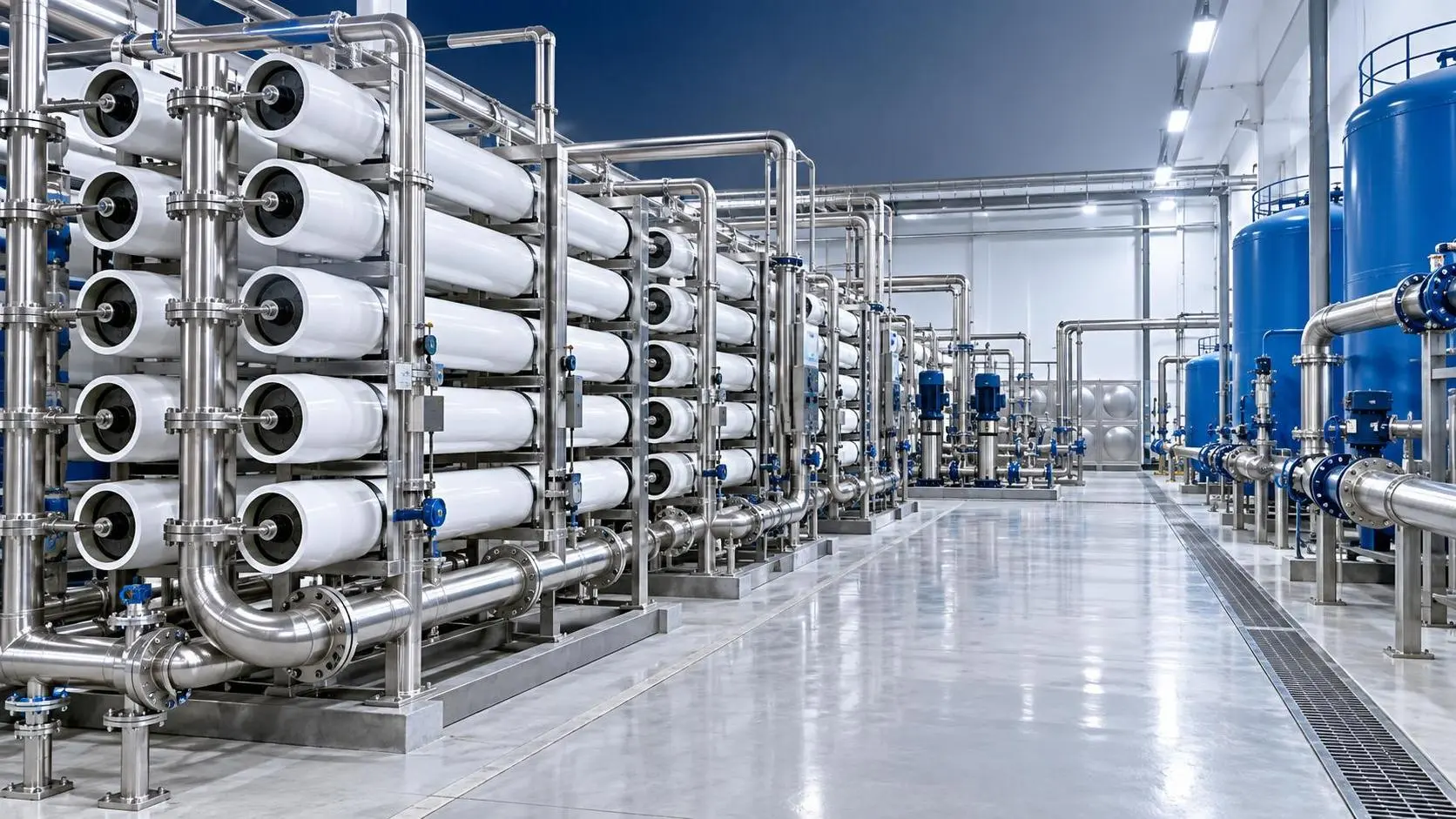
When high flux membrane water treatment justifies a larger footprint
High flux membrane water treatment can justify a larger footprint when variable feedwater, fouling risk, and uptime demands require resilient, lower-flux operation.
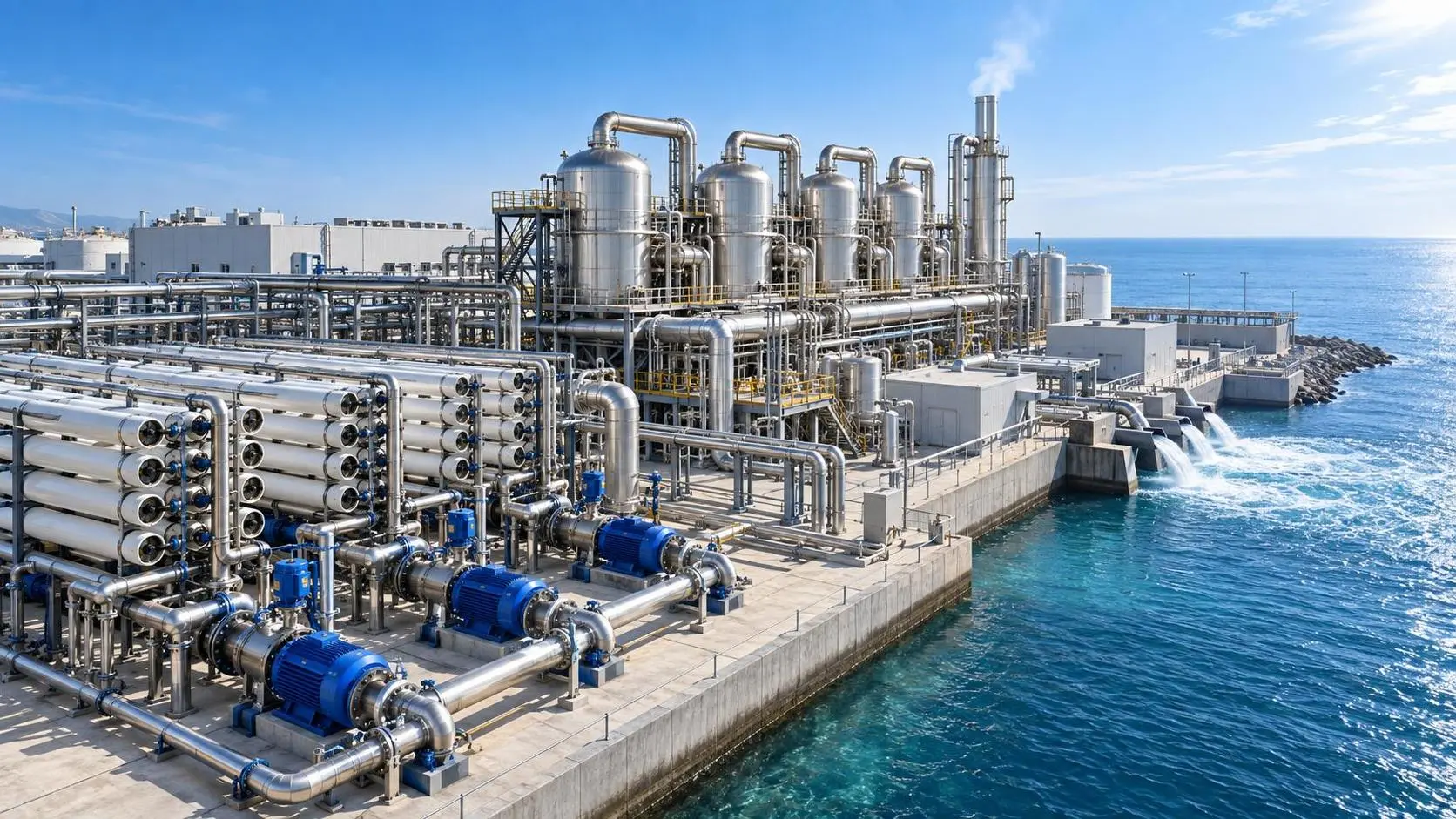
RO vs MED desalination: which is more energy-efficient at scale?
Desalination technology comparison: RO vs MED at scale. See how energy use, waste heat, feedwater, carbon, and flexibility determine the best choice.
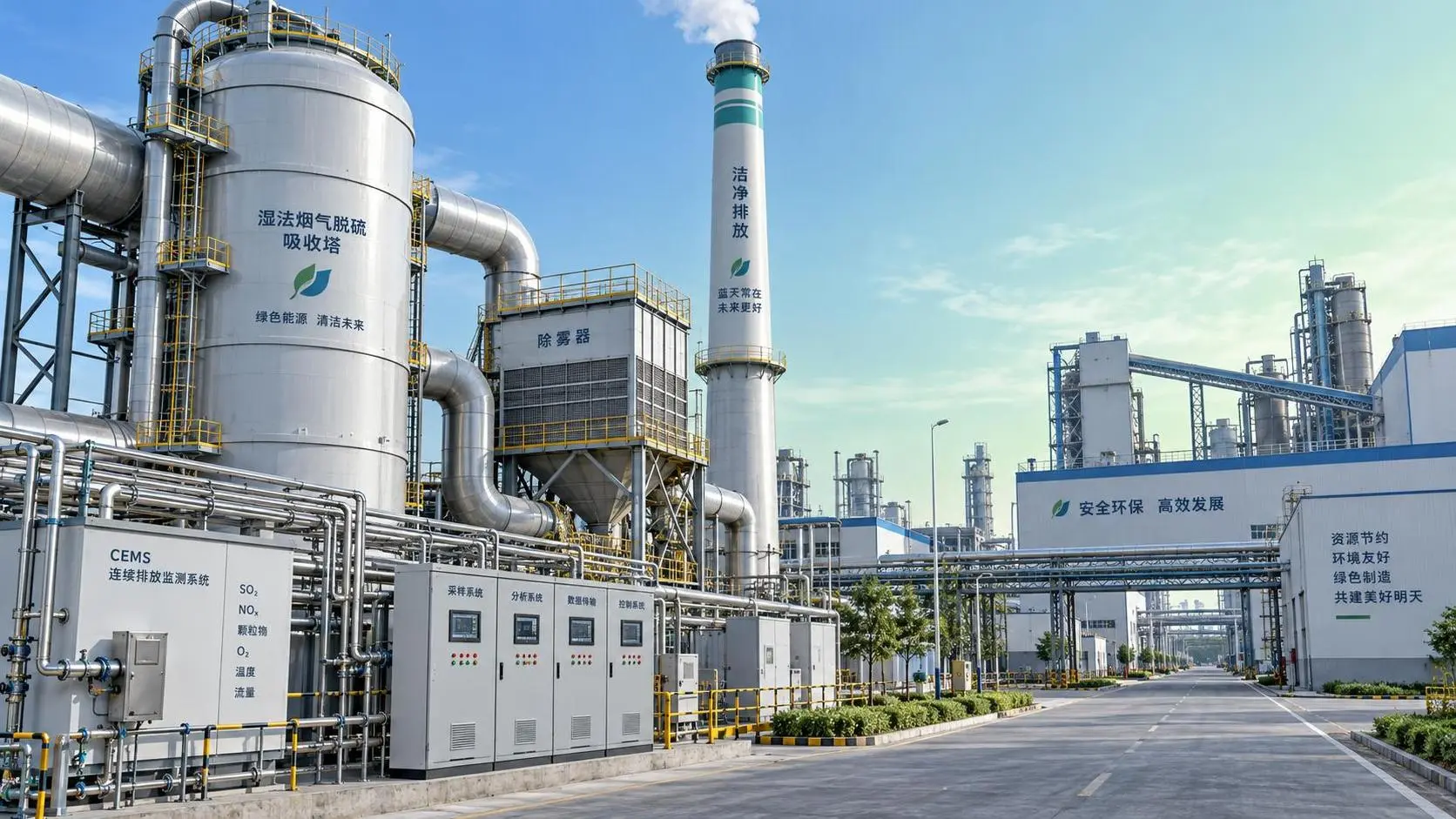
Which ISO standards apply to flue gas treatment systems?
Flue gas treatment systems ISO standards: explore key requirements for emissions testing, CEMS, safety, fabrication, corrosion control, and compliant project evaluation.

When corrosion resistant purification systems are needed for brine treatment
Corrosion resistant purification systems for brine treatment: assess chloride, heat, scaling, materials, and lifecycle reliability for demanding water projects.

How preventive maintenance reduces seawater desalination equipment downtime
Seawater desalination equipment maintenance reduces downtime through proactive monitoring, pretreatment protection, and planned repairs. Explore practical strategies for reliable RO performance.
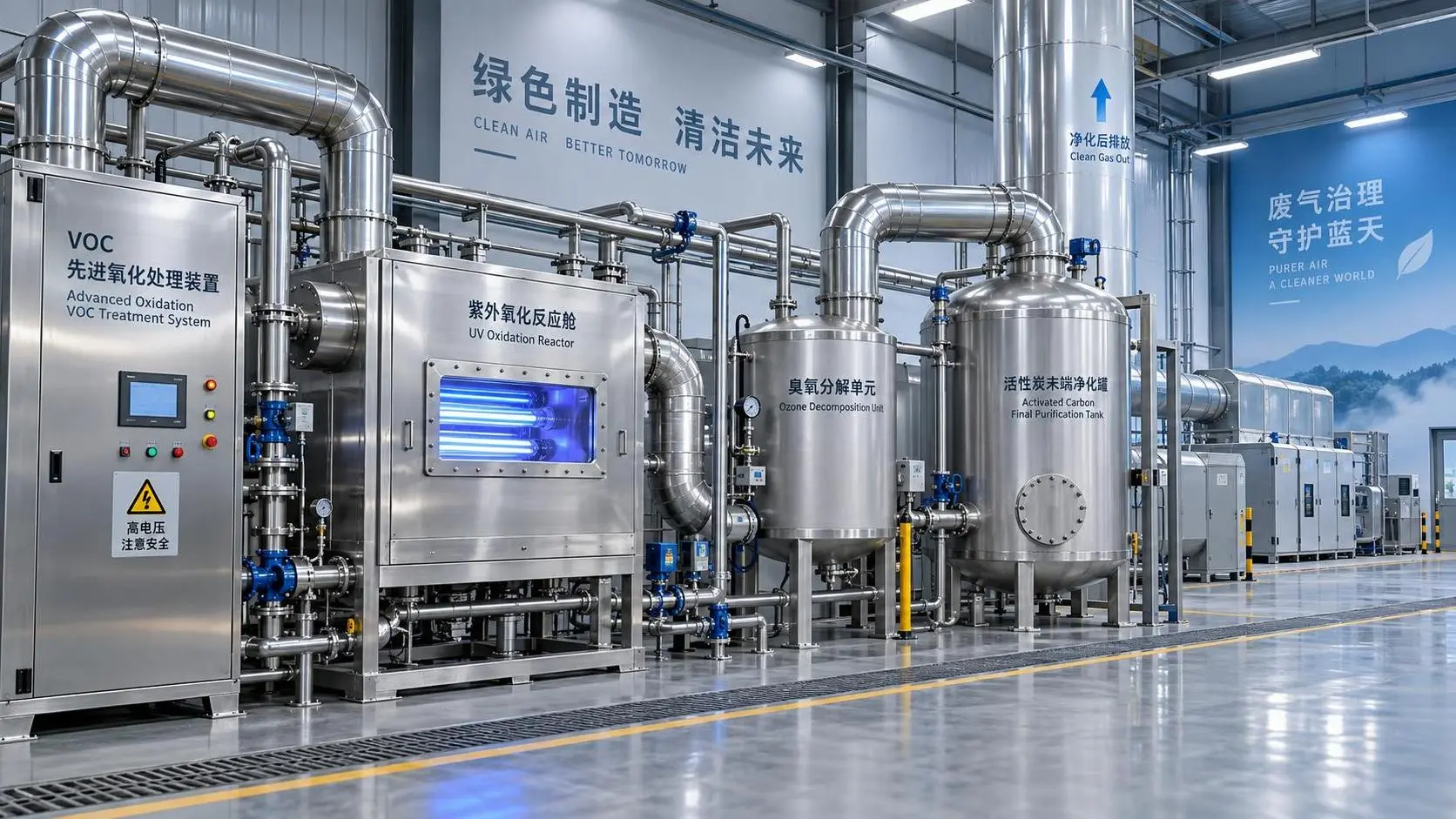
When are advanced oxidation processes the right choice for VOC control?
Advanced oxidation processes for VOC control: learn when AOPs outperform conventional options, manage by-products, and achieve reliable compliance.
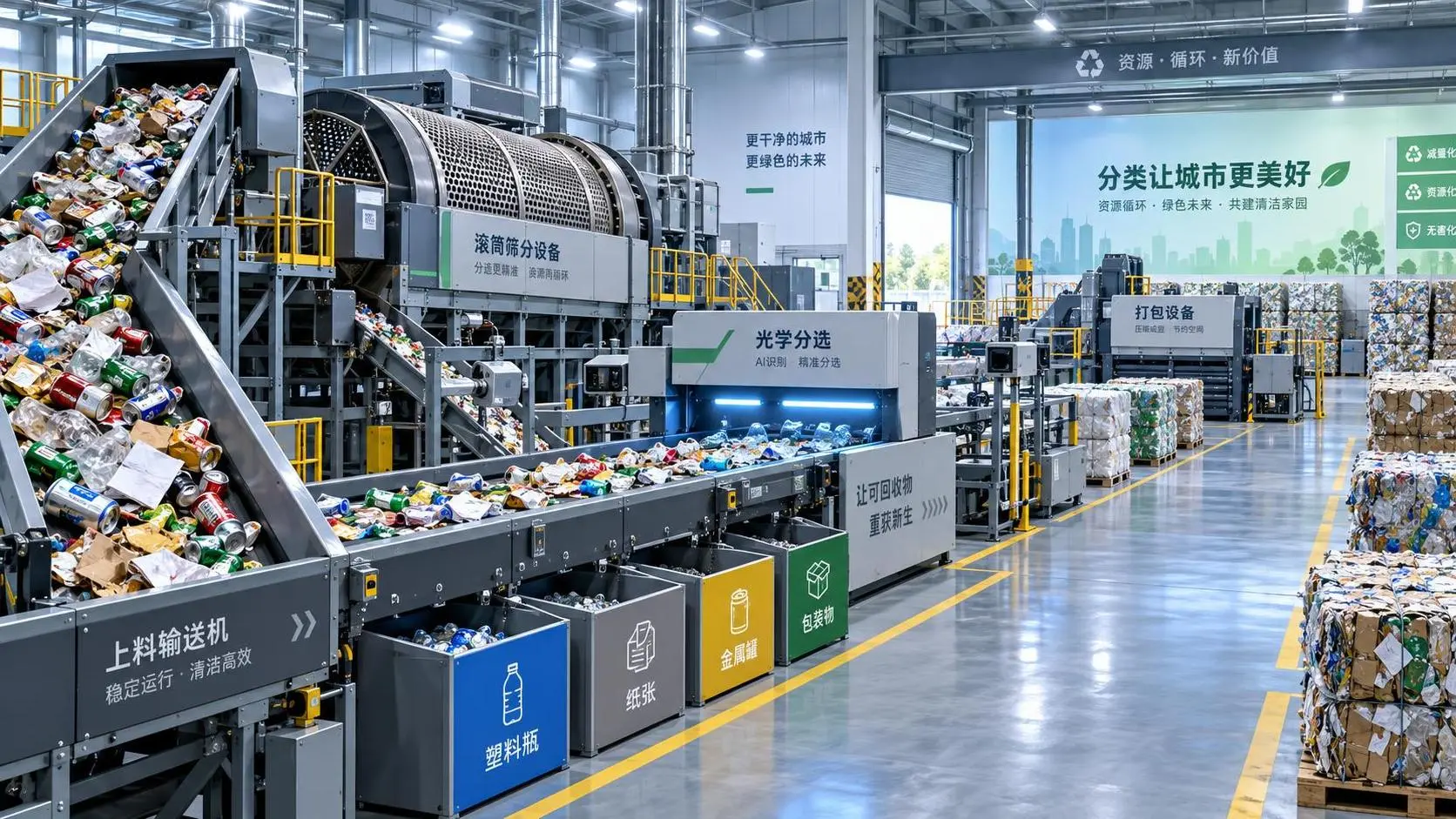
What throughput should municipal waste sorting equipment deliver?
Waste sorting equipment for municipal waste: learn how to set reliable throughput based on peak loads, material quality, uptime, and recovery targets.
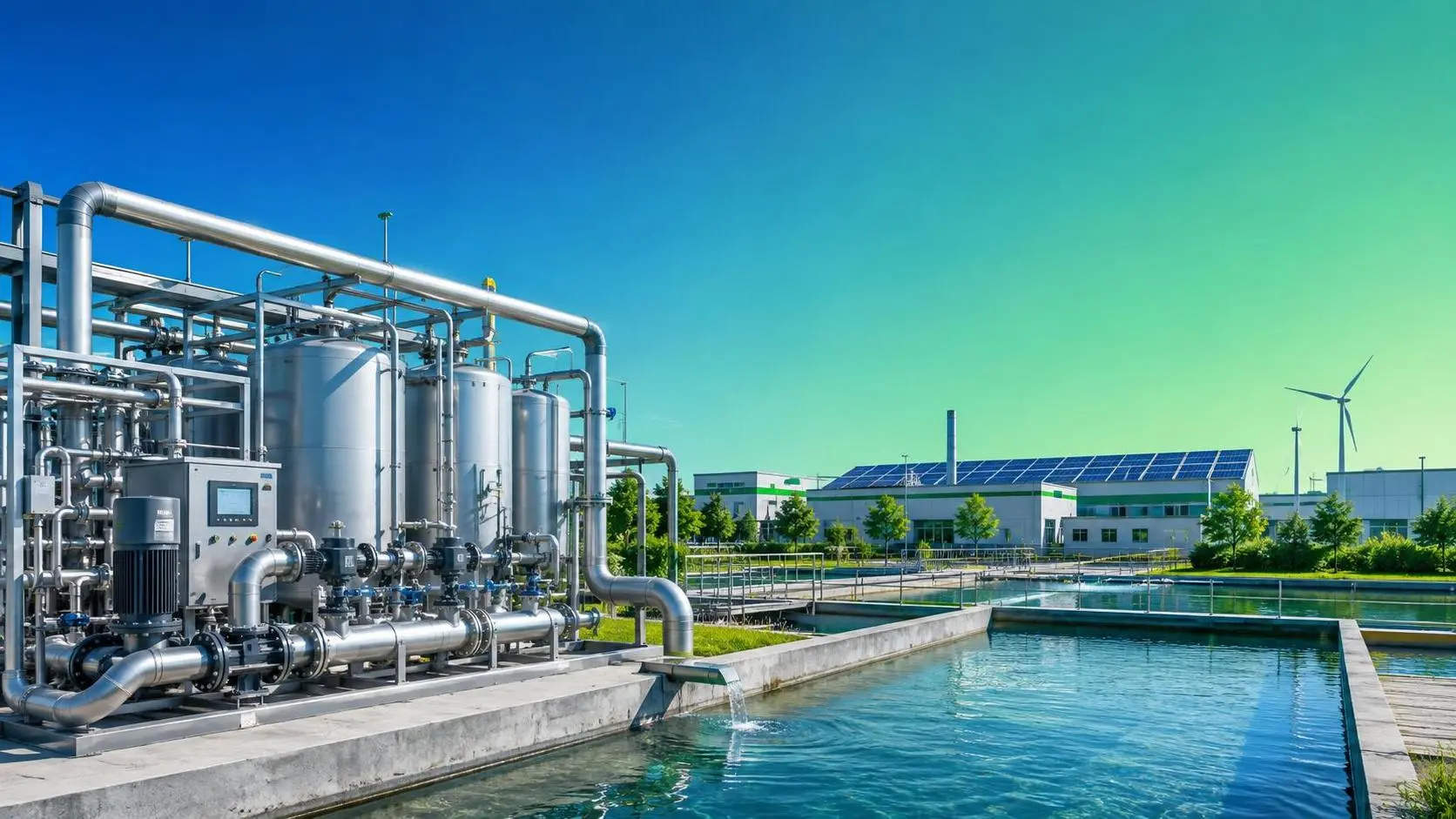
What carbon neutrality means for corporate investment decisions
Carbon neutrality is transforming corporate investment decisions. Explore how lifecycle economics, efficiency, compliance, and resilience can drive measurable returns and lasting advantage.
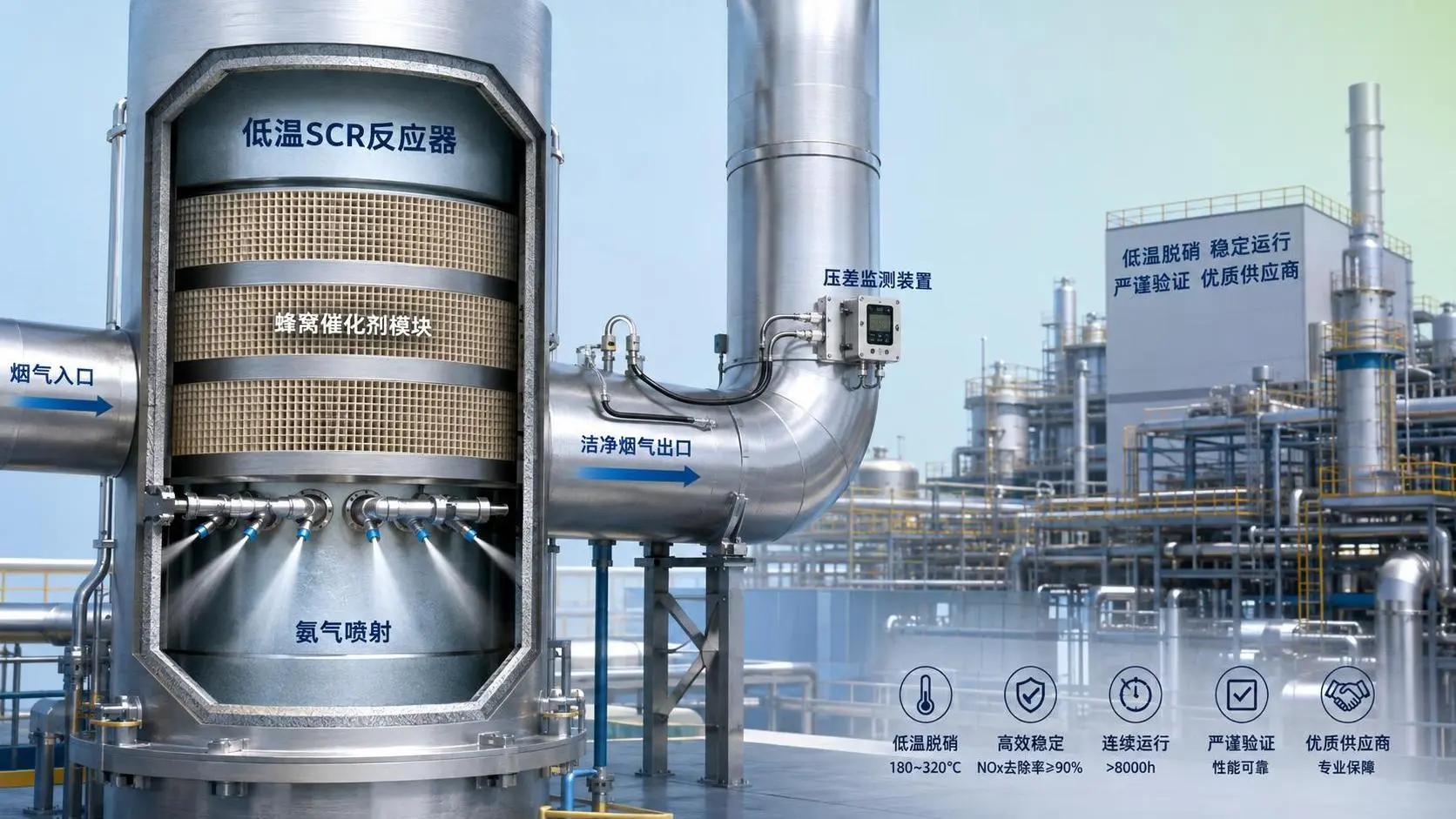
What to verify before choosing a low temperature SCR supplier
Low temperature SCR supplier checklist: verify catalyst temperature range, sulfur resistance, ammonia slip, pressure drop, lifecycle cost, and support before award.