
Industry News
Curation by industry experts
Hot Articles
Popular Tags
When do PLC wastewater treatment systems reduce operating costs?
PLC wastewater treatment systems reduce operating costs when a plant has moved beyond simple, stable treatment and is now losing money through inconsistency: too much manual intervention, fluctuating influent, energy waste, chemical overdosing, avoidable alarms, or discharge risk. That is the practical answer most buyers need. Automation does not save money just because a PLC is installed. It saves money when control logic can remove repeatable waste, stabilize compliance, and help operators run the plant closer to its real design window.
That distinction matters in procurement. Many teams are sold on “smart control” as a broad promise, then struggle to prove payback. In real wastewater operations, the financial case usually becomes clear only under a specific set of conditions. If you are evaluating an upgrade or a new build, the useful question is not whether PLC automation is modern. It is whether your current operating model is expensive in ways a control layer can actually fix.
Where PLC wastewater treatment systems start paying for themselves
The strongest cost case appears in plants where operating performance changes hour by hour. Industrial wastewater rarely behaves like a textbook stream. Flow swings, pH shocks, variable COD, changing conductivity, batch discharge from production lines, and seasonal loading all create instability. When operators are forced to keep a large safety margin just to stay compliant, costs climb quietly. Blowers run harder than needed. Pumps cycle inefficiently. Chemicals are dosed defensively. Sludge production increases. Maintenance becomes reactive.
A well-designed PLC wastewater treatment system can reduce those losses by keeping treatment steps coordinated in real time. Equalization, pH neutralization, aeration, dosing, membrane cleaning sequences, sludge handling, and discharge control stop behaving like isolated tasks and start behaving like a process.
In plain terms: if your team is paying for uncertainty every day, automation often lowers OPEX.
This is especially true in facilities with:
- 24/7 or multi-shift operation
- High labor dependence for routine adjustments
- Frequent permit excursions or near-miss events
- High energy use in aeration, pumping, or recirculation
- Chemical dosing tied to operator judgment rather than feedback control
- ZLD, MBR, RO, or other process trains that are sensitive to upstream variation
If none of those conditions exist, savings may be modest. That is one of the more important truths buyers should keep in mind.
The biggest cost reductions usually come from four places
People often assume labor reduction is the main benefit. Sometimes it is, but in many wastewater plants the larger savings come from process stability.
1. Energy control
Aeration is the obvious example. In biological treatment, blowers are often among the largest power consumers. If dissolved oxygen is managed manually or with crude timer-based logic, the system tends to over-aerate. A PLC tied to reliable instrumentation can modulate blower output based on actual process demand. Similar logic applies to lift stations, transfer pumps, recirculation loops, and filter backwash timing.
Energy savings are most credible where the load profile changes throughout the day. In a flat, predictable process, the opportunity is smaller.
2. Chemical optimization
Neutralization, coagulation, flocculation, dechlorination, antiscalant addition, and CIP chemical management are common sources of hidden overspend. Operators who do not fully trust incoming water stability usually overdose to stay safe. That is understandable, but expensive.
PLC-based control helps when chemical feed can be tied to measured conditions and protected by interlocks, trend alarms, and setpoint management. The saving is not just lower chemical use. It is also less sludge, fewer process upsets, and more predictable downstream performance.
3. Fewer compliance incidents
One discharge violation can wipe out months of routine savings, depending on the jurisdiction, the customer contract, and the plant’s production dependency. Not every compliance issue is preventable through automation, but many are linked to delayed response, poor visibility, or inconsistent execution.
That is why some of the best economic returns from PLC wastewater treatment systems are indirect. Better alarm handling, permissives, data logging, and sequence control reduce the chance that a small upset turns into a reportable event or forced shutdown.
4. Reduced wear and unplanned maintenance
Frequent starts and stops, dry running, poor valve sequencing, pump cavitation, overloaded blowers, and late cleaning cycles all shorten equipment life. PLC logic does not eliminate mechanical problems, but it can enforce better operating discipline. Runtime balancing, equipment rotation, automatic standby switchover, and maintenance alerts are not glamorous features, yet they often make the economics work.
When the economics are weaker than vendors suggest
This is where many procurement decisions go wrong. A PLC upgrade is not automatically a cost-reduction project.
If your wastewater flow is low, the treatment train is simple, the chemistry is stable, operators are experienced, and compliance performance is already steady, the savings may not justify a large automation spend. The same caution applies when instrumentation quality is poor. A sophisticated controller built on unreliable pH, ORP, level, or DO signals does not create control; it creates confusion faster.
Another weak case is a plant with unresolved process design problems. If tank sizing is wrong, equalization is inadequate, upstream segregation is poor, or the biological step is fundamentally undersized, a PLC will not repair the underlying process. It may make the problem more visible, which is useful, but visibility is not the same as savings.
Buyers should also be careful with labor-saving claims. In many industrial settings, headcount does not fall after automation. What changes is how labor is used. Operators spend less time on repetitive adjustment and emergency response, and more time on verification, troubleshooting, and optimization. That can still be a strong financial outcome, but it should be modeled honestly.
What experienced buyers check before approving budget
In actual procurement reviews, the best questions are operational, not cosmetic.
Start with your cost pain. Where is the plant currently losing money: electricity, chemicals, overtime, membranes, sludge disposal, permit exposure, downtime, outsourced service visits? If the answer is vague, the ROI case will also be vague.
Then check whether the savings mechanism is controllable. For example:
- If energy is the issue, which loads will be controlled dynamically?
- If chemicals are the issue, what instruments and logic will govern dosing?
- If compliance risk is the issue, what alarms, interlocks, and automatic responses will change?
- If labor is the issue, which manual tasks will actually disappear or become shorter?
It is also worth asking what data the system will retain and how that data will be used. Trend history is not just a reporting feature. It is often the bridge between intuition and disciplined cost control. Plants that can see dose rates against influent variation, blower performance against DO, or cleaning frequency against membrane fouling usually make better decisions six months after commissioning than they did in week one.
This is one reason strategic intelligence platforms such as ESD can be useful in the buying process. Not because they replace engineering, but because decision-makers dealing with water treatment, resource recovery, desalination, or strict environmental compliance often need broader context: where operating costs are structurally rising, which control strategies are becoming standard, and which risks are being driven by regulation rather than by plant preference.
Payback depends more on integration quality than on the PLC brand
Buyers sometimes spend too much time comparing controller labels and too little time examining system architecture. In cost terms, the expensive mistakes usually come from weak integration.
A practical automation package for wastewater should match the process, not just the bid document. That includes sensor selection, panel design, remote I/O where needed, HMI usability, alarm philosophy, communication with VFDs and analyzers, historian or SCADA linkage if required, and a startup plan that includes logic tuning under real load.
One recurring mistake is buying a control system that is technically capable but operationally awkward. If operators cannot trust the screens, if alarms are noisy, if setpoints are buried, or if manual override is confusing, the plant drifts back into semi-manual operation. At that point, the business has paid for automation without receiving automation economics.
Another issue is overbuilding. A plant does not need a highly elaborate control layer just because one is available. The right level of automation is the one that attacks your actual cost drivers while remaining maintainable by your team or your service partner.
A simple way to judge whether the investment is likely to work
Before you request proposals, pressure-test the project against three questions.
First, is the process variable enough that manual operation is expensive? Second, are there measurable losses that better control can reduce? Third, does the site have the discipline to maintain sensors, review trends, and operate the system properly after commissioning?
If the answer to all three is yes, PLC wastewater treatment systems often deliver a solid operating-cost case. If only the first answer is yes, you may still need automation for reliability or compliance, but the financial return may take longer. If the third answer is no, fix that first. Poor maintenance can erase the value of a good control strategy surprisingly fast.
For capital buyers, this is the right mindset: do not buy “intelligence” in the abstract. Buy specific control outcomes tied to specific cost leaks.
What to ask suppliers before signing
Ask them to identify the top three cost reductions they expect at your site and how each one will be achieved. Ask what assumptions those savings depend on. Ask which instruments are critical to control performance and what maintenance burden they create. Ask how the system behaves during sensor failure, power interruption, communication loss, and abnormal influent events.
You should also ask for commissioning scope in plain language. Many disappointing projects are not failures of hardware; they are failures of tuning, training, and handover. A supplier that cannot explain startup logic, operator training, and post-commissioning optimization is not ready to defend an OPEX claim.
And one more thing: ask what the system will not solve. Serious vendors usually give a better answer here than aggressive sales teams.
For decision-makers weighing capital discipline against environmental performance, that is where the real value discussion starts. PLC wastewater treatment systems reduce operating costs when they are applied to unstable, labor-intensive, energy-hungry, compliance-sensitive processes with enough scale for control improvements to matter. In those settings, the savings are often real and durable. In small or already stable plants, the case is narrower, and the smartest decision may be a simpler upgrade rather than a full automation push.
FAQ
How quickly do PLC wastewater treatment systems usually pay back?
It varies by process complexity and current inefficiency. Plants with high energy use, unstable influent, or frequent manual intervention often see the clearest payback. A site-specific model is necessary before budgeting.
Can a PLC system reduce chemical costs without hurting compliance?
Yes, if dosing is tied to reliable measurement and the control logic is tuned properly. Without dependable instrumentation, chemical savings claims should be treated cautiously.
Is automation still worth it for a small wastewater plant?
Sometimes, but not always for cost reasons. Small plants may justify PLC control for reliability, remote visibility, or permit protection more than for major OPEX reduction.
What is the most common mistake in these projects?
Expecting the PLC to fix a weak process design. Automation improves control of a sound process; it does not replace equalization, proper sizing, or good pretreatment.
Should buyers focus on PLC hardware brand first?
No. Integration quality, sensor reliability, control logic, and operator usability usually have a bigger effect on operating cost than brand selection alone.
Internal link anchor text suggestions
- industrial wastewater automation strategy: guide or insights page
- ZLD operating cost reduction: solution or analysis page
- how to evaluate wastewater treatment OPEX: educational resource page
- SCADA and PLC integration for treatment plants: technical explainer page
- wastewater compliance risk management: regulatory or best-practice page
External authoritative source directions
- government environmental regulator guidance on industrial discharge compliance and reporting
- official technical documents from major automation or instrumentation manufacturers
- industry association or academic research on energy optimization and control in wastewater treatment plants
Recommended News
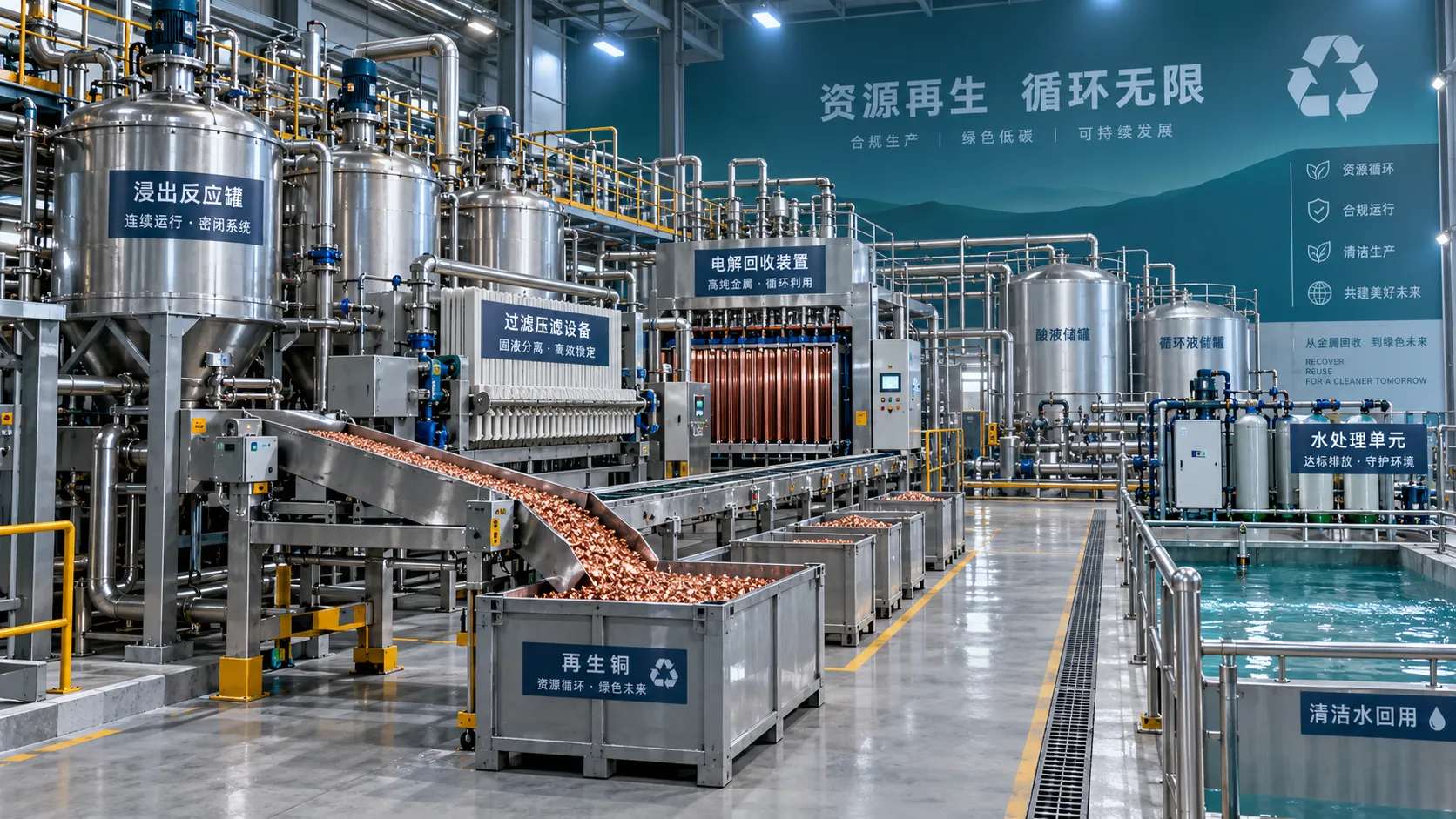
When does repeatable metals recovery infrastructure justify the investment?
Repeatable metals recovery infrastructure: discover when consistent feedstock, lower disposal costs, compliance control, and reliable offtake justify investment.
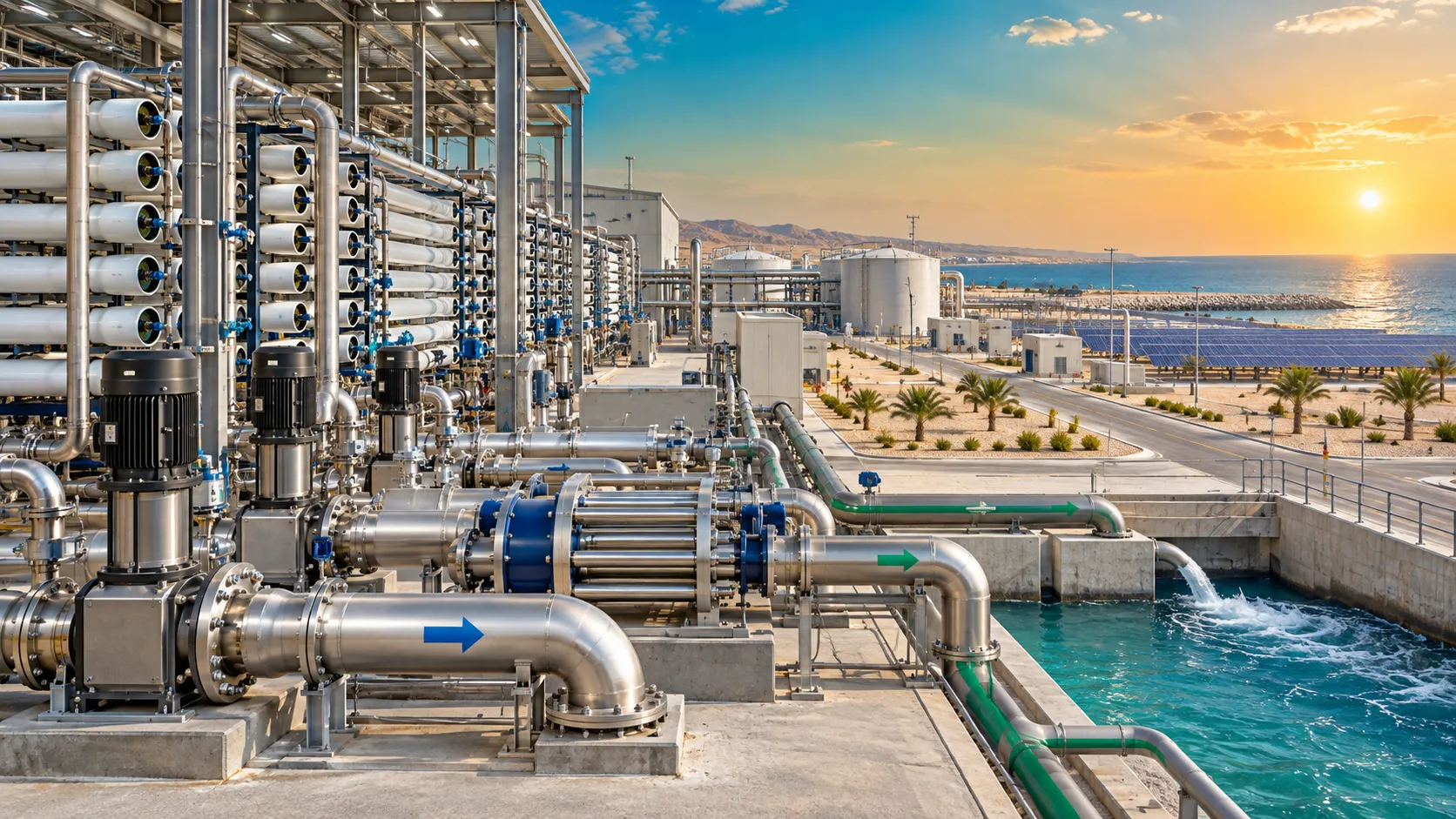
How energy recovery cuts the cost of seawater desalination in the Middle East
Seawater desalination Middle East projects can cut lifecycle costs with energy recovery. Explore savings, bankability, power-risk strategies, and smarter investment decisions.
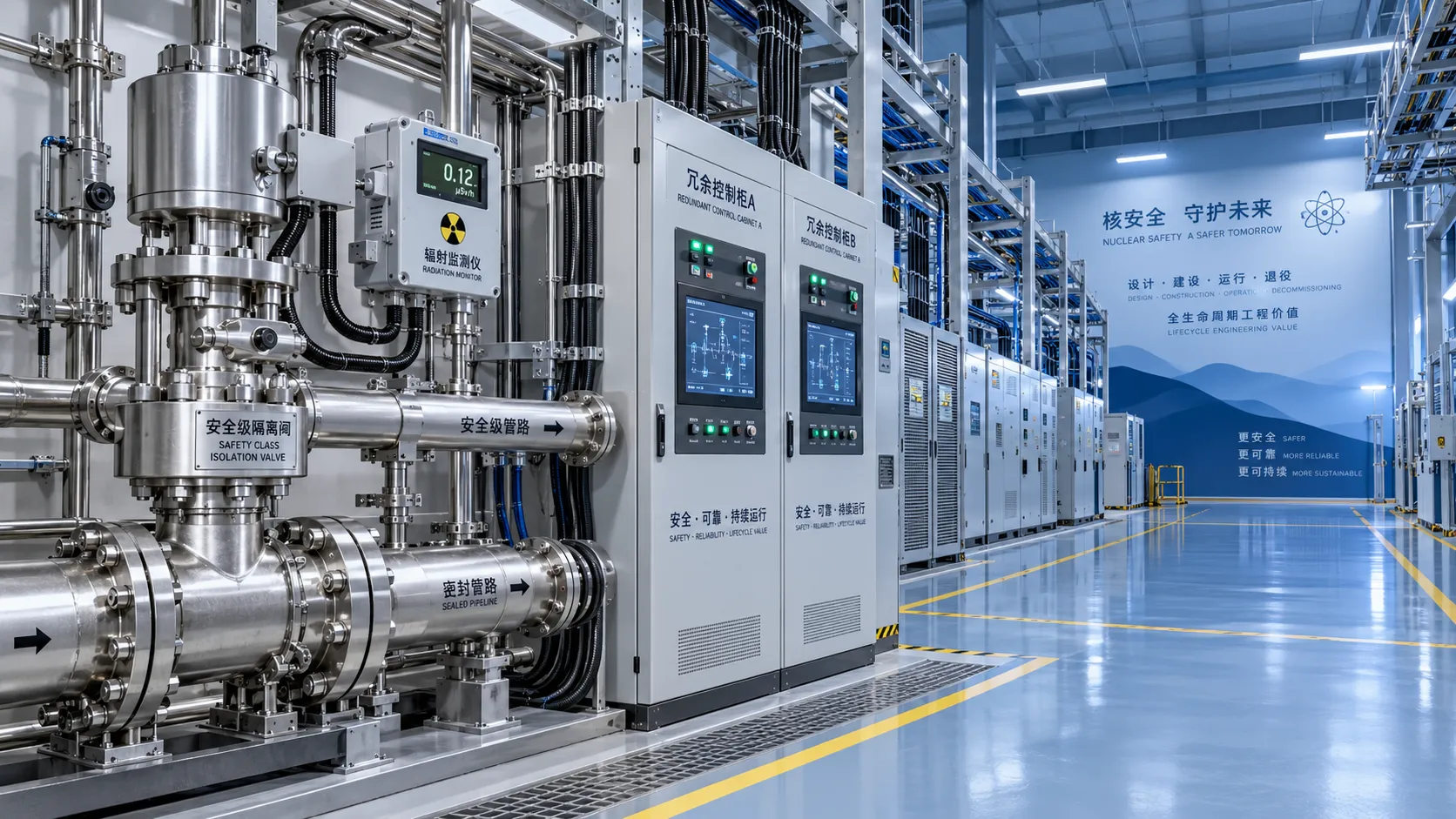
What drives nuclear safety solutions pricing for new facility projects?
Nuclear safety solutions pricing explained: uncover the key cost drivers for new facilities, from qualification and interfaces to lifecycle support.
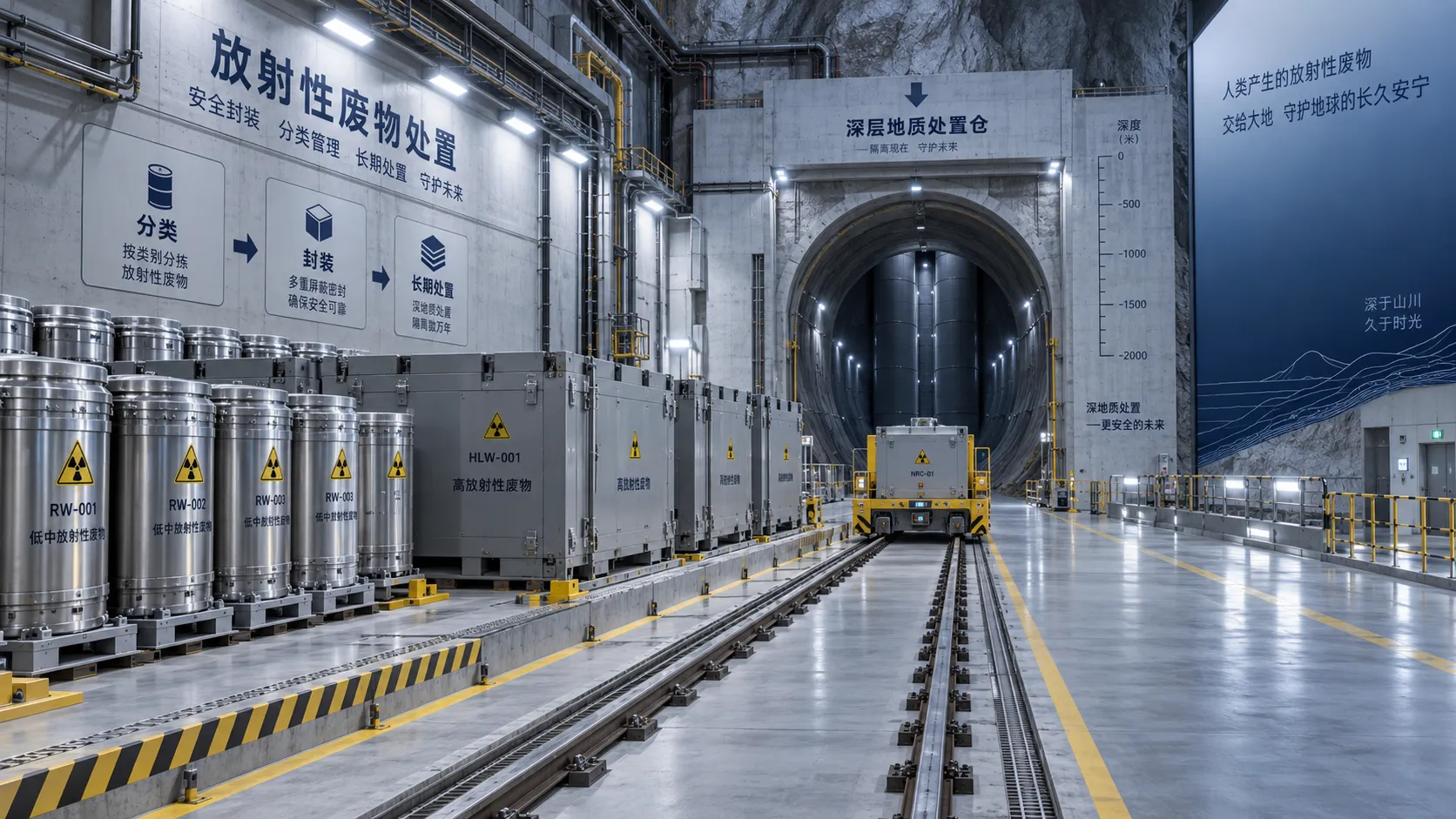
What drives radioactive waste cost over the life of a disposal project?
Radioactive waste cost depends on classification, treatment, transport, storage, disposal access, and long-term compliance. Explore the key lifecycle cost drivers.
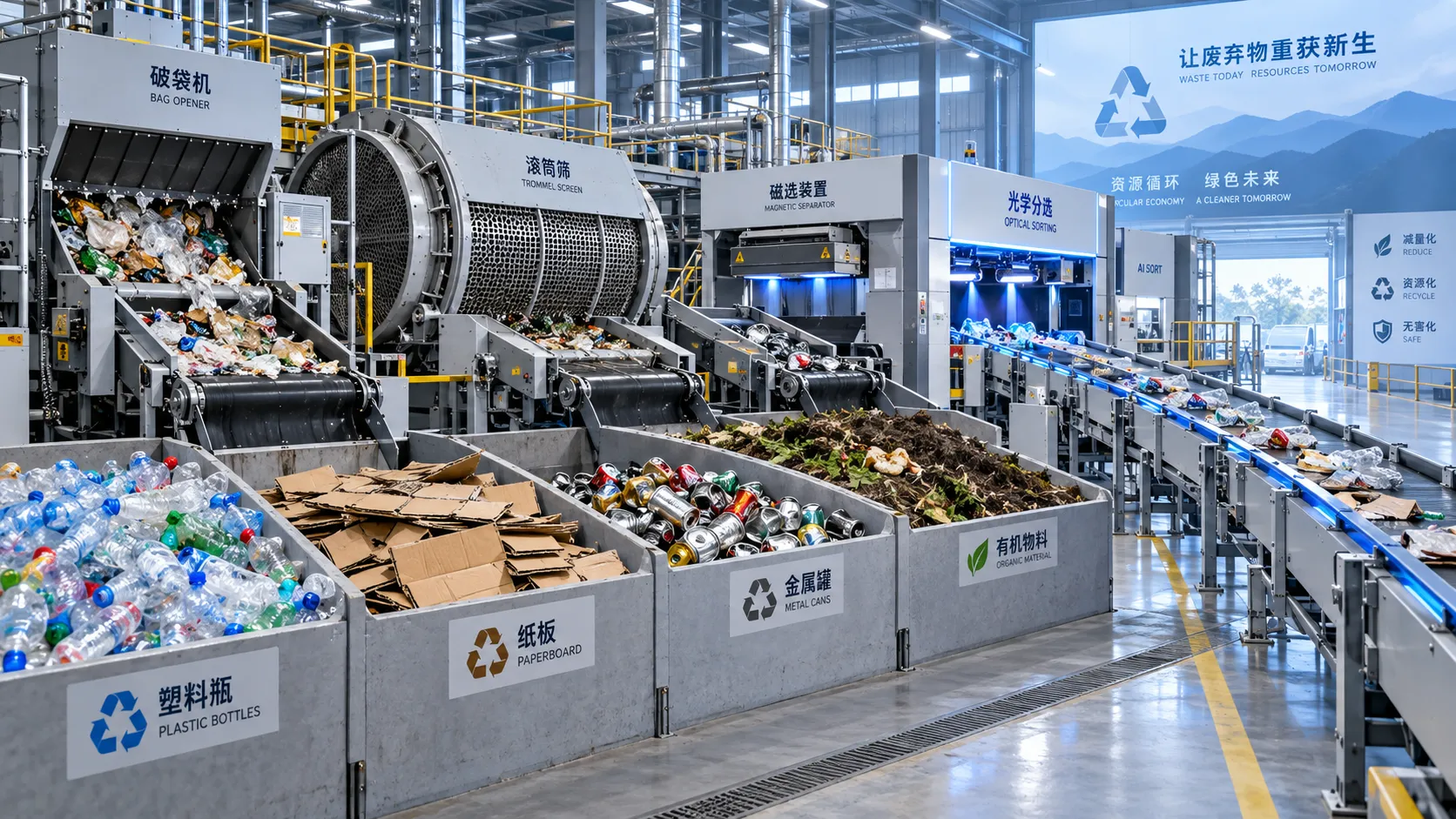
How to choose solid waste equipment based on waste stream characteristics
Environmental equipment guide for solid waste: discover how to match sorting, treatment, and recovery equipment to waste composition, moisture, contamination, and output goals.
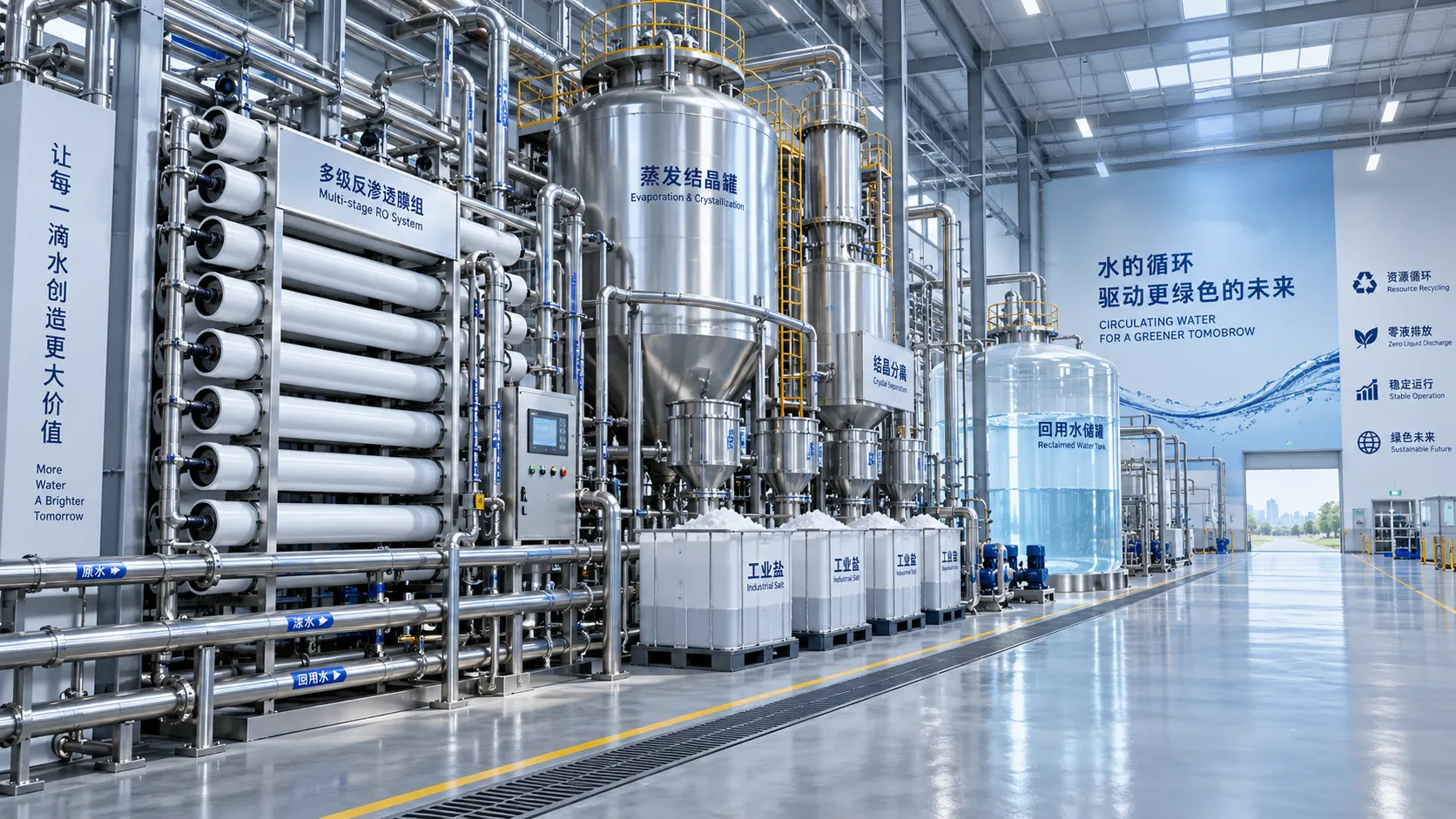
When does high recovery ZLD equipment justify its higher capital cost?
High recovery ZLD equipment can justify higher capital cost when water scarcity, discharge risks, brine disposal, and downtime threaten operations. Explore the decision factors.

How high purity heavy metal recovery affects recovered metal value
High purity heavy metal recovery boosts recovered metal value by improving payability, reducing penalties, and unlocking stronger buyer opportunities. Explore smarter netback strategies.

When does environmental equipment intelligence reduce wastewater plant energy use?
Environmental equipment intelligence for wastewater plants cuts energy use through smarter aeration, pumping, and data-driven controls—without compromising compliance. Discover when it delivers measurable savings.
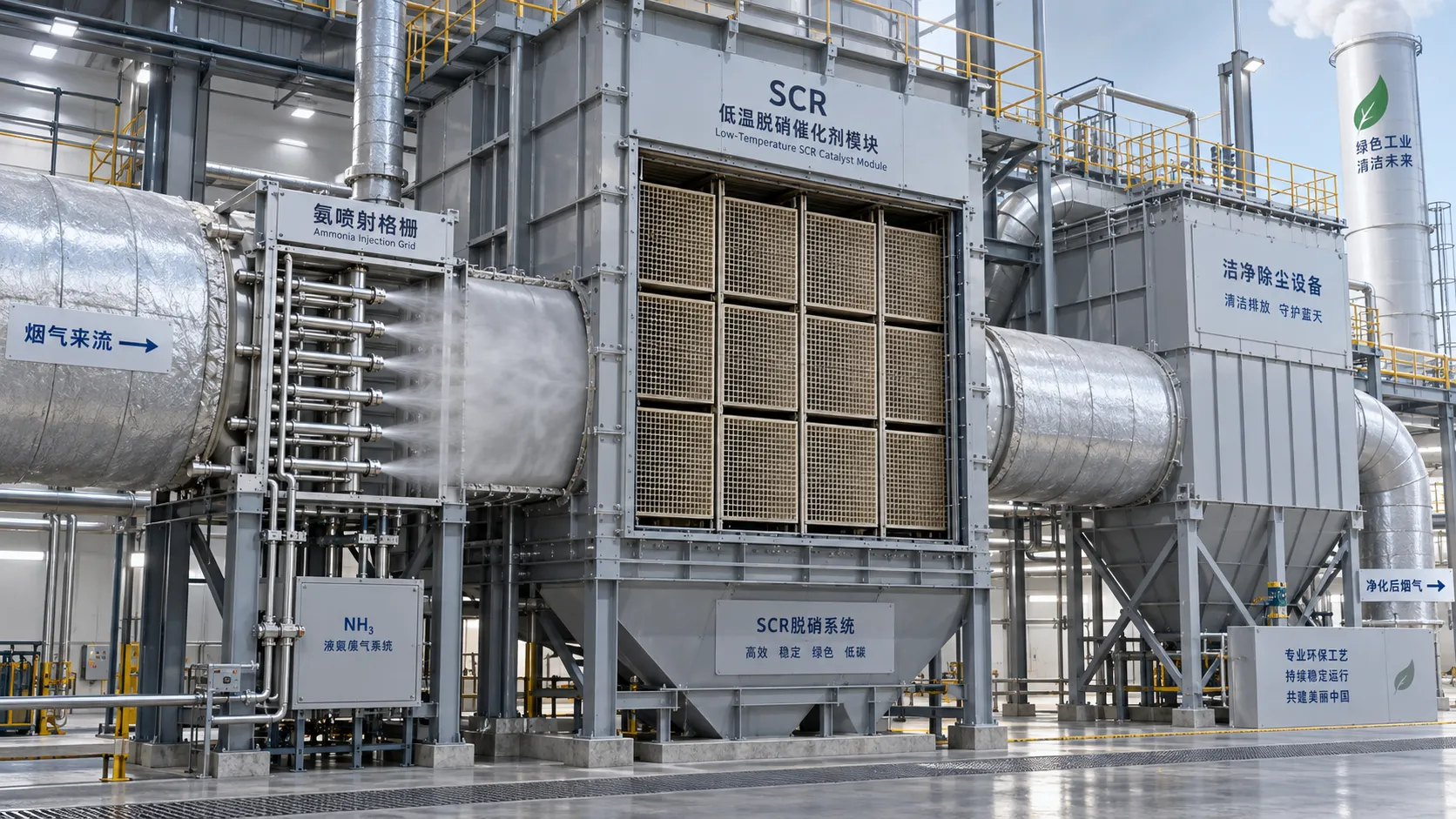
Is Low-Temperature SCR Catalyst Performance Stable Over Time?
Is low-temperature SCR catalyst performance stable over time? Discover how sulfur, temperature swings, fouling, and ammonia control determine durable NOx reduction.