
Industry News
Curation by industry experts
Hot Articles
Popular Tags
2026 Cost Benchmarks for Seawater Desalination Plants
For financial decision-makers evaluating seawater desalination plants in 2026, cost clarity is no longer optional—it is strategic. From CAPEX benchmarks and energy-intensive OPEX to membrane replacement cycles and compliance-driven upgrades, understanding the true cost structure is essential for sound approvals. This introduction outlines the latest pricing logic, investment variables, and benchmark signals shaping desalination project economics worldwide.
What Financial Approvers Are Really Searching for in 2026
The core search intent behind “2026 Cost Benchmarks for Seawater Desalination Plants” is not academic curiosity. It is practical budget validation for investment, procurement, expansion, refinancing, or bid comparison.
Financial approvers want to know current benchmark ranges, which plant configurations are becoming more expensive, and which cost assumptions are still defensible when presented to boards, lenders, or public authorities.
They are also looking for a fast way to separate headline plant pricing from true life-cycle cost. In desalination, that difference is often large enough to change approval outcomes.
For this audience, the most useful article is one that explains where capital and operating costs really sit in 2026, what drives deviations, and how to test vendor claims.
Bottom-Line View: What a Seawater Desalination Plant Costs in 2026
In 2026, seawater desalination plants continue to be dominated by reverse osmosis economics, with thermal desalination reserved mainly for specific industrial or energy-integrated use cases.
For modern SWRO facilities, benchmark CAPEX often falls within broad ranges because intake design, marine civil works, energy recovery, pretreatment depth, and discharge compliance vary sharply by location.
As a high-level market guide, large utility-scale seawater desalination plants may range from roughly USD 1,200 to USD 2,800 per cubic meter per day of installed capacity.
Projects with straightforward coastal conditions, standardized designs, and mature contractor ecosystems tend to sit toward the lower end of that range. Complex geology and stricter environmental controls push pricing upward.
Small and mid-scale plants often show higher unit capital costs because fixed engineering, permitting, and intake infrastructure are spread over fewer cubic meters of designed production.
For finance teams, the key point is simple: there is no single reliable “plant cost” number. The usable benchmark is a range tied to scale, feedwater conditions, and local execution risk.
How to Read CAPEX Benchmarks Without Getting Misled
Many seawater desalination plant proposals appear comparable at first glance, but their CAPEX inclusions may differ materially. This is where financial review often succeeds or fails.
A benchmark should first distinguish whether the number includes only process equipment, or the full project scope including intake, outfall, buildings, grid connection, storage, and owner’s contingency.
Marine works deserve special attention. Open-ocean intake and discharge systems can become one of the largest cost differentiators, especially in difficult seabed conditions or protected coastal zones.
Pretreatment scope is another major variable. Conventional media filtration, dissolved air flotation, and ultrafiltration each affect both initial cost and downstream membrane performance in different ways.
Energy recovery systems are now standard rather than optional in competitive SWRO design. However, equipment quality, redundancy philosophy, and expected efficiency still create noticeable cost spread between bids.
Balance-of-plant items also matter more than many early budgets assume. Power supply upgrades, chemical storage, automation, cybersecurity, and post-treatment stabilization can materially shift total installed cost.
When reviewing seawater desalination plants, finance teams should ask for an inclusion matrix. Without it, benchmark comparisons are often inaccurate and frequently optimistic.
OPEX Is Where Approval Risk Often Hides
For most seawater desalination plants, OPEX is shaped primarily by electricity, membrane management, chemicals, labor, maintenance, and concentrate discharge obligations.
Energy remains the single most important operating cost line. Even with efficient energy recovery, SWRO economics are highly sensitive to local industrial power tariffs and long-term price volatility.
In many regions, total electricity consumption for well-designed seawater reverse osmosis plants may cluster around roughly 3.0 to 4.5 kWh per cubic meter, though actual performance varies by system design.
That difference may appear small technically, but over years of operation it becomes material financially. A fraction of a kilowatt-hour can alter the net cost of delivered water at utility scale.
Membrane replacement is another recurring cost that must be budgeted realistically. Under favorable conditions, useful life may extend toward five to seven years, but poor pretreatment can shorten cycles significantly.
Chemical consumption also deserves careful review. Coagulants, antiscalants, biocides, cleaning chemicals, and remineralization inputs may vary widely based on feedwater quality and finished water requirements.
For approval purposes, it is not enough to request a vendor’s “expected OPEX.” Decision-makers should request a sensitivity model showing OPEX under low, base, and high energy and membrane scenarios.
The Most Useful 2026 Metric: Levelized Water Cost
For financial approvers, the best comparative metric is usually levelized water cost rather than standalone CAPEX. It integrates capital recovery, operating costs, plant availability, and utilization assumptions.
In 2026, many competitive seawater desalination plants may target delivered water costs around USD 0.70 to USD 1.80 per cubic meter, depending on financing, energy price, and project complexity.
World-class projects with favorable energy terms, large scale, and efficient execution may perform below that range. Remote or regulation-heavy projects may remain well above it.
This metric becomes especially valuable when comparing plant sizes or procurement structures. A lower capital bid is not necessarily the most economical option over a twenty- to twenty-five-year asset life.
Finance teams should verify whether levelized water cost calculations assume full plant utilization. Many projects underperform financially because demand ramp-up, seasonal use, or grid interruptions were underestimated.
Availability assumptions must also be challenged. If a bid assumes high uptime without reflecting feedwater variability, cleaning frequency, or maintenance redundancy, the levelized cost may be artificially low.
What Is Pushing 2026 Costs Upward
Several structural pressures are shaping seawater desalination plant costs in 2026. The first is continued equipment quality bifurcation, with buyers paying premiums for proven long-life components and lower lifecycle risk.
The second is compliance intensity. Brine discharge regulation, marine ecosystem monitoring, chemical handling standards, and carbon-related reporting are expanding the non-process cost base of new developments.
Third, financing conditions still matter. Even where equipment inflation has moderated, higher borrowing costs can increase effective water cost and reduce tolerance for engineering overrun.
Fourth, energy strategy is becoming inseparable from desalination economics. Plants linked to renewable power, storage, or hybrid supply models may show more stable long-term economics, but often require higher upfront structuring effort.
Finally, geopolitical supply-chain risks continue to influence lead times for pumps, membranes, instrumentation, and electrical systems. Delays can trigger cost escalation beyond the original EPC estimate.
What Can Bring Costs Down or Protect Returns
Scale remains one of the strongest levers. Larger seawater desalination plants often achieve better unit economics across procurement, staffing, energy recovery, and maintenance planning.
Standardization is another cost protector. Projects that avoid excessive customization usually reduce engineering hours, commissioning complexity, spare-parts diversity, and future training burden.
High-quality intake and pretreatment design often generate hidden savings. Better front-end design can reduce fouling, chemical use, clean-in-place frequency, and premature membrane replacement.
Energy procurement strategy can be just as important as process design. Long-term electricity contracts or integrated renewable supply may reduce OPEX volatility enough to improve financing confidence.
Digital monitoring also contributes to cost control when properly implemented. Predictive maintenance and membrane performance analytics can help prevent energy drift and unplanned replacement cycles.
For finance teams, the principle is clear: the cheapest initial seawater desalination plant is often not the cheapest water producer over the asset’s usable life.
Questions Financial Decision-Makers Should Ask Before Approval
First, what exactly is included in the quoted plant cost? Missing intake, outfall, grid, or civil items can make a bid look attractive while shifting major costs elsewhere.
Second, what power price has been used in the OPEX model, and how sensitive is project economics to a 10 percent or 20 percent tariff increase?
Third, what membrane life assumption supports the business case, and what evidence shows that pretreatment quality can realistically sustain that replacement interval?
Fourth, what is the expected plant recovery rate, and how does it affect both energy use and brine management obligations under local environmental rules?
Fifth, what contingency has been applied for marine construction and permitting risk? Coastal infrastructure uncertainty is a frequent source of cost overrun in desalination projects.
Sixth, is the project evaluated on EPC price alone, or on total cost of ownership over at least fifteen to twenty years? Only the latter supports disciplined capital approval.
How to Use 2026 Benchmarks in Budget Reviews and Vendor Comparisons
Benchmarking should be used as a screening tool, not as a substitute for project-specific due diligence. A good benchmark tells you whether a proposal sits within a credible range.
If one bid is far below prevailing seawater desalination plant benchmarks, decision-makers should assume either scope exclusion, optimistic assumptions, or future variation-order risk until proven otherwise.
If one bid is above market, the right response is not automatic rejection. It may reflect stronger redundancy, more durable materials, tougher discharge controls, or better long-term service economics.
The strongest review practice is to compare proposals on three layers: total installed CAPEX, stabilized annual OPEX, and levelized water cost under multiple operating scenarios.
It is also useful to ask vendors for benchmark references from comparable plant sizes, salinity conditions, and compliance environments. Desalination economics are highly context-dependent.
Final Assessment for 2026 Capital Approvals
In 2026, the economics of seawater desalination plants remain investable, but only when cost analysis moves beyond surface-level plant pricing. Financial discipline now requires lifecycle visibility.
The most important approval insight is that project value depends less on the lowest EPC number and more on the interaction between energy, pretreatment, membrane durability, compliance, and financing structure.
For boards, lenders, and budget owners, useful benchmarks are those that connect CAPEX ranges with real operating assumptions. That is the difference between a plausible proposal and a bankable one.
When reviewing seawater desalination plants, the right question is not “What does it cost?” but “What does dependable water cost over time under realistic conditions?”
That framing leads to better approvals, fewer surprises, and stronger long-term returns in one of the world’s most capital-intensive environmental infrastructure sectors.
Recommended News
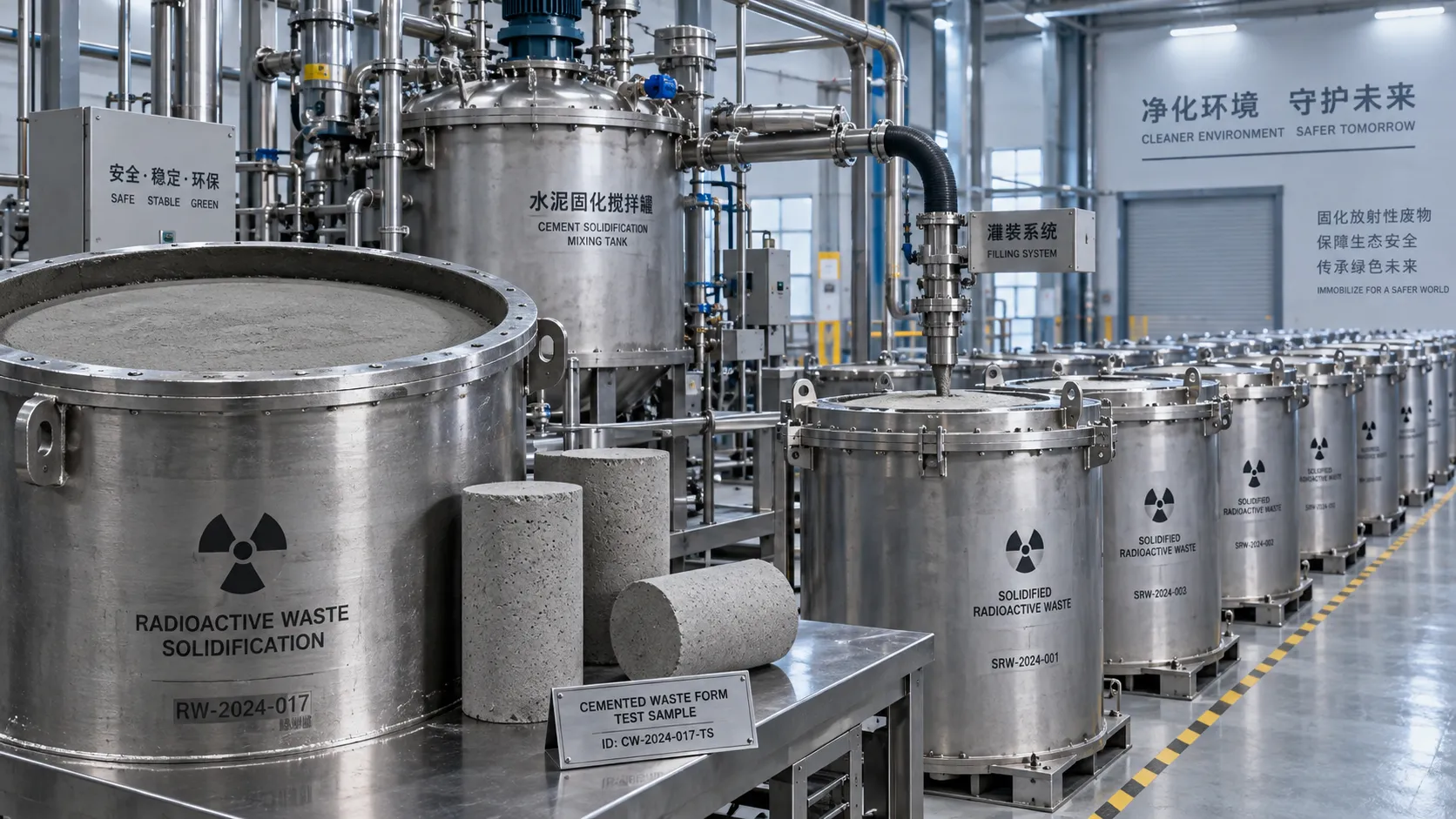
When is cementation suitable for nuclear decommissioning waste?
Explore nuclear waste treatment technology for decommissioning: learn when cementation fits, which risks to assess, and how disposal criteria guide an effective treatment choice.
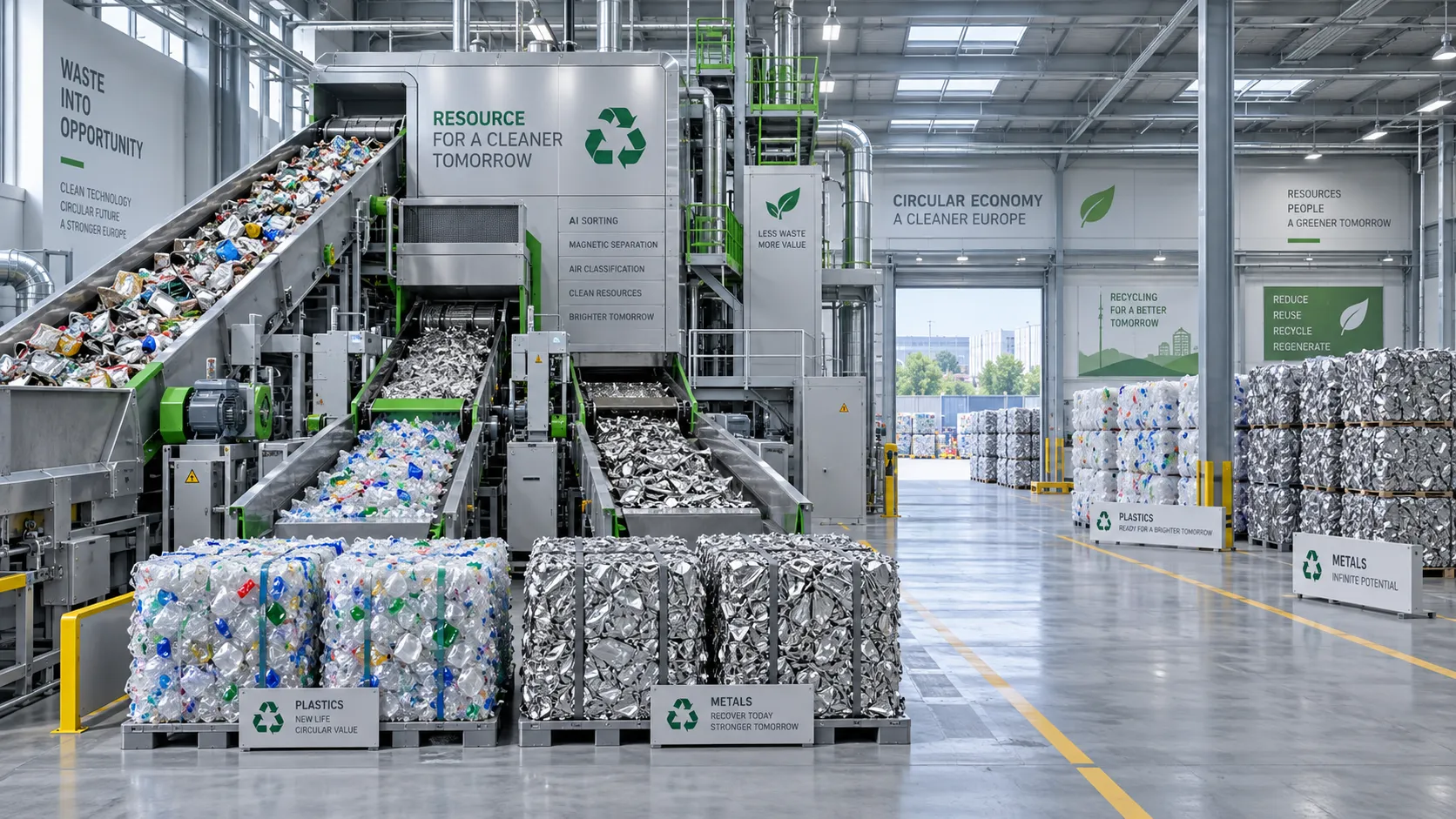
What determines payback for waste-to-resource systems in Europe?
Assess waste-to-resource systems Europe-wide: compare feedstock, recovery yields, costs and contracts to uncover payback drivers and make smarter investment decisions.
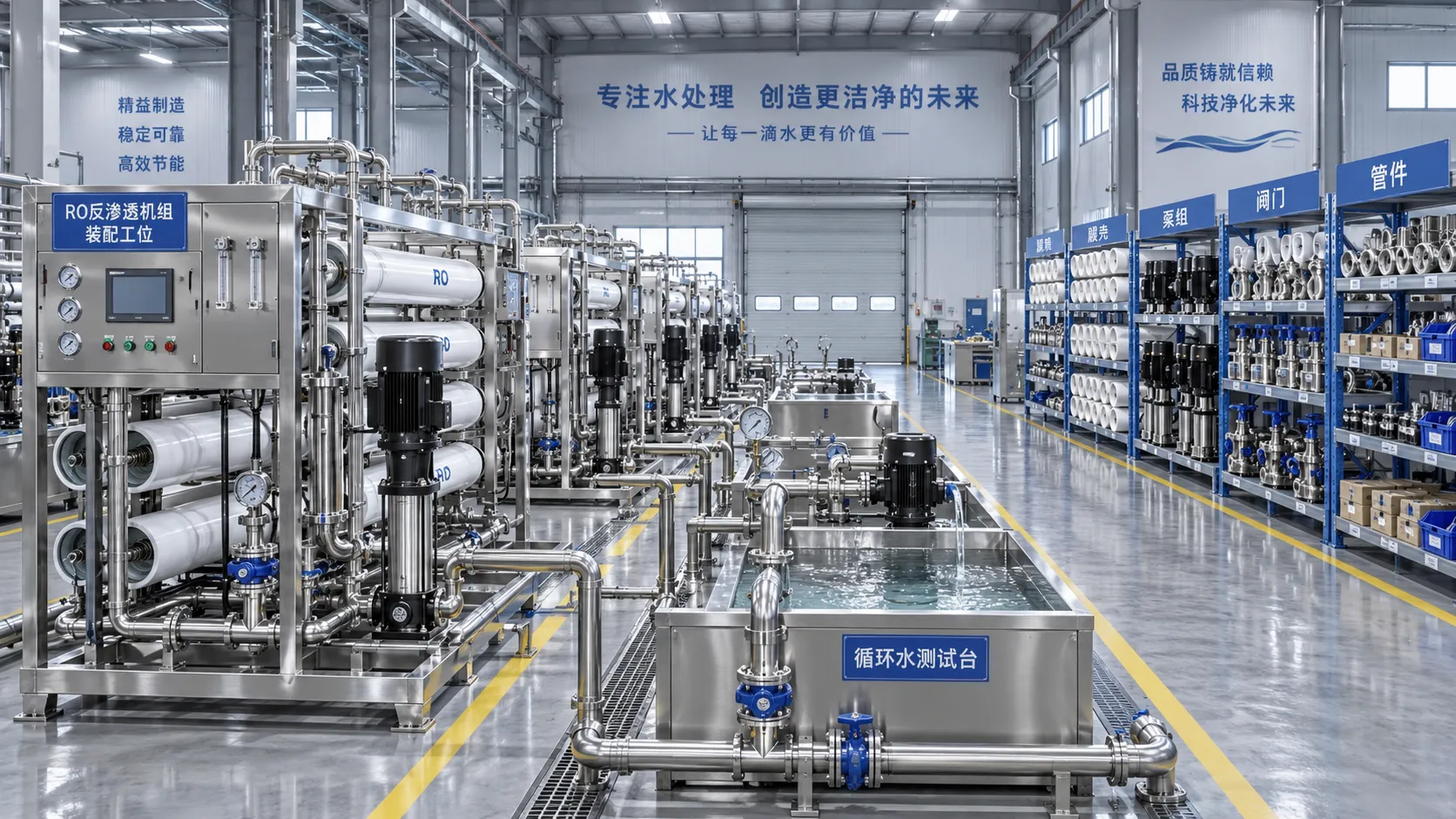
How to verify a water treatment system factory’s production capacity
Verify a water treatment systems factory’s production capacity through records, bottlenecks, component availability, and testing. Learn what to check before accepting a delivery promise.
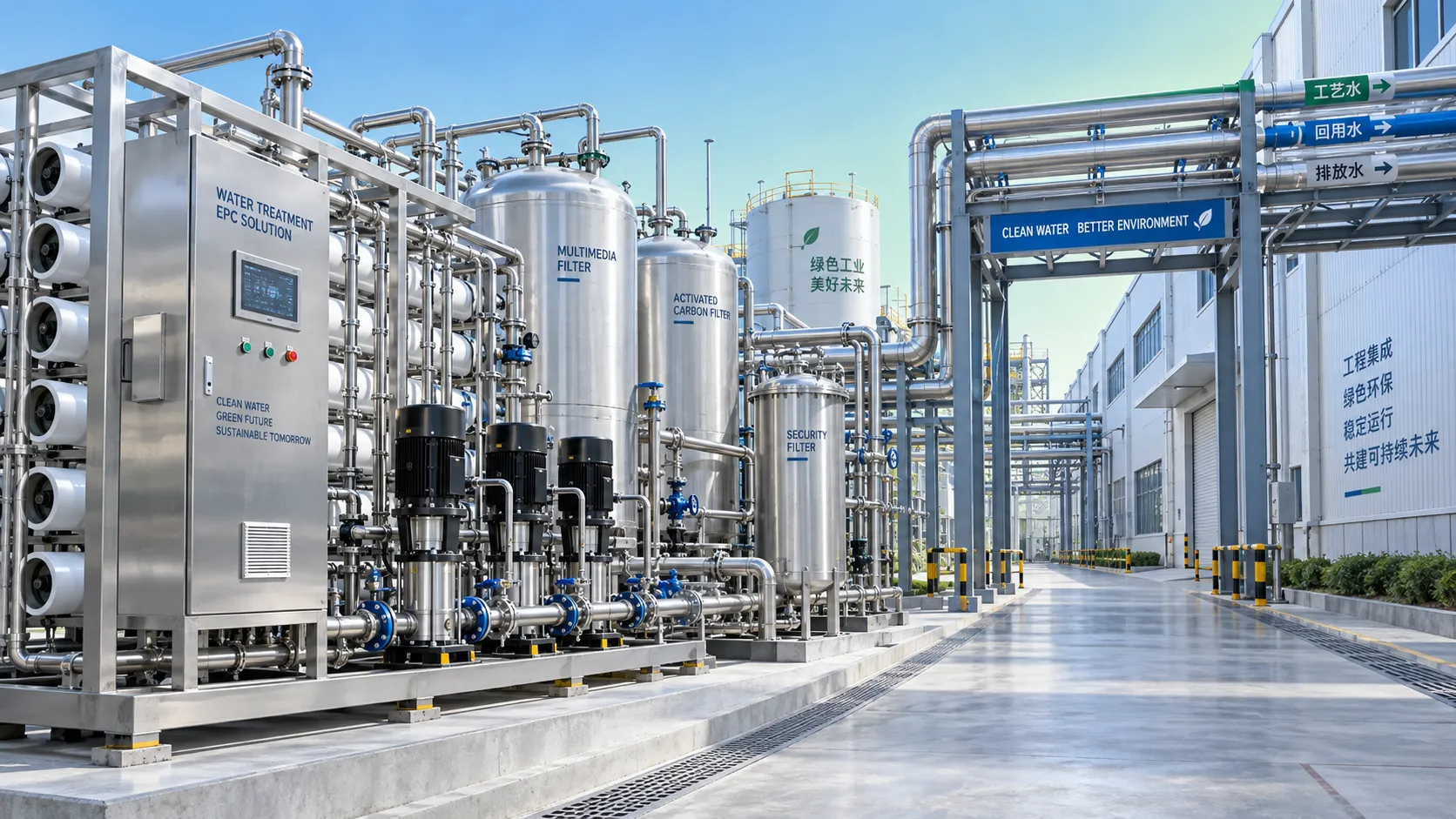
When does EPC environmental project support reduce delivery risk?
EPC environmental project support engineering reduces delivery risk by aligning design, procurement, compliance, construction, and commissioning decisions.
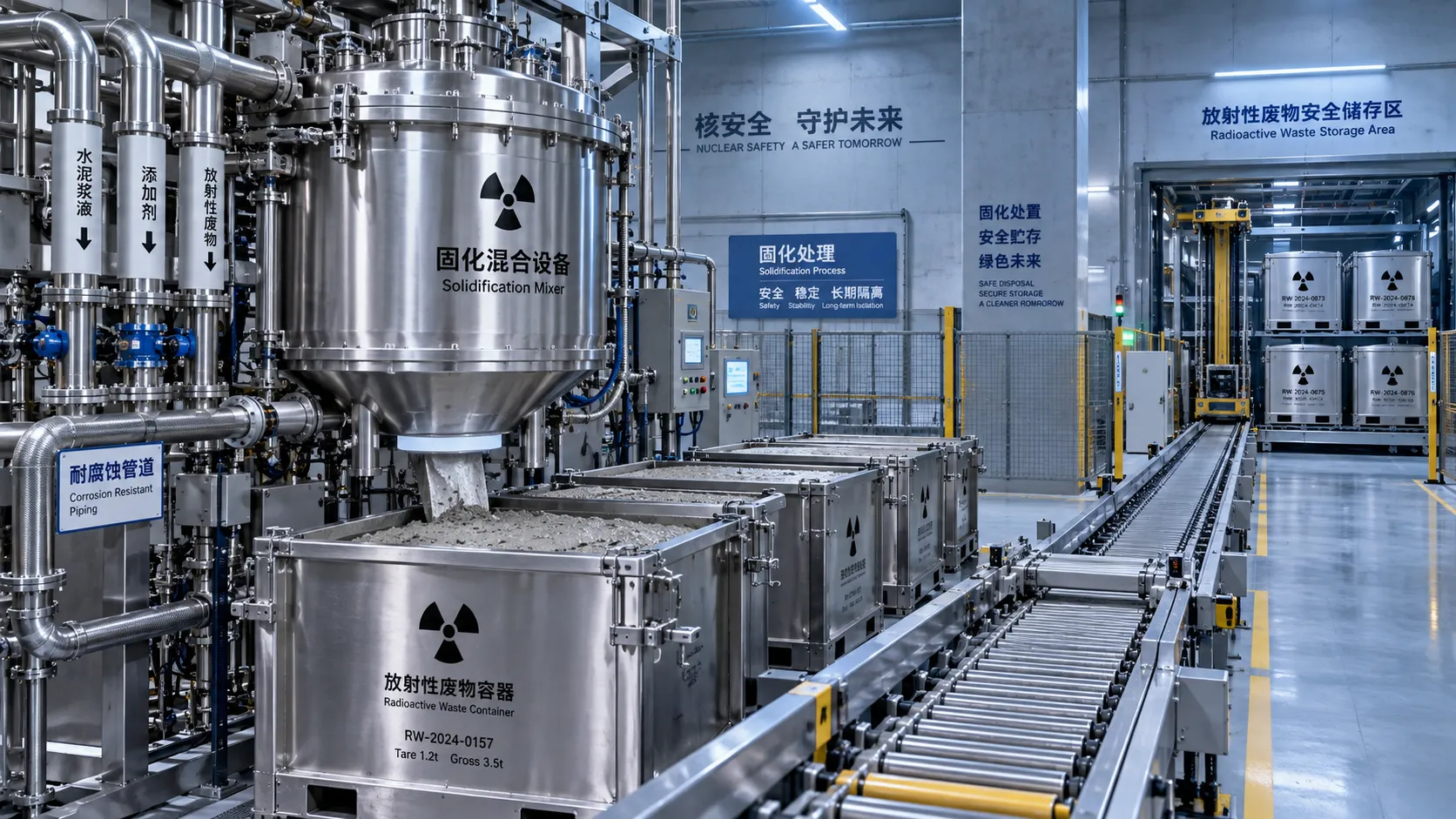
How nuclear plants select a radioactive waste solidification method
Radioactive waste management for nuclear plants: compare vitrification, cementation, polymers, and ceramics to select a compliant, durable solidification solution.
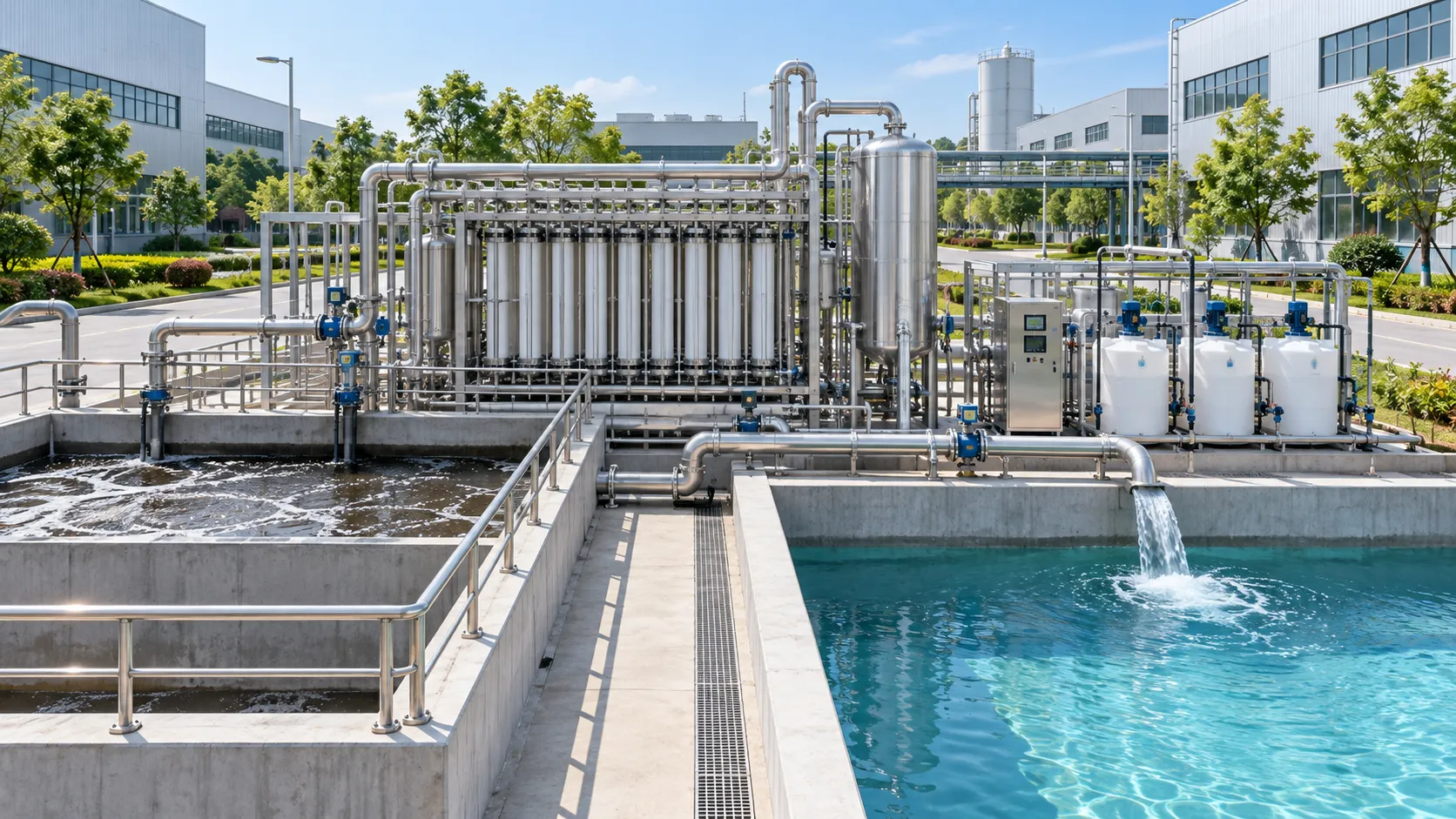
Comparing Upgrade Costs for Industrial Park Wastewater Treatment Systems
Compare costs for wastewater system upgrades in industrial parks with a lifecycle view of CAPEX, OPEX, compliance, resilience, and future expansion.
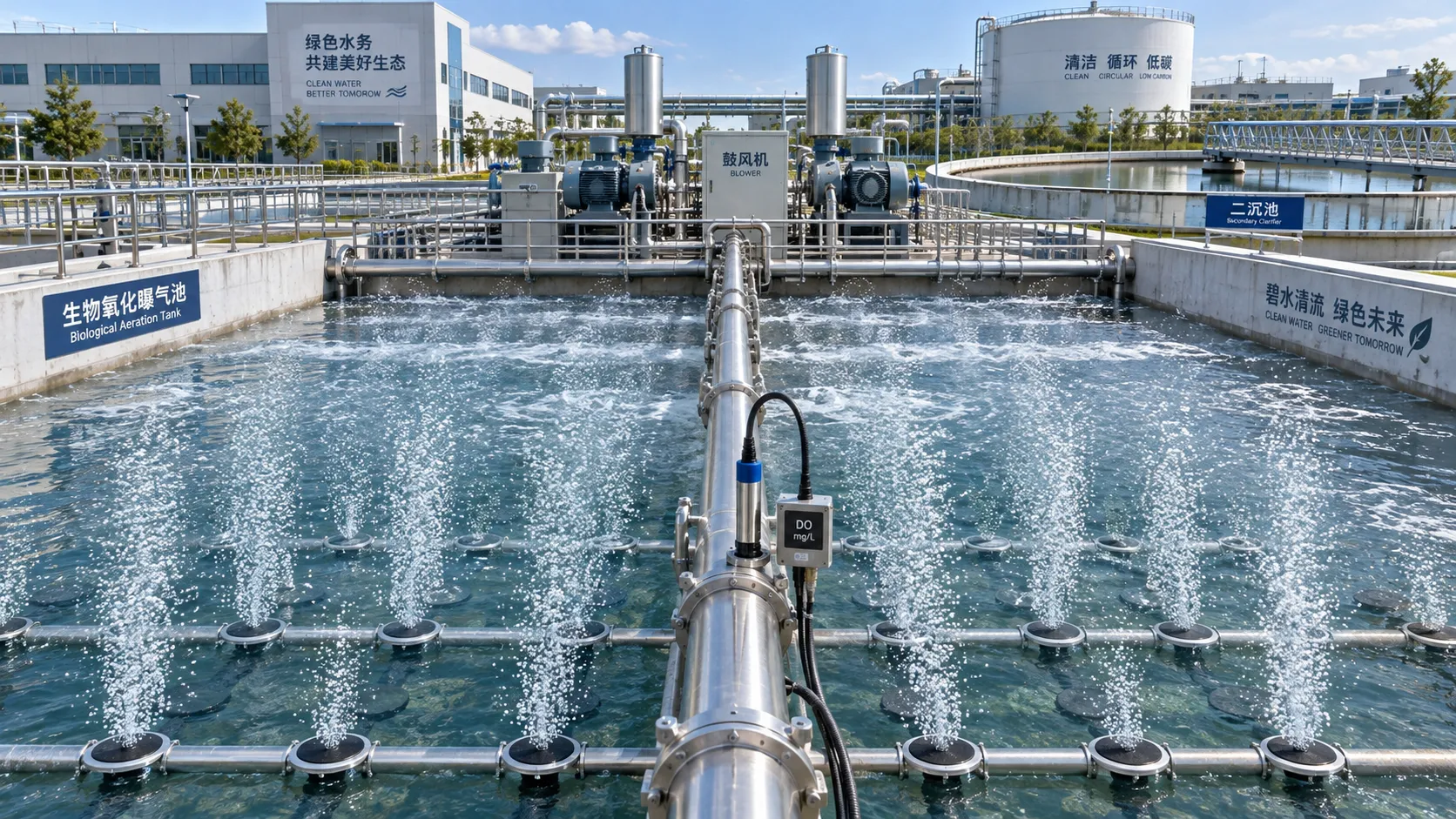
Biological Wastewater Oxidation Explained: Aeration Demand and Process Control
Biological wastewater oxidation explained: optimize aeration demand, DO control, nitrification, and sludge age for stable effluent quality and lower energy costs.
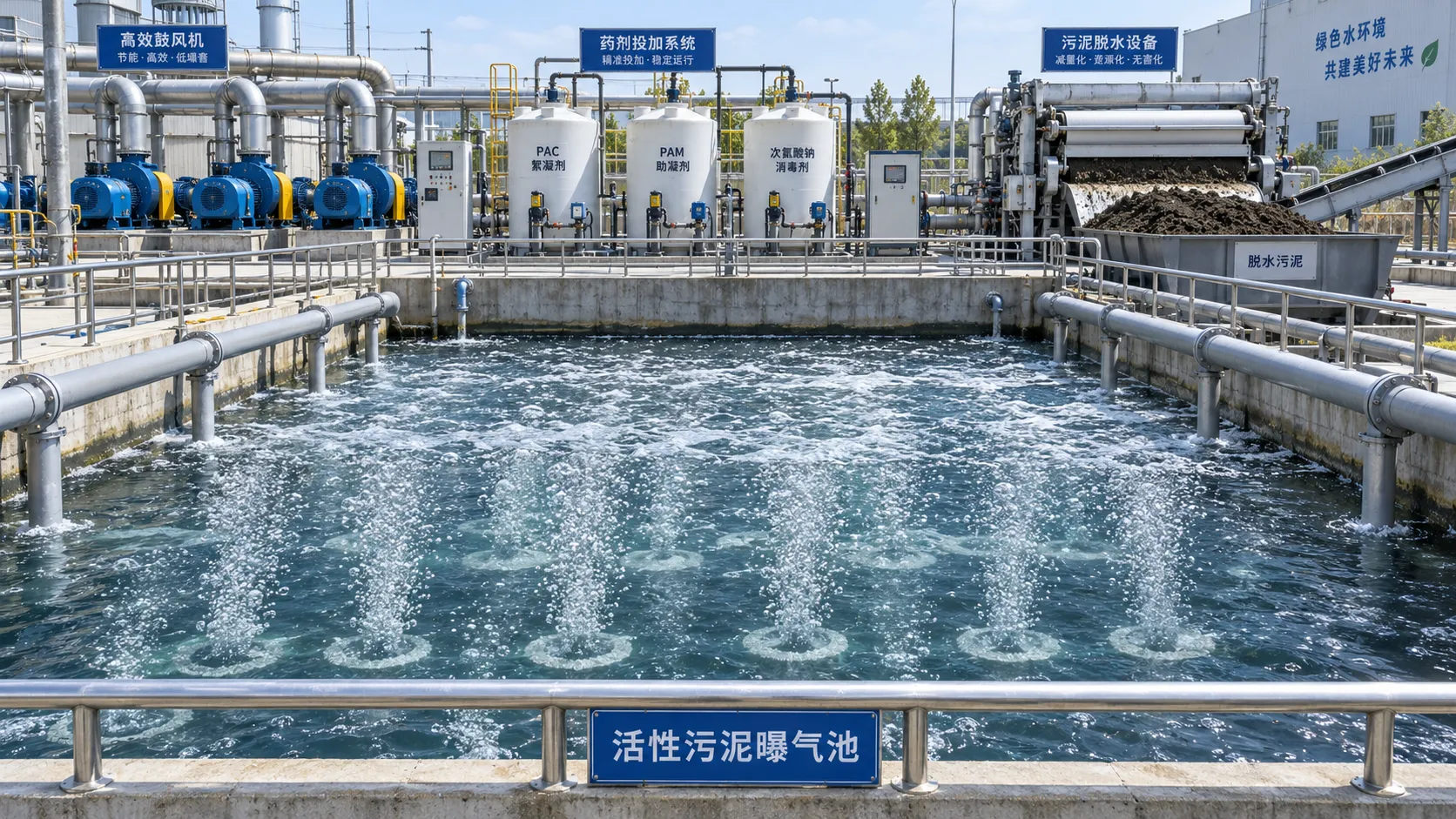
Activated Sludge Cost: Budgeting Energy, Chemicals, Sludge, and Labor
Activated sludge cost explained: compare energy, chemicals, sludge disposal, labor, and compliance risks to build a reliable lifecycle budget.
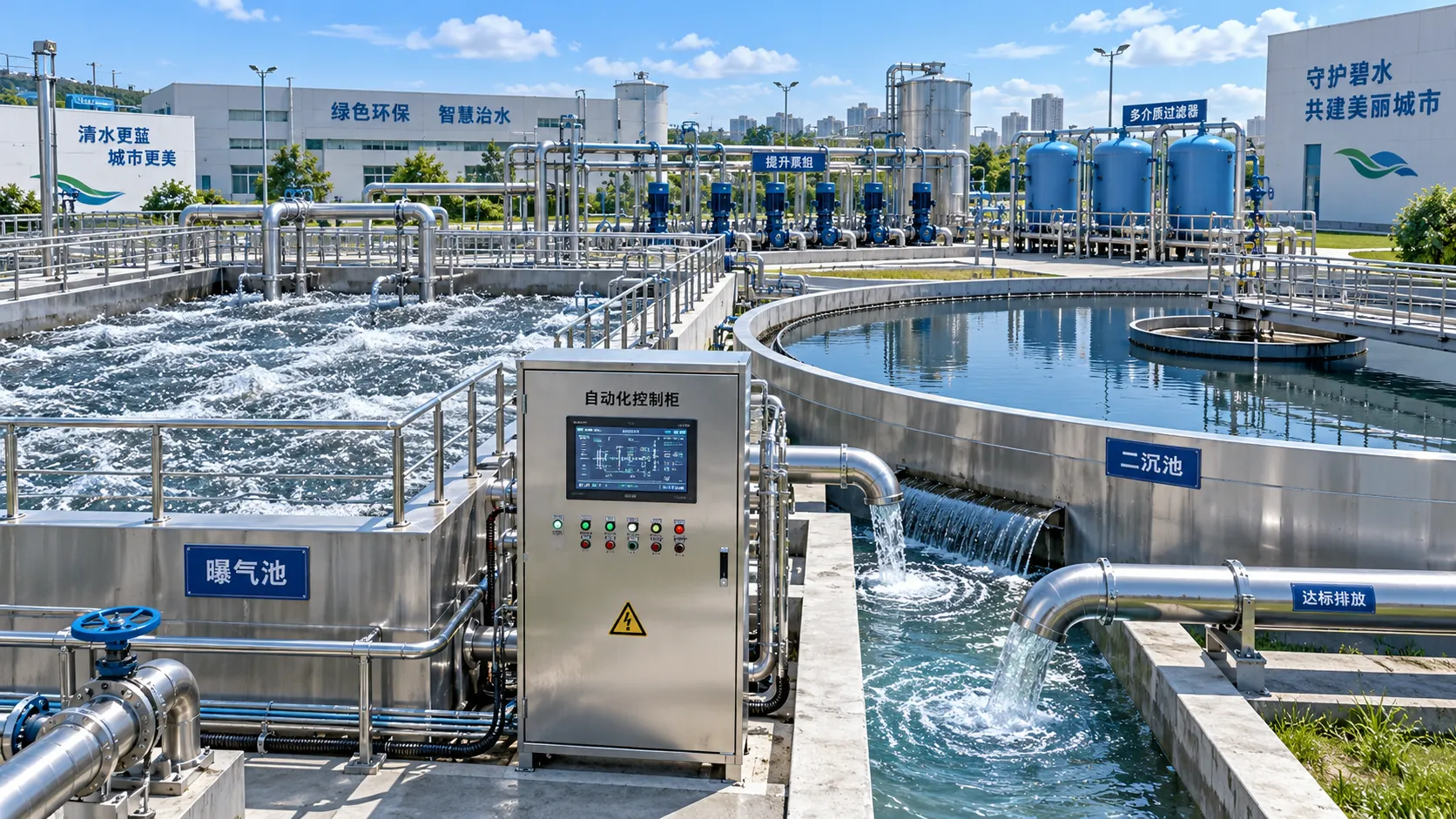
When Should Municipal Wastewater Plants Upgrade Treatment Capacity and Controls?
Municipal wastewater treatment upgrades: learn when capacity, controls, and resilient planning are needed to protect compliance and optimize plant performance.