
Industry News
Curation by industry experts
Hot Articles
Popular Tags
How Green Tech Enterprises Scale Without Margin Loss
As regulation tightens and capital efficiency becomes non-negotiable, green tech enterprises must scale with precision rather than sacrifice profitability.
In water treatment, desalination, waste recovery, flue gas control, and nuclear safety, expansion now depends on smarter intelligence, tighter operations, and disciplined market selection.
For green tech enterprises, margin protection is no longer a finance issue alone. It is a design, compliance, supply chain, bidding, and lifecycle service issue.
This is where intelligence-led platforms like ESD create value. By connecting technical performance, policy change, and commercial signals, they help growth happen without hidden erosion.
Why scaling scenarios differ for green tech enterprises
Not every growth path creates the same economics. A desalination contractor faces different risks than a nuclear waste technology supplier or an AI sorting system integrator.
The wrong scaling model often looks attractive at first. Revenue rises, but engineering change orders, compliance delays, and service obligations quietly compress gross margin.
Green tech enterprises need scenario-based judgment. The key question is not only where demand exists, but where technical fit, regulatory predictability, and delivery capability align.
ESD’s coverage of ZLD, SWRO, pyrolysis, flue gas treatment, and vitrification shows that each segment rewards different forms of scale.
The first test: scale volume, scale value, or scale control
Some green tech enterprises scale through more projects. Others scale through higher-value systems, software layers, consumables, or long-term operations and maintenance contracts.
The strongest performers usually scale control. They standardize core modules, protect specification authority, and reduce exposure to volatile custom engineering.
Scenario 1: Expanding in large water treatment without margin loss
Large water treatment projects offer size, visibility, and policy support. They also bring heavy customization, strict discharge limits, and difficult commissioning environments.
For green tech enterprises, the margin risk often starts before contract signing. Underpriced pretreatment complexity or unstable influent quality can destroy project economics later.
A better approach is modular design with scenario-specific tuning. Standard skids, repeatable controls, and digital monitoring reduce site variability and shorten startup time.
ESD intelligence is especially useful here. Tracking ZLD policy shifts, membrane fouling trends, and regional discharge enforcement can improve bid assumptions dramatically.
Core judgment points
- How stable is influent composition over time?
- Can the process train be modularized without performance loss?
- Is there recurring revenue from membranes, chemicals, or remote diagnostics?
- Will local compliance changes require redesign within two years?
Scenario 2: Growing desalination exposure while controlling energy and service costs
Heavy seawater desalination is a strategic market with long demand visibility. Yet margin pressure appears in energy intensity, membrane life, corrosion management, and uptime guarantees.
Green tech enterprises entering this space should avoid competing only on EPC price. The stronger position is process efficiency, reliability, and lifecycle cost transparency.
SWRO membrane evolution, energy recovery devices, and pretreatment optimization create margin defense. These factors shape total cost more than headline equipment discounts.
With ESD-style technical intelligence, expansion decisions can be tied to real regional conditions, including salinity profiles, energy prices, and public procurement structures.
What supports profitable scale in desalination
- Performance guarantees linked to measurable operating baselines.
- Service contracts covering membrane replacement and predictive maintenance.
- Localized supply planning for corrosion-critical components.
- Data-backed differentiation in energy consumption per cubic meter.
Scenario 3: Scaling waste recovery systems in markets with uneven feedstock quality
Solid waste recovery attracts investment because circular economy policy is accelerating globally. However, the feedstock itself is rarely standardized.
This creates a major challenge for green tech enterprises. Throughput projections may look attractive, but contamination, collection inefficiency, and sorting variability can weaken returns.
The best scaling strategy combines process flexibility with strong upstream data. AI sorting, pyrolysis, and secondary resource networks work best when input uncertainty is quantified early.
Profitability also improves when expansion includes downstream offtake logic. Recovered material pricing, contract structures, and quality assurance matter as much as plant engineering.
Where margin usually leaks
- Overestimating usable feedstock volume.
- Undervaluing contamination control costs.
- Ignoring offtake volatility for recycled outputs.
- Expanding before process analytics are mature.
Scenario 4: Entering highly regulated segments such as flue gas and nuclear waste management
In flue gas treatment and nuclear waste management, technical failure is not merely expensive. It can eliminate market access entirely.
For green tech enterprises, margin preservation here depends on compliance depth, validation discipline, and long qualification cycles. Fast scaling is rarely the right strategy.
Low-temperature SCR catalyst performance, FGD reliability, and vitrification stability demand proof, not slogans. Premium margins are possible, but only with certified trust.
This is where specialized intelligence becomes a competitive asset. Regulatory iterations, technical benchmarks, and geopolitical supply risks must be monitored continuously.
The profitable scaling model in high-compliance markets
Scale through qualification libraries, reference cases, expert partnerships, and lifecycle assurance. Green tech enterprises win more when they reduce buyer uncertainty.
How scenario needs differ across major growth paths
Practical adaptation strategies for green tech enterprises
Green tech enterprises protect margin when they treat strategy as an operating system, not a slogan. The following actions are especially practical.
- Build a bid filter based on compliance complexity, localization burden, and service exposure.
- Separate standard modules from custom engineering in pricing and project governance.
- Use intelligence dashboards linking policy, technology updates, and competitor movement.
- Expand aftermarket revenue before chasing pure equipment volume.
- Localize only the parts of the value chain that reduce risk without reducing control.
- Track lifecycle margin by project type, not only by annual revenue totals.
Common misjudgments that undermine profitable expansion
One common mistake is assuming strong policy support automatically means strong margins. In reality, subsidy-led demand can attract aggressive pricing and weak project discipline.
Another error is equating localization with competitiveness. For green tech enterprises, local assembly helps only when quality systems and supply visibility remain intact.
Many teams also ignore the cost of technical education. In complex environmental equipment markets, market creation often requires specification influence and long credibility cycles.
Finally, growth can fail when data remains fragmented. Sales, engineering, compliance, and service teams must work from the same intelligence framework.
What to do next if margin-safe scaling is the goal
Start with a scenario map. Identify which markets reward modularity, which reward certification depth, and which reward recurring service capability.
Then audit where margin is actually lost today. Focus on bidding assumptions, compliance change exposure, field commissioning costs, and spare parts dependence.
For green tech enterprises, the next advantage will belong to those combining technical rigor with strategic intelligence. That is exactly the value of ESD’s eco-shield perspective.
When growth decisions are anchored in real operating scenarios, global expansion becomes more selective, more defensible, and far less destructive to margin.
Recommended News
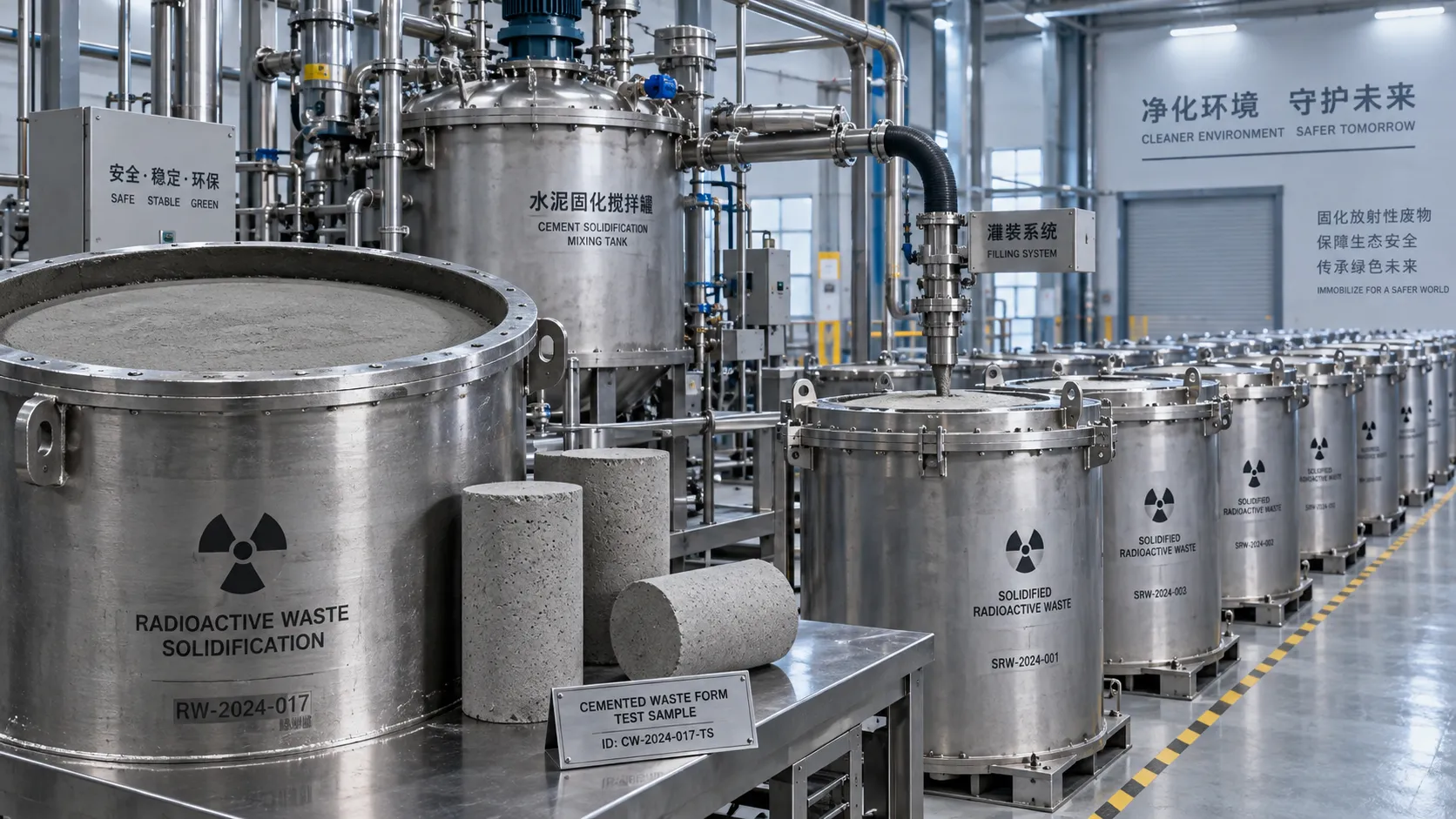
When is cementation suitable for nuclear decommissioning waste?
Explore nuclear waste treatment technology for decommissioning: learn when cementation fits, which risks to assess, and how disposal criteria guide an effective treatment choice.
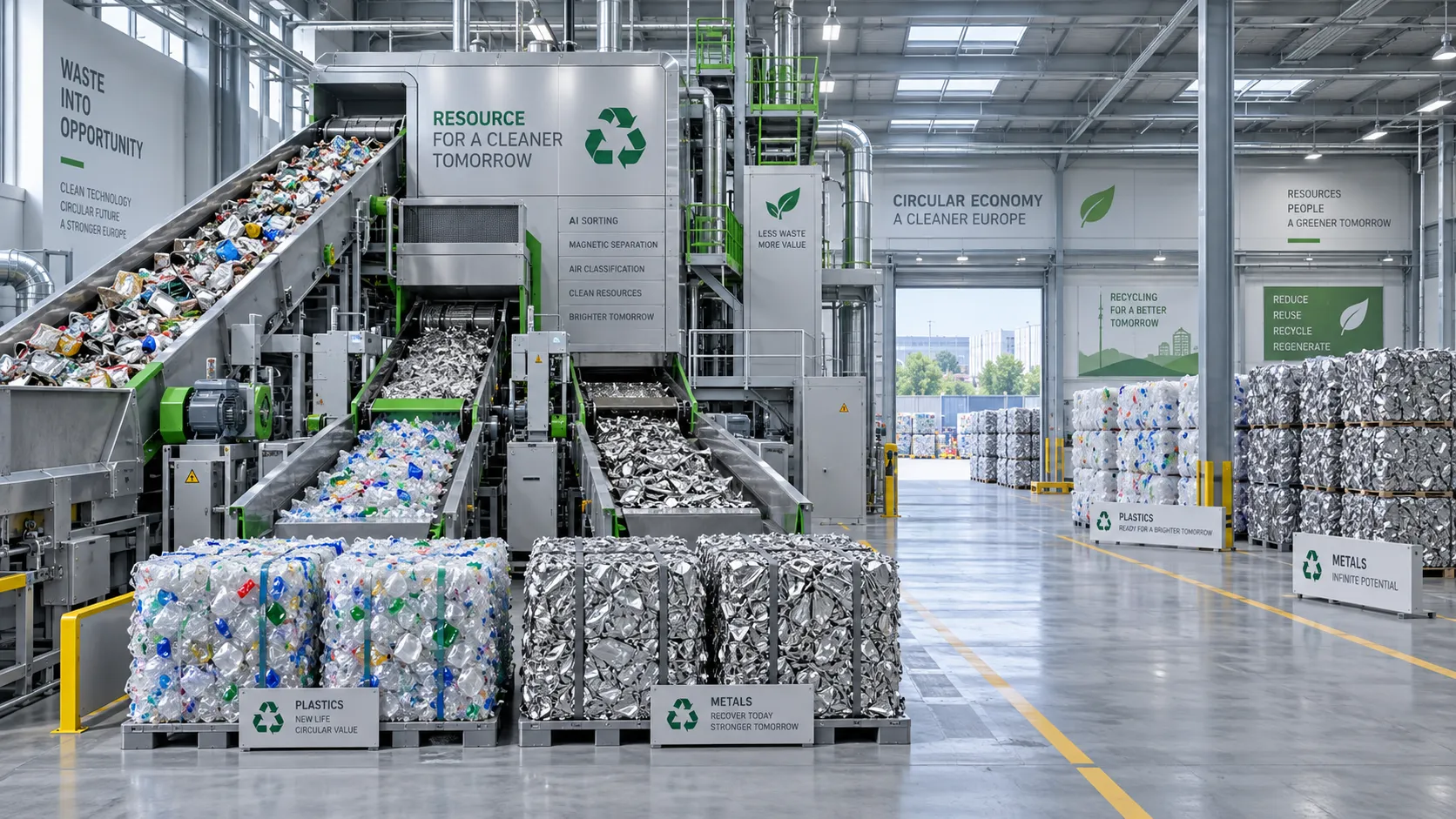
What determines payback for waste-to-resource systems in Europe?
Assess waste-to-resource systems Europe-wide: compare feedstock, recovery yields, costs and contracts to uncover payback drivers and make smarter investment decisions.
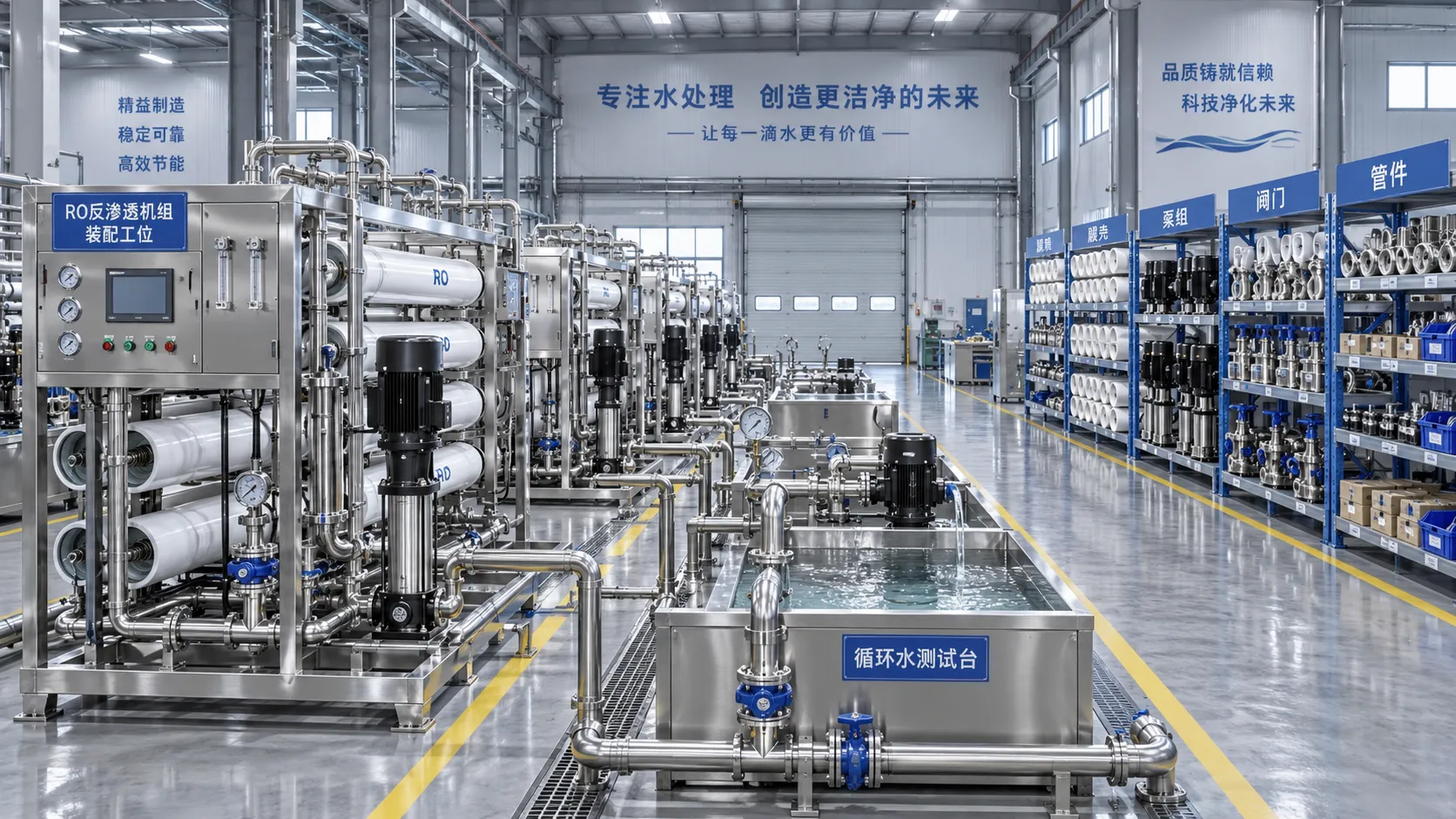
How to verify a water treatment system factory’s production capacity
Verify a water treatment systems factory’s production capacity through records, bottlenecks, component availability, and testing. Learn what to check before accepting a delivery promise.
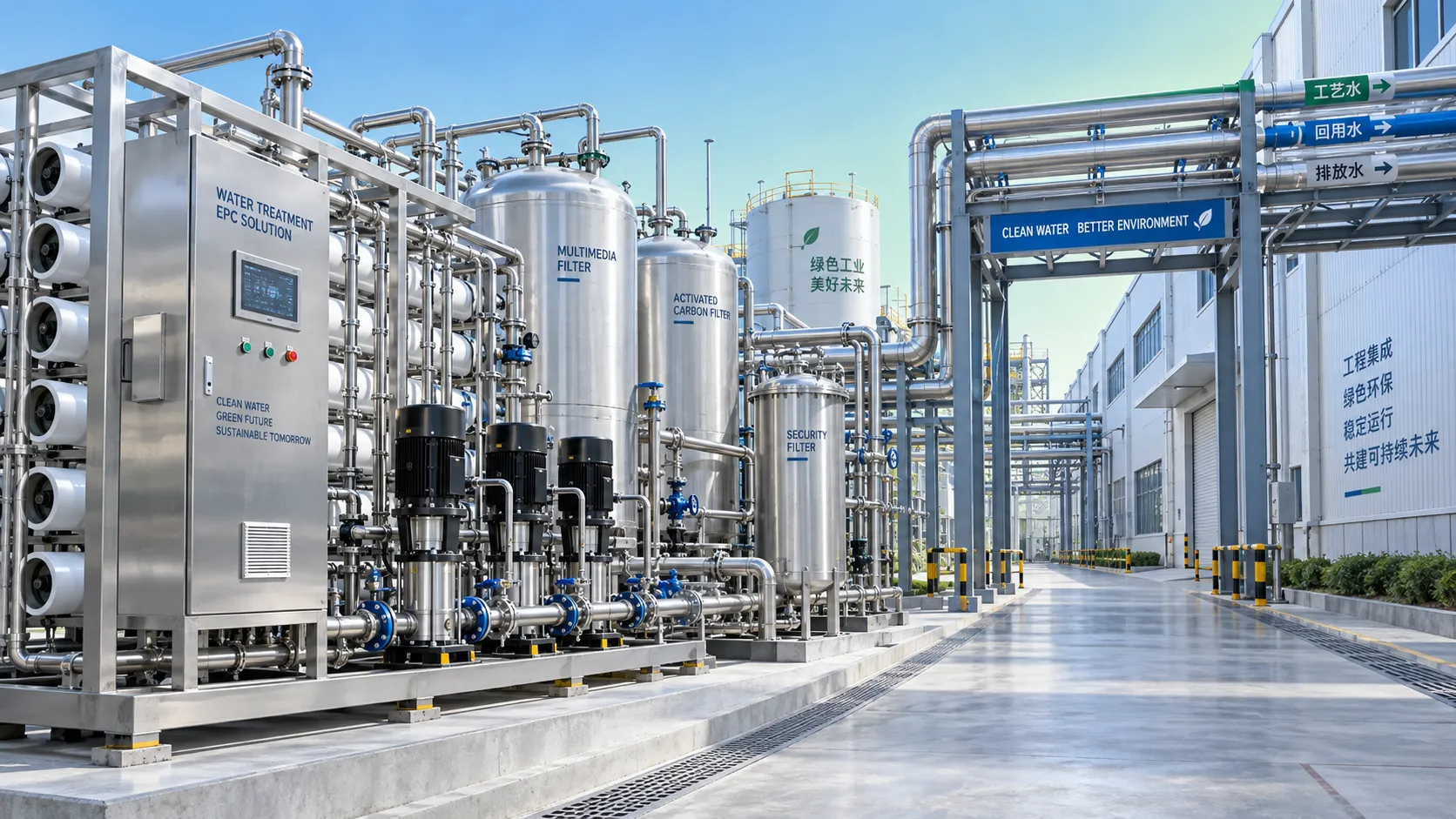
When does EPC environmental project support reduce delivery risk?
EPC environmental project support engineering reduces delivery risk by aligning design, procurement, compliance, construction, and commissioning decisions.
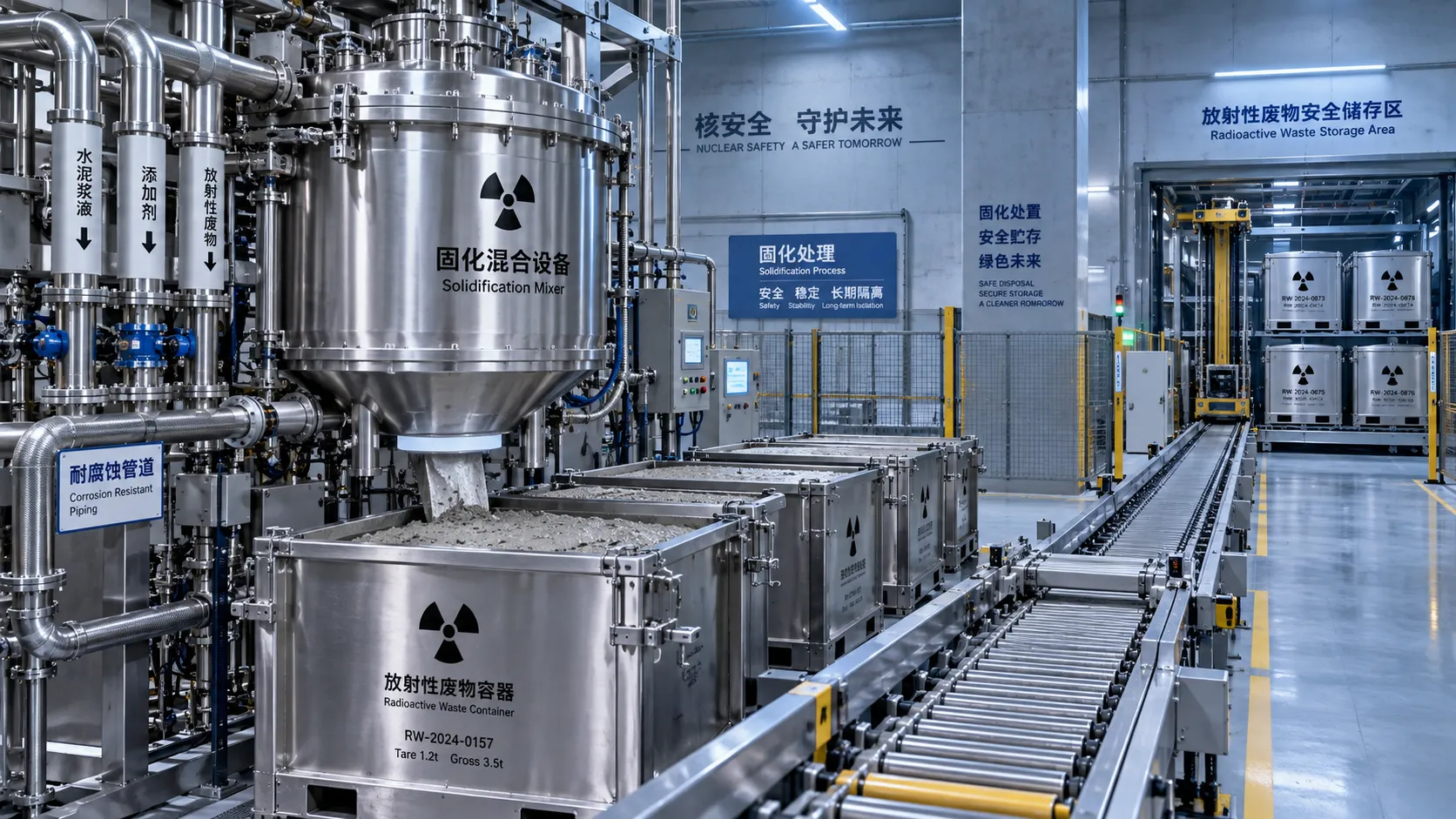
How nuclear plants select a radioactive waste solidification method
Radioactive waste management for nuclear plants: compare vitrification, cementation, polymers, and ceramics to select a compliant, durable solidification solution.
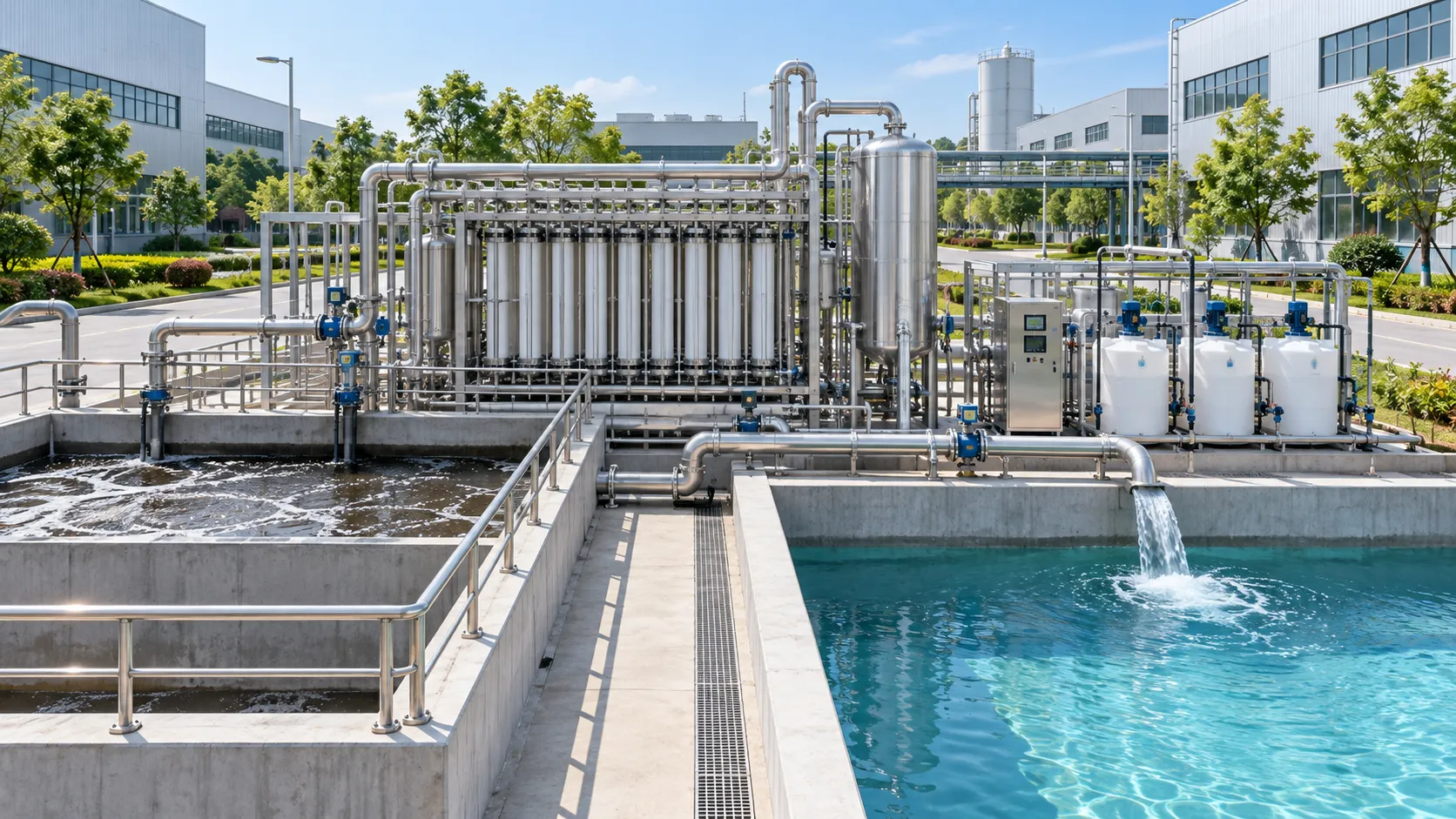
Comparing Upgrade Costs for Industrial Park Wastewater Treatment Systems
Compare costs for wastewater system upgrades in industrial parks with a lifecycle view of CAPEX, OPEX, compliance, resilience, and future expansion.
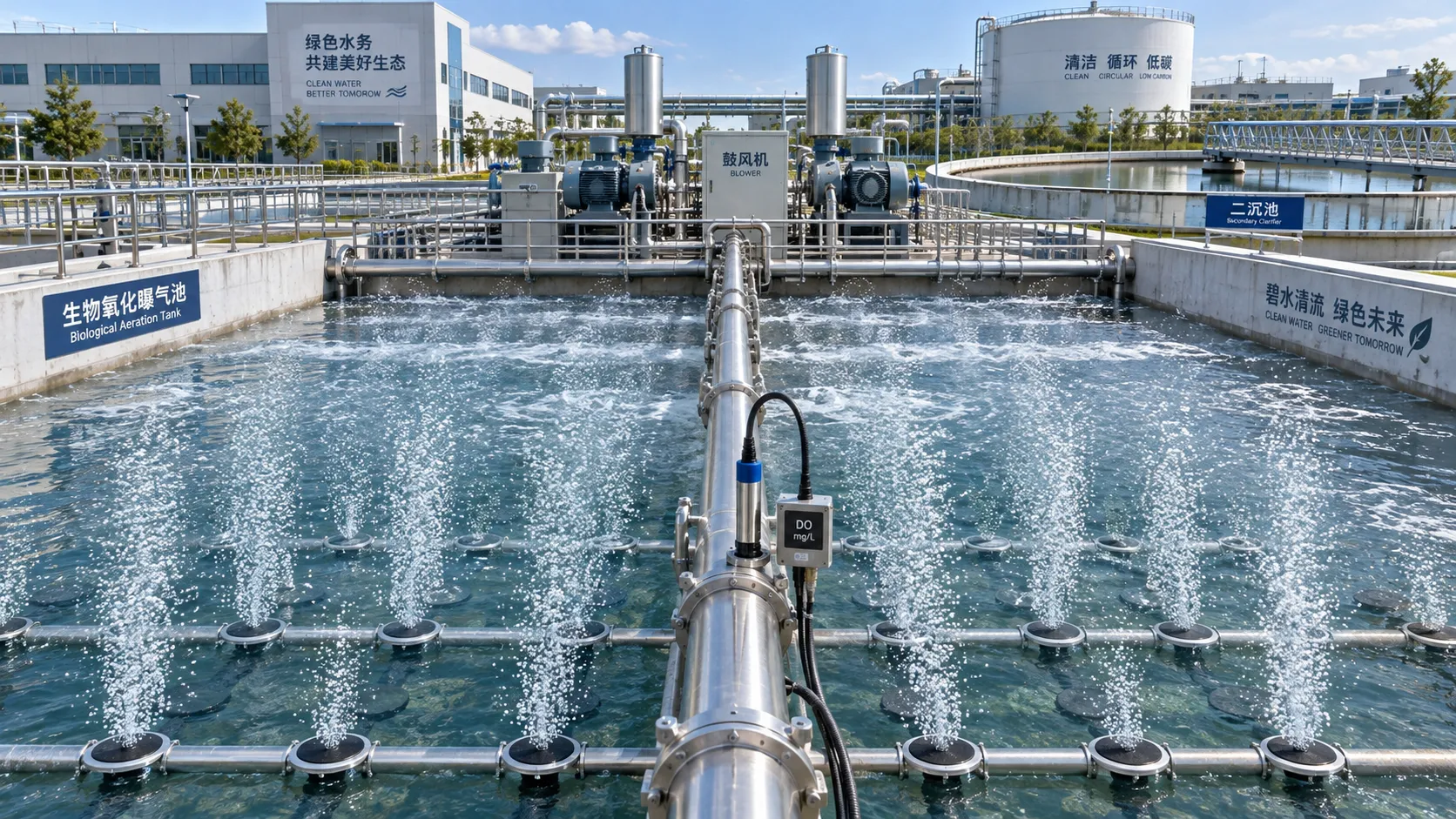
Biological Wastewater Oxidation Explained: Aeration Demand and Process Control
Biological wastewater oxidation explained: optimize aeration demand, DO control, nitrification, and sludge age for stable effluent quality and lower energy costs.
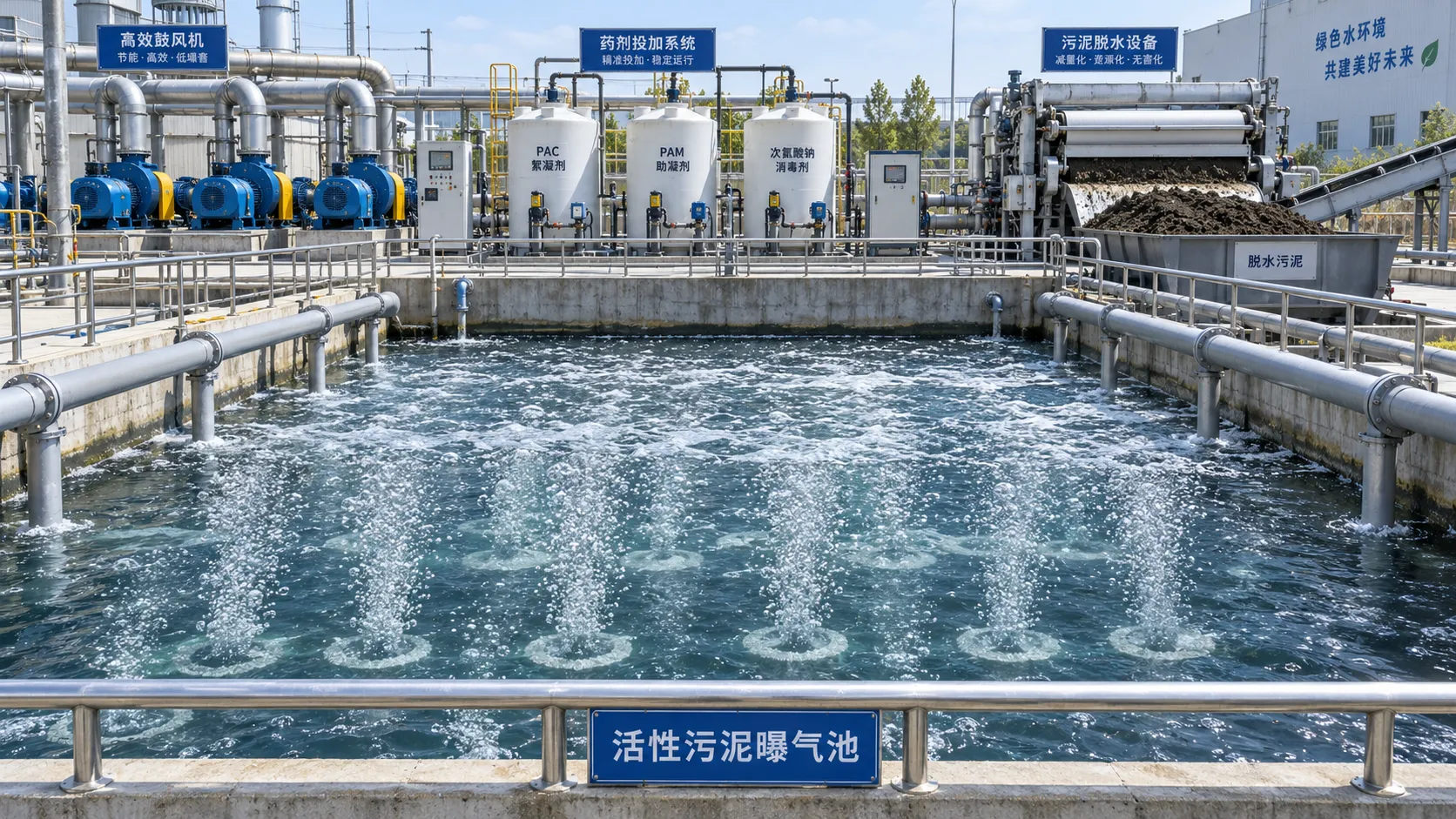
Activated Sludge Cost: Budgeting Energy, Chemicals, Sludge, and Labor
Activated sludge cost explained: compare energy, chemicals, sludge disposal, labor, and compliance risks to build a reliable lifecycle budget.
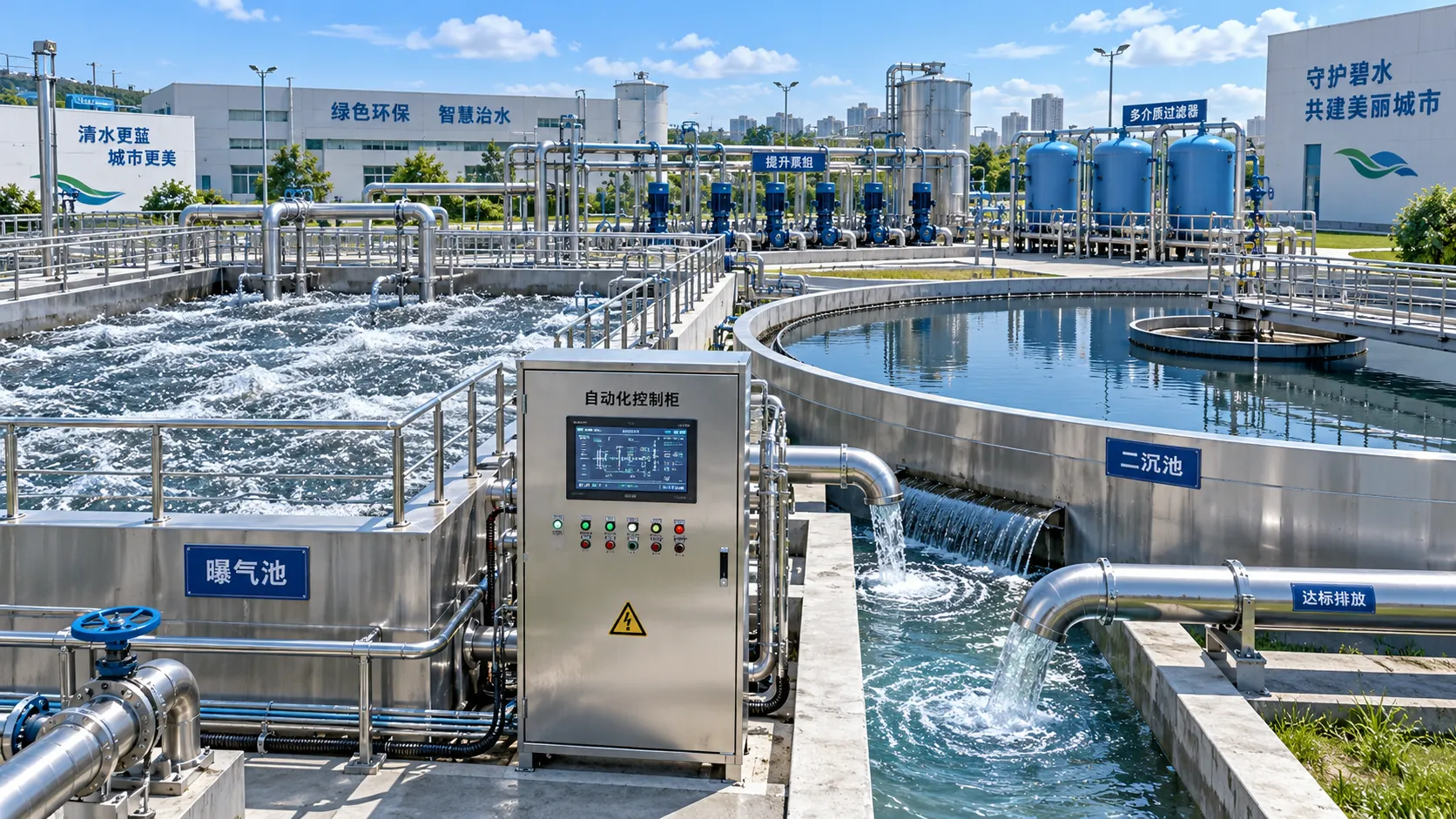
When Should Municipal Wastewater Plants Upgrade Treatment Capacity and Controls?
Municipal wastewater treatment upgrades: learn when capacity, controls, and resilient planning are needed to protect compliance and optimize plant performance.