
Industry News
Curation by industry experts
Hot Articles
Popular Tags
Government Projects in 2026: What Delays Budgets Most
Why do government projects in 2026 keep slipping even when funding is approved? For project managers and engineering leads, the biggest budget delays often come from shifting compliance rules, procurement bottlenecks, technology validation, and cross-agency coordination. This article breaks down the real causes behind stalled timelines and cost overruns, with practical insight for teams involved in large-scale environmental and infrastructure programs.
Why approved government projects still lose time and money
In 2026, many government projects do not fail because capital disappears. They stall because the path from budget approval to field execution has become more complex. Environmental programs, utility upgrades, desalination assets, waste recovery lines, flue gas systems, and nuclear waste handling infrastructure now sit under tighter scrutiny than in previous cycles.
For project managers, the real pressure is not a single delayed invoice. It is the compound effect of permitting changes, tender revisions, supplier qualification gaps, slower factory acceptance, and interdepartmental review loops. Each issue can seem manageable alone. Together, they turn planned budgets into moving targets.
This is especially true in large environmental government projects, where process integrity, emissions compliance, water quality thresholds, lifecycle reliability, and public accountability all shape procurement decisions. A system may be technically available, yet still not be deployable within the original budget window.
- Compliance updates arrive after concept design, forcing redesign or specification adjustment.
- Bid packages overlook integration risk between civil works, process equipment, and digital controls.
- Long-lead components such as membranes, reactors, catalyst systems, radiation shielding, or sorting automation face supply volatility.
- Agencies approve funding in stages, while contractors must commit to delivery schedules much earlier.
The budget delay pattern is rarely linear
Most government projects suffer from chain reactions. A compliance question delays technical clarification. That clarification delays procurement release. Procurement delay shifts fabrication slots. The shifted fabrication slot disrupts commissioning season, labor allocation, and final reporting. By the time the budget team reacts, the original cost baseline is already outdated.
What delays budgets most in 2026 government projects?
The most common budget blockers in government projects can be grouped into a few high-impact categories. For engineering leaders, identifying which category applies early is often more valuable than trying to compress the schedule later.
The table below highlights the most frequent causes of delay in government projects and how they typically affect budget timing, scope control, and contractor performance.
A useful lesson for government projects is that schedule slips often begin as decision delays, not construction delays. If review authority is fragmented, the budget timeline becomes fragile even before equipment reaches site.
1. Compliance drift is now a major cost trigger
Environmental and infrastructure projects increasingly face evolving discharge limits, emissions thresholds, waste classification rules, localization requirements, cybersecurity expectations, and reporting obligations. When these move after the basis of design is issued, government projects can require a cascade of revisions.
In sectors such as ZLD water treatment, flue gas control, seawater desalination, and nuclear waste handling, small compliance changes can force major equipment adjustments. A tighter brine disposal requirement may alter membrane trains and evaporation scope. A revised waste acceptance rule may require containment redesign or monitoring upgrades.
2. Procurement bottlenecks create invisible budget pressure
Government projects often rely on formal tender structures that prioritize transparency and competition. That is necessary, but it can slow action when technical packages are incomplete. If the bid documents do not define process duty, expected influent variability, redundancy logic, spare parts philosophy, or interface responsibilities clearly, procurement stretches far beyond the planned window.
For project managers, this means the cheapest bid can become the most expensive pathway. Clarification rounds, non-compliant offers, and retendering all consume time. In a volatile equipment market, time lost in tendering often returns as higher pricing or reduced delivery certainty.
3. Technology validation is harder in advanced environmental assets
Many 2026 government projects involve newer process combinations: AI-enabled sorting, low-temperature catalyst optimization, advanced membrane trains, sludge-to-resource conversion, or safer waste immobilization approaches. These are promising, but public-sector buyers typically require stronger proof of operating reliability, maintainability, and environmental compliance.
If validation planning starts too late, pilot work or third-party review can push budget release into later quarters. That timing issue affects not only cost but also public procurement deadlines and contractor cash flow planning.
Where project managers lose control first
Not all government projects are equally vulnerable. The greatest budget stress usually appears where technical complexity intersects with multiple approval layers. This is common in integrated environmental programs, where civil, mechanical, process, digital, safety, and regulatory teams all influence delivery.
High-risk project zones
- Front-end scope definition that does not capture feed variability, waste composition, salinity range, emissions swings, or long-term operating targets.
- Interface management between EPC contractors, equipment suppliers, automation vendors, and local utilities.
- Approval sequencing that treats technical review, environmental review, and procurement review as separate tracks rather than one decision chain.
- Insufficient market intelligence on component lead times, trade restrictions, carbon-related policy costs, or regional supplier capacity.
This is where an intelligence-driven approach matters. ESD’s sector coverage is valuable because large government projects do not only need product data. They need stitched intelligence across regulation, process design, supply availability, and commercial timing.
How to assess budget delay risk before tender release
Project leaders can reduce budget slippage by screening risk before procurement starts. The goal is not to eliminate uncertainty. It is to identify which uncertainties are likely to become expensive later in government projects.
The following procurement and selection matrix is useful for evaluating budget resilience in government projects involving environmental infrastructure and heavy process systems.
Used early, this matrix helps project managers move beyond price comparison. In many government projects, budget reliability depends more on interface clarity and compliance timing than on nominal equipment cost.
A practical pre-tender checklist
- Confirm whether the current design basis still matches 2026 regulatory conditions and permit expectations.
- Map long-lead items and identify which ones require early market sounding before formal bid release.
- Separate proven technology from emerging modules, then assign different validation paths.
- Define who has final authority on technical deviations, budget reallocations, and compliance interpretation.
- Require interface matrices between process vendors, civils, electrical systems, and digital control packages.
Scenario analysis: environmental government projects are not delayed for the same reasons
One reason government projects are hard to manage is that delay patterns vary by asset type. A municipal wastewater upgrade does not face the same approval rhythm as a seawater desalination facility, and neither behaves like a waste-to-resource installation or a nuclear waste conditioning program.
Typical differences by project type
These distinctions matter because government projects are often budgeted with generic contingency logic. In practice, each project type needs a different risk reserve strategy, approval calendar, and supplier engagement model.
How ESD helps teams shorten uncertainty before it becomes delay
For project managers handling complex government projects, late information is expensive information. ESD helps reduce that risk by connecting technical intelligence, commercial signals, and regulatory movement across environmental infrastructure sectors.
Where ESD adds practical value
- Tracking how environmental rules, carbon policy pressure, and cross-border compliance trends affect specification choices and bid strategy.
- Interpreting technical evolution in SWRO membranes, SCR catalyst behavior, resource recovery process chains, and waste stabilization pathways.
- Supporting EPC teams and engineering leaders with market insight relevant to billion-dollar government projects where timing, documentation, and authority matter as much as equipment performance.
This is not about adding another news source. It is about helping decision-makers anticipate where scope, compliance, and procurement will collide. In 2026 government projects, that anticipation is often the difference between controlled execution and budget drift.
FAQ: what project leaders ask most about government projects
Why do government projects get delayed even after funds are allocated?
Because budget approval is only one gate. Government projects still need aligned technical specifications, compliant procurement documents, approved interfaces, supplier capacity, and timely agency sign-off. If any of those move late, the allocated funds may remain unusable during the original execution window.
Which phase causes the biggest hidden budget overrun?
For many environmental government projects, front-end definition is the biggest hidden risk. If influent quality, emissions performance, utility load, waste residue handling, or safety assumptions are weak, downstream procurement and installation costs rise quickly. Hidden overruns usually begin with incomplete technical framing, not site activity.
How should teams compare bids for complex government projects?
Compare bids on compliance fit, delivery certainty, integration responsibility, lifecycle maintenance needs, and testing obligations, not just capex. A lower initial bid can become more expensive if the supplier lacks documentation discipline, local service readiness, or process validation support.
What is the best way to reduce delay risk in 2026?
Start with early intelligence. Review regulation updates, stress-test the design basis, verify long-lead supply exposure, and separate proven components from emerging technology modules. Government projects that do this before tender release usually maintain stronger budget control than those that react after award.
Why choose us for government project intelligence and planning support
If your team is evaluating government projects in water treatment, solid waste recovery, flue gas treatment, seawater desalination, or nuclear waste management, ESD can help you clarify the variables that most often delay budgets. Our focus is practical: turning technical complexity and regulatory noise into decision-ready intelligence.
You can contact us to discuss parameter confirmation, solution selection logic, expected delivery cycles, compliance interpretation, bid-stage technical positioning, and scenario-specific procurement risks. If you are comparing process routes, validating emerging equipment, or preparing for a public-sector tender, we can help structure the questions that should be answered before delay becomes cost.
For project managers and engineering leads, better timing starts with better visibility. That is where stronger government projects are built.
Recommended News
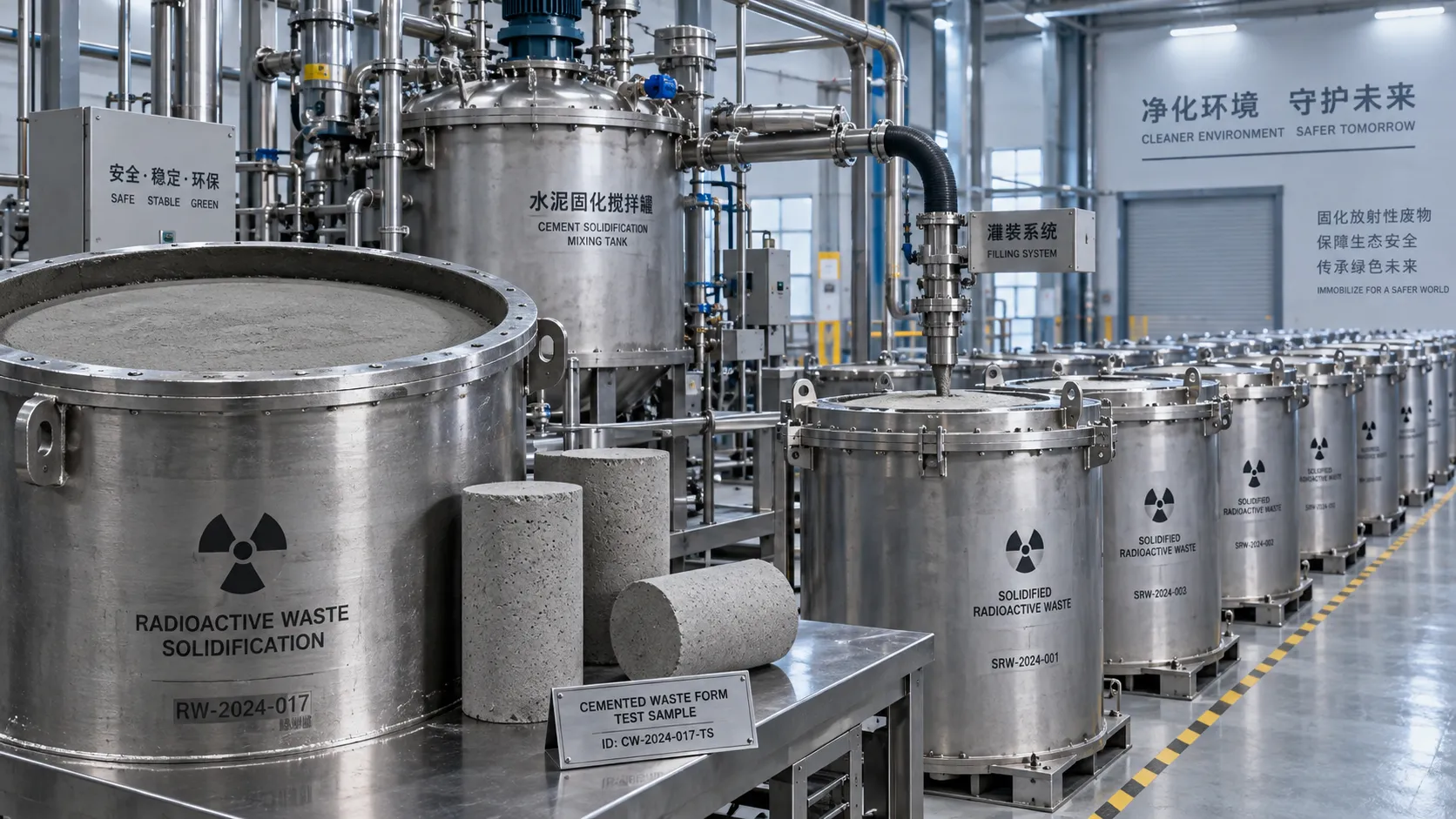
When is cementation suitable for nuclear decommissioning waste?
Explore nuclear waste treatment technology for decommissioning: learn when cementation fits, which risks to assess, and how disposal criteria guide an effective treatment choice.
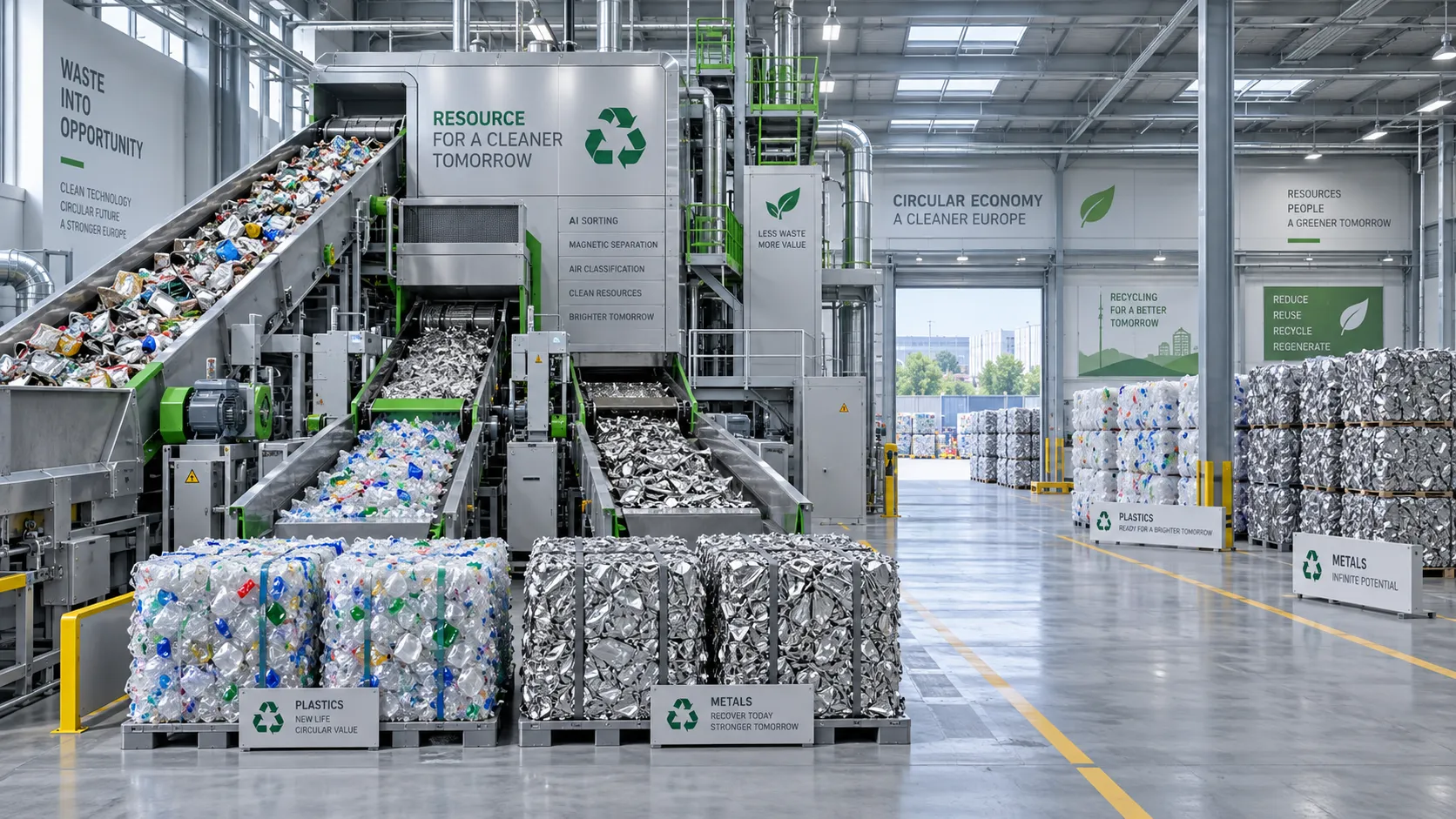
What determines payback for waste-to-resource systems in Europe?
Assess waste-to-resource systems Europe-wide: compare feedstock, recovery yields, costs and contracts to uncover payback drivers and make smarter investment decisions.
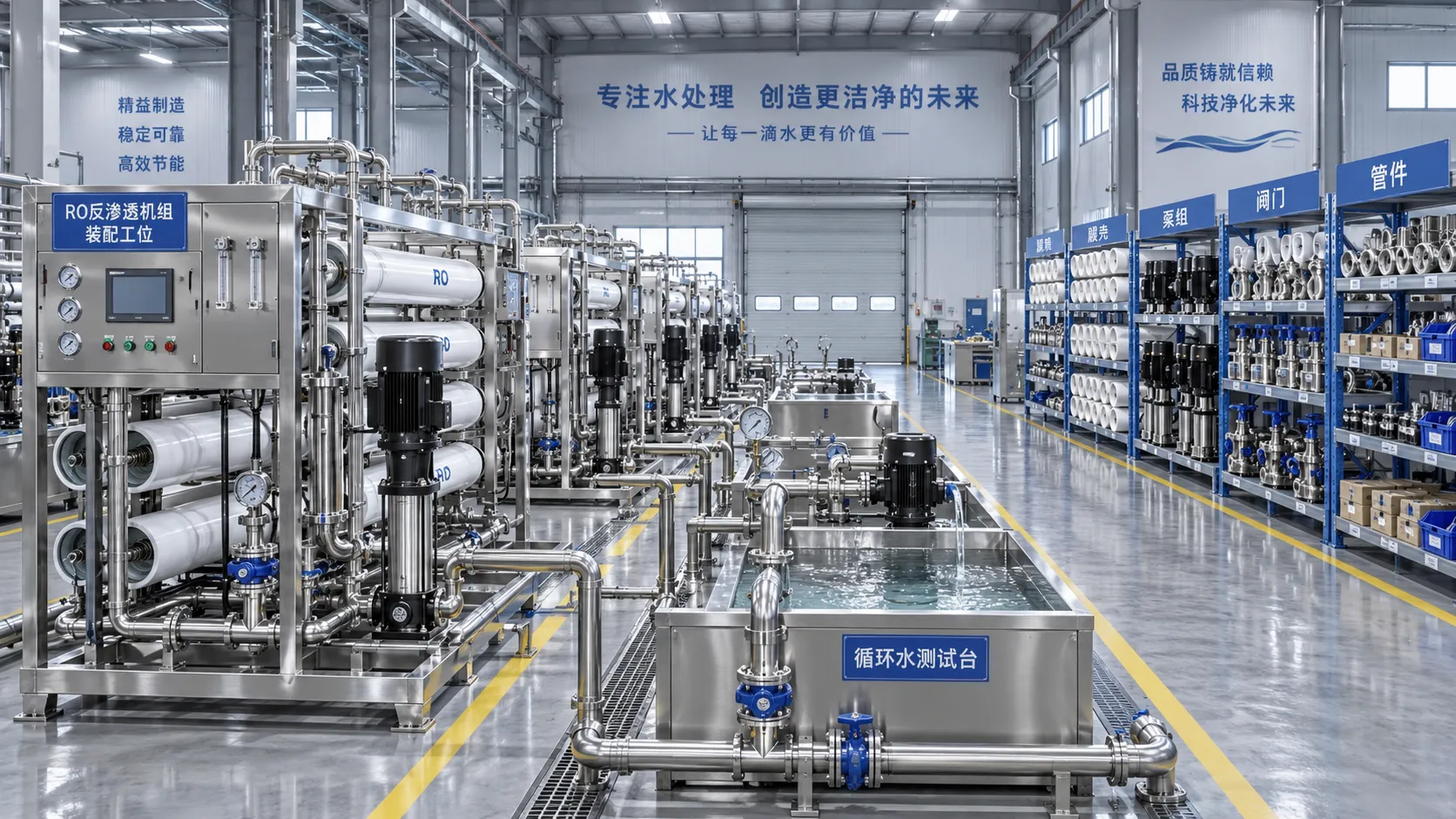
How to verify a water treatment system factory’s production capacity
Verify a water treatment systems factory’s production capacity through records, bottlenecks, component availability, and testing. Learn what to check before accepting a delivery promise.
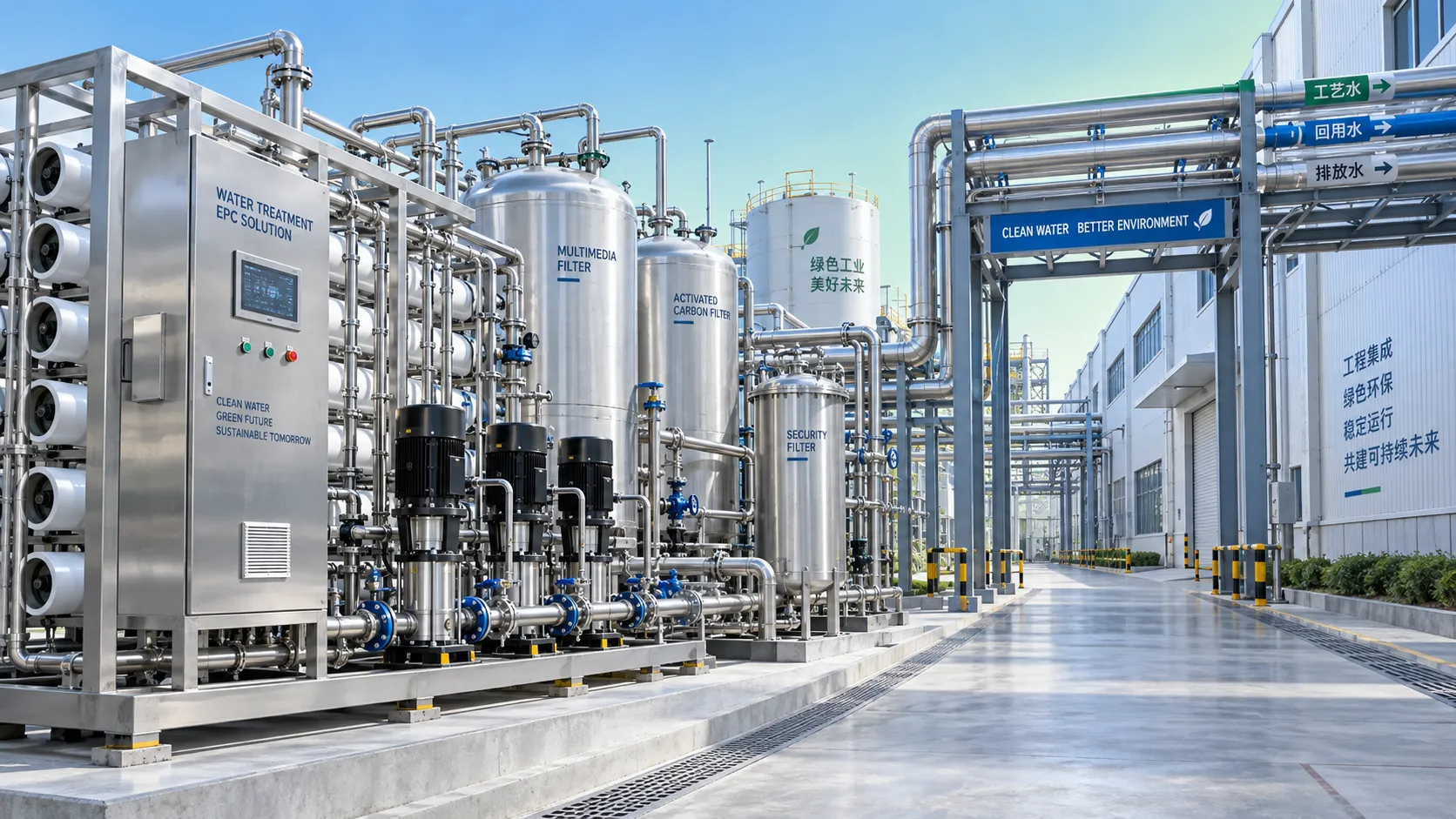
When does EPC environmental project support reduce delivery risk?
EPC environmental project support engineering reduces delivery risk by aligning design, procurement, compliance, construction, and commissioning decisions.
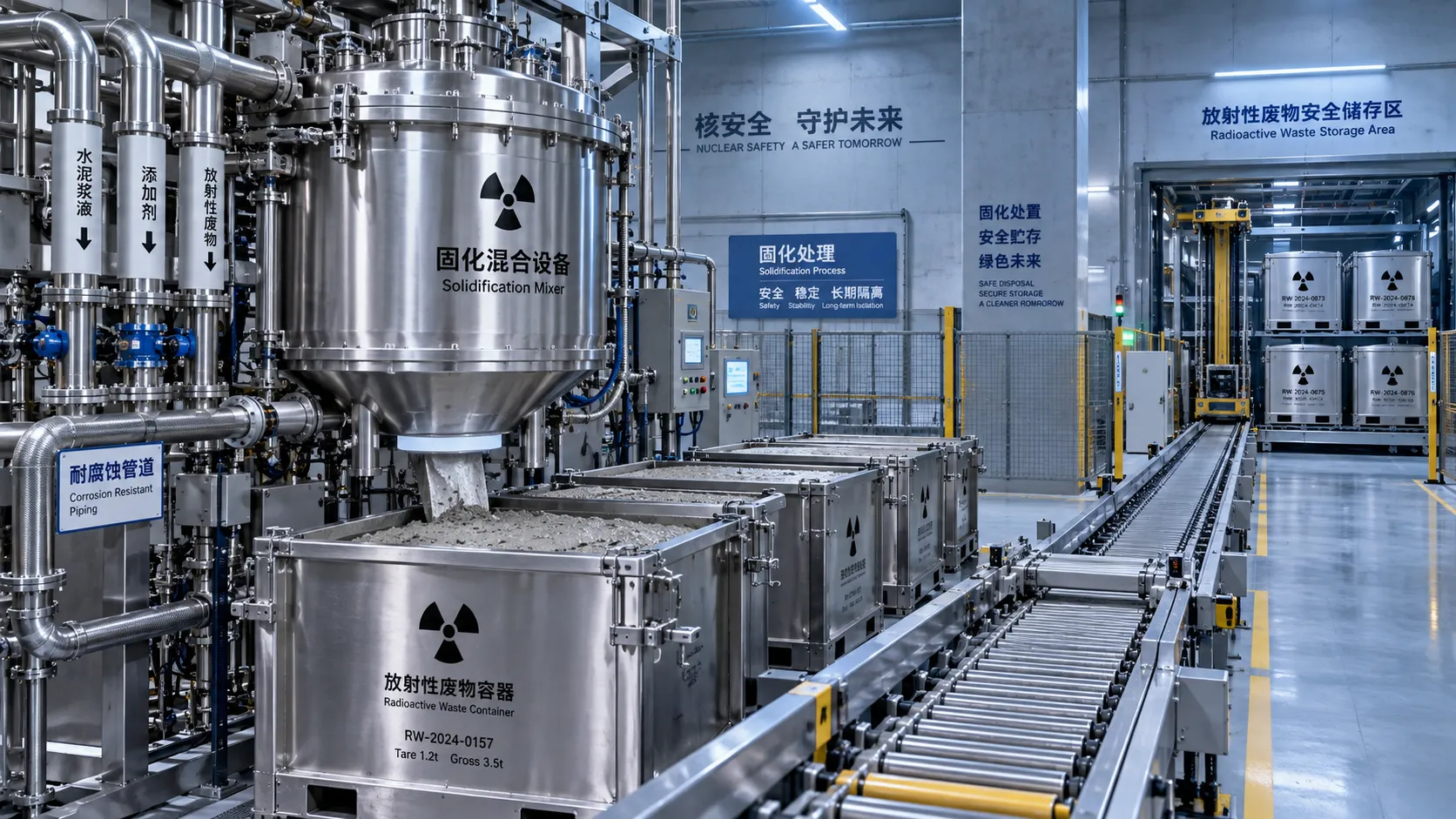
How nuclear plants select a radioactive waste solidification method
Radioactive waste management for nuclear plants: compare vitrification, cementation, polymers, and ceramics to select a compliant, durable solidification solution.
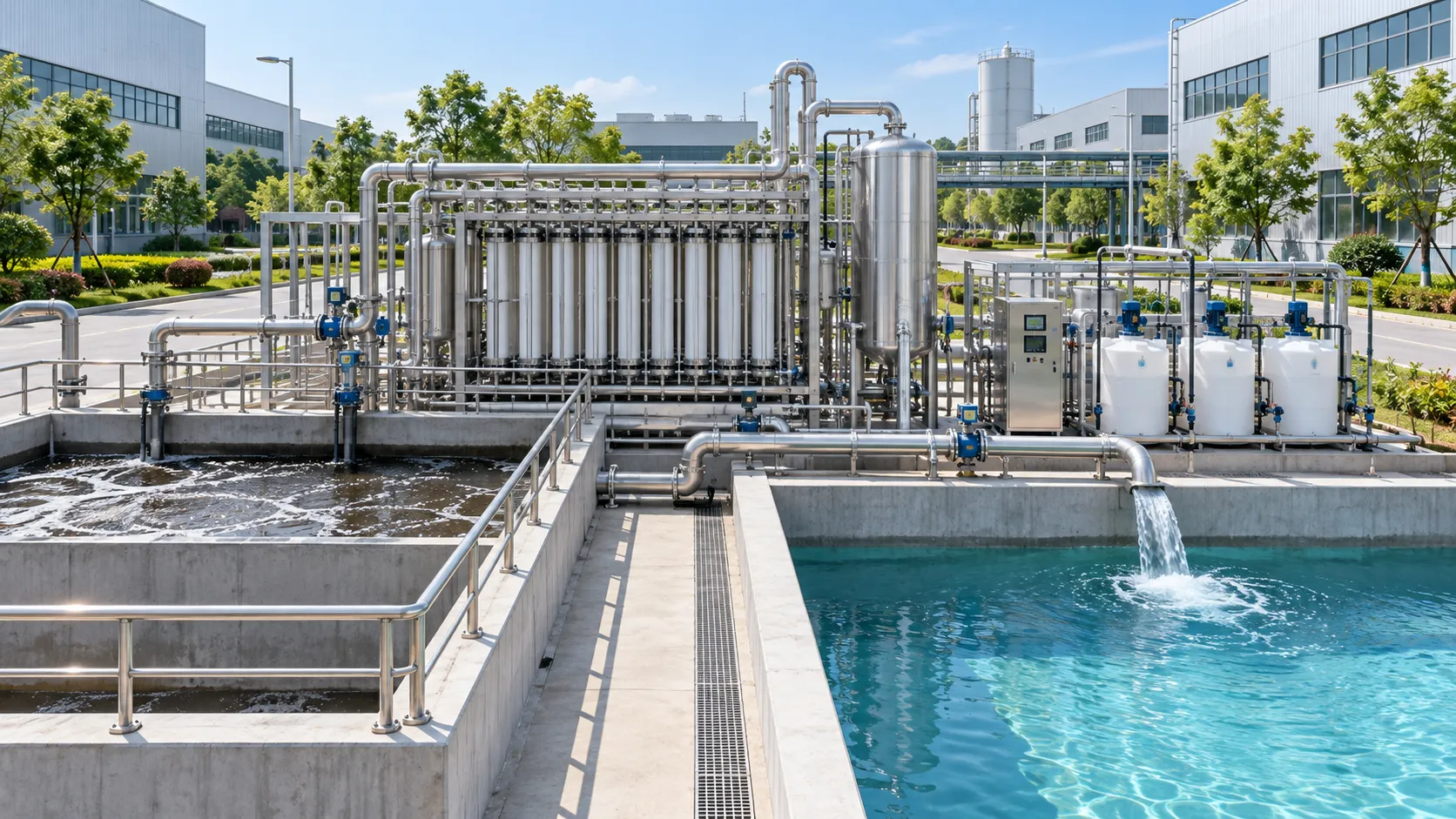
Comparing Upgrade Costs for Industrial Park Wastewater Treatment Systems
Compare costs for wastewater system upgrades in industrial parks with a lifecycle view of CAPEX, OPEX, compliance, resilience, and future expansion.
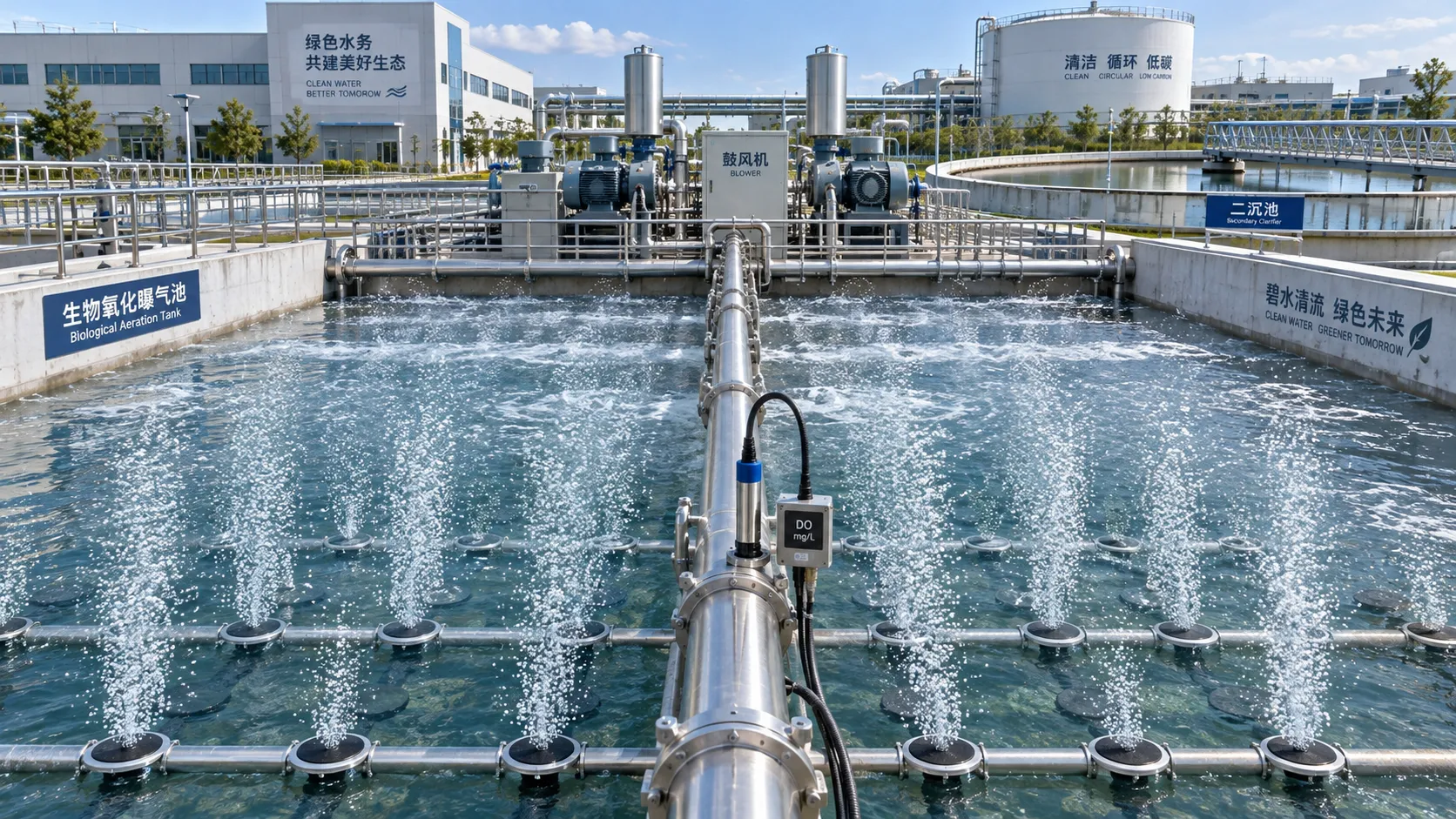
Biological Wastewater Oxidation Explained: Aeration Demand and Process Control
Biological wastewater oxidation explained: optimize aeration demand, DO control, nitrification, and sludge age for stable effluent quality and lower energy costs.
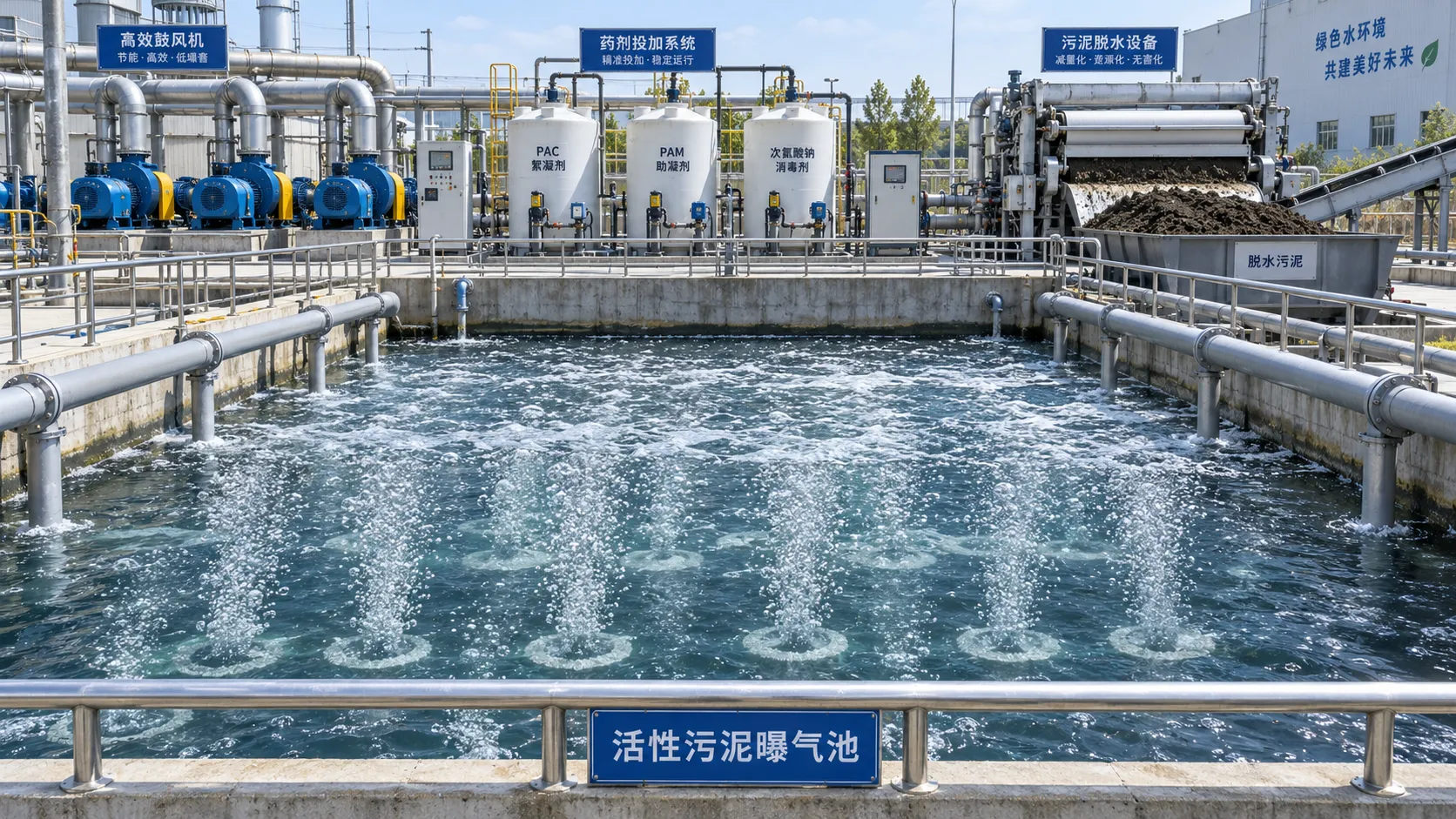
Activated Sludge Cost: Budgeting Energy, Chemicals, Sludge, and Labor
Activated sludge cost explained: compare energy, chemicals, sludge disposal, labor, and compliance risks to build a reliable lifecycle budget.
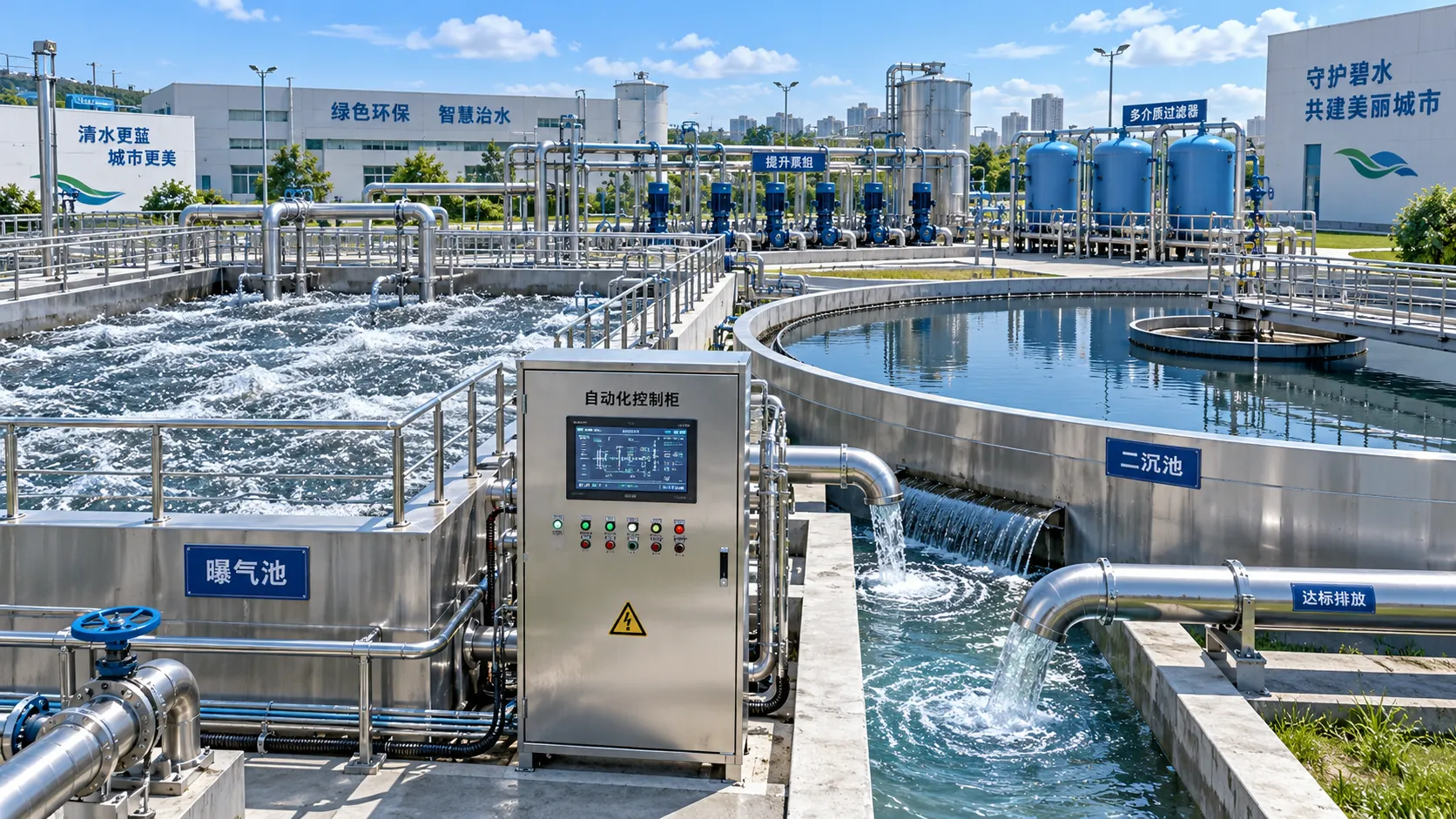
When Should Municipal Wastewater Plants Upgrade Treatment Capacity and Controls?
Municipal wastewater treatment upgrades: learn when capacity, controls, and resilient planning are needed to protect compliance and optimize plant performance.