
Industry News
Curation by industry experts
Hot Articles
Popular Tags
A Practical Circular Economy Implementation Guide for Plant Upgrades
For project managers leading plant upgrades, this circular economy implementation guide outlines how to turn compliance pressure, resource constraints, and retrofit complexity into measurable operational value. From water treatment and waste recovery to desalination and emissions control, it helps decision-makers connect engineering priorities with closed-loop performance, lower lifecycle costs, and stronger resilience in an increasingly regulated industrial landscape.
In large industrial facilities, upgrade decisions are no longer limited to throughput, uptime, and capex. They now sit at the intersection of discharge limits, energy intensity, material recovery, carbon exposure, and long-term asset reliability. For project leaders managing retrofits in water treatment, flue gas control, desalination, or waste recovery systems, a circular approach is becoming a practical project discipline rather than a sustainability slogan.
This article provides a practical circular economy implementation guide tailored to plant upgrades. It focuses on decision points that matter during engineering planning, procurement alignment, shutdown scheduling, commissioning, and post-upgrade performance management. The goal is simple: reduce waste, recover value, and improve compliance without creating unmanageable complexity for operations teams.
Why Circular Thinking Matters in Plant Upgrade Projects
A plant upgrade often locks in performance for 10 to 20 years. If the design only solves today’s bottleneck, it may miss tomorrow’s compliance threshold, utility price shifts, or feedstock variability. A circular economy implementation guide helps project managers evaluate upgrades as interconnected resource loops, not isolated equipment replacements.
In practice, circularity in industrial plants usually targets 4 measurable areas: water recirculation, energy efficiency, by-product recovery, and asset life extension. Even a modest 10% to 25% improvement in one of these areas can materially change total lifecycle economics, especially in facilities with high sludge handling costs, elevated brine disposal charges, or volatile reagent prices.
Key pressure points facing project managers
- More stringent discharge and air emission limits within 12 to 36 months
- Retrofit constraints inside operating plants with shutdown windows as short as 7 to 21 days
- Growing demand to justify capex through total cost of ownership instead of first cost only
- Need to integrate digital monitoring for membranes, catalysts, sorting lines, and residue streams
- Greater scrutiny from clients, lenders, insurers, and regulators on waste destinations and recovery ratios
Where circular value usually appears first
In water-intensive plants, the first gains usually come from reuse loops, concentrate minimization, and sludge dewatering improvements. In waste processing systems, value often appears through better feed segregation, thermal recovery, and secondary material quality. In desalination and flue gas treatment, energy optimization and consumable life extension are frequently the fastest wins, often within the first 6 to 18 months after commissioning.
The table below shows how common plant upgrade targets connect with circular outcomes and project-level metrics.
For project managers, the main lesson is that circularity should be translated into engineering KPIs early. If it is not embedded during scope definition and vendor evaluation, it usually appears later as an unfunded expectation placed on operations.
A Practical Circular Economy Implementation Guide for Upgrade Planning
A workable circular economy implementation guide needs structure. In most industrial retrofit programs, a 5-step sequence is the most reliable way to move from ambition to execution. It balances engineering depth with decision speed and fits both EPC-led and owner-managed projects.
Step 1: Establish the baseline before defining the solution
Start with a 60 to 90 day operating baseline. Track water balance, waste streams, reagent consumption, energy intensity, maintenance intervals, and non-compliance events. In many plants, 3 hidden losses dominate the business case: avoidable blowdown, low-value residue disposal, and underperforming pre-treatment that shortens downstream equipment life.
Baseline questions that prevent redesign later
- Which streams are truly unrecoverable, and which are only untreated?
- What is the current cost per m³, per ton, or per operating hour?
- How many shutdown days are realistically available for tie-ins and commissioning?
- Which bottlenecks are hydraulic, chemical, thermal, or control-related?
- What feed variability occurs across 3 seasons, 2 shifts, or multiple production campaigns?
Step 2: Prioritize loops with the best payback-to-complexity ratio
Not every loop should be closed at once. A sound circular economy implementation guide ranks options by technical feasibility, compliance urgency, and operational burden. For example, recovering rinse water may be easier than implementing full ZLD, while catalyst life optimization may outperform a larger absorber upgrade in short-horizon budgets.
A simple decision matrix can prevent overengineering. The table below can be used during FEED, concept selection, or vendor shortlisting.
The strongest projects usually combine 1 quick-win loop, 1 medium-term efficiency upgrade, and 1 strategic compliance investment. That mix creates visible progress within the first year while keeping the plant aligned with future standards and resource pricing trends.
Step 3: Design for operational reality, not only process diagrams
Retrofits fail when circular targets are engineered without operator input. A reuse loop that requires hourly manual intervention or a recovery unit that cannot handle feed swings of ±15% will struggle after handover. The circular economy implementation guide should therefore include control philosophy, maintenance access, spare strategy, and fallback modes from the start.
For project managers, this means checking at least 6 operational fit items: instrumentation density, cleaning frequency, operator training hours, bypass logic, consumable lead time, and residue handling under upset conditions. These factors often decide whether the promised recovery rate can be sustained after month 3.
Step 4: Align procurement with lifecycle outcomes
Procurement specifications should compare suppliers on more than nameplate performance. Ask for duty range, turndown capability, expected cleaning or replacement intervals, digital monitoring compatibility, and recovery under variable feed conditions. A system that performs well only at ideal design points can undermine the circular case once real plant variability appears.
- Request performance ranges, not single-point guarantees
- Define acceptance criteria for 3 conditions: normal, peak, and low-load operation
- Require consumables and critical spares lead times, often 4 to 16 weeks
- Check whether integration with existing SCADA, DCS, or historian systems is included
- Evaluate service support for the first 90 to 180 days after startup
Step 5: Commission against circular KPIs, not only mechanical completion
Mechanical completion is not the finish line. The circular economy implementation guide should define post-startup verification periods of 30, 60, and 90 days. During that window, teams should confirm actual reuse rates, reject volumes, residue quality, specific energy consumption, and maintenance burden. These metrics reveal whether the upgrade is delivering closed-loop value or simply transferring cost from one part of the plant to another.
High-Impact Use Cases Across Water, Waste, Desalination, and Emissions Control
A circular economy implementation guide becomes more useful when linked to specific asset classes. The sectors below reflect common upgrade priorities in large environmental infrastructure and heavy industrial support systems, where circular performance directly affects cost, compliance, and project bankability.
Large water treatment plants
In industrial and municipal water systems, circular upgrades often focus on internal reuse, concentrate reduction, and sludge handling. Typical measures include membrane pre-treatment optimization, side-stream polishing, evaporative concentration for high-salinity streams, and dewatering improvements that reduce haulage frequency. A 15% to 40% cut in freshwater intake is realistic in many retrofit contexts when source water quality and reuse destinations are matched correctly.
Solid waste and recovery systems
Waste systems deliver circular gains when facilities stop managing mixed residues as a single disposal problem. AI-assisted sorting, densification, thermal conversion, and contamination control can improve secondary material value. The key project issue is not only recovery percentage but output marketability. A 5% rise in purity can matter more commercially than a 15% increase in gross capture if downstream buyers demand tighter specs.
Heavy seawater desalination
In desalination, circularity is strongly linked to energy and brine logic. Membrane upgrades, energy recovery devices, pre-treatment stability, and brine concentration pathways all influence lifecycle cost. Project teams should compare not only kWh per m³, but also cleaning interval, membrane replacement cycle, and reject management strategy over 5 to 7 years.
Flue gas treatment and associated residues
For flue gas systems, the circular opportunity often lies in reagent optimization, low-temperature catalyst performance, and residue destination management. Plants can reduce waste by tightening process control, stabilizing reaction conditions, and improving by-product consistency. The most successful upgrades connect emissions compliance with consumable efficiency rather than treating them as separate budgets.
Common Risks, Missteps, and Controls During Implementation
Even a strong circular economy implementation guide can fail if execution risks are not addressed early. Most problem projects do not collapse because the concept is wrong. They underperform because interfaces, assumptions, and operating constraints were not managed with enough discipline.
Frequent mistakes in retrofit programs
- Using annual average data instead of peak and upset condition profiles
- Ignoring utility system limits such as steam, compressed air, drainage, or power quality
- Assuming recovered material has a buyer before quality validation is complete
- Underestimating training needs for new automation or multi-stream handling
- Planning startup support for 1 week when the plant needs 8 to 12 weeks of tuning
A practical control checklist
Before final approval, project leaders should verify 4 areas: technical fit, compliance resilience, commercial logic, and operational maintainability. Each area should have a named owner, a review date, and a documented pass-fail criterion. That governance discipline matters more than adding another slide deck on sustainability objectives.
A reliable implementation routine includes design reviews at 30%, 60%, and 90%; pre-shutdown readiness checks 2 to 4 weeks before tie-in; and post-startup reviews at day 30 and day 90. These checkpoints make circular targets auditable and easier to defend in capital reviews.
How Project Managers Can Build a Stronger Business Case
A circular economy implementation guide is most persuasive when it links engineering upgrades to business resilience. Senior stakeholders typically approve projects faster when the proposal quantifies avoided disposal, reduced utility exposure, improved permit security, and lower unplanned maintenance risk alongside production support.
Business case components that resonate
- Baseline annual cost of water, energy, waste, and consumables
- Expected performance range under conservative, base, and stretch scenarios
- Capex split between compliance necessity and value recovery upside
- Payback window plus 3-year and 5-year operating impact
- Risk costs if no upgrade is completed before the next permit or market shift
What decision-makers want to see
Decision-makers rarely need theoretical circularity language. They need evidence that the retrofit can be installed within a defined outage, integrated with existing systems, and managed by current teams with realistic support. Show the sequence, the thresholds, and the fallback plans. That is what turns a sustainability narrative into an investable industrial project.
For project managers working across water treatment, resource recovery, desalination, emissions control, and other complex plant systems, the most effective circular economy implementation guide is one that stays grounded in measurable flows, realistic shutdowns, and lifecycle accountability. When circular design is embedded early, plant upgrades can deliver stronger compliance, better resource productivity, and more durable operating economics.
ESD supports this decision process with sector intelligence, technical trend analysis, and market-focused insight for engineering and project leaders navigating high-stakes environmental infrastructure upgrades. If you are planning a retrofit and need a clearer path from circular strategy to executable scope, contact us to get a tailored solution, discuss project details, or explore more upgrade options for your facility.
Recommended News
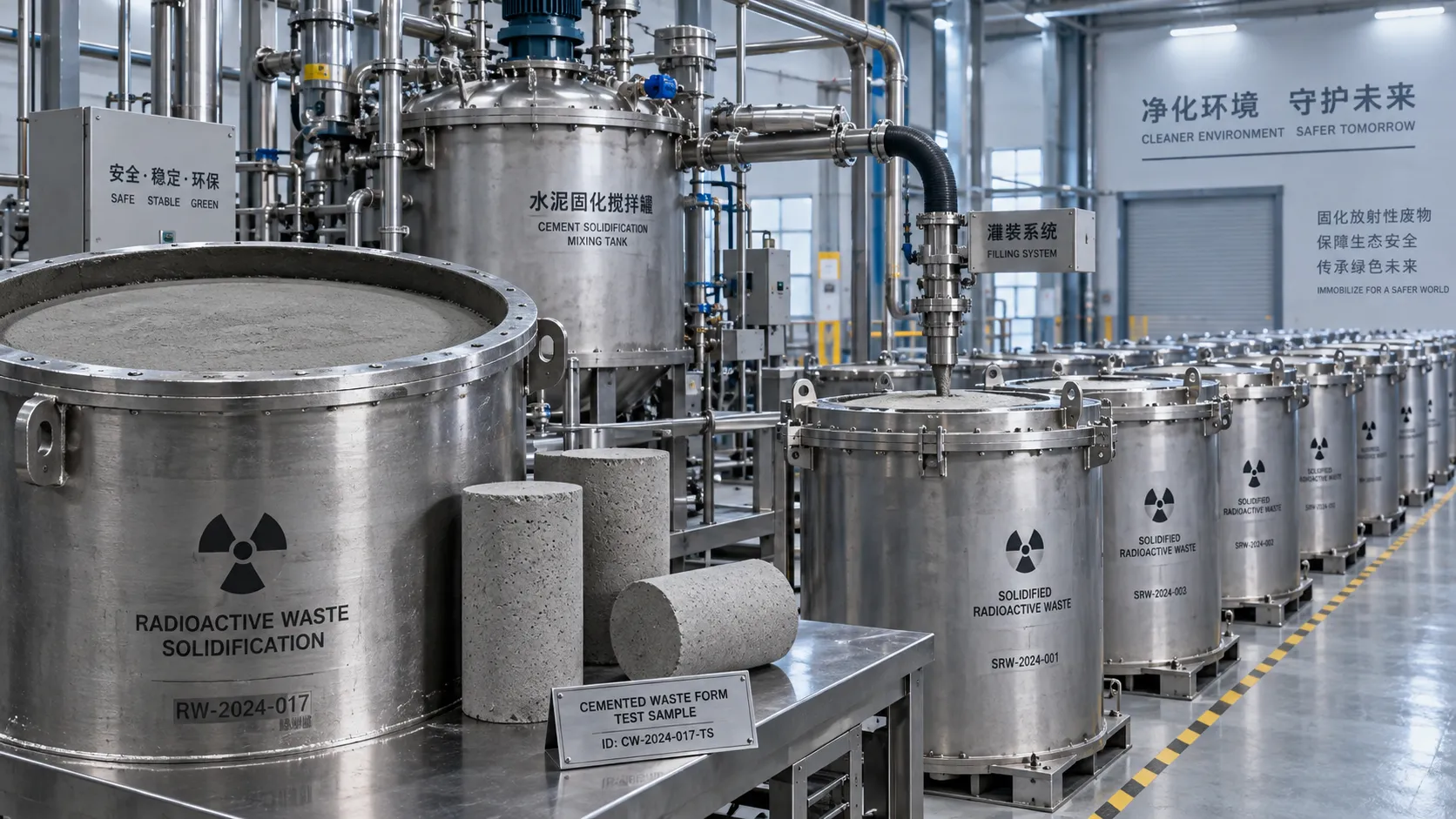
When is cementation suitable for nuclear decommissioning waste?
Explore nuclear waste treatment technology for decommissioning: learn when cementation fits, which risks to assess, and how disposal criteria guide an effective treatment choice.
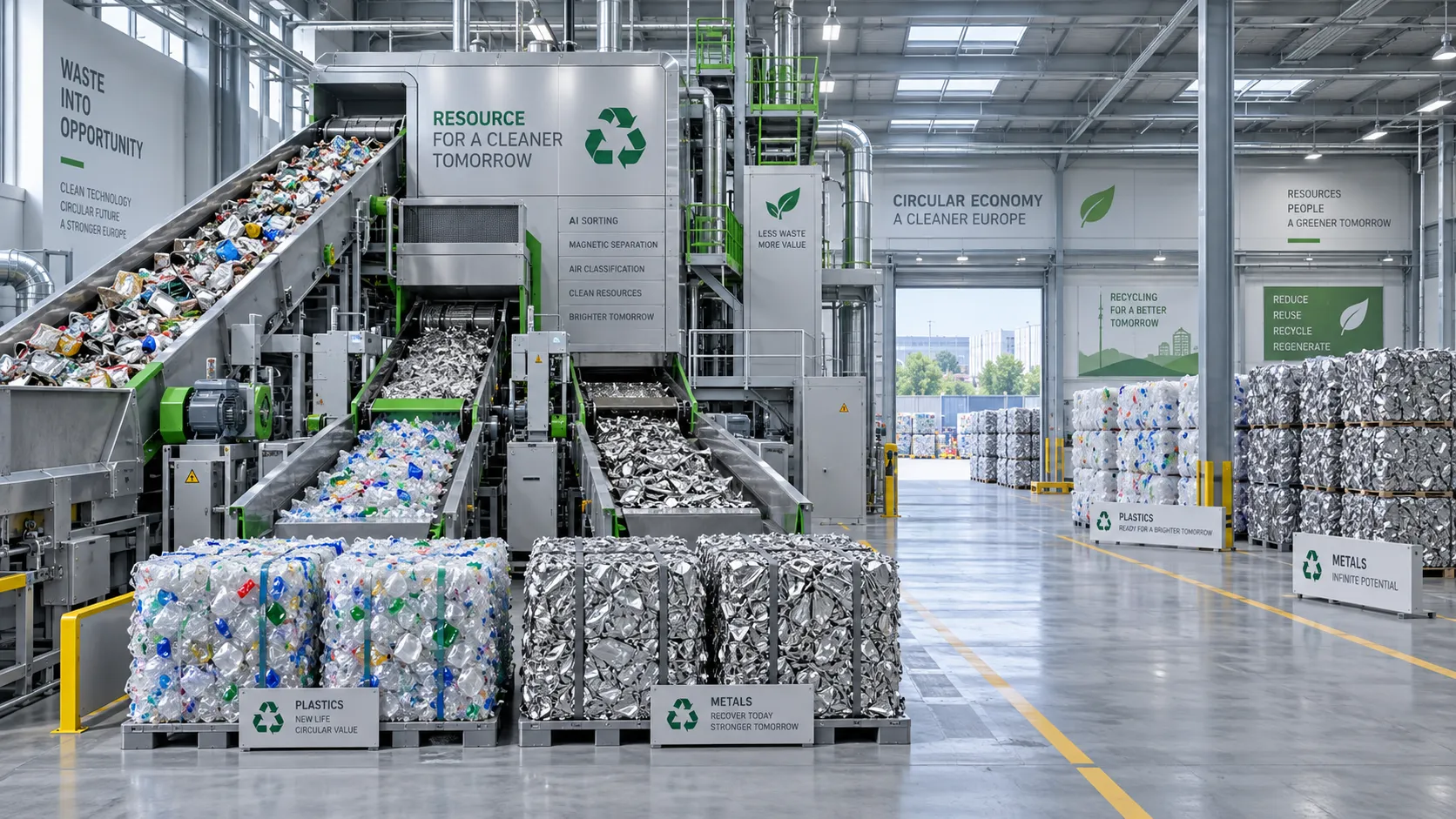
What determines payback for waste-to-resource systems in Europe?
Assess waste-to-resource systems Europe-wide: compare feedstock, recovery yields, costs and contracts to uncover payback drivers and make smarter investment decisions.
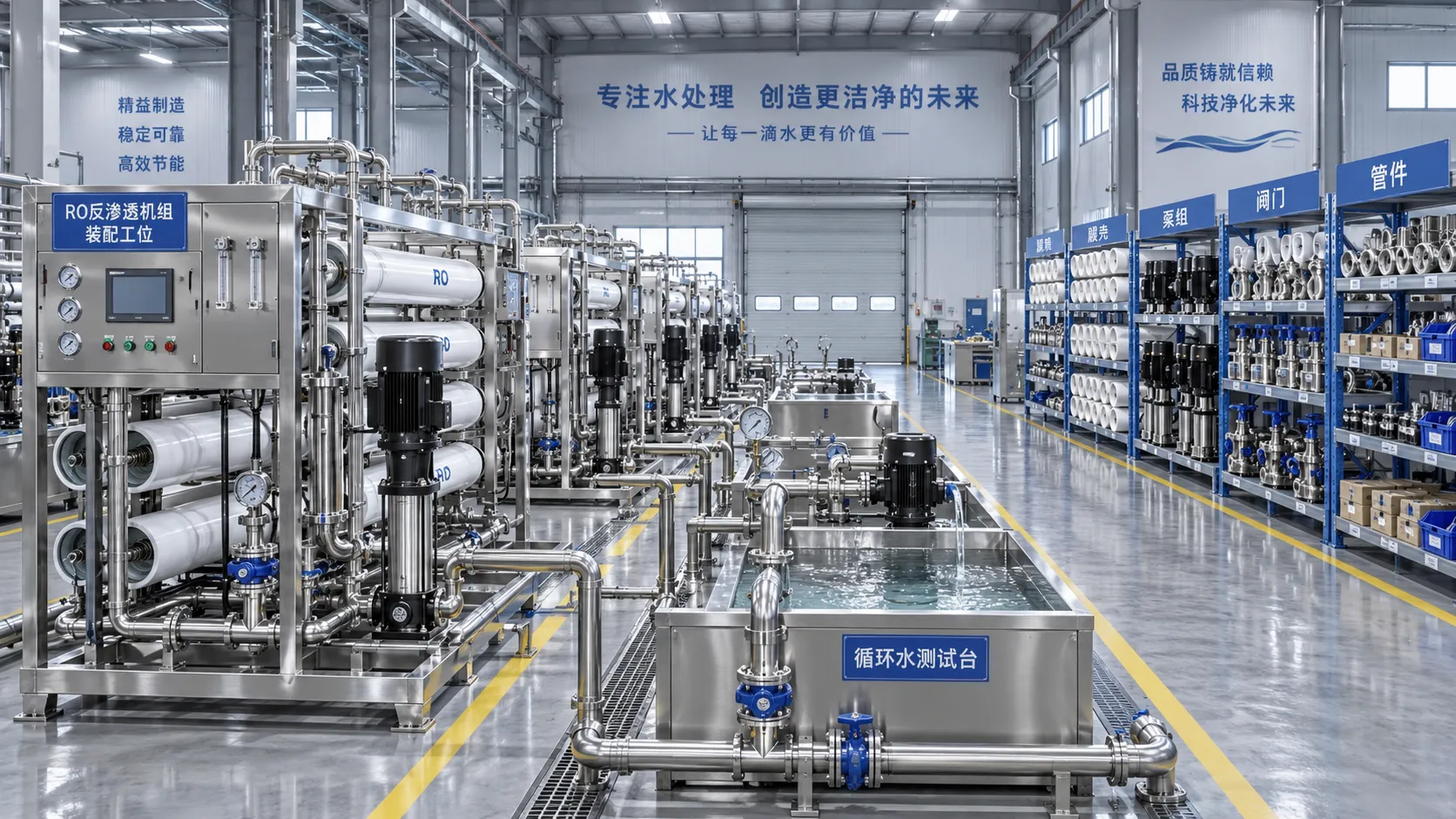
How to verify a water treatment system factory’s production capacity
Verify a water treatment systems factory’s production capacity through records, bottlenecks, component availability, and testing. Learn what to check before accepting a delivery promise.
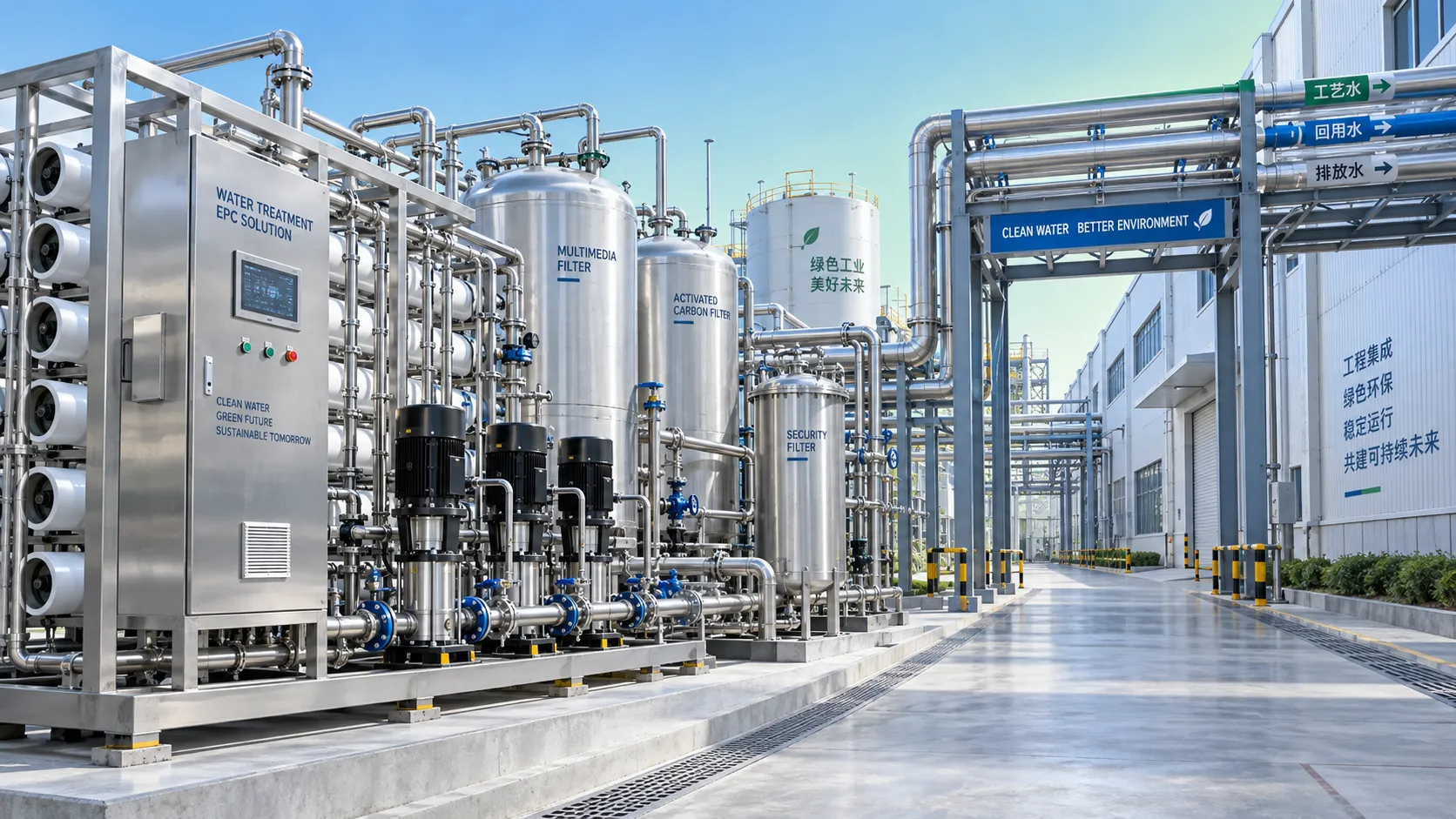
When does EPC environmental project support reduce delivery risk?
EPC environmental project support engineering reduces delivery risk by aligning design, procurement, compliance, construction, and commissioning decisions.
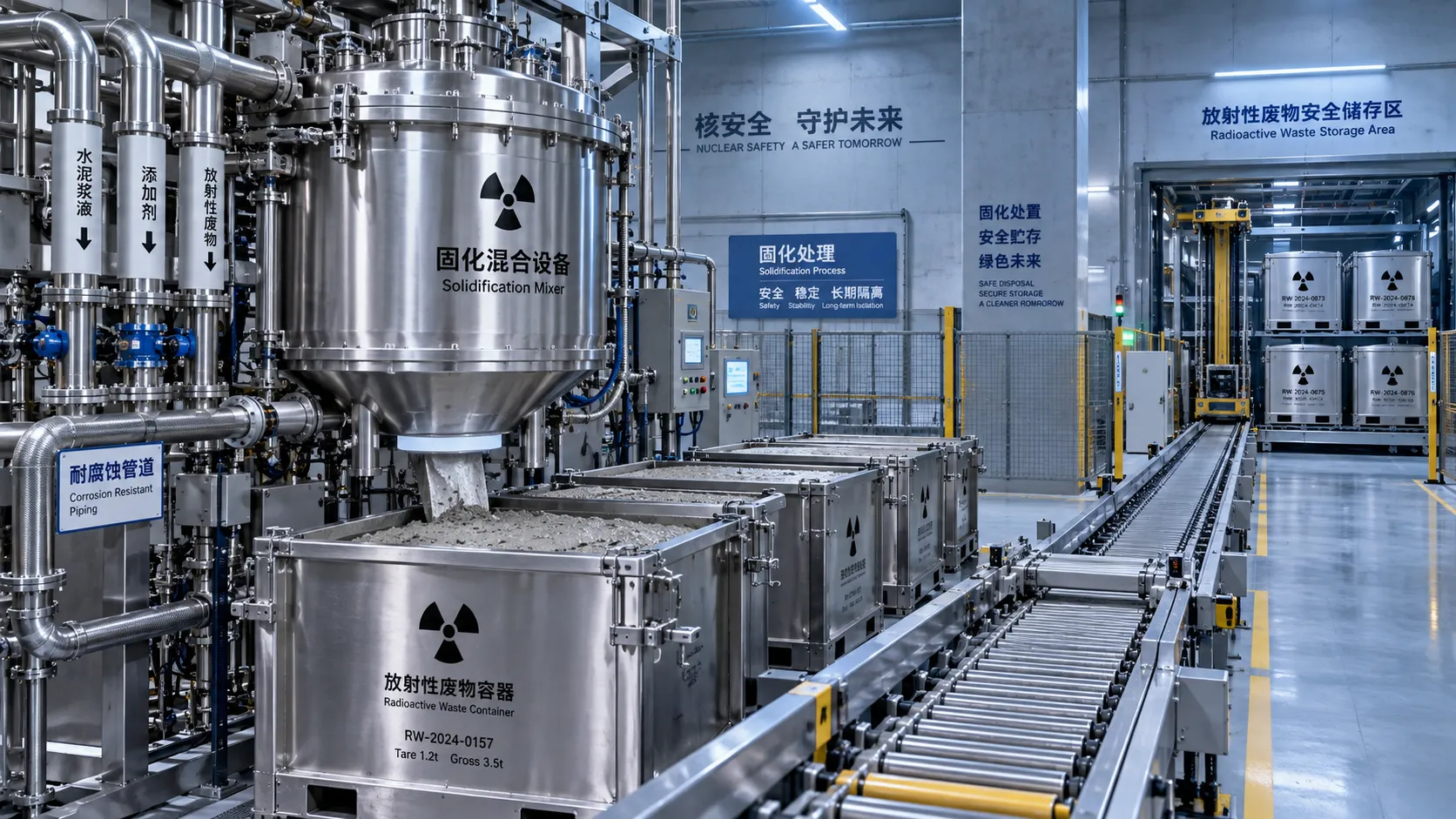
How nuclear plants select a radioactive waste solidification method
Radioactive waste management for nuclear plants: compare vitrification, cementation, polymers, and ceramics to select a compliant, durable solidification solution.
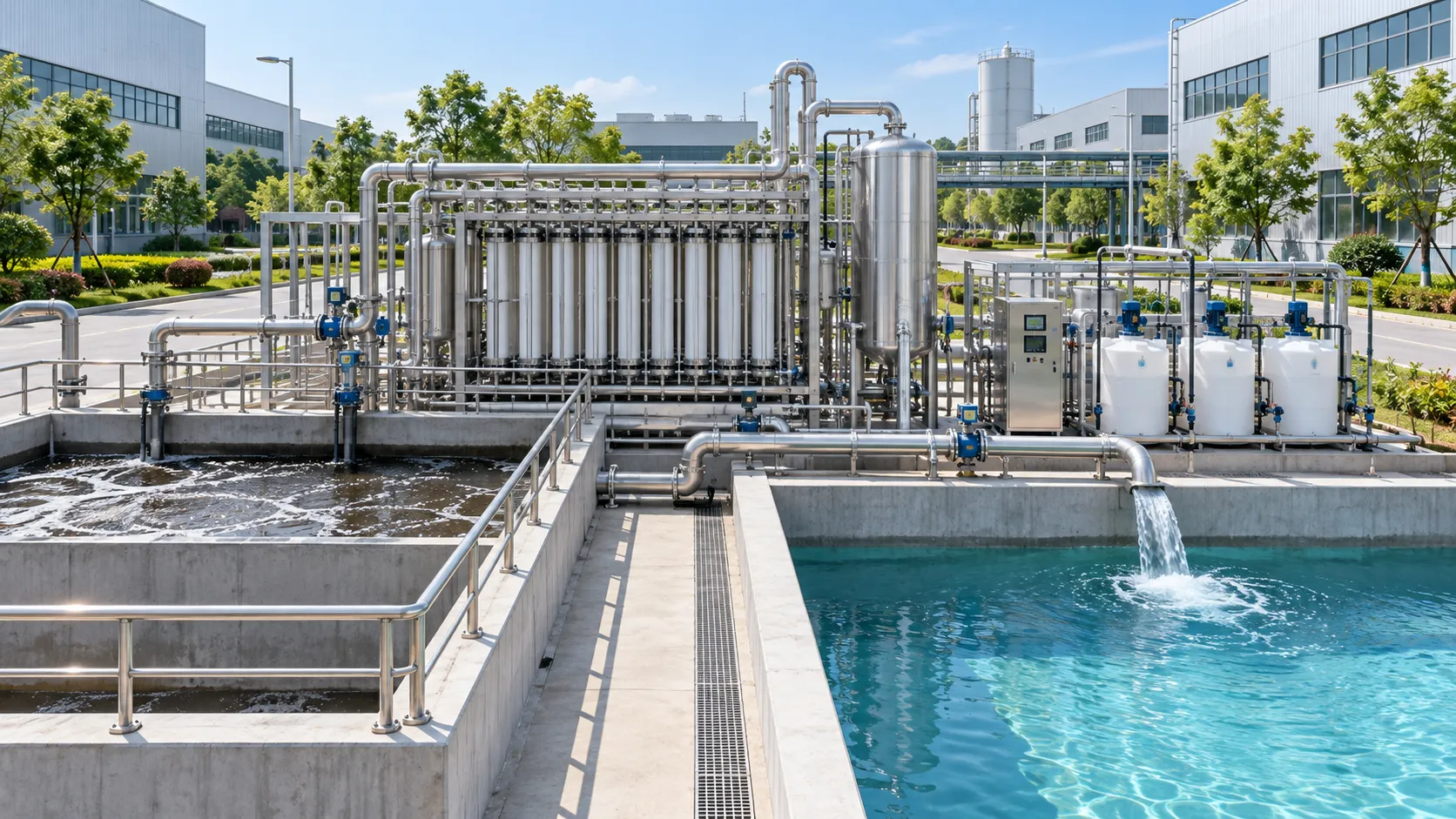
Comparing Upgrade Costs for Industrial Park Wastewater Treatment Systems
Compare costs for wastewater system upgrades in industrial parks with a lifecycle view of CAPEX, OPEX, compliance, resilience, and future expansion.
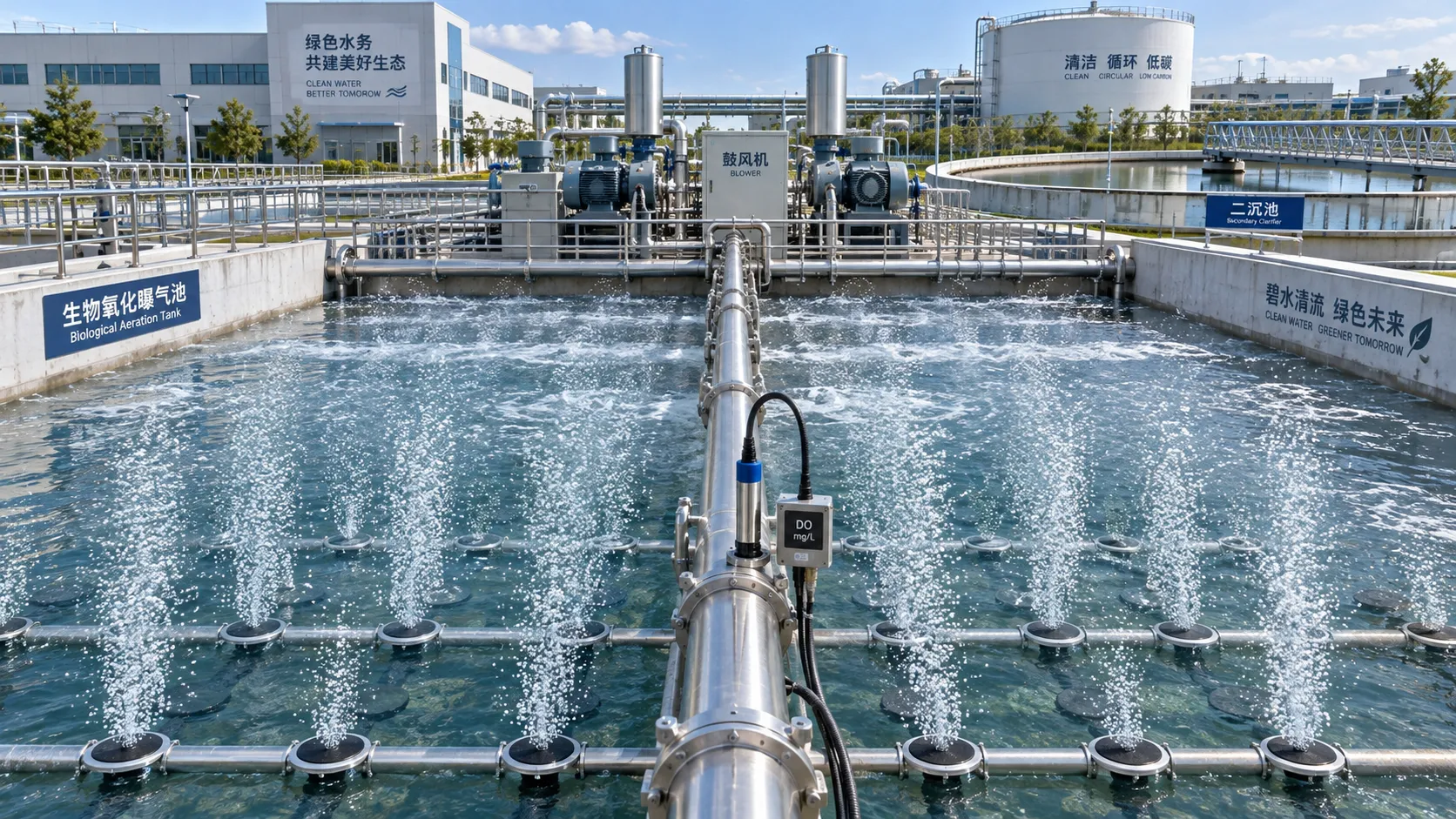
Biological Wastewater Oxidation Explained: Aeration Demand and Process Control
Biological wastewater oxidation explained: optimize aeration demand, DO control, nitrification, and sludge age for stable effluent quality and lower energy costs.
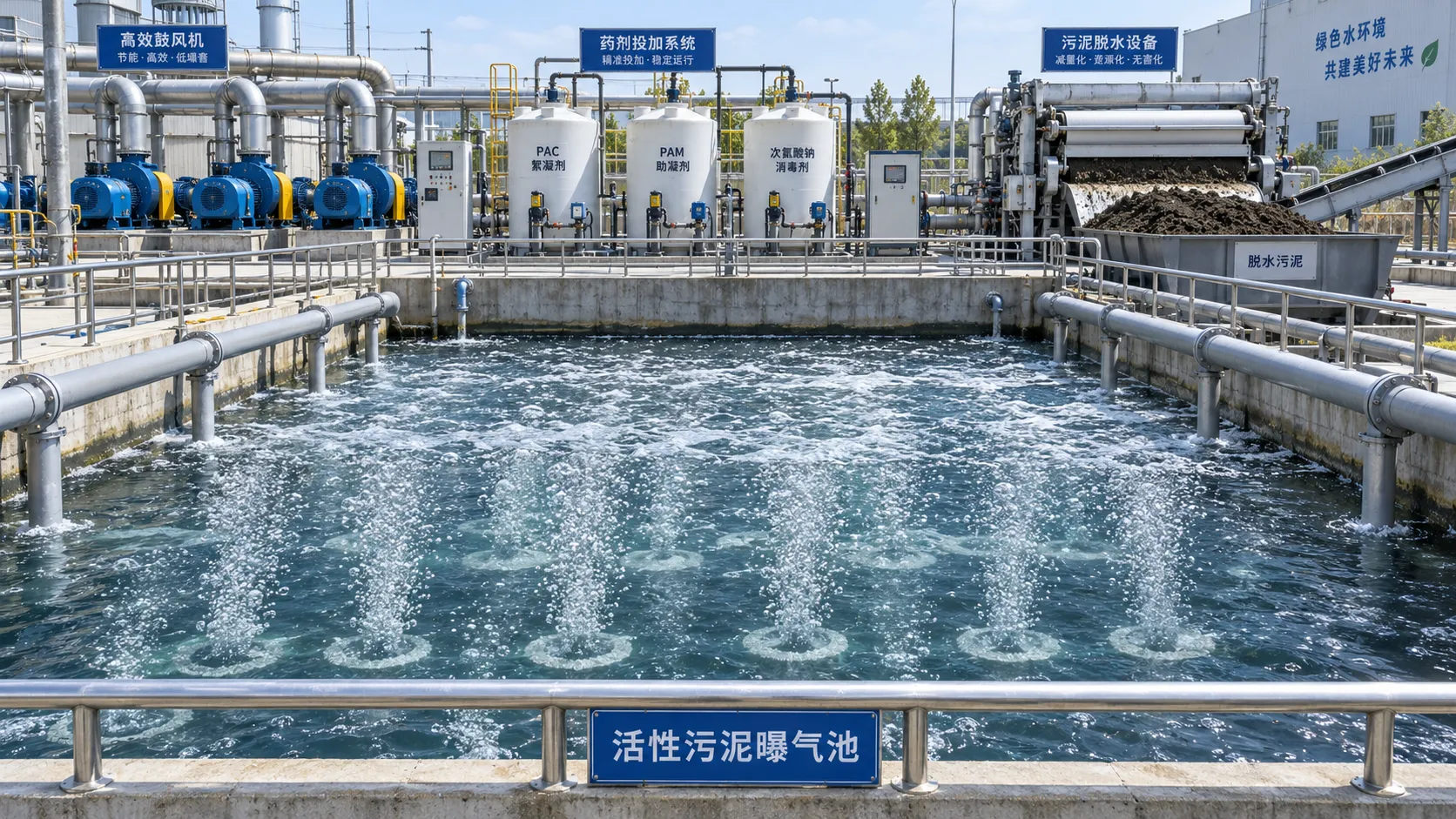
Activated Sludge Cost: Budgeting Energy, Chemicals, Sludge, and Labor
Activated sludge cost explained: compare energy, chemicals, sludge disposal, labor, and compliance risks to build a reliable lifecycle budget.
When Should Municipal Wastewater Plants Upgrade Treatment Capacity and Controls?
Municipal wastewater treatment upgrades: learn when capacity, controls, and resilient planning are needed to protect compliance and optimize plant performance.