
Industry News
Curation by industry experts
Hot Articles
Popular Tags
Wastewater Purification: MBR or SWRO for Reuse?
For technical evaluators planning water reuse, wastewater purification is no longer a simple compliance decision but a strategic choice between process stability, effluent quality, energy demand, and lifecycle cost.
This article compares MBR and SWRO in practical reuse scenarios, helping you assess where biological separation ends, where membrane desalting begins, and how each technology aligns with risk control, regulatory pressure, and long-term plant performance.
What technical evaluators are really asking when they compare MBR and SWRO
When users search “wastewater purification” with this topic, they usually do not want a basic technology definition. They want a selection framework for reuse performance, cost, and operational risk.
The core question is not whether MBR or SWRO is “better” in absolute terms. It is which process delivers the required reuse water quality with the lowest total risk.
For technical evaluators, the main concerns are predictable effluent quality, sensitivity to feed variation, membrane fouling behavior, pretreatment needs, energy consumption, concentrate management, and lifecycle economics.
They also need to understand where each technology sits in a treatment train. In many real projects, MBR and SWRO are not pure alternatives but sequential barriers.
That means the most useful comparison is application-based. MBR is usually a biological polishing and solids separation platform, while SWRO is a desalting and dissolved contaminant control platform.
The short answer: MBR and SWRO solve different parts of wastewater purification
If the reuse target is non-potable industrial utility water, cooling tower makeup, or process washing, MBR may be sufficient when salinity and dissolved pollutants remain acceptable.
If the reuse target demands very low total dissolved solids, low conductivity, or removal of dissolved ions beyond biological capability, SWRO becomes the decisive unit operation.
In practical wastewater purification, MBR mainly removes suspended solids, biodegradable organics, and a large share of pathogens through biological degradation and membrane separation.
SWRO, by contrast, mainly removes dissolved salts, many dissolved organics, and a wide range of ionic contaminants through pressure-driven membrane desalination.
So the overall judgment is simple. Choose MBR when the key problem is organic load and solids control. Choose SWRO when the key problem is dissolved load and reuse quality stringency.
When both problems exist, the better answer is often MBR plus RO, not MBR versus RO. That distinction is central to sound technical evaluation.
Where MBR is strongest in reuse projects
Membrane bioreactor systems are especially valuable when influent contains high biodegradable COD, variable solids, and a need for compact treatment with stable clarified effluent.
Compared with conventional activated sludge plus secondary clarification, MBR offers a smaller footprint, lower suspended solids in the effluent, and stronger resistance to sludge settling problems.
For reuse planning, these traits matter because downstream units perform better when solids and turbidity are consistently low. MBR creates a reliable feed for disinfection, activated carbon, or reverse osmosis.
MBR is also attractive where land is limited or discharge regulations are tightening. The technology can support advanced wastewater purification without requiring large settling tanks.
Technical evaluators often favor MBR when they need stable BOD, COD, and TSS removal under fluctuating hydraulic and organic loads. In municipal and many industrial scenarios, this stability is a major advantage.
Another strength is pathogen reduction. While MBR is not a substitute for final disinfection in all reuse schemes, it usually produces a much cleaner microbiological profile than conventional secondary effluent.
However, MBR does not significantly remove dissolved salts. If conductivity, chloride, sodium, boron, or other dissolved species are the limiting reuse factors, MBR alone will not close the gap.
Where SWRO becomes the critical technology
Seawater reverse osmosis is traditionally associated with desalination, but in broader engineering discussions, RO-level desalting logic also applies to high-salinity wastewater reuse decisions.
When reuse water must meet strict conductivity limits, low scaling ion content, or low dissolved contaminant thresholds, membrane desalting becomes essential.
SWRO or similarly high-pressure RO systems are most relevant where feed salinity is extreme, where water is blended with saline streams, or where industrial reuse standards are close to demineralized water requirements.
For technical evaluators, the biggest value of SWRO is not just high rejection efficiency. It is the ability to convert impaired water into a controlled-quality process resource.
This matters in sectors such as power, petrochemicals, refining, mining, and coastal industrial parks, where reuse water can affect corrosion, scaling, product quality, and equipment reliability.
SWRO also supports strategic resilience. In water-stressed regions, the ability to recover usable water from highly saline or mixed-source streams reduces freshwater dependency and compliance exposure.
The limitation is equally important. SWRO is energy-intensive, highly dependent on feed pretreatment quality, and always generates a concentrate stream that must be managed responsibly.
The real dividing line: organic removal versus dissolved solids removal
The clearest technical distinction in wastewater purification is the type of contaminant driving the reuse decision. MBR and SWRO target different contamination domains.
MBR is excellent for biodegradable organic matter, suspended solids, and biomass retention. It improves clarity and reduces fouling potential for downstream treatment.
SWRO is excellent for dissolved salts and many low-molecular-weight dissolved contaminants that pass through biological systems. It addresses the quality gap that biology cannot solve.
Therefore, evaluators should begin with the reuse specification, not the treatment brand. Ask which parameters actually block water reuse at the facility.
If COD and TSS are the main barriers, MBR may deliver enough quality. If conductivity and ionic contaminants are the blockers, SWRO or RO is usually unavoidable.
This sounds obvious, yet many projects misallocate capital by overinvesting in biological polishing when the true limiting factor is salinity, or by adding desalting before stabilizing organics and solids.
How feedwater characteristics should drive the technology choice
Technology selection should start with a disciplined feedwater characterization campaign. Average values are not enough. Variability, shock loads, seasonal changes, and cleaning chemical events matter just as much.
For MBR evaluation, key inputs include BOD, COD, BOD to COD ratio, ammonia, TSS, oil and grease, surfactants, pH, temperature, and compounds that inhibit biological activity.
For SWRO evaluation, the list expands to conductivity, TDS, hardness, silica, sulfate, boron, TOC, SDI, colloidal load, oxidants, heavy metals, and scaling indices.
Industrial wastewater purification becomes especially complex when streams are mixed. Combining biodegradable wastewater with saline reject streams may create a feed unsuitable for direct biological treatment or direct RO.
In these cases, stream segregation often creates more value than adding membrane stages blindly. Evaluators should ask whether high-salinity streams can be isolated before the main reuse train.
Feedwater characterization should also examine upset conditions. The best process on paper may become fragile if pretreatment cannot protect membranes during production fluctuations.
Effluent quality: what each technology can realistically deliver
MBR can usually deliver very low suspended solids and strong organic removal, producing an effluent suitable for many non-potable reuse applications after appropriate polishing and disinfection.
But MBR permeate still carries dissolved salts and some dissolved organics. Its conductivity may remain far above the limits required for boilers, high-pressure cooling systems, or sensitive manufacturing processes.
SWRO permeate can achieve much lower TDS and conductivity, enabling higher-grade reuse. This is often the deciding factor where recovered water substitutes for freshwater in critical operations.
Still, technical evaluators should avoid idealized claims. SWRO performance depends on recovery rate, membrane condition, temperature, fouling control, and feed composition.
Similarly, MBR effluent quality depends on sludge age, flux management, aeration, membrane maintenance, and operator discipline. Stable design does not guarantee stable operation.
The practical question is not the theoretical best-case quality. It is the guaranteed quality under real operating conditions, including maintenance cycles and feed disturbances.
Energy, fouling, and OPEX: where projects often win or fail
Energy and fouling are often the hidden decision drivers in wastewater purification. They shape long-term OPEX more than many early feasibility studies admit.
MBR consumes energy mainly through aeration, biomass mixing, and membrane scouring. Its cost profile is influenced by biological load, membrane flux, and cleaning frequency.
SWRO consumes energy through high-pressure pumping. As salinity rises, osmotic pressure rises, and so does energy demand. This makes feedwater salinity a direct economic variable.
Fouling behavior also differs sharply. MBR faces biofouling and solids-related membrane resistance within the bioreactor environment. SWRO faces scaling, colloidal fouling, organic fouling, and biofouling from inadequately conditioned feed.
For this reason, MBR can reduce downstream RO fouling risk when properly operated. In integrated systems, MBR often functions as a protective barrier before desalting.
Technical evaluators should model cleaning chemical demand, membrane replacement intervals, energy escalation, downtime, and labor intensity. Capex alone rarely predicts lifecycle value accurately.
Concentrate management is the issue SWRO cannot avoid
One of the most important differences between MBR and SWRO is residual handling. MBR concentrates biomass and waste sludge, but SWRO produces a saline concentrate stream that needs an outlet.
In inland projects, this can become the decisive constraint. If concentrate disposal is expensive, restricted, or politically sensitive, the apparent advantages of SWRO may weaken quickly.
That is why reuse planning should connect SWRO evaluation with brine management strategy from the beginning. Evaporation, crystallization, deep-well injection, discharge permits, and ZLD all affect feasibility.
Technical evaluators should ask a simple but often neglected question: can the site sustainably manage the reject stream for the full project life?
If the answer is uncertain, then SWRO is not just a membrane decision. It is a broader water and waste strategy decision tied to regulation, land use, energy, and liability.
When MBR alone is enough, and when it is not
MBR alone is often enough when the reuse objective is moderate-grade non-potable water and dissolved solids do not constrain the end use.
Examples include toilet flushing, irrigation in selected contexts, dust suppression, some washdown duties, and certain cooling applications where cycles and chemistry remain manageable.
MBR alone is usually not enough when the end use requires low salinity, low scaling tendency, or tight control of dissolved species for process or asset protection.
It is also insufficient when regulatory frameworks define reuse quality using conductivity, specific ions, or advanced contaminant thresholds beyond biological treatment capability.
For evaluators, the key is to map the required water specification against the actual limiting contaminants. This avoids both underdesign and unnecessary overdesign.
Why the best answer is often MBR plus RO
In many advanced reuse systems, MBR and RO are complementary rather than competing technologies. MBR handles biological stabilization and suspended solids removal; RO handles desalting and final polishing.
This arrangement is common because it balances process logic. Biology removes what membranes should not carry unnecessarily, and desalting removes what biology cannot degrade.
For industrial wastewater purification, this hybrid logic often improves RO reliability, supports higher recovery, and reduces pretreatment complexity compared with weaker secondary effluent feeds.
It also creates a more defensible compliance and risk-control structure. Multiple barriers provide resilience when influent quality changes or reuse standards tighten over time.
Technical evaluators should therefore test three scenarios, not two: MBR only, SWRO or RO-centered treatment, and MBR plus RO. The third option often reveals the strongest long-term value.
A practical decision framework for technical evaluation
Start by defining the reuse endpoint in measurable terms: conductivity, TDS, COD, TSS, nutrients, microbiological targets, scaling risk, corrosion risk, and uptime requirements.
Then identify the true limiting contaminants in the current wastewater. This prevents technology selection from being driven by vendor familiarity instead of performance need.
Next, assess influent variability and upset risk. A treatment train that performs only under average conditions is not robust enough for strategic water reuse.
After that, compare MBR and SWRO using total system metrics: pretreatment burden, membrane fouling profile, energy demand, recovery rate, sludge or concentrate handling, and operator complexity.
Finally, evaluate future constraints. Tighter reuse rules, water scarcity, discharge restrictions, and carbon pressure can change the economics of wastewater purification over the asset life.
The most defensible choice is usually the one that meets target quality with manageable operating risk and room for regulatory escalation, not the one with the simplest initial proposal.
Conclusion: choose based on the contaminant barrier you actually need
For technical evaluators, the MBR versus SWRO question should never be reduced to a generic technology preference. Each process removes a different class of problem.
MBR is the stronger choice where wastewater purification is mainly about organics, solids, biological stability, and compact high-quality secondary treatment for reuse.
SWRO becomes essential where reuse success depends on removing dissolved salts and achieving low-conductivity water for critical industrial or high-specification applications.
In many modern projects, the most reliable answer is not either-or but staged integration. MBR prepares the water; RO or SWRO finishes the job.
If you evaluate technologies through the lens of limiting contaminants, residual management, lifecycle cost, and future compliance pressure, the right reuse pathway becomes much clearer.
Recommended News
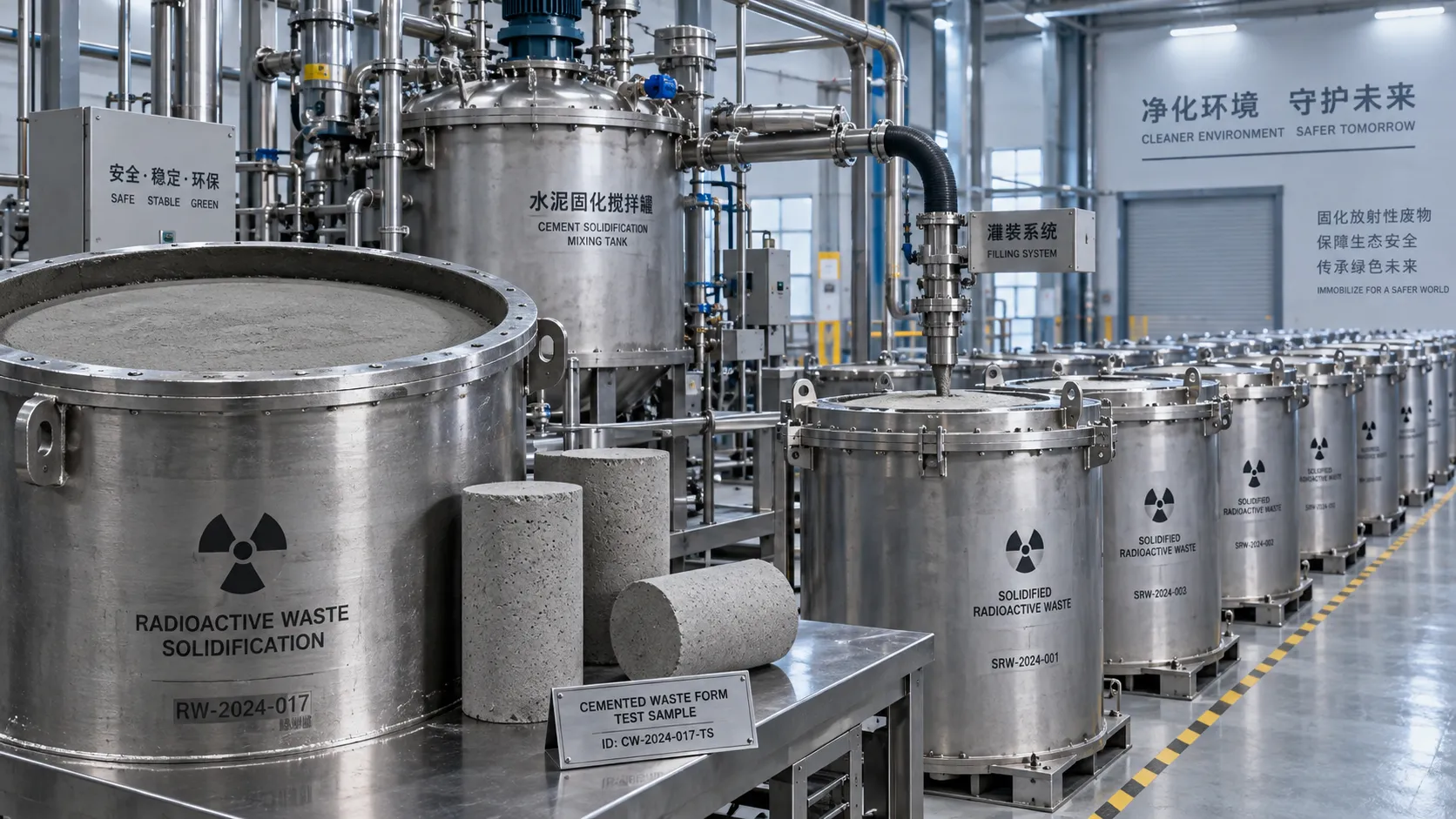
When is cementation suitable for nuclear decommissioning waste?
Explore nuclear waste treatment technology for decommissioning: learn when cementation fits, which risks to assess, and how disposal criteria guide an effective treatment choice.
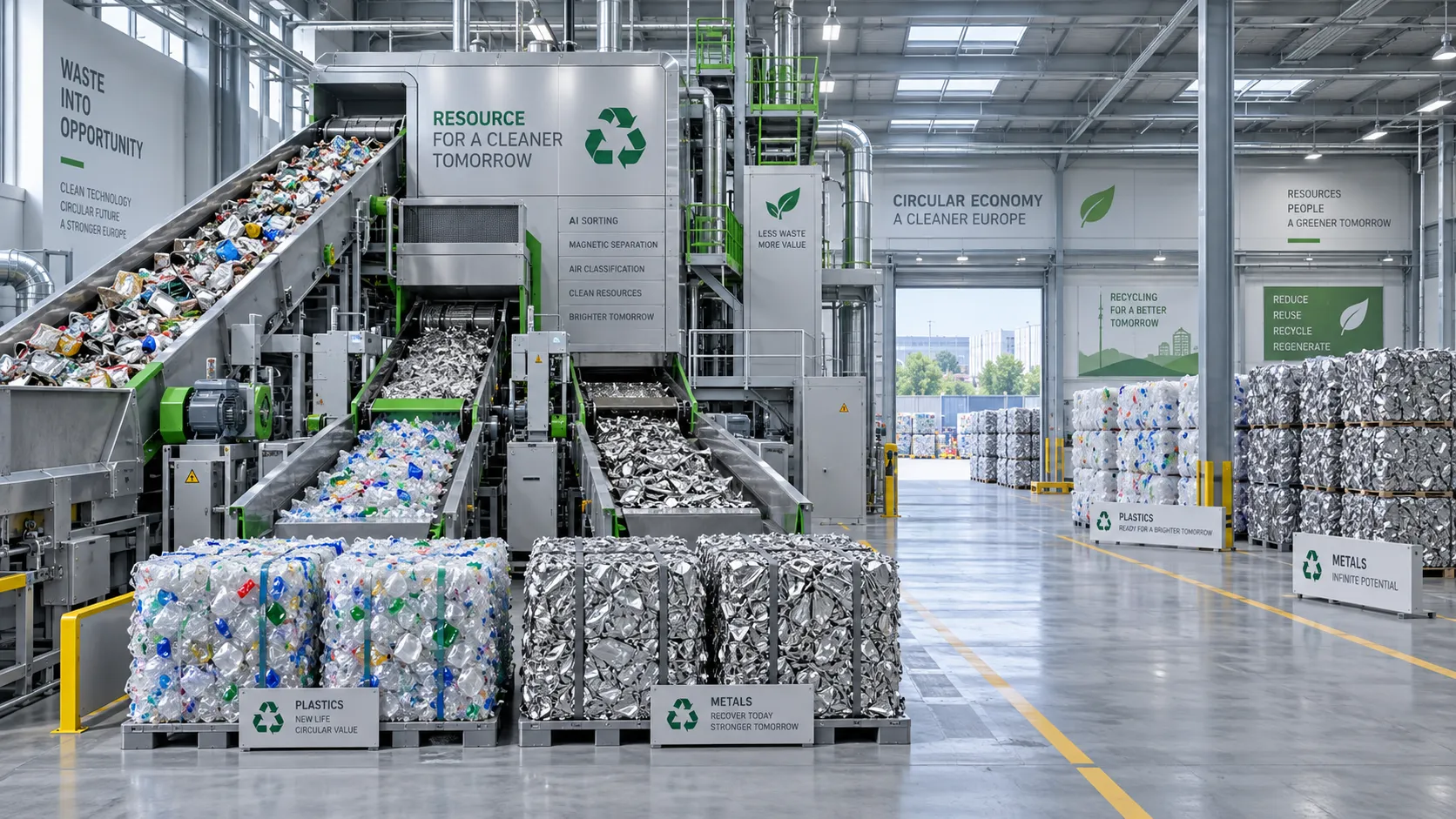
What determines payback for waste-to-resource systems in Europe?
Assess waste-to-resource systems Europe-wide: compare feedstock, recovery yields, costs and contracts to uncover payback drivers and make smarter investment decisions.
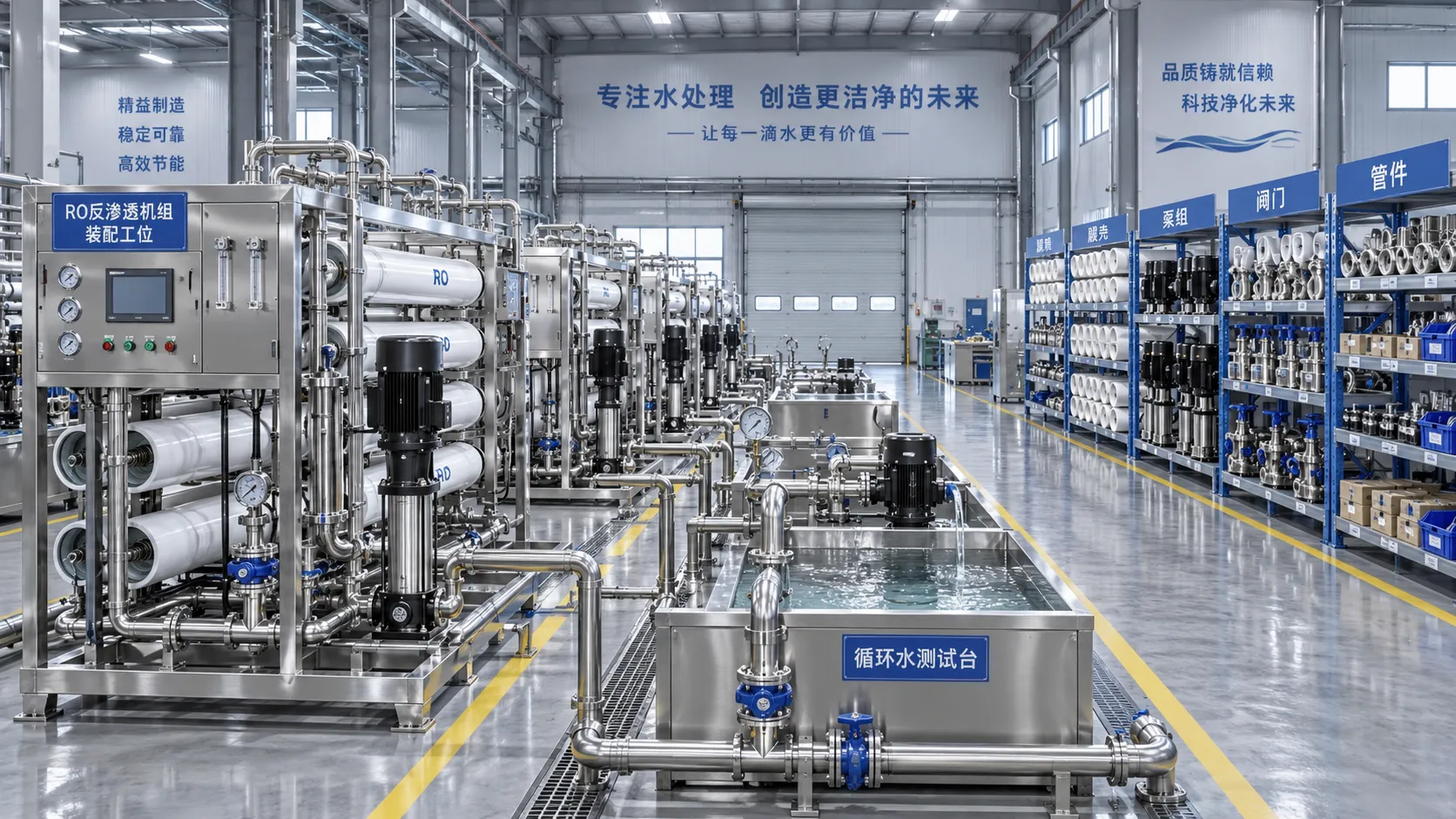
How to verify a water treatment system factory’s production capacity
Verify a water treatment systems factory’s production capacity through records, bottlenecks, component availability, and testing. Learn what to check before accepting a delivery promise.
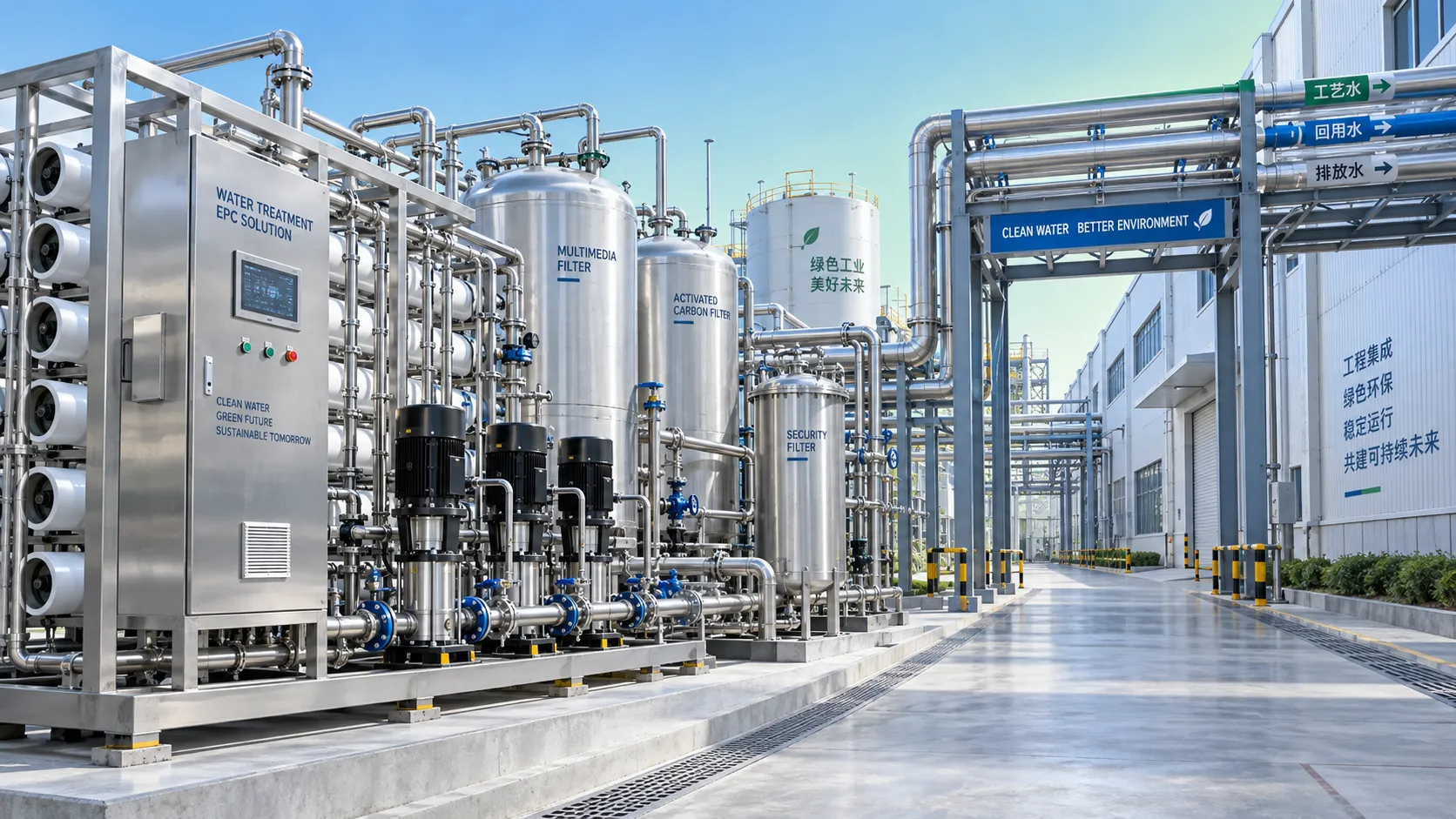
When does EPC environmental project support reduce delivery risk?
EPC environmental project support engineering reduces delivery risk by aligning design, procurement, compliance, construction, and commissioning decisions.
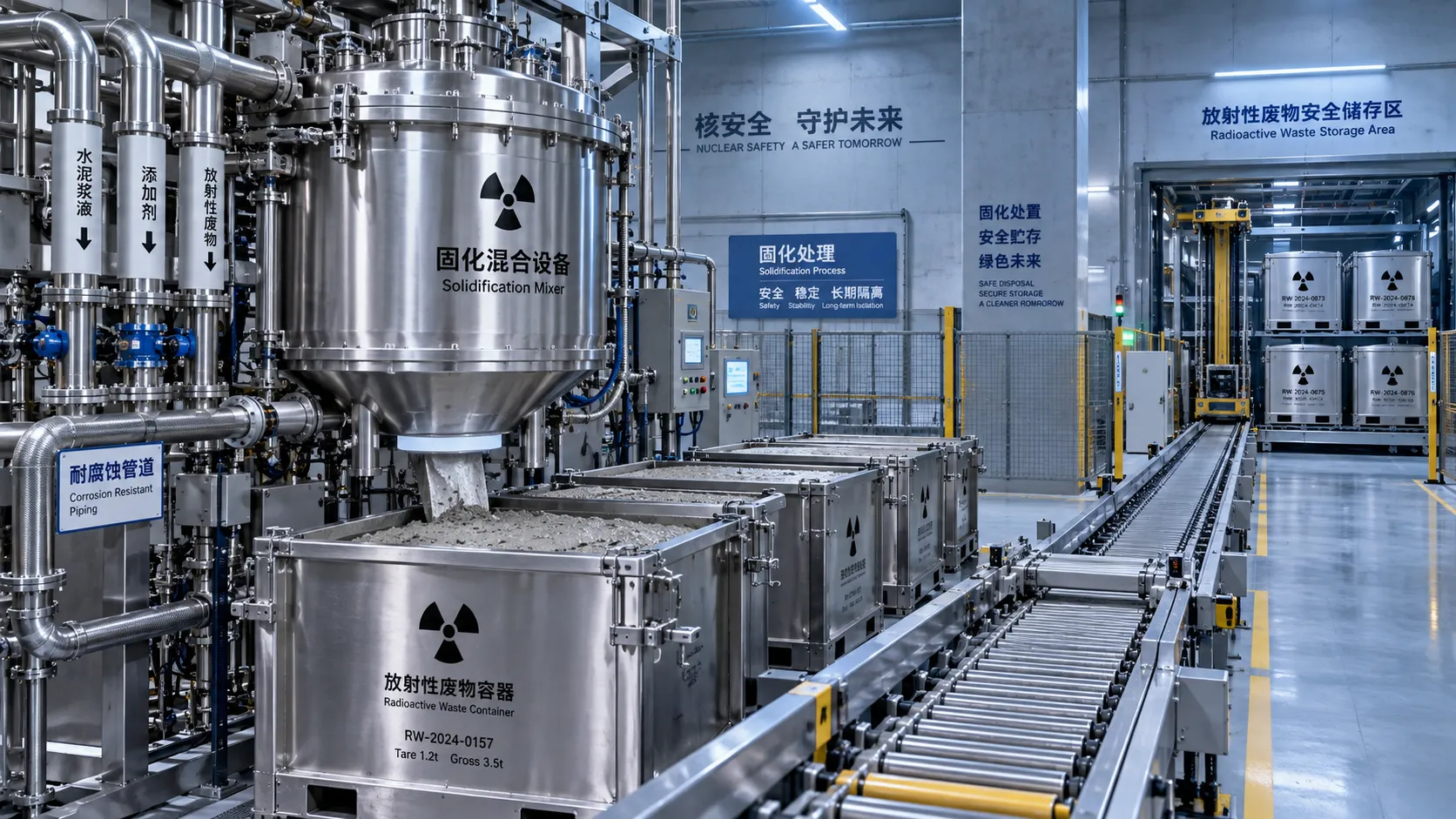
How nuclear plants select a radioactive waste solidification method
Radioactive waste management for nuclear plants: compare vitrification, cementation, polymers, and ceramics to select a compliant, durable solidification solution.
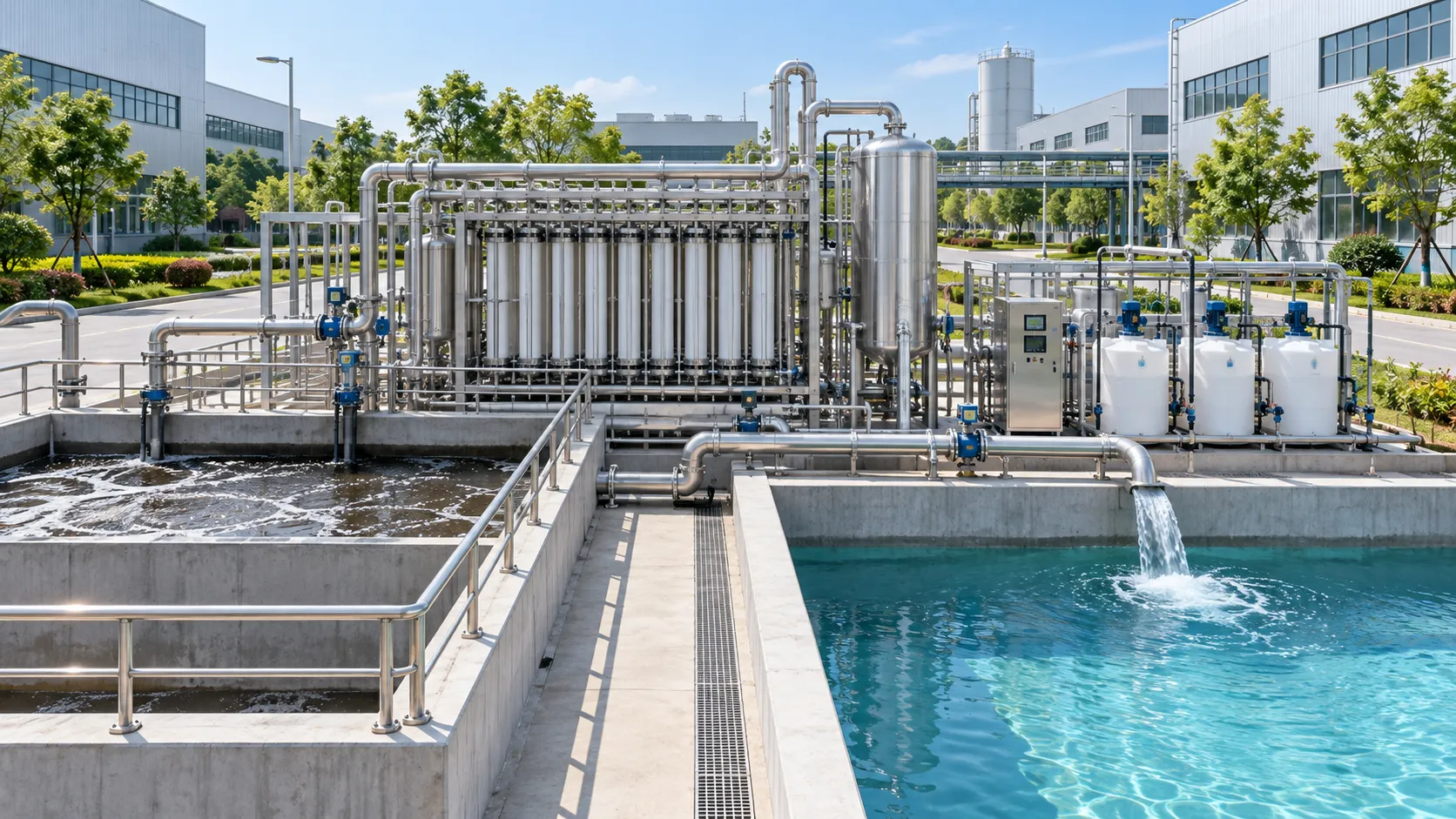
Comparing Upgrade Costs for Industrial Park Wastewater Treatment Systems
Compare costs for wastewater system upgrades in industrial parks with a lifecycle view of CAPEX, OPEX, compliance, resilience, and future expansion.
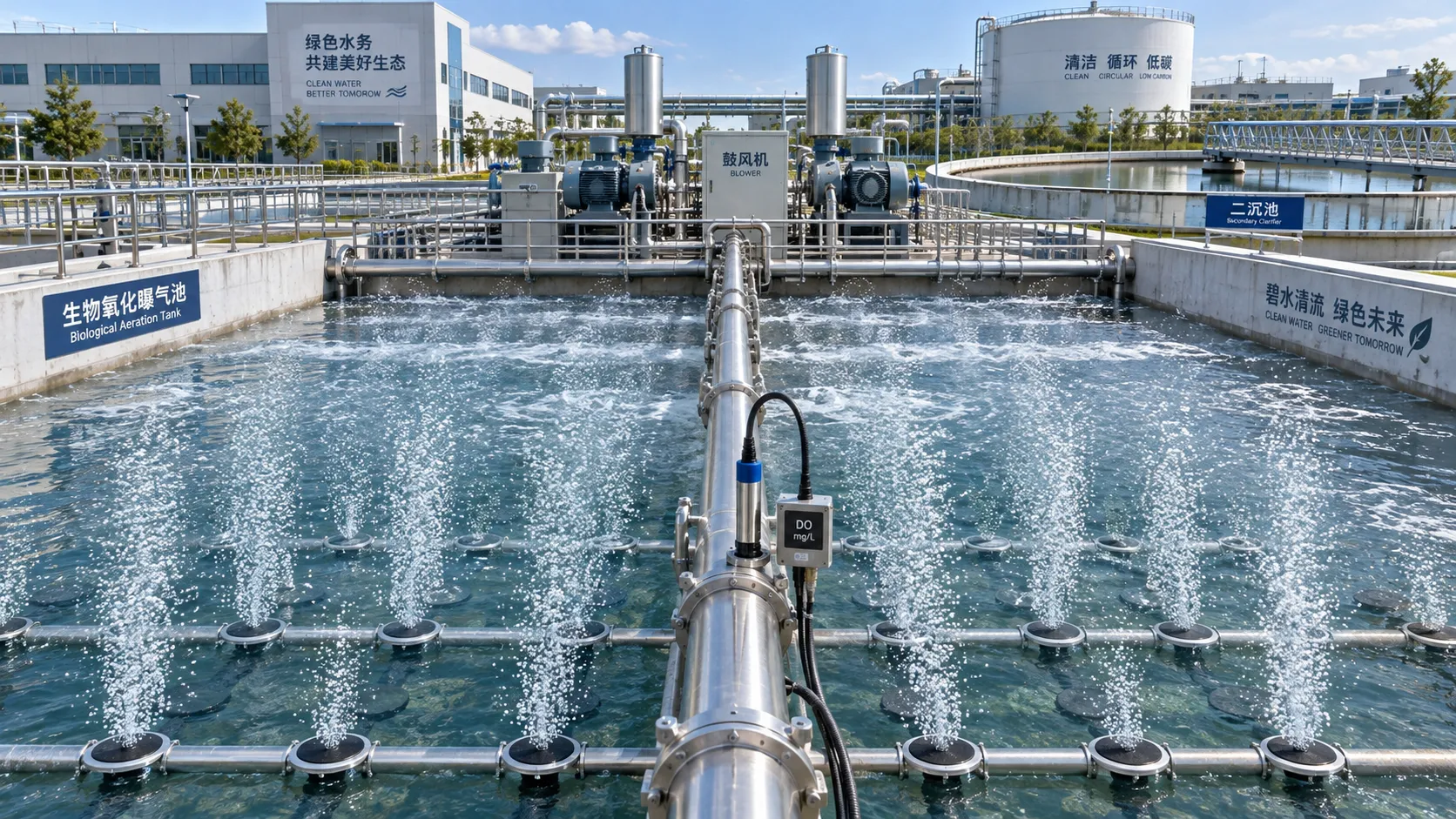
Biological Wastewater Oxidation Explained: Aeration Demand and Process Control
Biological wastewater oxidation explained: optimize aeration demand, DO control, nitrification, and sludge age for stable effluent quality and lower energy costs.
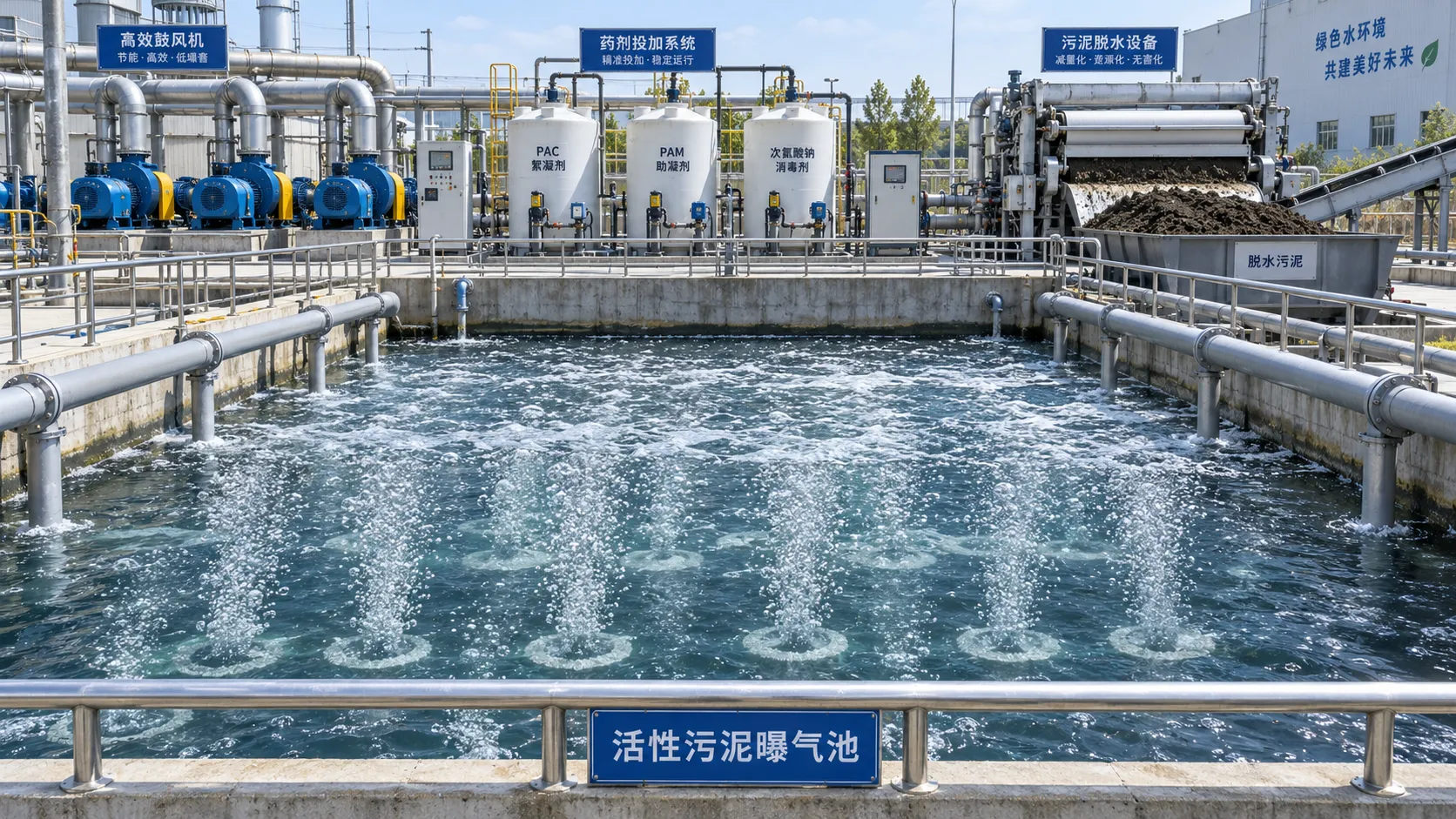
Activated Sludge Cost: Budgeting Energy, Chemicals, Sludge, and Labor
Activated sludge cost explained: compare energy, chemicals, sludge disposal, labor, and compliance risks to build a reliable lifecycle budget.
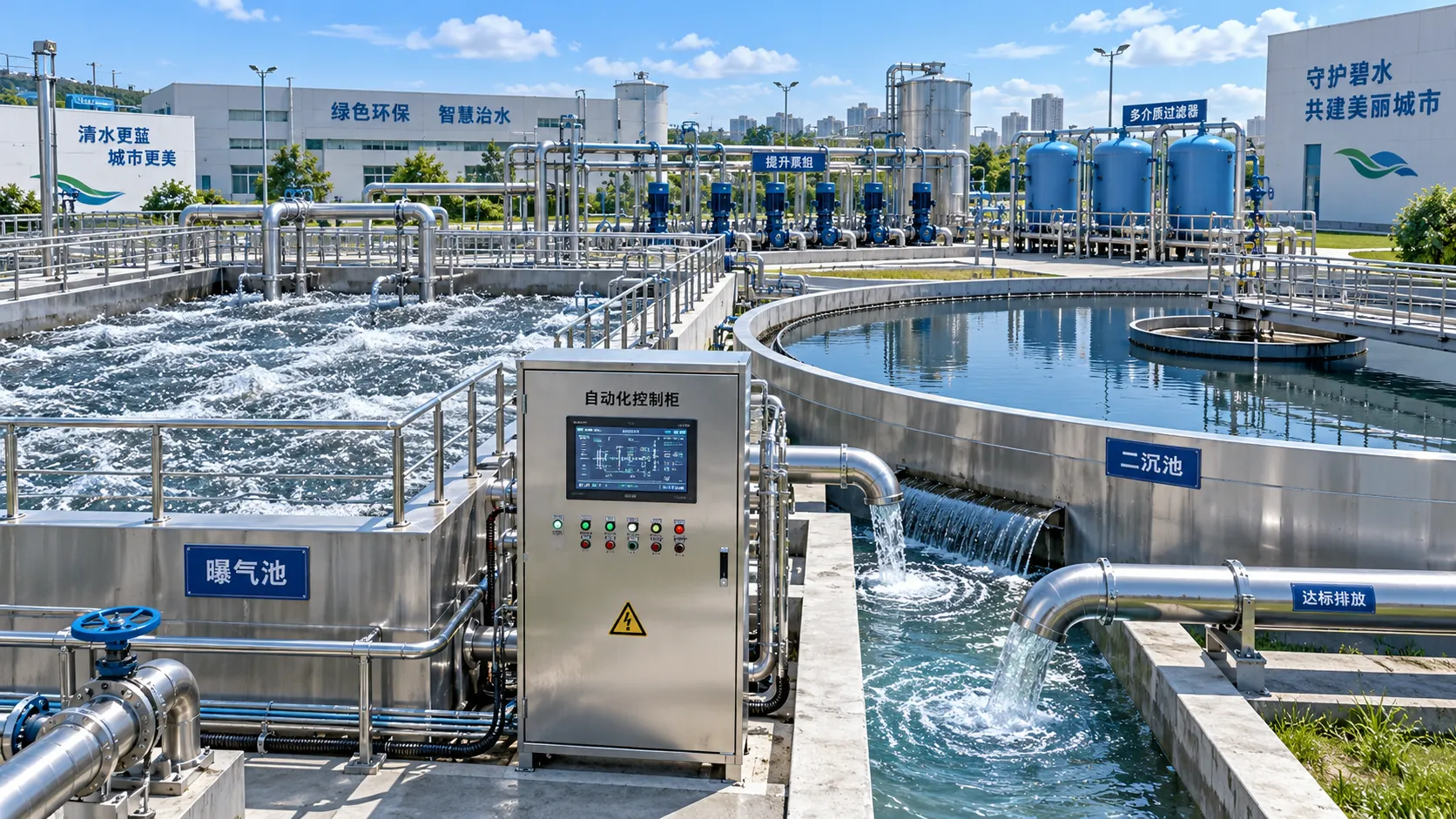
When Should Municipal Wastewater Plants Upgrade Treatment Capacity and Controls?
Municipal wastewater treatment upgrades: learn when capacity, controls, and resilient planning are needed to protect compliance and optimize plant performance.