
Industry News
Curation by industry experts
Hot Articles
Popular Tags
Environmental Regulations Impact Assessment: Key Compliance Risks
For business decision-makers, environmental regulations impact assessment is no longer a legal formality but a strategic necessity.
Across water treatment, waste recovery, desalination, flue gas control, and nuclear waste management, compliance shifts now influence investment timing, technology selection, and long-term operating resilience.
A rigorous environmental regulations impact assessment helps identify hidden liabilities before they affect permits, project financing, export eligibility, or brand trust.
For intelligence platforms such as ESD, the topic matters because environmental equipment markets are increasingly shaped by stricter discharge limits, carbon rules, waste traceability, and cross-border compliance scrutiny.
Understanding key compliance risks is therefore essential for navigating a regulatory landscape that changes faster than many capital projects can adapt.
What Environmental Regulations Impact Assessment Means
Environmental regulations impact assessment is the structured process of evaluating how current and emerging rules affect assets, operations, technologies, contracts, and reporting obligations.
It goes beyond checking whether a site has permits.
It examines future exposure, including emission thresholds, wastewater discharge standards, hazardous waste classification, energy intensity, monitoring duties, and extended producer responsibilities.
In comprehensive industrial sectors, this assessment often combines legal review, engineering analysis, supply chain mapping, and scenario planning.
The objective is simple.
Reduce the gap between regulatory change and operational response.
Core elements of the assessment
- Applicable laws, permits, technical standards, and local enforcement practices
- Asset-level exposure across treatment lines, recovery systems, and waste handling units
- Monitoring, data integrity, and reporting obligations
- Capital upgrade needs and compliance cost trajectories
- Strategic risks from carbon mechanisms, import rules, and investor expectations
Why Regulatory Pressure Is Intensifying
The need for environmental regulations impact assessment is rising because environmental law is becoming broader, more technical, and more connected to trade and finance.
Authorities are no longer focused only on end-of-pipe pollution.
They now assess lifecycle emissions, resource efficiency, waste destination, chemicals of concern, and climate disclosure consistency.
This trend is especially visible in infrastructure-heavy sectors with long asset lives.
Key signals shaping compliance exposure
For ESD’s focus areas, these signals directly affect technology pathways.
Membrane systems, scrubbers, pyrolysis units, AI sorting lines, and vitrification processes all depend on stable compliance assumptions.
When those assumptions change, project economics can change with them.
Key Compliance Risks in Environmental Regulations Impact Assessment
A high-quality environmental regulations impact assessment should identify not only direct legal breaches but also operational conditions that make future noncompliance likely.
1. Permit mismatch risk
Facilities often operate under permits written for earlier production profiles or older treatment configurations.
Capacity expansion, feedstock changes, or process retrofits can quietly invalidate assumptions behind the original approval.
2. Technology performance risk
Installed systems may meet design targets in theory but fail under variable influent quality, seasonal temperatures, or stricter contaminant thresholds.
This is common in ZLD, flue gas treatment, and low-temperature catalytic applications.
3. Waste classification and handling risk
A by-product once treated as nonhazardous may be reclassified due to chemical composition, concentration levels, or destination controls.
That shift can alter storage, transport, and disposal obligations immediately.
4. Data integrity risk
More regulators now enforce through monitoring records, automated sensors, and digital submissions.
Weak calibration, inconsistent sampling, or poor documentation can create violations even when physical performance appears acceptable.
5. Cross-border and supply chain risk
Environmental regulations impact assessment must increasingly include suppliers, contractors, and export pathways.
Carbon reporting gaps, restricted substances, and downstream waste incidents can interrupt market access or trigger contract disputes.
6. Legacy contamination risk
Older sites may contain historic soil, groundwater, or storage issues not reflected in current operating data.
These risks become critical during refinancing, ownership transfer, or expansion permitting.
Business Value of a Strong Assessment Framework
A disciplined environmental regulations impact assessment creates value beyond compliance defense.
It improves investment quality, protects uptime, and supports better technology prioritization.
In capital-intensive environmental infrastructure, avoiding a late-stage redesign can preserve both schedule and profitability.
Practical business benefits
- More reliable capital planning for retrofits and permit-driven upgrades
- Fewer disruptions during inspections, renewals, and lender due diligence
- Better positioning in public tenders with strict environmental criteria
- Stronger evidence for ESG claims and carbon-related disclosures
- Improved resilience against sudden rule changes in strategic markets
For ESD-related segments, this value is especially strong where process reliability and regulatory tolerance are both narrow.
Desalination brine, flue gas residues, radioactive waste containment, and recovered material purity all face high compliance sensitivity.
Typical Scenarios Requiring Environmental Regulations Impact Assessment
Not every situation carries the same level of risk.
The following scenarios usually justify a formal environmental regulations impact assessment before major decisions are made.
Practical Recommendations for Managing Compliance Risk
An effective environmental regulations impact assessment should be repeatable, evidence-based, and linked to technical decision-making.
It should also be updated before financing milestones, major procurement, and permit amendments.
Recommended actions
- Map all applicable regulations by jurisdiction, process step, and waste stream.
- Test design assumptions against future regulatory scenarios, not only current thresholds.
- Audit monitoring systems for calibration, sampling method, and record retention integrity.
- Review contractor and disposal chain compliance with the same rigor as internal operations.
- Translate findings into capital priorities, operational controls, and board-level risk indicators.
Where technical complexity is high, regulatory intelligence should be integrated with engineering expertise.
That is particularly important for high-salinity water treatment, thermal recovery systems, advanced air pollution control, and nuclear waste stabilization processes.
A Clear Next Step for Better Decisions
Environmental regulations impact assessment is now a core discipline for protecting asset value in an era of fast-moving environmental enforcement.
The strongest organizations treat it as a forward-looking management tool, not a reactive legal checklist.
By identifying permit gaps, technology limits, waste liabilities, data weaknesses, and cross-border exposure early, leaders can make more confident decisions.
For sectors covered by ESD, this discipline supports smarter project selection, more resilient compliance planning, and stronger positioning in global environmental markets.
The next practical move is to establish a structured environmental regulations impact assessment process for each major asset, upgrade, and market-facing project.
Recommended News
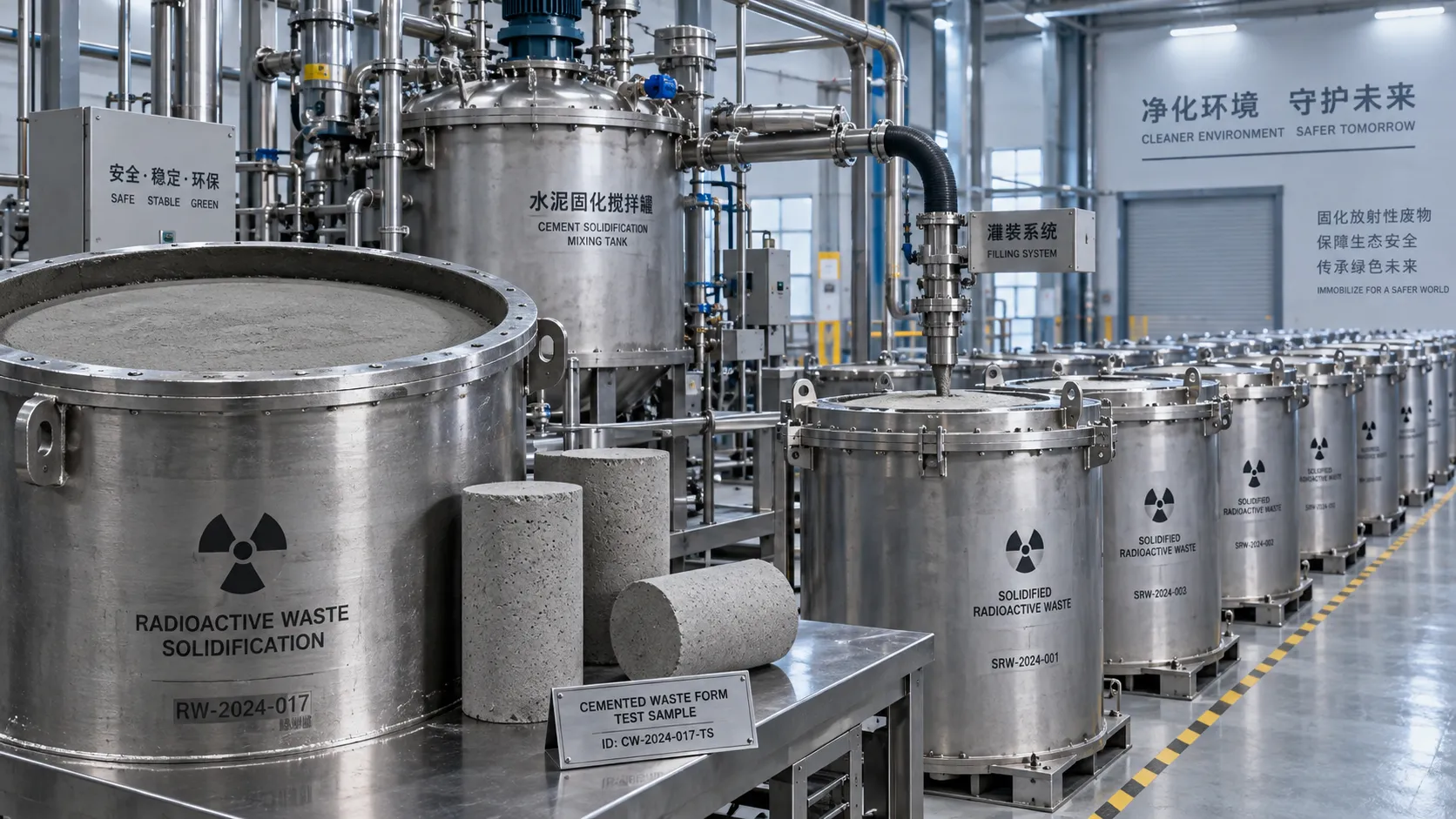
When is cementation suitable for nuclear decommissioning waste?
Explore nuclear waste treatment technology for decommissioning: learn when cementation fits, which risks to assess, and how disposal criteria guide an effective treatment choice.
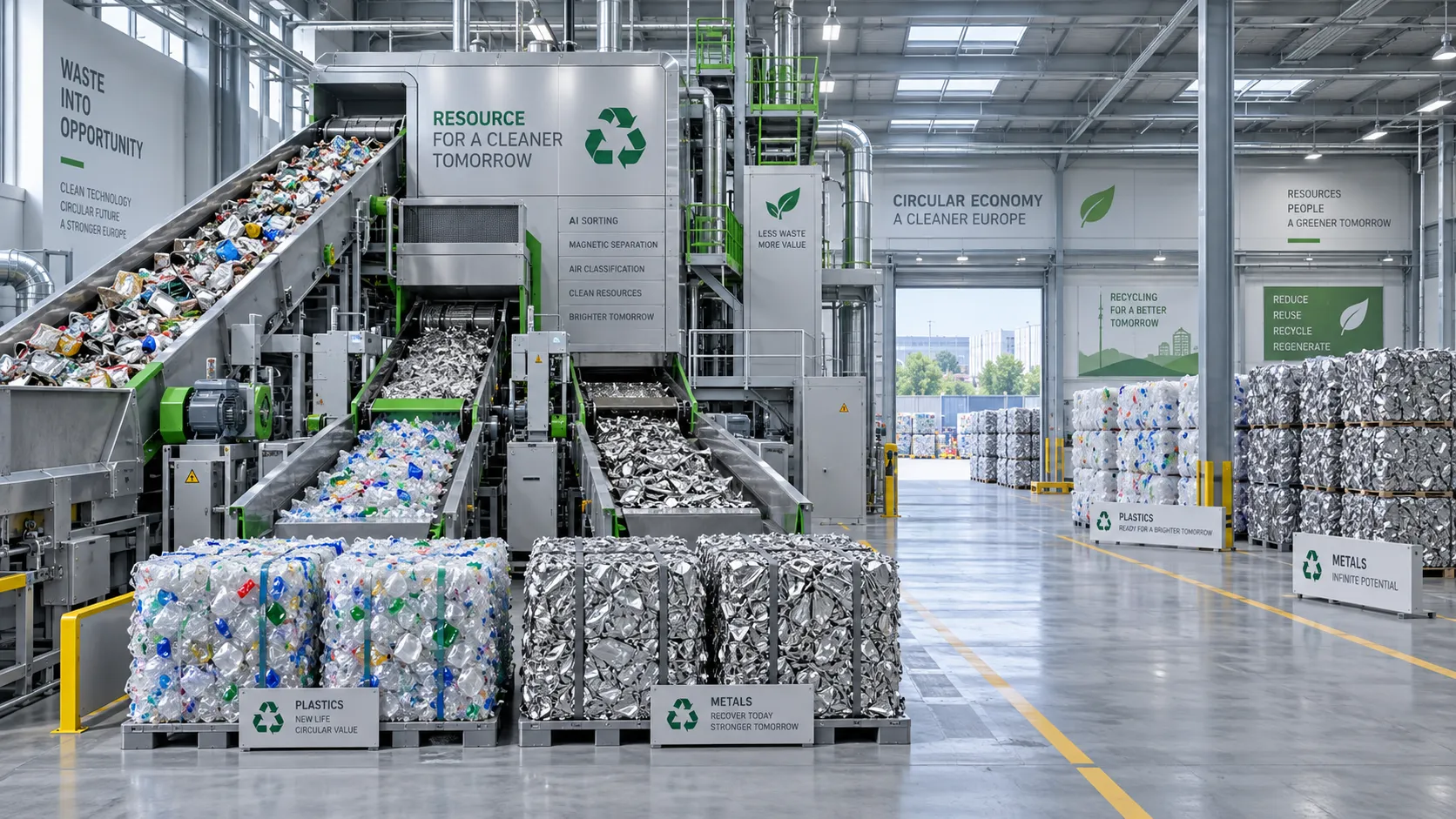
What determines payback for waste-to-resource systems in Europe?
Assess waste-to-resource systems Europe-wide: compare feedstock, recovery yields, costs and contracts to uncover payback drivers and make smarter investment decisions.
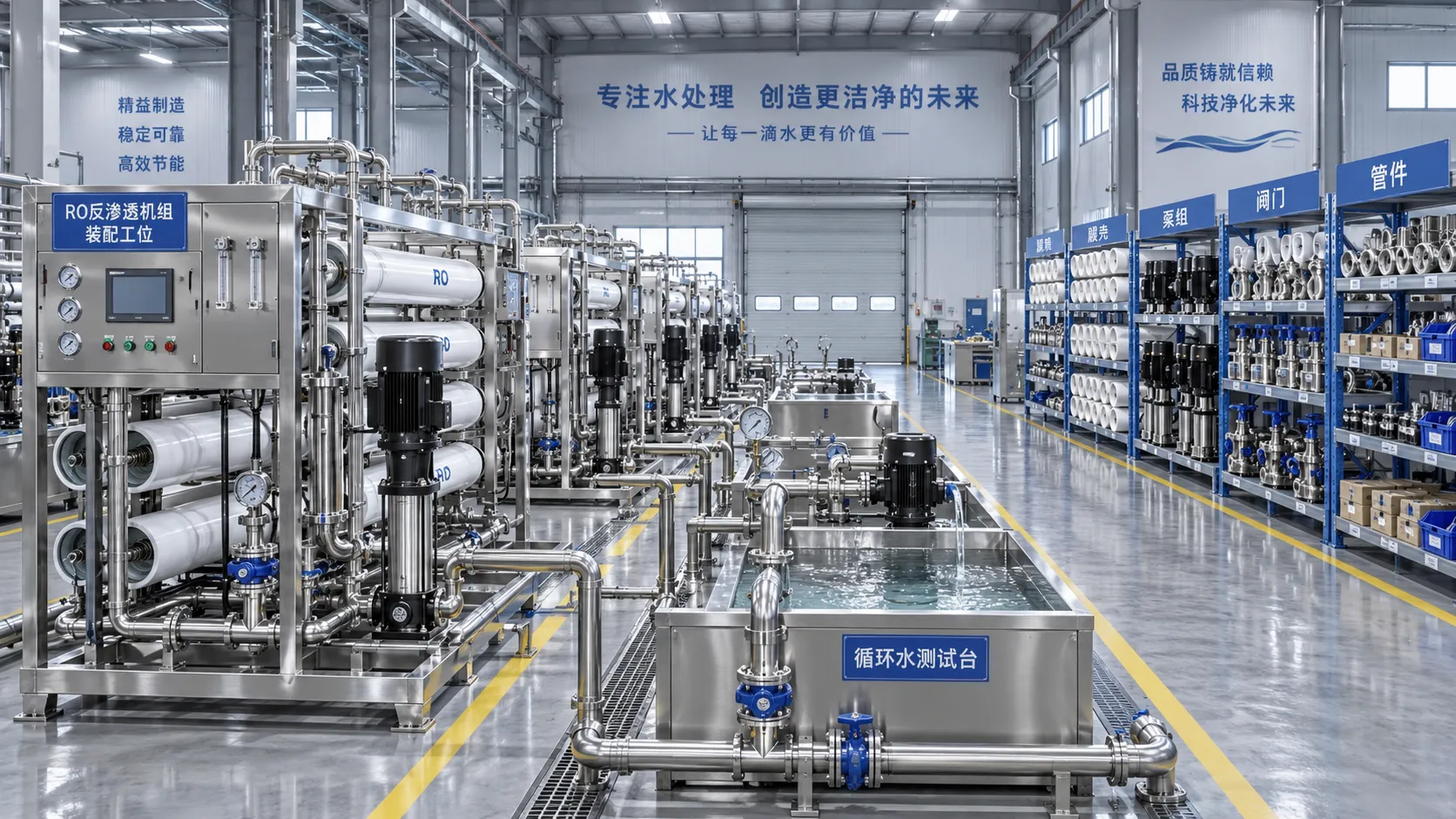
How to verify a water treatment system factory’s production capacity
Verify a water treatment systems factory’s production capacity through records, bottlenecks, component availability, and testing. Learn what to check before accepting a delivery promise.
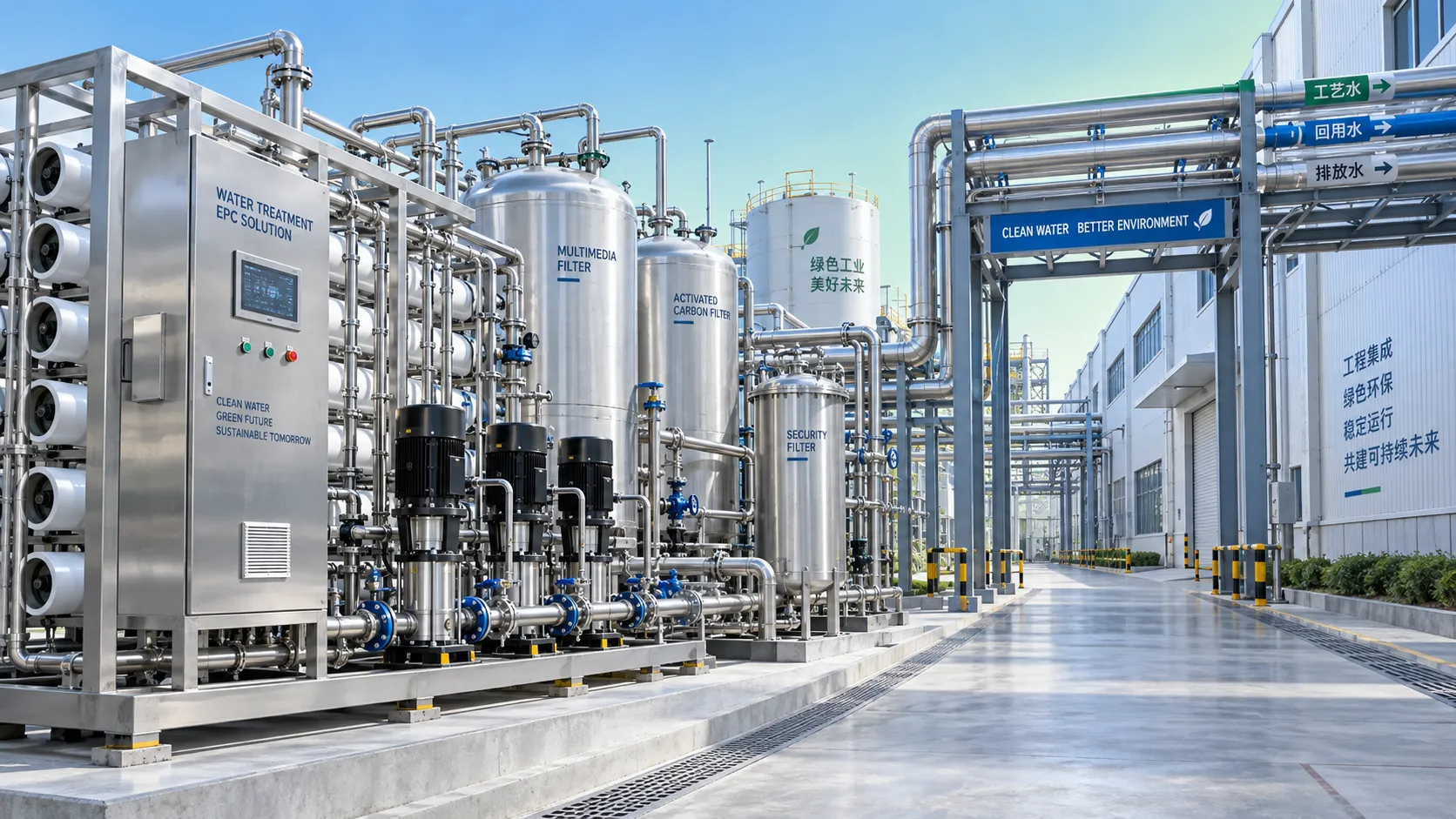
When does EPC environmental project support reduce delivery risk?
EPC environmental project support engineering reduces delivery risk by aligning design, procurement, compliance, construction, and commissioning decisions.
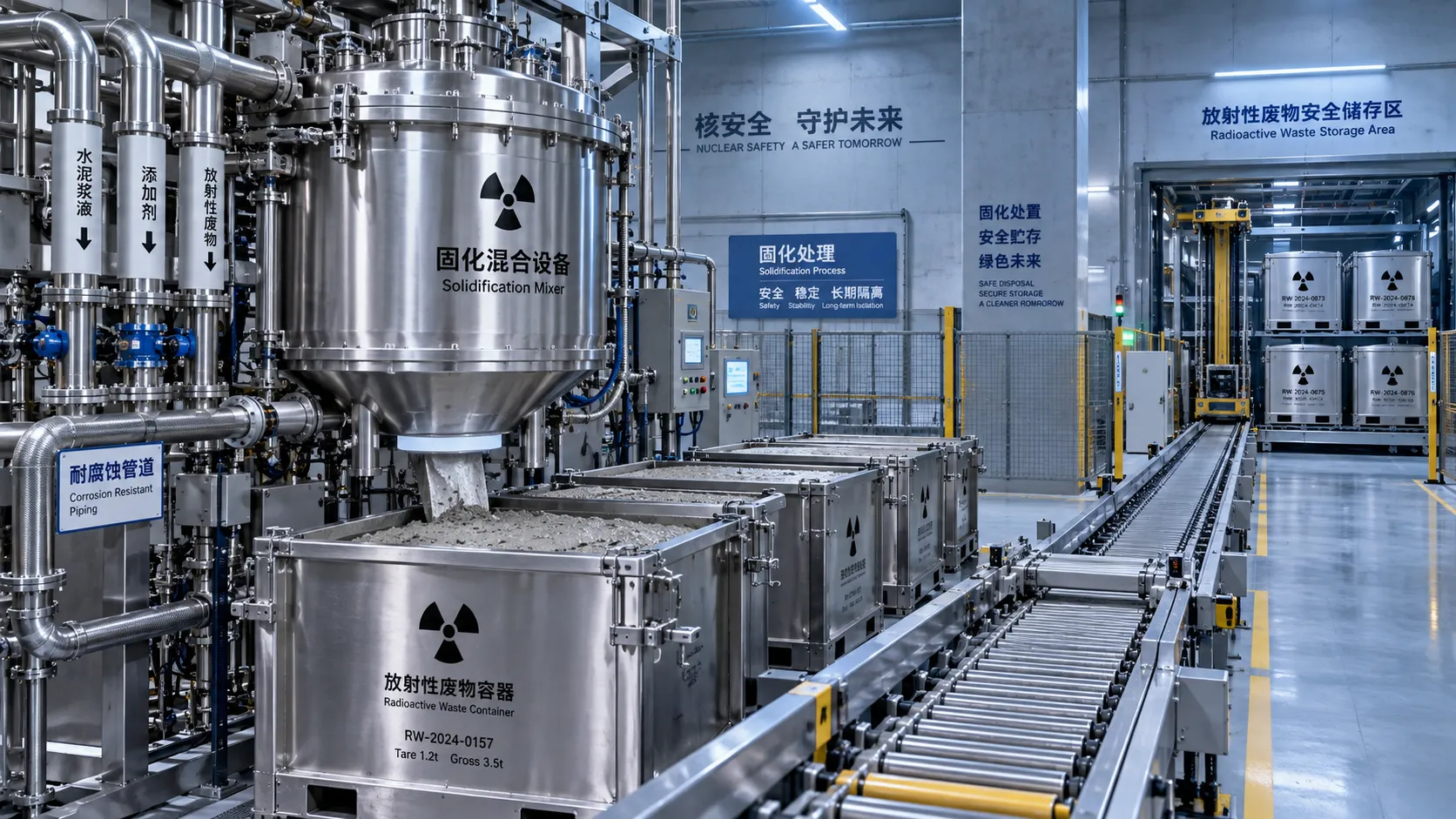
How nuclear plants select a radioactive waste solidification method
Radioactive waste management for nuclear plants: compare vitrification, cementation, polymers, and ceramics to select a compliant, durable solidification solution.
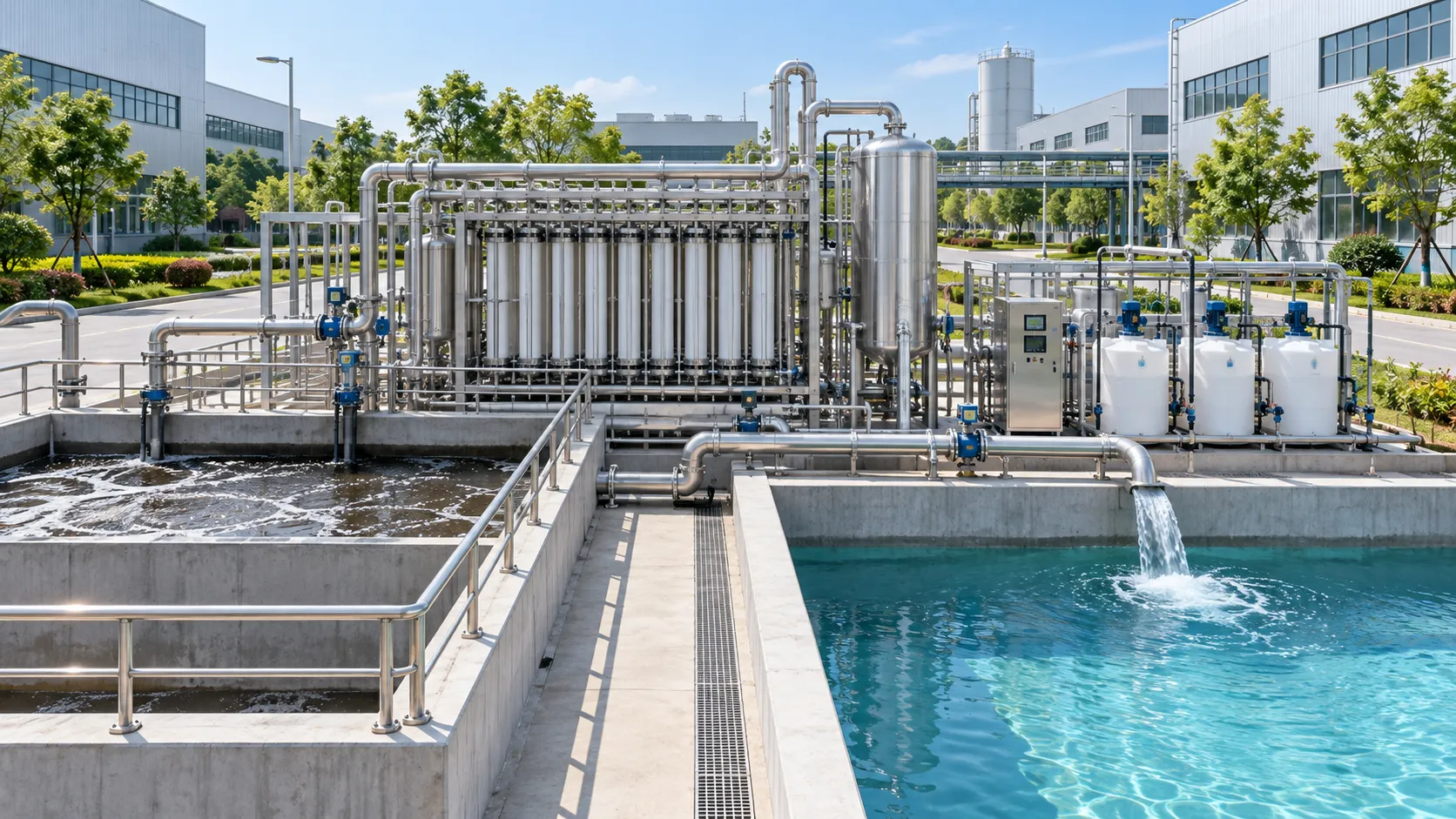
Comparing Upgrade Costs for Industrial Park Wastewater Treatment Systems
Compare costs for wastewater system upgrades in industrial parks with a lifecycle view of CAPEX, OPEX, compliance, resilience, and future expansion.
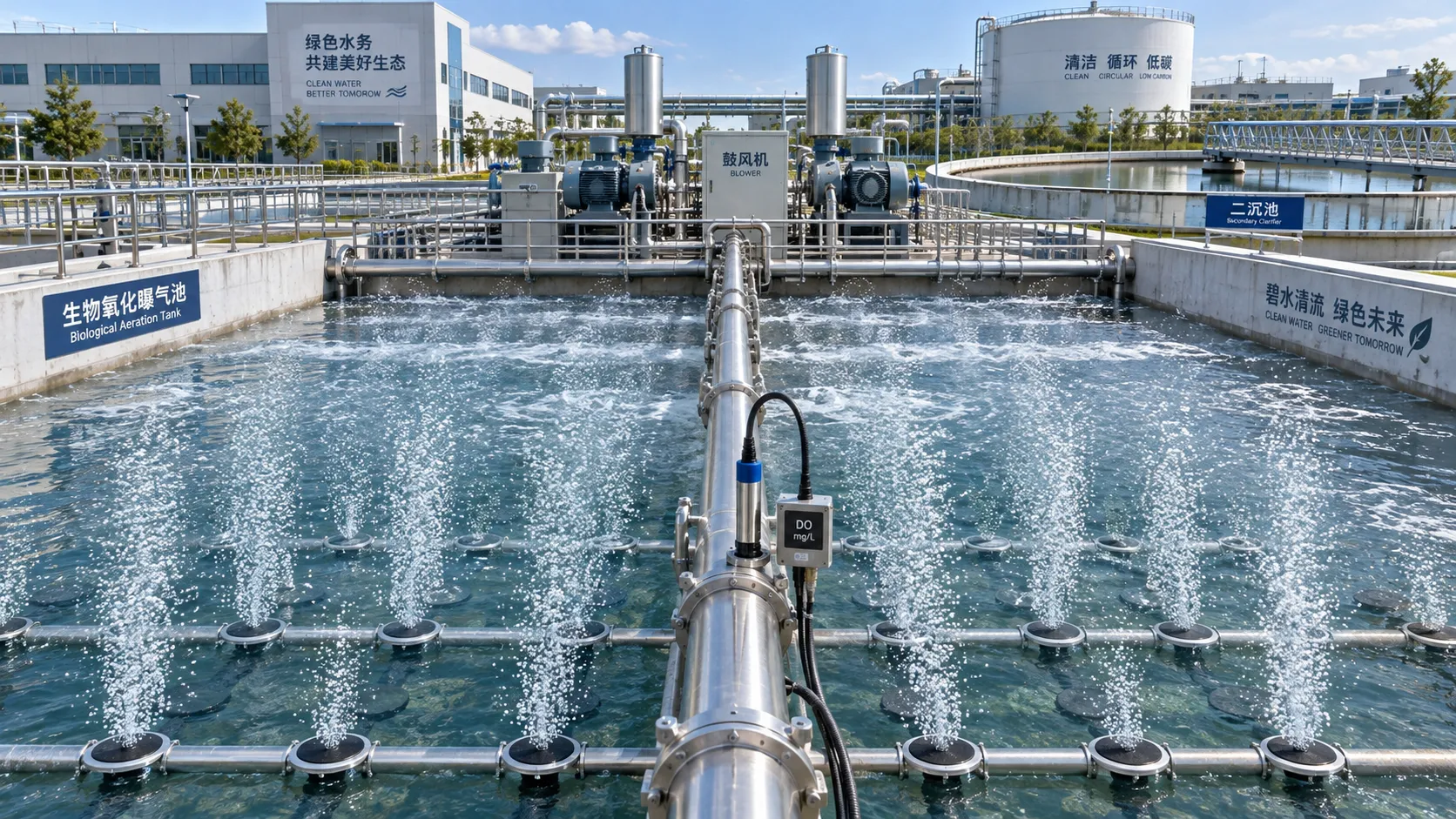
Biological Wastewater Oxidation Explained: Aeration Demand and Process Control
Biological wastewater oxidation explained: optimize aeration demand, DO control, nitrification, and sludge age for stable effluent quality and lower energy costs.
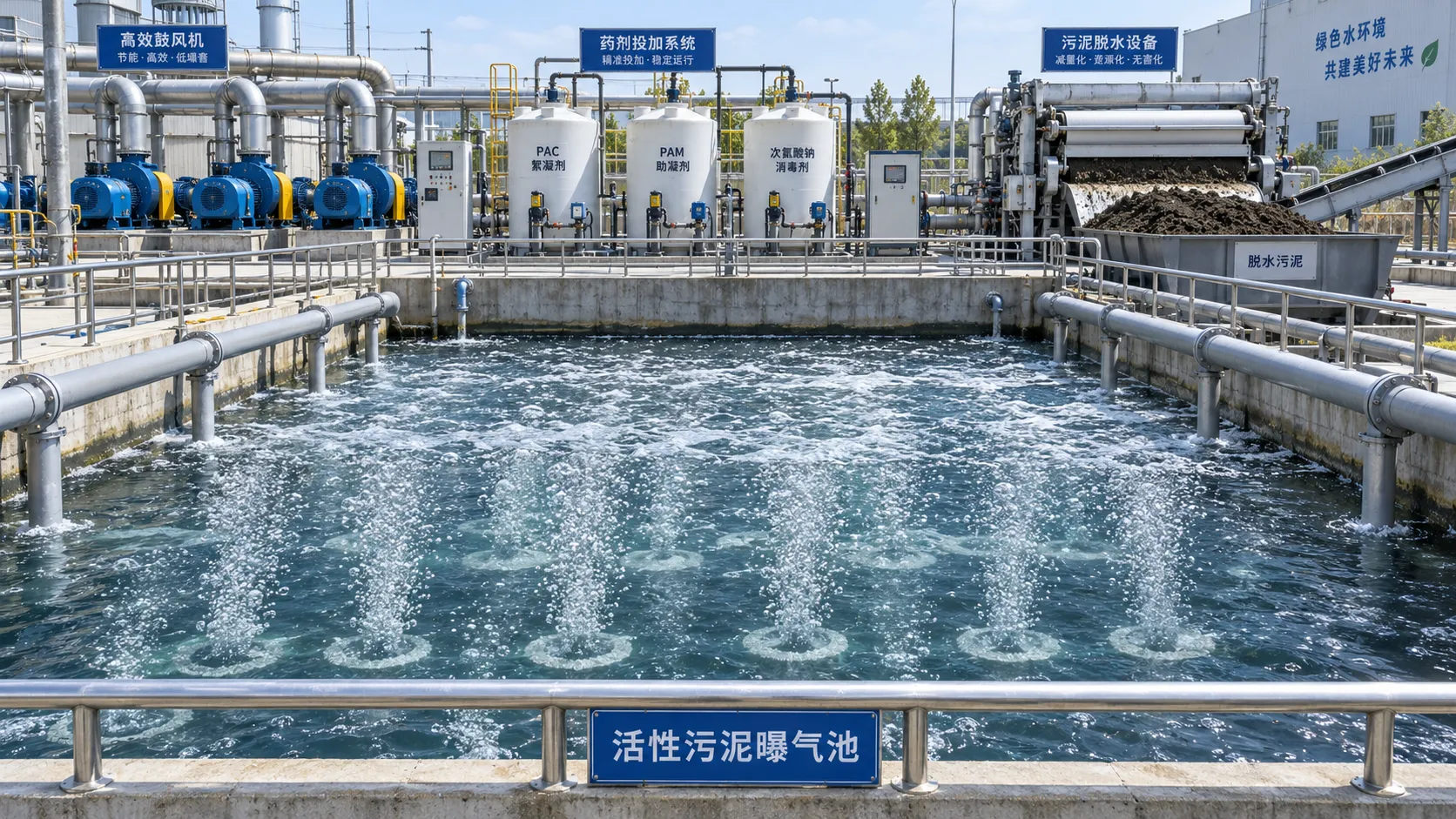
Activated Sludge Cost: Budgeting Energy, Chemicals, Sludge, and Labor
Activated sludge cost explained: compare energy, chemicals, sludge disposal, labor, and compliance risks to build a reliable lifecycle budget.
When Should Municipal Wastewater Plants Upgrade Treatment Capacity and Controls?
Municipal wastewater treatment upgrades: learn when capacity, controls, and resilient planning are needed to protect compliance and optimize plant performance.