
Industry News
Curation by industry experts
Hot Articles
Popular Tags
Advanced Water Purification Technologies: 5 Methods Compared by Cost and Performance
Advanced water purification technologies have moved from engineering options to board-level decisions. When discharge limits tighten, freshwater intake becomes uncertain, and energy prices rise, the wrong treatment choice can lock in years of avoidable cost, compliance risk, and operational fragility.
That is why cost and performance must be judged together. In large treatment plants, desalination projects, and industrial reuse systems, the best solution is rarely the one with the lowest capital cost or the highest laboratory removal rate alone.
From the perspective of ESD’s ecological intelligence framework, water treatment now sits inside a wider system. It connects resource recovery, carbon pressure, Zero Liquid Discharge planning, and global compliance strategy. This makes technology selection more strategic than ever.
Why the comparison matters now
Water quality challenges are becoming more complex. Industrial effluents carry salts, refractory organics, heavy metals, nutrients, micropollutants, and variable loading patterns that conventional treatment cannot always handle efficiently.
At the same time, municipal systems face stricter nutrient limits, aging assets, and pressure to reuse water rather than simply discharge it. In coastal regions, seawater desalination remains essential, but energy intensity keeps it under scrutiny.
These pressures explain the growing interest in advanced water purification technologies. The real question is not which method sounds most advanced, but which one fits the feedwater, recovery target, operating model, and long-term compliance path.
Five advanced water purification technologies in practical terms
The five methods below are widely discussed because they solve different parts of the purification challenge. They are often combined rather than deployed in isolation.
1. Reverse osmosis
Reverse osmosis, or RO, remains one of the most important advanced water purification technologies. It removes dissolved salts, many organics, pathogens, and trace contaminants through a semi-permeable membrane under pressure.
Its performance is strong and predictable. It is central to brackish water treatment, reuse systems, high-purity process water, and SWRO desalination. The tradeoff is energy demand, membrane fouling risk, and concentrate management.
2. Ultrafiltration and nanofiltration
Ultrafiltration, or UF, is excellent for suspended solids, bacteria, and colloids. Nanofiltration, or NF, sits between UF and RO, removing hardness, color, larger organics, and some dissolved salts.
These membranes are often chosen as pretreatment stages. In some cases, NF becomes a lower-energy alternative to RO when full desalination is unnecessary and selective separation creates better economics.
3. Advanced oxidation processes
Advanced oxidation processes, including ozone, UV-hydrogen peroxide, and catalytic oxidation, are designed to break down persistent organic pollutants that biological systems or membranes may not remove fully.
They are valuable when pharmaceuticals, dyes, phenols, or trace industrial chemicals threaten compliance or reuse quality. Their limitation is operating cost, chemical demand, and sensitivity to water matrix conditions.
4. Ion exchange and adsorption
Ion exchange resins and specialized adsorption media target specific contaminants such as nitrate, arsenic, PFAS, ammonia, and hardness ions. Activated carbon also remains relevant for taste, odor, and organic trace removal.
These approaches are not always headline technologies, yet they perform extremely well in polishing roles. They become especially attractive when selective removal matters more than broad-spectrum purification.
5. Thermal evaporation and crystallization
Thermal systems are critical in high-salinity wastewater and ZLD projects. Evaporators and crystallizers handle streams that would overwhelm membrane systems or create unacceptable reject volumes.
Their strength is ultimate separation and water recovery. Their weakness is clear as well: very high capital cost, very high energy use, and substantial operational complexity.
Cost and performance side by side
A useful comparison must look beyond simple unit pricing. Capital expenditure, energy use, consumables, labor intensity, cleaning cycles, asset life, and reject handling all influence total cost of ownership.
In simple terms, RO often wins on broad performance, UF and NF on balanced economics, AOPs on difficult organics, adsorption on selectivity, and thermal systems on final recovery where no shortcut exists.
Where each method creates business value
Different sectors define value differently. A semiconductor facility may prioritize ultra-low conductivity. A refinery may care more about recovery from complex wastewater. A municipality may focus on nutrient compliance and reuse resilience.
This is why advanced water purification technologies should be evaluated against the business objective, not just the contaminant list. The same method can be high-value in one setting and inefficient in another.
- Industrial reuse systems often favor UF plus RO, sometimes with AOP polishing.
- Desalination plants rely on membrane performance, pretreatment quality, and energy recovery.
- Mining and chemical sectors may require brine concentration and thermal ZLD.
- Municipal upgrades often blend membranes, carbon, and oxidation for reuse targets.
ESD’s cross-sector view is useful here. Water systems do not stand alone. They influence sludge generation, energy demand, recovered material value, and the compliance story behind major infrastructure investment.
What deserves closer scrutiny during selection
Technology comparisons often fail because they rely on nominal design data. Real decisions require a harsher lens. Feedwater variability, upset tolerance, pretreatment dependency, and reject disposal can overturn an attractive spreadsheet.
Feedwater determines everything
High organics, scaling ions, silica, oils, or oxidants can reshape membrane life and cleaning frequency. For AOPs, background scavengers can reduce oxidation efficiency. For adsorption, competing ions can shorten media life.
Energy and carbon are now linked
A low-water-cost design may become expensive under carbon accounting or electricity volatility. This matters in desalination, ZLD, and any project exposed to cross-border compliance pressure or sustainability reporting.
Recovery targets must be realistic
Pushing recovery too far can increase fouling, chemical use, downtime, and brine concentration challenges. Sometimes a staged system with moderate recovery delivers lower lifetime cost than an aggressive headline target.
Operational intelligence matters
The next wave of advanced water purification technologies will not be defined only by hardware. It will be shaped by sensors, predictive maintenance, membrane analytics, and control systems that stabilize performance under variable conditions.
A practical decision framework
A disciplined comparison usually starts with four questions: what must be removed, what water quality is required, what recovery level is financially justified, and what compliance horizon the asset must survive.
From there, it becomes easier to judge whether advanced water purification technologies should be arranged as a polishing step, a core barrier, or part of a wider resource recovery system.
- Map contaminants by concentration, variability, and treatment difficulty.
- Model total cost of ownership, not only equipment price.
- Test pretreatment and reject management early.
- Compare energy intensity against recovery and compliance value.
- Use pilot data where feedwater uncertainty is high.
No single ranking works for every project. Yet a clear pattern does emerge. The strongest outcomes usually come from integrated designs that balance membrane separation, targeted polishing, and realistic recovery economics.
The next step in evaluating advanced water purification technologies
For any new project or system upgrade, the next step is not to choose a brand or process train too early. It is to establish a decision baseline around water quality risk, lifecycle cost, and future regulatory exposure.
That baseline makes comparisons more credible. It also reveals where advanced water purification technologies create strategic value, whether through reuse resilience, lower discharge risk, improved recovery, or stronger alignment with long-term environmental infrastructure plans.
In practice, the most resilient choice is usually the one that fits the full ecological and commercial system around it. That is the level of judgment now required in modern water treatment.
Recommended News
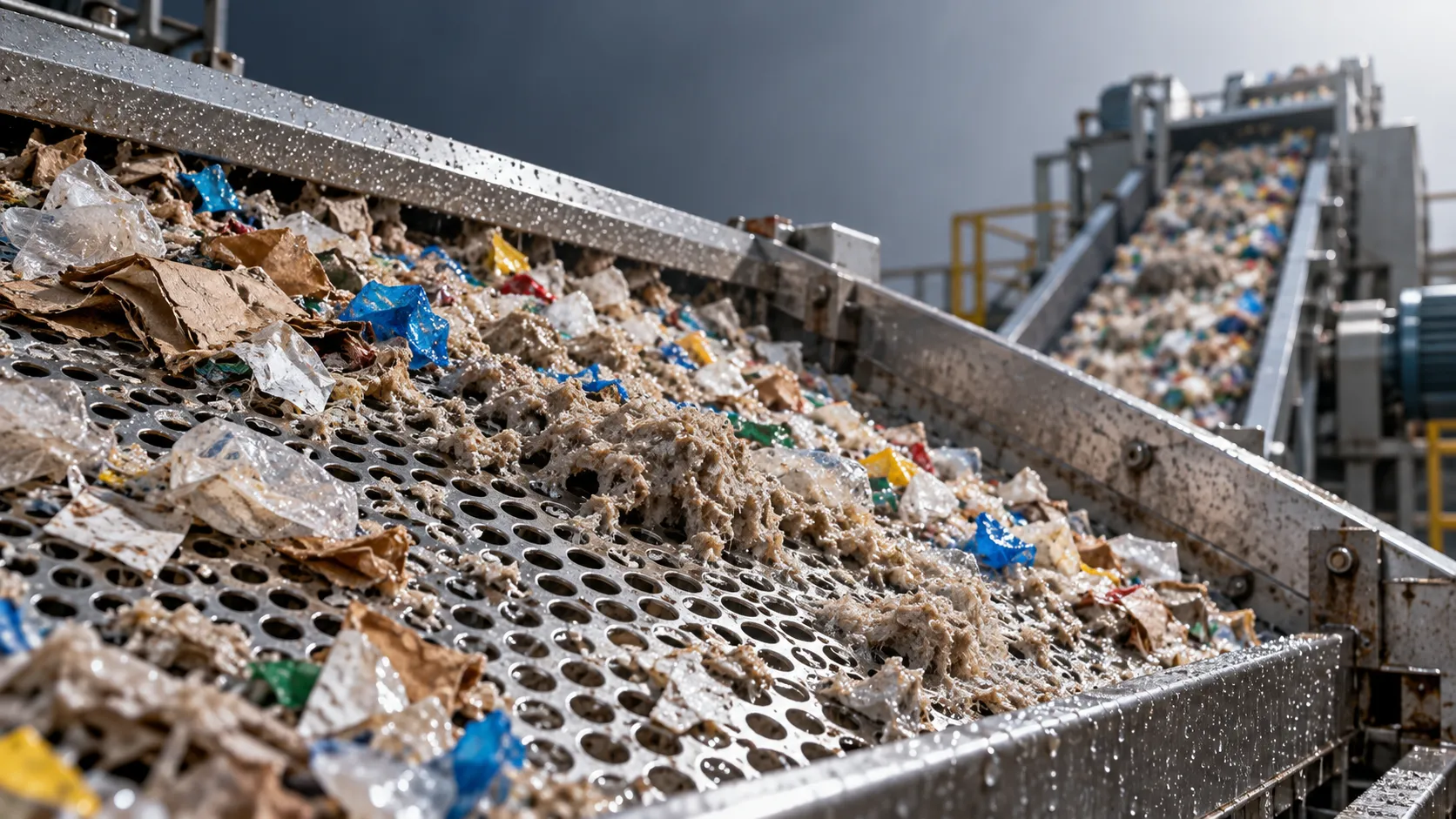
How moisture affects material separation in solid waste recovery
Improve solid waste recovery material separation by understanding moisture effects on screening and sorting. Discover practical ways to boost recovery, purity, and throughput.
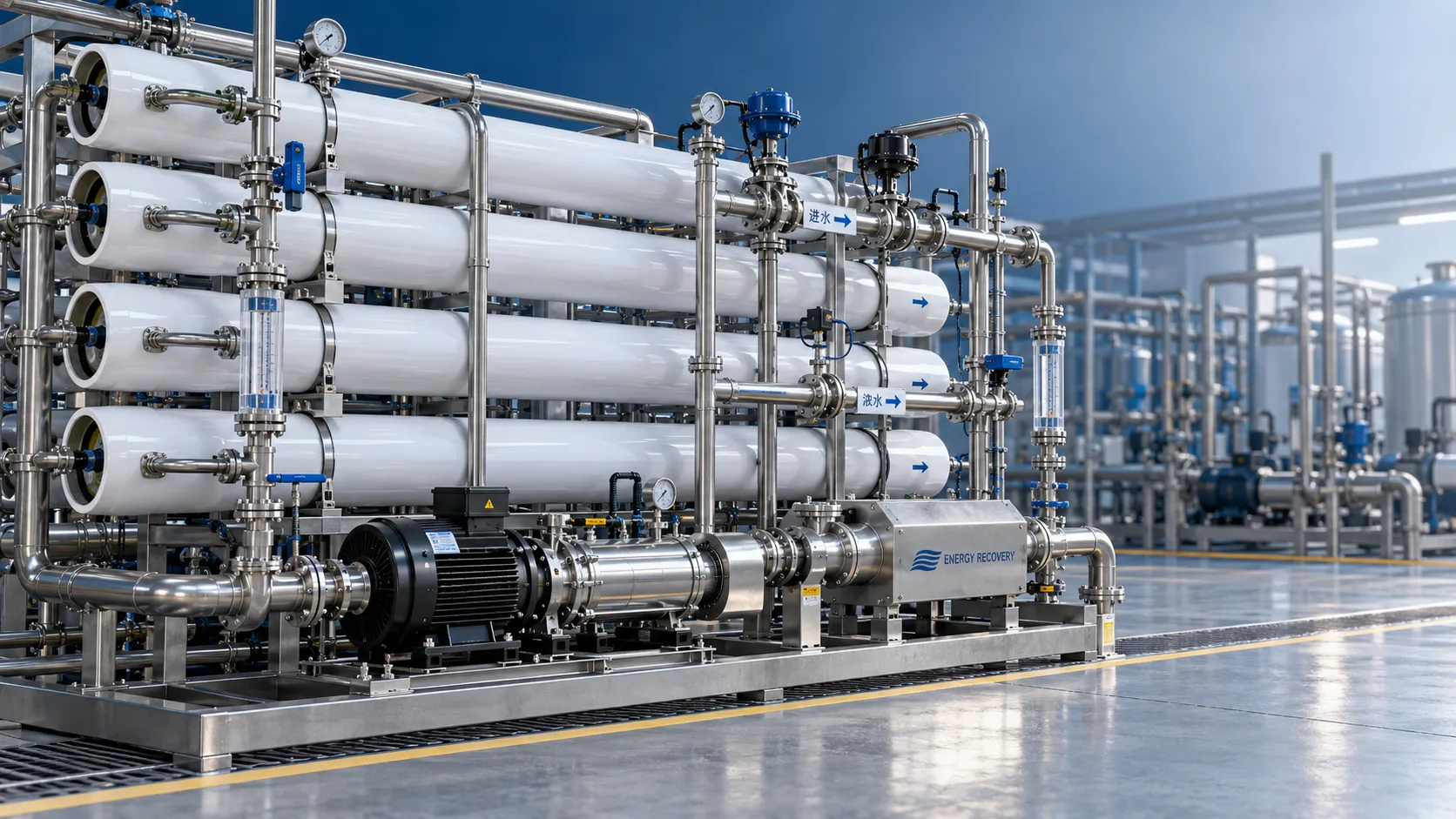
How to set recovery rates in seawater reverse osmosis system design
Explore seawater desalination systems engineering: learn to set SWRO recovery rates that balance energy, scaling risks, and water quality for reliable, cost-effective operation.
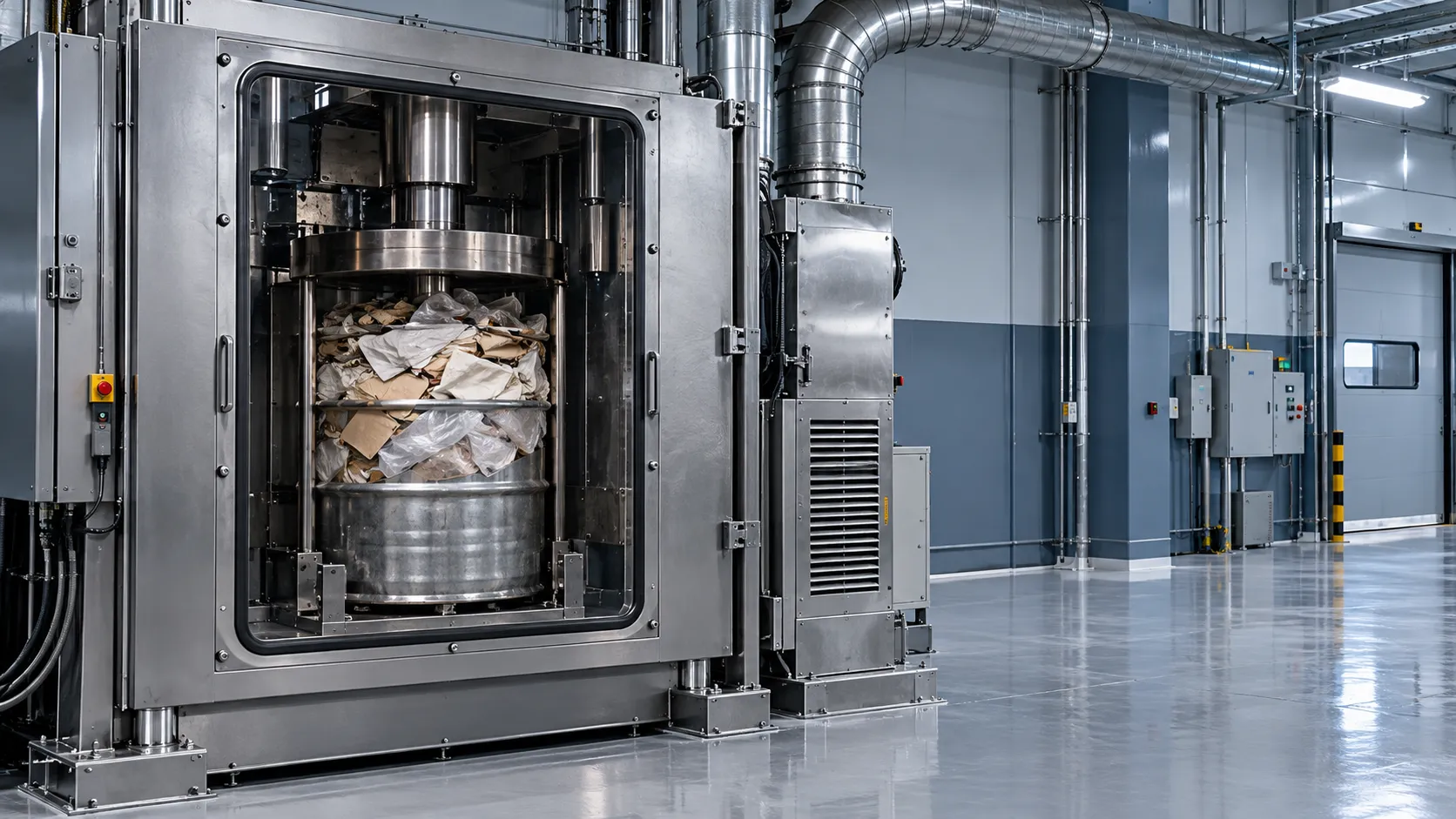
When is compaction suitable for solid nuclear waste treatment?
Is compaction right for solid nuclear waste treatment? Discover suitable waste streams, key safety checks, and disposal requirements to reduce package volume and optimize costs.
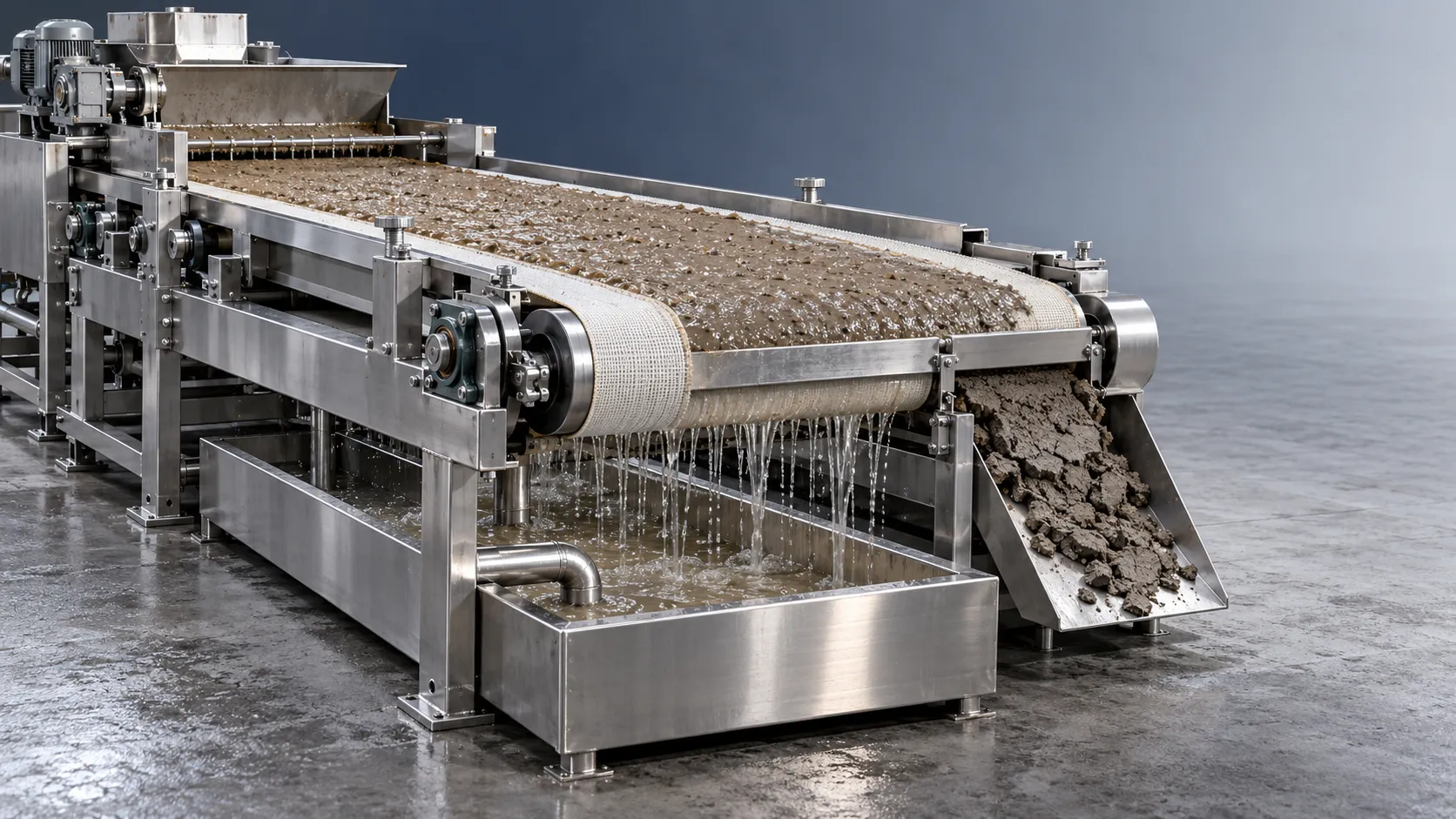
How solids concentration affects dewatering in waste recovery systems
Optimize waste recovery systems dewatering with insights on solids concentration. Learn to balance throughput, cake dryness, and solids capture while avoiding costly equipment overloads.
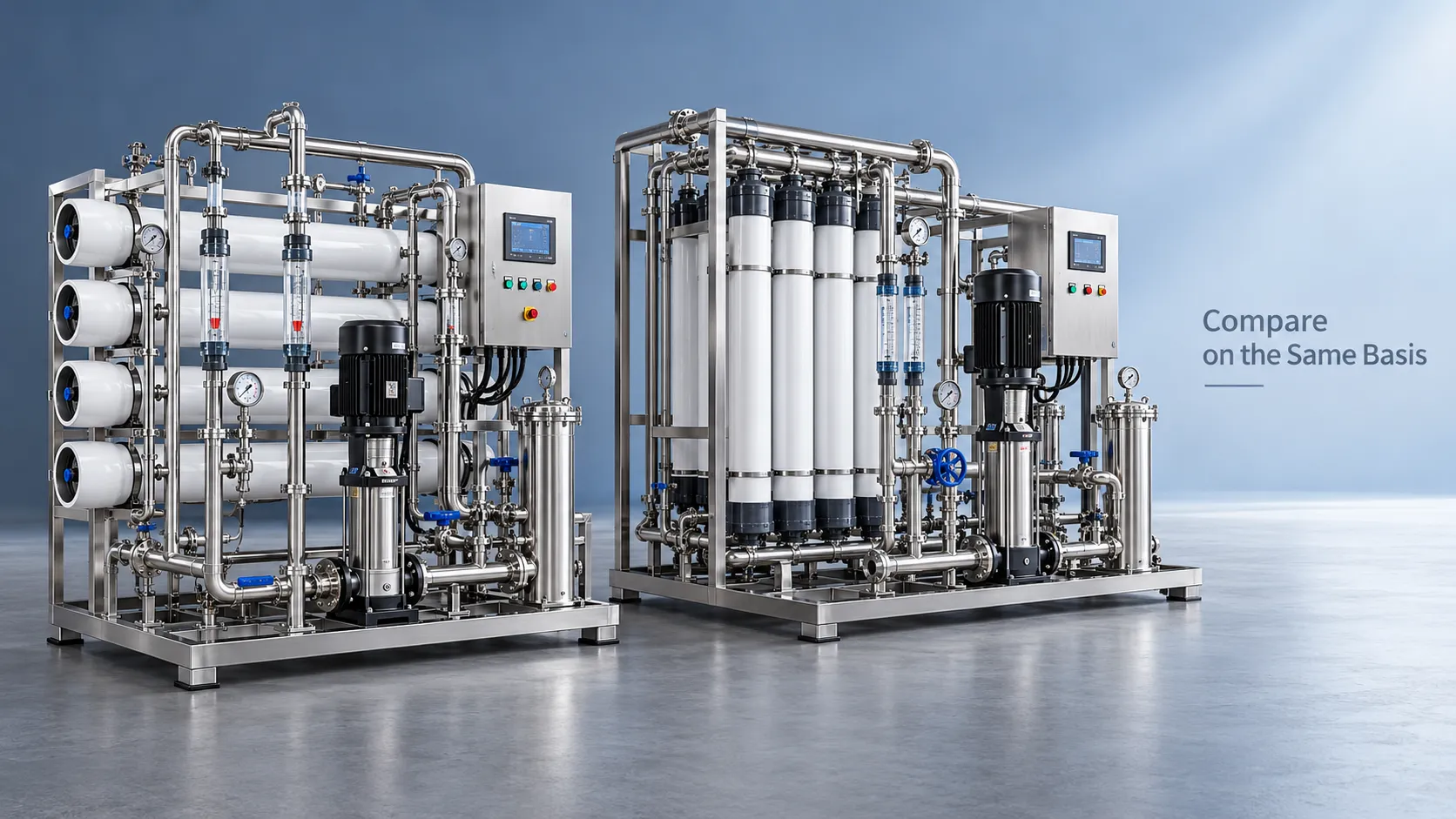
How to compare technical specs in an environmental equipment directory
Use this environmental equipment directory technical guide to compare capacity, energy use, compliance, and supplier evidence. Build a defensible shortlist and choose with confidence.
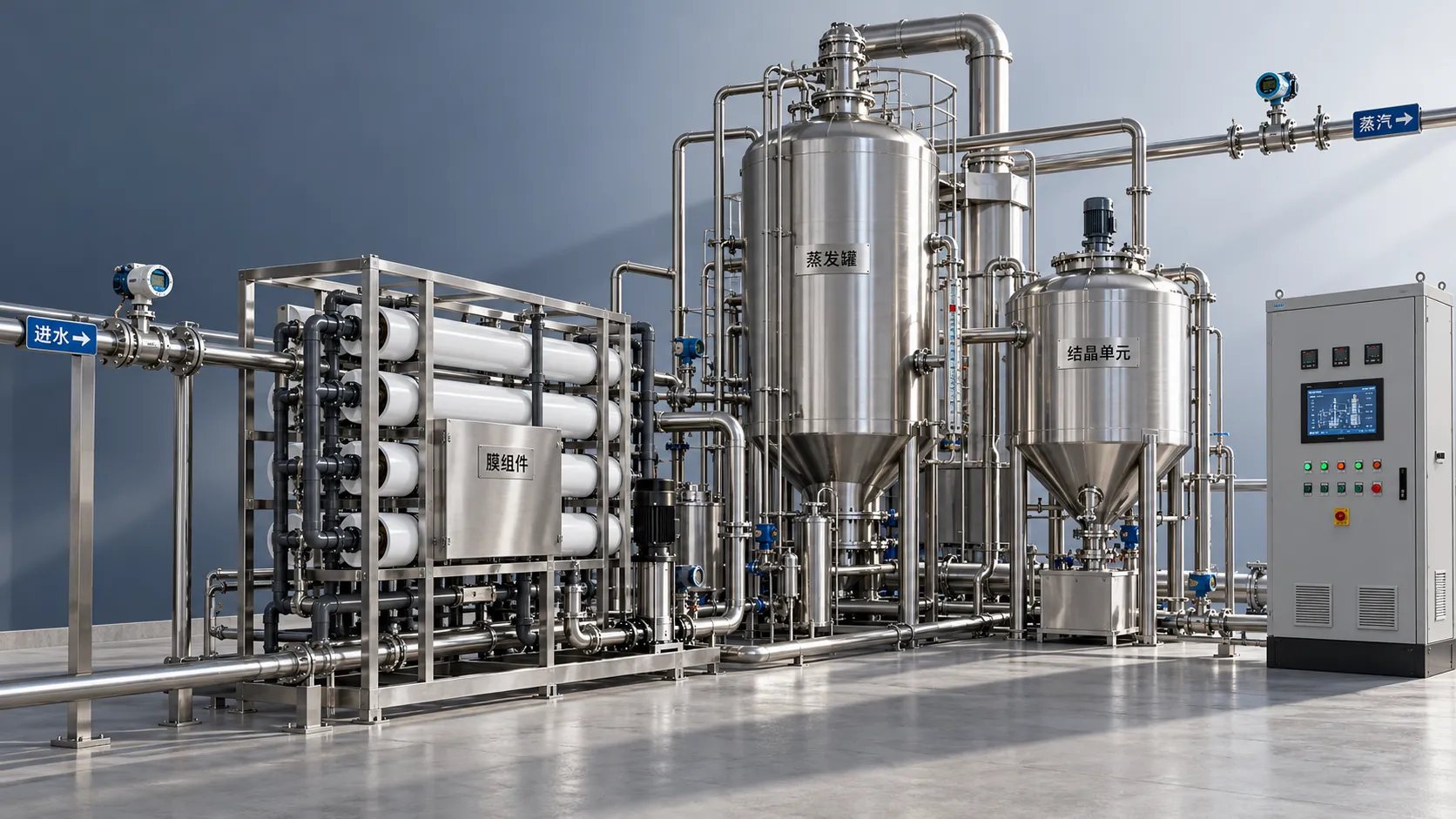
How to assess a zero liquid discharge equipment supplier’s energy claims
Assess a zero liquid discharge equipment supplier’s energy claims. Learn how to verify system boundaries, compare real costs, and demand testable guarantees before you buy.
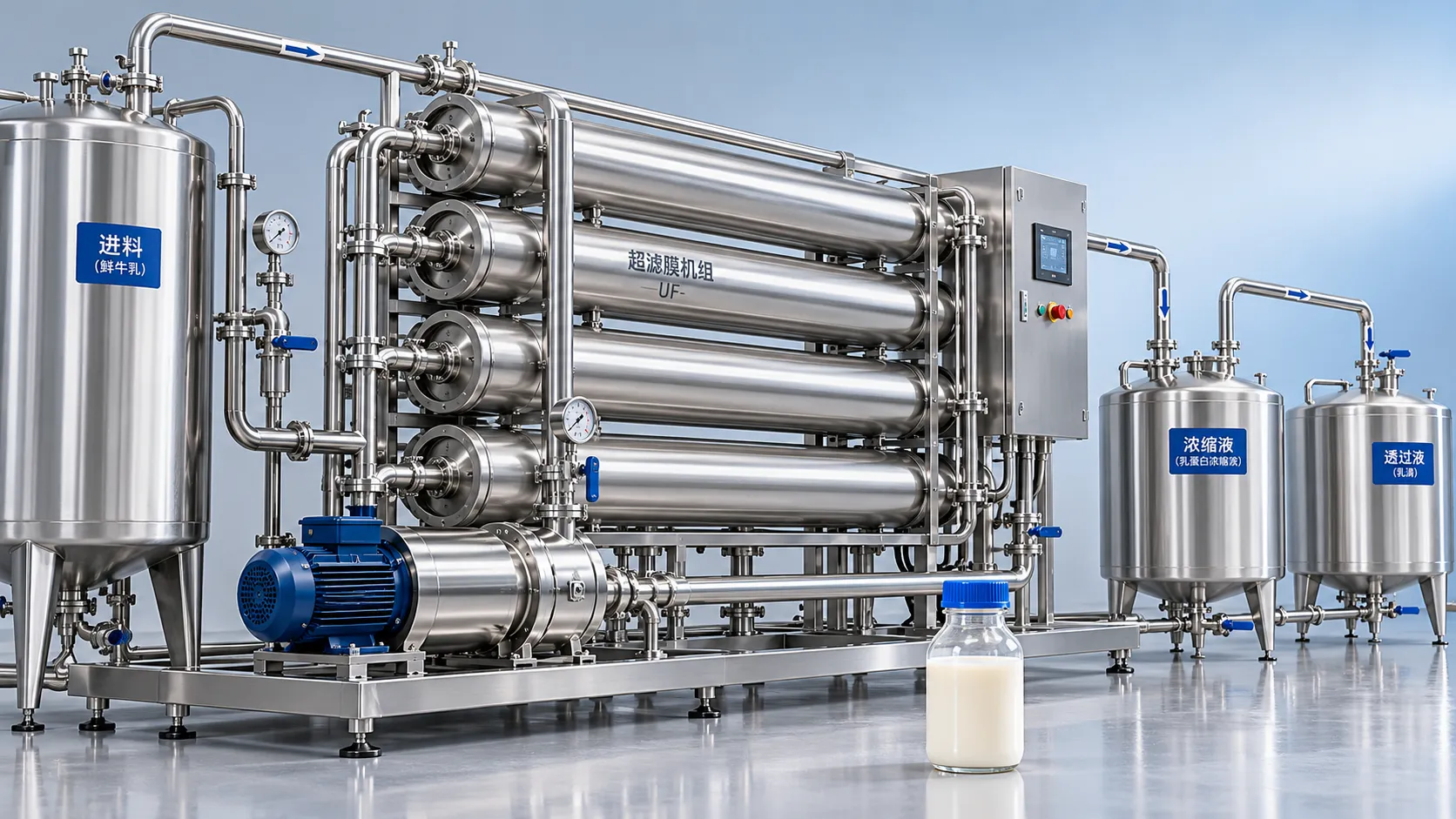
Which membrane filtration process suits dairy protein concentration?
Explore membrane filtration for dairy: compare UF, MF, and RO to select the right process for protein concentration, lactose reduction, and better recovery. Find your best fit.
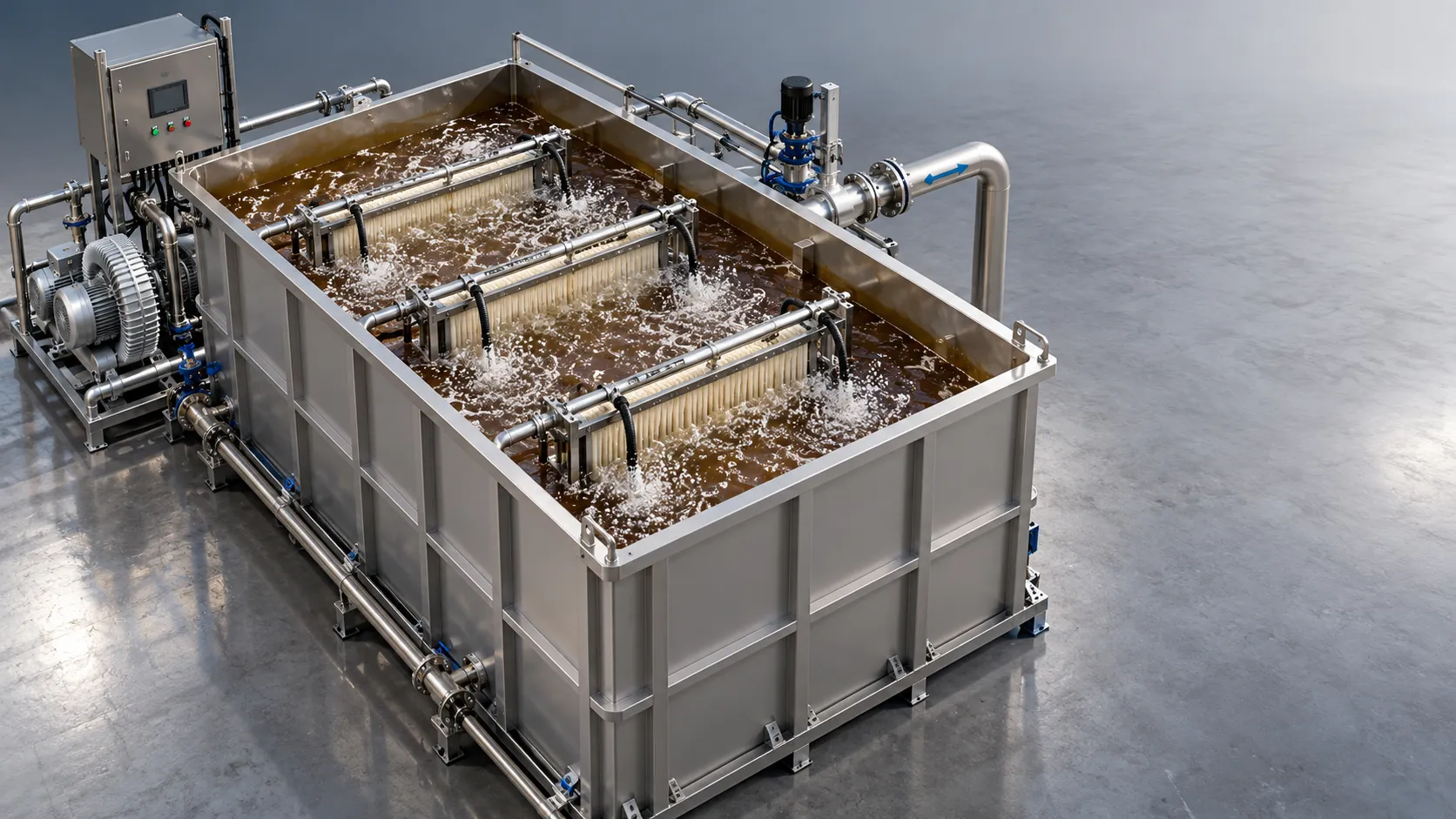
When is an MBR suitable for wastewater purification for bioprocessing?
For wastewater purification for bioprocessing, discover when an MBR fits your needs. Compare water quality, fouling risks, and lifecycle costs before investing.
How to check a water treatment quotation for hidden project costs
Review your water treatment quotation for hidden costs, scope gaps, and operating expenses. Learn what to check before signing to protect your budget and avoid costly surprises.