
Industry News
Curation by industry experts
Hot Articles
Popular Tags
Sustainable Resource Management Policies: Common Gaps and Practical Fixes
Why policy gaps show up at the plant level
Sustainable resource management policies now sit much closer to daily operations than many governance teams expected a few years ago.
In water treatment, waste recovery, desalination, flue gas control, and nuclear waste handling, policy language is no longer separate from uptime, safety, or bid competitiveness.
That is why the most useful sustainable resource management policies are not broad declarations. They translate environmental goals into operating limits, maintenance discipline, traceability, and response thresholds.
The problem is familiar across integrated ecological engineering systems. Policy design often looks complete on paper, while execution remains fragmented across labs, utilities, operations, and compliance records.
ESD tracks this gap closely because advanced equipment performance depends on more than technical specification. It depends on whether governance logic matches real process conditions.
A Zero Liquid Discharge line, an AI sorting network, or a vitrification process can all appear compliant, yet still carry hidden policy misalignment.
In practice, different facilities need different judgments. High salinity water, unstable waste streams, carbon-linked trade pressure, and radioactive containment all change what good policy execution looks like.
Different operating environments do not fail in the same way
The biggest mistake in sustainable resource management policies is assuming similar environmental goals require identical control logic.
A municipal wastewater upgrade usually focuses on discharge stability, sludge handling, and energy balance. A high-concentration industrial stream may care more about scaling risk, solvent residues, and ZLD economics.
Solid waste recovery shows the same pattern. A plant processing mixed urban waste needs sorting precision and contamination control. A pyrolysis-based recovery line needs feedstock consistency and residue accountability.
In desalination, the policy gap often appears between water security targets and actual membrane life, brine management, and power intensity.
Nuclear waste management is even less forgiving. Here, sustainable resource management policies must align with long-horizon containment, chain-of-custody discipline, and material stability under tightly regulated conditions.
So the right starting point is not a generic framework. It is a clear reading of process volatility, consequence severity, and reporting obligations.
A practical way to compare policy needs
Where sustainable resource management policies commonly break down
One common gap is writing policy around annual targets only. Plants do not fail annually. They fail during spikes, transitions, shutdowns, cleaning cycles, and off-spec events.
Another weak point is separating environmental compliance from asset reliability. In ESD-covered sectors, the two are tightly connected.
A membrane train with poor pretreatment discipline becomes both a maintenance issue and a policy issue. The same applies to underperforming SCR catalysts or unstable waste encapsulation conditions.
Data governance also causes trouble. Sustainable resource management policies may require reporting, yet do not define how process data is validated, handed off, or retained.
This matters when CBAM exposure, cross-border project financing, or environmental claims depend on evidence, not internal assumptions.
A further issue is overreliance on nominal design values. Real facilities often run with seasonal water changes, inconsistent waste composition, temporary bypasses, or aging auxiliary systems.
If sustainable resource management policies do not account for these variations, they become compliance theater rather than operational control.
What matters more in water, recovery, desalination, and high-risk containment
Water treatment and ZLD
In large water treatment plants, sustainable resource management policies should focus less on broad reuse intentions and more on recovery bottlenecks.
The real questions are whether concentration factors are realistic, whether antiscalant strategies are monitored, and whether reject streams have a stable destination.
A frequent misjudgment is celebrating high recovery targets while ignoring maintenance burden, corrosion exposure, and sludge chemistry.
Solid waste recovery and circular flows
Waste recovery policies often fail when they define circularity by volume only. In practice, material quality decides whether recovered output becomes value or secondary liability.
Facilities using AI sorting and thermal recovery need policies that distinguish recyclable fractions, contaminated fractions, and residues requiring controlled disposal.
Without that split, recovery claims look strong while downstream markets reject the material.
Seawater desalination under energy pressure
For desalination, sustainable resource management policies should balance water resilience with energy and brine realities.
A policy that rewards output only can shorten SWRO membrane life, increase chemical use, and push deferred cleaning into a larger failure window.
The better judgment is to link production targets with pretreatment quality, membrane condition, and local discharge restrictions.
Nuclear waste management and zero-tolerance records
In nuclear waste management, sustainable resource management policies must be more conservative than in most industrial systems.
Material form, storage duration, thermal behavior, and traceability are inseparable. A documentation gap can become a containment risk years later.
That is why policy should be tested against abnormal handling scenarios, not only routine compliance pathways.
Practical fixes that hold up across mixed industrial settings
Strong sustainable resource management policies usually share one trait. They define decisions at the point where process drift first becomes visible.
- Tie policy thresholds to operating triggers, not only monthly reports.
- Separate nominal design capacity from proven stable capacity.
- Assign ownership for data validation across operations and compliance records.
- Build scenario rules for startups, shutdowns, upset loads, and cleaning cycles.
- Review lifecycle cost with maintenance intensity, spare demand, and disposal burden included.
These fixes sound simple, but they matter because resource systems rarely fail through one dramatic event. More often, small policy ambiguities accumulate until reliability drops.
ESD’s intelligence perspective is useful here. The best policy adjustments often come from connecting material science, process kinetics, and regulation timing rather than treating them separately.
The most frequent misreads before implementation
Several misreads appear repeatedly when sustainable resource management policies move from boardroom language to industrial sites.
- Treating two visually similar waste or water streams as operationally identical.
- Comparing capital cost while excluding reagent use, cleaning frequency, or residue handling.
- Assuming compliance remains stable during low-load or off-spec periods.
- Relying on equipment nameplate values without checking local feed variability.
- Keeping policy language broad enough to avoid conflict, but too vague to guide action.
The correction is not more paperwork. It is sharper alignment between plant reality, evidence quality, and risk-ranked response rules.
A better next step is to build scenario-based policy checks
Sustainable resource management policies become useful when they are reviewed against actual operating scenarios, not abstract intent.
Start by mapping the most variable conditions in each system. Then identify which parameter, record, or maintenance action proves policy control under stress.
In some sites, the priority will be brine management and membrane health. In others, it will be residue classification, catalyst behavior, or waste form stability.
The practical goal is not to create heavier policy architecture. It is to make sustainable resource management policies measurable, adaptable, and credible across changing industrial conditions.
That is also where strategic intelligence becomes valuable: clarifying which scenario differences matter, which assumptions no longer hold, and which fixes will still perform under stricter global standards.
Recommended News
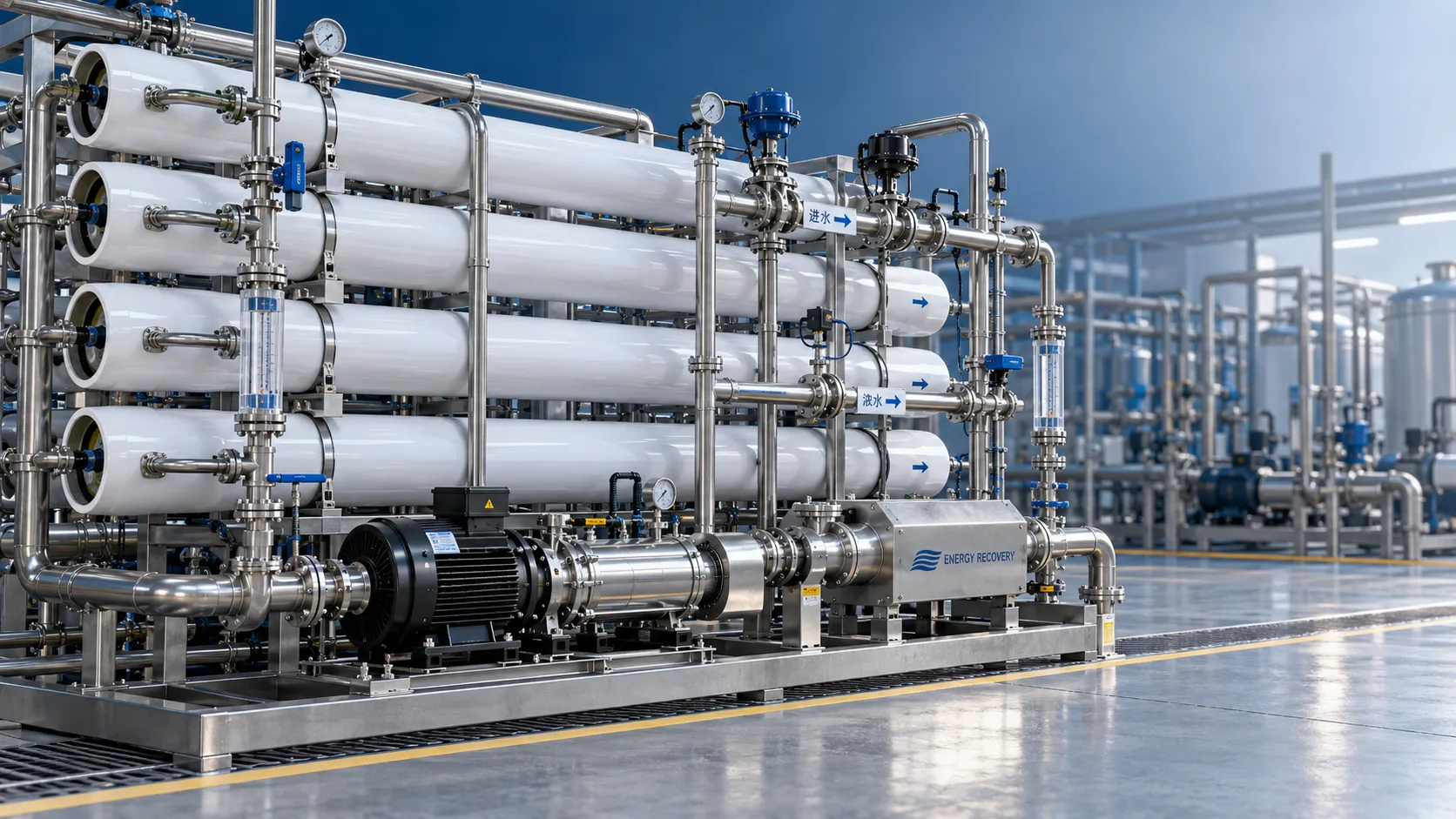
How to set recovery rates in seawater reverse osmosis system design
Explore seawater desalination systems engineering: learn to set SWRO recovery rates that balance energy, scaling risks, and water quality for reliable, cost-effective operation.
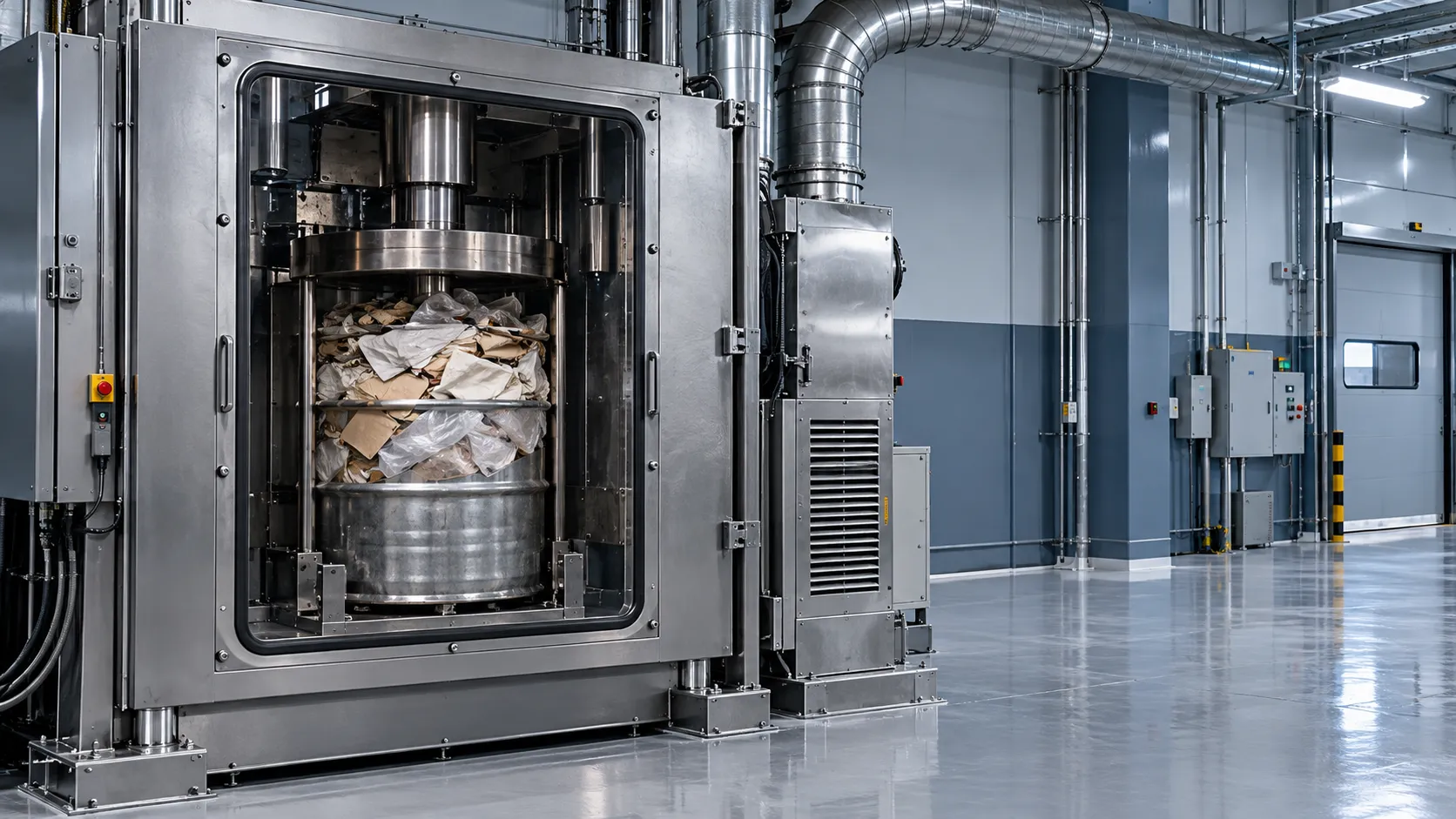
When is compaction suitable for solid nuclear waste treatment?
Is compaction right for solid nuclear waste treatment? Discover suitable waste streams, key safety checks, and disposal requirements to reduce package volume and optimize costs.
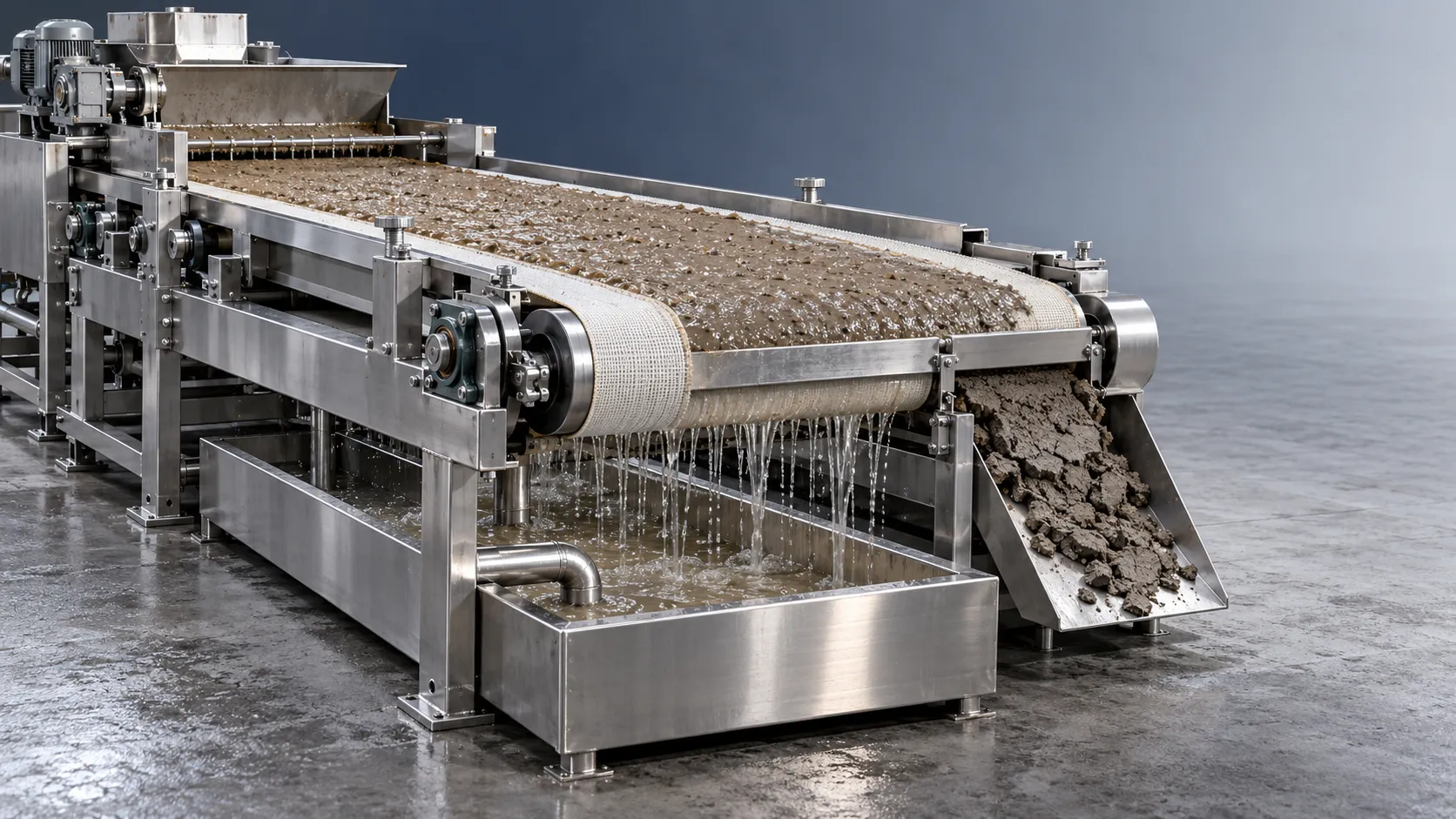
How solids concentration affects dewatering in waste recovery systems
Optimize waste recovery systems dewatering with insights on solids concentration. Learn to balance throughput, cake dryness, and solids capture while avoiding costly equipment overloads.
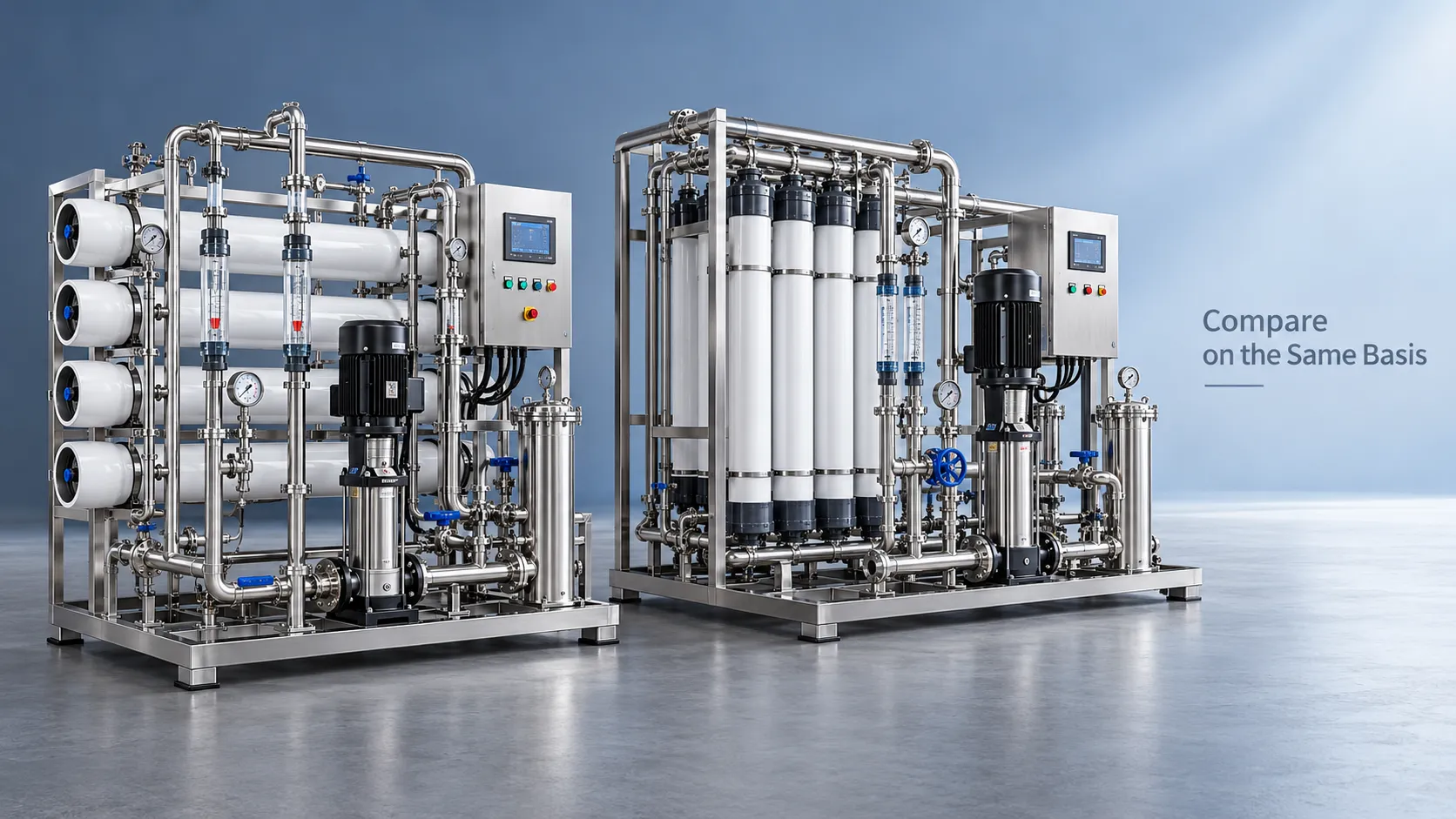
How to compare technical specs in an environmental equipment directory
Use this environmental equipment directory technical guide to compare capacity, energy use, compliance, and supplier evidence. Build a defensible shortlist and choose with confidence.
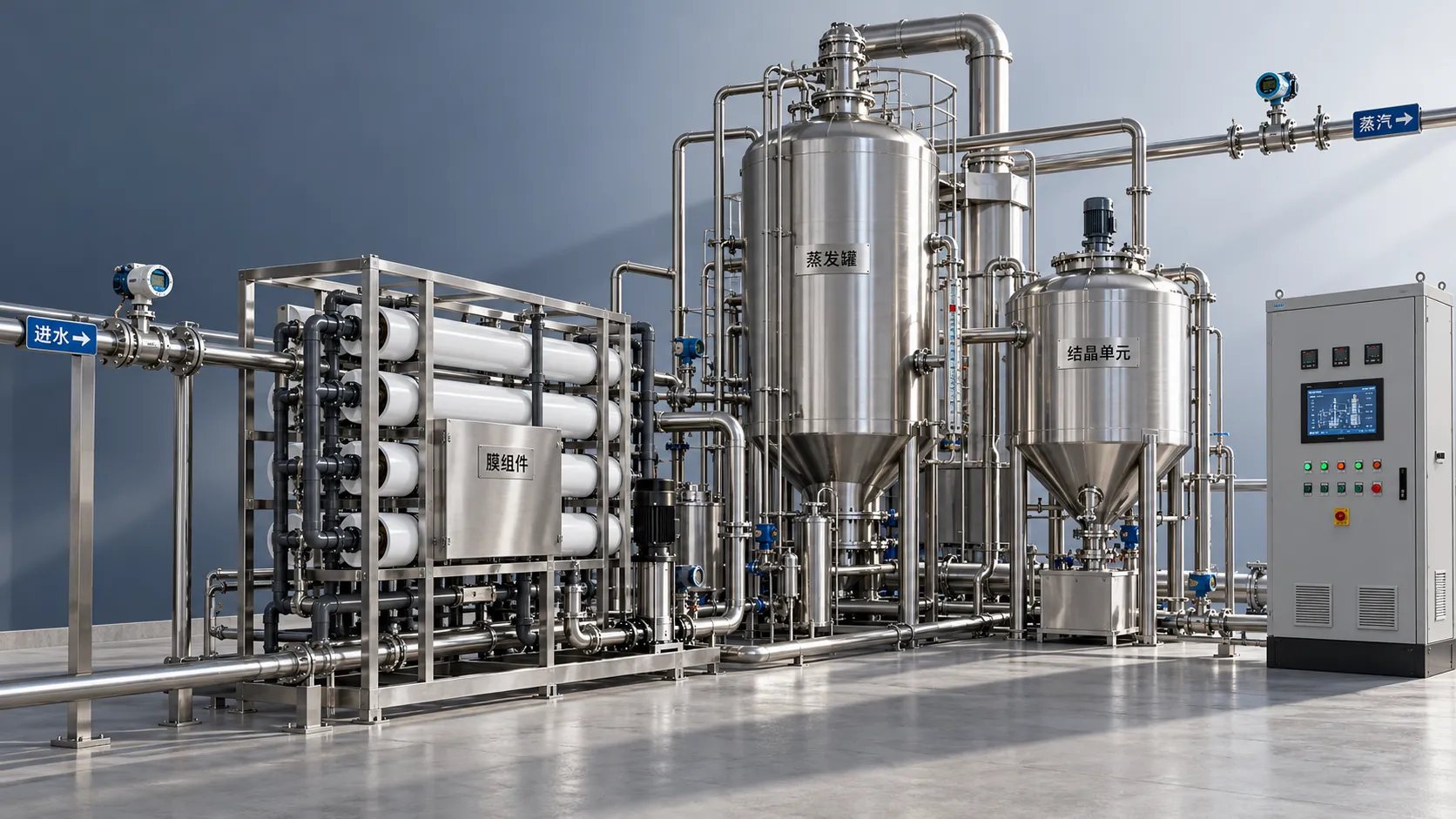
How to assess a zero liquid discharge equipment supplier’s energy claims
Assess a zero liquid discharge equipment supplier’s energy claims. Learn how to verify system boundaries, compare real costs, and demand testable guarantees before you buy.
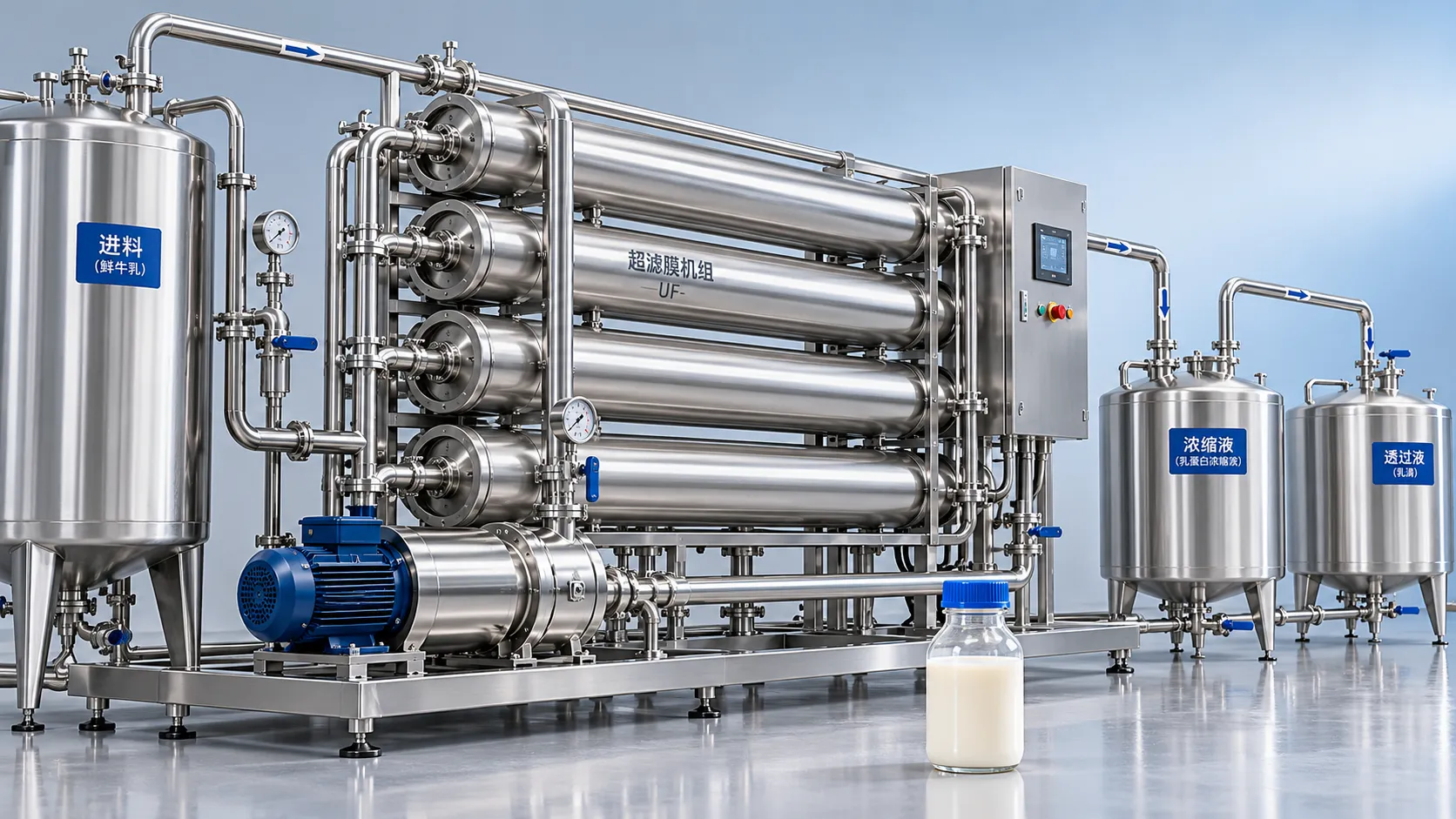
Which membrane filtration process suits dairy protein concentration?
Explore membrane filtration for dairy: compare UF, MF, and RO to select the right process for protein concentration, lactose reduction, and better recovery. Find your best fit.
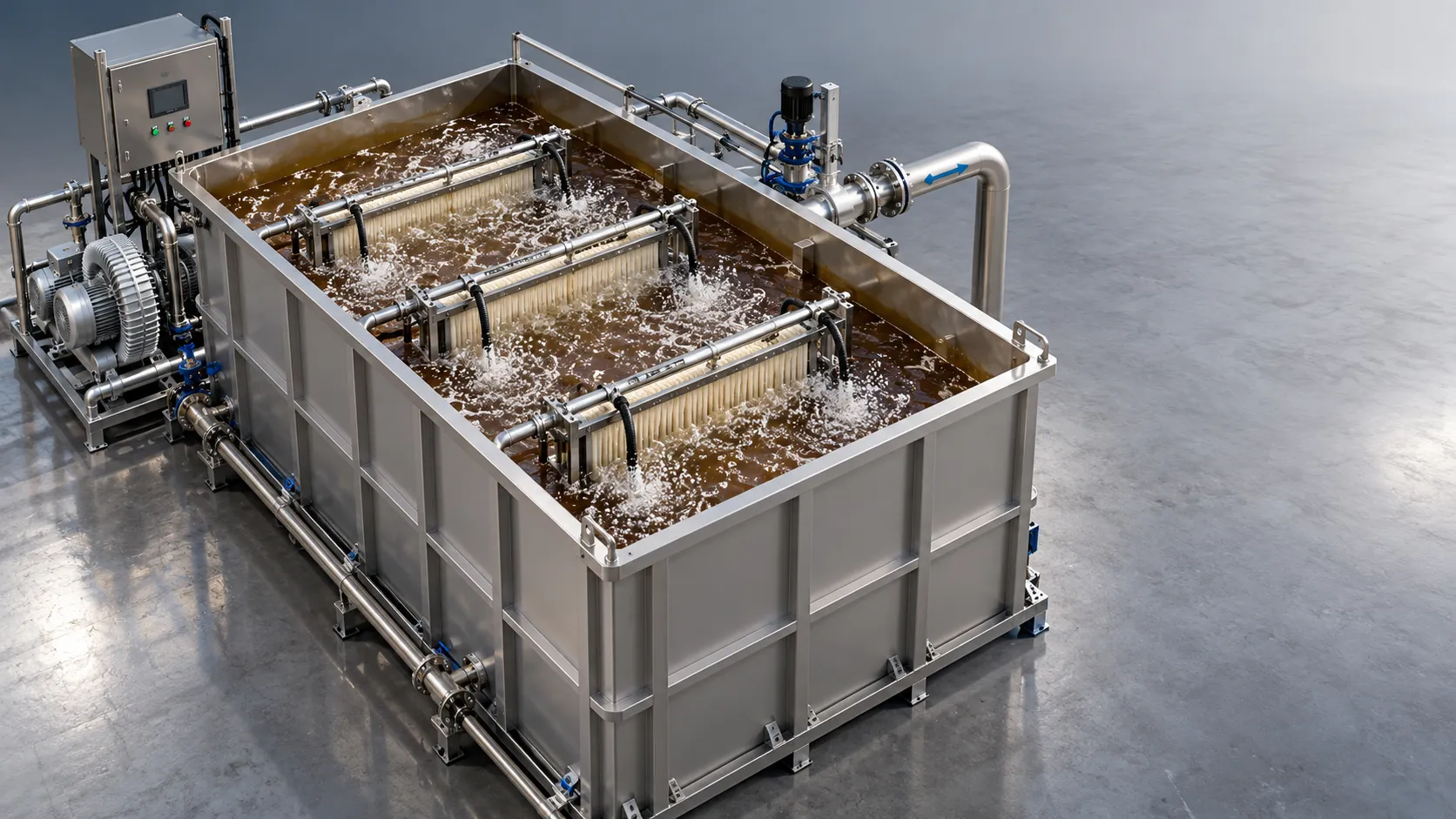
When is an MBR suitable for wastewater purification for bioprocessing?
For wastewater purification for bioprocessing, discover when an MBR fits your needs. Compare water quality, fouling risks, and lifecycle costs before investing.
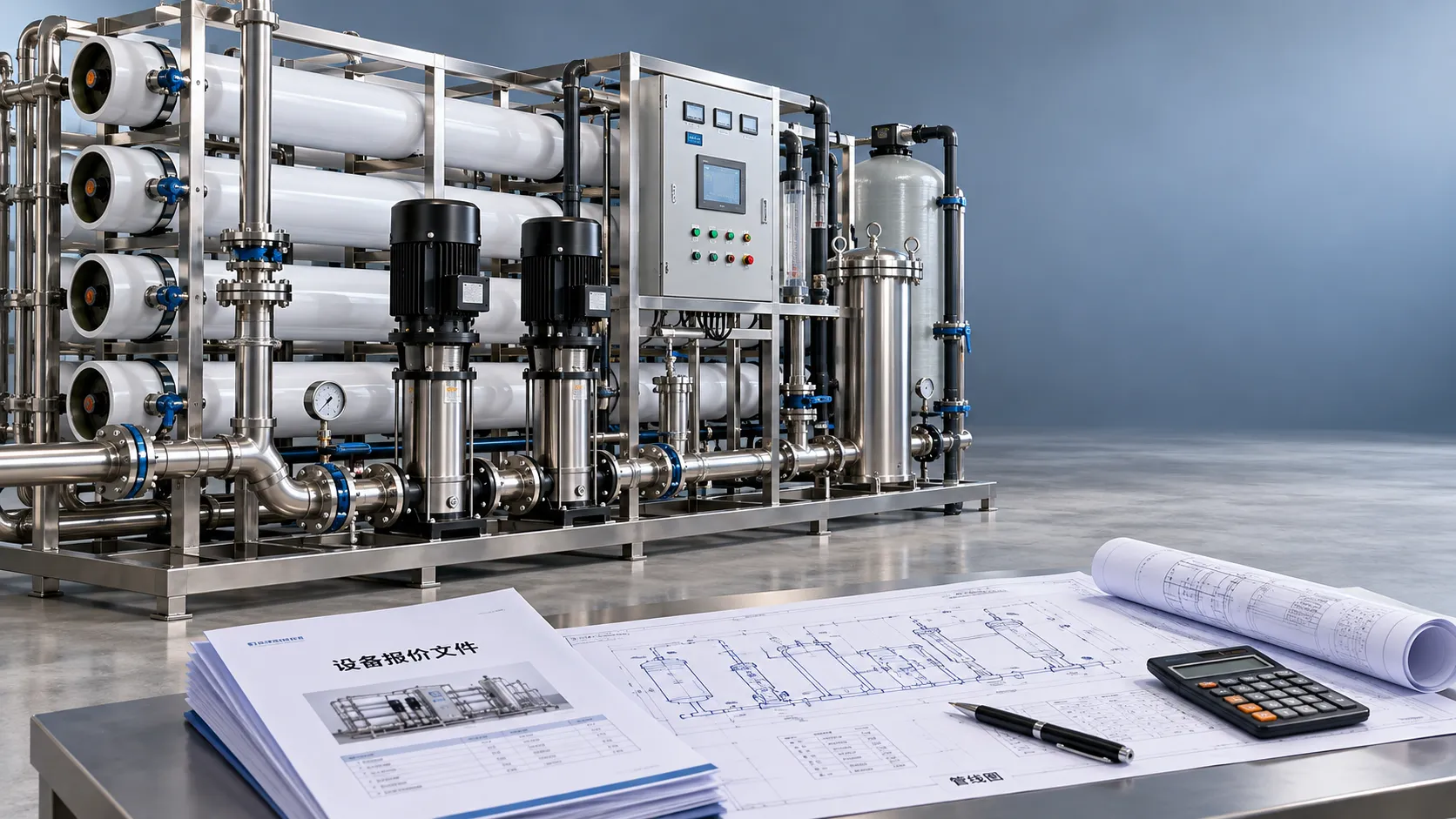
How to check a water treatment quotation for hidden project costs
Review your water treatment quotation for hidden costs, scope gaps, and operating expenses. Learn what to check before signing to protect your budget and avoid costly surprises.
How to vet ingredient processing equipment manufacturers using trials
Vet ingredient processing equipment manufacturers with real-world trials. Learn how to verify yield, cleaning, energy use, and scale-up before you invest.