
Industry News
Curation by industry experts
Hot Articles
Popular Tags
How to Evaluate a Circular Economy Supplier Beyond Price
How to Evaluate a Circular Economy Supplier Beyond Price
Choosing a circular economy supplier on price alone can create risks that stay hidden until contracts are signed and operations begin.
In environmental industries, the cheaper option may later cost more through downtime, failed audits, unstable output, or weak material recovery rates.
That is why supplier evaluation needs a broader lens.
A strong circular economy supplier should support compliance, traceability, technical fit, and long-term value creation across the full asset lifecycle.
This matters even more in sectors tied to water treatment, waste recovery, desalination, flue gas control, and high-risk waste handling.
In practice, the best decision is rarely the lowest quote. It is the supplier that protects performance, resource recovery, and regulatory resilience over time.
Why price alone gives a distorted picture
A circular economy supplier affects more than procurement cost.
It influences waste conversion efficiency, recovered material quality, emissions exposure, and the ability to prove environmental claims to regulators and customers.
From recent market shifts, a clearer signal is emerging.
Buyers are no longer asking only, “What is the unit price?” They are asking, “What happens over five years?”
That includes maintenance costs, yield loss, rejected batches, logistics complexity, and reporting burdens linked to ESG and carbon compliance.
A circular economy supplier with weak control systems may look affordable upfront, yet become expensive when risk is priced honestly.
Start with strategic fit, not vendor promises
Before comparing bids, define what success looks like for the project.
This sounds basic, but many teams skip it and then judge suppliers against vague expectations.
A circular economy supplier should be evaluated against the operating model, not a generic sustainability claim.
- Define target recovery rates, purity levels, and disposal reduction goals.
- Set compliance boundaries for local, export, and industry-specific regulations.
- Clarify uptime expectations, throughput ranges, and feedstock variability.
- Identify whether traceability data must support audits, tenders, or CBAM-related reporting.
When these criteria are clear, supplier evaluation becomes sharper and much less vulnerable to polished sales language.
Check technical performance in real operating conditions
Not every circular economy supplier performs consistently under industrial stress.
A pilot result or brochure figure may not reflect actual conditions such as contaminated inputs, unstable temperatures, or fluctuating moisture levels.
In real business settings, that gap matters a lot.
Ask for evidence from projects with similar feedstock, regulatory pressure, and production scale.
- Demand operating data, not only design capacity.
- Review contamination tolerance and quality stability.
- Examine downtime history and maintenance intervals.
- Verify output value, not just output volume.
A capable circular economy supplier should explain where its solution performs best, where it struggles, and what operating discipline is required.
Evaluate compliance depth and traceability systems
Compliance is no longer a side issue.
For many projects, it shapes market access, insurance confidence, and customer approval.
A circular economy supplier should provide a traceable chain of evidence behind every material flow and environmental claim.
That includes origin data, processing records, recovered output certification, and disposal documentation where needed.
This also means checking digital maturity.
If reporting is manual, fragmented, or spreadsheet-based, audit risk rises quickly.
Useful questions include:
- Can the circular economy supplier support third-party verification?
- Can it map material flows across multiple sites?
- Can it prove recycled content or recovery outcomes under contract?
- Can it adapt reporting when regulations change?
These details often separate a useful partner from a risky one.
Look at lifecycle economics, not purchase cost
This is where procurement decisions become more disciplined.
A circular economy supplier should be measured through total value delivered over the contract period.
That means combining direct costs with value recovery, avoided penalties, process stability, and salvage potential.
A lower bid from a circular economy supplier may lose its advantage once these factors are modeled honestly.
Assess supply chain resilience and execution capacity
A circular economy supplier may look strong on paper but fail during delivery or scale-up.
This is especially important when projects depend on imported components, specialized consumables, or tightly timed site commissioning.
Execution risk often hides behind attractive commercial terms.
Review capacity to deliver across sourcing, engineering support, service response, and spare parts continuity.
- Check supplier concentration in critical subcomponents.
- Review business continuity plans and backup sourcing.
- Test response times for technical incidents.
- Confirm whether field service is local, regional, or remote only.
A dependable circular economy supplier should reduce uncertainty, not add another layer of it.
Use a weighted scorecard to improve decision quality
Good procurement decisions are easier when judgment becomes visible.
A weighted scorecard helps compare each circular economy supplier on the same basis.
A practical model can include:
- Technical performance and fit.
- Compliance and traceability strength.
- Lifecycle cost and recovery value.
- Delivery resilience and service capability.
- Commercial flexibility and contract clarity.
- Strategic alignment with future sustainability goals.
Weights should reflect the project context.
For example, a hazardous waste project may prioritize compliance, while a recycling line expansion may emphasize throughput and output quality.
Red flags that deserve extra caution
Some warning signs appear early if you know where to look.
- The circular economy supplier avoids site references or operating data.
- Recovery claims are high, but contamination handling is unclear.
- Compliance documents are outdated or inconsistent across regions.
- Service scope is vague after handover.
- Pricing looks simple, but exclusions are buried in the contract.
- Traceability depends on manual reporting without audit controls.
These signals do not always mean automatic rejection, but they do justify deeper review before moving forward.
Make the final decision with long-term value in mind
The strongest circular economy supplier is not simply the one with the lowest number in the bid sheet.
It is the one that improves resource productivity, supports compliance under pressure, and keeps value visible across the lifecycle.
That is increasingly important as environmental regulations tighten and project accountability grows.
In short, evaluating a circular economy supplier beyond price is not a theoretical exercise.
It is a practical way to avoid hidden cost, weak recovery outcomes, and future compliance stress.
Start with strategic fit, test technical proof, verify traceability, and model lifecycle economics with discipline.
When that process is consistent, choosing the right circular economy supplier becomes faster, smarter, and far more defensible.
Recommended News

When high flux membrane water treatment justifies a larger footprint
High flux membrane water treatment can justify a larger footprint when variable feedwater, fouling risk, and uptime demands require resilient, lower-flux operation.

RO vs MED desalination: which is more energy-efficient at scale?
Desalination technology comparison: RO vs MED at scale. See how energy use, waste heat, feedwater, carbon, and flexibility determine the best choice.
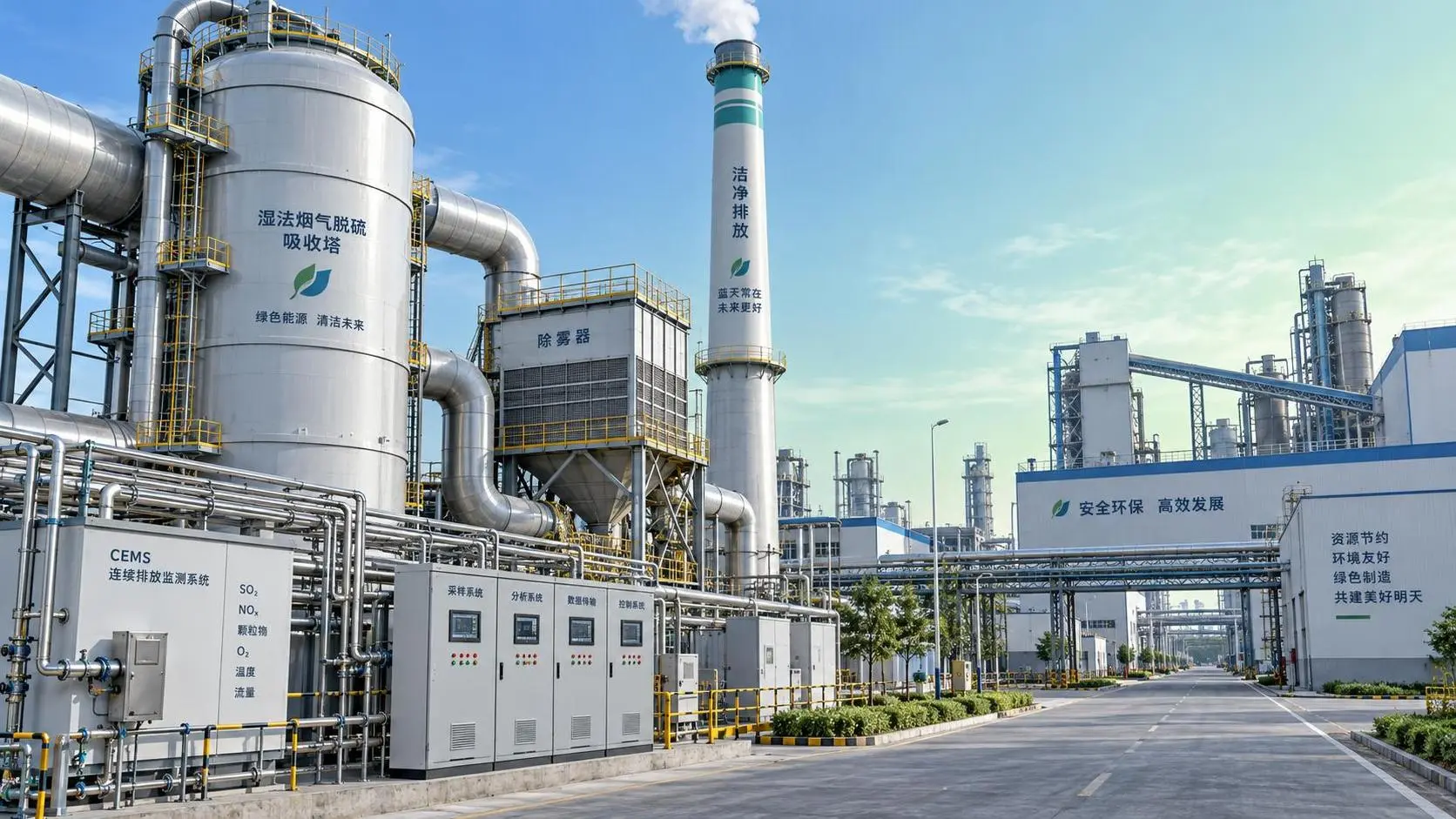
Which ISO standards apply to flue gas treatment systems?
Flue gas treatment systems ISO standards: explore key requirements for emissions testing, CEMS, safety, fabrication, corrosion control, and compliant project evaluation.

When corrosion resistant purification systems are needed for brine treatment
Corrosion resistant purification systems for brine treatment: assess chloride, heat, scaling, materials, and lifecycle reliability for demanding water projects.

How preventive maintenance reduces seawater desalination equipment downtime
Seawater desalination equipment maintenance reduces downtime through proactive monitoring, pretreatment protection, and planned repairs. Explore practical strategies for reliable RO performance.
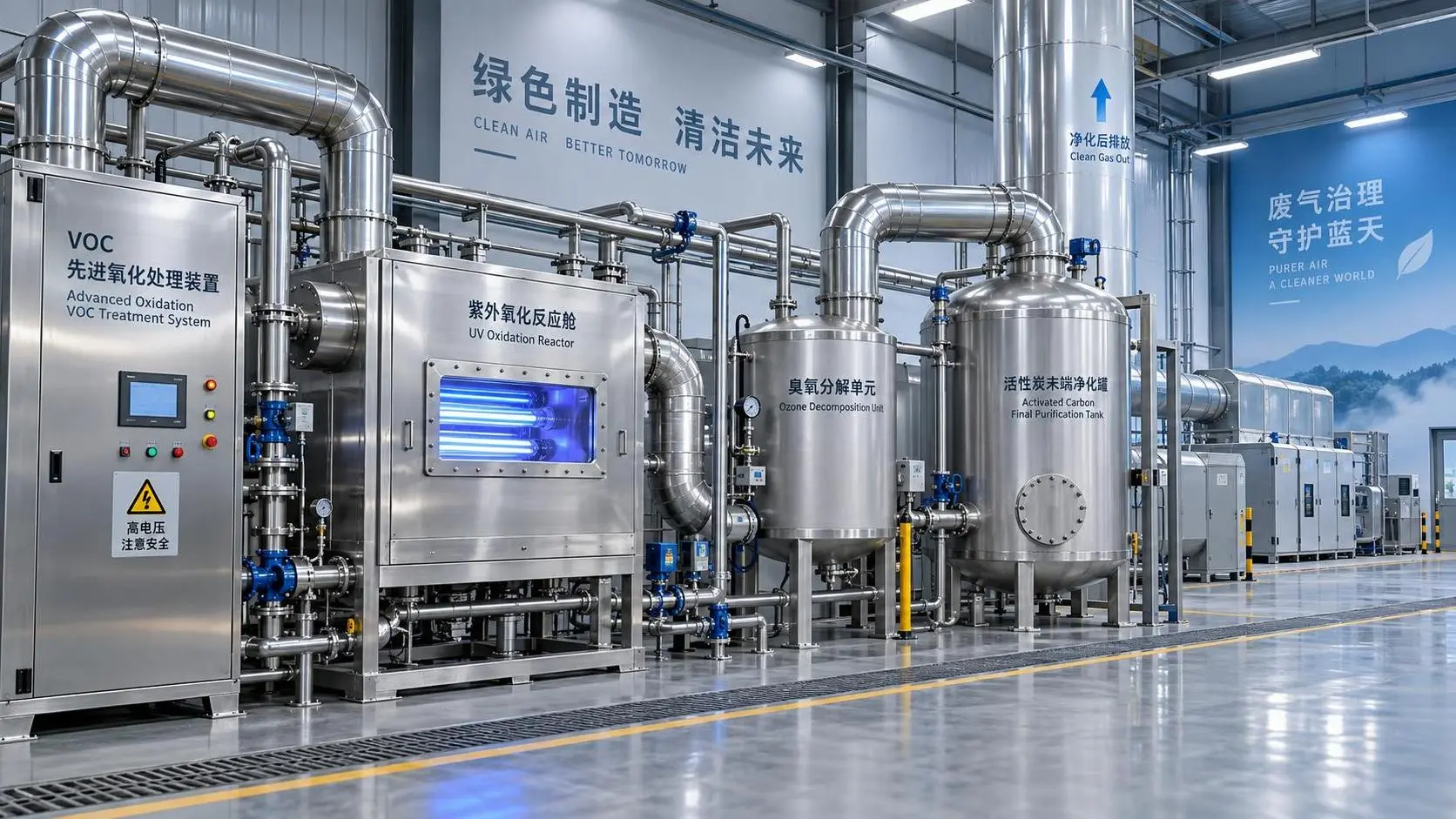
When are advanced oxidation processes the right choice for VOC control?
Advanced oxidation processes for VOC control: learn when AOPs outperform conventional options, manage by-products, and achieve reliable compliance.
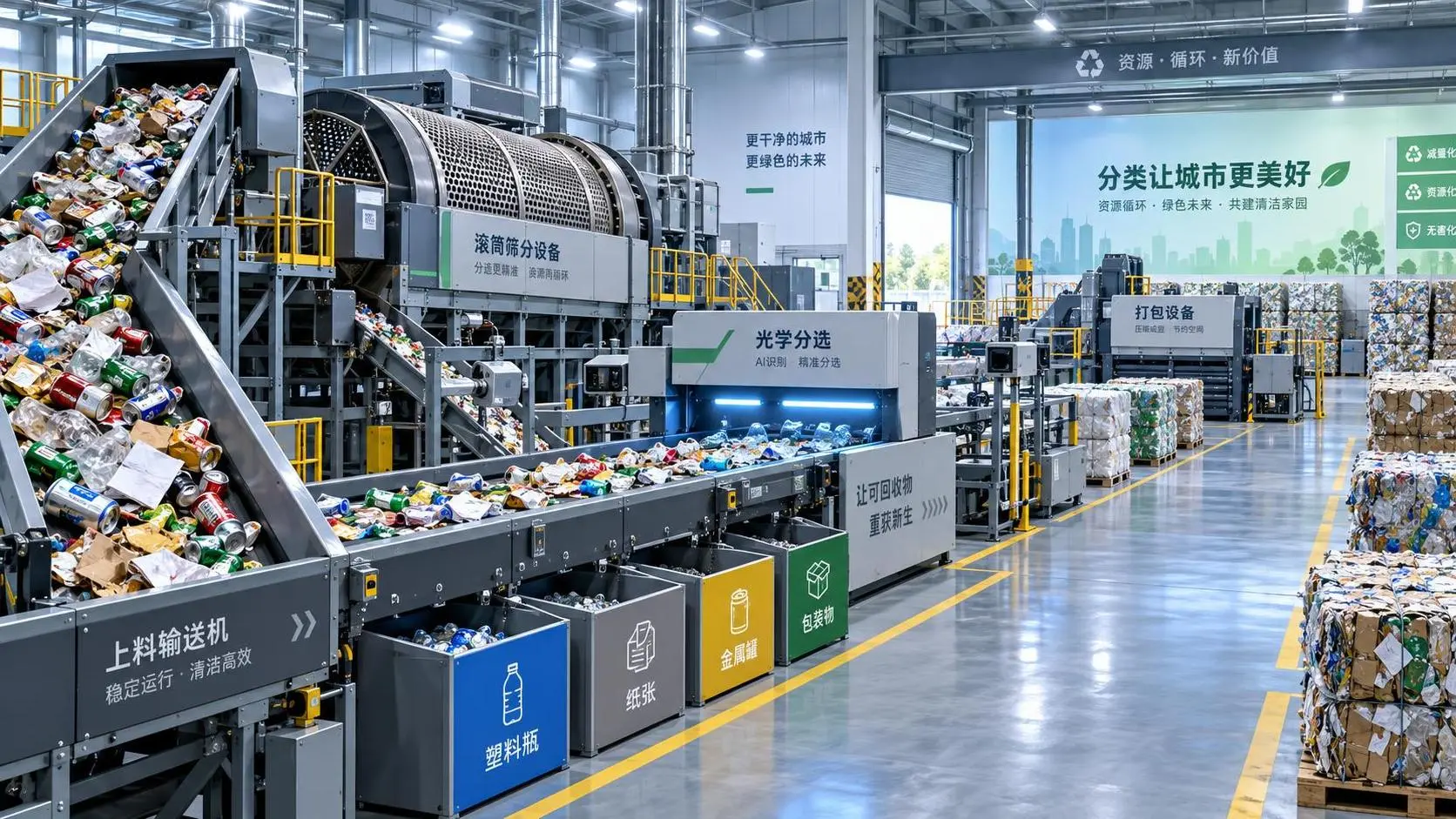
What throughput should municipal waste sorting equipment deliver?
Waste sorting equipment for municipal waste: learn how to set reliable throughput based on peak loads, material quality, uptime, and recovery targets.

What carbon neutrality means for corporate investment decisions
Carbon neutrality is transforming corporate investment decisions. Explore how lifecycle economics, efficiency, compliance, and resilience can drive measurable returns and lasting advantage.
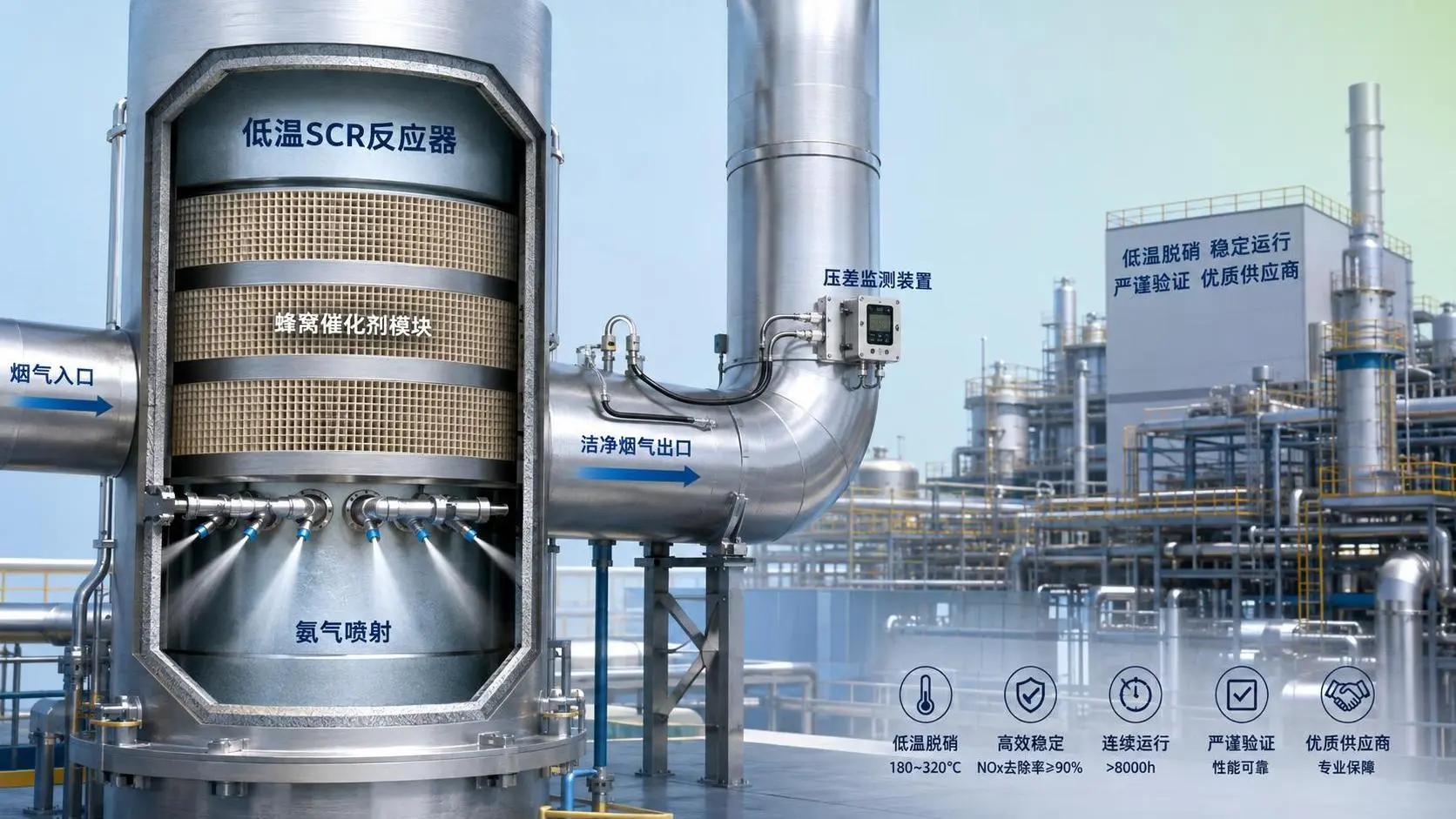
What to verify before choosing a low temperature SCR supplier
Low temperature SCR supplier checklist: verify catalyst temperature range, sulfur resistance, ammonia slip, pressure drop, lifecycle cost, and support before award.