
Industry News
Curation by industry experts
Hot Articles
Popular Tags
How to Evaluate Urban Mining Equipment Suppliers Beyond Price
How to Evaluate Urban Mining Equipment Suppliers Beyond Price
When evaluating urban mining equipment suppliers, price should never be the only benchmark.
A low quote can look attractive early on.
But in real projects, the bigger cost often appears later.
That cost may come from downtime, weak recovery rates, poor parts support, or compliance gaps.
For buyers in resource recovery, supplier selection shapes long-term operating performance.
It also affects safety, resale value, reporting quality, and future expansion.
This matters even more as circular economy targets become stricter across global markets.
The best urban mining equipment suppliers do more than ship machines.
They help stabilize feed variability, improve metal recovery, and reduce compliance risk.
That is why supplier evaluation needs a wider lens than upfront cost.
Start With Total Value, Not Just Purchase Price
Many sourcing teams compare offers line by line and focus on capital expenditure.
That approach is common, but it is incomplete.
Urban mining equipment suppliers should be judged by total lifecycle value.
This includes energy use, consumables, labor needs, maintenance intervals, and process yield.
A cheaper sorting line may require more manual intervention.
A lower-cost shredder may consume more power and wear parts faster.
Over three to five years, the low-price option can become the high-cost option.
In practical sourcing, ask for a total cost of ownership model.
Request assumptions for uptime, throughput, spare parts, utility use, and recovery efficiency.
If urban mining equipment suppliers cannot provide this, the risk is already visible.
Useful value questions to ask
- What is the guaranteed throughput under mixed feed conditions?
- How stable is recovery performance across different waste streams?
- What are the expected annual consumable and wear-part costs?
- How much operator training is needed to reach target output?
- What is the payback sensitivity if feed quality drops?
Check Technology Maturity and Process Fit
Not all urban mining equipment suppliers are equally strong across every application.
Some are excellent in e-waste sorting.
Others perform better in battery recycling, scrap metal upgrading, or plastics recovery.
This is why process fit matters more than generic brand reputation.
A supplier may have advanced equipment, yet still be the wrong match for your feedstock.
Look closely at reference cases with similar material composition and contamination levels.
Recent market changes make this even more important.
Waste streams are becoming more complex, especially in electronics, lithium batteries, and composite materials.
That means equipment must handle variability without losing recovery accuracy.
Strong urban mining equipment suppliers can show pilot data, field results, and process guarantees.
What technology maturity looks like
- Documented installations with stable operating history.
- Verified recovery rates from comparable materials.
- Clear control logic, automation depth, and data visibility.
- Defined limits for moisture, particle size, and contaminants.
- A realistic path for upgrades instead of experimental promises.
Evaluate Sorting Efficiency and Recovery Performance
In urban mining, equipment value is tied directly to what it recovers.
This sounds obvious, yet many buying decisions still underweight recovery performance.
Urban mining equipment suppliers should be assessed on measurable output quality.
That includes purity, yield, false reject rate, and contamination carryover.
For AI sorting systems, sensor accuracy alone is not enough.
You also need to understand software retraining, data handling, and adaptation speed.
For shredding, separation, and thermal recovery units, consistency matters more than peak performance.
The stronger suppliers can prove stable results over long operating windows.
That stability supports better downstream refining economics.
It also reduces material loss that quietly erodes project profitability.
Key performance indicators to compare
- Hourly throughput at normal feed composition.
- Recovery rate for target metals or materials.
- Product purity required by downstream buyers.
- Downtime frequency and mean time to repair.
- Energy consumed per ton processed.
Review Compliance, Safety, and Documentation Strength
A growing number of projects fail not on equipment, but on compliance readiness.
This is a stronger signal in cross-border sourcing.
Urban mining equipment suppliers must support both technical and regulatory due diligence.
That includes emissions data, safety design, noise levels, dust control, and electrical standards.
For certain recovery processes, environmental permitting can become a hidden timeline risk.
If documentation is weak, project approval slows down.
If safety integration is poor, retrofits increase cost after purchase.
Reliable urban mining equipment suppliers usually provide detailed technical files early.
They understand CE, ISO, local emissions rules, and traceability demands from end markets.
That readiness protects project schedules and supports smoother audits.
Compliance checks worth adding to RFQs
- Required certifications and testing reports.
- Dust, VOC, wastewater, and noise control specifications.
- Machine guarding, fire protection, and emergency shutdown logic.
- Spare parts traceability and equipment manuals.
- Cybersecurity features for connected control systems.
Measure After-Sales Support and Service Depth
Service quality often separates good suppliers from expensive mistakes.
This is especially true for complex sorting, separation, and recycling systems.
Urban mining equipment suppliers should be evaluated on what happens after commissioning.
Ask how quickly they can respond when a line stops unexpectedly.
Check whether remote diagnostics are available.
See if local technicians or regional spare parts hubs exist.
A fast response can protect revenue far better than a lower purchase price ever could.
In actual operations, training support also deserves attention.
Operators need to manage variable feed and maintain recovery quality.
Suppliers that offer structured training usually reduce startup instability.
Signs of strong support capability
- Clear service-level commitments in writing.
- Regional parts inventory for critical components.
- Remote monitoring and troubleshooting tools.
- Operator and maintenance training plans.
- Documented commissioning and optimization support.
Assess Scalability and Strategic Alignment
The resource recovery market is evolving quickly.
More facilities now need modular growth, better data reporting, and tighter carbon accountability.
That means urban mining equipment suppliers should be evaluated for future fit, not only current need.
Can the line scale from one material stream to several?
Can software upgrades improve sorting without replacing hardware?
Can the supplier support traceability data for ESG and compliance reporting?
These questions matter because procurement decisions now influence strategic flexibility.
A rigid system may work today and limit expansion tomorrow.
The most capable urban mining equipment suppliers understand circular economy direction.
They design around recoverability, data transparency, and long-term asset productivity.
Build a Practical Supplier Scorecard
A structured scorecard helps turn complex comparisons into better sourcing decisions.
It also keeps short-term price pressure from dominating the process.
For most projects, urban mining equipment suppliers can be scored across five weighted areas.
This kind of framework keeps evaluation balanced.
It also makes internal approval discussions easier and more defensible.
Final Takeaway
Choosing among urban mining equipment suppliers is really a risk and value decision.
Price matters, but it should sit inside a wider business case.
The better approach is to compare technology fit, recovery consistency, compliance readiness, service depth, and scalability.
That is where stronger long-term returns usually come from.
In a market shaped by circular economy targets, smarter sourcing creates operational advantage.
Use a disciplined scorecard, verify field performance, and challenge every supplier beyond the quote.
That is the practical way to select urban mining equipment suppliers with confidence and protect project value over time.
Recommended News
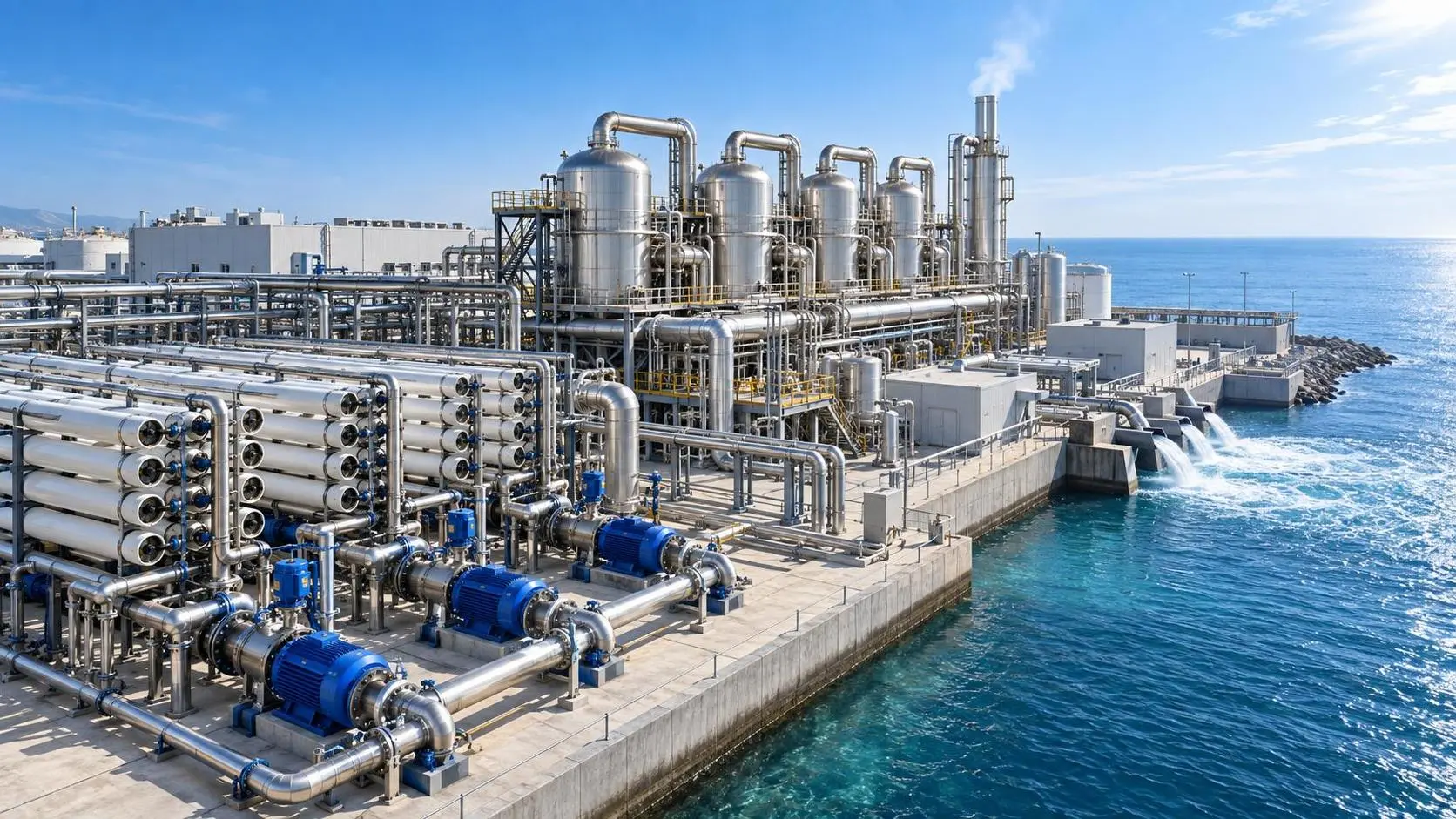
RO vs MED desalination: which is more energy-efficient at scale?
Desalination technology comparison: RO vs MED at scale. See how energy use, waste heat, feedwater, carbon, and flexibility determine the best choice.
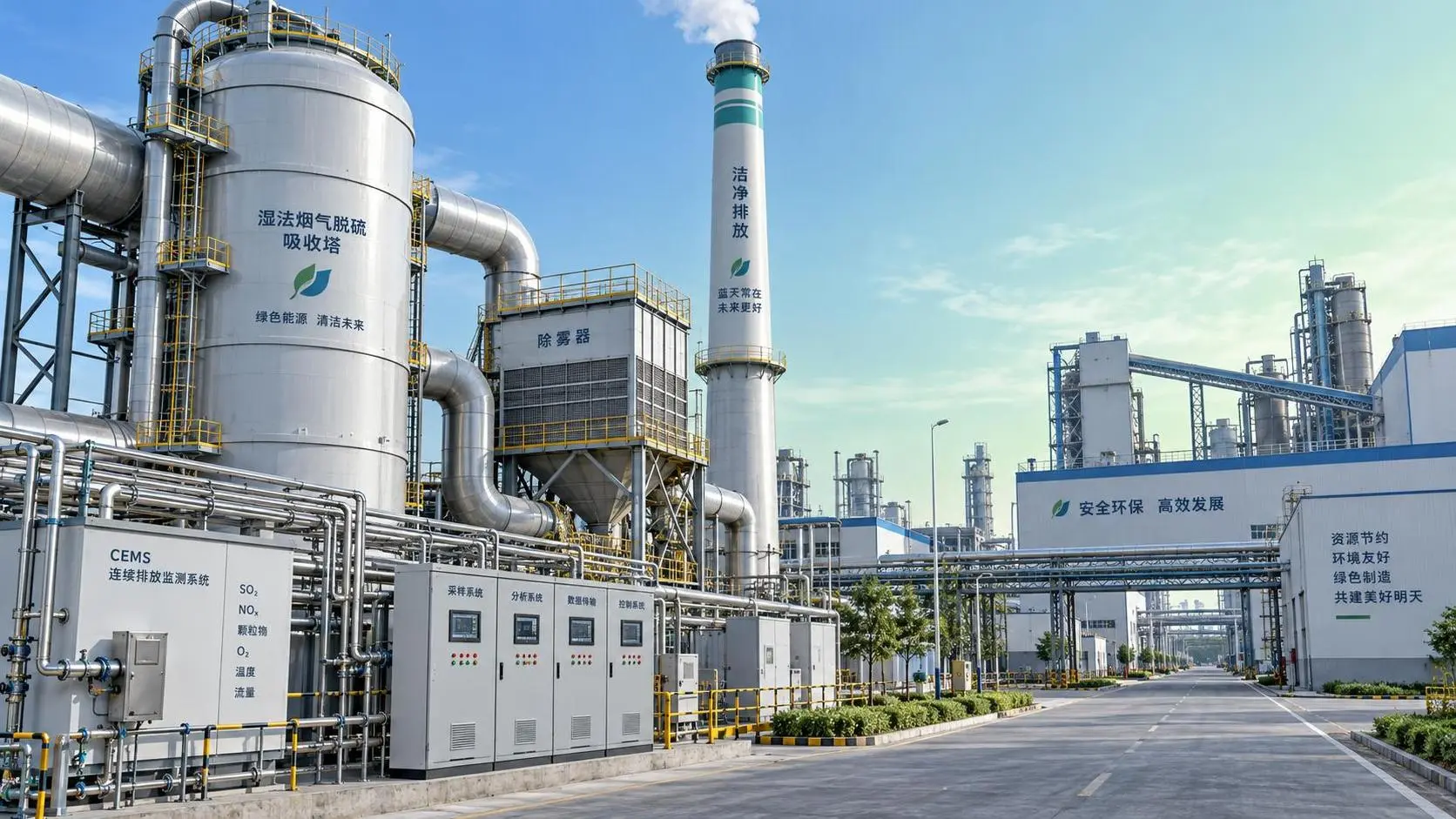
Which ISO standards apply to flue gas treatment systems?
Flue gas treatment systems ISO standards: explore key requirements for emissions testing, CEMS, safety, fabrication, corrosion control, and compliant project evaluation.

When corrosion resistant purification systems are needed for brine treatment
Corrosion resistant purification systems for brine treatment: assess chloride, heat, scaling, materials, and lifecycle reliability for demanding water projects.

How preventive maintenance reduces seawater desalination equipment downtime
Seawater desalination equipment maintenance reduces downtime through proactive monitoring, pretreatment protection, and planned repairs. Explore practical strategies for reliable RO performance.
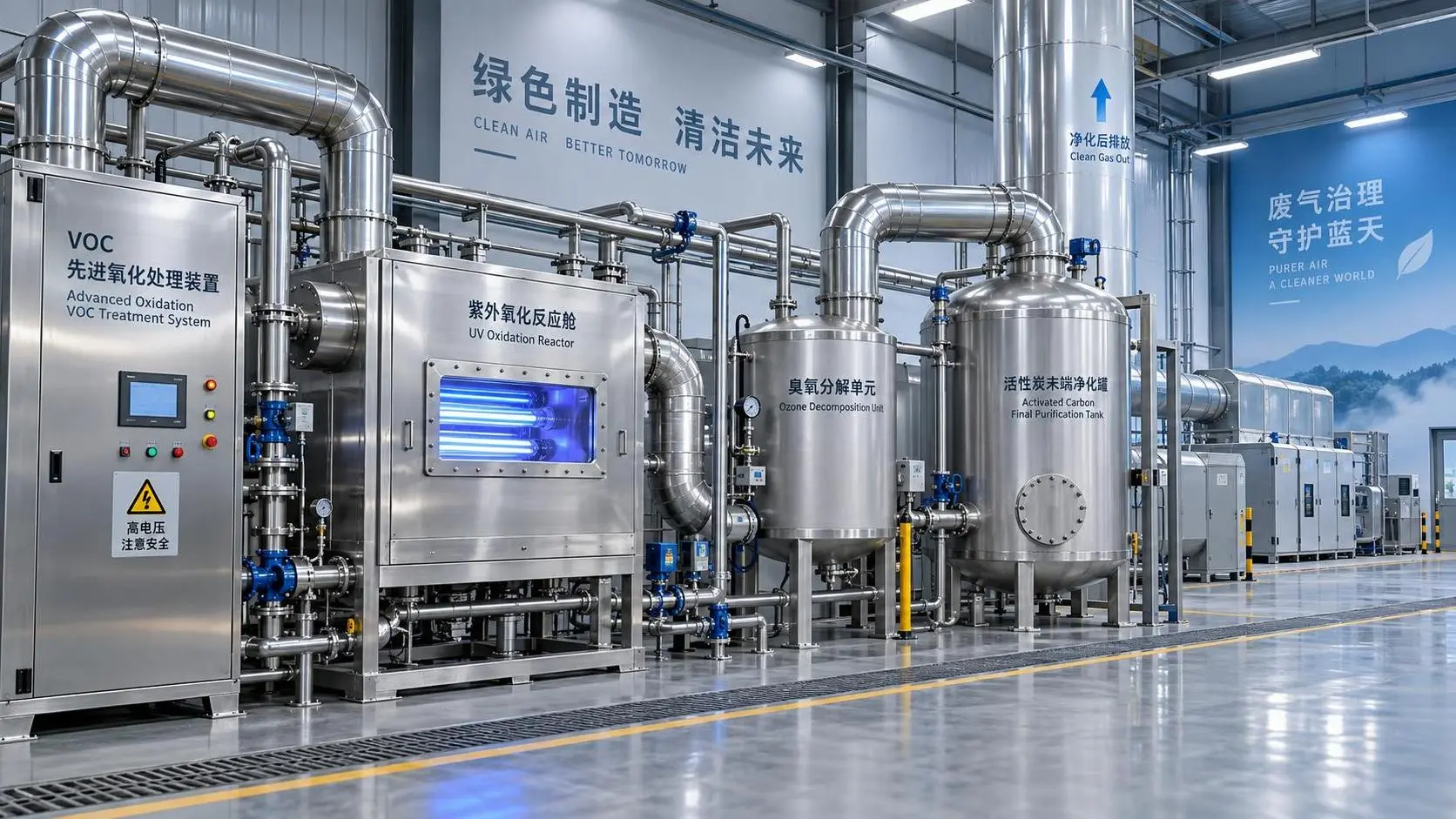
When are advanced oxidation processes the right choice for VOC control?
Advanced oxidation processes for VOC control: learn when AOPs outperform conventional options, manage by-products, and achieve reliable compliance.
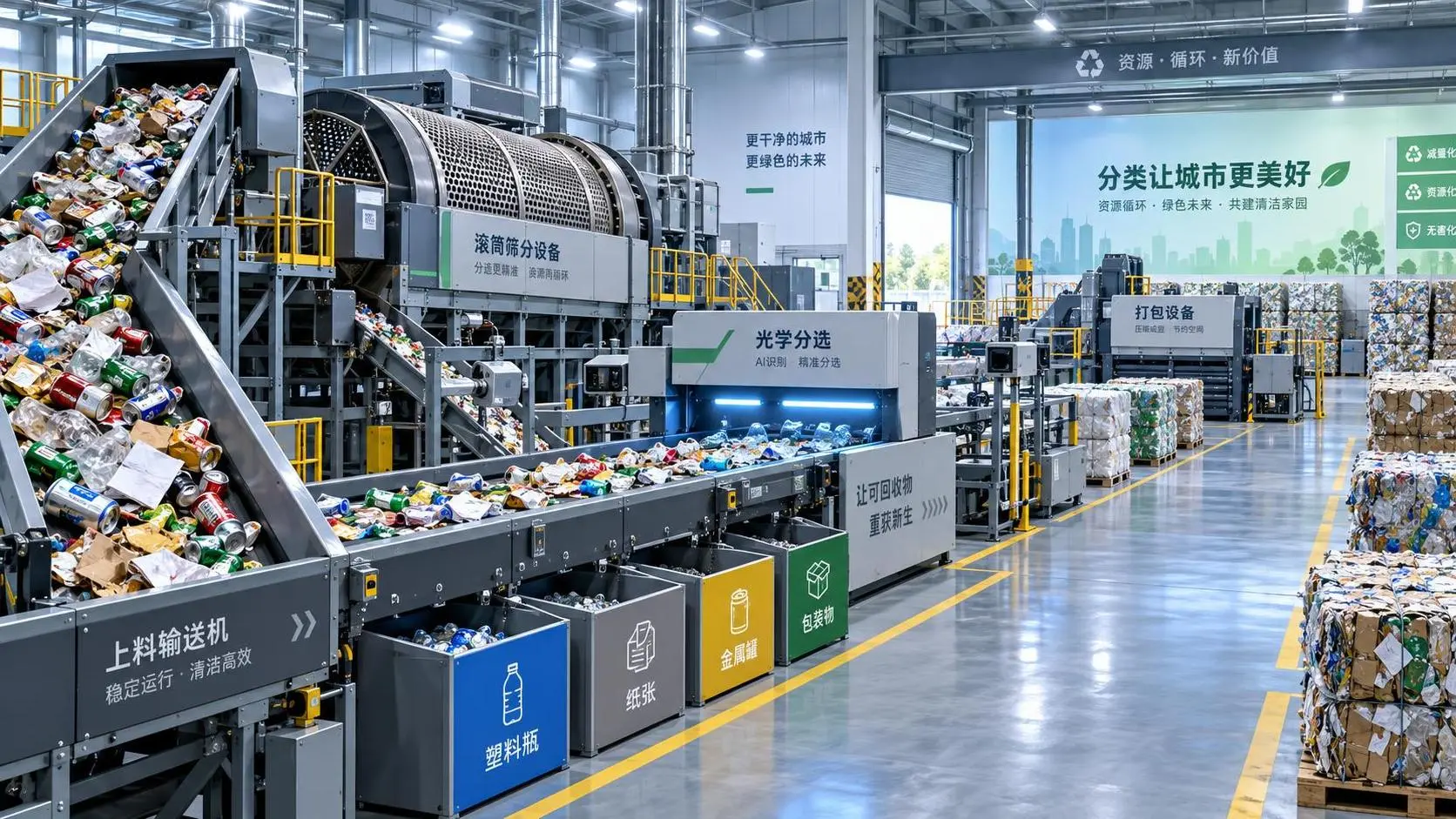
What throughput should municipal waste sorting equipment deliver?
Waste sorting equipment for municipal waste: learn how to set reliable throughput based on peak loads, material quality, uptime, and recovery targets.

What carbon neutrality means for corporate investment decisions
Carbon neutrality is transforming corporate investment decisions. Explore how lifecycle economics, efficiency, compliance, and resilience can drive measurable returns and lasting advantage.
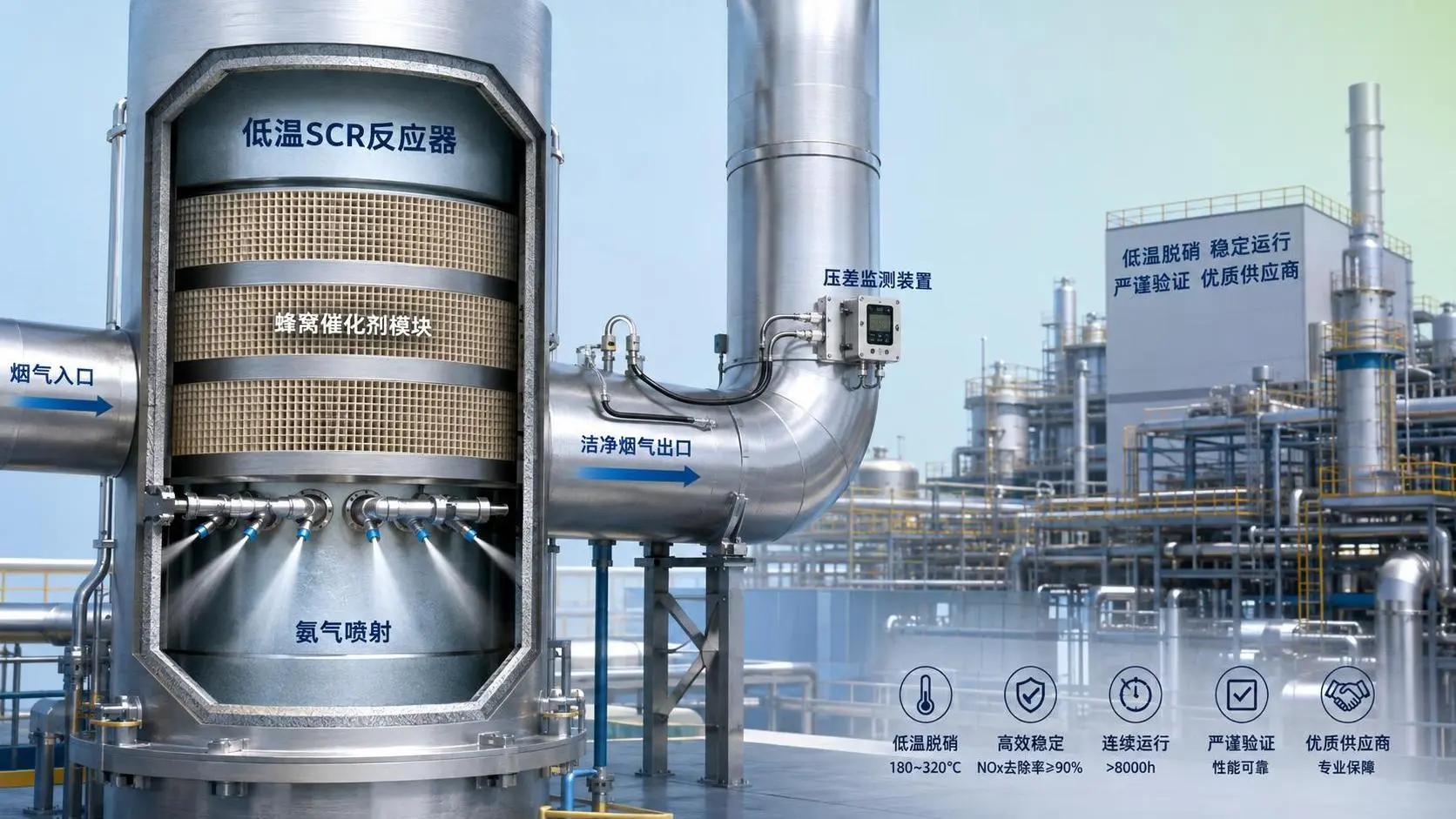
What to verify before choosing a low temperature SCR supplier
Low temperature SCR supplier checklist: verify catalyst temperature range, sulfur resistance, ammonia slip, pressure drop, lifecycle cost, and support before award.
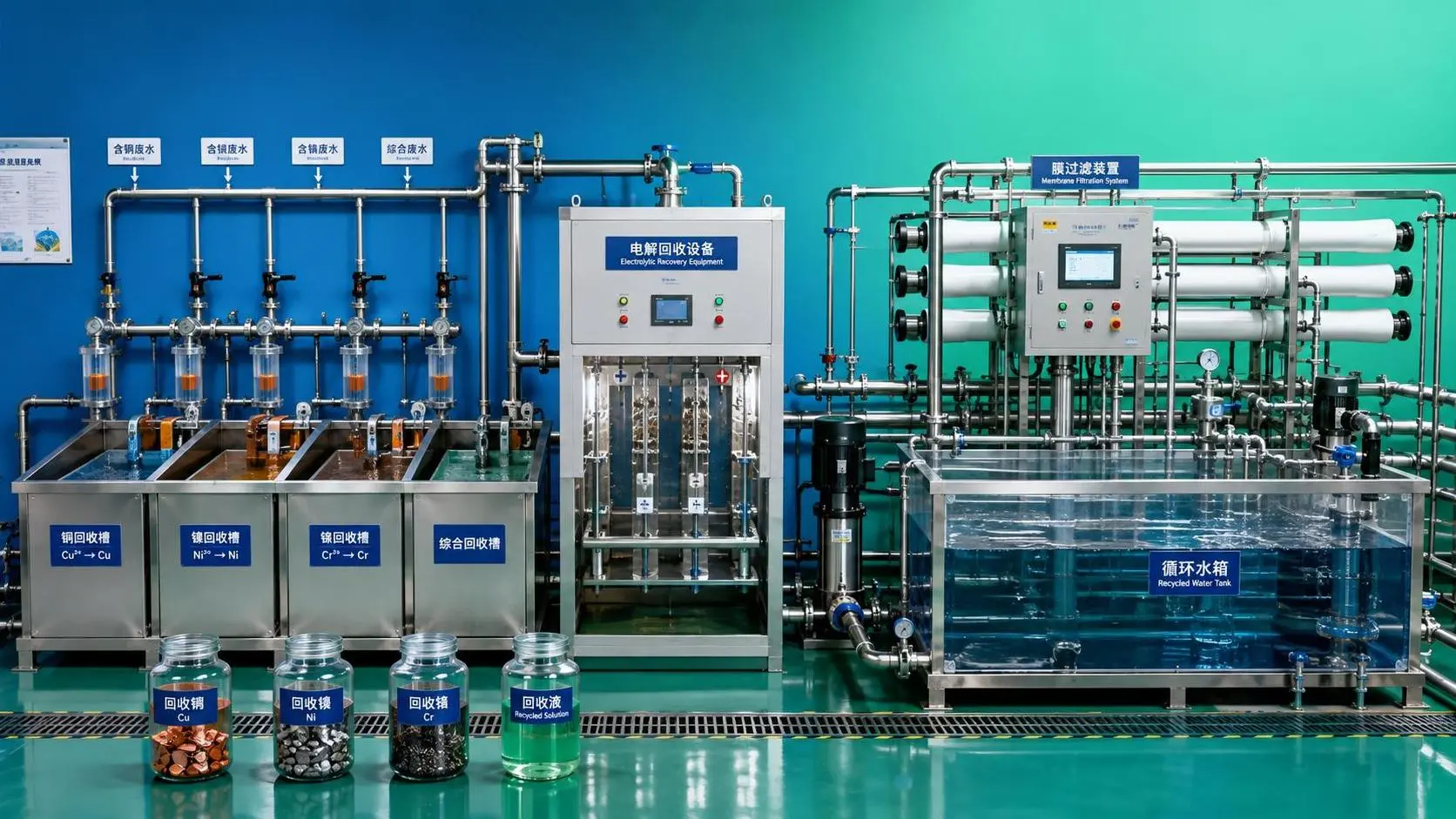
How closed-loop resource recovery for electroplating cuts metal waste
Closed-loop resource recovery for electroplating reduces metal waste, sludge, and water use through smarter stream segregation, recovery, and reuse strategies.