
Industry News
Curation by industry experts
Hot Articles
Popular Tags
Environmental Value Chain Shifts Reshaping 2026 Project Returns
Environmental Value Chain Shifts Are Repricing 2026 Returns
As compliance costs, carbon rules, and technology upgrades accelerate, the environmental value chain is becoming a decisive factor in 2026 project returns.
In water treatment, waste recovery, desalination, and emissions control, value is moving faster than many investment models assume.
What once looked like engineering detail now affects financing terms, bid competitiveness, asset uptime, and long-horizon margin stability.
For projects tied to the environmental value chain, 2026 returns will depend on who understands regulatory timing, technology reliability, and resource efficiency earliest.
This shift is especially visible across large water treatment plants, solid waste recovery systems, flue gas treatment assets, seawater desalination, and nuclear waste management.
Signals Showing the Environmental Value Chain Is Entering a New Phase
Several signals show the environmental value chain is no longer a back-end operating topic.
It is becoming a front-end capital allocation issue.
First, global compliance frameworks are widening.
CBAM, wastewater discharge tightening, landfill restrictions, and hazardous waste traceability are increasing lifecycle costs for non-compliant assets.
Second, technology selection now determines return quality, not just delivery speed.
Membrane durability, catalyst efficiency, sorting accuracy, and vitrification stability can materially change total project economics.
Third, infrastructure owners are rewarding systems that create measurable resilience.
That includes lower energy intensity, higher recovery rates, fewer shutdowns, and stronger permit security.
These signals indicate the environmental value chain is being rebuilt around reliability, carbon performance, and strategic compliance.
Why Value Is Moving Across Environmental Projects
The drivers behind this transition are practical, measurable, and increasingly interconnected.
Together, these factors shift the environmental value chain from cost center logic toward strategic value creation.
Where 2026 Return Pressure Is Rising First
Large water treatment is moving toward deeper recovery economics
Industrial wastewater and municipal treatment projects are being judged on more than discharge compliance.
Water reuse rates, brine handling costs, energy demand, and ZLD feasibility increasingly shape return outcomes.
In this part of the environmental value chain, membrane fouling control and chemical optimization can decide lifecycle profitability.
Solid waste recovery is gaining value through circular output quality
Waste systems are no longer judged only by diversion volume.
Recovered material purity, pyrolysis output consistency, and AI sorting precision now matter more to market pricing.
That means the environmental value chain rewards plants that treat waste as secondary resource inventory.
Desalination returns depend on energy and membrane intelligence
Heavy seawater desalination remains essential in water-stressed regions.
Yet project returns can erode quickly when pretreatment instability or membrane decline raises operating intensity.
The environmental value chain here favors integrated SWRO systems with predictive maintenance and stronger recovery balance.
Flue gas and nuclear waste systems are being repriced by trust
Flue gas treatment projects face stricter expectations on low-temperature performance and cross-pollutant efficiency.
Nuclear waste management is even more sensitive.
Micro-crystalline stability, containment assurance, and monitoring integrity raise the strategic premium inside the environmental value chain.
How These Shifts Affect Key Business Links
The environmental value chain does not move evenly.
It changes different business links in different ways.
- Project design now carries more financial responsibility because process choices shape decades of compliance cost.
- Equipment selection is becoming a return lever, especially when uptime, consumables, and energy use dominate lifecycle economics.
- Bidding strategy increasingly depends on provable technical intelligence, not only aggressive pricing.
- Operations teams face higher pressure to deliver digital traceability, emissions transparency, and recovery consistency.
- Capital partners are prioritizing assets with visible resilience under regulation and feedstock volatility.
This is why the environmental value chain now directly influences project bankability and post-award performance.
What Deserves Immediate Attention Before 2026 Capital Decisions
Several checkpoints deserve close attention when evaluating environmental infrastructure and equipment-related investments.
- Map regulatory exposure across water discharge, carbon intensity, hazardous byproducts, and reporting obligations.
- Stress-test process assumptions under higher energy prices and tighter discharge standards.
- Measure technology risk using field performance data, not brochure claims.
- Assess whether recovery outputs have reliable downstream demand and pricing visibility.
- Quantify maintenance complexity, spare part dependency, and specialist labor needs.
- Check whether digital monitoring can support audits, permits, and performance guarantees.
- Review supply chain concentration for membranes, catalysts, sensors, and critical materials.
Each point strengthens visibility into how the environmental value chain converts technical choice into actual return quality.
A Practical Framework for Responding to Environmental Value Chain Change
This framework keeps the environmental value chain visible from concept design through operating optimization.
The Strongest 2026 Positions Will Come From Better Intelligence
In 2026, project returns will favor those who understand where value is leaving and where it is concentrating.
The environmental value chain is no longer static.
It is being reshaped by carbon logic, compliance depth, resource recovery economics, and equipment intelligence.
For environmental infrastructure, strong outcomes will come from early signal tracking, disciplined technology judgment, and lifecycle-based return modeling.
That is where strategic intelligence becomes decisive.
Use current project reviews to recheck assumptions on membranes, catalysts, recovery yields, monitoring systems, and compliance pathways.
A sharper view of the environmental value chain today can protect margins, improve bidding authority, and raise long-term asset resilience tomorrow.
Recommended News
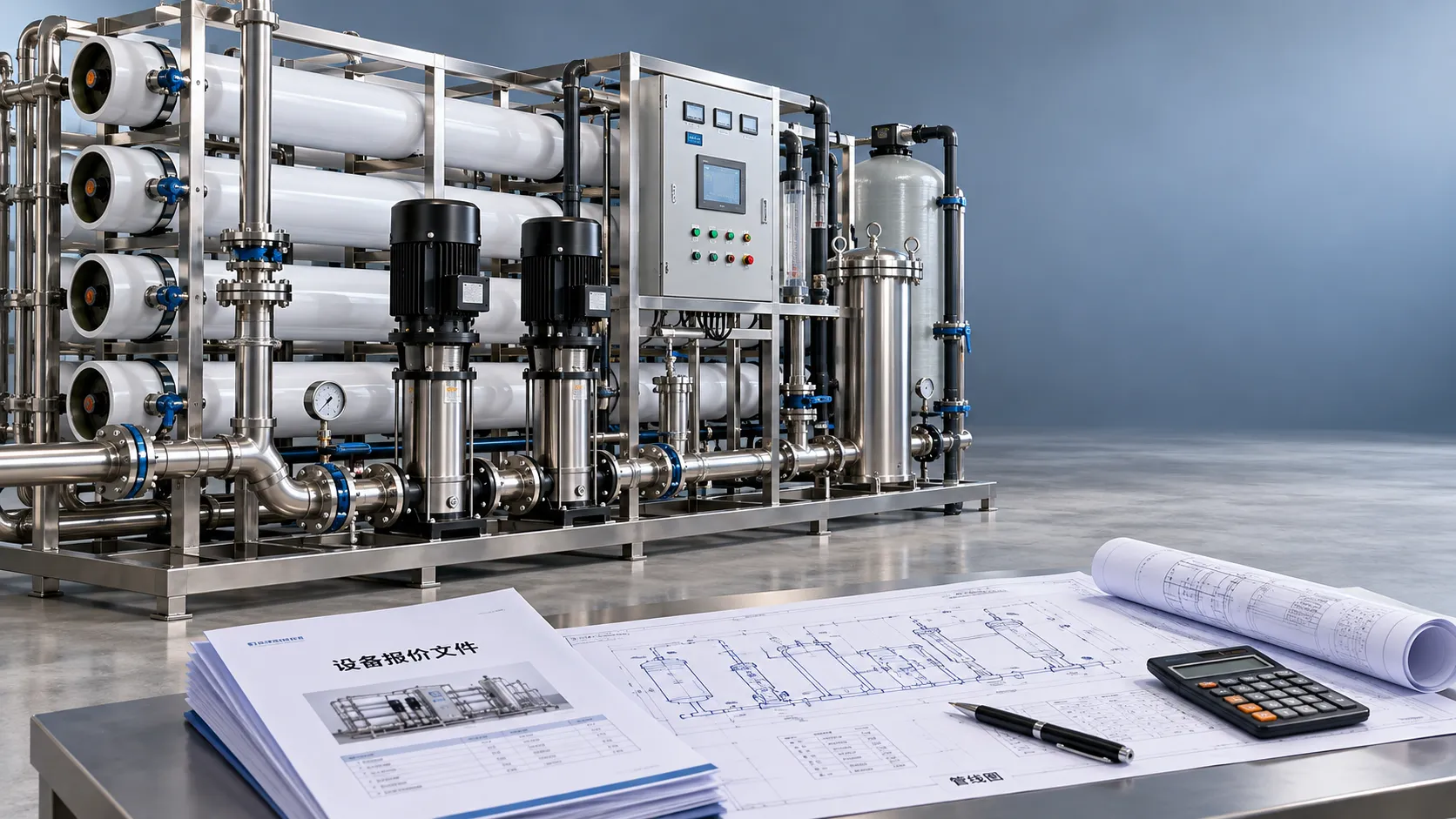
How to check a water treatment quotation for hidden project costs
Review your water treatment quotation for hidden costs, scope gaps, and operating expenses. Learn what to check before signing to protect your budget and avoid costly surprises.
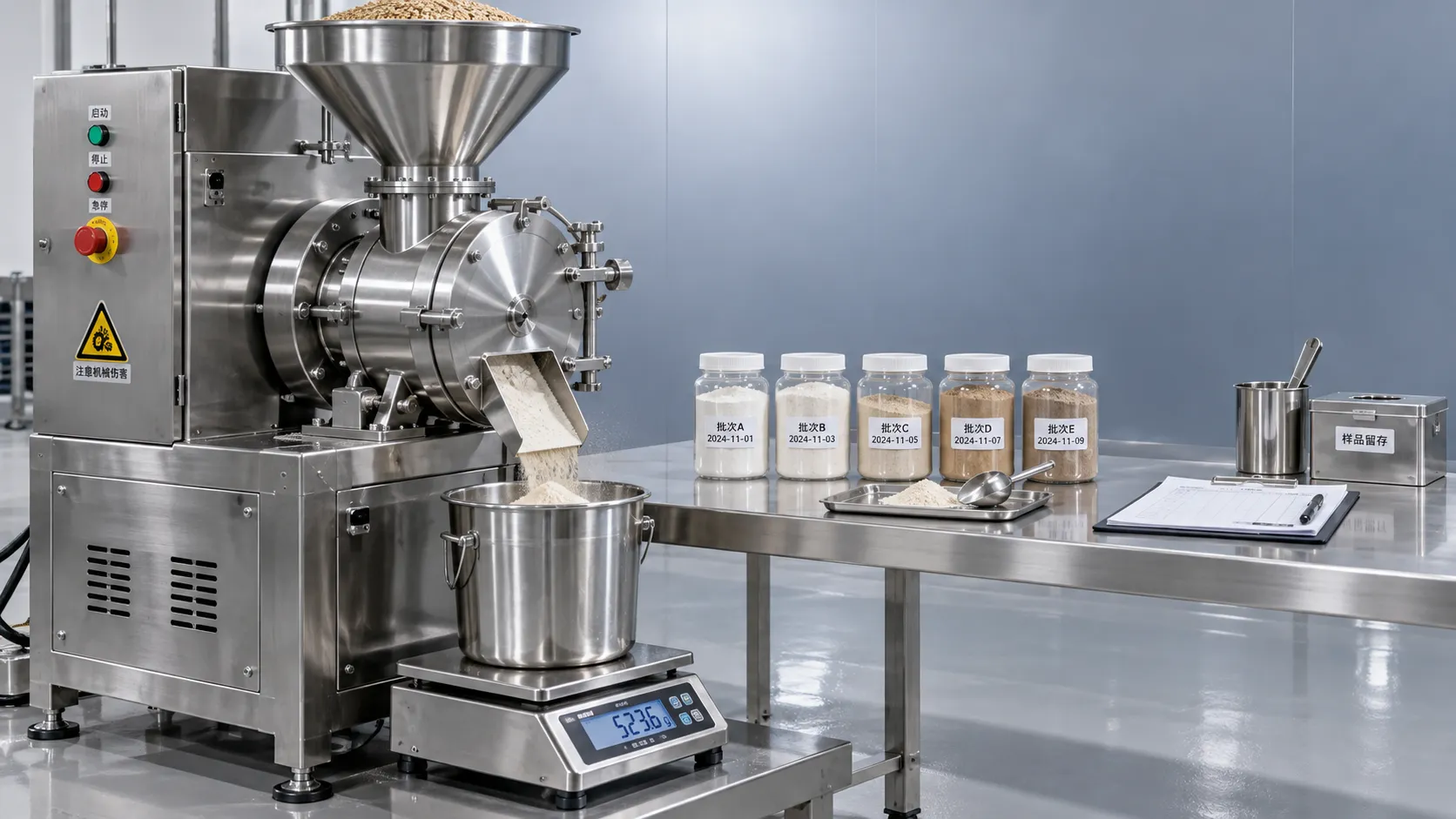
How to vet ingredient processing equipment manufacturers using trials
Vet ingredient processing equipment manufacturers with real-world trials. Learn how to verify yield, cleaning, energy use, and scale-up before you invest.
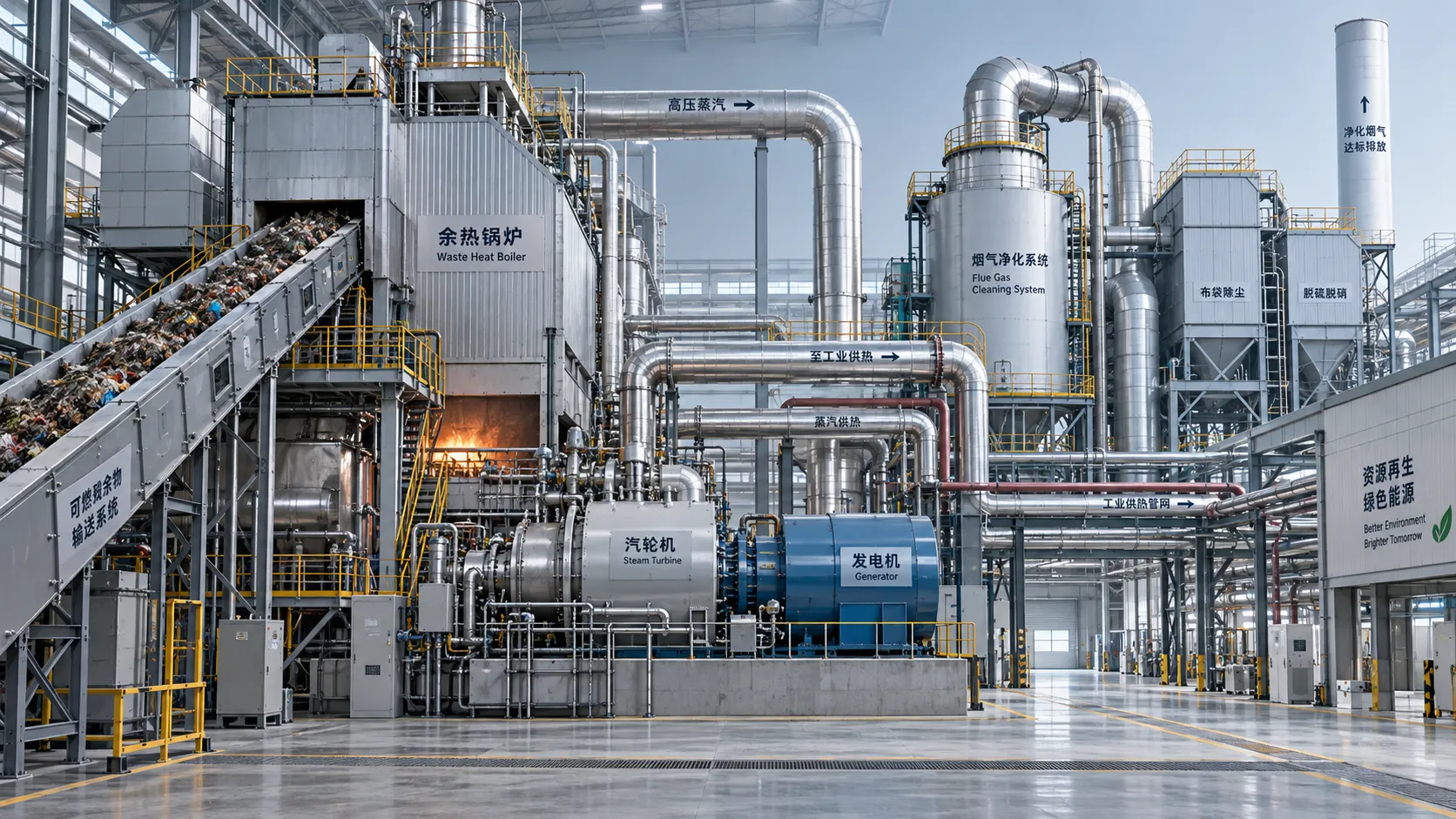
When is energy recovery viable in the solid waste recovery process?
When is energy recovery viable in the solid waste recovery process? Explore feedstock quality, net energy, emissions, and costs to assess feasibility and make smarter investment decisions.
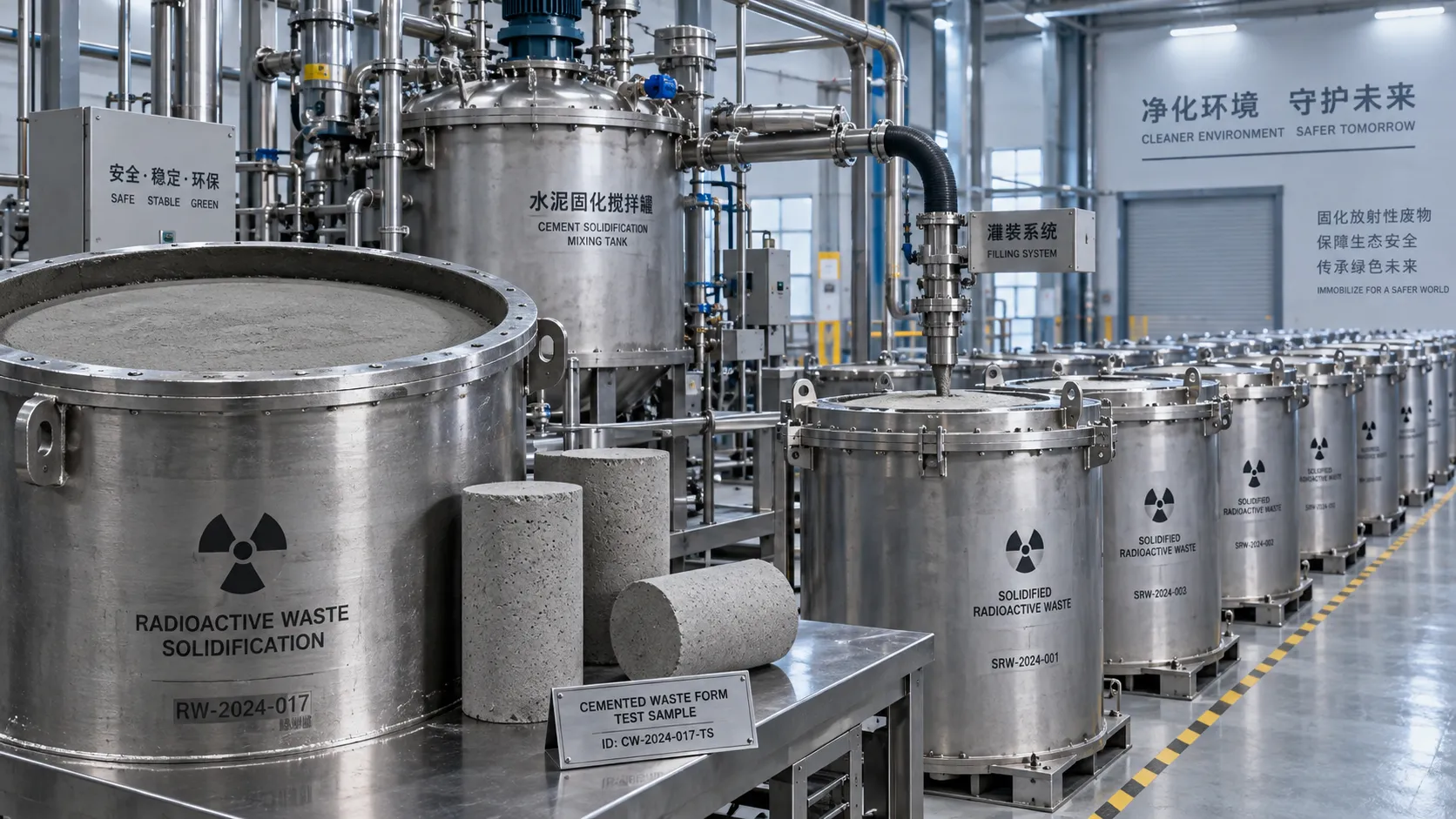
When is cementation suitable for nuclear decommissioning waste?
Explore nuclear waste treatment technology for decommissioning: learn when cementation fits, which risks to assess, and how disposal criteria guide an effective treatment choice.
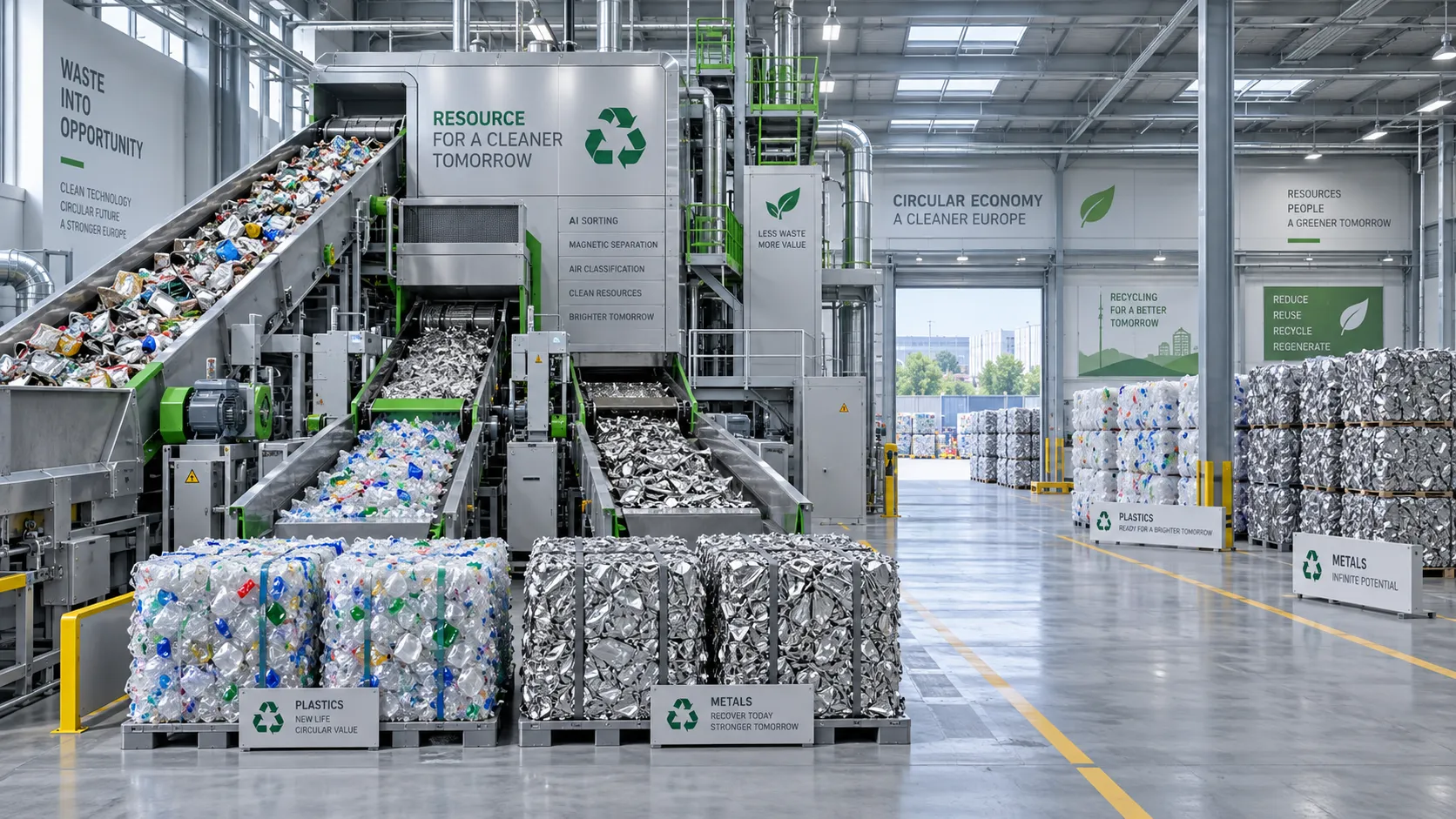
What determines payback for waste-to-resource systems in Europe?
Assess waste-to-resource systems Europe-wide: compare feedstock, recovery yields, costs and contracts to uncover payback drivers and make smarter investment decisions.
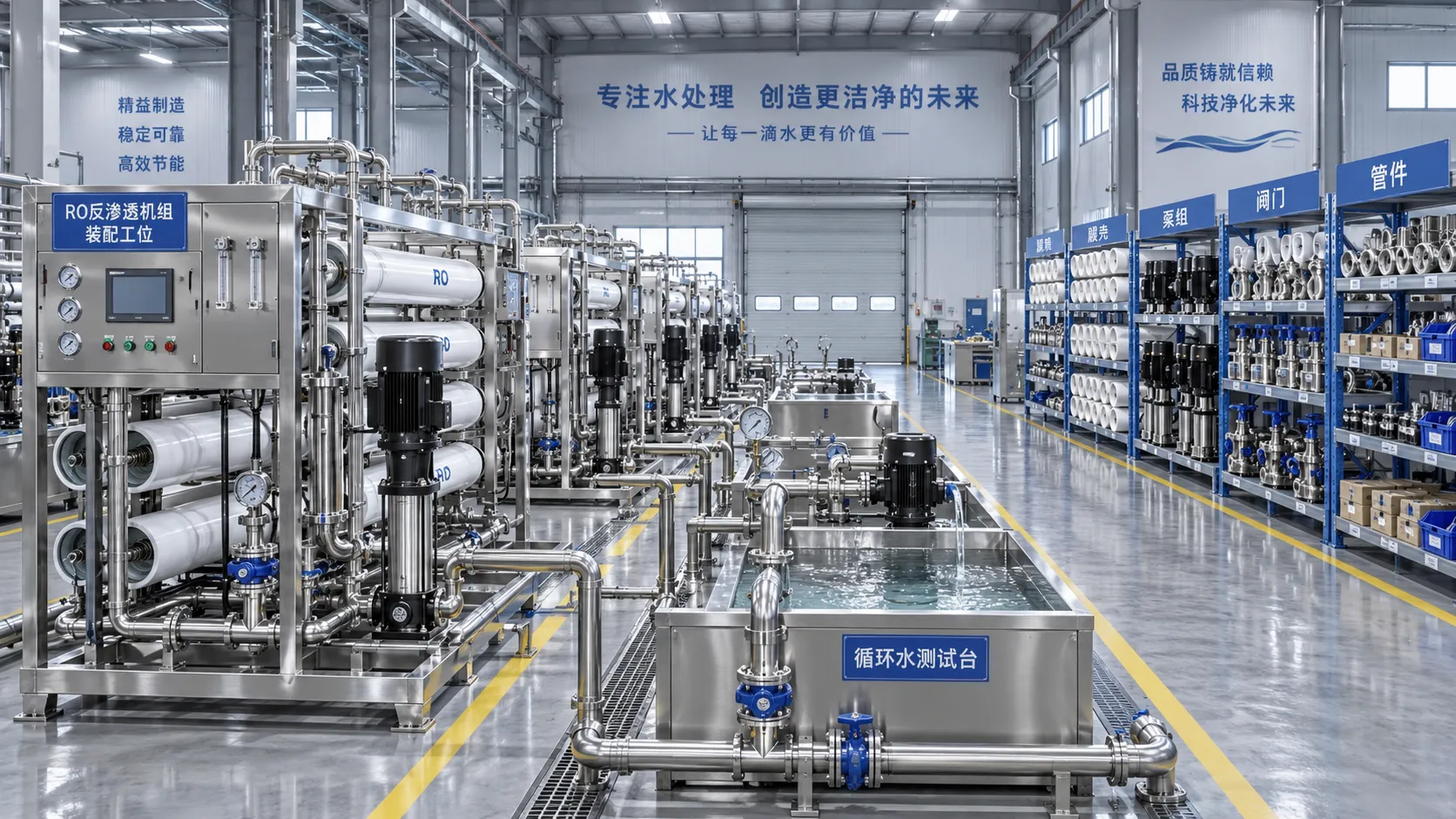
How to verify a water treatment system factory’s production capacity
Verify a water treatment systems factory’s production capacity through records, bottlenecks, component availability, and testing. Learn what to check before accepting a delivery promise.
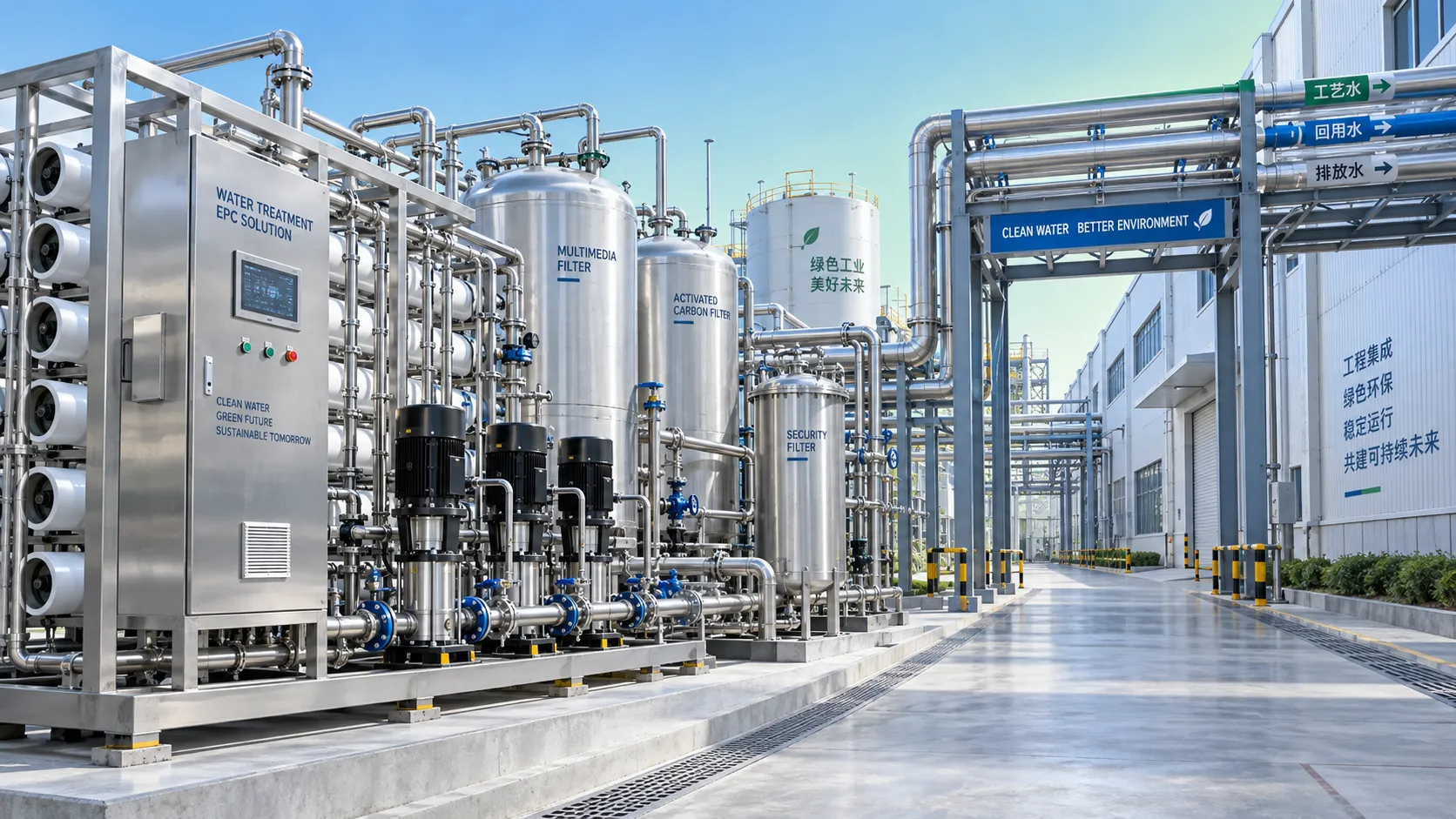
When does EPC environmental project support reduce delivery risk?
EPC environmental project support engineering reduces delivery risk by aligning design, procurement, compliance, construction, and commissioning decisions.
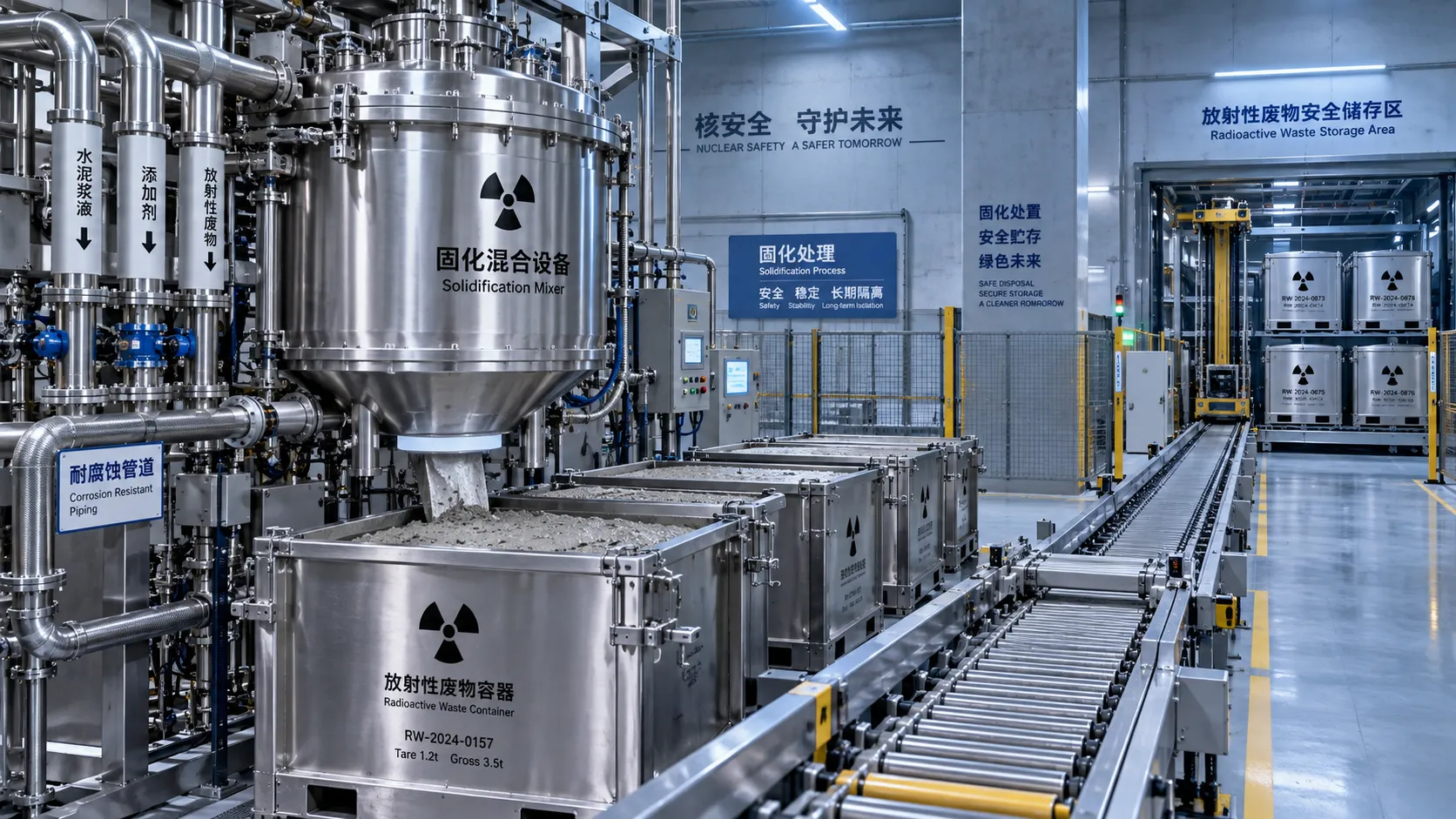
How nuclear plants select a radioactive waste solidification method
Radioactive waste management for nuclear plants: compare vitrification, cementation, polymers, and ceramics to select a compliant, durable solidification solution.
Water Treatment Options for Metal Finishing Rinse Water and Process Baths
Metal finishing water treatment solutions for rinse water and process baths—reduce costs, recover metals, improve reuse, and strengthen compliance.