
Industry News
Curation by industry experts
Hot Articles
Popular Tags
Industrial Purification Systems: OPEX Risks to Check First
For business evaluators, the first question is not whether industrial purification systems work. It is whether the operating model remains financially stable after commissioning and under changing compliance, utility, and maintenance conditions.
That is why OPEX screening should come before detailed vendor comparison. In many projects, the largest commercial risk is not the purchase price, but the gap between forecast operating costs and actual lifecycle burden.
When evaluating industrial purification systems, the smartest first step is to identify the cost drivers that can escalate quickly, stay hidden during procurement, or force future redesign. Those are the OPEX risks worth checking first.
Why OPEX risk matters more than the initial price tag
Capital cost is visible, negotiated, and usually approved through formal procurement controls. Operating cost is different. It accumulates quietly through energy draw, chemicals, membrane fouling, spare parts use, operator intervention, and unplanned shutdowns.
For business evaluators, this means a lower bid does not always mean a lower-cost system. A cheaper unit can become the most expensive option if it depends on unstable utilities, frequent consumable replacement, or complex maintenance support.
In sectors such as water treatment, flue gas treatment, solid waste recovery, desalination, and hazardous waste management, OPEX can dominate total cost of ownership. This is especially true when systems run continuously or under variable feed conditions.
Industrial purification systems are also exposed to regulatory and environmental shifts. A system that meets today’s standards may need additional polishing, monitoring, or retrofits later, turning operational assumptions into budget pressure.
The first OPEX risk to check: energy intensity and utility volatility
Energy is often the largest or second-largest operating cost in industrial purification systems. Yet many evaluations rely on ideal power consumption figures measured under stable design conditions, not under real operating variability.
Business evaluators should test power demand at partial loads, start-stop cycles, seasonal temperature changes, and degraded feed quality. Systems that appear efficient at nameplate capacity may become expensive when actual loading is inconsistent.
In membrane systems, pumping pressure can rise as fouling develops. In thermal systems, steam demand may increase with changing moisture or salinity levels. In air pollution control, fan and reheating loads can materially alter annual electricity consumption.
Utility risk is not limited to electricity price inflation. It also includes steam availability, compressed air quality, cooling water stability, and peak-demand tariffs. Any process dependent on sensitive utility inputs should be stress-tested against local supply realities.
A useful screening question is simple: what happens to unit operating cost if energy tariffs increase by 15 to 30 percent? Vendors that cannot provide a transparent sensitivity model may be understating the true commercial exposure.
The second OPEX risk: consumables and replacement cycles
Chemicals, filter media, membranes, catalysts, adsorbents, resins, bag filters, and specialty reagents can reshape the economics of industrial purification systems far more than headline proposals suggest. Replacement frequency matters as much as unit price.
The main issue is that vendors often state expected life under controlled conditions. Real sites rarely offer controlled conditions. Feed contamination spikes, solids loading, pH swings, chloride content, or operator inconsistency can shorten consumable life significantly.
Business evaluators should ask for replacement assumptions tied to feedwater or feedgas quality ranges, not only design points. They should also request data from comparable installations with similar throughput, contaminant profiles, and maintenance discipline.
Another hidden risk is supplier concentration. If the system depends on proprietary membranes, cartridges, catalyst formulations, or software-linked components, the buyer may face limited bargaining power throughout the operating life of the asset.
It is also important to distinguish between standard and critical consumables. A low-value reagent with stable local supply is not equivalent to an imported specialist media with long lead times, exchange-rate exposure, and certification constraints.
The third OPEX risk: maintenance complexity and spare parts dependency
Many industrial purification systems are sold as automated, high-reliability solutions. In practice, maintenance burden varies widely depending on equipment architecture, instrumentation density, materials of construction, and access to skilled service support.
A system that requires frequent calibration, specialist cleaning, corrosion inspections, or tightly sequenced shutdown maintenance may carry a much higher operating burden than basic maintenance budgets suggest. Complexity often translates directly into labor and downtime cost.
Spare parts strategy is another early checkpoint. Long lead items such as high-pressure pumps, dosing skids, control boards, blowers, ceramic internals, or imported valves can create expensive production interruptions when inventory policy is weak.
Business evaluators should ask three practical questions. Which parts fail most often? Which parts stop the process immediately? Which parts cannot be sourced locally within the required recovery window? The answers reveal the real serviceability profile.
Maintenance cost should also include contractor dependence. If the system requires OEM technicians for routine interventions or software resets, then the asset carries embedded service lock-in that may not appear in the original commercial proposal.
The fourth OPEX risk: feed variability and process instability
One of the most underestimated risks in industrial purification systems is the mismatch between design assumptions and actual inlet variability. Few plants run under perfectly steady-state conditions, especially in industrial wastewater and waste recovery operations.
Variability in salinity, suspended solids, organics, oil content, pH, heavy metals, temperature, or flow can trigger higher chemical dosing, more frequent cleaning, unstable recovery rates, or off-spec discharge. All of these outcomes increase operating cost.
In desalination and high-recovery water treatment, fluctuating feed quality can reduce membrane life and force conservative operating settings. In flue gas treatment, sulfur load and temperature swings can affect reagent use and catalyst performance.
For business evaluators, the implication is clear. The best system on paper is not always the most resilient system in the field. A slightly more conservative design can produce lower lifetime OPEX if it tolerates feed disturbances better.
Evaluation teams should therefore request performance guarantees across operating ranges, not only at nominal conditions. They should also review alarm history, cleaning intervals, bypass logic, and recovery data from similar installations wherever possible.
The fifth OPEX risk: downtime, yield loss, and process interruption
Many budgets treat purification OPEX as a direct cost category only. That is too narrow. In reality, the biggest financial hit can come from lost production, delayed discharge approval, reduced recovery rates, or forced throughput reductions during upset conditions.
If a water treatment train trips, the cost may include curtailed plant output. If a solid waste recovery line loses sorting accuracy, material value drops. If a flue gas treatment unit underperforms, production may be limited to avoid compliance breaches.
This is why downtime analysis must go beyond maintenance hours. Business evaluators should quantify the cost per hour of purification system outage, the presence of redundancy, the availability of bypass capacity, and the startup recovery time.
Systems with no operational buffer may look efficient but expose the site to major interruption risk. In many industries, even one unplanned event can erase years of perceived savings from choosing the lowest-capex configuration.
When vendors discuss reliability, evaluators should ask for mean time between failures, mean time to repair, critical failure modes, and the commercial consequence of off-spec operation. Those metrics are more useful than broad claims of robustness.
The sixth OPEX risk: compliance drift and future retrofit exposure
Environmental compliance is not static. Discharge limits tighten, emissions monitoring expands, sludge handling requirements evolve, and carbon-related reporting expectations increase. Industrial purification systems that barely meet current rules may become expensive very quickly.
Retrofit exposure is especially important in sectors affected by water scarcity, hazardous waste control, and air emissions policy. A unit with limited expandability may require additional polishing stages, digital monitoring upgrades, or materials replacement earlier than expected.
For business evaluators, the key question is whether the current design has regulatory headroom. Can it meet stricter contaminant thresholds without major reconstruction? Can instrumentation and controls support future reporting and traceability obligations?
This matters not only for direct compliance cost, but also for financing, insurance, and customer qualification. Environmental underperformance can affect contract eligibility, ESG positioning, and the long-term commercial defensibility of the asset.
Checking OPEX risk early therefore means checking policy resilience. The system should be evaluated not just against today’s permit, but against the likely direction of environmental governance over the next five to ten years.
What business evaluators should ask vendors before comparing offers
Good vendor comparison starts with structured questions, not brochure claims. The goal is to convert industrial purification systems into comparable operating models, using assumptions that reflect real plant conditions rather than idealized design cases.
First, request a full OPEX breakdown by energy, chemicals, consumables, maintenance labor, spare parts, waste disposal, and expected compliance monitoring. Costs should be linked to throughput bands and feed-quality scenarios.
Second, ask for guaranteed performance ranges, not just target values. Recovery rate, energy use, reagent consumption, and effluent quality should all be stated for realistic operating windows and upset conditions where possible.
Third, request lifecycle assumptions for critical consumables and major rotating equipment. Evaluators should understand not only average replacement timing, but also the site conditions that cause early failure or accelerated degradation.
Fourth, verify service support. Ask where spare parts are stocked, how quickly field service can respond, whether remote diagnostics are included, and which interventions require OEM authorization or proprietary software access.
Fifth, ask for references with similar influent conditions and duty cycles. Benchmarking against comparable operating environments is one of the best ways to expose unrealistic OPEX expectations before procurement is finalized.
A practical framework for early OPEX screening
To make decisions faster, business evaluators can use a simple five-part screening model for industrial purification systems. Score each option on energy exposure, consumable dependency, maintenance complexity, process resilience, and compliance adaptability.
Then apply scenario stress tests. Model what happens if feed quality deteriorates, throughput drops, electricity prices rise, or a critical consumable lead time doubles. The most attractive offer should remain viable under pressure, not only under plan.
It is also useful to separate fixed and variable OPEX. Some systems carry low variable cost but high minimum staffing or service-contract commitments. Others are flexible at low utilization but expensive at full throughput. That distinction affects project economics.
Where possible, build a total cost of ownership view over five to ten years. Include replacement events, cleaning outages, media changes, auxiliary waste handling, and likely instrumentation upgrades. Short-term payback can be misleading without this perspective.
Finally, document all assumptions used in comparison. Many procurement disputes begin because one vendor included realistic operating constraints and another did not. Consistent assumptions are essential for a fair commercial evaluation.
Conclusion: the best system is the one with the most credible operating profile
For business evaluators, industrial purification systems should never be judged by capital cost alone. The first and most important review is whether the operating profile is transparent, resilient, and financially credible under real-world conditions.
The OPEX risks to check first are energy intensity, consumable life, maintenance dependency, feed variability, downtime impact, and compliance-driven retrofit exposure. These factors usually determine whether a project stays efficient after handover.
In practical terms, a strong evaluation process asks better questions earlier. It tests assumptions, compares lifecycle cost drivers, and prioritizes operational resilience over optimistic specification sheets. That approach leads to smarter procurement and fewer surprises.
When industrial purification systems are screened through an OPEX-first lens, decision makers gain a more realistic basis for budgeting, vendor selection, and long-term investment confidence. That is where sound environmental infrastructure evaluation truly begins.
Recommended News
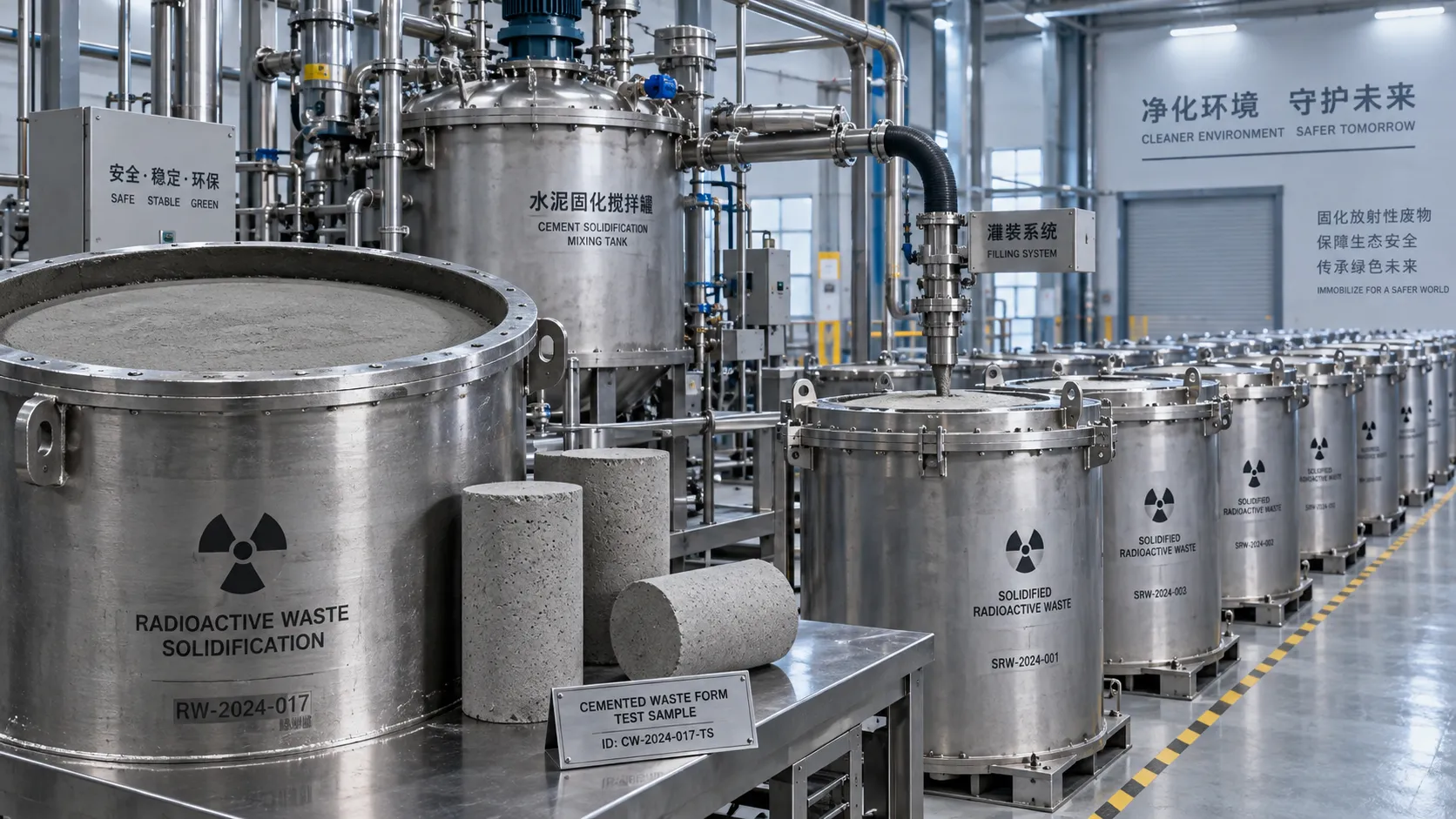
When is cementation suitable for nuclear decommissioning waste?
Explore nuclear waste treatment technology for decommissioning: learn when cementation fits, which risks to assess, and how disposal criteria guide an effective treatment choice.
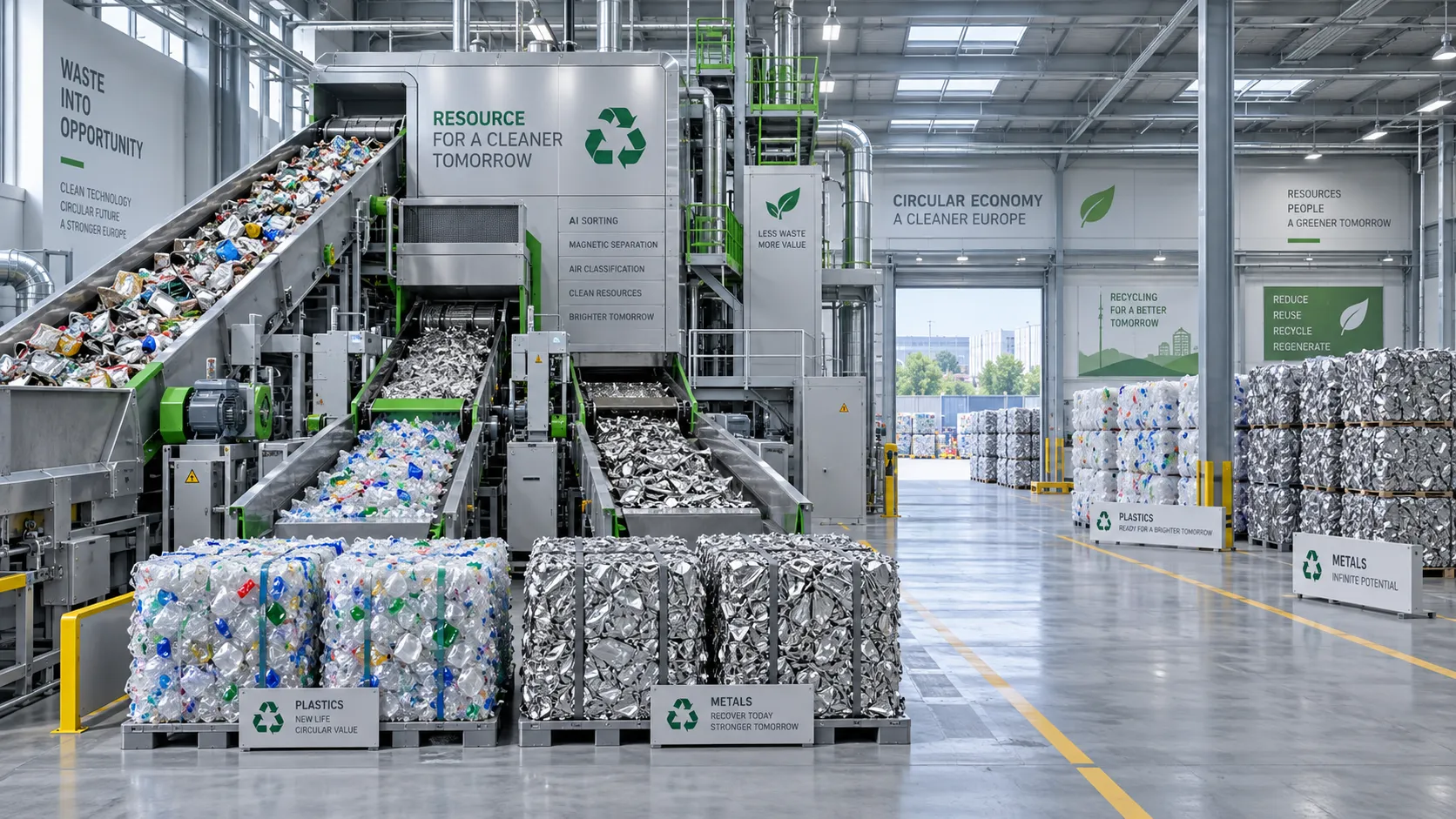
What determines payback for waste-to-resource systems in Europe?
Assess waste-to-resource systems Europe-wide: compare feedstock, recovery yields, costs and contracts to uncover payback drivers and make smarter investment decisions.
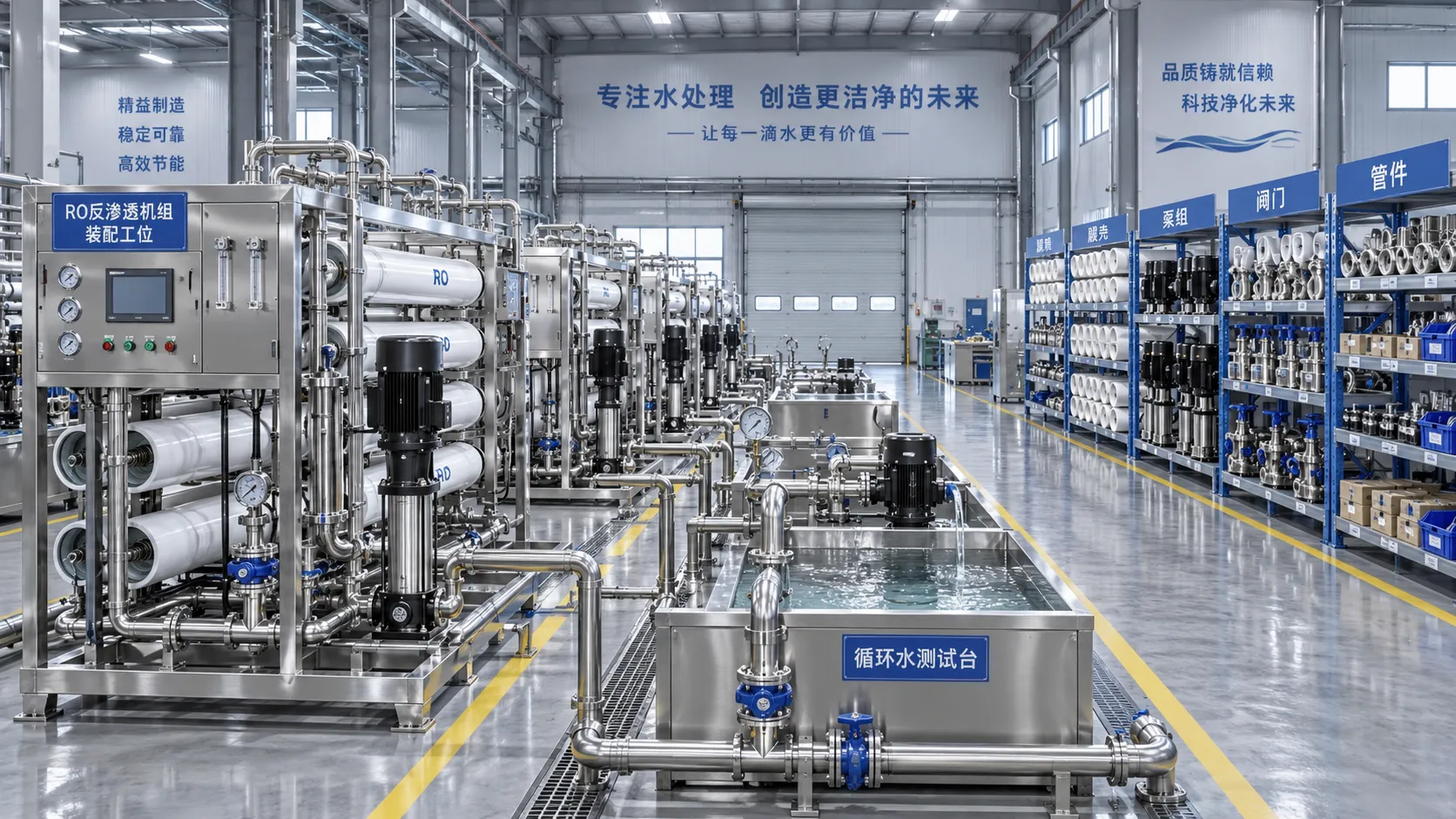
How to verify a water treatment system factory’s production capacity
Verify a water treatment systems factory’s production capacity through records, bottlenecks, component availability, and testing. Learn what to check before accepting a delivery promise.
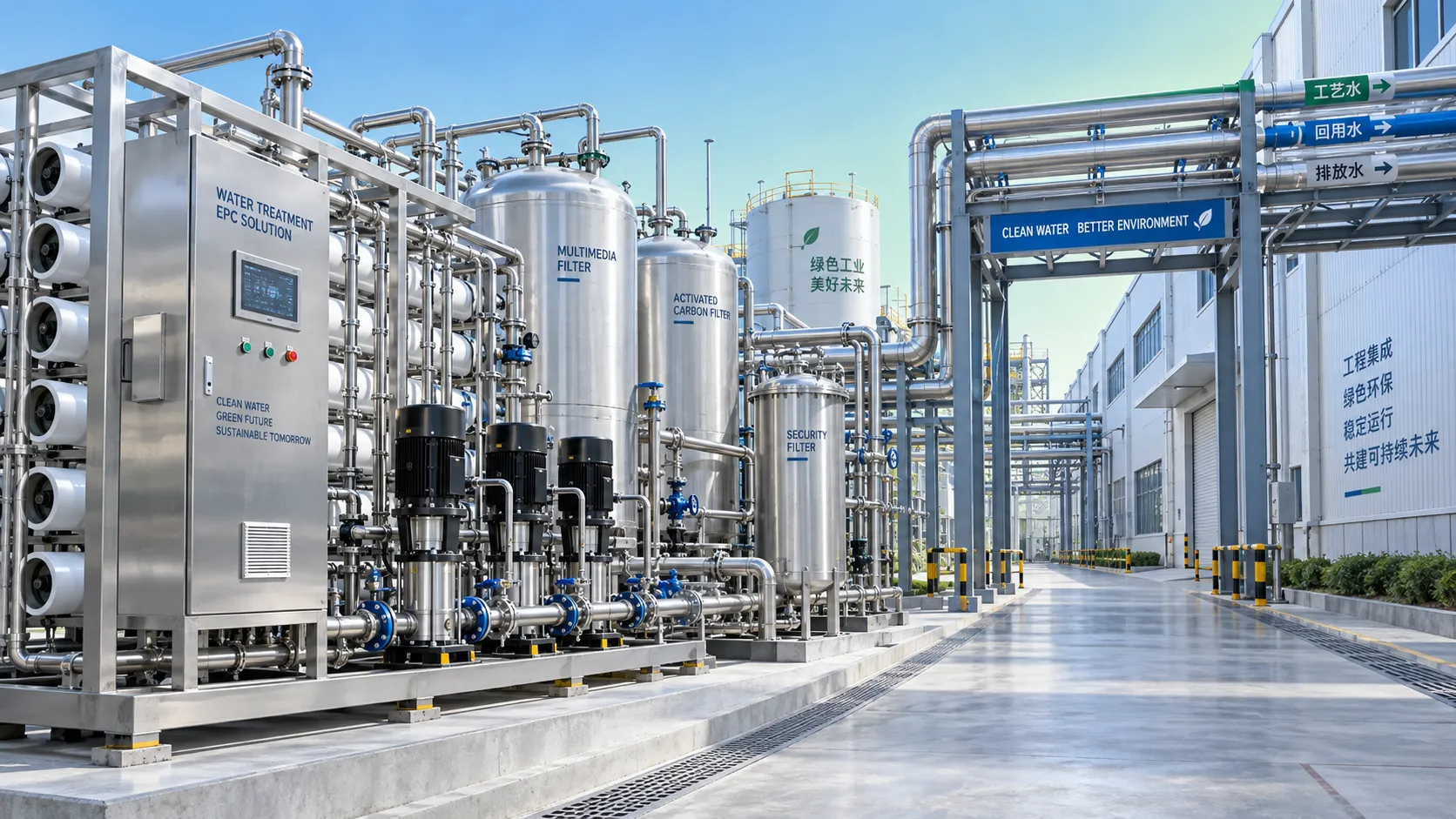
When does EPC environmental project support reduce delivery risk?
EPC environmental project support engineering reduces delivery risk by aligning design, procurement, compliance, construction, and commissioning decisions.
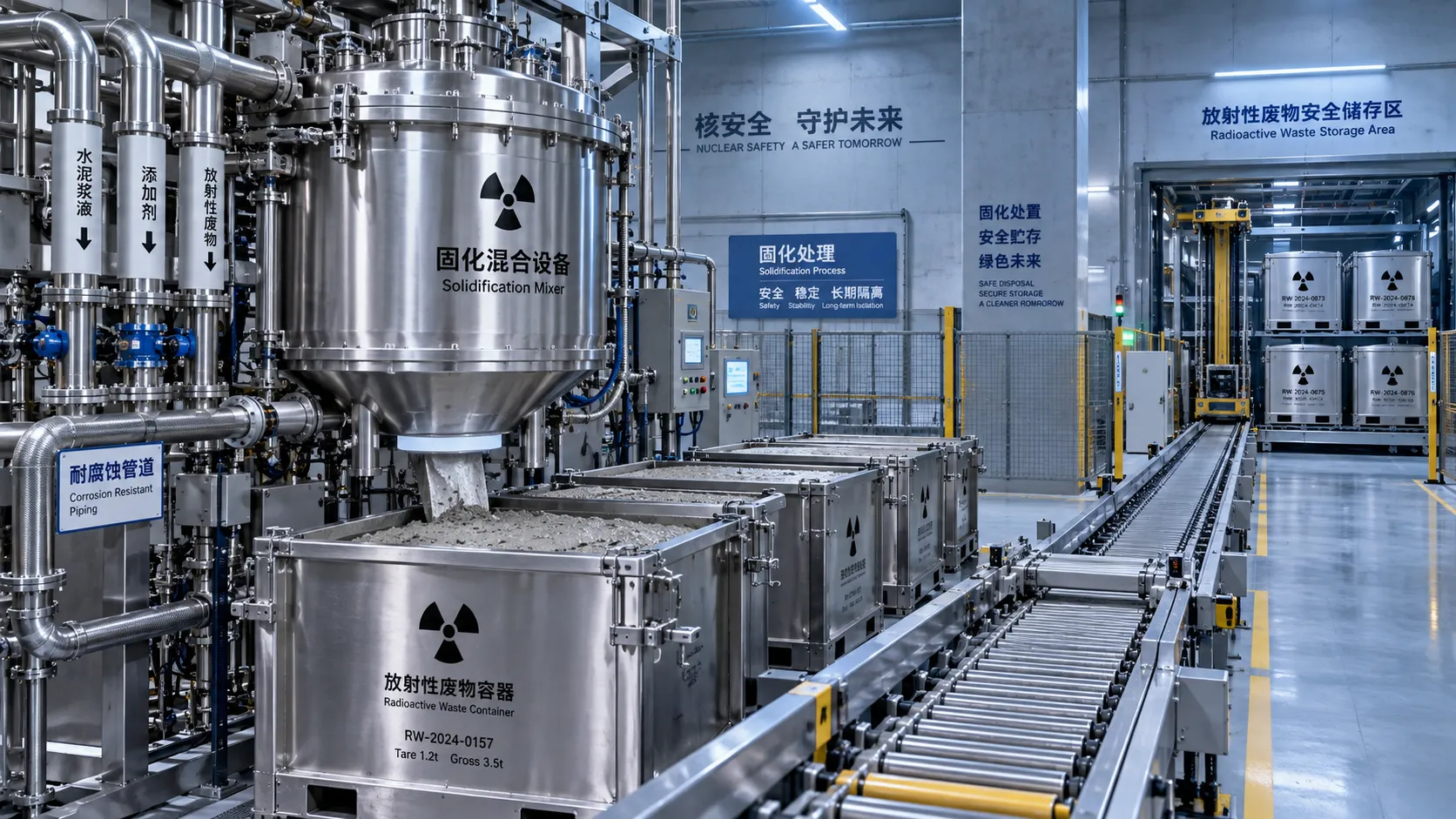
How nuclear plants select a radioactive waste solidification method
Radioactive waste management for nuclear plants: compare vitrification, cementation, polymers, and ceramics to select a compliant, durable solidification solution.
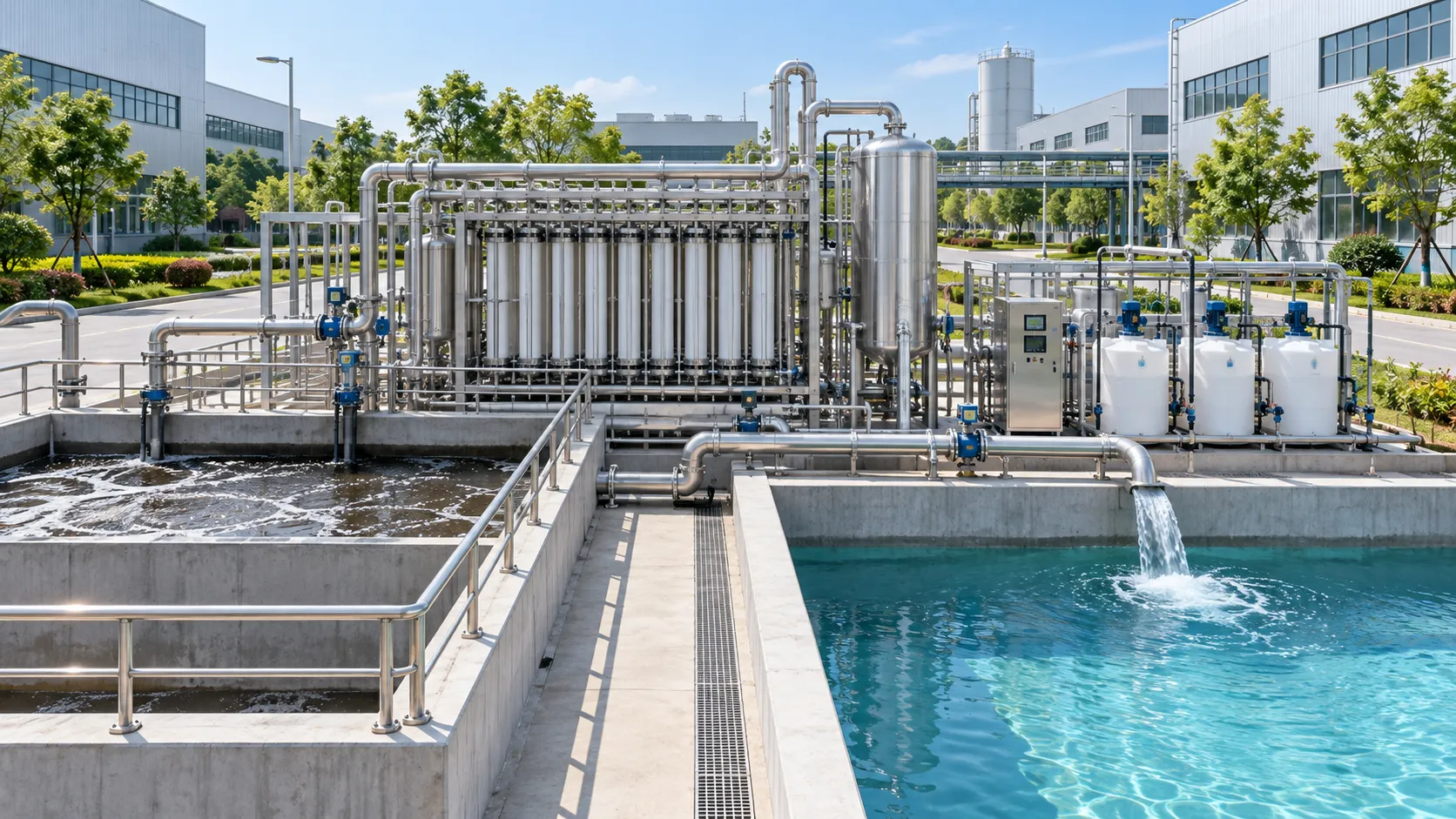
Comparing Upgrade Costs for Industrial Park Wastewater Treatment Systems
Compare costs for wastewater system upgrades in industrial parks with a lifecycle view of CAPEX, OPEX, compliance, resilience, and future expansion.
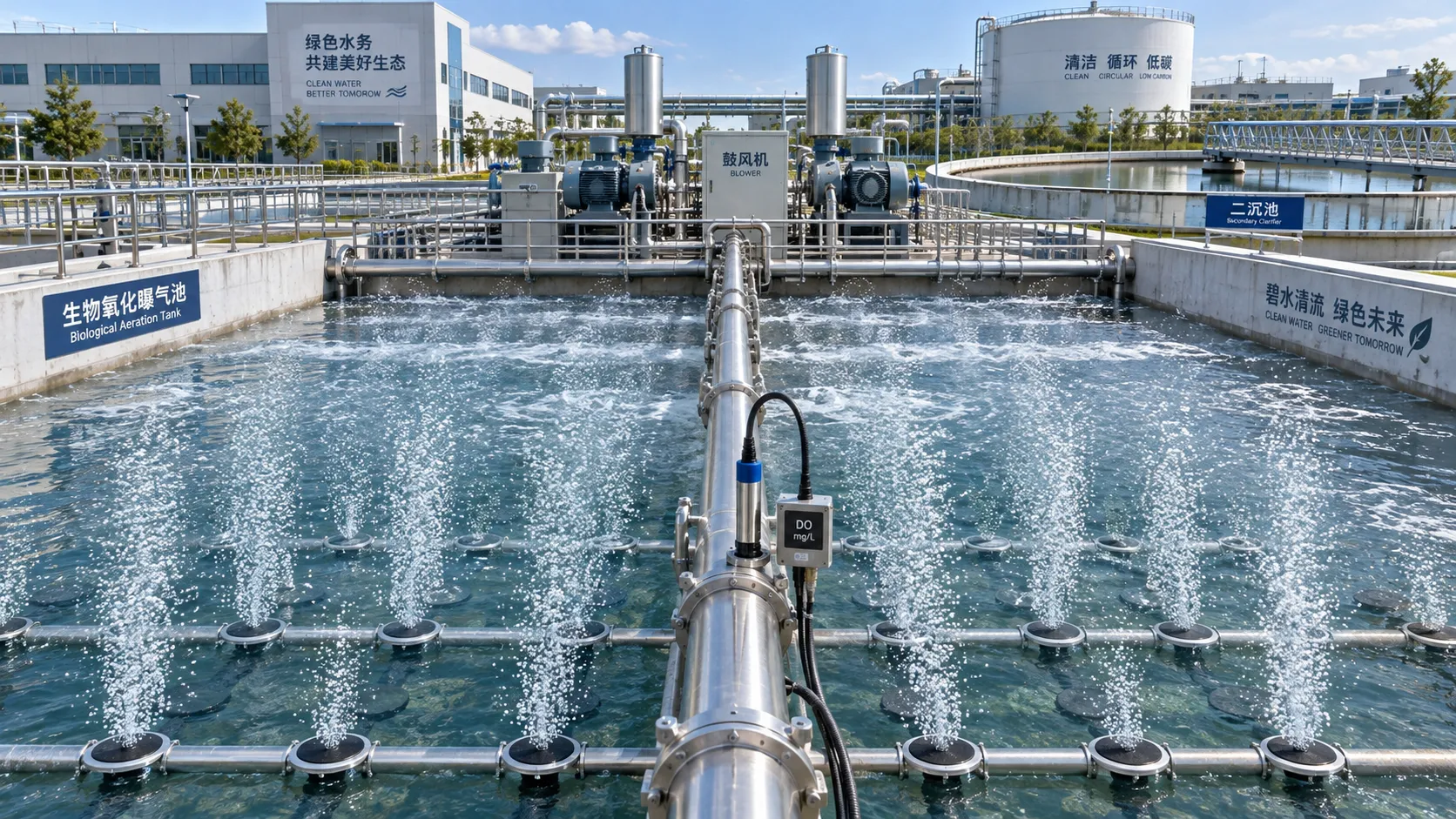
Biological Wastewater Oxidation Explained: Aeration Demand and Process Control
Biological wastewater oxidation explained: optimize aeration demand, DO control, nitrification, and sludge age for stable effluent quality and lower energy costs.
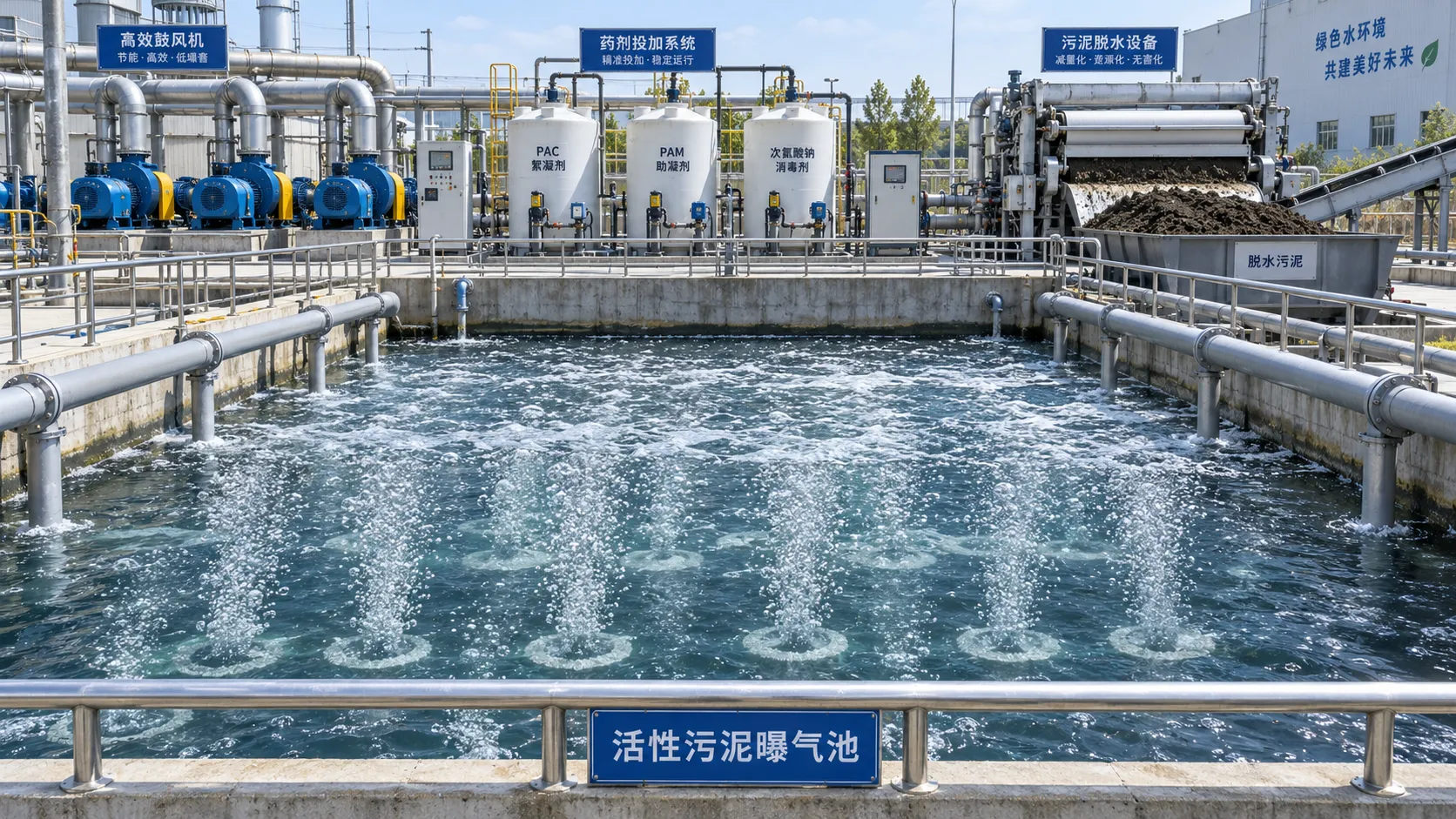
Activated Sludge Cost: Budgeting Energy, Chemicals, Sludge, and Labor
Activated sludge cost explained: compare energy, chemicals, sludge disposal, labor, and compliance risks to build a reliable lifecycle budget.
When Should Municipal Wastewater Plants Upgrade Treatment Capacity and Controls?
Municipal wastewater treatment upgrades: learn when capacity, controls, and resilient planning are needed to protect compliance and optimize plant performance.