
Industry News
Curation by industry experts
Hot Articles
Popular Tags
Air Pollution Control Costs to Check Before Upgrading
Air Pollution Control Costs to Check Before Upgrading
Before approving an upgrade, the full cost curve behind air pollution control must be visible.
Capital equipment is only the first line. Installation, reagents, energy, maintenance, compliance exposure, and lifecycle stability shape the real budget.
As emission limits tighten, the cheapest system on paper can become the most expensive asset to operate.
A stronger air pollution control decision links environmental compliance, plant uptime, carbon pressure, and long-term return on investment.
Why the Upgrade Scenario Changes the Cost Logic
Air pollution control costs vary sharply by industrial scene, pollutant profile, and operating rhythm.
A cement kiln, waste incinerator, refinery heater, and biomass boiler do not need the same cost model.
Each site has different dust loading, sulfur content, NOx behavior, mercury risk, moisture, and corrosive gas conditions.
Therefore, an air pollution control upgrade should begin with operating scenarios, not equipment names.
The right question is not simply what system costs less today.
The better question is which system keeps compliance stable across real load changes.
ESD’s ecological intelligence view treats flue gas treatment as an industrial respirator.
That respirator must protect emission margins while avoiding hidden energy, waste, and reagent burdens.
Scenario One: High-Dust Plants Need Pressure Drop Discipline
High-dust applications include cement, steel sintering, mining, metallurgy, and some solid waste processing lines.
In these sites, air pollution control cost depends heavily on filtration resistance and fan power.
A low purchase price can hide years of excessive electricity demand.
Baghouse sizing, filter media selection, pulse cleaning logic, and inlet distribution all affect operating cost.
If dust is abrasive, premature bag failure can increase downtime and spare parts expense.
If dust is sticky, unstable cleaning can raise pressure drop and reduce production flexibility.
For high-dust air pollution control, check lifecycle fan energy before accepting a compact design.
Also test whether future particulate limits can be met without constant media replacement.
Scenario Two: SOx-Rich Flue Gas Requires Reagent and Waste Accounting
Sulfur-heavy sites include coal boilers, smelters, refineries, marine fuel systems, and some chemical plants.
Here, air pollution control cost is driven by desulfurization efficiency, reagent quality, and byproduct handling.
Wet FGD may deliver strong removal, but it brings pumps, slurry management, water use, and wastewater treatment.
Dry or semi-dry systems may reduce water pressure, yet reagent utilization can be less forgiving.
The decision should include limestone, lime, sodium sorbent, gypsum quality, sludge disposal, and blowdown treatment.
Corrosion allowance also matters. Chlorides and acidic mist can raise material costs quickly.
A strong air pollution control budget includes pumps, liners, mist eliminators, and spare absorber parts.
It also values water scarcity, because water treatment cost can reshape desulfurization economics.
Scenario Three: NOx Compliance Needs Temperature and Catalyst Realism
NOx-focused upgrades often involve SCR, SNCR, low-NOx burners, flue gas recirculation, or hybrid control.
For air pollution control, NOx cost depends on temperature window, ammonia use, catalyst life, and slip limits.
Low-temperature SCR may appear attractive where heat recovery has cooled the flue gas.
However, catalyst activity, poisoning, ammonium bisulfate risk, and soot deposition must be priced.
SNCR can reduce initial investment, but removal efficiency may fall under variable loads.
Excess reagent can create ammonia slip, odor issues, plume concerns, and downstream fouling.
A reliable air pollution control plan models seasonal fuel changes and turndown conditions.
It should also include catalyst replacement intervals, disposal rules, and monitoring accuracy.
Scenario Four: Waste Incineration Needs Multi-Pollutant Resilience
Waste-to-energy and hazardous waste plants face unstable feedstock chemistry and complex emission combinations.
Air pollution control cost in this scene must cover acid gases, dust, dioxins, mercury, metals, and NOx.
Activated carbon, hydrated lime, sodium bicarbonate, bag filters, scrubbers, and SCR may interact.
Underestimating one pollutant can force emergency reagent increases or unplanned shutdowns.
Residue disposal is another hidden cost. Fly ash may require stabilization before landfill acceptance.
Continuous emission monitoring also becomes critical because compliance windows are strict.
In waste incineration air pollution control, redundancy has financial value.
A single weak link can threaten permits, public trust, and heat sales continuity.
Scenario Five: Retrofit Sites Must Price Space, Downtime, and Integration
Retrofit projects rarely enjoy ideal layouts. Existing ducts, fans, stacks, foundations, and utilities constrain choices.
Air pollution control cost can rise through steelwork, duct rerouting, civil works, cranes, and temporary bypass systems.
Shutdown timing may be more expensive than the equipment itself.
If installation requires long outage windows, lost production should enter the upgrade calculation.
Digital integration also matters. Existing CEMS, DCS, analyzers, and safety interlocks may need upgrades.
A retrofit air pollution control plan should confirm access for inspection and maintenance.
If workers cannot reach dampers, bags, nozzles, or catalysts, maintenance cost will escalate.
Cost Differences by Application Scenario
This comparison shows why one air pollution control benchmark cannot fit every facility.
The cost baseline must follow the pollutant mix, operating pattern, and compliance margin.
Upgrade Cost Items That Need Early Verification
A practical air pollution control budget should separate visible costs from recurring hidden costs.
- Equipment package: reactor, scrubber, filter, catalyst, absorber, fans, pumps, and instruments.
- Installation: foundations, ducts, steel platforms, insulation, electrical work, and commissioning.
- Utilities: electricity, compressed air, process water, steam, and cooling demand.
- Consumables: lime, limestone, ammonia, urea, activated carbon, sorbents, and filter bags.
- Waste streams: gypsum, sludge, spent catalyst, fly ash, wastewater, and hazardous residues.
- Compliance tools: CEMS, calibration gases, audits, reporting software, and data retention.
Each item can change the net value of an air pollution control upgrade.
A low-capex option is weak if it consumes expensive reagents or reduces throughput.
Scenario Fit Recommendations Before Final Selection
The strongest air pollution control decisions combine technical fit with financial sensitivity testing.
- Build a pollutant map using normal load, peak load, startup, shutdown, and fuel variation data.
- Compare total cost of ownership over ten to fifteen years, not only capital expenditure.
- Run energy sensitivity under higher electricity prices and carbon-related cost pressure.
- Check reagent exposure under supply disruption, price volatility, and purity variation.
- Confirm emission performance with future limits, not only current permit thresholds.
- Demand maintenance access reviews before layout approval and construction release.
For heavy industrial bases, margin of safety is not an abstract concept.
It protects production continuity when air pollution control conditions become harsher than design assumptions.
Common Misjudgments That Distort Upgrade Economics
The first misjudgment is treating emission removal efficiency as the only performance indicator.
Stable air pollution control also depends on availability, turndown response, corrosion resistance, and operator workload.
The second mistake is ignoring the interaction between systems.
A scrubber can change moisture levels and affect downstream filtration or plume visibility.
The third mistake is underpricing data quality.
Weak monitoring can create disputes, penalties, or conservative operation that wastes reagents.
The fourth mistake is overlooking decommissioning and waste liability.
Spent catalyst, contaminated filter media, and sludge may carry regulated disposal obligations.
The fifth mistake is using supplier guarantees without checking boundary conditions.
Air pollution control guarantees should define fuel, temperature, moisture, dust, sulfur, chlorine, and operating load.
How to Connect Compliance, Carbon, and Lifecycle Return
Modern air pollution control is increasingly linked with carbon strategy and resource efficiency.
High electricity demand may raise indirect emissions and weaken decarbonization performance.
Heavy reagent use can create upstream emissions and logistics exposure.
Water-intensive scrubbing can conflict with water scarcity or zero liquid discharge plans.
This is where integrated ecological intelligence becomes valuable.
ESD tracks flue gas treatment, water purification, solid waste recovery, desalination, and nuclear waste safety together.
That wider view helps identify where an air pollution control upgrade shifts cost to another environmental boundary.
A balanced system reduces emissions without creating avoidable wastewater, residue, or energy penalties.
Action Steps Before Approving an Air Pollution Control Upgrade
Start with a site-specific emissions and cost baseline covering at least one full operating cycle.
Then compare upgrade options using lifecycle cost, compliance risk, and operational flexibility.
Request sensitivity cases for energy price, reagent price, stricter limits, and lower production load.
Validate maintenance access, outage planning, waste classification, and monitoring integration before final procurement.
The best air pollution control investment is not simply the lowest bid.
It is the system that protects permits, stabilizes production, and performs under tomorrow’s environmental pressure.
Use the upgrade review to turn compliance spending into a durable ecological shield.
With disciplined scenario analysis, air pollution control can support both cleaner industry and stronger financial resilience.
Recommended News
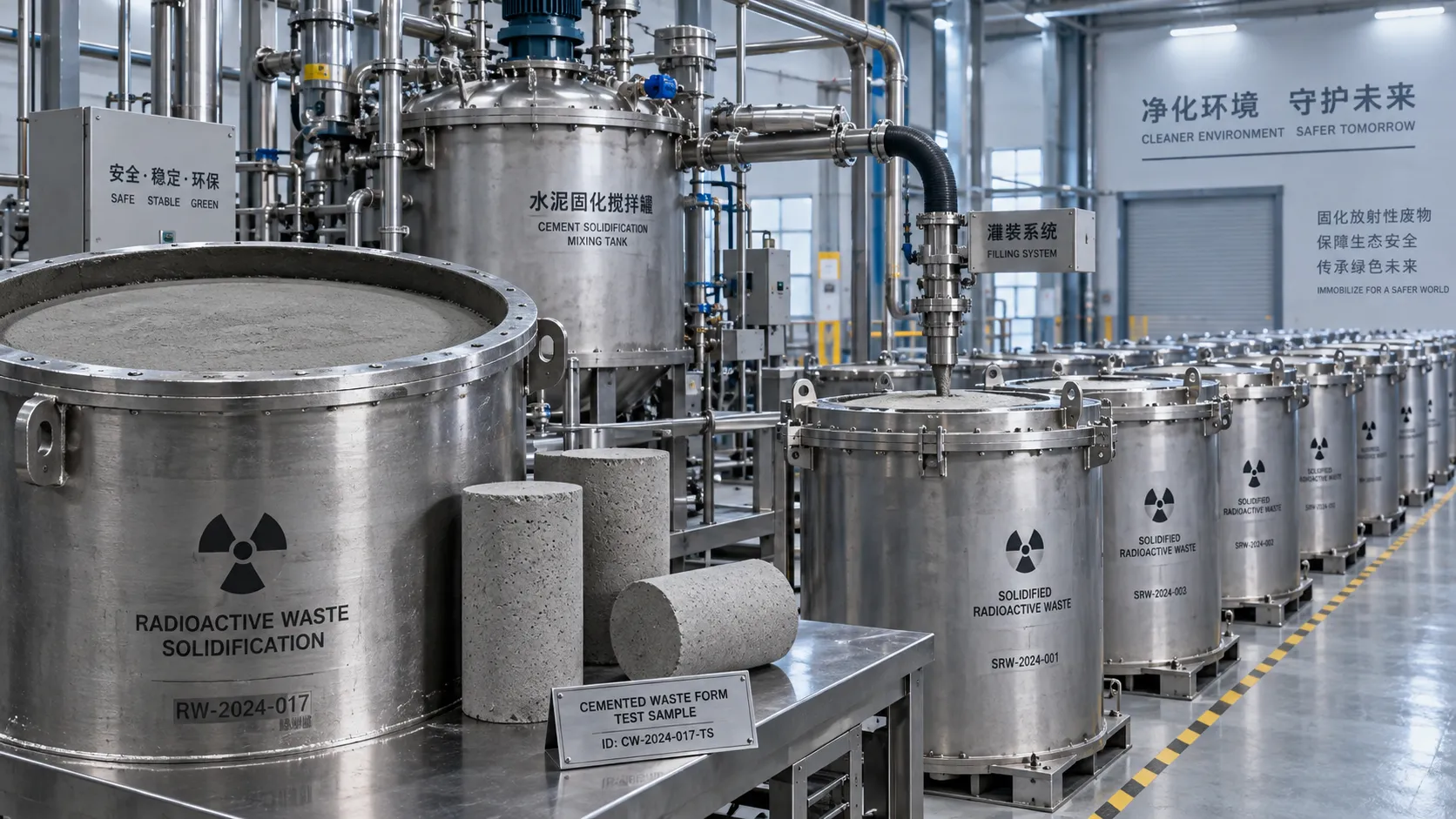
When is cementation suitable for nuclear decommissioning waste?
Explore nuclear waste treatment technology for decommissioning: learn when cementation fits, which risks to assess, and how disposal criteria guide an effective treatment choice.
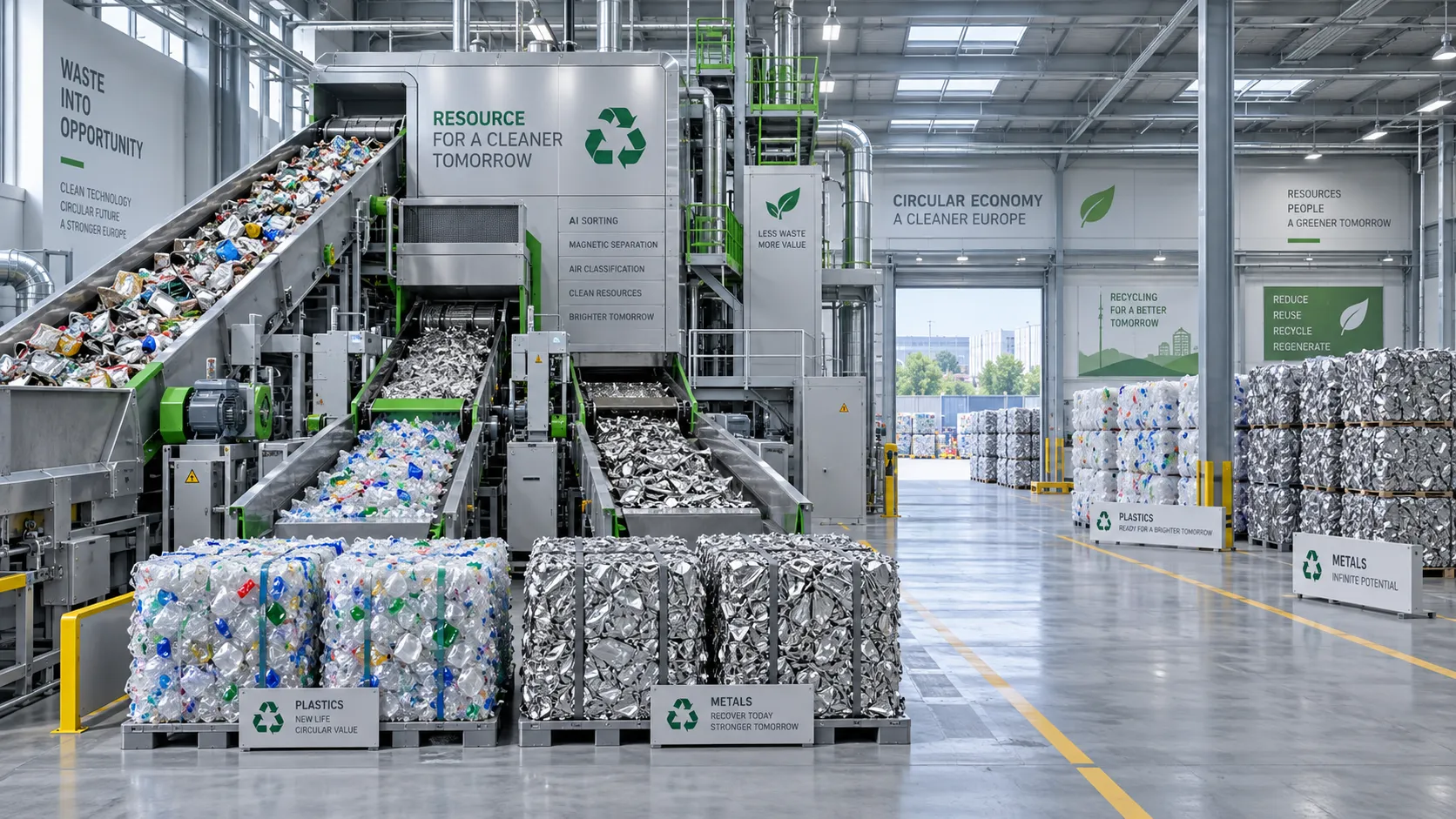
What determines payback for waste-to-resource systems in Europe?
Assess waste-to-resource systems Europe-wide: compare feedstock, recovery yields, costs and contracts to uncover payback drivers and make smarter investment decisions.
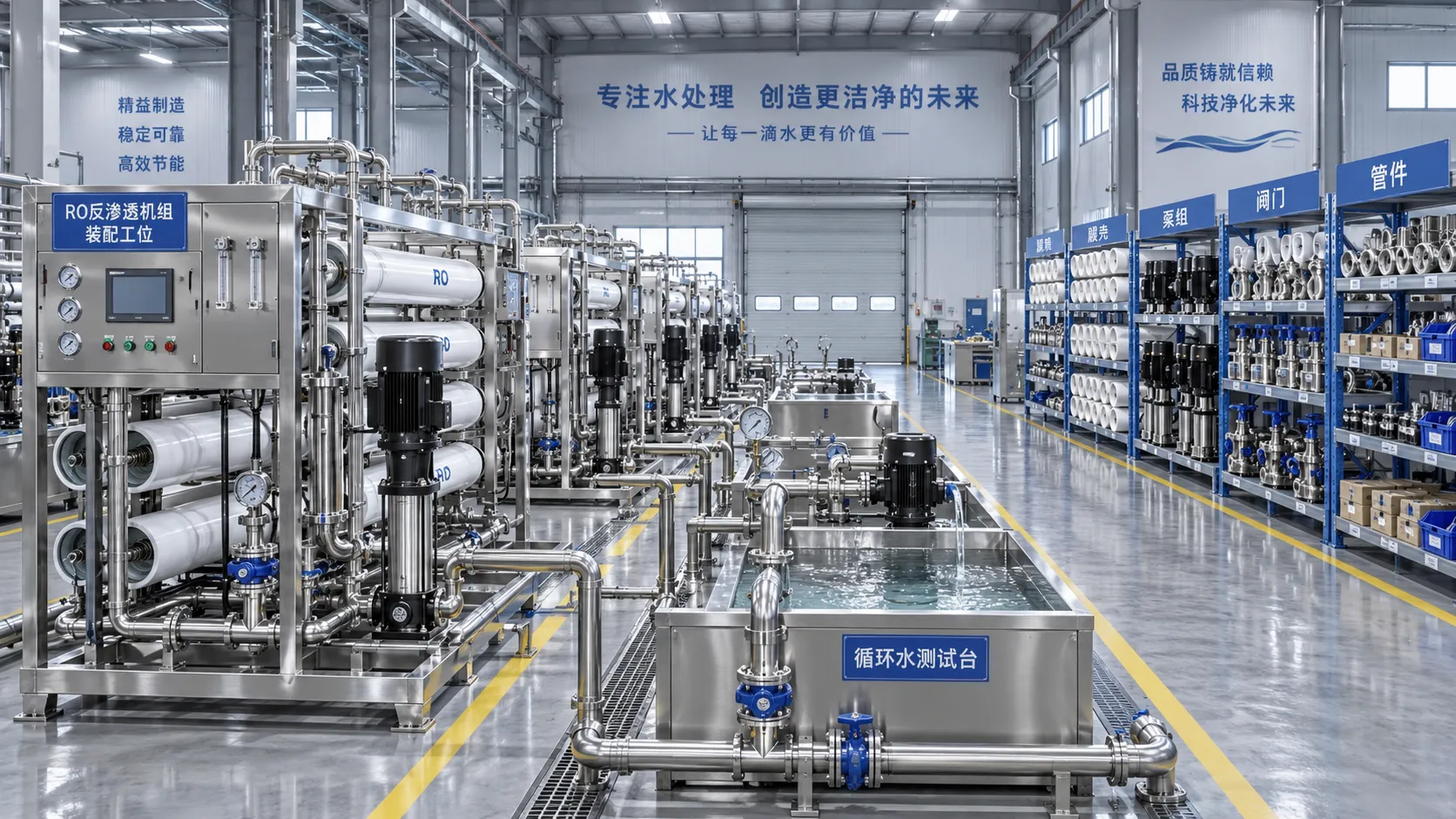
How to verify a water treatment system factory’s production capacity
Verify a water treatment systems factory’s production capacity through records, bottlenecks, component availability, and testing. Learn what to check before accepting a delivery promise.
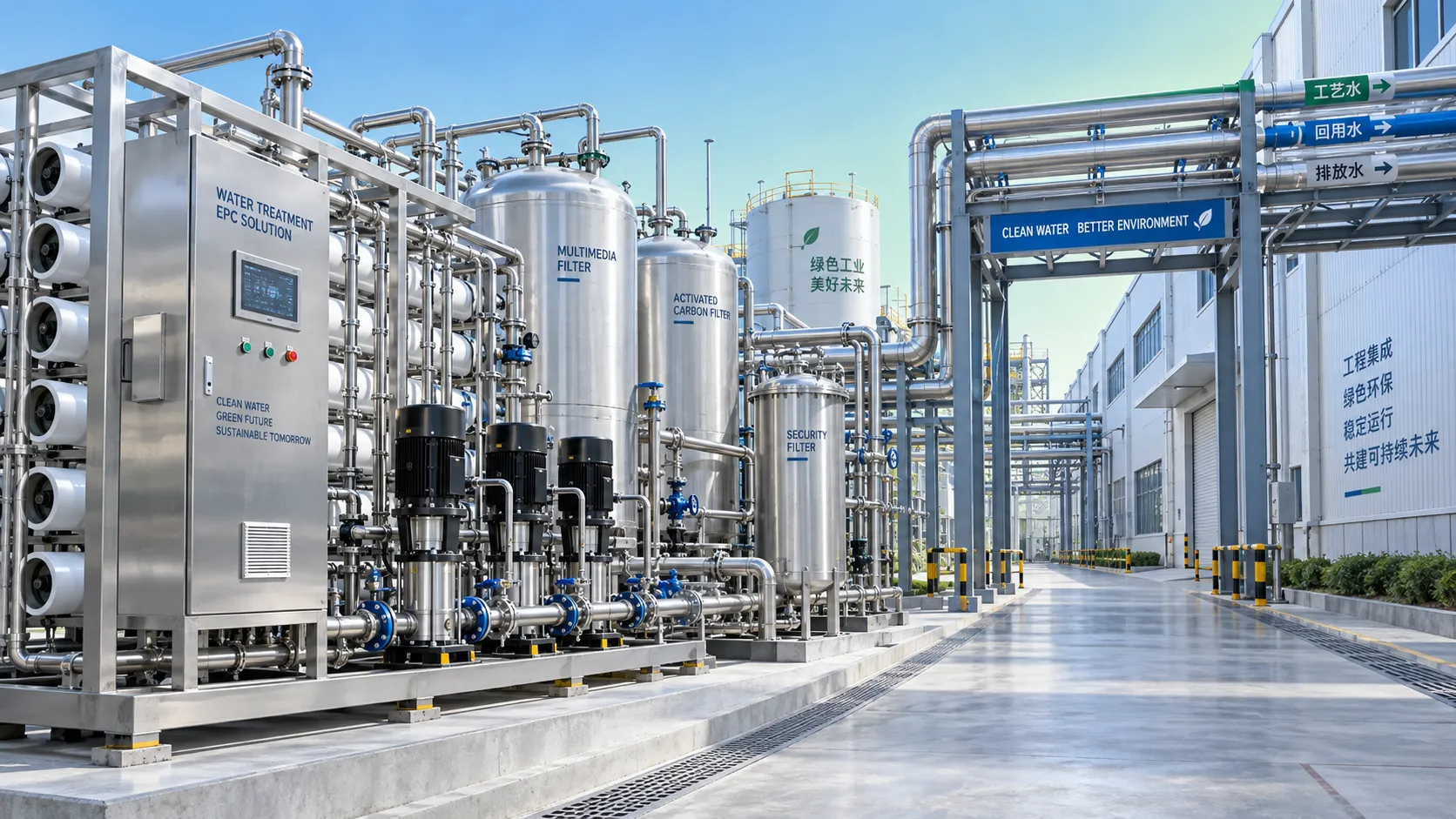
When does EPC environmental project support reduce delivery risk?
EPC environmental project support engineering reduces delivery risk by aligning design, procurement, compliance, construction, and commissioning decisions.
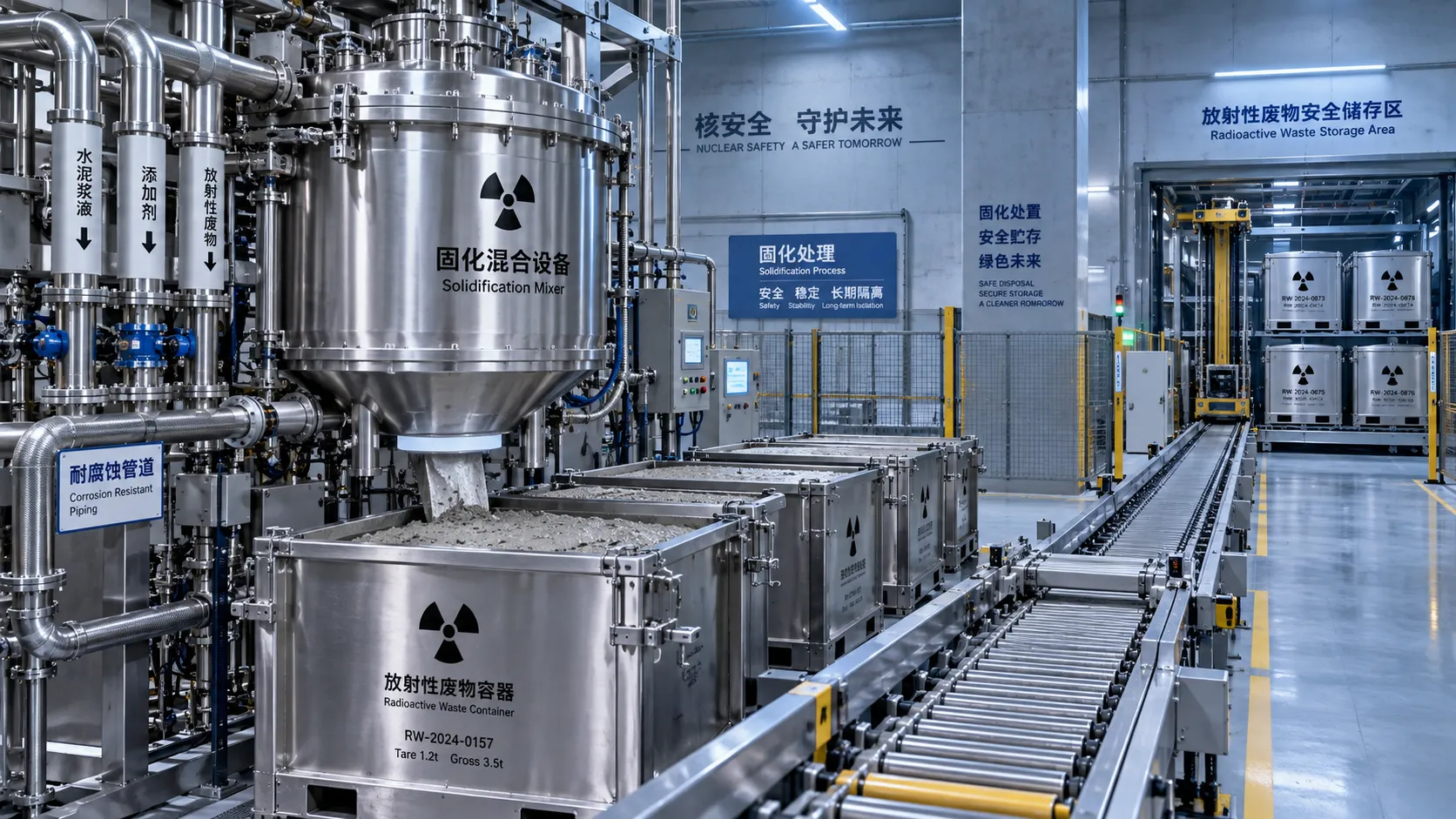
How nuclear plants select a radioactive waste solidification method
Radioactive waste management for nuclear plants: compare vitrification, cementation, polymers, and ceramics to select a compliant, durable solidification solution.
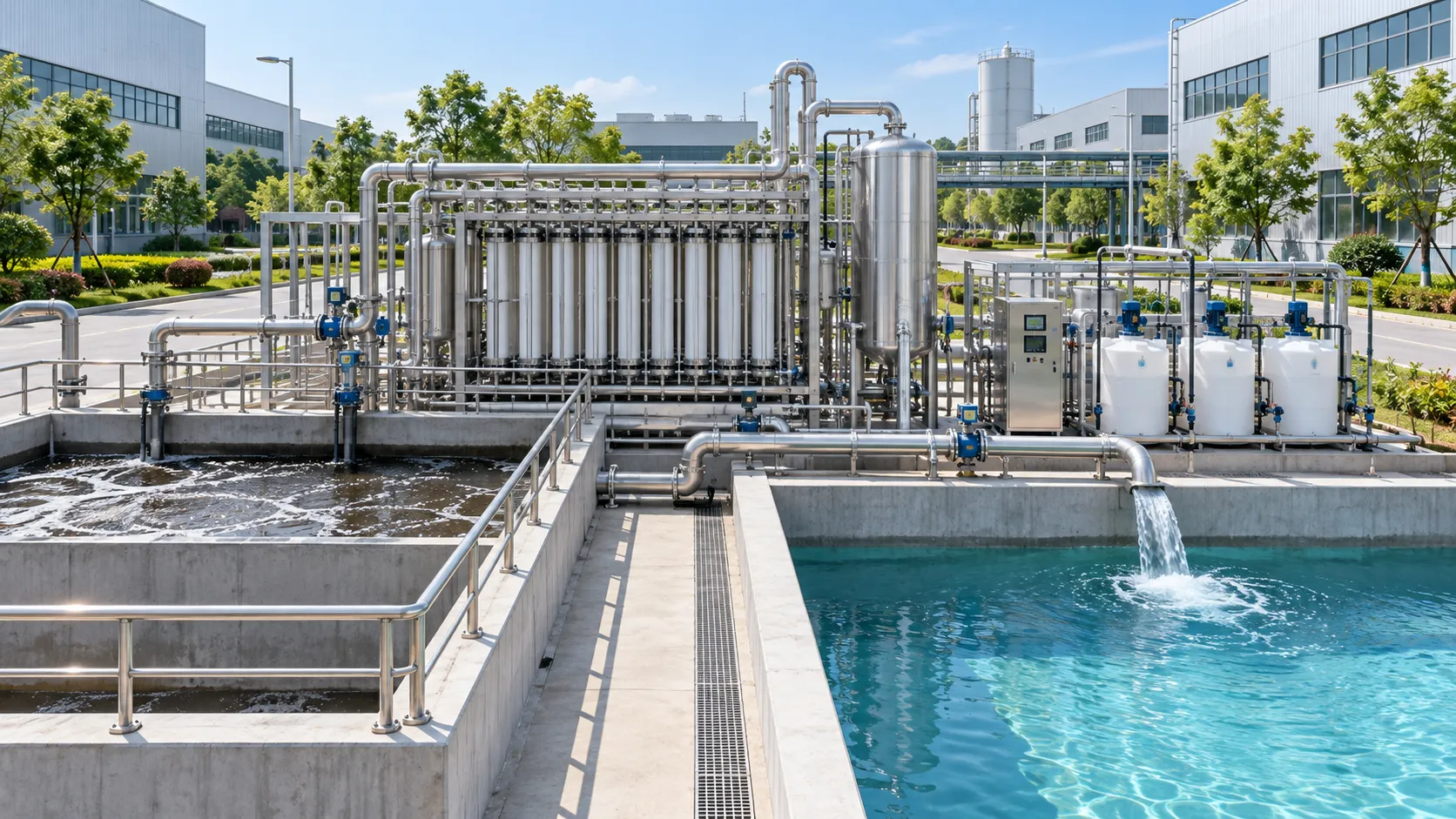
Comparing Upgrade Costs for Industrial Park Wastewater Treatment Systems
Compare costs for wastewater system upgrades in industrial parks with a lifecycle view of CAPEX, OPEX, compliance, resilience, and future expansion.
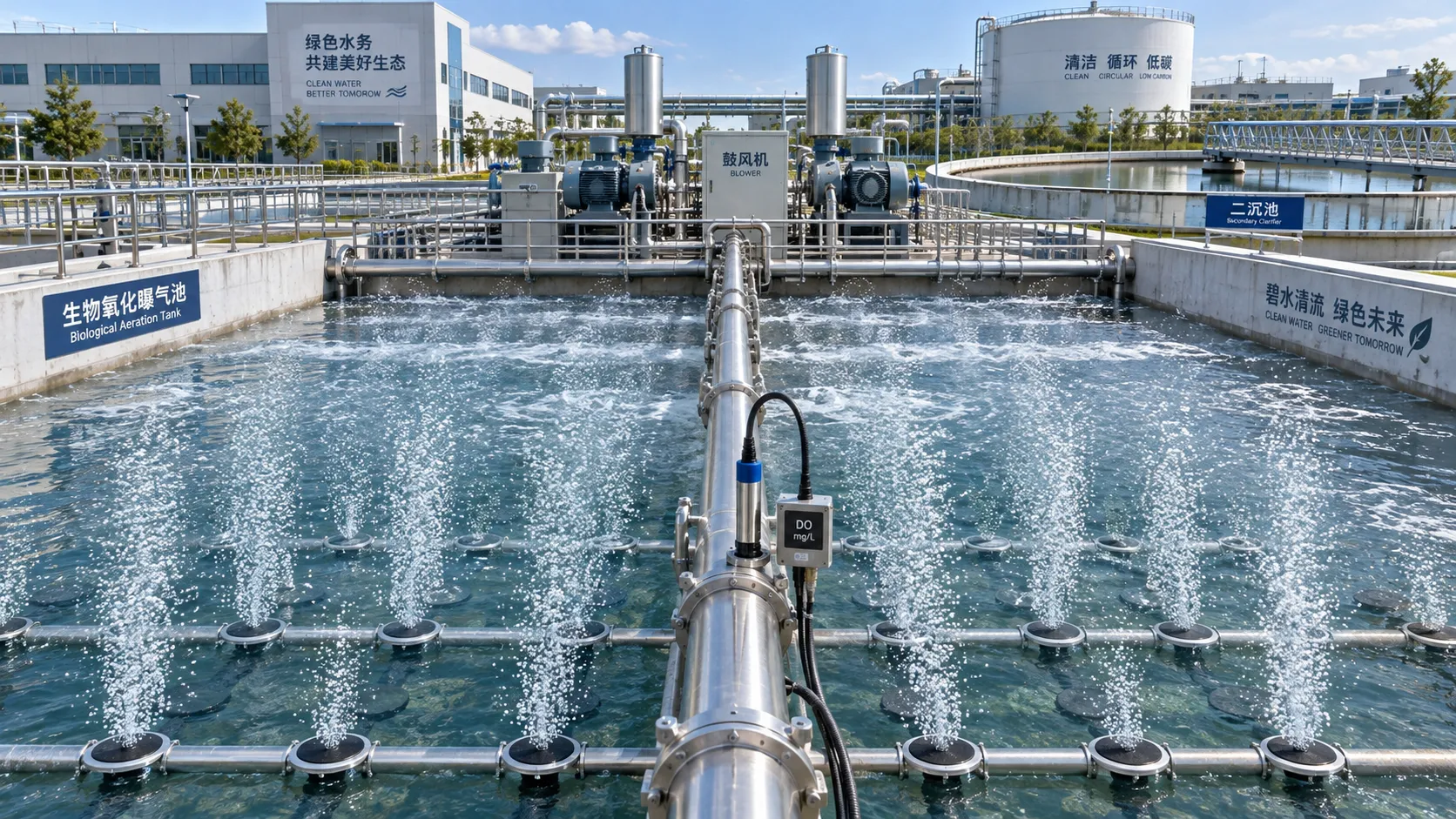
Biological Wastewater Oxidation Explained: Aeration Demand and Process Control
Biological wastewater oxidation explained: optimize aeration demand, DO control, nitrification, and sludge age for stable effluent quality and lower energy costs.
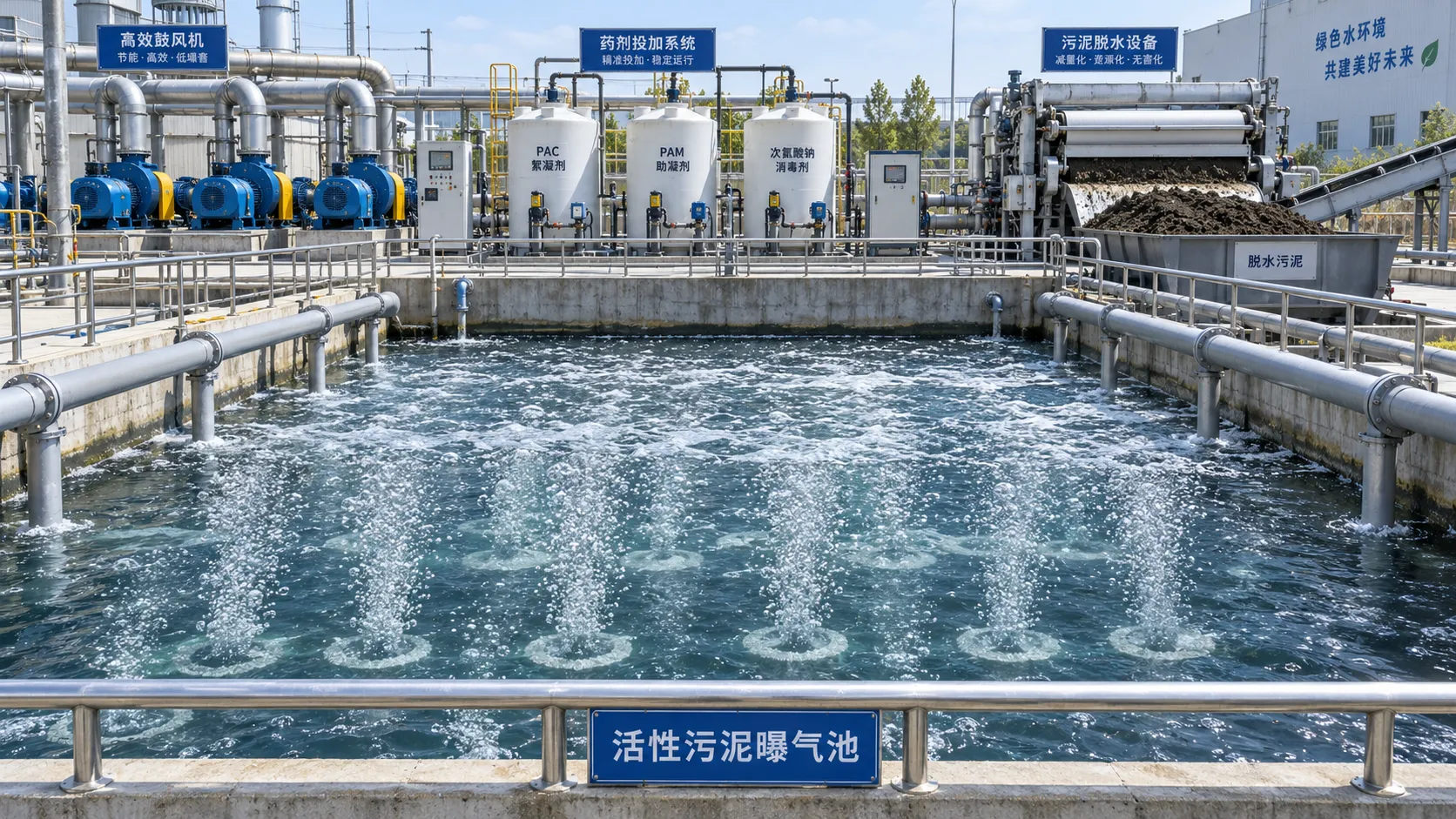
Activated Sludge Cost: Budgeting Energy, Chemicals, Sludge, and Labor
Activated sludge cost explained: compare energy, chemicals, sludge disposal, labor, and compliance risks to build a reliable lifecycle budget.
When Should Municipal Wastewater Plants Upgrade Treatment Capacity and Controls?
Municipal wastewater treatment upgrades: learn when capacity, controls, and resilient planning are needed to protect compliance and optimize plant performance.