
Industry News
Curation by industry experts
Hot Articles
Popular Tags
Circular Economy Trends in 2026: Where Industrial Value Is Shifting
Circular Economy Trends in 2026: Where Industrial Value Is Shifting
In 2026, the circular economy is no longer a sustainability slogan—it is becoming a strategic map for where industrial value is moving.
The shift is visible in resource recovery, water reuse, waste-to-value systems, carbon-linked compliance, and high-reliability environmental equipment.
As regulations tighten and supply chains seek resilience, organizations can turn ecological constraints into competitive advantage, capital efficiency, and long-term market authority.
1. What does the circular economy mean for industrial value in 2026?
The circular economy means industrial value is shifting from linear throughput to controlled resource loops.
Instead of extracting, using, and discarding materials, industries are designing systems that recover water, metals, energy, chemicals, and carbon value.
In 2026, this change is becoming measurable through procurement rules, taxonomies, carbon pricing, and environmental permitting.
The circular economy is also moving from consumer recycling into heavy infrastructure.
Large water treatment plants, flue gas systems, desalination facilities, solid waste recovery lines, and nuclear waste systems are now central assets.
These assets protect ecological boundaries while creating secondary resource streams.
A wastewater plant can become a water reuse hub.
A waste sorting facility can become an urban mining platform.
A desalination project can become a strategic water security asset.
For ESD’s intelligence focus, the circular economy is not only about sustainability reporting.
It is about extreme purification, closed-loop engineering, compliance certainty, and equipment reliability under demanding industrial conditions.
2. Which circular economy trends will define 2026?
Several circular economy trends are converging in 2026, especially across water, waste, air, and critical materials.
Water reuse moves from optional to strategic
Water scarcity is making reuse a core industrial planning issue.
Zero Liquid Discharge, membrane bioreactors, advanced oxidation, and brine management are gaining stronger business justification.
The circular economy trend here is clear: wastewater is becoming feedstock, not liability.
Urban mining becomes more data-driven
AI sorting, pyrolysis, mechanical separation, and chemical recycling are improving material recovery rates.
The value is shifting toward systems that identify materials accurately and convert mixed waste into usable industrial inputs.
This circular economy model reduces dependence on virgin material markets.
Carbon compliance becomes a value filter
Mechanisms such as CBAM are changing how industrial products are evaluated.
Low-carbon materials, verified recycling content, and traceable environmental performance can support market access.
The circular economy is therefore linked directly to trade competitiveness.
High-reliability environmental equipment becomes decisive
Circular systems fail when equipment cannot perform under variable loads, corrosive chemistry, or strict emission limits.
Durable membranes, SCR catalysts, FGD scrubbers, vitrification systems, and control platforms are becoming value-defining infrastructure.
3. Where is circular economy value shifting across major applications?
The circular economy is creating different value pools across industrial applications.
The most attractive areas combine regulatory pressure, resource scarcity, technical maturity, and measurable payback.
- Large water treatment: value shifts toward reuse, ZLD, sludge minimization, and nutrient recovery.
- Solid waste recovery: value shifts toward AI sorting, plastics recovery, metals recovery, and waste-to-energy integration.
- Flue gas treatment: value shifts toward compliance stability, carbon-linked reporting, and pollutant capture efficiency.
- Seawater desalination: value shifts toward energy optimization, membrane durability, and brine resource recovery.
- Nuclear waste management: value shifts toward containment reliability, vitrification quality, and long-term safety assurance.
These applications show that the circular economy does not have one single business model.
In some sectors, value comes from recovered materials.
In others, value comes from avoided discharge, reduced compliance risk, or secure access to scarce resources.
The strongest projects combine several value drivers at once.
For example, an industrial water reuse project may reduce freshwater purchases, lower wastewater fees, and support regulatory approvals.
A circular economy waste recovery project may reduce landfill exposure while producing feedstock for manufacturing.
4. How should organizations judge which circular economy projects matter most?
Not every circular economy project deserves immediate investment.
The best decisions compare resource exposure, compliance urgency, technical readiness, and financial resilience.
A practical evaluation should start with material and water flow mapping.
This reveals where losses, costs, emissions, and compliance risks concentrate.
The next step is technical screening.
Equipment must match contaminant profiles, throughput variation, energy limits, residue characteristics, and local discharge standards.
Financial analysis should include more than simple payback.
The circular economy often creates value through risk reduction, procurement stability, product eligibility, and avoided penalties.
A strong circular economy project usually answers several of these questions positively.
5. What risks and misconceptions should be avoided?
The biggest misconception is that circular economy systems are automatically profitable or low-risk.
In practice, value depends on engineering precision, feedstock quality, regulatory context, and operating discipline.
One common risk is contamination variability.
Waste streams, wastewater, and flue gas loads rarely remain constant.
Systems designed only around average conditions may fail during peak stress.
Another risk is underestimating residues.
A circular economy process may recover valuable material while generating brine, ash, sludge, or hazardous concentrates.
These byproducts require secure treatment, disposal, or further recovery strategies.
There is also a reporting risk.
Claims about recycled content, carbon reduction, or water reuse must be verifiable.
Weak data can damage compliance credibility and market trust.
- Do not select technology before understanding the waste or water chemistry.
- Do not ignore energy use when evaluating resource recovery.
- Do not assume recovered material will automatically meet buyer specifications.
- Do not treat circular economy reporting as separate from operational data.
The most resilient approach combines technical validation, lifecycle analysis, compliance mapping, and commercial offtake planning.
6. How can circular economy strategy become an actionable roadmap?
A circular economy roadmap should translate ambition into staged engineering and commercial decisions.
The first stage is diagnosis.
Map water, waste, energy, emissions, residues, and material losses across the operating system.
The second stage is opportunity ranking.
Prioritize projects where resource recovery, compliance improvement, and economic value overlap.
The third stage is technology matching.
Evaluate membranes, sorting systems, catalysts, thermal processes, brine treatment, and immobilization technologies against real operating conditions.
The fourth stage is proof.
Use pilots, performance guarantees, digital monitoring, and third-party testing to reduce uncertainty.
The fifth stage is scale.
Integrate equipment procurement, financing logic, permitting, operations training, and circular economy performance reporting.
- Identify the highest-value leakage points.
- Screen technologies against actual chemistry and load variability.
- Quantify avoided costs, recovered value, and compliance benefits.
- Build verification systems for carbon, water, and material claims.
- Scale only after operational reliability is proven.
This roadmap turns the circular economy into a disciplined industrial strategy rather than a broad environmental promise.
FAQ: Practical questions about circular economy trends in 2026
Conclusion: Turning ecological limits into industrial advantage
In 2026, the circular economy is becoming a practical map of industrial value migration.
Value is moving toward systems that recover resources, reduce discharge, verify carbon performance, and withstand stricter environmental standards.
The strongest strategies will not rely on slogans.
They will rely on intelligence, engineering discipline, compliance foresight, and equipment that performs under real industrial pressure.
A practical next step is to map the largest resource losses and compliance exposures.
Then compare circular economy solutions by technical reliability, recovered value, risk reduction, and long-term regulatory fit.
That is where ecological limits become operational strength, and where future industrial authority is likely to emerge.
Recommended News
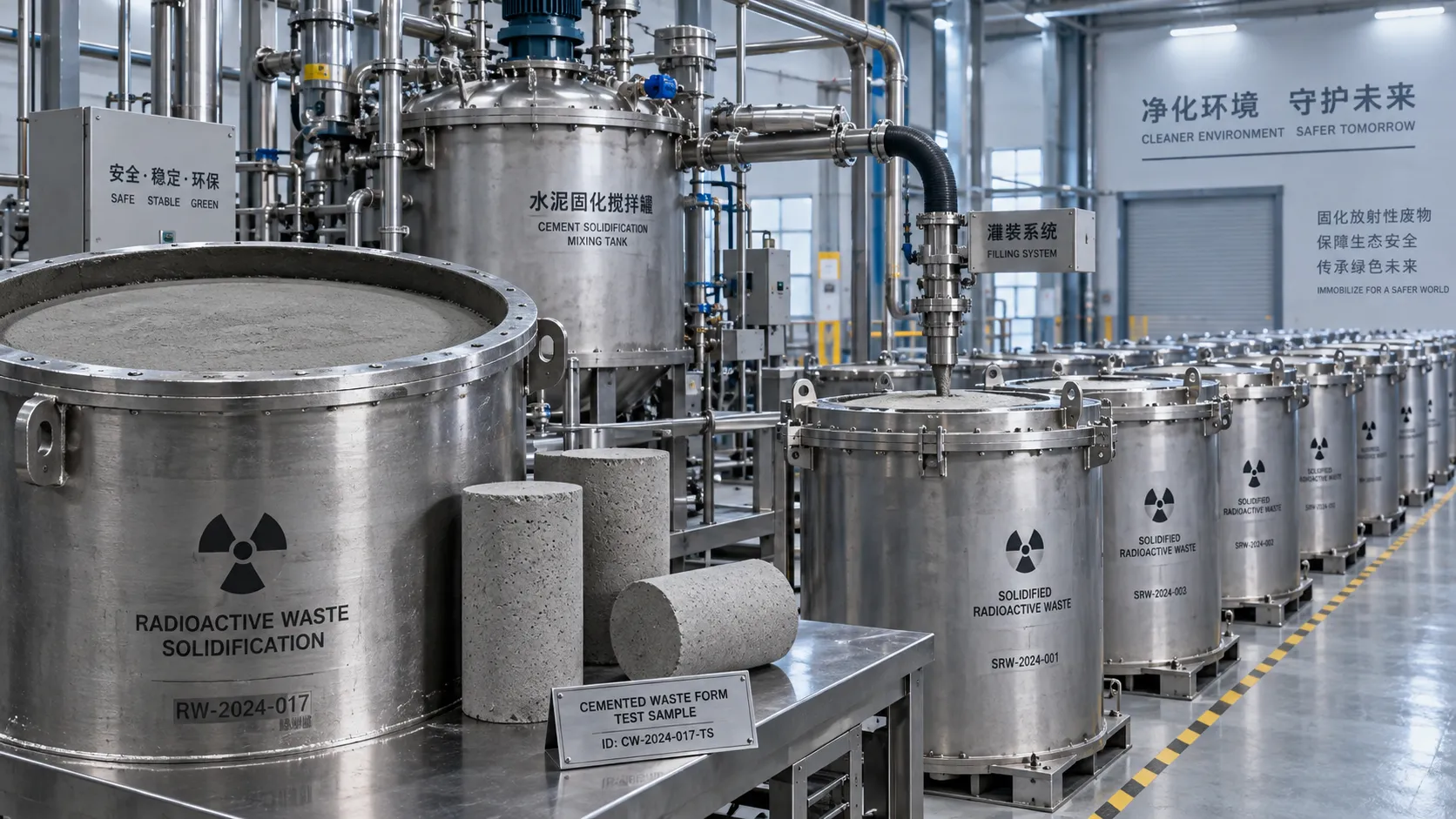
When is cementation suitable for nuclear decommissioning waste?
Explore nuclear waste treatment technology for decommissioning: learn when cementation fits, which risks to assess, and how disposal criteria guide an effective treatment choice.
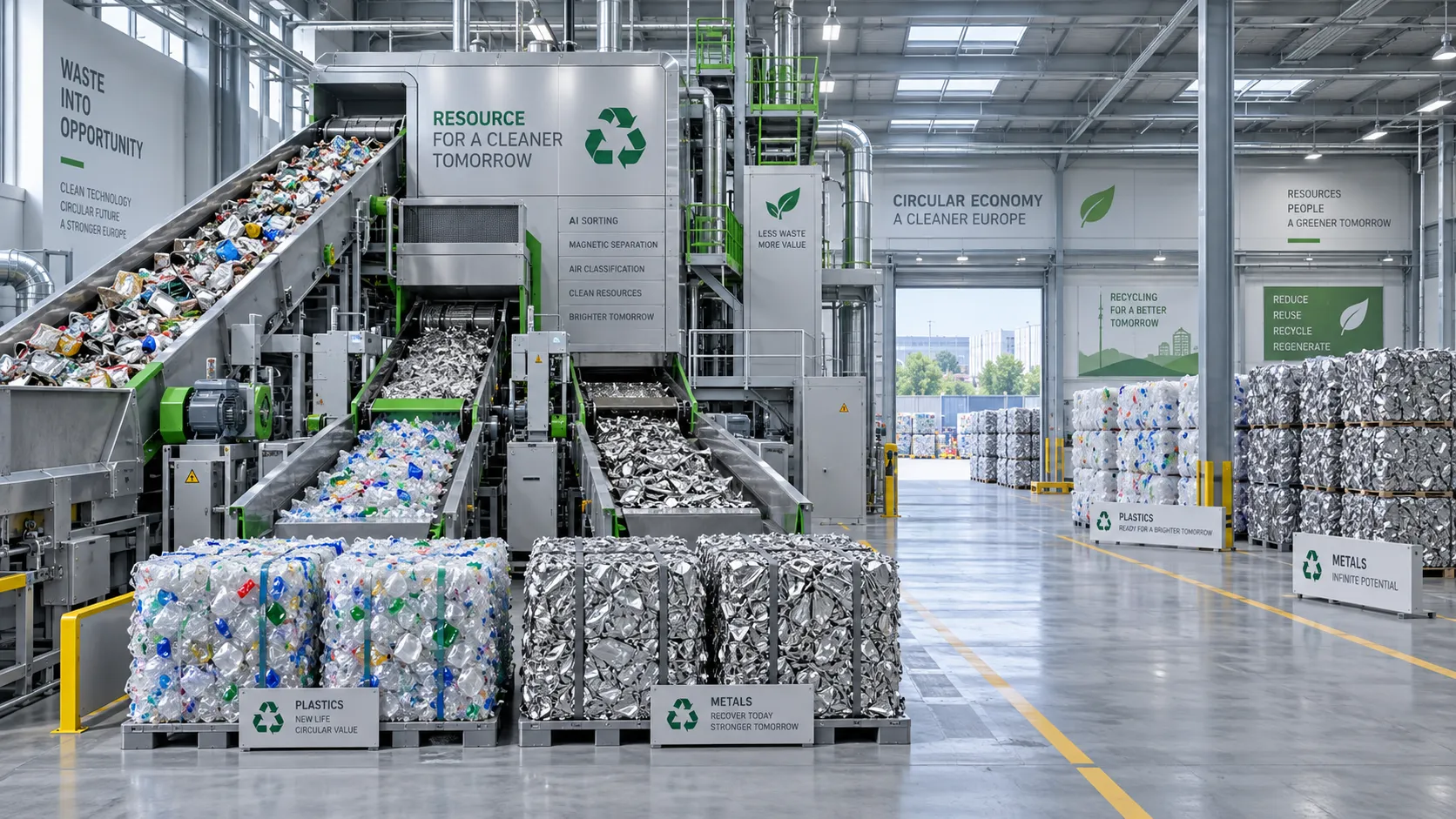
What determines payback for waste-to-resource systems in Europe?
Assess waste-to-resource systems Europe-wide: compare feedstock, recovery yields, costs and contracts to uncover payback drivers and make smarter investment decisions.
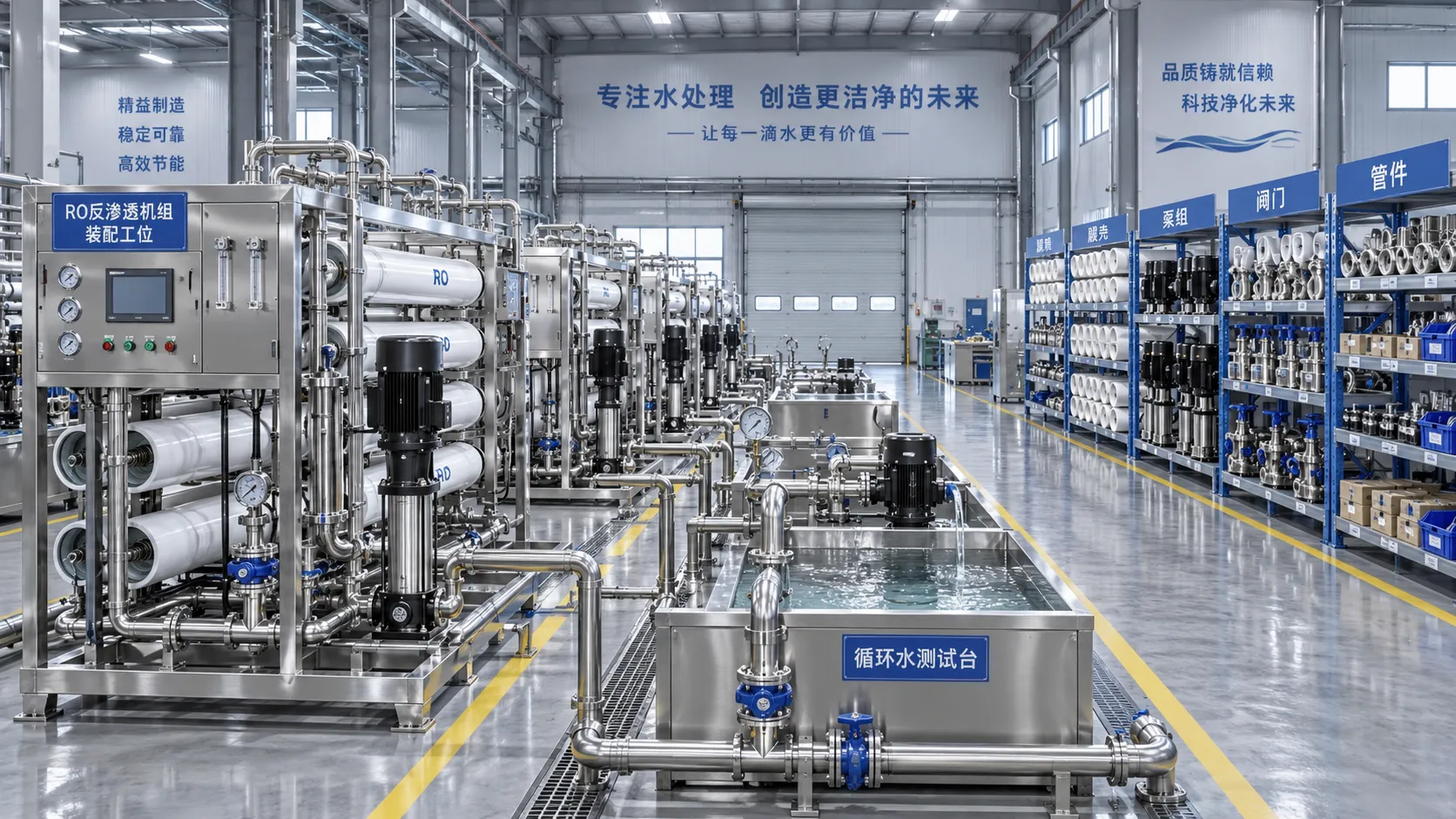
How to verify a water treatment system factory’s production capacity
Verify a water treatment systems factory’s production capacity through records, bottlenecks, component availability, and testing. Learn what to check before accepting a delivery promise.
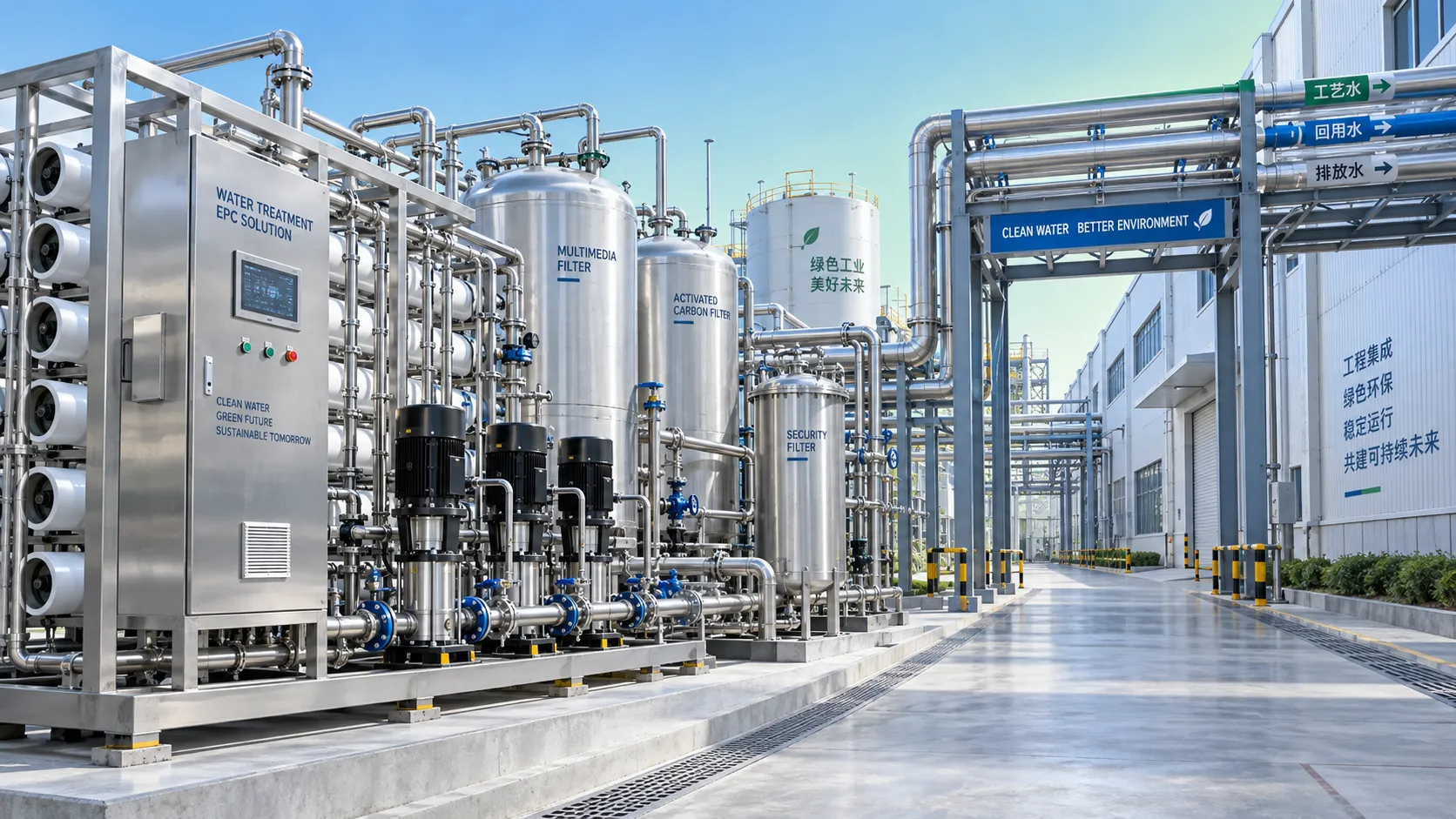
When does EPC environmental project support reduce delivery risk?
EPC environmental project support engineering reduces delivery risk by aligning design, procurement, compliance, construction, and commissioning decisions.
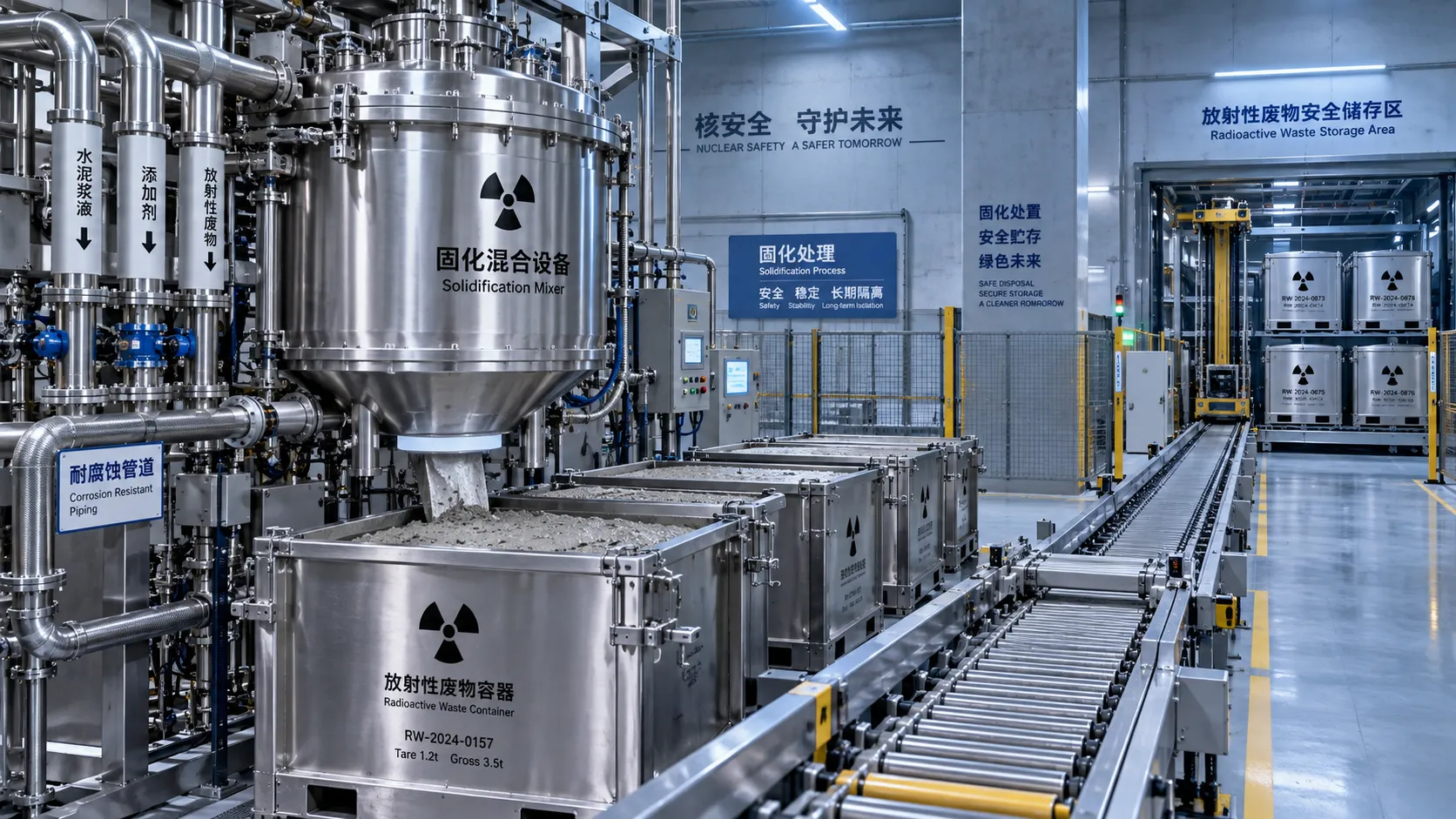
How nuclear plants select a radioactive waste solidification method
Radioactive waste management for nuclear plants: compare vitrification, cementation, polymers, and ceramics to select a compliant, durable solidification solution.
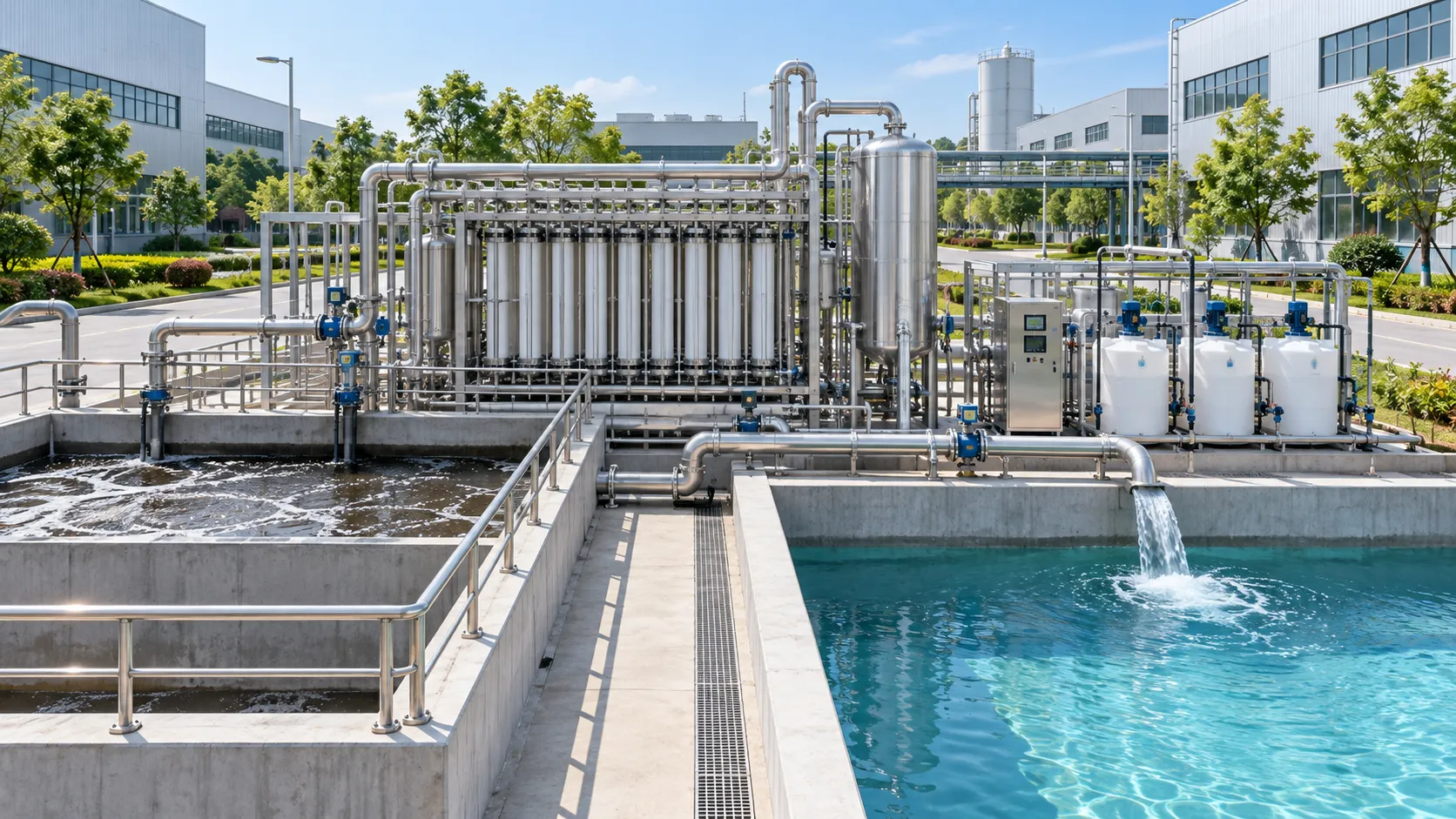
Comparing Upgrade Costs for Industrial Park Wastewater Treatment Systems
Compare costs for wastewater system upgrades in industrial parks with a lifecycle view of CAPEX, OPEX, compliance, resilience, and future expansion.
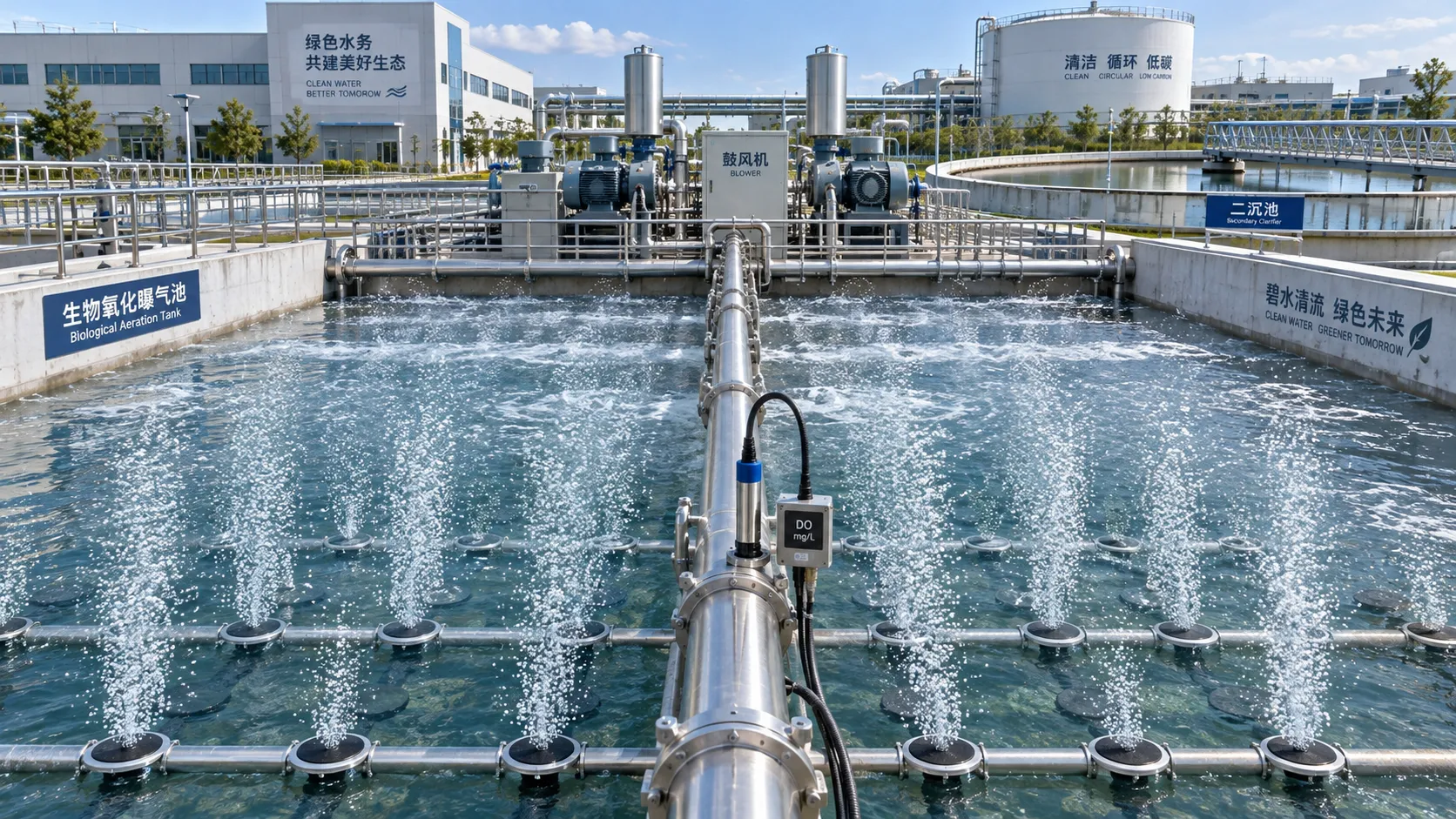
Biological Wastewater Oxidation Explained: Aeration Demand and Process Control
Biological wastewater oxidation explained: optimize aeration demand, DO control, nitrification, and sludge age for stable effluent quality and lower energy costs.
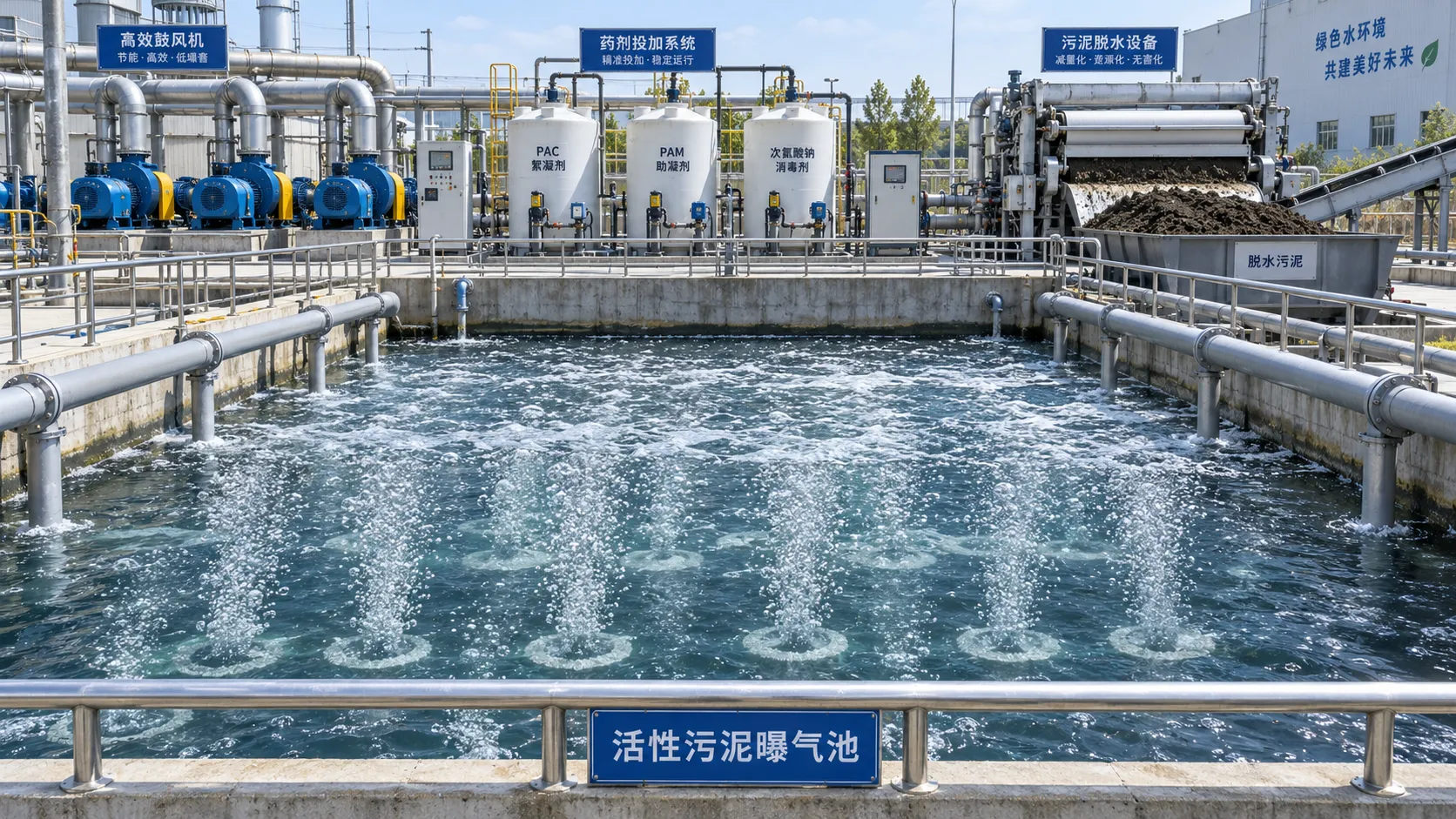
Activated Sludge Cost: Budgeting Energy, Chemicals, Sludge, and Labor
Activated sludge cost explained: compare energy, chemicals, sludge disposal, labor, and compliance risks to build a reliable lifecycle budget.
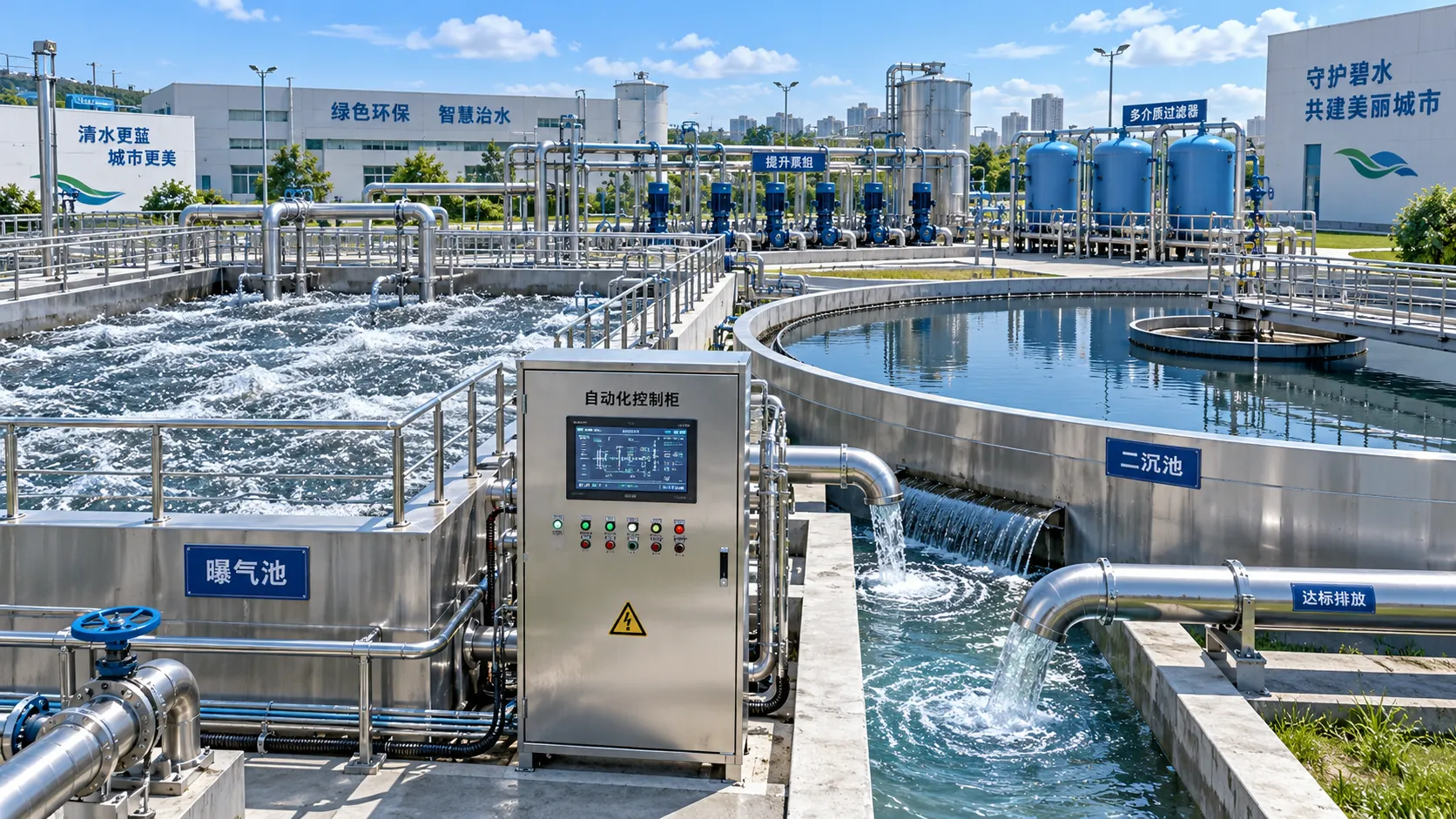
When Should Municipal Wastewater Plants Upgrade Treatment Capacity and Controls?
Municipal wastewater treatment upgrades: learn when capacity, controls, and resilient planning are needed to protect compliance and optimize plant performance.