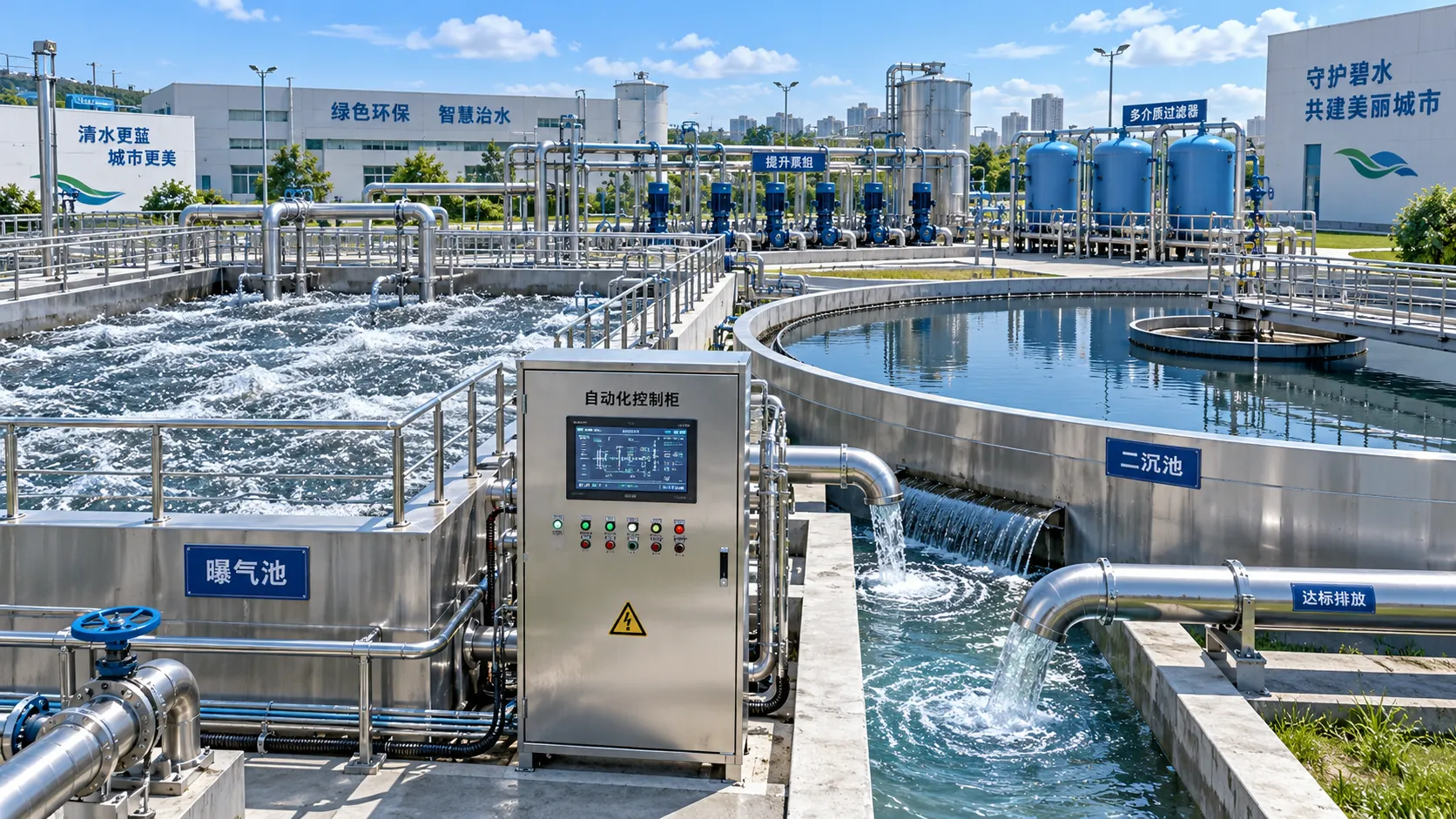
As global regulations tighten and carbon costs reshape industrial competitiveness, a practical decarbonization roadmap for manufacturing is now a board-level necessity.
In 2026, enterprise leaders must align energy efficiency, circular resource use, emissions control, water stewardship, and compliance intelligence into one executable strategy.
This roadmap shows how manufacturers can reduce risk, improve capital access, and strengthen market positioning while advancing carbon neutrality and resilient environmental performance.
What Executives Really Need from a 2026 Decarbonization Roadmap
Manufacturing leaders are not searching for another climate slogan. They need a decision framework that protects margins, licenses, customers, and financing capacity.
The core search intent behind “decarbonization roadmap for manufacturing” is practical prioritization. Executives want to know what to do first, what pays back, and what reduces exposure.
They also need confidence that decarbonization will not weaken production reliability. Any roadmap must respect throughput, product quality, safety, and maintenance realities.
In 2026, the strongest roadmap connects carbon reduction with operational excellence. Energy, water, waste, emissions, procurement, and reporting must be managed together.
The weakest approach is treating carbon as a reporting project. That creates dashboards without abatement, targets without accountability, and compliance risk without strategic advantage.
Why 2026 Changes the Business Case
Three forces are making decarbonization more urgent for manufacturers: regulation, customer procurement pressure, and the financial market’s rising attention to transition risk.
Carbon pricing, emissions trading, and border adjustment mechanisms are turning embedded emissions into commercial variables. High-carbon products may face higher costs or restricted access.
Large buyers increasingly request product carbon footprints, renewable energy evidence, and supplier transition plans. Missing data can now disqualify otherwise competitive vendors.
Capital providers are also separating credible transition strategies from vague commitments. Manufacturers with bankable roadmaps can gain better access to sustainability-linked finance.
The business case is therefore broader than energy savings. It includes market eligibility, bidding strength, insurance resilience, regulatory continuity, and valuation protection.
Start with a Carbon and Resource Baseline That Executives Can Trust
A reliable roadmap begins with a baseline covering Scope 1, Scope 2, and material Scope 3 categories that influence customers and compliance obligations.
For manufacturing, the baseline should connect emissions data to production lines, utilities, boilers, furnaces, wastewater systems, logistics, and purchased materials.
Executives should avoid accepting average estimates where operational decisions are needed. Investment choices require asset-level data, not only corporate-level totals.
The baseline should also include water withdrawal, wastewater intensity, hazardous waste, recoverable solids, flue gas pollutants, and energy losses across key processes.
This broader resource view is essential because many carbon reductions depend on heat recovery, closed-loop water reuse, material efficiency, and waste valorization.
Prioritize Measures by Cost, Risk, and Strategic Value
Not every decarbonization measure deserves immediate capital. The roadmap should rank actions by abatement potential, payback, disruption risk, and compliance impact.
A practical portfolio includes quick wins, medium-term retrofits, and transformational projects. This prevents companies from delaying action while waiting for perfect technology.
Quick wins often include compressed-air optimization, motor upgrades, steam trap management, insulation, variable-speed drives, and real-time energy monitoring.
Medium-term actions may include heat recovery, electrified process equipment, advanced wastewater reuse, high-efficiency filtration, optimized drying, and onsite renewable integration.
Transformational projects include green hydrogen, electric furnaces, carbon capture, zero liquid discharge, circular feedstock substitution, and deep redesign of production chemistry.
The board should see each measure as an investment case. Carbon reduced per dollar matters, but so do operational resilience and market access.
Make Energy Efficiency the First Strategic Layer
Energy efficiency remains the most bankable first layer because it cuts emissions while improving cost competitiveness. It is rarely glamorous, but often decisive.
Manufacturers should begin with energy mapping across utilities and production assets. Hidden losses often appear in steam networks, cooling loops, dryers, and pumps.
Digital energy management systems can reveal load patterns, equipment drift, abnormal consumption, and maintenance issues that traditional monthly reporting cannot capture.
The goal is not only lower consumption. It is a more controllable factory where energy intensity becomes a managed performance indicator.
For executives, the question is simple: which energy projects deliver verified savings, low operational disruption, and measurable contribution to carbon targets?
Electrification and Clean Power Must Be Sequenced Carefully
Electrification is central to many decarbonization strategies, but it only creates deep reductions when paired with cleaner electricity and grid readiness.
Manufacturers should evaluate which thermal processes can be electrified today, which require technology maturation, and which remain constrained by product quality requirements.
Power purchase agreements, onsite solar, storage, and renewable certificates can support Scope 2 reduction, but procurement credibility must meet customer expectations.
Grid capacity is a practical constraint. Large electrification plans may require transformer upgrades, demand response strategies, storage, or phased deployment schedules.
The best roadmap does not simply announce electrification. It defines load growth, carbon benefit, capital timing, reliability safeguards, and power sourcing strategy.
Use Water Stewardship as a Decarbonization Lever
Water management is often separated from carbon strategy, yet pumping, heating, treatment, discharge, and chemical use all influence emissions intensity.
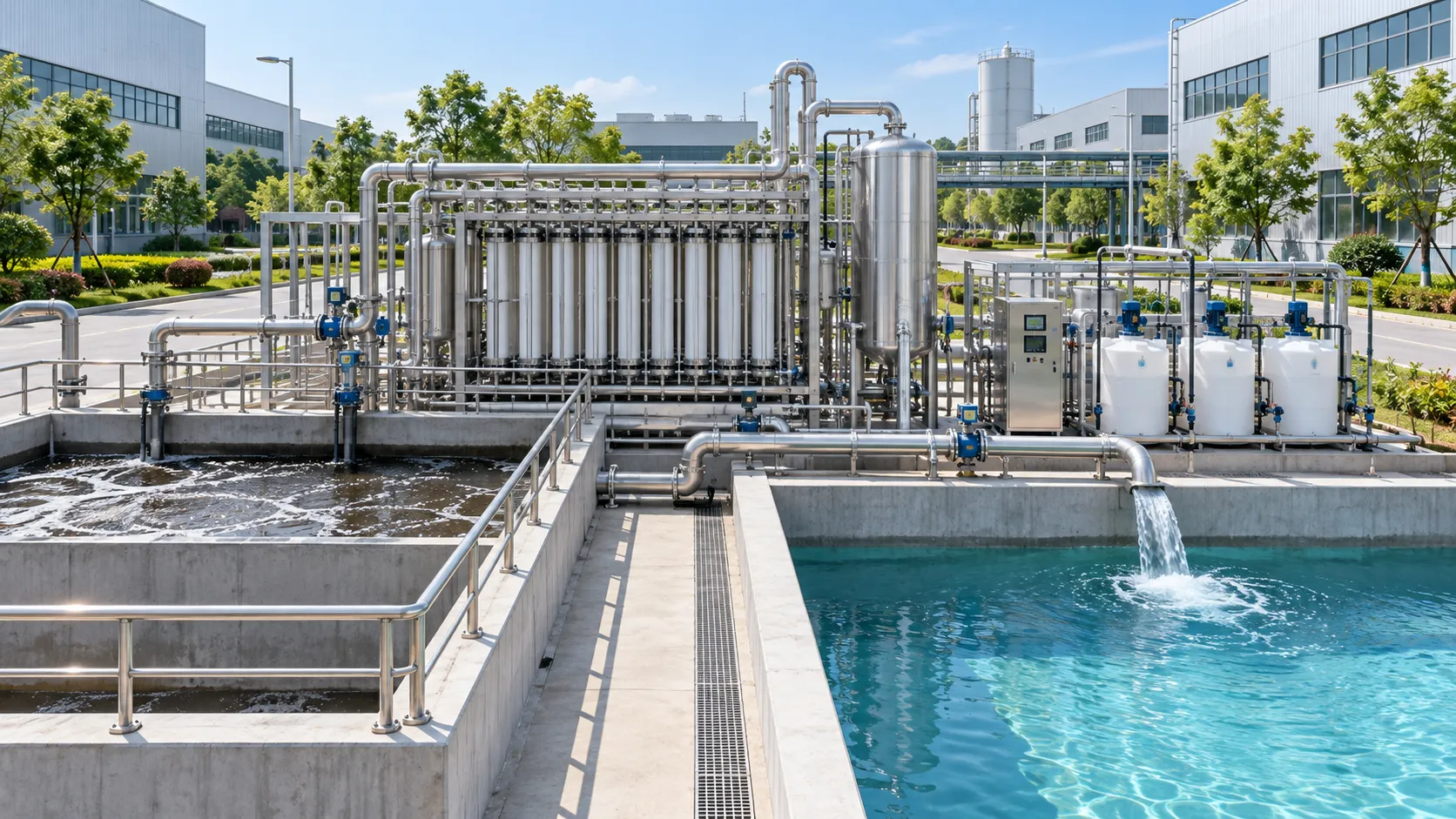
Industrial wastewater treatment, membrane systems, evaporation, and zero liquid discharge can become significant energy loads if poorly designed or operated.
Manufacturers should assess where closed-loop reuse reduces freshwater intake, discharge risk, treatment chemicals, and exposure to tightening local water regulations.
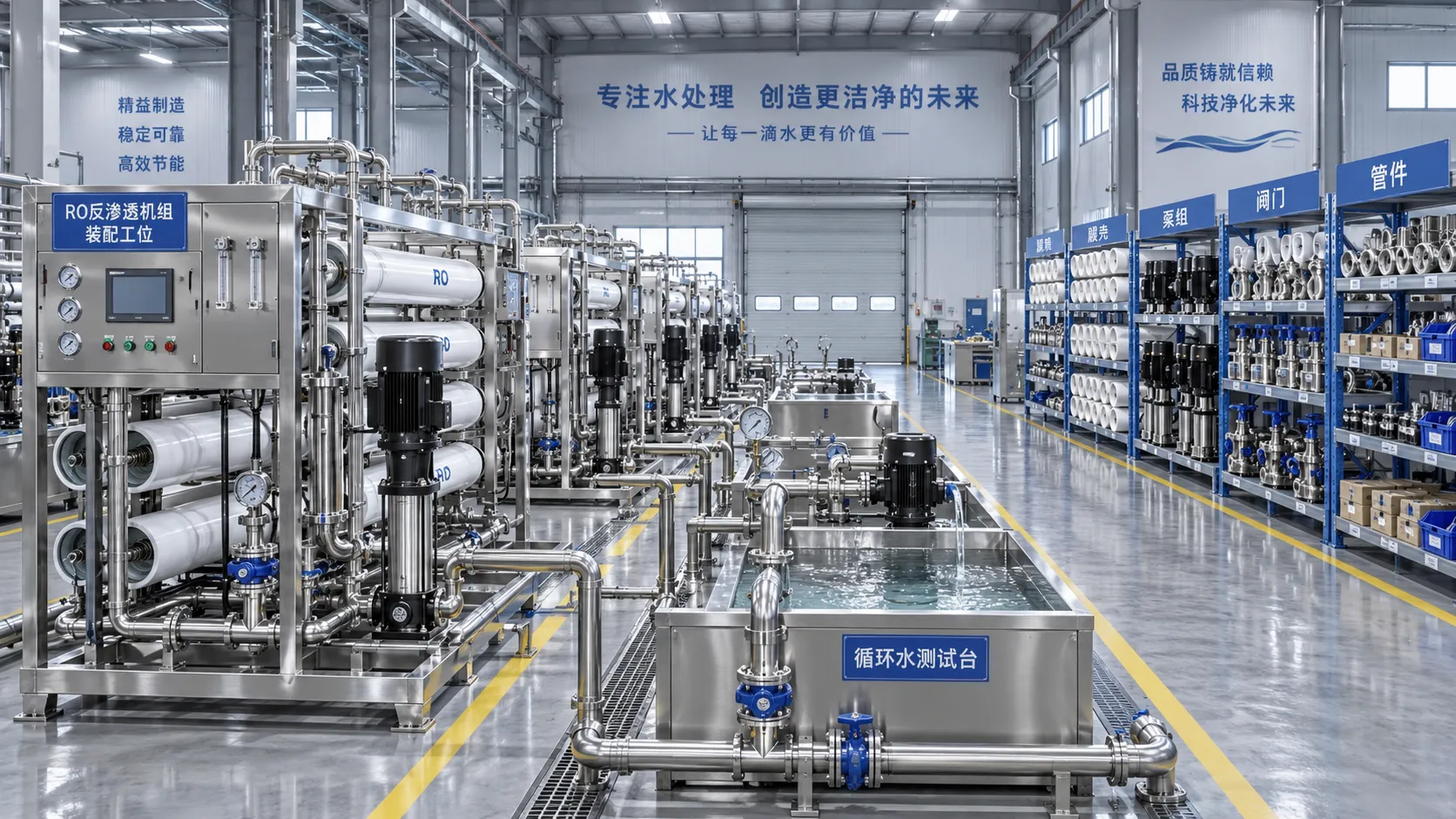
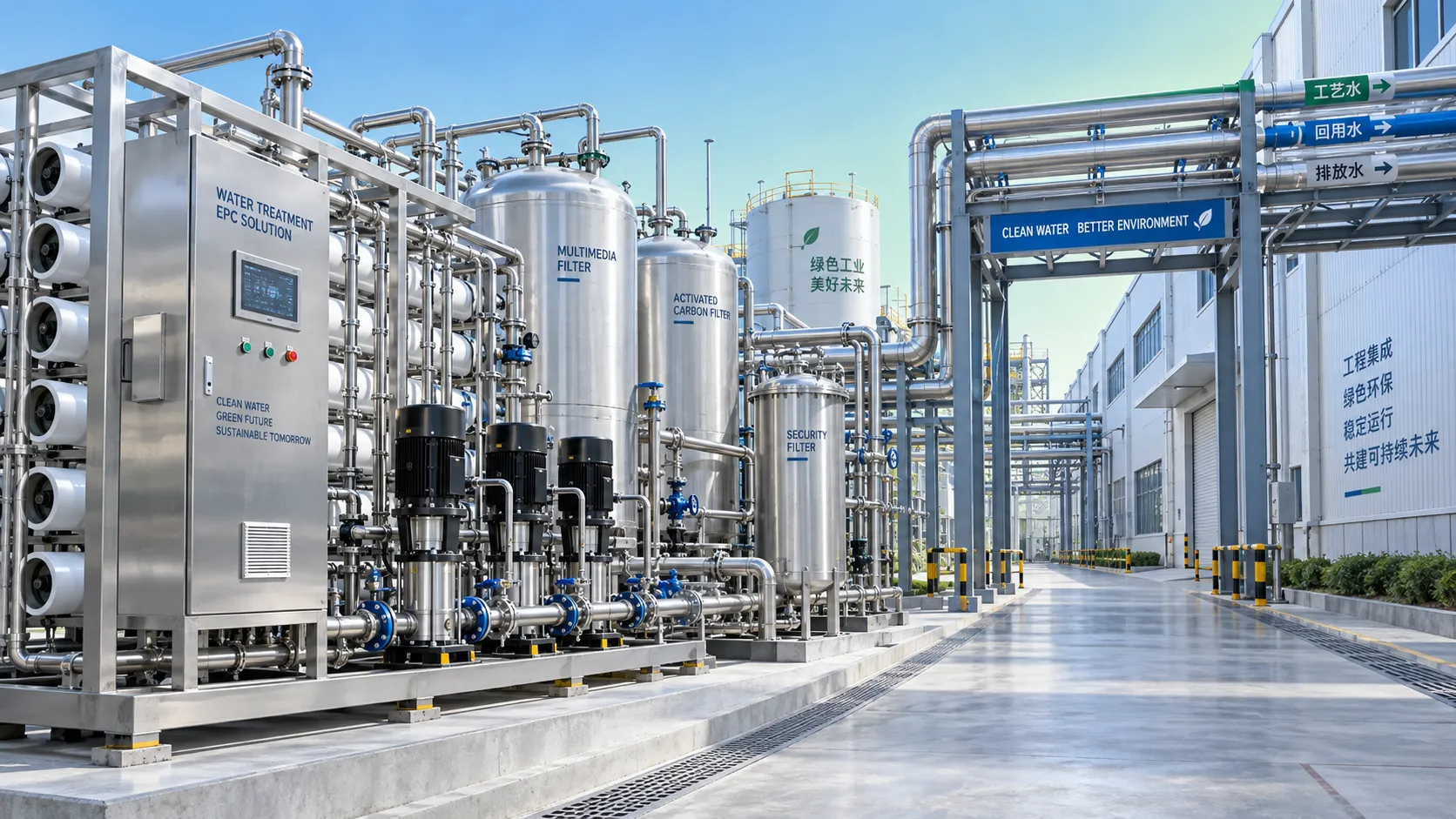
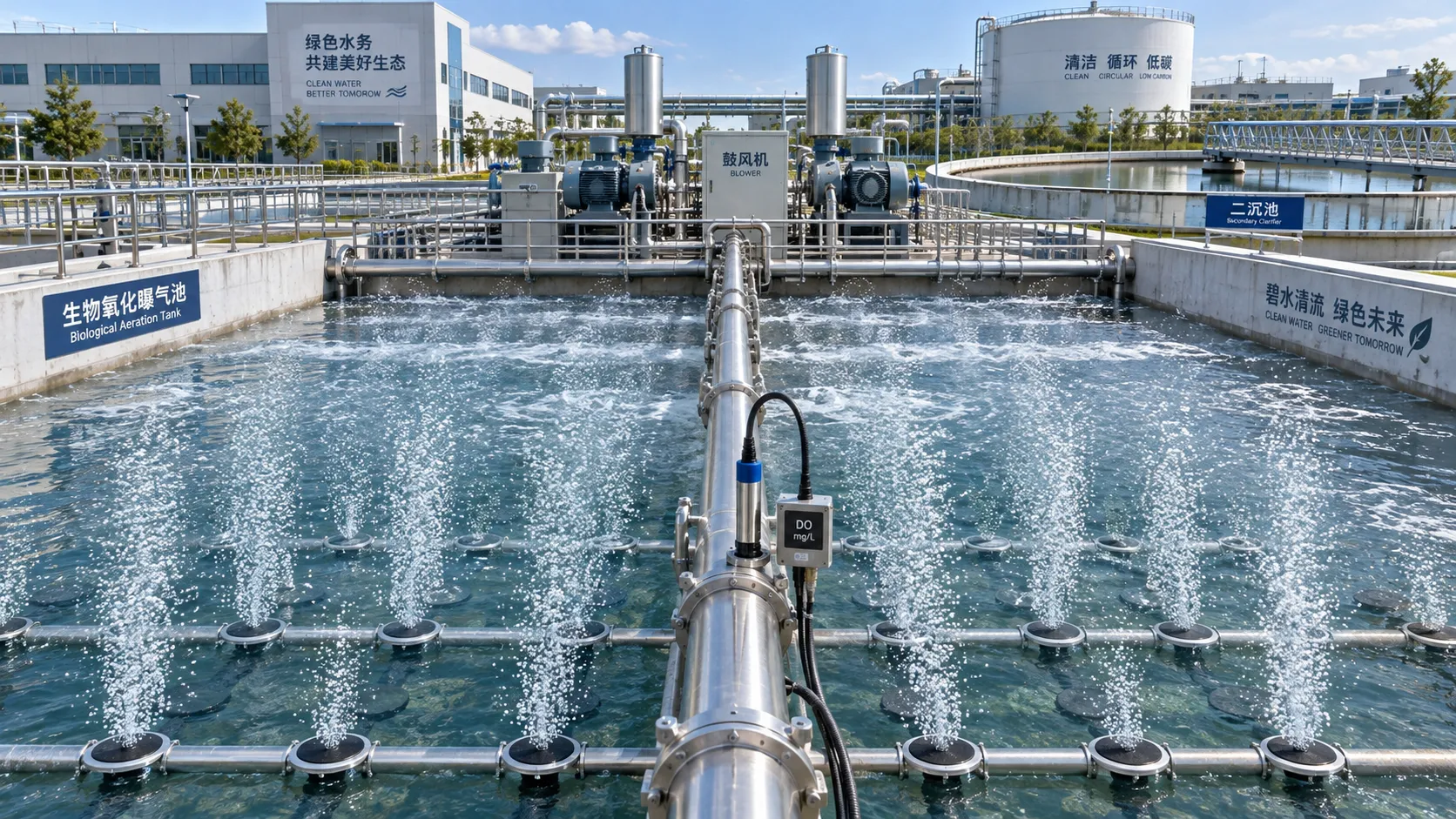
Advanced filtration, biological treatment optimization, reverse osmosis, brine concentration, and smart monitoring can improve both environmental performance and production security.
For water-stressed regions, water resilience becomes a license-to-operate issue. Decarbonization planning should therefore include water scarcity and discharge compliance scenarios.
Turn Waste and Byproducts into Circular Value
Circular resource management reduces emissions by lowering virgin material demand, disposal impacts, and process inefficiencies hidden in scrap and reject streams.
Manufacturers should map waste by mass, carbon significance, toxicity, recovery value, and regulatory risk. Not all waste streams deserve the same attention.
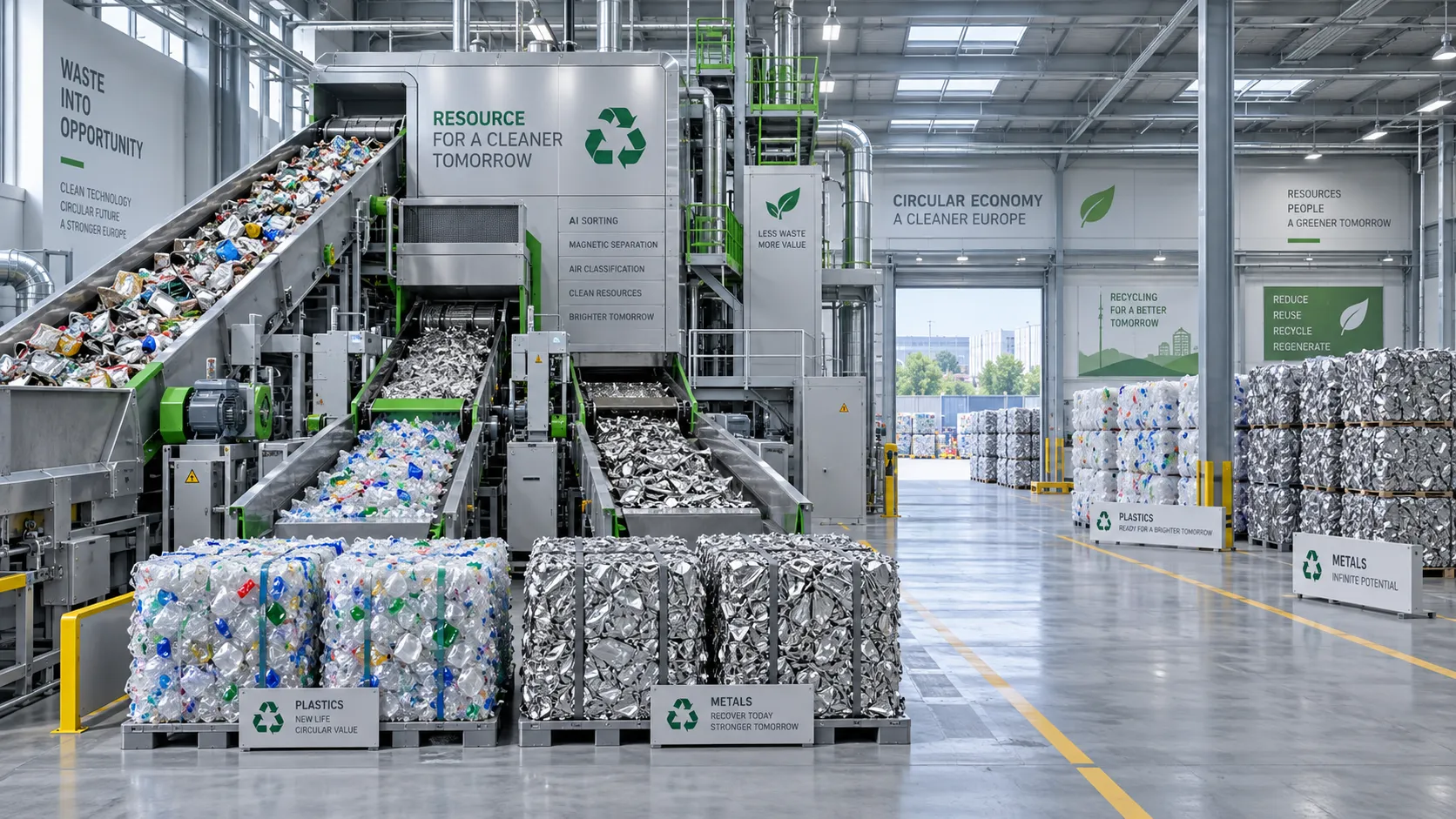
AI sorting, pyrolysis, solvent recovery, metal reclamation, and industrial symbiosis can convert certain byproducts into secondary resources or energy feedstocks.
The strongest opportunities usually appear where material costs are high, landfill options are tightening, or customers value recycled content in products.
Executives should require a commercial route before approving recovery investments. A circular project needs stable offtake, quality specifications, and compliance clarity.
Control Flue Gas and Process Emissions Beyond Carbon
Decarbonization must not ignore conventional pollutants. Nitrogen oxides, sulfur oxides, particulates, VOCs, acid gases, and heavy metals remain regulatory priorities.
Flue gas treatment systems can protect production continuity while supporting carbon strategy, especially in heavy industries with combustion-based processes.
Selective catalytic reduction, flue gas desulfurization, dust collection, activated carbon injection, and thermal oxidizers should be evaluated with energy impacts included.
Poorly integrated controls may reduce one pollutant while increasing energy use or waste generation. A roadmap must consider total environmental performance.
For executive teams, the key is avoiding stranded environmental assets. New pollution-control investments should remain compatible with future fuel switching and electrification.
Address Hard-to-Abate Emissions with Realistic Pathways
Some manufacturing emissions come from chemistry rather than energy use. Cement, steel, chemicals, ceramics, and glass face especially difficult abatement challenges.
Hard-to-abate emissions require technology screening, pilot projects, partnerships, and staged investment rather than simple replacement of existing equipment.
Options may include alternative binders, recycled feedstocks, biomass, green hydrogen, carbon capture, process intensification, or product redesign to lower lifecycle emissions.
Executives should separate proven near-term measures from strategic options requiring external infrastructure. This distinction prevents unrealistic targets and capital misallocation.
A credible roadmap identifies decision gates. Each gate should define technical readiness, policy support, customer willingness to pay, and infrastructure availability.
Build Compliance Intelligence into the Roadmap
Regulatory uncertainty is now a strategic operating risk. Manufacturers must track rules affecting carbon disclosure, emissions limits, waste handling, and product footprints.
CBAM-like policies can change export economics by assigning costs to embedded carbon. Suppliers without verified data may face customer pressure or administrative burdens.
Compliance intelligence should translate policy changes into business implications: affected products, exposed plants, required data, certification needs, and potential cost increases.
This requires collaboration between sustainability, finance, legal, operations, procurement, and sales. Carbon compliance is no longer only an environmental department task.
Companies that monitor regulation early can influence product strategy, contract terms, capital planning, and customer communication before deadlines become urgent.
Define Governance, Ownership, and Incentives
A decarbonization roadmap for manufacturing fails when accountability is vague. Every major initiative needs an owner, budget logic, timeline, and measurement method.
The board should approve targets and risk appetite, while executives translate them into capital allocation, procurement standards, and operational performance expectations.
Plant managers need practical authority to implement efficiency and process changes. Without local ownership, corporate targets remain disconnected from factory reality.
Incentives should reward verified progress, not only project announcements. Energy intensity, waste recovery, water reuse, and emissions reductions can enter performance reviews.
Governance also requires internal carbon pricing or shadow pricing. This helps teams compare low-carbon investments against conventional alternatives more consistently.
Evaluate ROI with More Than Simple Payback
Many manufacturers reject decarbonization projects because they use narrow payback calculations. That approach can underestimate strategic value and long-term risk reduction.
A better investment model includes avoided energy cost, avoided carbon cost, regulatory protection, customer retention, premium contracts, and reduced downtime exposure.
Some projects produce value by protecting revenue rather than cutting expenses. Meeting supplier requirements can preserve access to critical global customers.
Water reuse, waste recovery, and emissions-control upgrades may also reduce permitting delays, community opposition, insurance concerns, and emergency response costs.
Executives should ask whether the project strengthens competitiveness under plausible 2030 conditions. If yes, short payback should not be the only criterion.
Create a 2026 Implementation Sequence
The first quarter should focus on baseline validation, regulatory exposure mapping, plant-level opportunity screening, and agreement on investment evaluation criteria.
The second quarter should prioritize quick wins, supplier data engagement, energy monitoring deployment, and feasibility studies for larger retrofits or water projects.
The third quarter should move bankable projects into procurement, financing, and engineering design. Strategic pilots should receive decision gates and success metrics.
The fourth quarter should verify reductions, update forecasts, refine capital plans, and communicate progress to customers, lenders, regulators, and internal teams.
This sequence gives executives visible progress within one year while building the evidence needed for deeper transformation across the decade.
What a Strong Roadmap Should Contain
A mature roadmap should include baseline emissions, resource flows, prioritized abatement projects, financial models, implementation owners, and clear annual milestones.
It should also define data systems, assurance requirements, compliance monitoring, customer reporting needs, and links between carbon targets and capital planning.
Manufacturers should include scenarios for energy prices, carbon costs, demand shifts, technology readiness, and regulatory changes affecting core markets.
The document must be specific enough for execution but flexible enough for technology, policy, and market uncertainty. Static roadmaps age quickly.
Most importantly, the roadmap should make trade-offs transparent. Leaders need to know which actions are urgent, optional, risky, or strategically essential.
Common Mistakes to Avoid
The first mistake is setting ambitious targets without funding mechanisms. Unfunded targets create reputational exposure and frustration across operations teams.
The second mistake is relying only on renewable electricity while ignoring process heat, waste, water, fugitive emissions, and material efficiency opportunities.
The third mistake is treating reporting software as transformation. Better data is valuable, but it does not replace engineering action.
The fourth mistake is underestimating supplier and customer requirements. Scope 3 expectations can reshape procurement, product design, and sales qualification.
The fifth mistake is delaying difficult decisions. Early feasibility work on hard-to-abate processes can prevent expensive surprises later.
How ESD’s Intelligence Perspective Supports Better Decisions
For manufacturers, environmental equipment choices now influence competitiveness. Water treatment, waste recovery, flue gas systems, and desalination technologies affect carbon strategy.
Strategic intelligence helps leaders compare technical options, policy pressures, lifecycle impacts, and equipment reliability before committing major capital.
Deep analysis of membranes, catalysts, recovery systems, and compliance trends can reveal which technologies are commercially ready and which remain speculative.
This matters because decarbonization investments are long-lived. A poorly chosen system can lock a manufacturer into higher costs or future retrofit needs.
A rigorous intelligence approach connects engineering detail with board-level decisions. That connection is essential for credible, resilient, and investable transition planning.
Conclusion: Decarbonization Is Becoming Industrial Strategy
The 2026 decarbonization roadmap for manufacturing should be practical, financed, measurable, and connected to the realities of production and market access.
Executives should begin with trusted baselines, prioritize high-value actions, integrate energy and resource systems, and build compliance intelligence into governance.
The winning manufacturers will not treat carbon reduction as a separate initiative. They will embed it into operations, procurement, capital planning, and customer strategy.
In that sense, decarbonization is not only an environmental responsibility. It is a disciplined route to resilience, efficiency, and long-term industrial relevance.