
Industry News
Curation by industry experts
Hot Articles
Popular Tags
Automated Solid Waste Treatment Equipment: How to Compare Capacity and ROI
Comparing automated solid waste treatment equipment now requires a wider lens than nominal tons per hour. Capacity still matters, but investment quality is shaped by feedstock variability, automation depth, compliance resilience, energy use, labor structure, and recovery value. In a market where circular economy targets and environmental controls are tightening together, the strongest evaluations connect equipment performance with long-term operating reality.
Why this comparison has become more complex
Solid waste systems once competed mainly on mechanical throughput. That approach is no longer enough for mixed municipal waste, industrial residues, packaging streams, RDF preparation, or resource recovery lines.
The economic case now depends on what the equipment can actually separate, stabilize, reduce, or convert under real operating conditions. A line rated for high volume may still underperform if contamination rates, moisture swings, or downtime distort output quality.
This is where automated solid waste treatment equipment attracts attention across the broader environmental equipment sector. It sits at the intersection of recovery efficiency, decarbonization pressure, and compliance accountability.
From the perspective of ESD’s intelligence framework, waste treatment cannot be isolated from water reuse, flue gas control, energy recovery, and carbon-border pressure. Equipment decisions increasingly influence the wider ecological performance of industrial assets.
What automated solid waste treatment equipment really includes
The term covers more than one machine. In practice, automated solid waste treatment equipment usually refers to integrated lines that sort, shred, screen, compact, dry, biologically stabilize, pyrolyze, or prepare waste for recycling and energy recovery.
Automation may involve optical sorters, AI-based material recognition, robotic picking, conveyor synchronization, feed-rate controls, SCADA interfaces, predictive maintenance, and emissions monitoring.
That distinction matters because ROI should be measured at system level. A fast shredder with poor upstream dosing or weak downstream separation can lower the overall value of the plant.
Typical line configurations
- Municipal solid waste pre-sorting with screening, magnetic separation, and optical recovery.
- Construction and demolition waste lines focused on inert separation and metals recovery.
- Refuse-derived fuel preparation for cement kilns or waste-to-energy support systems.
- Organic waste treatment with depackaging, digestion preparation, or compost refinement.
- Thermal conversion support lines, including drying and feed conditioning for pyrolysis.
Capacity is not a single number
Nameplate capacity often looks simple in proposals, yet it can hide the biggest commercial risk. The useful question is not only how much waste enters the line, but how much acceptable output leaves it.
A fair comparison separates at least four capacity dimensions: design throughput, sustained throughput, peak-load tolerance, and net recoverable output. These values can differ sharply.
When automated solid waste treatment equipment is evaluated only by input tons, expensive mismatches often follow. Output purity, reject rate, and uptime are usually stronger predictors of financial performance.
Automation changes both cost and value
Automation is often treated as a labor-saving feature. That is only part of the picture. Higher automation can also stabilize output quality, improve traceability, reduce safety incidents, and support permit reporting.
In mixed-waste environments, sensor-driven control is especially valuable because feed composition rarely stays constant. Optical sorters and AI-assisted recognition can keep recovery rates more consistent when packaging formats or contamination profiles shift.
Still, more automation does not always mean better economics. Over-engineered systems may bring higher maintenance complexity, specialized spare part dependence, and longer restart times after failure.
Signals of practical automation value
- Automatic adjustment to moisture, density, and belt loading.
- Data visibility by material stream, shift, and rejection source.
- Remote diagnostics with clear maintenance thresholds.
- Manual override options that keep the line running during sensor faults.
- Integration with emissions, dust, wastewater, or residue management systems.
How ROI should be built in real business cases
A credible ROI model for automated solid waste treatment equipment should combine capital cost with operational behavior over time. Short payback claims based only on labor reduction are usually incomplete.
A stronger model includes avoided landfill fees, recovered material revenue, energy savings, carbon-related exposure, compliance cost avoidance, spare part consumption, and expected downtime.
For some facilities, the largest financial gain comes from converting unstable disposal cost into predictable resource output. For others, the key value lies in reducing regulatory risk and improving tender competitiveness.
Core ROI inputs worth testing
- Annual operating hours versus realistic maintenance shutdown days.
- Input waste composition by season, supplier, or collection route.
- Saleability of recovered fractions, not only theoretical recovery rate.
- Utility intensity per processed ton, including power, water, and compressed air.
- Residue disposal cost after treatment, including hazardous fractions if present.
- Planned staffing model under normal and upset conditions.
Sensitivity analysis is essential. Small changes in moisture, contamination, electricity price, or offtake quality can materially change ROI for automated solid waste treatment equipment.
Compliance readiness has moved into the financial model
Environmental equipment decisions are increasingly shaped by regulation, not only by process economics. Reporting obligations, emission caps, fire safety rules, worker exposure limits, and traceability requirements all affect project value.
That wider view aligns with ESD’s Strategic Intelligence Center, where resource recovery equipment is read alongside global compliance shifts such as CBAM, decarbonization policy, and stricter operating transparency.
In practical terms, automated solid waste treatment equipment should be checked for dust control, odor containment, leachate handling, flue gas interfaces where thermal steps exist, and auditable process data.
A cheaper line can become more expensive if it triggers retrofit work to satisfy local environmental permits or customer sustainability standards.
Where comparison criteria change by scenario
The right benchmark depends heavily on use case. Municipal sorting lines, industrial waste platforms, and recovery systems linked to energy conversion do not generate value in the same way.
A practical framework for side-by-side evaluation
Useful comparisons usually improve when vendors are forced into the same operating assumptions. Without that discipline, automated solid waste treatment equipment proposals are hard to compare honestly.
A workable review structure can include technical fit, commercial resilience, and operating proof.
What deserves close review
- Define one common feedstock profile for all bidders.
- Request sustained throughput, not only rated capacity.
- Tie recovery claims to output purity and buyer acceptance.
- Separate planned maintenance from unplanned downtime.
- Price critical spares across three to five years.
- Check control system openness and plant data export capability.
- Review local service response time and commissioning depth.
- Map compliance interfaces with dust, wastewater, and emissions controls.
That last point matters more than many appraisals admit. In integrated environmental infrastructure, weak interfaces often destroy the value promised by a strong core machine.
What to do before making a final comparison
A reliable decision usually starts with three documents: a real feedstock profile, a realistic operating calendar, and a compliance checklist tied to the project location. Once those are clear, automated solid waste treatment equipment can be judged on output value rather than brochure claims.
It also helps to test at least one downside scenario. If commodity prices soften, power costs rise, or waste composition worsens, the better investment is usually the line that protects stability, not the one with the most optimistic peak figures.
For organizations tracking broader environmental asset strategy, ESD-style intelligence is useful when linking waste recovery equipment to carbon exposure, resource circularity, and future permit pressure. That wider context often explains why one system remains bankable while another quickly loses value.
The next step is simple: standardize the assumptions, compare net recoverable output against full lifecycle cost, and test whether the system still performs when operating conditions become less ideal. That is where capacity and ROI finally meet.
Recommended News
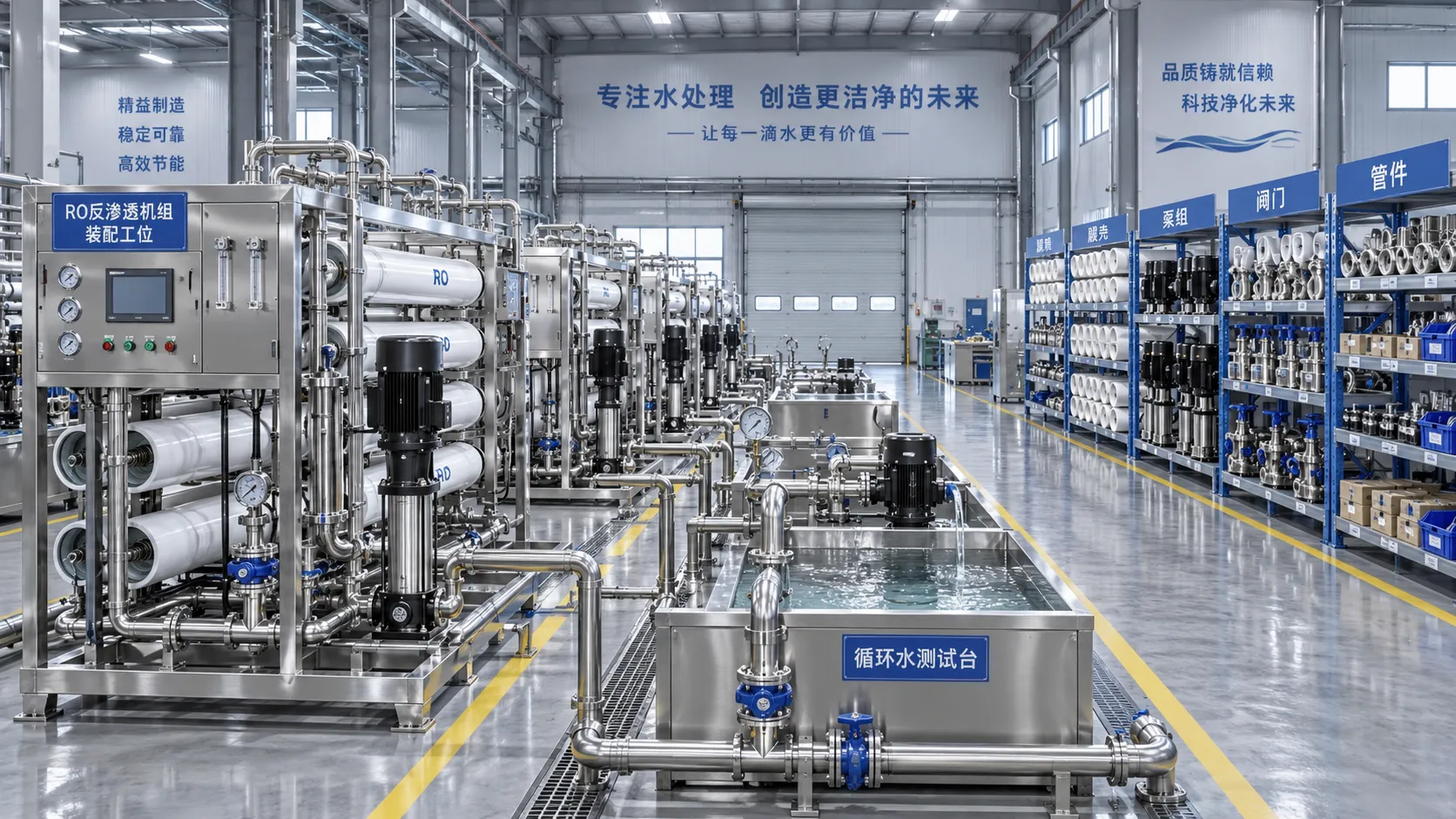
How to verify a water treatment system factory’s production capacity
Verify a water treatment systems factory’s production capacity through records, bottlenecks, component availability, and testing. Learn what to check before accepting a delivery promise.
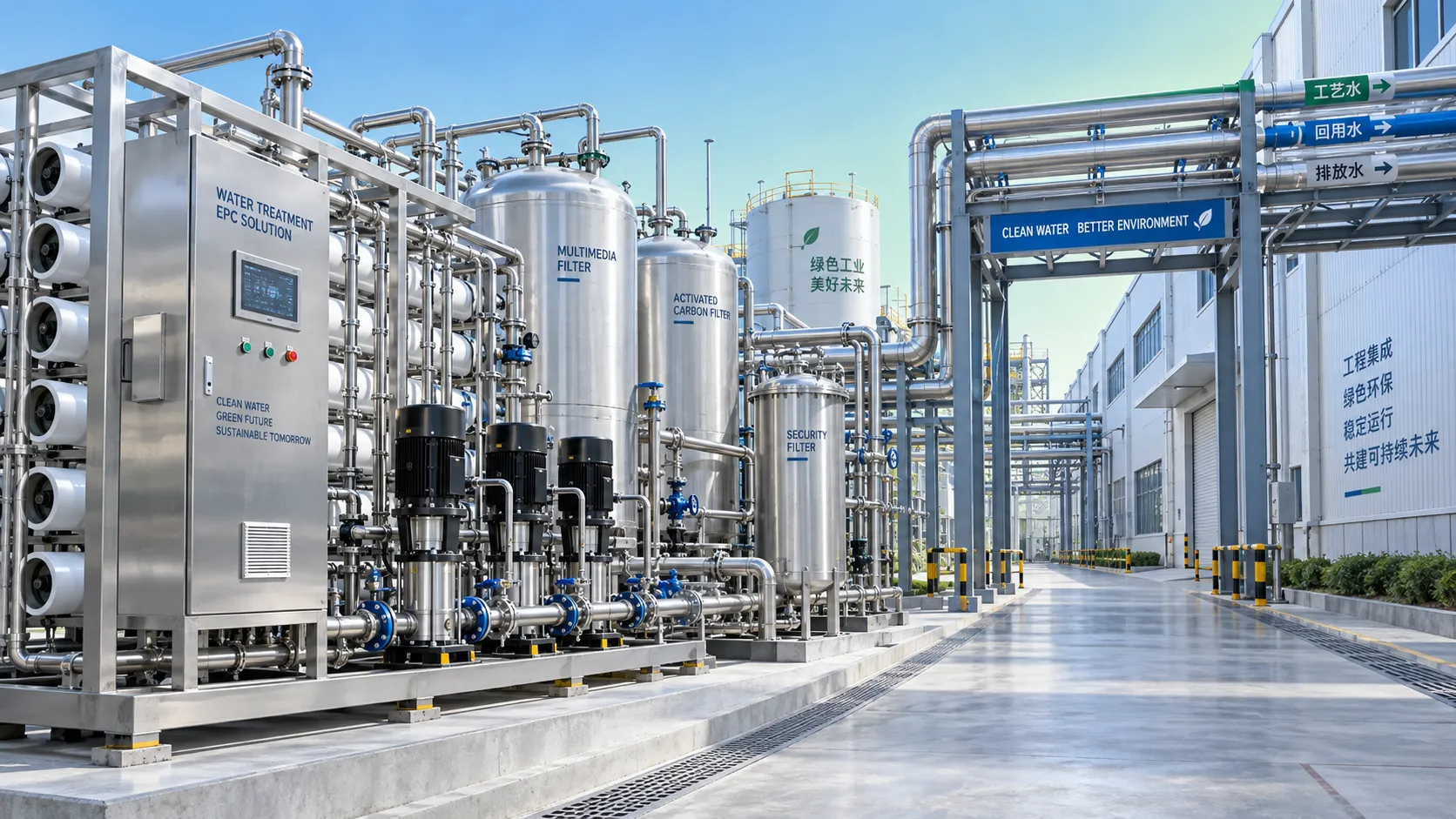
When does EPC environmental project support reduce delivery risk?
EPC environmental project support engineering reduces delivery risk by aligning design, procurement, compliance, construction, and commissioning decisions.
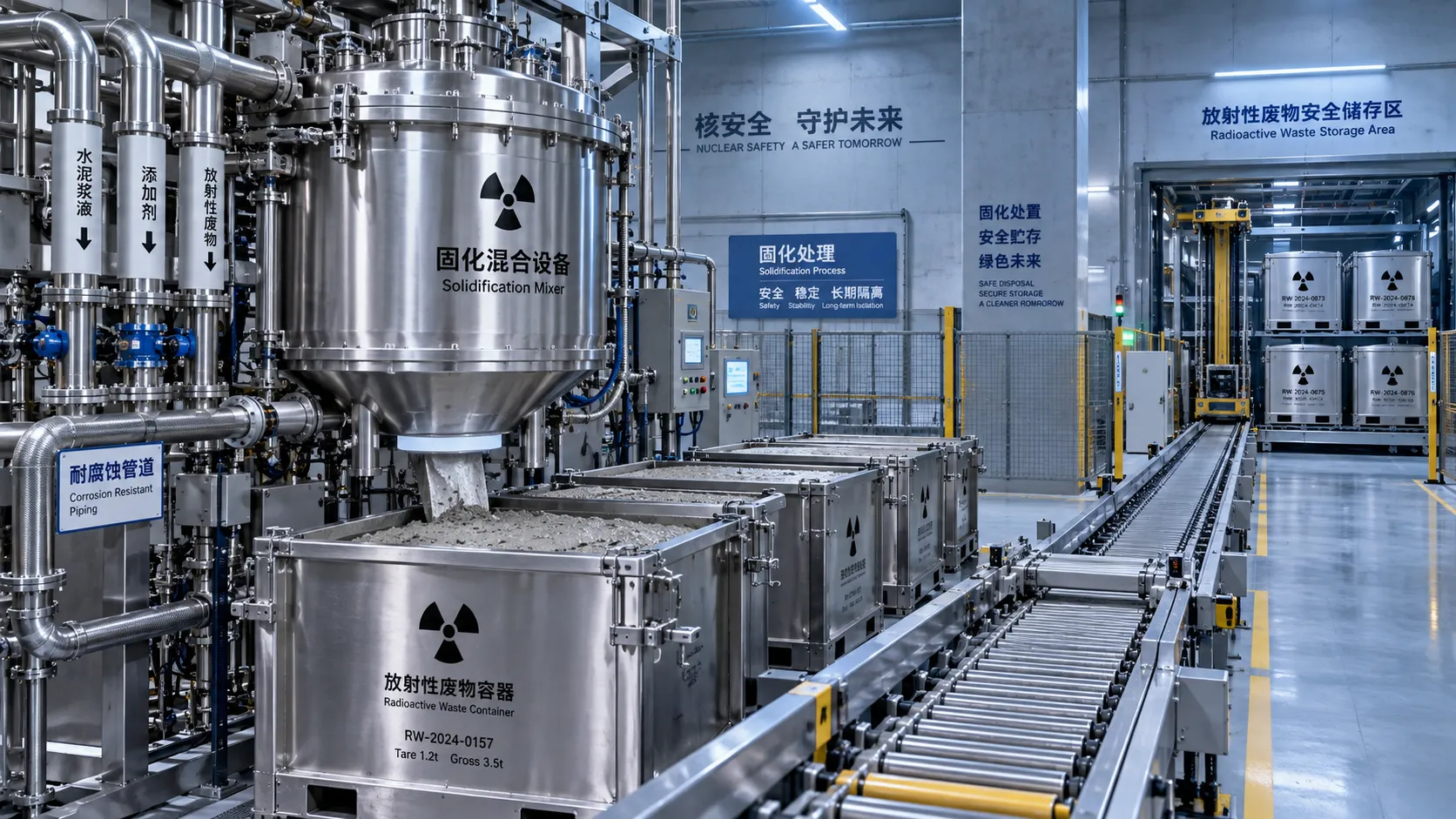
How nuclear plants select a radioactive waste solidification method
Radioactive waste management for nuclear plants: compare vitrification, cementation, polymers, and ceramics to select a compliant, durable solidification solution.
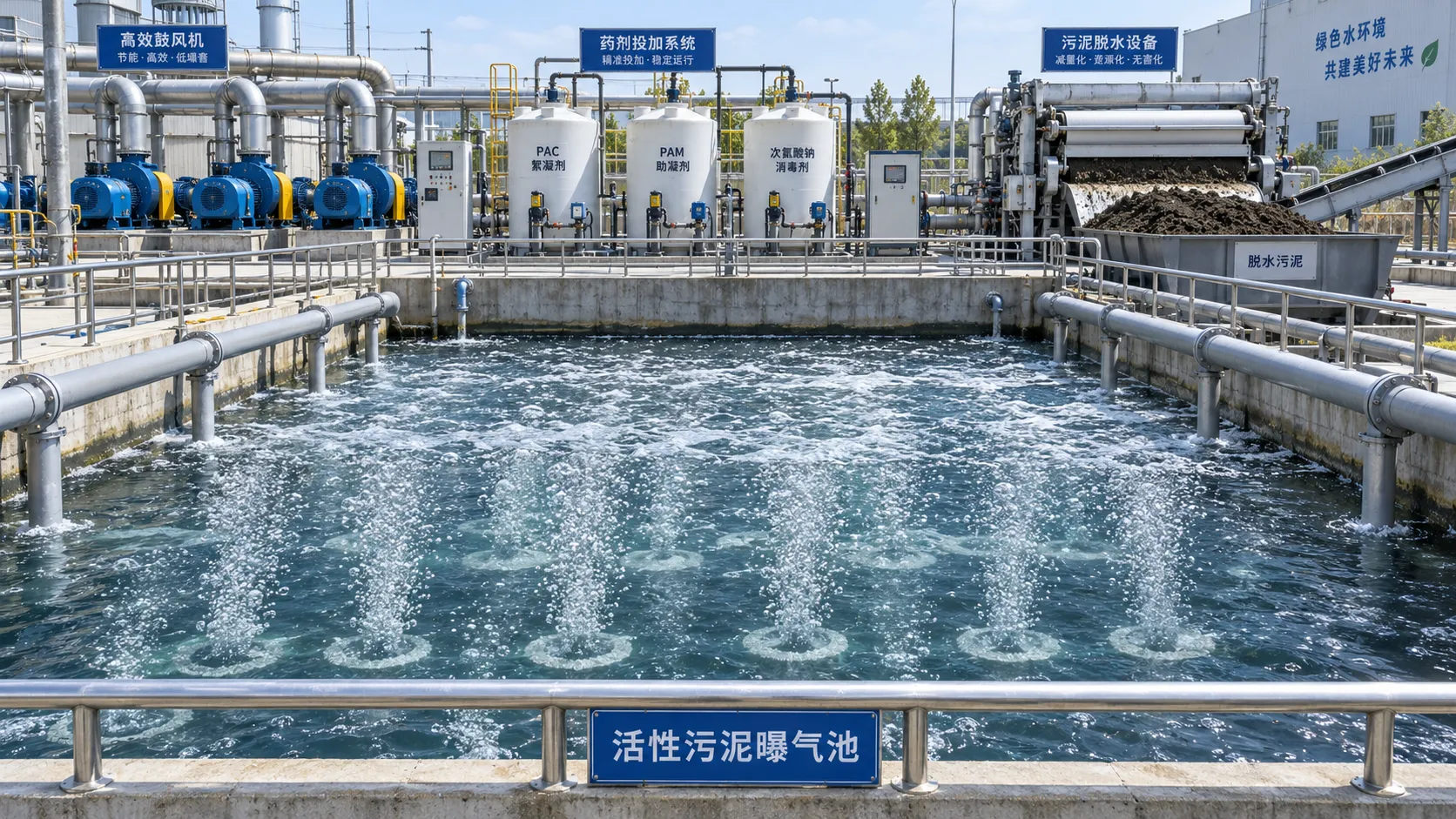
Activated Sludge Cost: Budgeting Energy, Chemicals, Sludge, and Labor
Activated sludge cost explained: compare energy, chemicals, sludge disposal, labor, and compliance risks to build a reliable lifecycle budget.
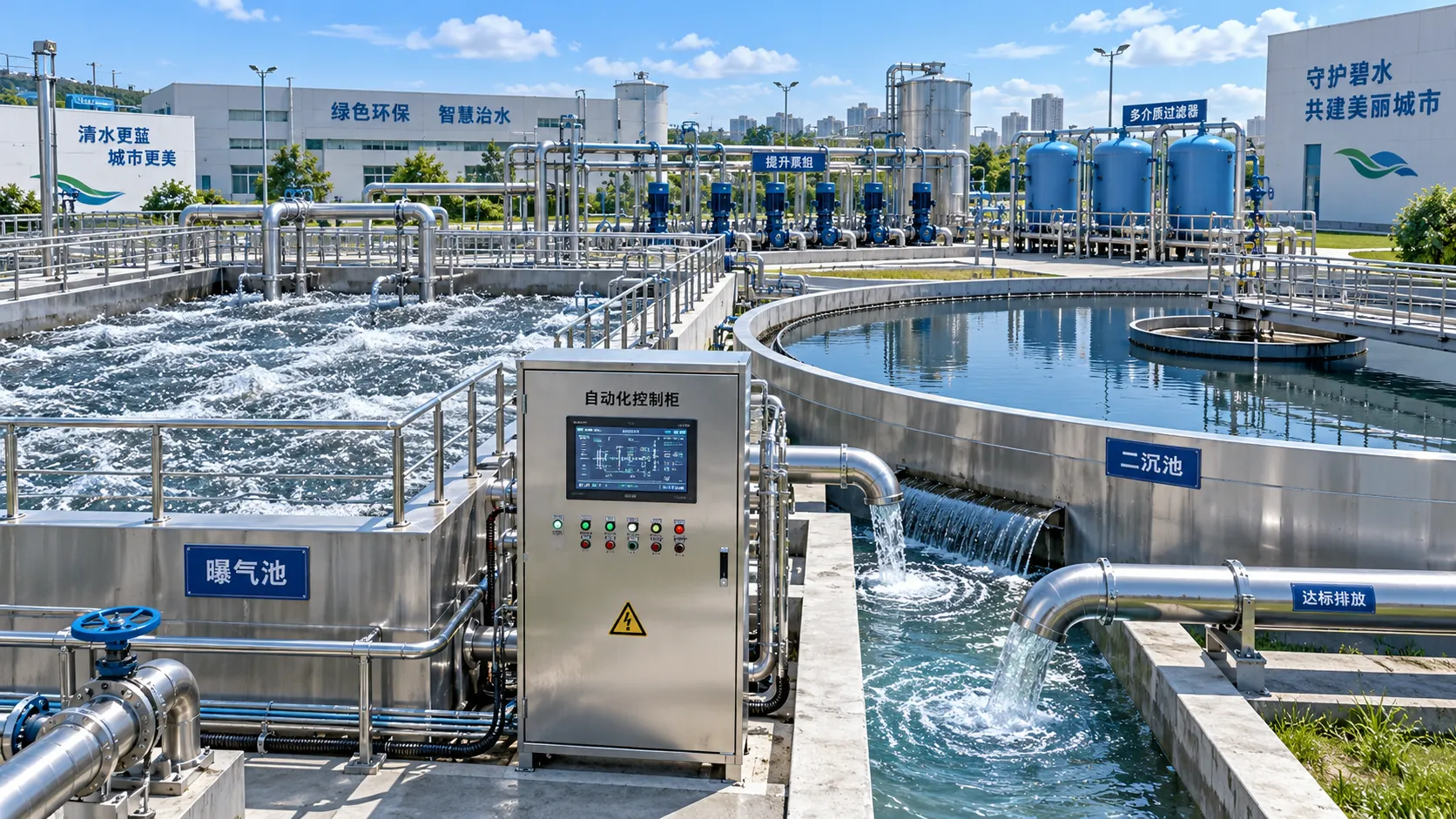
When Should Municipal Wastewater Plants Upgrade Treatment Capacity and Controls?
Municipal wastewater treatment upgrades: learn when capacity, controls, and resilient planning are needed to protect compliance and optimize plant performance.
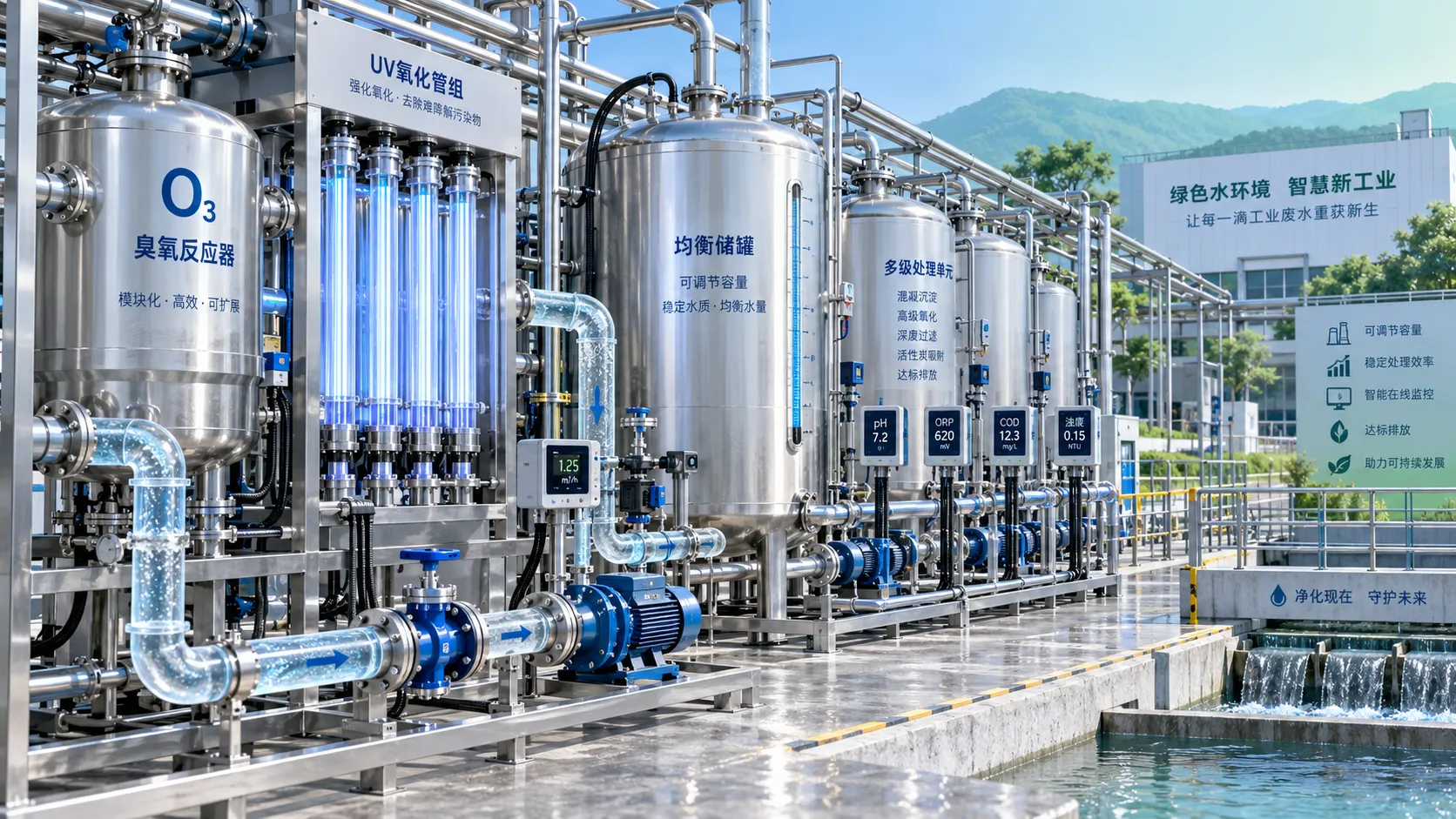
How to size advanced oxidation equipment for variable wastewater loads
Advanced oxidation equipment guide for sizing AOP systems under variable wastewater loads, improving compliance, efficiency, and lifecycle cost control.
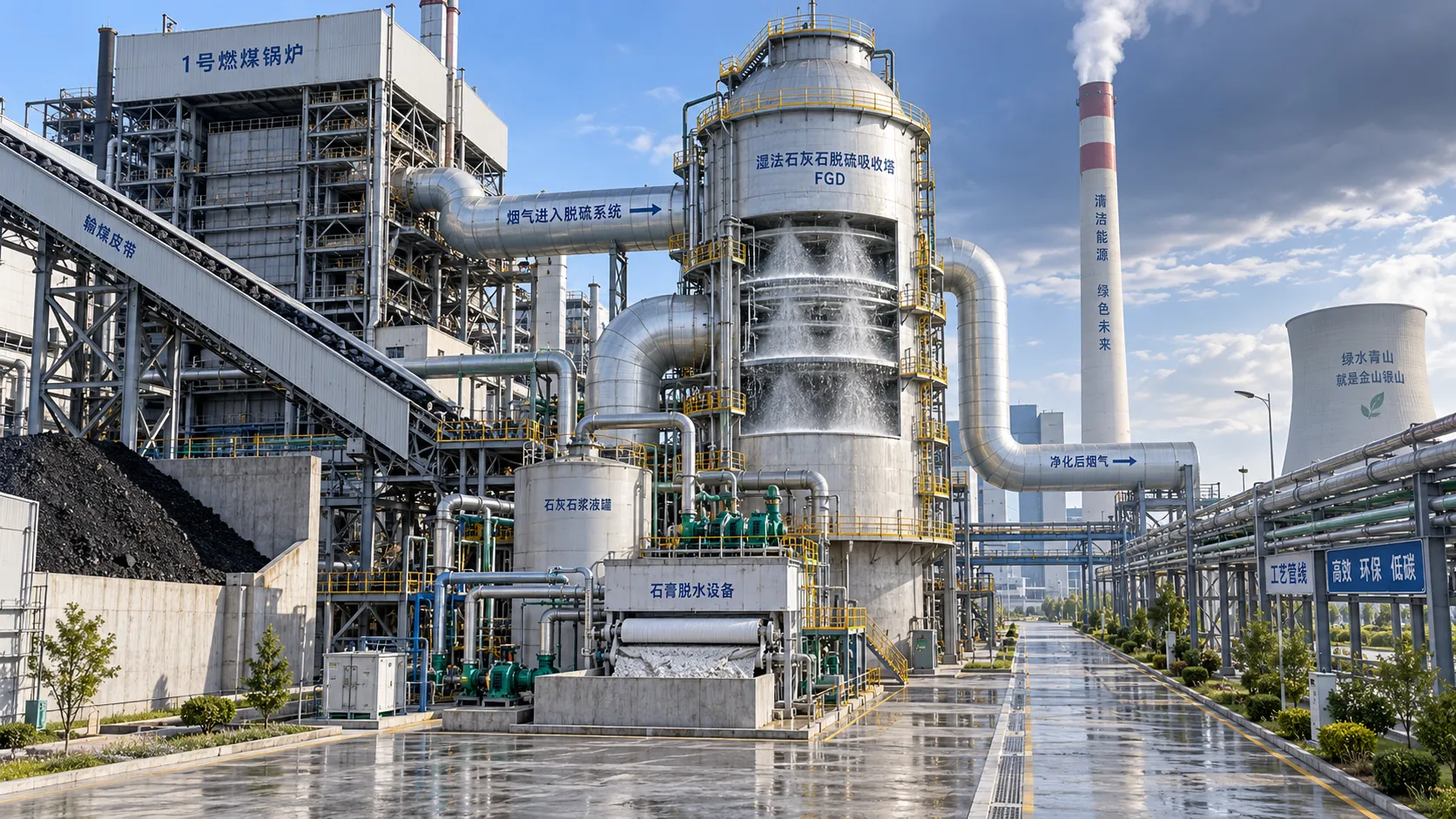
How to select FGD systems for coal boilers based on sulfur content
FGD systems for coal boilers: learn how sulfur content, fuel variability, emissions limits, water, waste, and retrofit constraints guide a compliant, cost-effective scrubber choice.
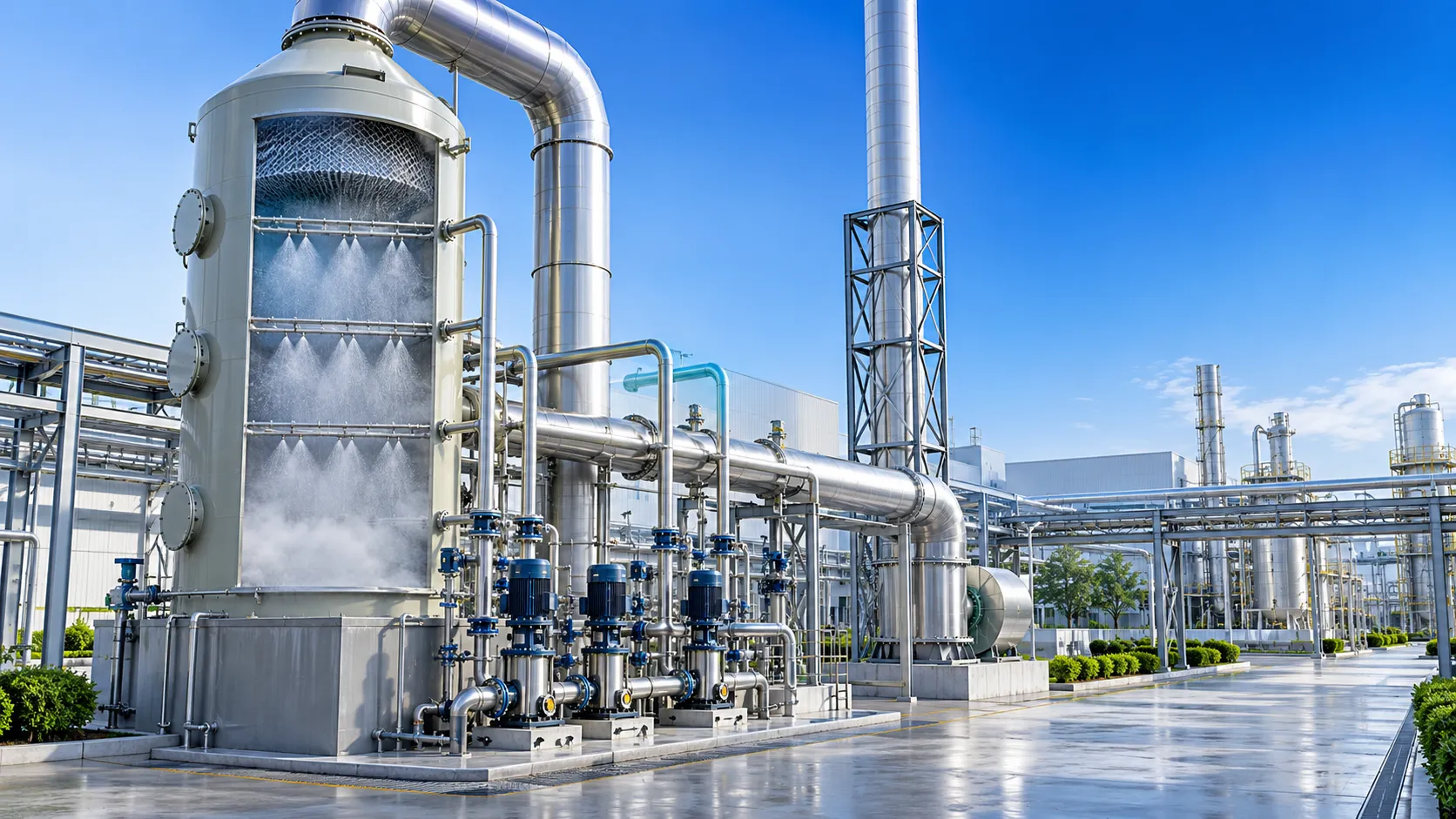
How to size a desulfurization equipment scrubber for variable gas flow
Desulfurization equipment scrubber sizing for variable gas flow: optimize SO2 removal, pressure drop, liquid-to-gas control, and compliance across every load.
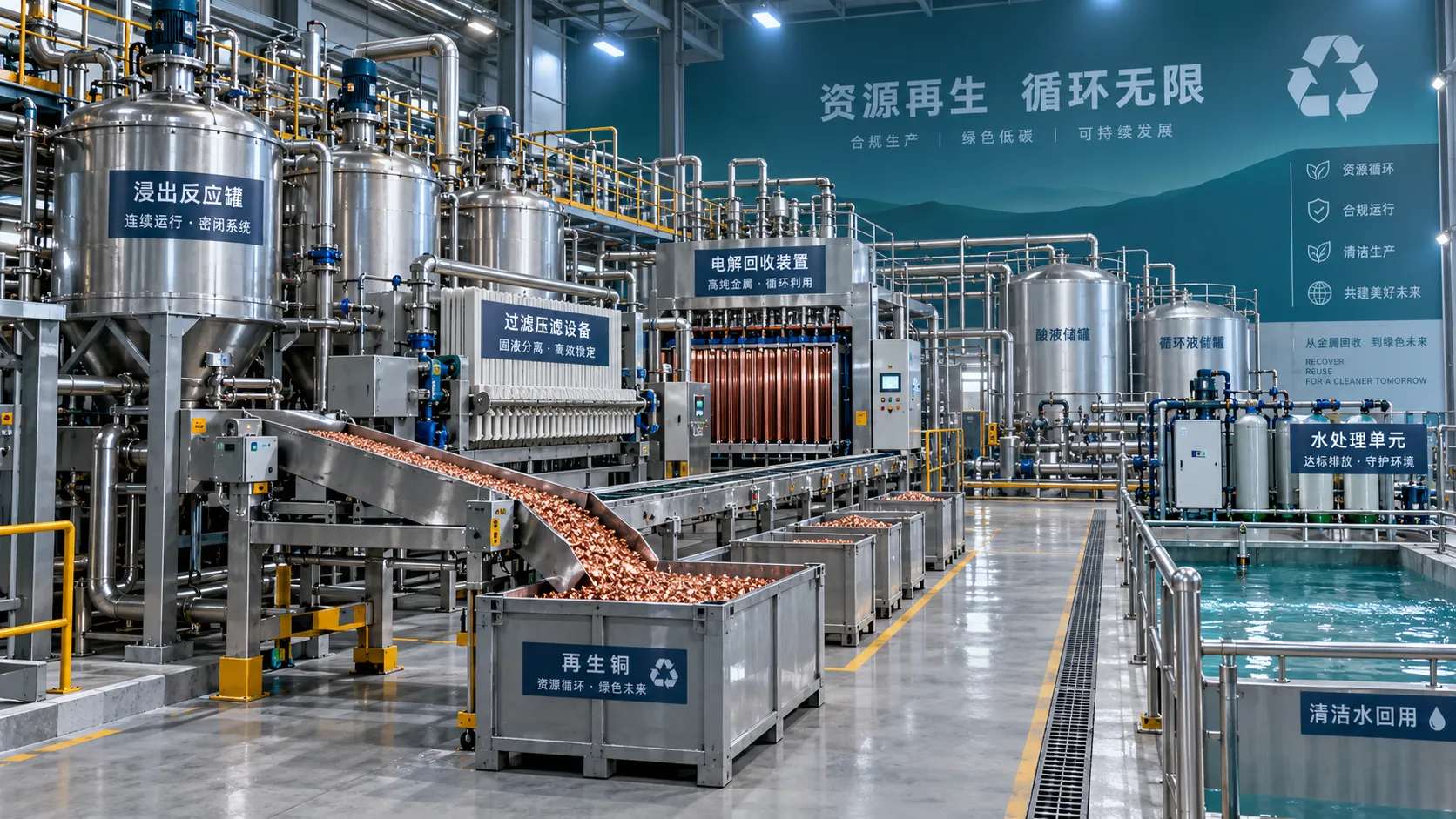
When does repeatable metals recovery infrastructure justify the investment?
Repeatable metals recovery infrastructure: discover when consistent feedstock, lower disposal costs, compliance control, and reliable offtake justify investment.