
Industry News
Curation by industry experts
Hot Articles
Popular Tags
Building an Environmental Value Chain in Water Treatment Projects
In modern water treatment projects, building a strong environmental value chain is no longer optional for investors, EPC firms, and commercial evaluators. From compliance and purification efficiency to resource recovery and lifecycle cost control, every decision shapes long-term project value. This article explores how integrated intelligence, advanced treatment technologies, and global environmental standards work together to strengthen competitiveness and support more resilient business assessments.
Why the Environmental Value Chain Matters in Water Treatment Projects
A water treatment project is no longer judged only by treated volume or discharge quality. It is judged by how well the full environmental value chain performs over decades.
That chain starts with feedwater analysis and process design. It extends through energy use, sludge handling, membrane replacement, chemical sourcing, digital monitoring, and regulatory reporting.
When one link is weak, project value erodes quickly. Compliance costs rise, downtime increases, recovery rates drop, and commercial credibility suffers in financing or bid evaluation.
A strong environmental value chain helps connect engineering performance with environmental compliance, carbon pressure, and resource circularity. That is especially important in industrial wastewater, municipal reuse, desalination, and ZLD systems.
Core Checklist for Building an Environmental Value Chain
Use the following checklist to test whether a project creates real environmental value chain strength instead of short-term treatment capacity alone.
- Define influent variability early, including seasonal load shifts, salinity spikes, toxic shock risks, and trace contaminants that can destabilize the environmental value chain later.
- Align treatment objectives with discharge permits, reuse targets, and resource recovery goals before selecting unit processes or issuing EPC design packages.
- Map lifecycle energy demand across pumping, aeration, thermal concentration, and polishing steps to prevent hidden operating costs from weakening project competitiveness.
- Verify membrane, resin, catalyst, and dosing chemical compatibility with real water chemistry instead of relying only on standard vendor reference cases.
- Integrate sludge, brine, and concentrate management into the original process boundary so waste residuals do not break the environmental value chain downstream.
- Measure recoverable value from water reuse, salt separation, heat integration, nutrient capture, and by-product recycling wherever process economics justify added complexity.
- Build digital visibility with online sensors, predictive maintenance, and event traceability to support compliance audits, performance guarantees, and financing confidence.
- Assess carbon intensity per cubic meter treated, especially where desalination, evaporation, or advanced oxidation materially affects environmental value chain efficiency.
- Check spare parts strategy, critical equipment redundancy, and service response times to reduce reliability risk during long project operating cycles.
- Document regulatory exposure across local discharge law, water reuse standards, hazardous waste rules, and cross-border carbon mechanisms affecting project valuation.
- Stress-test total cost of ownership using realistic scenarios for fouling, scaling, reagent inflation, labor needs, and shutdown penalties.
- Connect technical KPIs with commercial outcomes, so the environmental value chain is visible in bid scoring, asset valuation, and long-term environmental reporting.
How the Checklist Applies Across Key Water Treatment Scenarios
Industrial Wastewater and ZLD
In high-concentration industrial wastewater, the environmental value chain depends on more than contaminant removal. It depends on how concentrate, salts, and thermal loads are managed after core treatment.
ZLD projects often look attractive on compliance grounds. However, their true value comes from balancing recovery rate, energy intensity, scaling control, and stable solids management.
Municipal Reuse and Advanced Purification
For municipal systems, the environmental value chain is strengthened when wastewater becomes a reusable asset. That means connecting biological treatment with tertiary polishing, disinfection, and reuse network logic.
Public acceptance, trace contaminants, and nutrient limits also matter. Digital reporting and clear quality assurance can raise confidence in potable reuse or industrial reclaimed water applications.
Seawater Desalination
In seawater desalination, the environmental value chain is highly sensitive to pretreatment quality, membrane fouling trends, and energy recovery system performance.
Brine discharge strategy is equally important. A plant that delivers water reliably but creates marine compliance exposure cannot claim full environmental value chain integrity.
Integrated Eco-Industrial Platforms
Large industrial parks increasingly combine water treatment with waste heat use, material recovery, flue gas treatment interfaces, and circular utility systems.
Here, the environmental value chain becomes a platform issue. Better integration can lower unit costs, improve carbon performance, and create stronger resilience under future regulation.
Commonly Overlooked Risks That Weaken the Environmental Value Chain
Underestimating Feedwater Instability
Design values often reflect average conditions. Real projects fail under peak contaminant load, intermittent toxicity, or upstream process changes. The environmental value chain must be designed for variability, not ideal averages.
Separating Compliance from Commercial Logic
Projects sometimes treat compliance as a legal box and economics as a separate model. In reality, fines, permit tightening, and reporting obligations directly reshape long-term project cash flow.
Ignoring Residual Management
Sludge, spent media, reject streams, and hazardous residues are frequently pushed outside early feasibility work. That breaks the environmental value chain and creates delayed capital or disposal shocks.
Overrelying on Nameplate Efficiency
Laboratory efficiency or vendor curves do not equal field performance. Fouling rate, cleaning frequency, operator capability, and utility reliability often decide whether targets are sustained.
Missing Data Governance
Without traceable process data, it becomes harder to defend environmental value chain performance in audits, disputes, refinancing, or cross-border environmental reviews.
Practical Execution Steps for Stronger Project Value
- Start with a mass balance and risk map, then link each process node to compliance, energy, residuals, and recoverable value.
- Use pilot testing for unstable water matrices, especially when scaling risk, organics variability, or advanced reuse standards are involved.
- Quantify total cost of ownership with scenario ranges, not a single optimistic baseline.
- Specify digital instrumentation that supports predictive alarms, remote diagnostics, and compliance reporting from day one.
- Review equipment intelligence from credible sector platforms to compare technology maturity, service capability, and future regulation exposure.
- Revisit the environmental value chain annually as feedwater, regulations, and carbon costs evolve.
Conclusion and Next Action
A resilient water treatment project is built through an environmental value chain that connects purification performance with compliance, circularity, carbon logic, and operational reliability.
The strongest projects do not treat water in isolation. They manage data, residuals, energy, and regulatory exposure as one integrated system.
The next practical step is simple: apply the checklist to one current project, identify the weakest link, and quantify how improving it changes lifecycle value.
That approach turns the environmental value chain from a concept into a measurable advantage in water treatment projects.
Recommended News
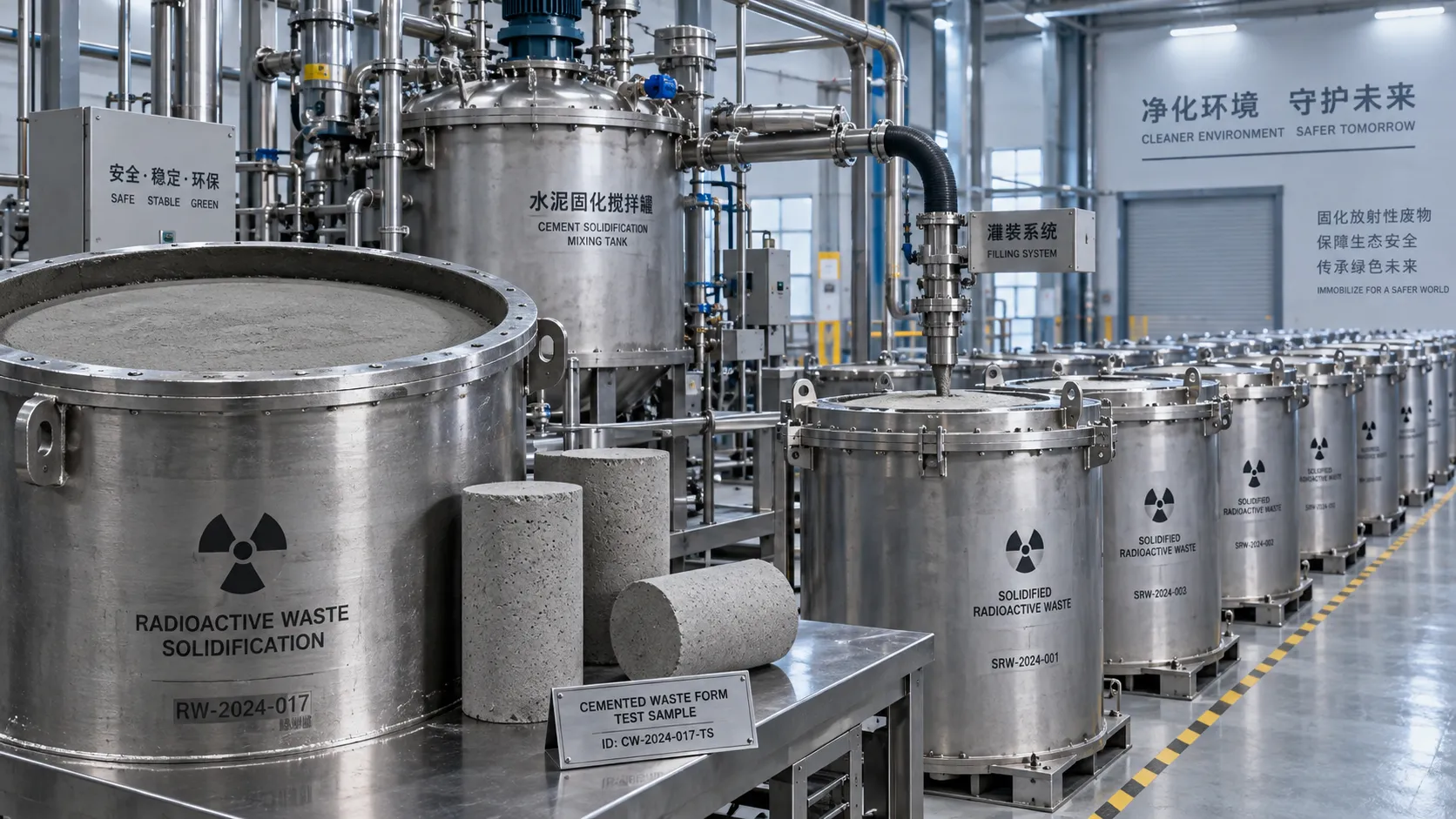
When is cementation suitable for nuclear decommissioning waste?
Explore nuclear waste treatment technology for decommissioning: learn when cementation fits, which risks to assess, and how disposal criteria guide an effective treatment choice.
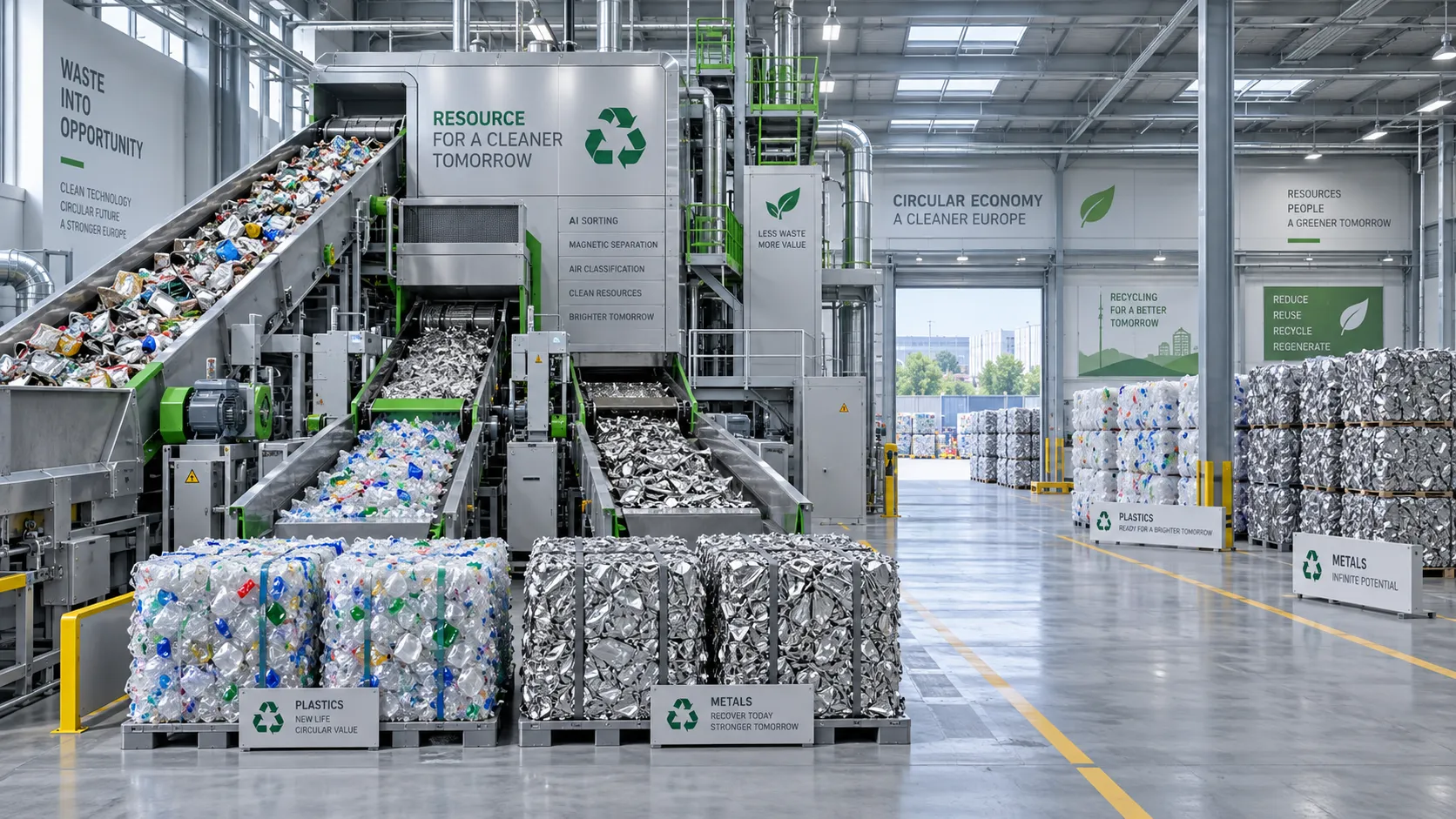
What determines payback for waste-to-resource systems in Europe?
Assess waste-to-resource systems Europe-wide: compare feedstock, recovery yields, costs and contracts to uncover payback drivers and make smarter investment decisions.
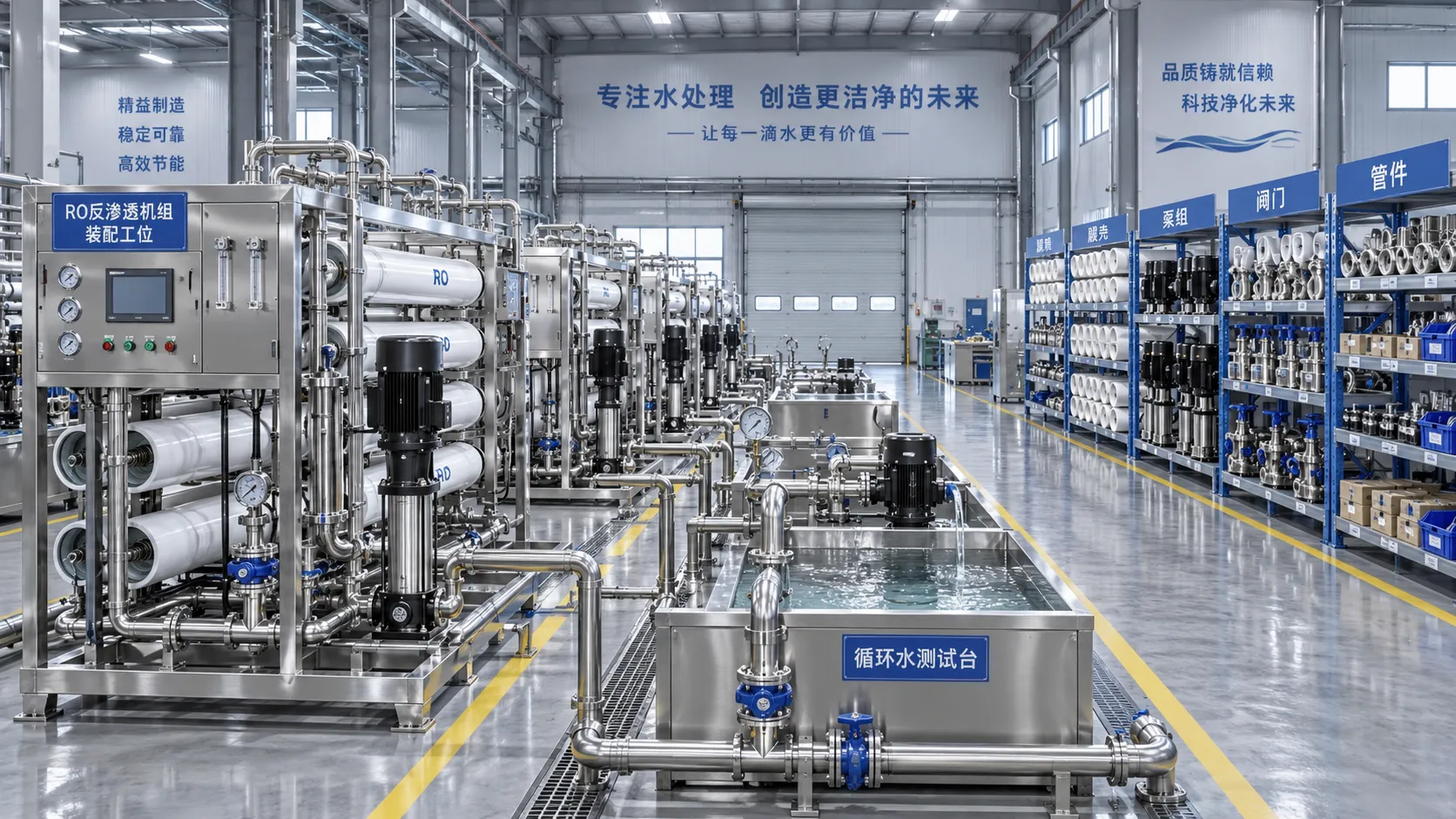
How to verify a water treatment system factory’s production capacity
Verify a water treatment systems factory’s production capacity through records, bottlenecks, component availability, and testing. Learn what to check before accepting a delivery promise.
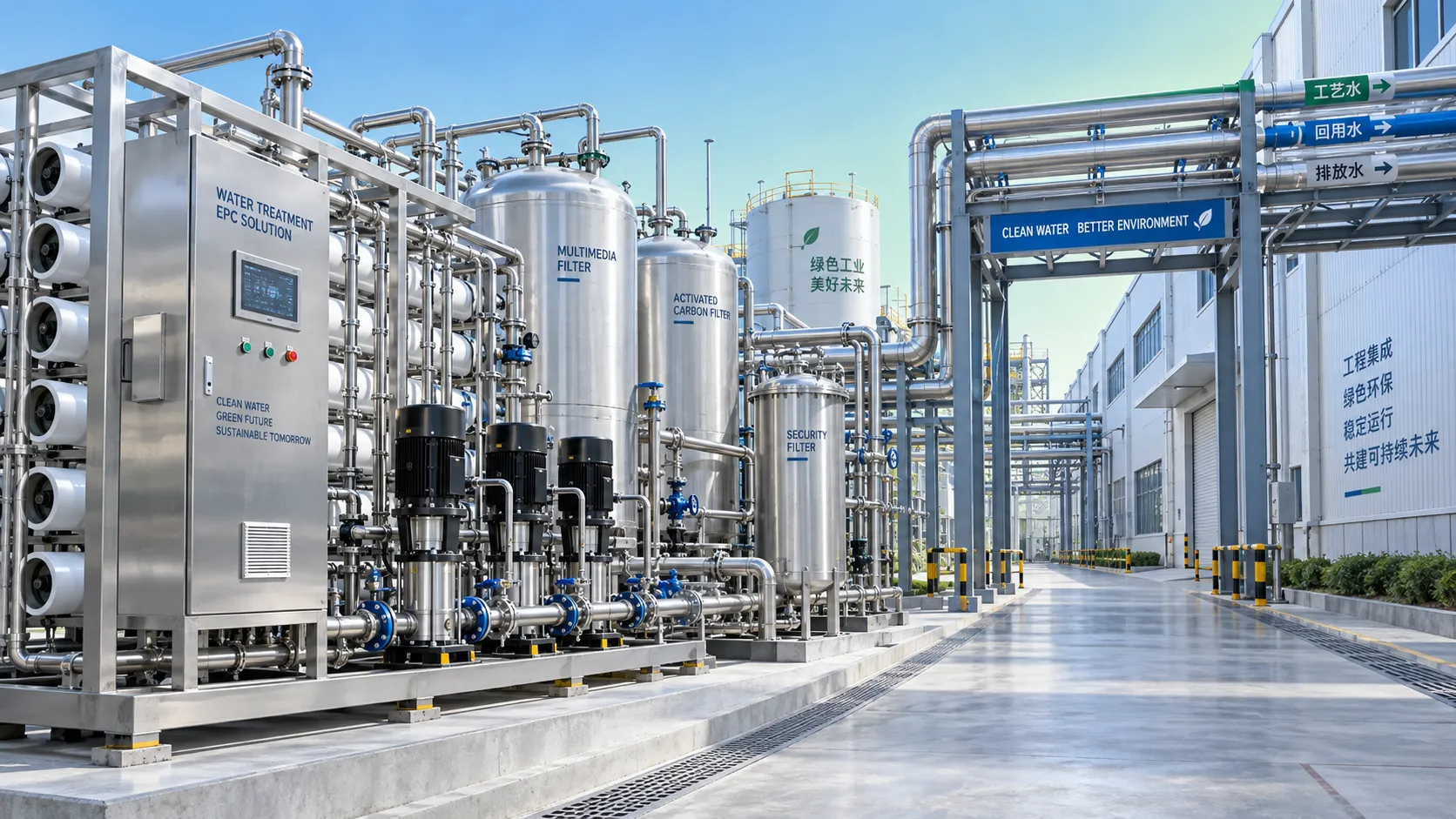
When does EPC environmental project support reduce delivery risk?
EPC environmental project support engineering reduces delivery risk by aligning design, procurement, compliance, construction, and commissioning decisions.
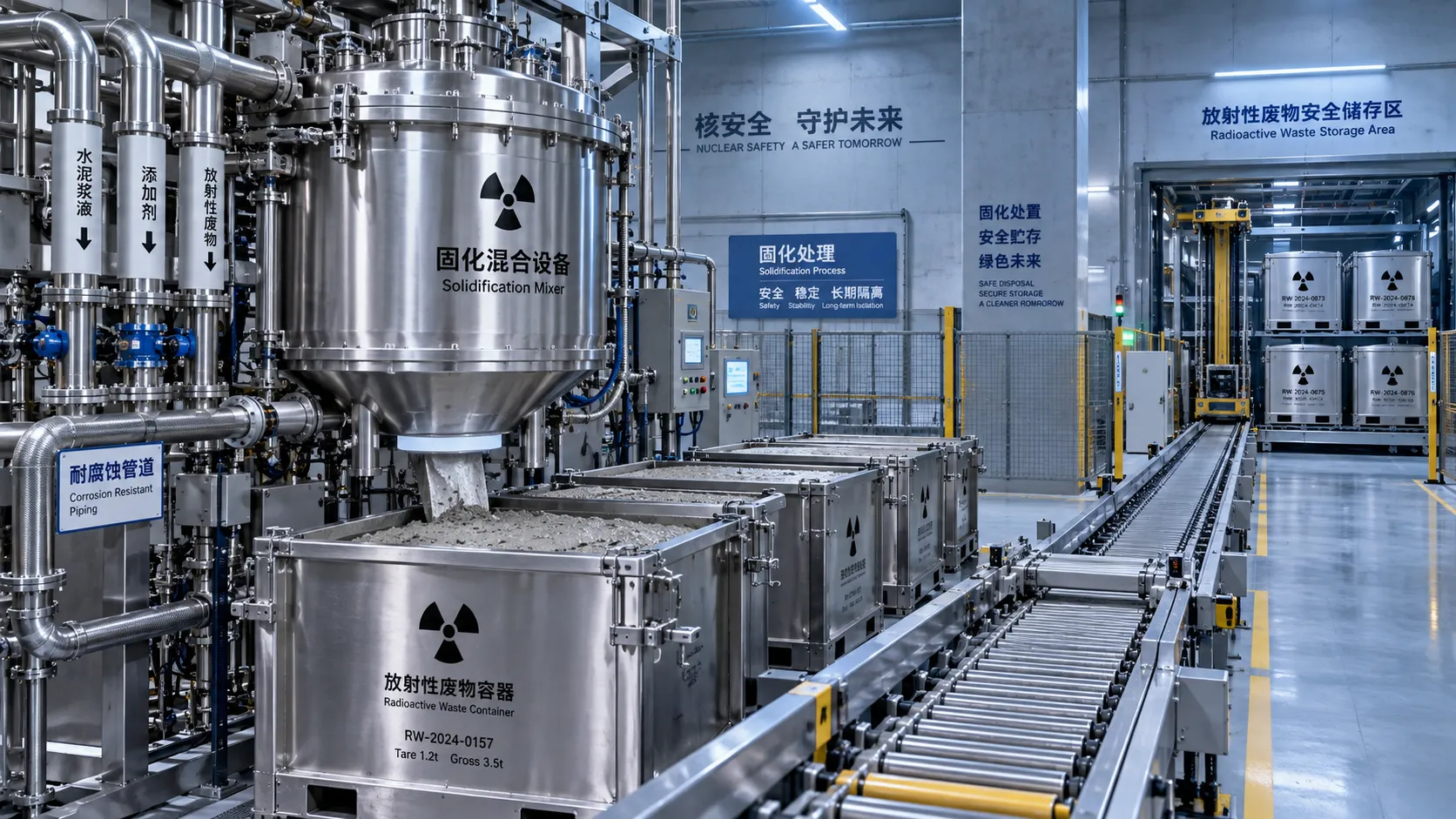
How nuclear plants select a radioactive waste solidification method
Radioactive waste management for nuclear plants: compare vitrification, cementation, polymers, and ceramics to select a compliant, durable solidification solution.
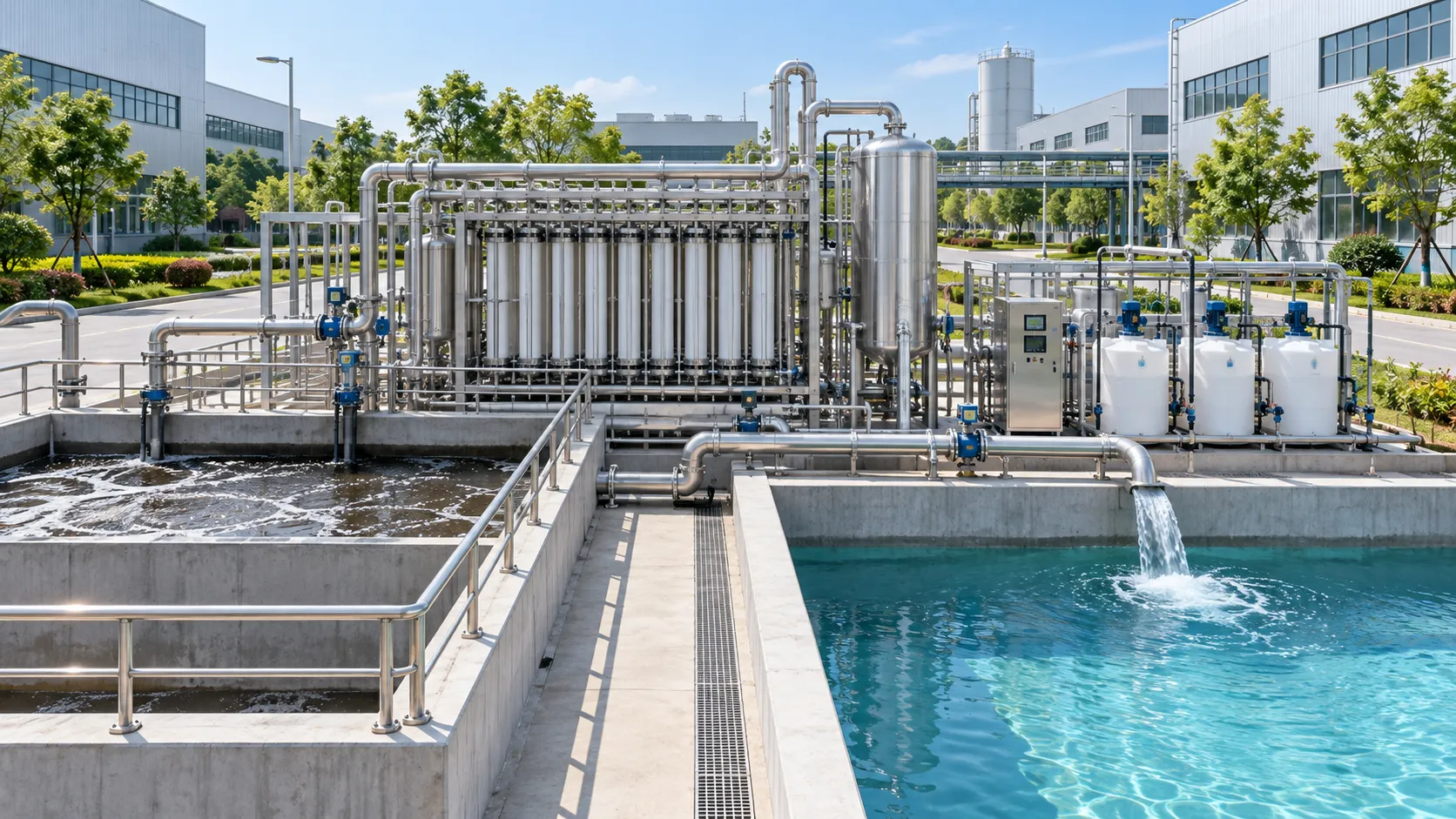
Comparing Upgrade Costs for Industrial Park Wastewater Treatment Systems
Compare costs for wastewater system upgrades in industrial parks with a lifecycle view of CAPEX, OPEX, compliance, resilience, and future expansion.
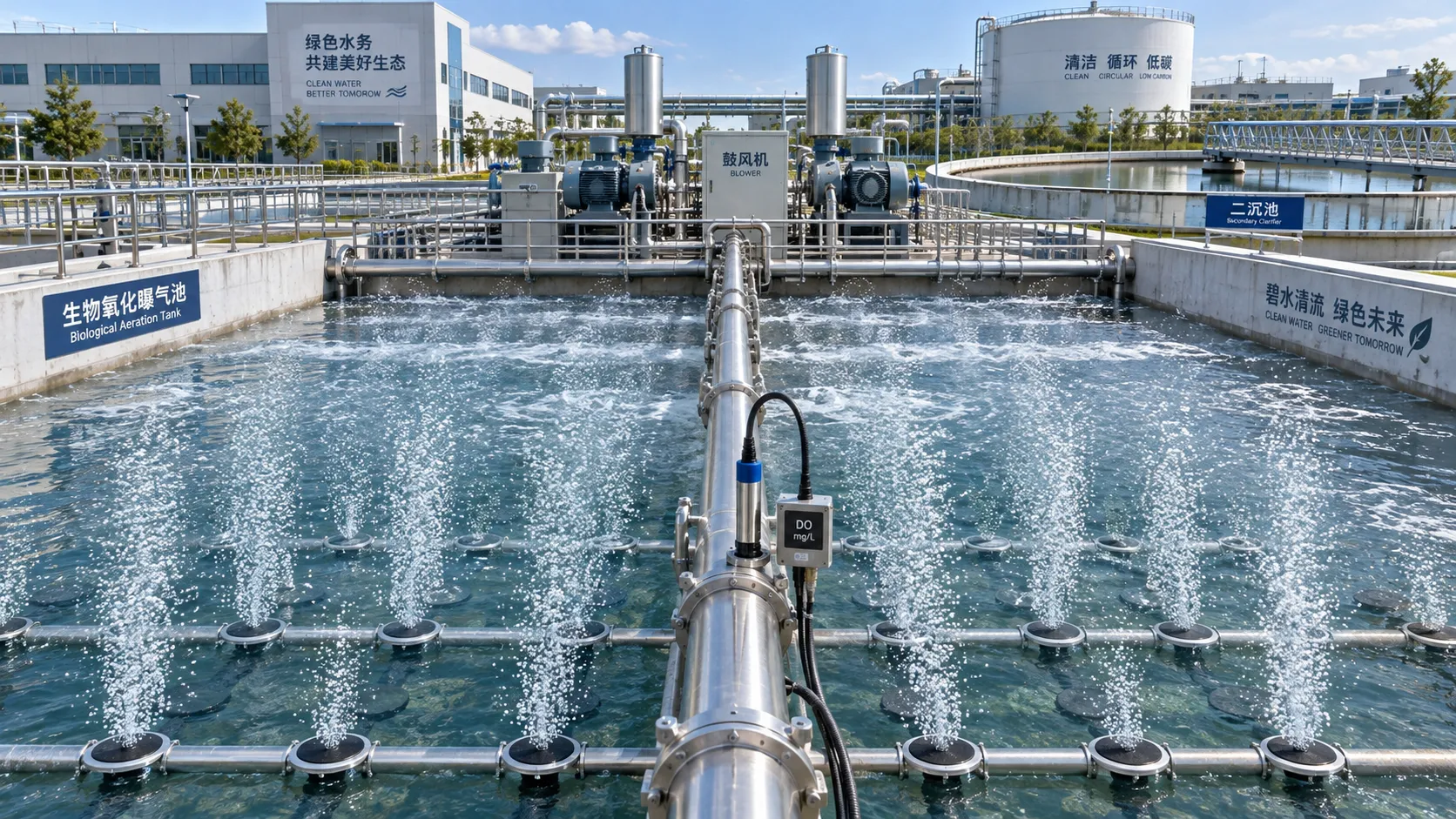
Biological Wastewater Oxidation Explained: Aeration Demand and Process Control
Biological wastewater oxidation explained: optimize aeration demand, DO control, nitrification, and sludge age for stable effluent quality and lower energy costs.
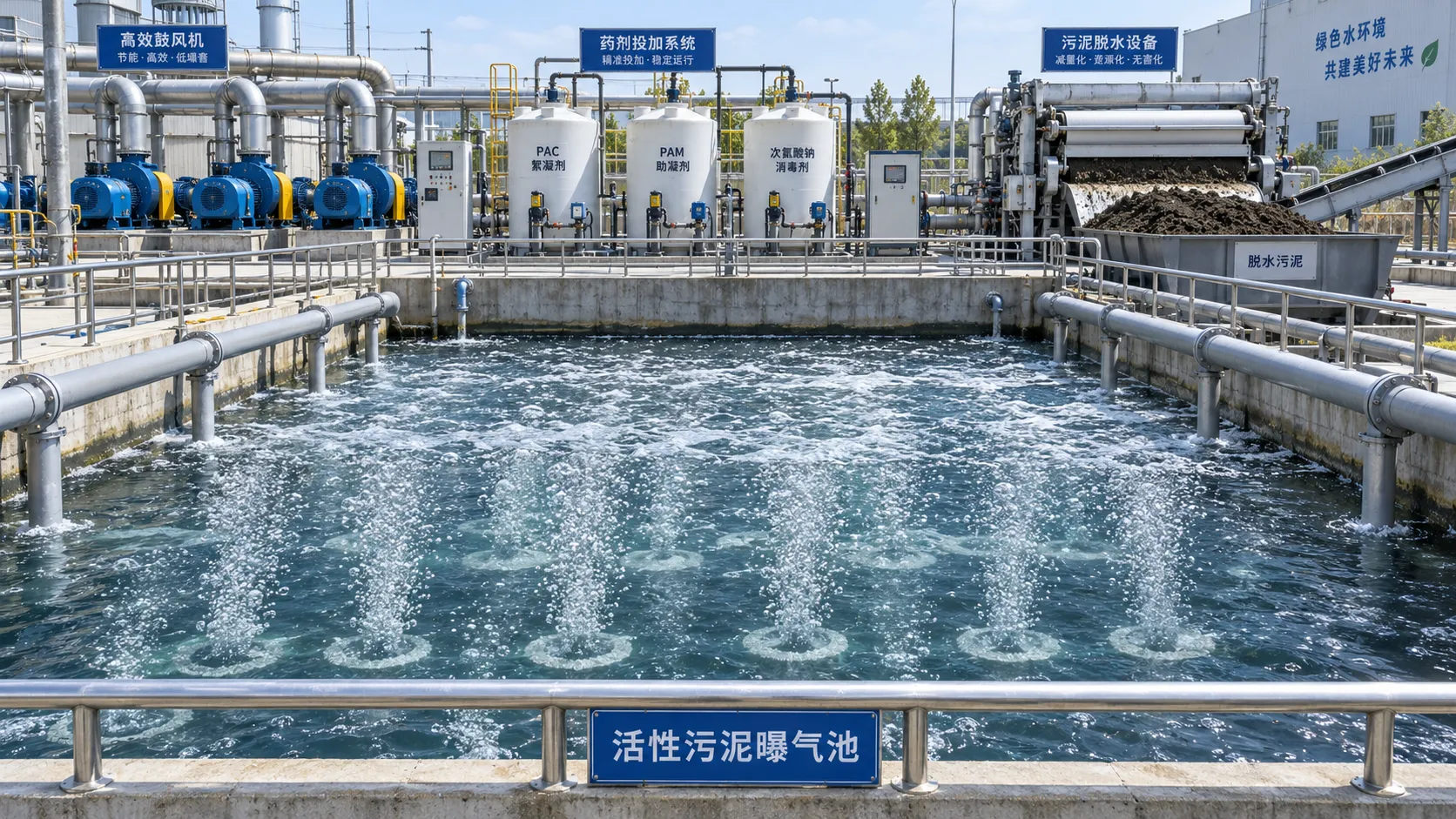
Activated Sludge Cost: Budgeting Energy, Chemicals, Sludge, and Labor
Activated sludge cost explained: compare energy, chemicals, sludge disposal, labor, and compliance risks to build a reliable lifecycle budget.
When Should Municipal Wastewater Plants Upgrade Treatment Capacity and Controls?
Municipal wastewater treatment upgrades: learn when capacity, controls, and resilient planning are needed to protect compliance and optimize plant performance.