
Industry News
Curation by industry experts
Hot Articles
Popular Tags
Industrial Purification Systems: When Higher CAPEX Lowers Lifetime Risk
For enterprise decision-makers, industrial purification systems are not simply equipment purchases. They are engineered risk controls that shape compliance continuity, production stability, and long-term asset value.
In water treatment, flue gas cleanup, desalination, waste recovery, and hazardous residue management, the cheapest system rarely delivers the lowest total cost. Hidden failures often appear later.
That is why higher-CAPEX industrial purification systems often outperform lower-priced alternatives across their full operating life. Better materials, smarter automation, and stronger redundancy reduce uncertainty.
This matters in a global market shaped by stricter permits, carbon accounting, water stress, public scrutiny, and complex supply chains. Lifetime risk now influences capital planning as much as payback.
Understanding Industrial Purification Systems in a Risk Framework
Industrial purification systems include integrated technologies that remove contaminants from water, air, brine, gases, solids, and hazardous process streams before discharge, reuse, recycling, or final containment.
They may include membrane trains, oxidation units, biological reactors, scrubbers, filters, thermal systems, ion exchange, crystallizers, evaporators, AI sorting lines, and radioactive waste stabilization modules.
A basic procurement view compares upfront cost. A risk-based view compares the probability and consequence of failure over ten, fifteen, or twenty years.
Under this lens, premium industrial purification systems are not luxury options. They are instruments for controlling downtime, permit breaches, energy waste, corrosion events, and future retrofit exposure.
What higher CAPEX usually buys
- Corrosion-resistant metallurgy and longer-life membranes
- Redundant pumps, valves, sensors, and control loops
- Higher automation accuracy and remote diagnostics
- Better pre-treatment and fouling control design
- Compliance-ready monitoring and traceability features
- Safer waste handling, containment, and emergency response capacity
Why the Industry Is Reassessing Low-Cost Purification Infrastructure
Across the comprehensive environmental sector, operating conditions are becoming harsher. Influent chemistry shifts faster, pollutant limits tighten, and utilities face stronger pressure to recover resources and prove resilience.
These changes expose the weaknesses of underdesigned industrial purification systems. A line item saved at installation can trigger years of instability, maintenance escalation, and expensive compliance interventions.
In this context, industrial purification systems must be judged by endurance. The critical question is no longer “What does it cost to install?” but “What risk does it remove?”
How Higher CAPEX Lowers Lifetime Risk
The strongest argument for advanced industrial purification systems is not image or specification prestige. It is measurable risk reduction across operations, finance, compliance, and corporate continuity.
1. Lower probability of unplanned shutdowns
Poor purification performance can halt entire process lines. This is especially true when cooling water, boiler feed, emissions treatment, or wastewater discharge are tied to production permits.
Premium industrial purification systems reduce single-point failures through redundancy, more reliable controls, and stronger tolerance to feed fluctuations, fouling events, and corrosive loads.
2. Reduced regulatory and liability exposure
Environmental noncompliance is rarely limited to a fine. It can create legal disputes, permit restrictions, remediation obligations, insurance complications, and public trust damage.
High-grade industrial purification systems support tighter control windows, cleaner audit trails, and more consistent emissions or effluent quality. That lowers the chance of expensive surprises.
3. Better lifecycle cost predictability
Low-CAPEX designs often hide future spending in chemicals, membrane replacement, emergency repairs, sludge handling, and energy consumption. Initial savings can dissolve quickly.
Well-engineered industrial purification systems usually deliver more stable operating profiles. Predictable maintenance and lower performance drift support more accurate long-range budgeting.
4. Stronger resilience against evolving standards
Many facilities will face tighter pollutant limits during the asset life of installed systems. Designs with spare hydraulic, treatment, or automation capacity adapt more effectively.
This future-readiness is especially important for industrial purification systems supporting PFAS removal, desalination recovery, flue gas polishing, resource recovery, or hazardous waste stabilization.
Business Value Across Representative Industrial Purification Systems
The business case differs by application, yet the underlying logic remains consistent. When failure consequences are severe, robust industrial purification systems become economically rational.
Typical Decision Scenarios for Higher-Investment Systems
Not every project requires the same design margin. However, several situations strongly favor advanced industrial purification systems with higher upfront investment.
- Operations where discharge noncompliance can suspend production
- Sites handling highly variable or corrosive influent streams
- Facilities in water-stressed regions requiring reuse reliability
- Assets expected to operate beyond one regulatory cycle
- Projects where reputation and ESG reporting affect market access
- Remote or critical infrastructure sites with limited service tolerance
In these scenarios, industrial purification systems should be treated as strategic infrastructure. Their value lies in preserving continuity under pressure, not merely meeting nominal design conditions.
Practical Evaluation Methods Before Capital Commitment
A sound decision process compares options beyond purchase price. The goal is to quantify which industrial purification systems produce the lowest lifetime risk-adjusted cost.
Use a broader cost model
Evaluate CAPEX, energy, consumables, labor, maintenance, spares, residuals handling, retrofit probability, and expected downtime costs. This reveals the real economics.
Stress-test real operating conditions
Design should be tested against upset loads, seasonal changes, feed contamination spikes, utility interruptions, and future permit tightening. Nameplate performance is not enough.
Check maintainability and digital visibility
The best industrial purification systems are easier to inspect, diagnose, and optimize. Digital twins, predictive alarms, and online analyzers can materially reduce hidden risk.
Review vendor depth and upgrade path
Support quality matters. Spare parts availability, process guarantees, commissioning skill, and future modular expansion often determine whether high CAPEX creates lasting value.
A Disciplined Next Step for Long-Life Purification Planning
Industrial purification systems deserve evaluation as risk infrastructure, especially in sectors where environmental performance and operational continuity directly shape commercial outcomes.
A higher initial budget can be justified when it lowers shutdown probability, limits compliance exposure, stabilizes lifecycle cost, and extends adaptability under changing standards.
The most useful next step is a structured audit of existing purification assets. Compare current design margins, failure history, compliance sensitivity, and upgrade readiness.
From that baseline, prioritize industrial purification systems where premium design features produce measurable protection. In today’s environmental economy, resilience is often the best return on capital.
Recommended News
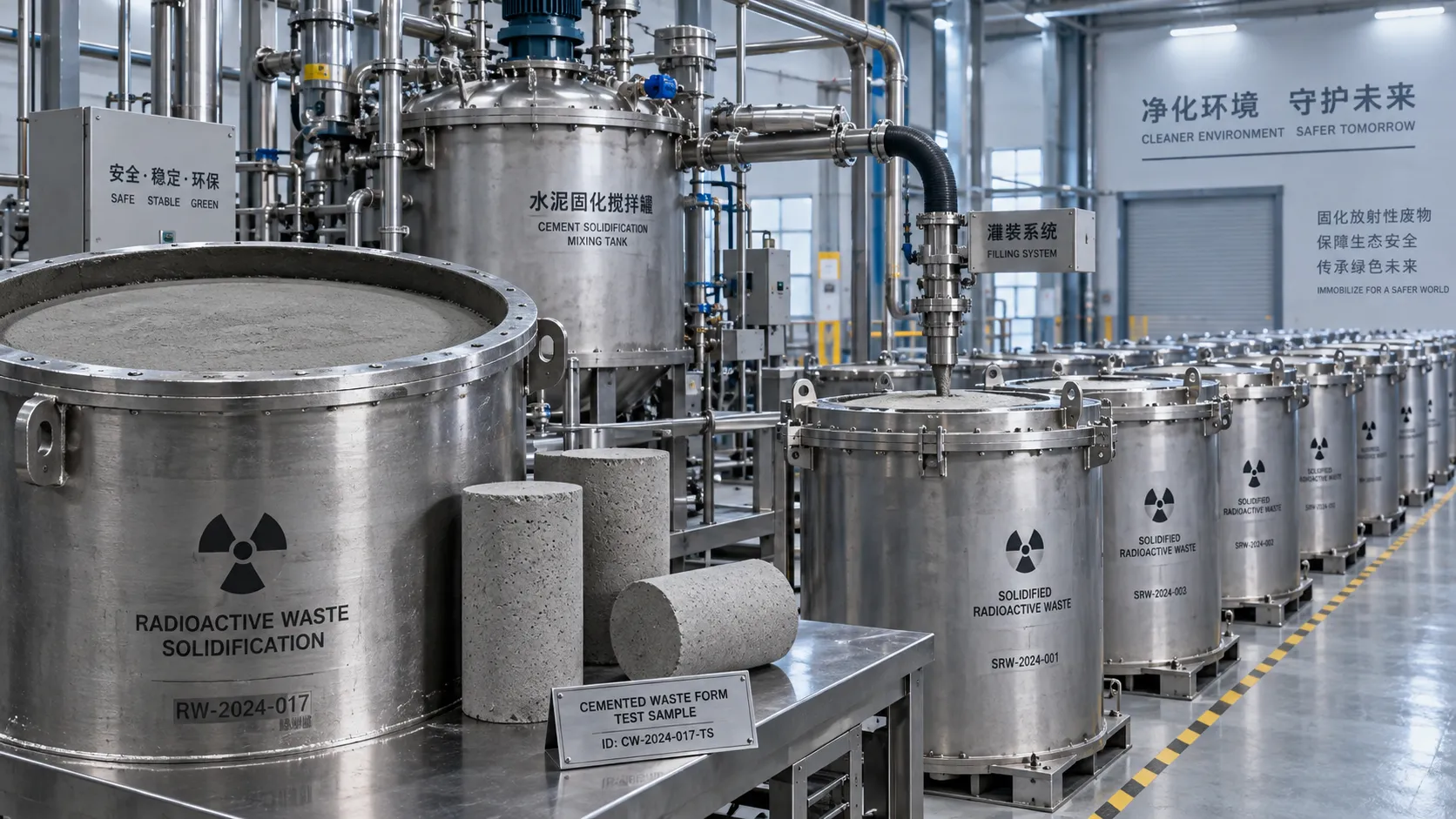
When is cementation suitable for nuclear decommissioning waste?
Explore nuclear waste treatment technology for decommissioning: learn when cementation fits, which risks to assess, and how disposal criteria guide an effective treatment choice.
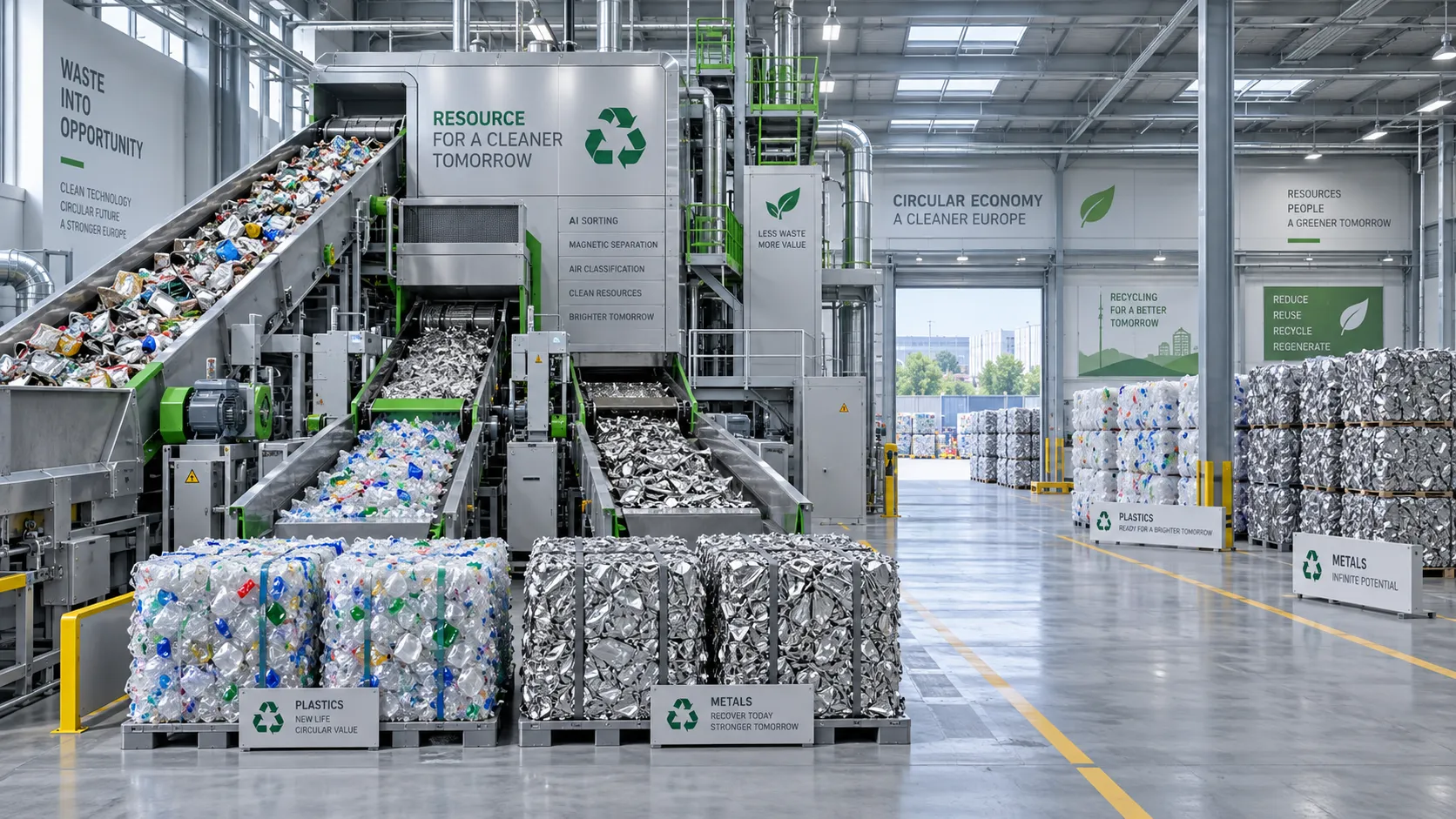
What determines payback for waste-to-resource systems in Europe?
Assess waste-to-resource systems Europe-wide: compare feedstock, recovery yields, costs and contracts to uncover payback drivers and make smarter investment decisions.
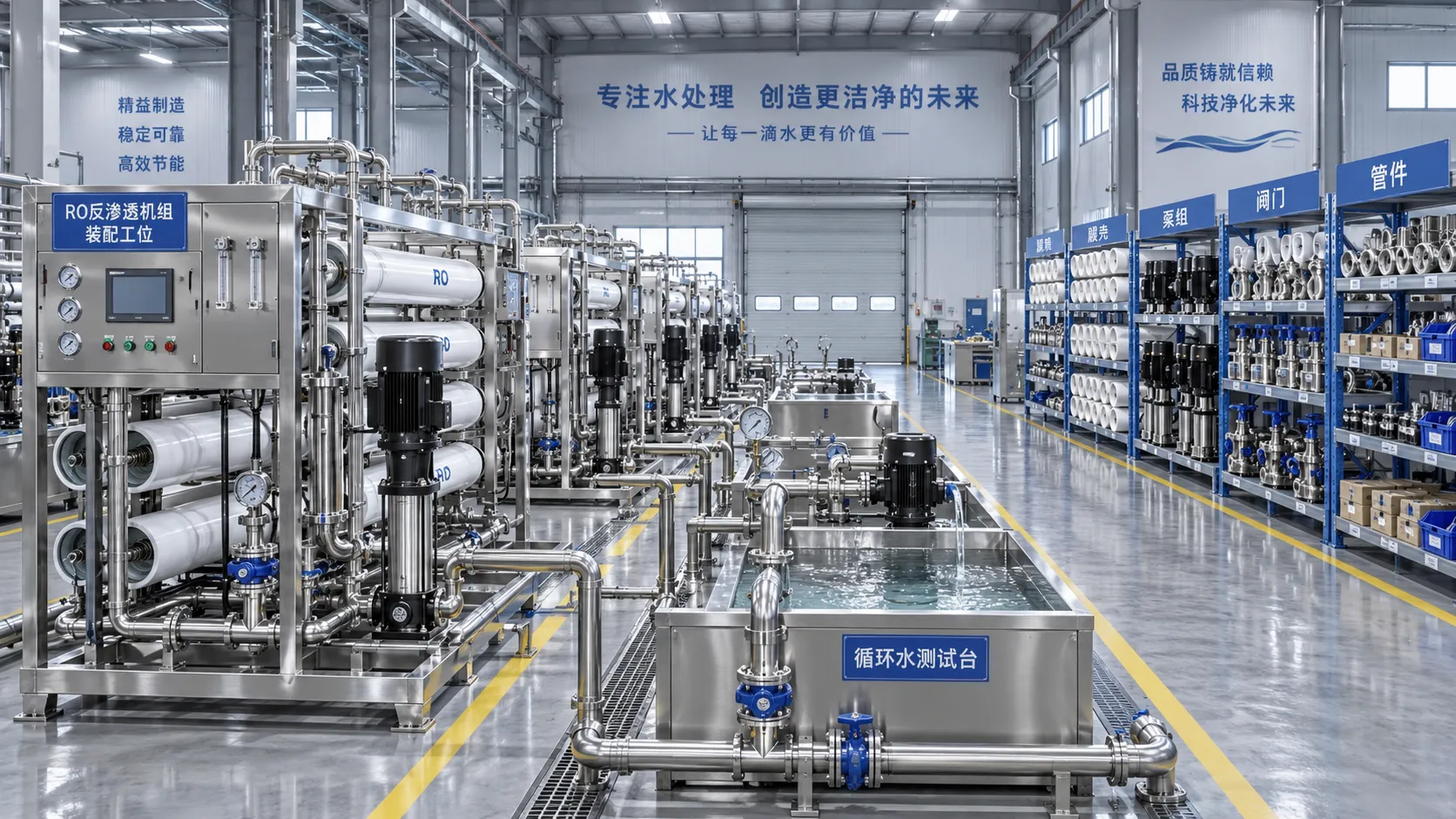
How to verify a water treatment system factory’s production capacity
Verify a water treatment systems factory’s production capacity through records, bottlenecks, component availability, and testing. Learn what to check before accepting a delivery promise.
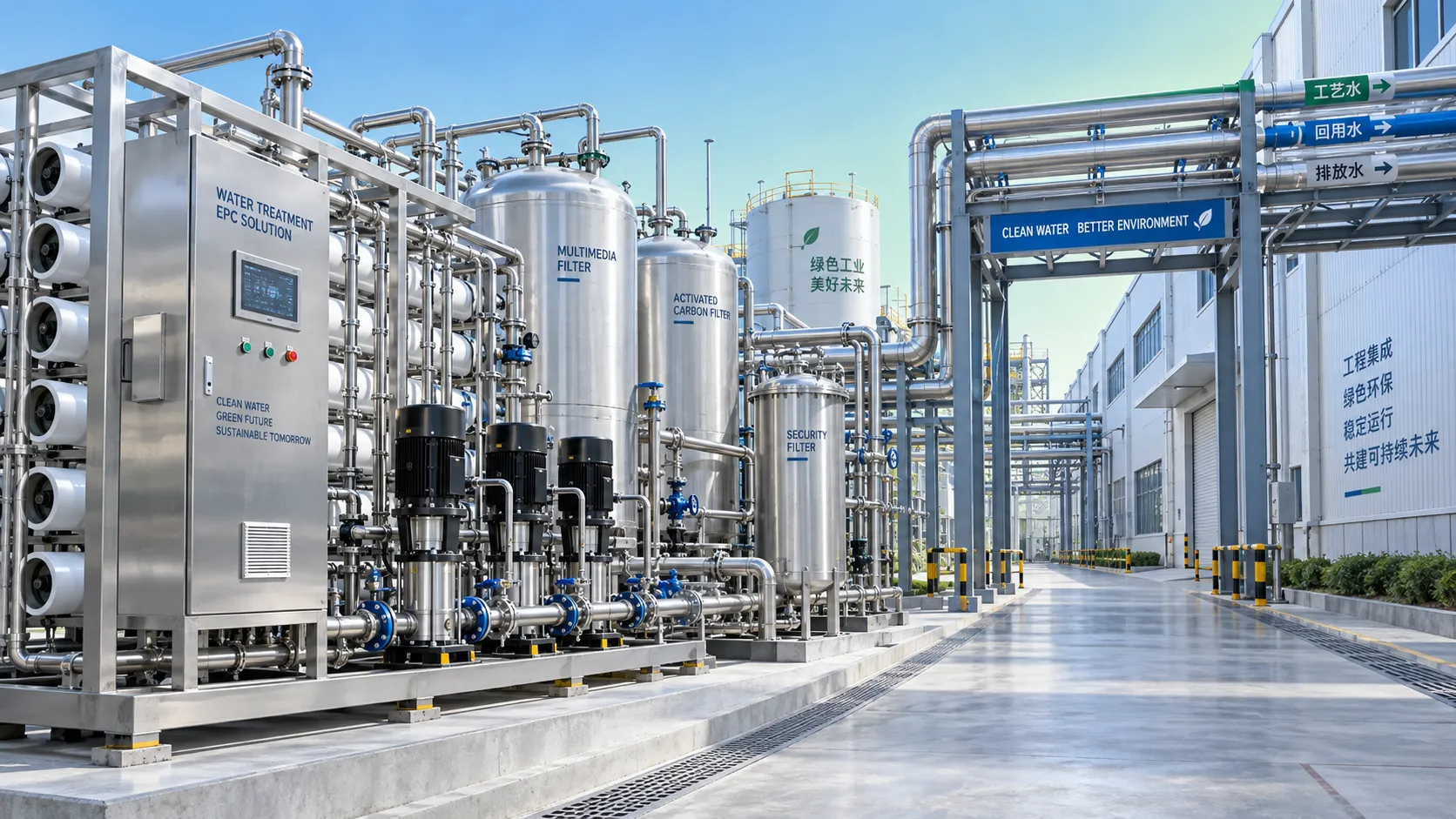
When does EPC environmental project support reduce delivery risk?
EPC environmental project support engineering reduces delivery risk by aligning design, procurement, compliance, construction, and commissioning decisions.
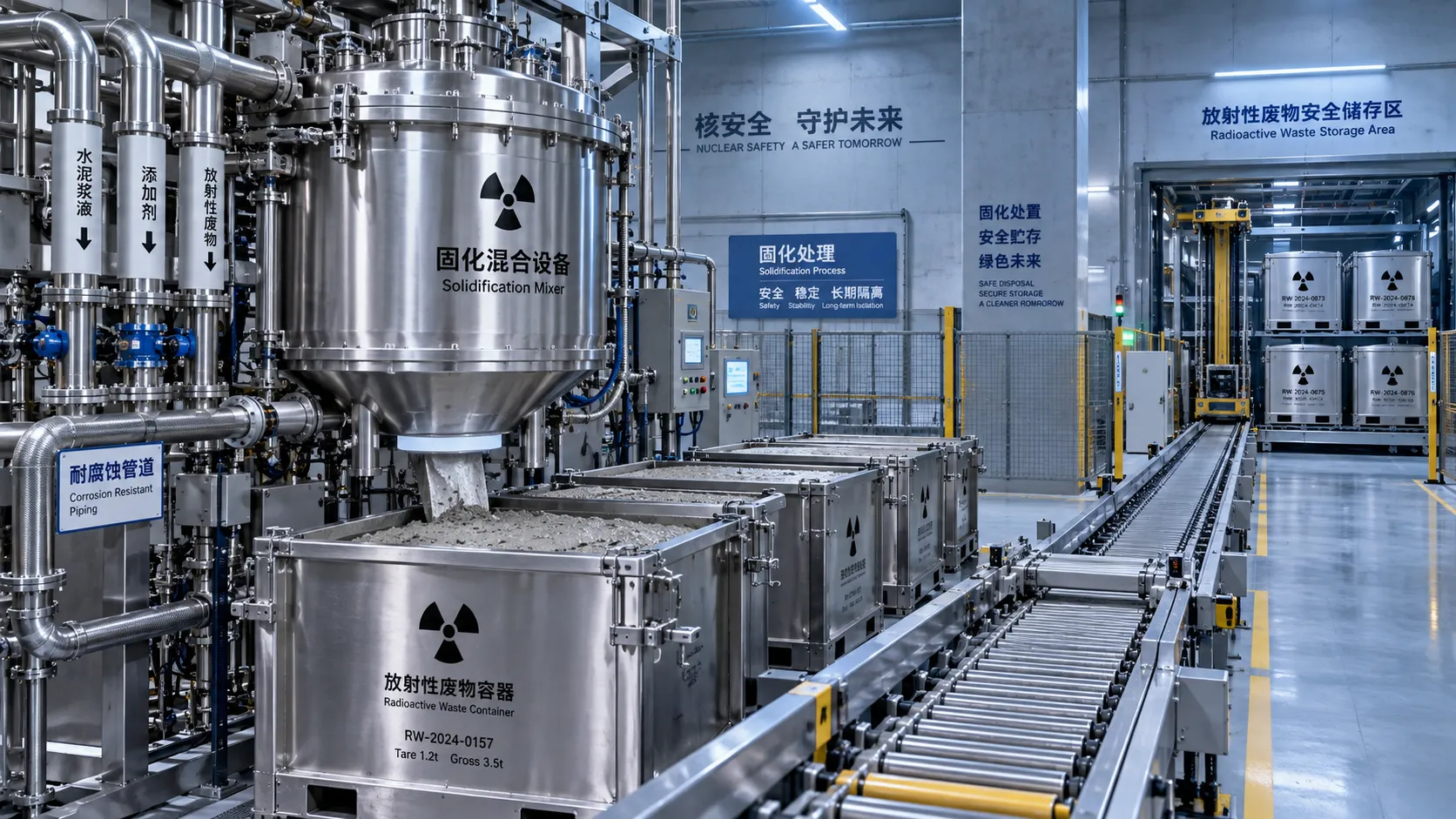
How nuclear plants select a radioactive waste solidification method
Radioactive waste management for nuclear plants: compare vitrification, cementation, polymers, and ceramics to select a compliant, durable solidification solution.
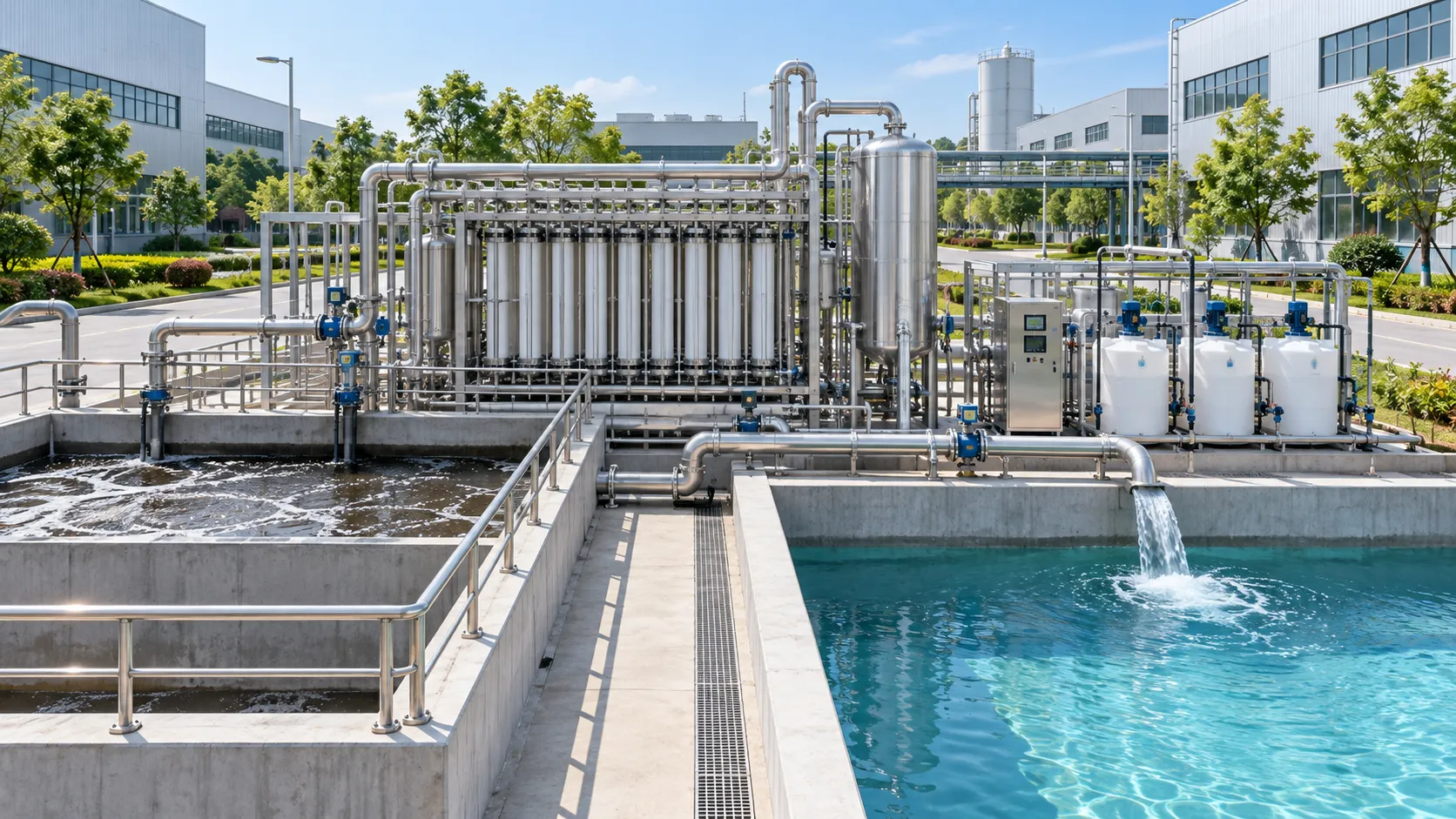
Comparing Upgrade Costs for Industrial Park Wastewater Treatment Systems
Compare costs for wastewater system upgrades in industrial parks with a lifecycle view of CAPEX, OPEX, compliance, resilience, and future expansion.
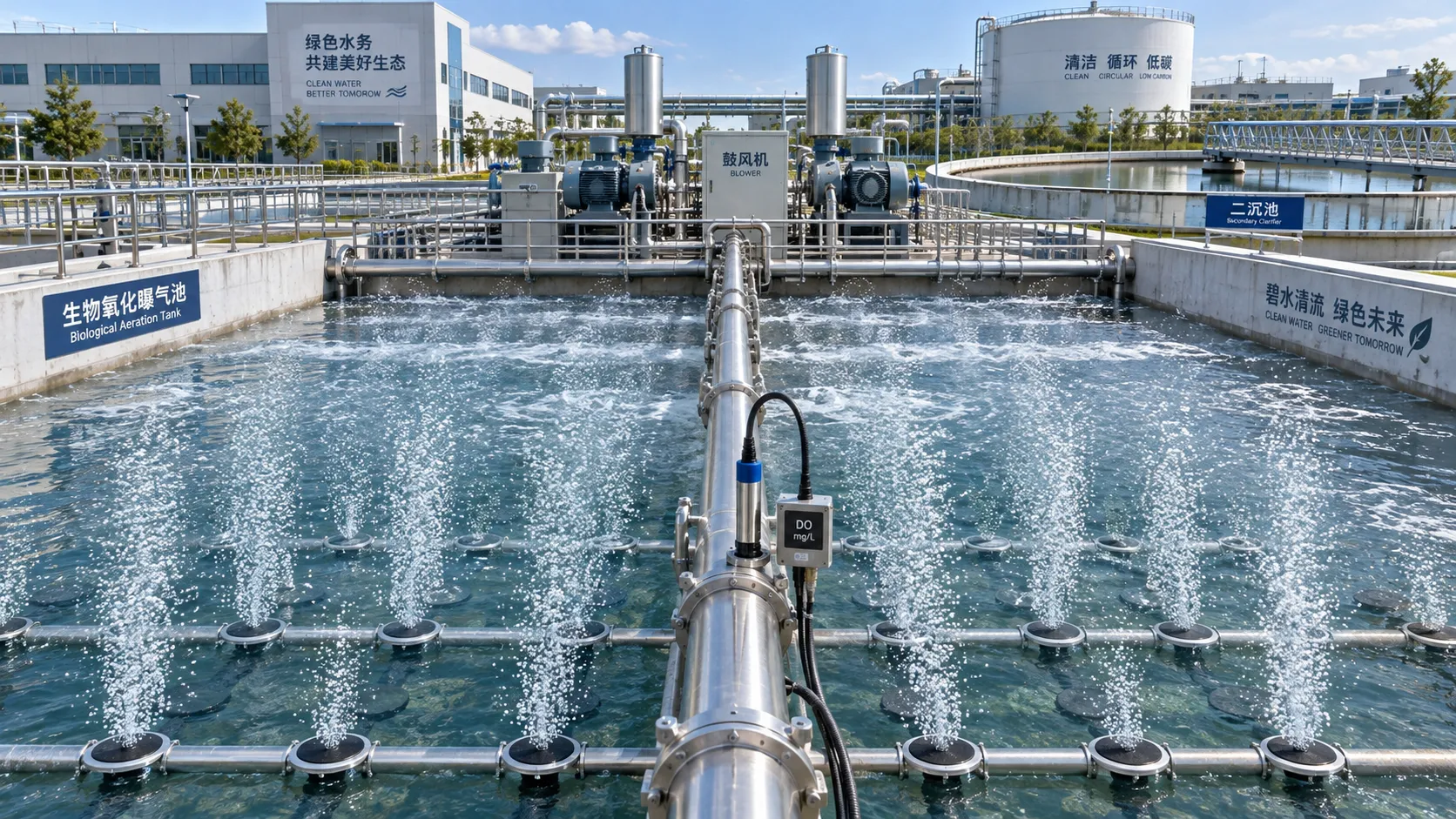
Biological Wastewater Oxidation Explained: Aeration Demand and Process Control
Biological wastewater oxidation explained: optimize aeration demand, DO control, nitrification, and sludge age for stable effluent quality and lower energy costs.
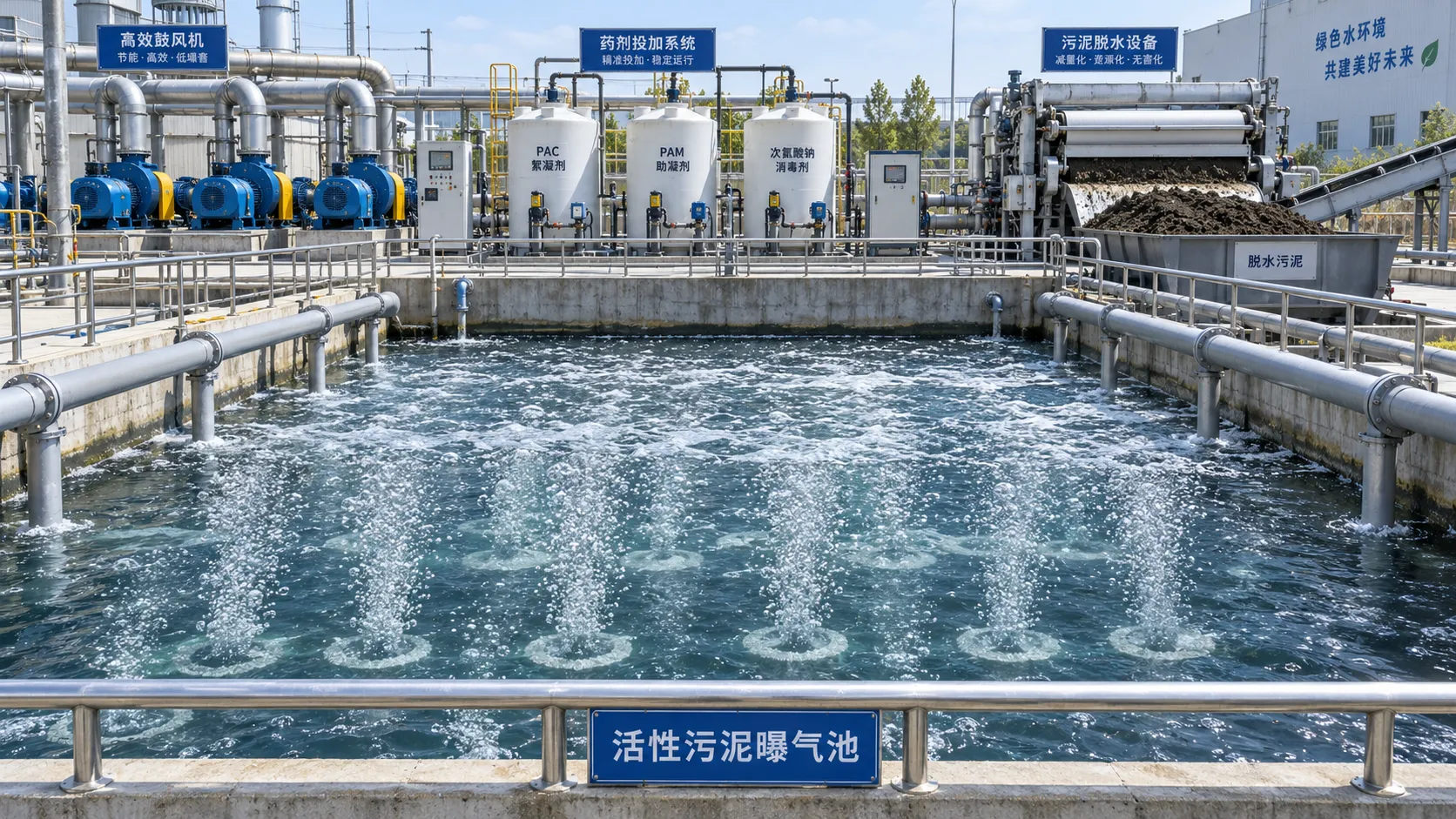
Activated Sludge Cost: Budgeting Energy, Chemicals, Sludge, and Labor
Activated sludge cost explained: compare energy, chemicals, sludge disposal, labor, and compliance risks to build a reliable lifecycle budget.
When Should Municipal Wastewater Plants Upgrade Treatment Capacity and Controls?
Municipal wastewater treatment upgrades: learn when capacity, controls, and resilient planning are needed to protect compliance and optimize plant performance.