
Industry News
Curation by industry experts
Hot Articles
Popular Tags
How to Vet a Circular Economy Supplier Beyond Price and Claims
How to Vet a Circular Economy Supplier Beyond Price and Claims
Choosing a circular economy supplier on price alone can create hidden exposure across compliance, quality, recovery rates, and reputation.
In complex industrial chains, marketing claims often look stronger than operational proof.
A reliable review process should test traceability, technical fit, regulatory alignment, and long-term recovery value.
This matters especially in water treatment, solid waste recovery, desalination, flue gas control, and nuclear-adjacent material handling.
In these fields, one weak supplier can undermine environmental performance and project credibility for years.
When the buying scenario changes, the right circular economy supplier also changes
Not every circular economy supplier should be judged by the same checklist weight.
A supplier handling recycled polymers for packaging faces different scrutiny than one reclaiming industrial sludge or membrane waste.
The operating context determines which risks deserve deeper verification.
High-volume consumer materials often require stable feedstock consistency and certification depth.
Heavy industrial recovery projects require process reliability, emissions control, and chain-of-custody discipline.
In regulated sectors, the best circular economy supplier is usually the one with auditable evidence, not the loudest sustainability narrative.
Start with a scenario map before requesting quotes
Define whether the need is material input, take-back service, refurbishment, remanufacturing, or waste-to-resource conversion.
Then identify the operational consequence of failure.
- Production disruption from variable recovered material quality
- Permit risk from incorrect waste classification or treatment routes
- Cost escalation from poor recovery yields or excessive contamination
- Reputational damage from unverified recycled content claims
Scenario 1: Material sourcing needs proof of consistency, not just recycled content claims
For sourced inputs, the first question is not whether material is recycled.
The real question is whether the circular economy supplier can maintain consistent composition across batches.
Recovered metals, polymers, glass, or secondary minerals often vary by feedstock source and sorting quality.
Without stable specifications, downstream performance can shift unexpectedly.
Ask for test data over time, not a single lab certificate.
Request impurity ranges, moisture variation, contamination thresholds, and rejection history.
A serious circular economy supplier should explain sorting methods, blending controls, and incoming feedstock screening.
Core judgment points in material sourcing
- Batch-to-batch consistency data across at least six to twelve months
- Third-party certification for recycled content or chain of custody
- Traceable feedstock origins and contamination controls
- Clear specification limits tied to actual application needs
Scenario 2: Recovery and take-back programs depend on logistics discipline
A circular economy supplier offering collection or take-back services should be evaluated as a logistics operator as much as a recycler.
Collection delays, segregation errors, and weak documentation can erase recovery value.
This is critical for spent membranes, catalysts, filter media, packaging waste, and industrial residues.
Review transport permits, container standards, labeling procedures, and digital tracking systems.
The strongest circular economy supplier can show where each stream originated, how it moved, and how it was processed.
If custody breaks, compliance confidence breaks too.
What to verify in take-back scenarios
- Licensed transport and handling capacity
- Documented chain of custody from collection to final treatment
- Segregation protocols for hazardous and non-hazardous fractions
- Service-level commitments for collection frequency and response times
Scenario 3: Industrial by-product recovery requires technical process transparency
Some projects involve sludge, brine concentrates, ash, spent sorbents, or mixed industrial residues.
In these cases, a circular economy supplier must prove process capability, not just end-market intent.
Pyrolysis, solvent recovery, metal extraction, thermal treatment, and AI-assisted sorting all need operating evidence.
Request mass balance records, recovery yield data, emissions controls, residue management, and quality outcomes for recovered outputs.
This is especially relevant for environmental infrastructure projects where recovery efficiency affects both economics and permits.
A credible circular economy supplier should also disclose process limitations honestly.
Red flags in technically complex recovery projects
- Recovery claims without pilot data or operating references
- No explanation of rejects, residues, or secondary pollution controls
- Overreliance on future offtake promises instead of contracted outlets
- Weak alignment between input variability and process design
Scenario 4: Regulated environmental projects need compliance depth from the start
In water treatment, flue gas control, desalination, and nuclear-related waste flows, compliance must be designed into supplier selection.
A circular economy supplier may meet cost targets yet still fail environmental reporting expectations.
Cross-border trade rules, emissions permits, waste codes, and product stewardship obligations all matter.
Verify whether the supplier understands regional regulations, export restrictions, and end-of-waste criteria.
Check if documentation supports ESG reporting, customer audits, and carbon accounting.
In highly visible projects, weak paperwork can be as damaging as weak process performance.
How scenario needs differ when vetting a circular economy supplier
A practical vetting framework that fits most scenarios
- Define the exact circular outcome required: recycled input, recovery rate, take-back coverage, or verified emissions reduction.
- Pre-screen the circular economy supplier using licenses, certifications, references, and financial stability.
- Request evidence packages with data trends, not isolated claims.
- Score technical fit, compliance maturity, operational resilience, and transparency separately from price.
- Validate on-site when the waste stream, environmental risk, or contract value is high.
- Build contract terms around traceability, reporting frequency, corrective actions, and performance thresholds.
Useful questions during supplier review
- What percentage of feedstock is actually traceable to origin?
- How often do out-of-spec batches occur?
- What happens to rejects and unrecoverable fractions?
- Which third parties verify the data?
- Which regulations most often affect your process or shipments?
Common misjudgments when assessing a circular economy supplier
One common mistake is confusing a sustainability claim with an auditable operating model.
Another is assuming a supplier with strong branding also has strong downstream control.
Many reviews also ignore what happens to non-recoverable fractions.
Price-only selection creates another blind spot.
A low-cost circular economy supplier may produce hidden costs through rework, disposal, delays, or audit findings.
The true comparison should include recovery efficiency, reporting quality, and continuity under stress.
It is also risky to skip site validation for technically sensitive streams.
Documents may look complete while actual segregation, storage, or emissions control practices remain weak.
Next steps for building a stronger circular procurement path
A resilient sourcing strategy starts by ranking supply scenarios by material criticality, compliance exposure, and recovery complexity.
Then apply a scenario-specific scorecard to every circular economy supplier under consideration.
Keep price important, but never dominant.
For industrial and environmental infrastructure projects, independent technical intelligence adds real value.
It helps separate circular economy supplier claims from proven recovery performance and compliance readiness.
That is where disciplined evaluation protects both project economics and environmental credibility.
If the goal is long-term circular value, choose evidence over slogans, process depth over surface metrics, and operational transparency over cheap promises.
That approach will identify a circular economy supplier capable of supporting durable, trustworthy growth.
Recommended News
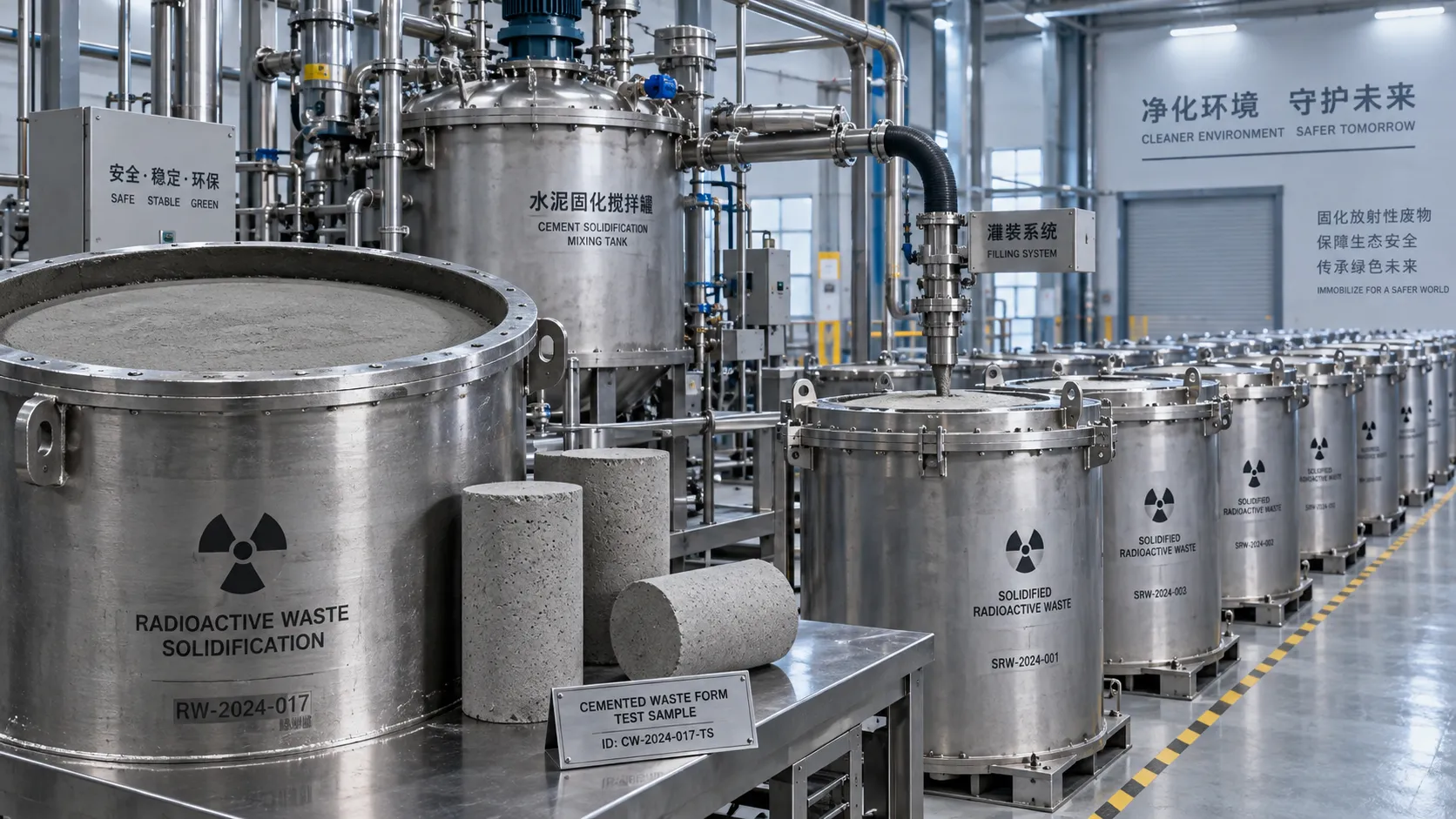
When is cementation suitable for nuclear decommissioning waste?
Explore nuclear waste treatment technology for decommissioning: learn when cementation fits, which risks to assess, and how disposal criteria guide an effective treatment choice.
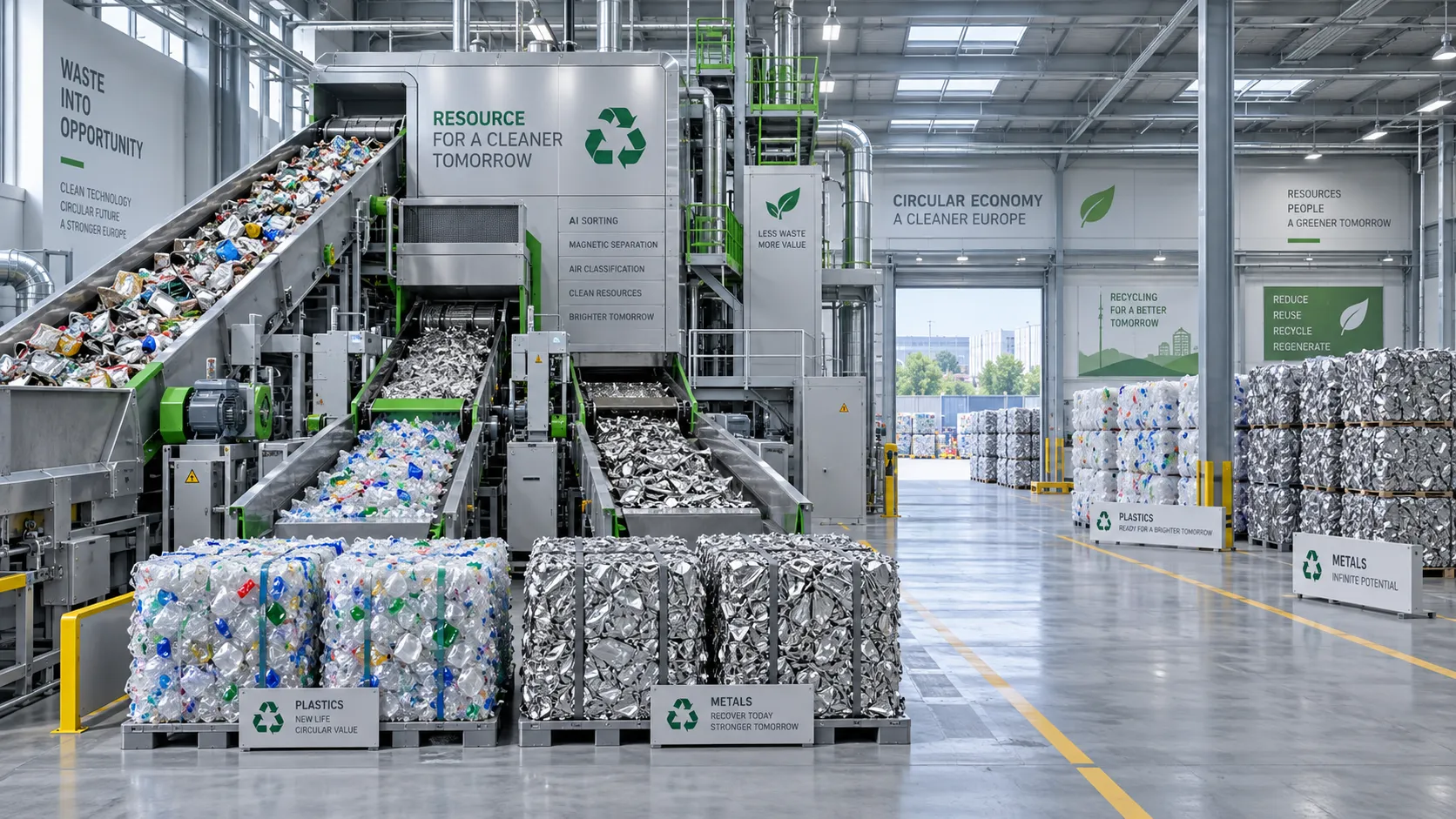
What determines payback for waste-to-resource systems in Europe?
Assess waste-to-resource systems Europe-wide: compare feedstock, recovery yields, costs and contracts to uncover payback drivers and make smarter investment decisions.
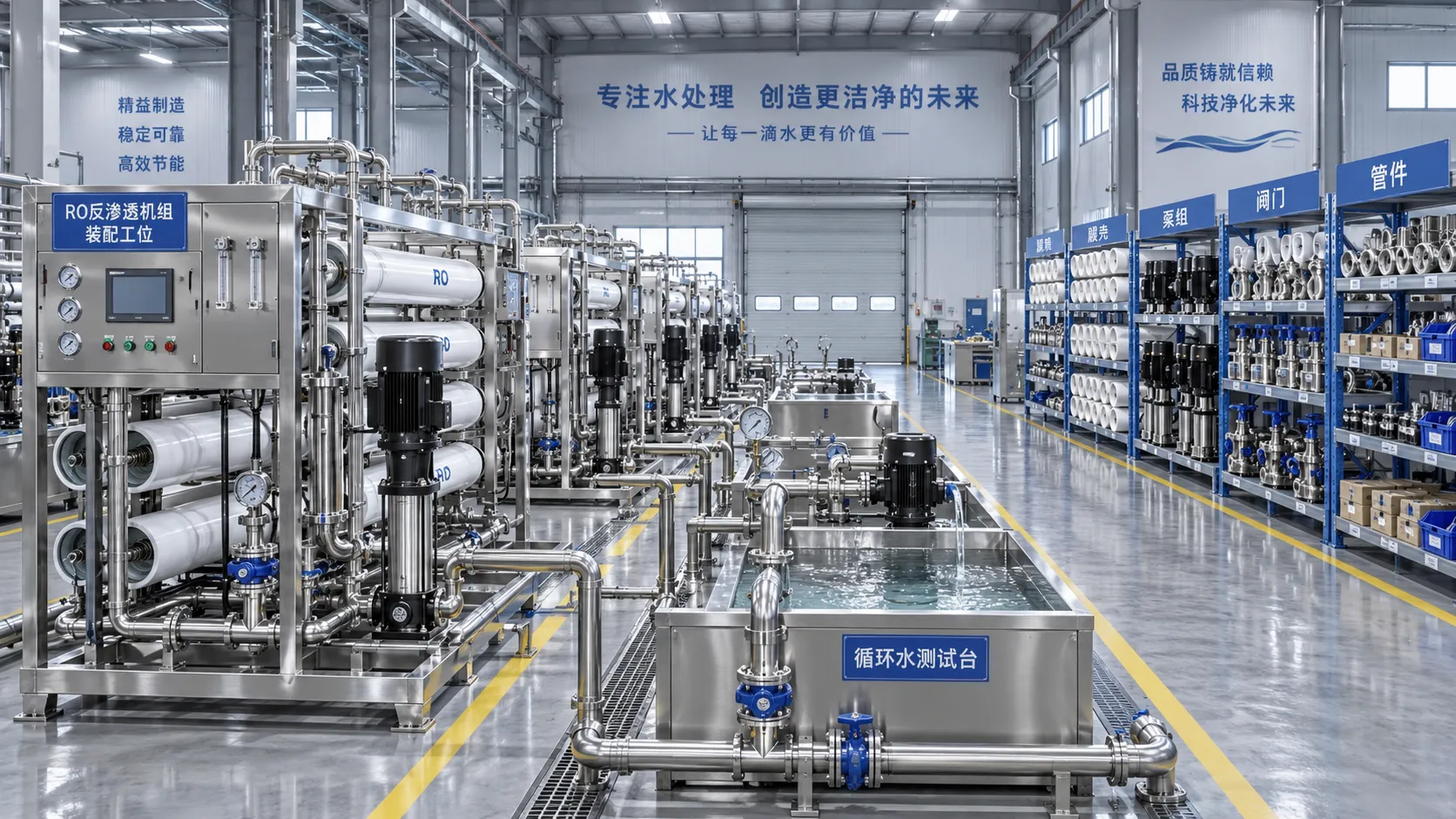
How to verify a water treatment system factory’s production capacity
Verify a water treatment systems factory’s production capacity through records, bottlenecks, component availability, and testing. Learn what to check before accepting a delivery promise.
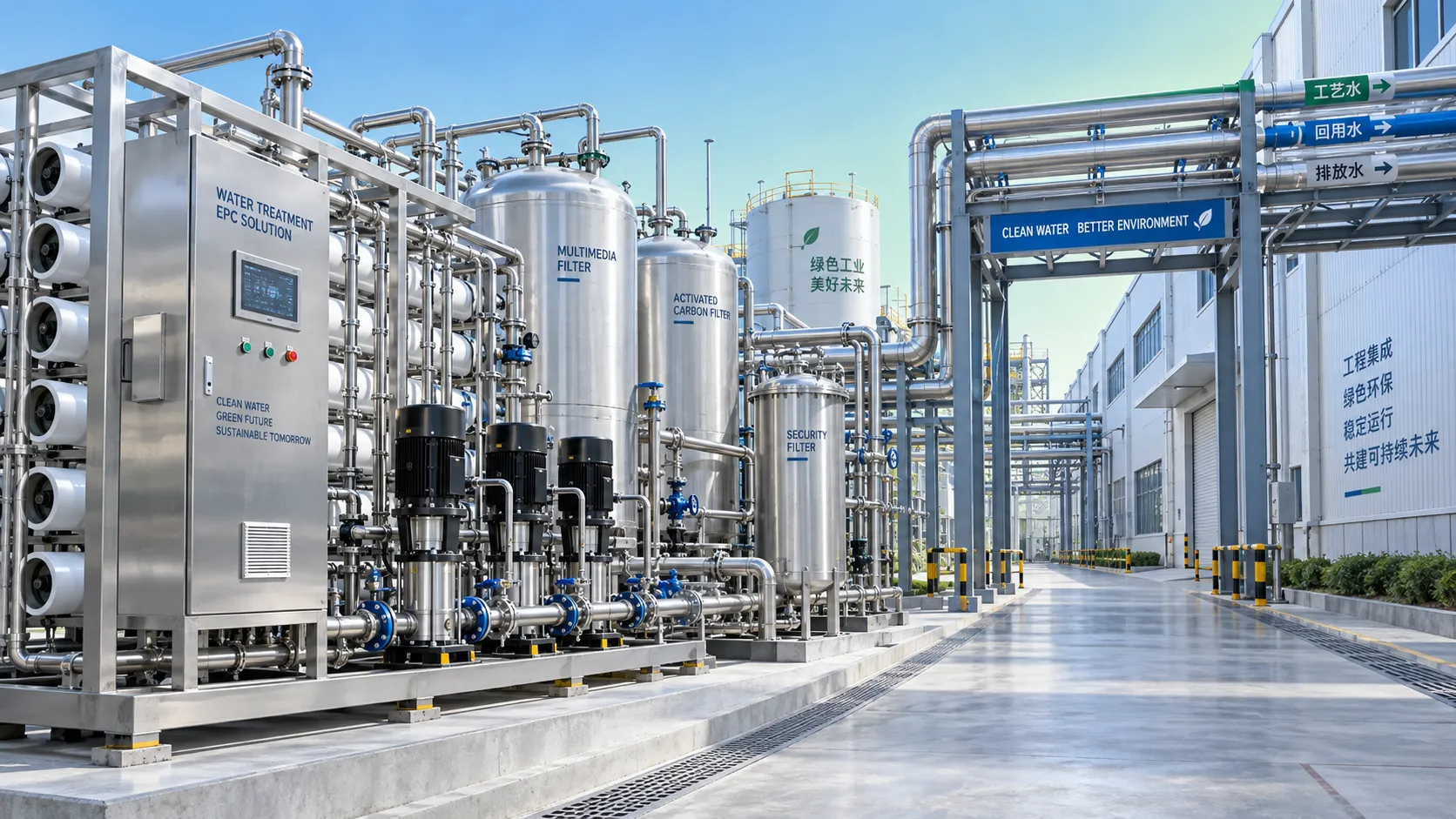
When does EPC environmental project support reduce delivery risk?
EPC environmental project support engineering reduces delivery risk by aligning design, procurement, compliance, construction, and commissioning decisions.
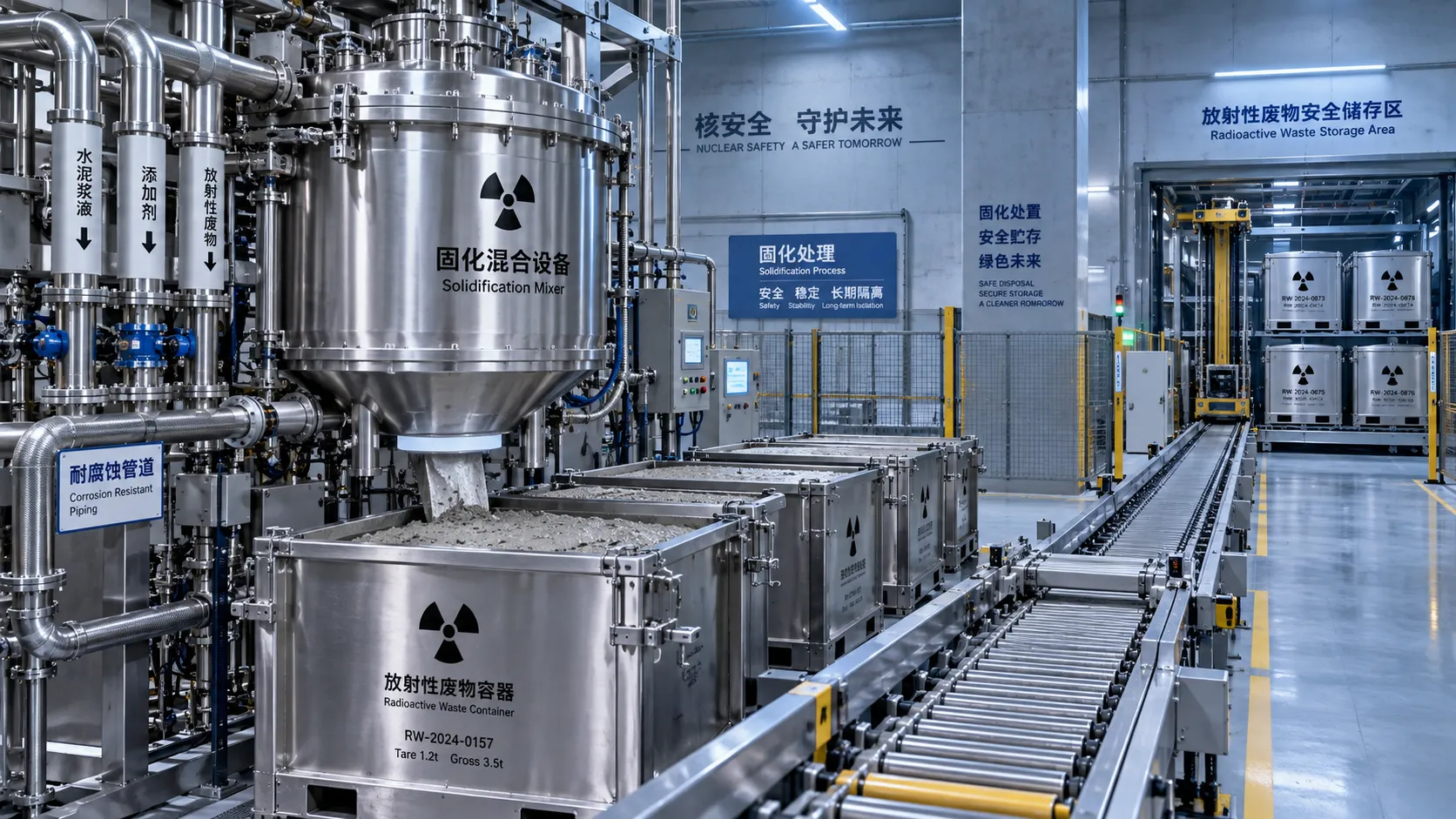
How nuclear plants select a radioactive waste solidification method
Radioactive waste management for nuclear plants: compare vitrification, cementation, polymers, and ceramics to select a compliant, durable solidification solution.
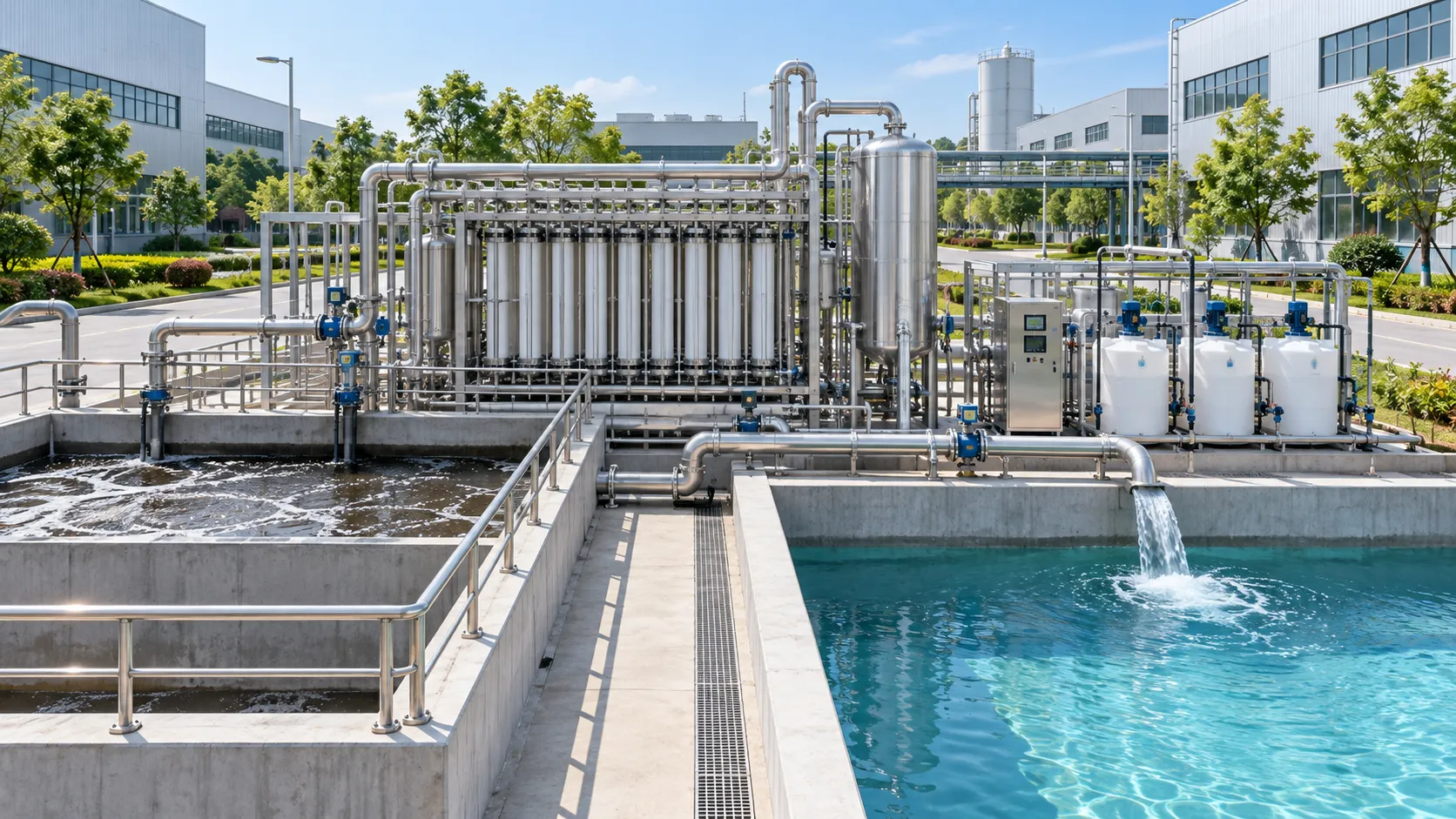
Comparing Upgrade Costs for Industrial Park Wastewater Treatment Systems
Compare costs for wastewater system upgrades in industrial parks with a lifecycle view of CAPEX, OPEX, compliance, resilience, and future expansion.
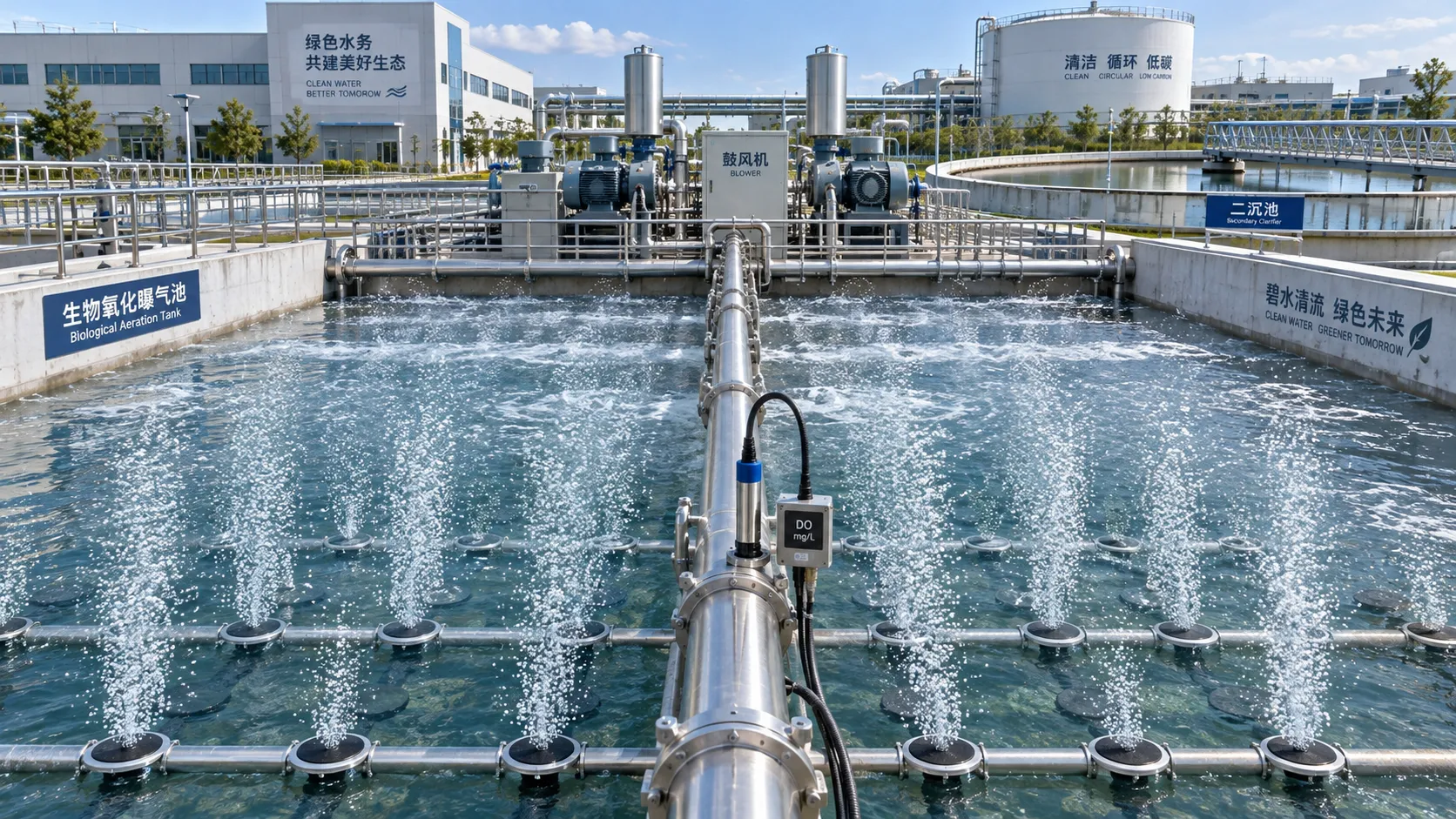
Biological Wastewater Oxidation Explained: Aeration Demand and Process Control
Biological wastewater oxidation explained: optimize aeration demand, DO control, nitrification, and sludge age for stable effluent quality and lower energy costs.
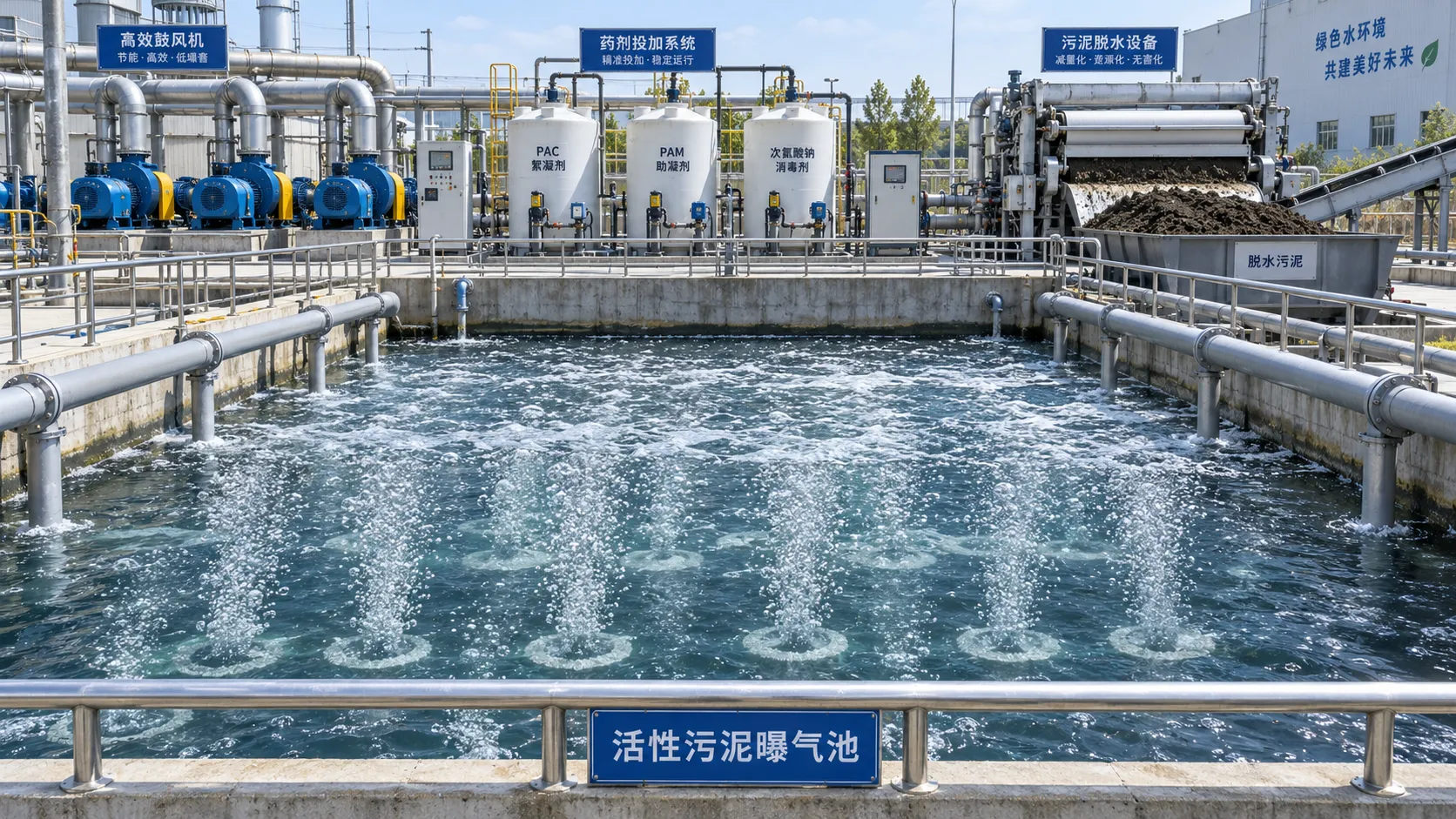
Activated Sludge Cost: Budgeting Energy, Chemicals, Sludge, and Labor
Activated sludge cost explained: compare energy, chemicals, sludge disposal, labor, and compliance risks to build a reliable lifecycle budget.
When Should Municipal Wastewater Plants Upgrade Treatment Capacity and Controls?
Municipal wastewater treatment upgrades: learn when capacity, controls, and resilient planning are needed to protect compliance and optimize plant performance.