
Industry News
Curation by industry experts
Hot Articles
Popular Tags
CBAM Impact: Which Export Costs Are Rising First?
CBAM impact is no longer theoretical
The CBAM impact is moving from policy headlines into export costing models.
For cross-border industrial trade, the first concern is simple.
Which costs rise first, and which ones stay hidden until contracts are already signed?
That question matters across environmental engineering supply chains.
Water treatment skids, flue gas systems, recovery lines, desalination packages, and nuclear-related containment equipment all depend on carbon-intensive inputs.
The earliest pressure usually does not begin with customs payment alone.
It starts with carbon data collection, supplier documentation, embedded emissions calculations, and repricing of exposed materials.
For platforms such as ESD, which track compliance shifts across ecological infrastructure, the CBAM impact is best read as a chain reaction.
Margins narrow first where heavy materials, complex fabrication, and weak traceability meet.
So which export costs are rising first?
In most cases, the first increases appear in four places.
- Carbon accounting and verification work.
- Upstream steel, aluminum, and energy-linked input pricing.
- Contract risk premiums added by exporters and EPC partners.
- Administrative costs tied to declarations, audit trails, and reporting systems.
Direct CBAM charges get attention because they are visible.
Yet the earlier wave is often internal and operational.
A fabricated pressure vessel may require carbon factors from plate steel, welding processes, electricity sources, and surface treatment.
If those records are incomplete, costs rise before goods even move.
That is why the CBAM impact frequently shows up first in quotation revisions.
Suppliers price uncertainty into the offer when they cannot defend embedded emissions data.
A quick judgment table helps clarify the pattern
Are all export categories hit at the same speed?
Not at all.
The CBAM impact moves faster where materials are emission-heavy and product structures are easier to map.
Basic metals feel pressure before many assembled systems.
But complex equipment still absorbs those increases through components.
In practical terms, environmental infrastructure is exposed through its bill of materials.
A desalination train may contain stainless structures, pumps, pressure tubes, cable systems, and coated frames.
A flue gas treatment package may rely on steelwork, fans, ducting, vessels, and electrical assemblies.
Even if the final system is not directly priced by CBAM rules today, embedded cost inflation can still arrive early.
This is one reason ESD follows not only equipment demand, but also the material logic under each environmental solution.
The first visible price jump may be upstream, while the real commercial effect lands downstream in engineered packages.
Where the pressure often appears first
- Steel-intensive frames for wastewater and sludge treatment systems.
- Aluminum or specialty metal housings in sorting and recovery lines.
- Pressure-rated vessels used in desalination and advanced filtration.
- Emission control modules built around energy-intensive fabrication.
What does the CBAM impact mean for cost evaluation, not just compliance?
This is where many assessments go wrong.
They treat CBAM impact as a future tax issue, not a present procurement issue.
A better approach is to split exposure into three layers.
- Declared cost: what appears in the customs or invoicing trail.
- Embedded cost: what suppliers already pass through in materials and energy.
- Decision cost: what poor visibility causes through delays, buffers, or redesign.
The third layer is often underestimated.
If a treatment equipment package misses carbon documentation during tender review, the result may be more than a fee.
It can trigger approval delays, supplier substitution, or rejected value assumptions.
In large ecological engineering projects, timing risk can be more expensive than the declared carbon charge.
That is why the CBAM impact belongs in total landed cost models, bid comparisons, and scenario planning.
It should not sit in a separate compliance spreadsheet.
How can early-stage quotes be checked before costs spiral?
A useful test is to ask whether the quote explains carbon exposure or hides it.
Good quotations increasingly show where risk sits.
Weak quotations stay silent on assumptions, then reopen price later.
In actual review work, these checks are practical.
- Request the emissions basis for major metal inputs.
- Check whether electricity assumptions are plant-specific or generic.
- Confirm who owns the responsibility for missing declarations.
- Review reopener clauses tied to carbon regulation changes.
- Compare suppliers by documentation maturity, not unit price alone.
This matters especially in sectors followed by ESD.
ZLD systems, SWRO lines, flue gas treatment modules, and waste recovery plants often combine many specialized subcontractors.
The CBAM impact becomes harder to manage when one weak supplier breaks the reporting chain.
So the safest commercial position is not always the cheapest initial bid.
What are the most common misreads about CBAM impact?
The first mistake is assuming only direct exporters need to care.
In reality, suppliers inside the chain often feel pressure before the final seller does.
The second mistake is focusing only on tariff-style outcomes.
Administrative burden, data assurance, and contract repricing often arrive sooner.
The third mistake is treating all industrial goods equally.
A fabricated assembly with strong traceability can be easier to defend than a cheaper one with fragmented sourcing.
Another misread is believing carbon compliance and technical performance are separate topics.
For environmental infrastructure, they are increasingly linked.
If a project shifts to lower-carbon materials or different process routes, weight, corrosion resistance, fabrication time, or maintenance planning may also change.
That is why a strategic intelligence view matters.
ESD’s value is not in repeating regulatory headlines.
It comes from connecting carbon policy with equipment design, supply reliability, and project bankability.
What should be monitored over the next pricing cycle?
The next useful question is not whether the CBAM impact exists.
It is where the next wave of cost transmission will appear.
Watch for a few signals.
A grounded response starts with mapping exposure by component, supplier, and contract timing.
Then compare which items are carbon-price sensitive, which are documentation sensitive, and which are delay sensitive.
That framework is more actionable than asking for a single CBAM surcharge estimate.
The CBAM impact rarely enters as one neat line item.
It spreads through materials, declarations, negotiation behavior, and financing confidence.
A practical closing view
The earliest CBAM impact is usually not the final border payment.
It is the rising cost of proving, pricing, and protecting carbon exposure before export happens.
For industrial and environmental equipment, that makes upstream traceability just as important as downstream delivery.
The most useful next step is to review major export packages line by line.
Check material intensity, documentation readiness, contract buffers, and substitution risk.
Where exposure is unclear, use intelligence sources that connect regulation with process engineering and supply economics.
That is the difference between reacting to the CBAM impact late and planning around it early.
Recommended News
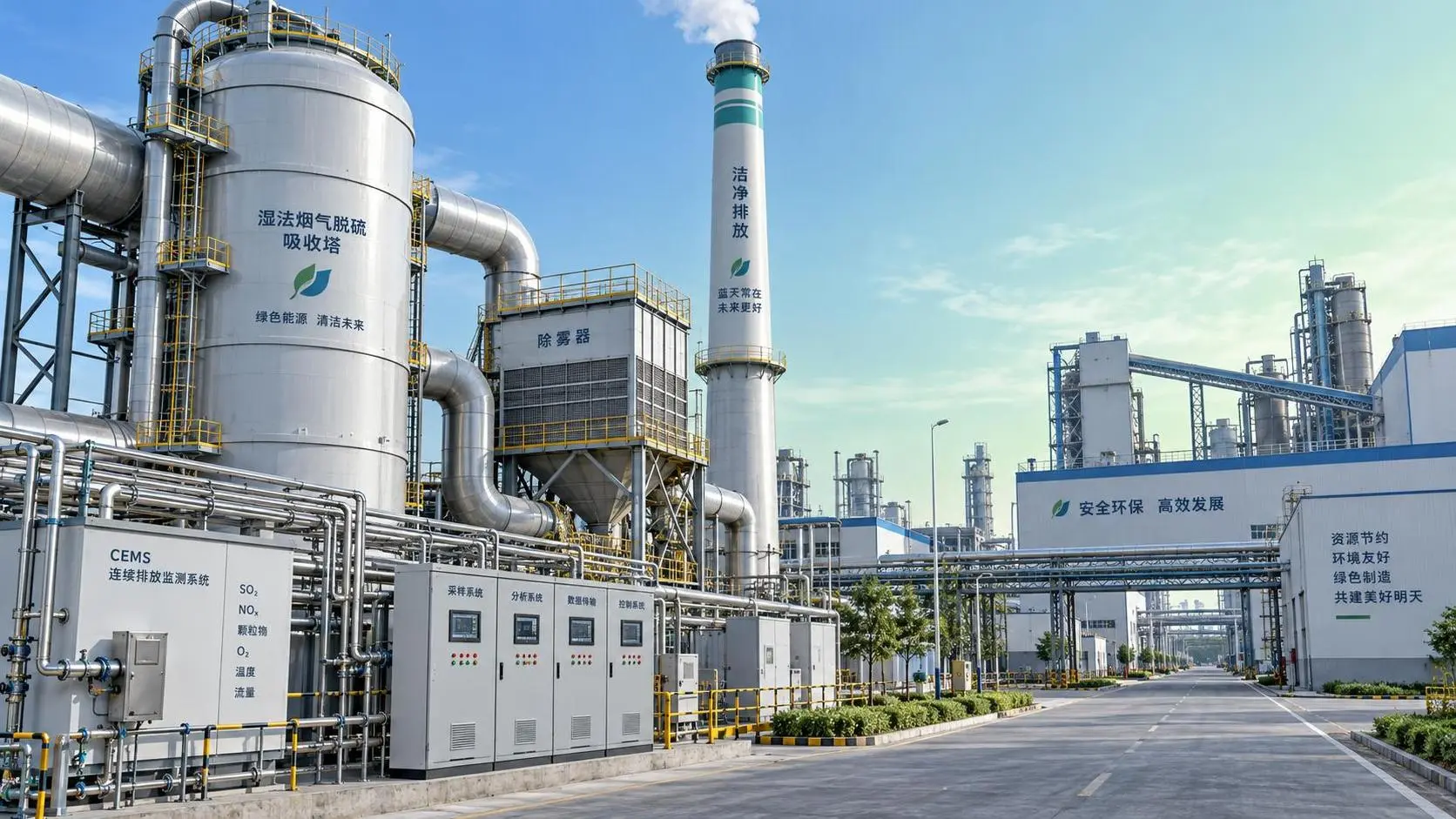
Which ISO standards apply to flue gas treatment systems?
Flue gas treatment systems ISO standards: explore key requirements for emissions testing, CEMS, safety, fabrication, corrosion control, and compliant project evaluation.

When corrosion resistant purification systems are needed for brine treatment
Corrosion resistant purification systems for brine treatment: assess chloride, heat, scaling, materials, and lifecycle reliability for demanding water projects.

How preventive maintenance reduces seawater desalination equipment downtime
Seawater desalination equipment maintenance reduces downtime through proactive monitoring, pretreatment protection, and planned repairs. Explore practical strategies for reliable RO performance.
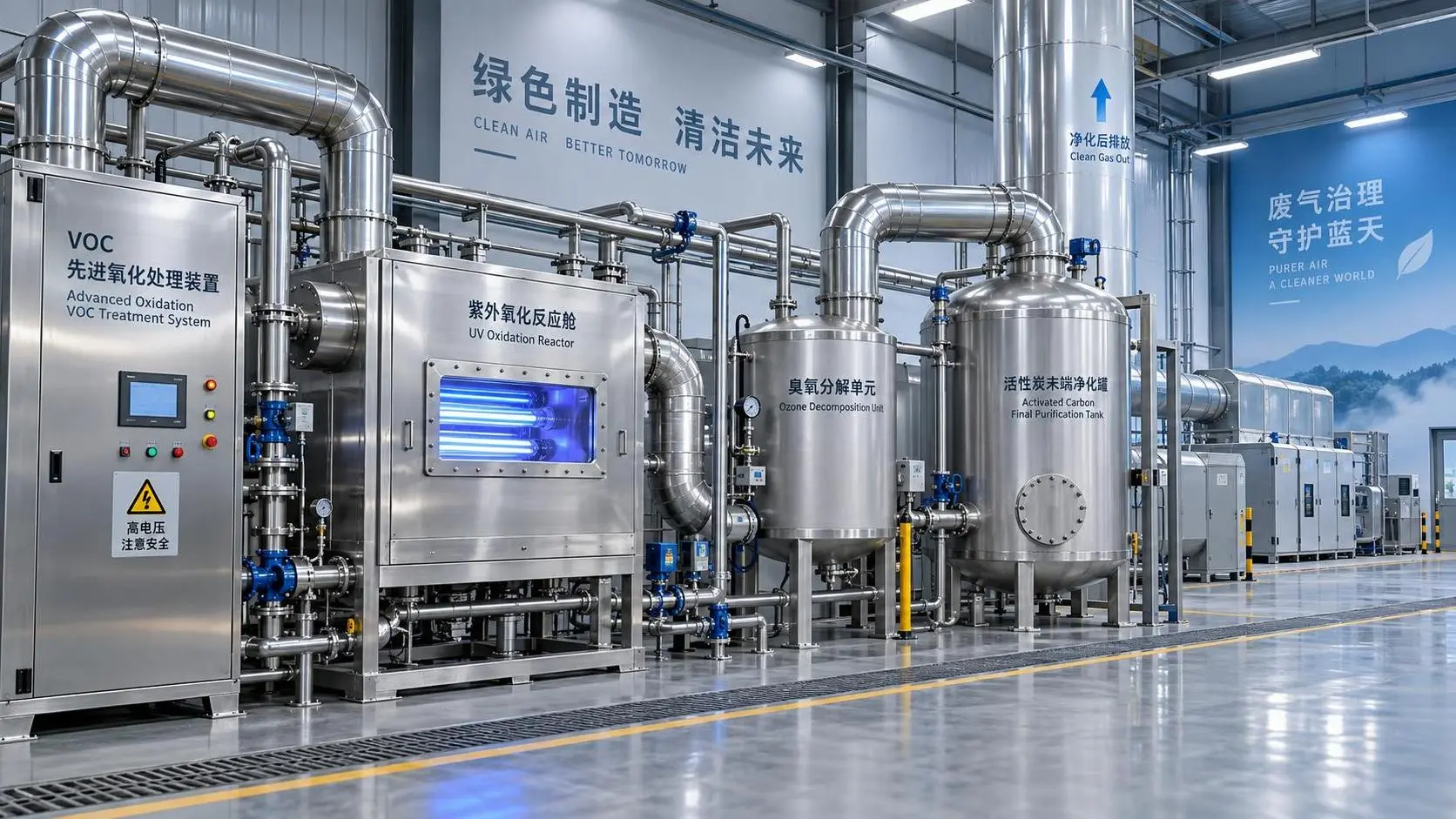
When are advanced oxidation processes the right choice for VOC control?
Advanced oxidation processes for VOC control: learn when AOPs outperform conventional options, manage by-products, and achieve reliable compliance.
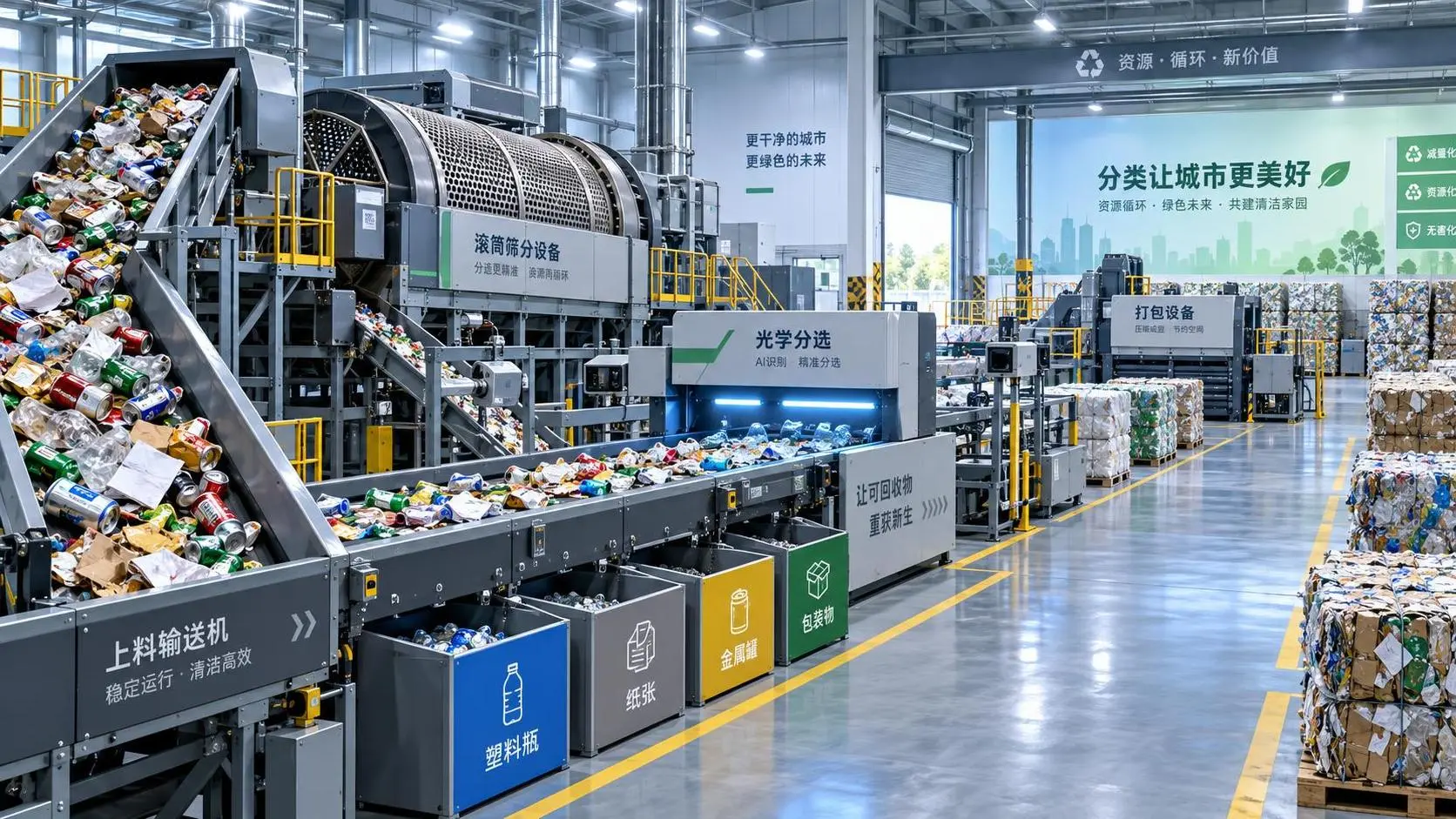
What throughput should municipal waste sorting equipment deliver?
Waste sorting equipment for municipal waste: learn how to set reliable throughput based on peak loads, material quality, uptime, and recovery targets.
What carbon neutrality means for corporate investment decisions
Carbon neutrality is transforming corporate investment decisions. Explore how lifecycle economics, efficiency, compliance, and resilience can drive measurable returns and lasting advantage.
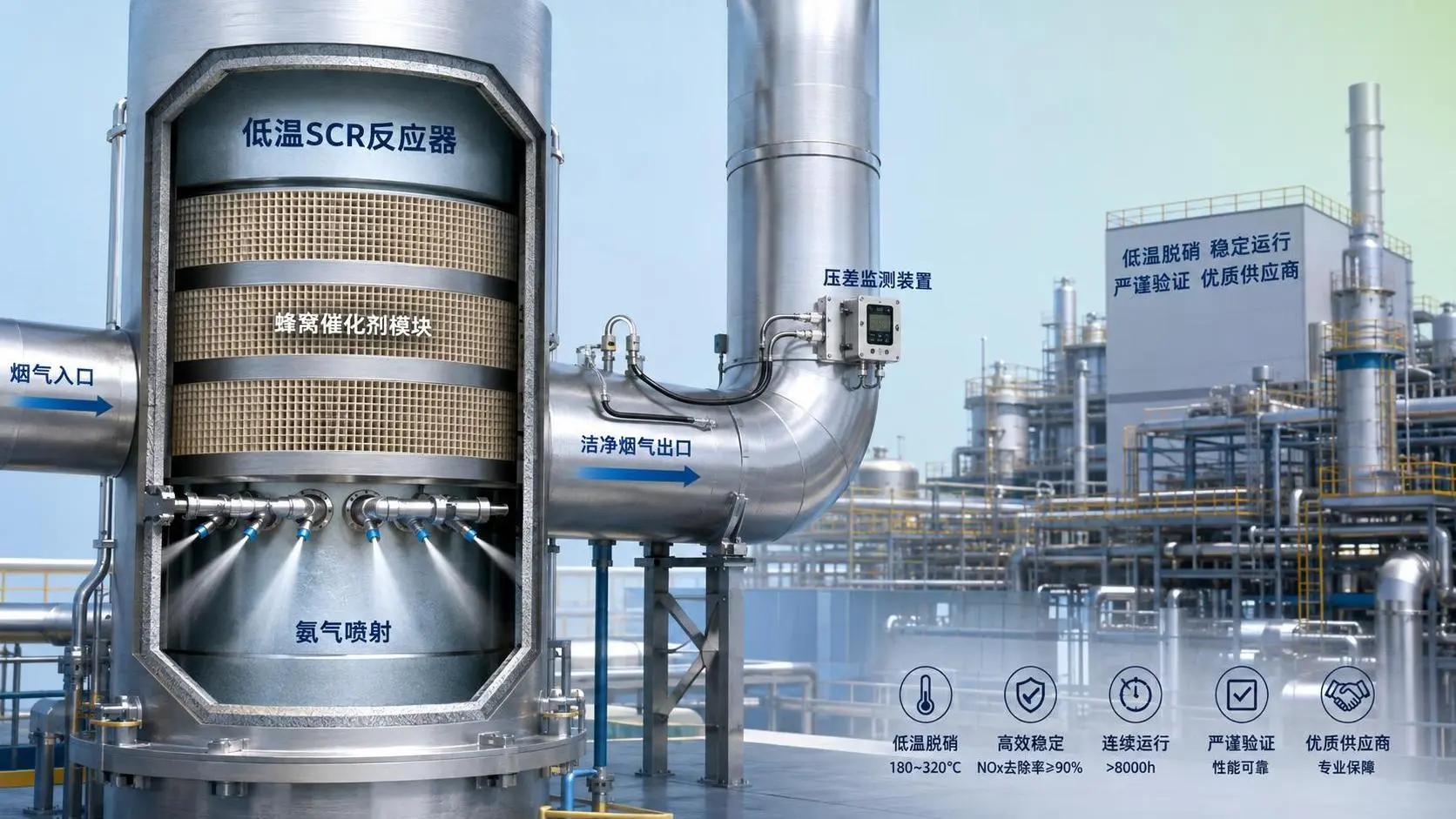
What to verify before choosing a low temperature SCR supplier
Low temperature SCR supplier checklist: verify catalyst temperature range, sulfur resistance, ammonia slip, pressure drop, lifecycle cost, and support before award.
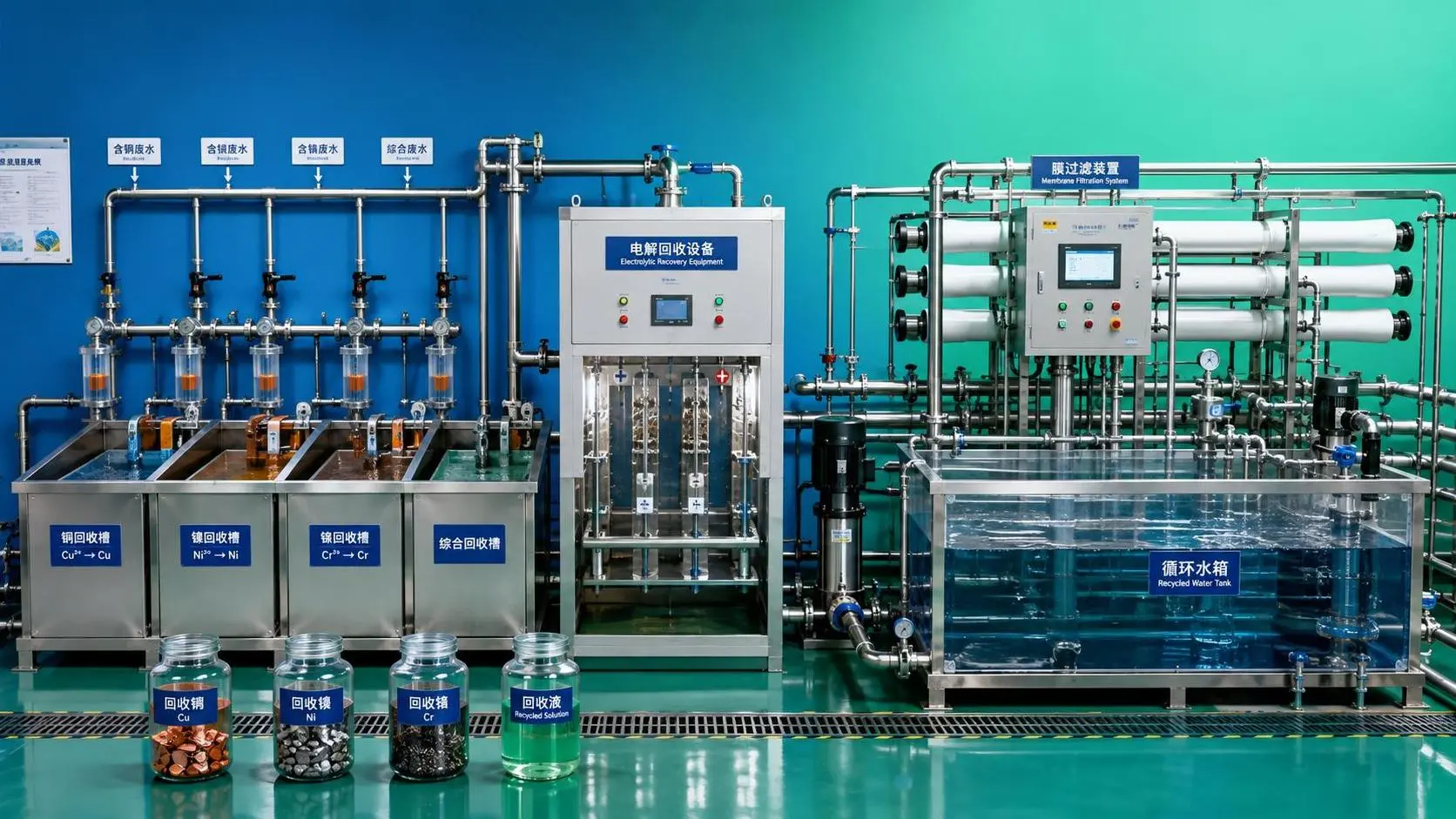
How closed-loop resource recovery for electroplating cuts metal waste
Closed-loop resource recovery for electroplating reduces metal waste, sludge, and water use through smarter stream segregation, recovery, and reuse strategies.
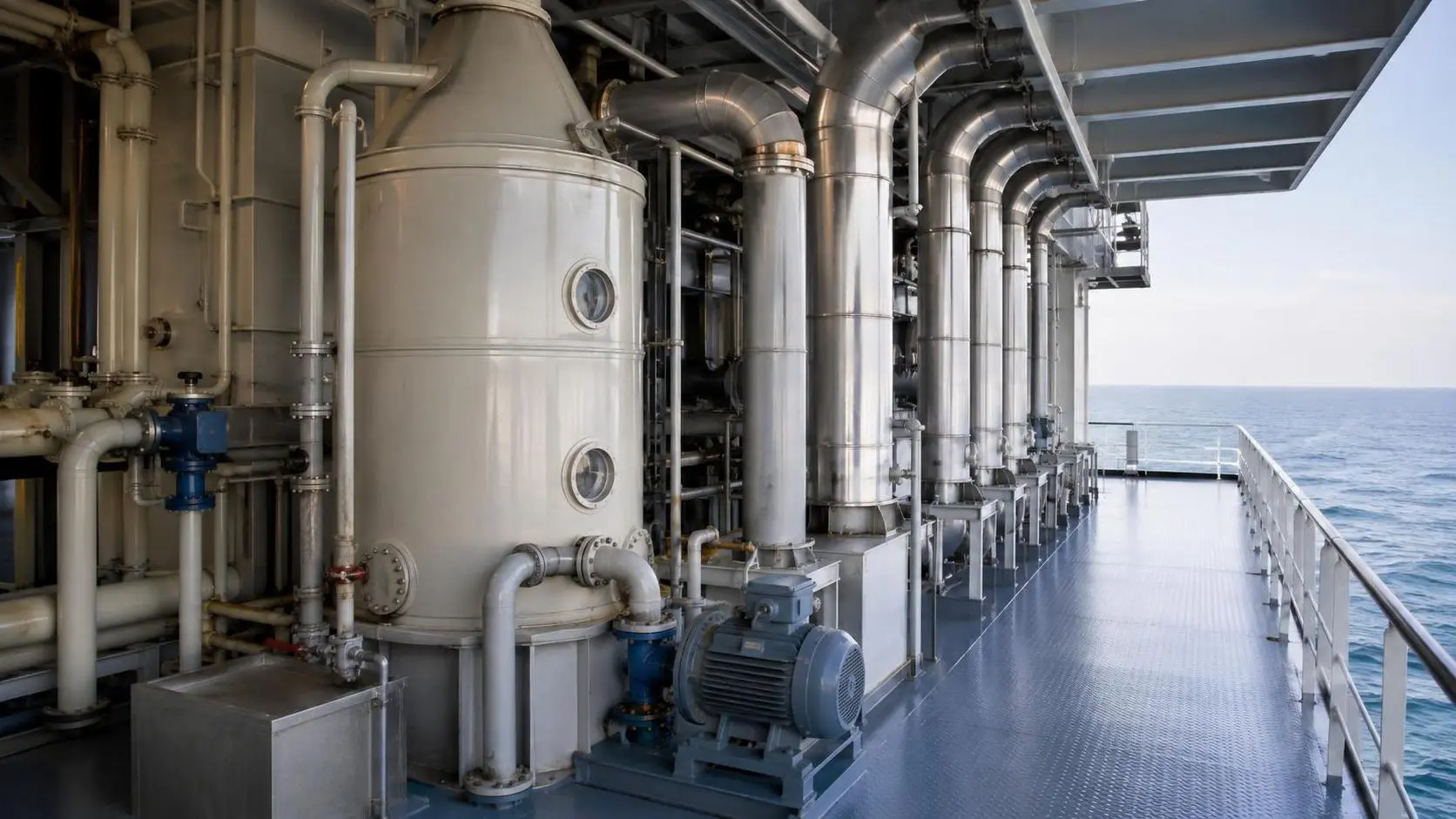
How to size flue gas cleaning systems for marine boilers
Flue gas cleaning systems for marine boilers: learn how to size for gas flow, sulfur load, backpressure, and compliance—improve reliability and reduce operating risk.