
Industry News
Curation by industry experts
Hot Articles
Popular Tags
CBAM Impact in 2026: Cost Risks for Exporters
CBAM impact in 2026: why this cost shift matters now
As CBAM impact intensifies in 2026, exporters face a new pricing reality at the EU border.
The issue is no longer limited to reporting. It now reaches cash flow, contract pricing, supplier control, and long-term market access.
For carbon-intensive trade, the CBAM impact can erode margins even when product demand remains stable.
This matters across industries linked to steel, aluminum, cement, fertilizers, electricity, hydrogen, and embedded industrial inputs.
It also matters indirectly for environmental engineering, water treatment, desalination, flue gas systems, and waste recovery equipment supply chains.
Equipment portals such as ESD track this shift because compliance now influences bidding strength, technology selection, and export profitability.
When does the CBAM impact become a direct business risk?
The CBAM impact becomes direct when a company sells into the EU or supplies components to EU-bound goods.
It also becomes direct when customers demand verified emissions data before approving contracts or renewing supplier status.
In 2026, cost exposure moves from theoretical modeling to actual payment pressure tied to embedded emissions.
That means weak data systems can become as expensive as inefficient production lines.
Scenario 1: direct exports of carbon-intensive goods
This is the clearest CBAM impact scenario.
If embedded emissions are high, the border carbon cost can reduce price competitiveness against lower-carbon alternatives.
If emissions data is incomplete, default values may apply, creating even higher cost exposure.
Scenario 2: indirect exposure through industrial equipment supply
The CBAM impact also reaches firms that export machinery, vessels, pipes, membranes, pumps, and treatment modules.
These products often rely on metals and energy-intensive materials already under carbon scrutiny.
A desalination skid or flue gas treatment unit may carry hidden carbon risk through upstream steel and aluminum inputs.
Scenario 3: project bidding for environmental infrastructure
Large water treatment and waste recovery projects increasingly include carbon disclosure requirements.
Here, the CBAM impact appears through bid evaluation, lifecycle cost comparisons, and contract clauses for traceable emissions data.
A technically strong bid can still lose if the carbon documentation is weak or inconsistent.
How the CBAM impact changes cost structures across scenarios
Not every exporter faces the same burden.
The CBAM impact varies by product category, process emissions, electricity mix, supplier transparency, and contract design.
The key is to identify where carbon cost converts into commercial loss.
For ESD-related sectors, this cost shift is especially relevant.
Water treatment plants, desalination systems, flue gas equipment, and recovery lines use energy-intensive components and metals.
That makes upstream visibility critical when evaluating the true CBAM impact.
Typical application scenarios where the CBAM impact is underestimated
Industrial water treatment systems sold into regulated markets
Large treatment packages contain pumps, pressure vessels, pipe racks, and structural steel.
The CBAM impact may not apply to the full system directly, but customer scrutiny of embedded emissions is rising quickly.
Projects tied to heavy industry are especially sensitive because clients already monitor decarbonization pathways.
Seawater desalination projects with high electricity intensity
Desalination economics depend heavily on power consumption.
When electricity comes from carbon-heavy grids, the CBAM impact can expand from materials into operating reputation and financing questions.
Low-energy SWRO design and renewable integration become more than technical upgrades. They become commercial shields.
Waste recovery and circular economy equipment exports
Circular economy projects often assume a green advantage.
Yet the CBAM impact can still appear if fabrication emissions, purchased electricity, or metal sourcing are poorly documented.
Green positioning without verified carbon evidence is becoming less persuasive in cross-border deals.
Flue gas treatment and heavy industrial retrofits
These projects support compliance and decarbonization goals.
However, the CBAM impact may affect component sourcing, fabrication cost, and project approval timing.
The market increasingly rewards solutions that reduce emissions while proving lower embedded carbon in delivered equipment.
What different scenarios need: a practical comparison
- Direct exporters need product-level emissions accounting, carbon cost forecasting, and customs-ready documentation.
- Equipment suppliers need upstream material traceability, supplier declarations, and design options with lower carbon inputs.
- Project bidders need lifecycle narratives, compliance-ready bid files, and contract language covering carbon data obligations.
- Multi-site groups need one emissions methodology across plants, business units, and regional suppliers.
This comparison shows why a single generic response rarely works.
The CBAM impact must be managed according to transaction type, supply chain depth, and customer expectation.
Scenario-based actions to reduce CBAM impact before 2026
Build a verified emissions data chain
Start with the most exposed products and materials.
Map process emissions, purchased electricity, and supplier data quality.
Without reliable numbers, the CBAM impact is impossible to estimate accurately.
Recheck pricing models and contract allocation
Carbon costs should not remain hidden inside old pricing assumptions.
Review who bears reporting risk, adjustment risk, and verification cost.
The CBAM impact can turn profitable contracts into loss-making ones if clauses are outdated.
Prioritize low-carbon design where it changes bid outcomes
Not every redesign will pay back quickly.
Focus first on high-mass materials, high-energy processes, and components that strongly affect reported emissions.
In ESD-linked sectors, that may include metal structures, pressure systems, energy recovery devices, and power-intensive treatment modules.
Use compliance intelligence as a market tool
The CBAM impact is not only a cost story.
Strong compliance capability can support premium positioning, faster approval, and better standing in strategic tenders.
That is why sector intelligence on regulations and technology trends now has direct commercial value.
Common misjudgments that make the CBAM impact worse
- Assuming CBAM only affects basic materials, not engineered systems or project supply chains.
- Relying on average corporate emissions instead of product-level embedded emissions.
- Treating reporting as a paperwork task rather than a pricing and margin issue.
- Ignoring supplier data quality until a customer requests verification.
- Delaying action because direct legal exposure appears limited today.
Each mistake increases uncertainty.
And uncertainty usually raises the effective CBAM impact through buffer pricing, lost bids, or slower market entry.
Next steps to protect competitiveness under growing CBAM impact
A practical response starts with three moves.
First, identify the export products, projects, and materials with the highest carbon exposure.
Second, test how the CBAM impact changes margins under different carbon price and supplier scenarios.
Third, align technical, commercial, and compliance teams around one verified data framework.
For complex environmental industries, this is where market intelligence becomes essential.
Tracking regulation, embedded emissions, and equipment evolution together helps reduce blind spots before 2026 arrives.
The companies that act early will not eliminate the CBAM impact.
But they can control it, price it, and turn compliance readiness into a stronger competitive position.
Recommended News
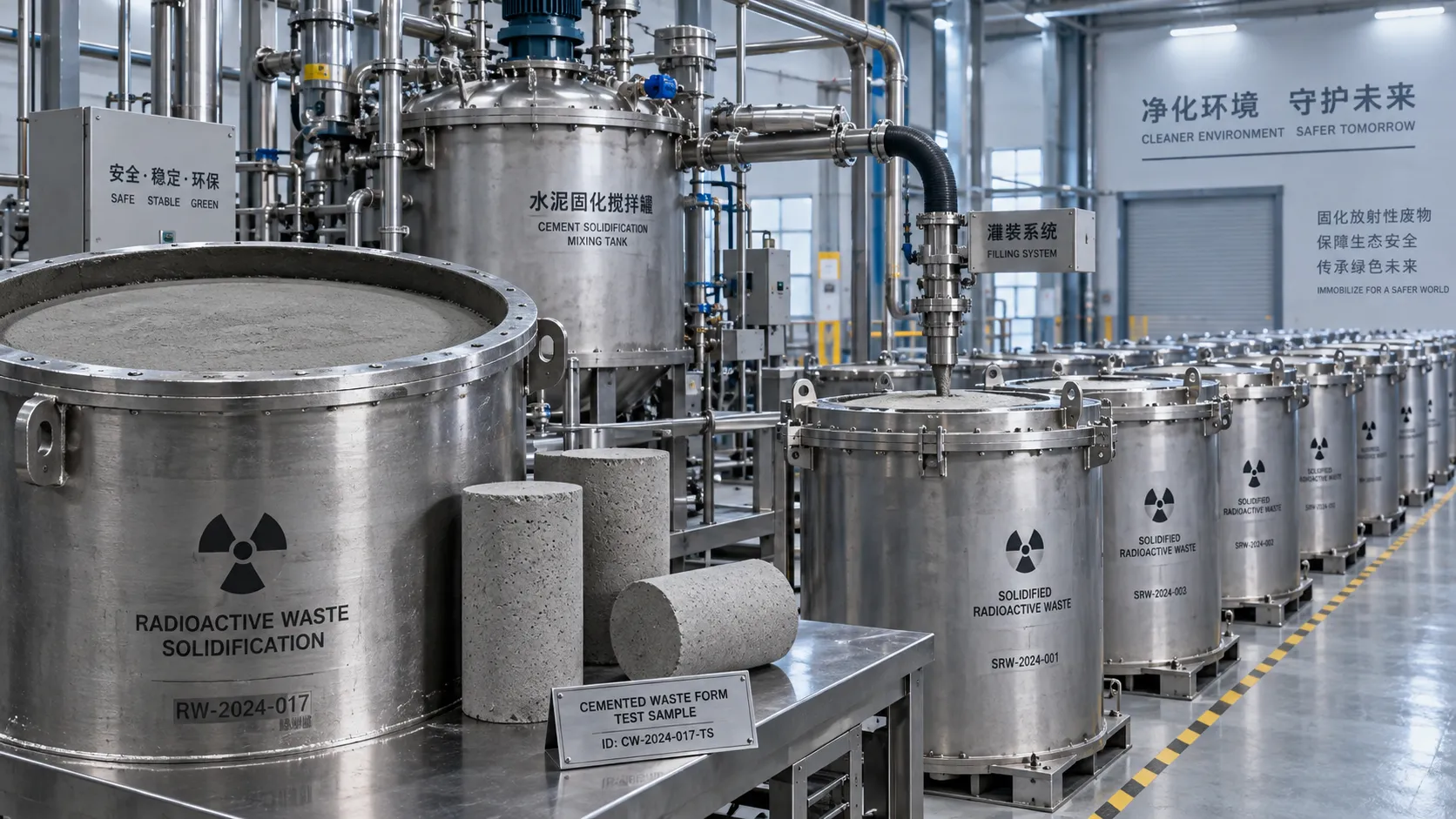
When is cementation suitable for nuclear decommissioning waste?
Explore nuclear waste treatment technology for decommissioning: learn when cementation fits, which risks to assess, and how disposal criteria guide an effective treatment choice.
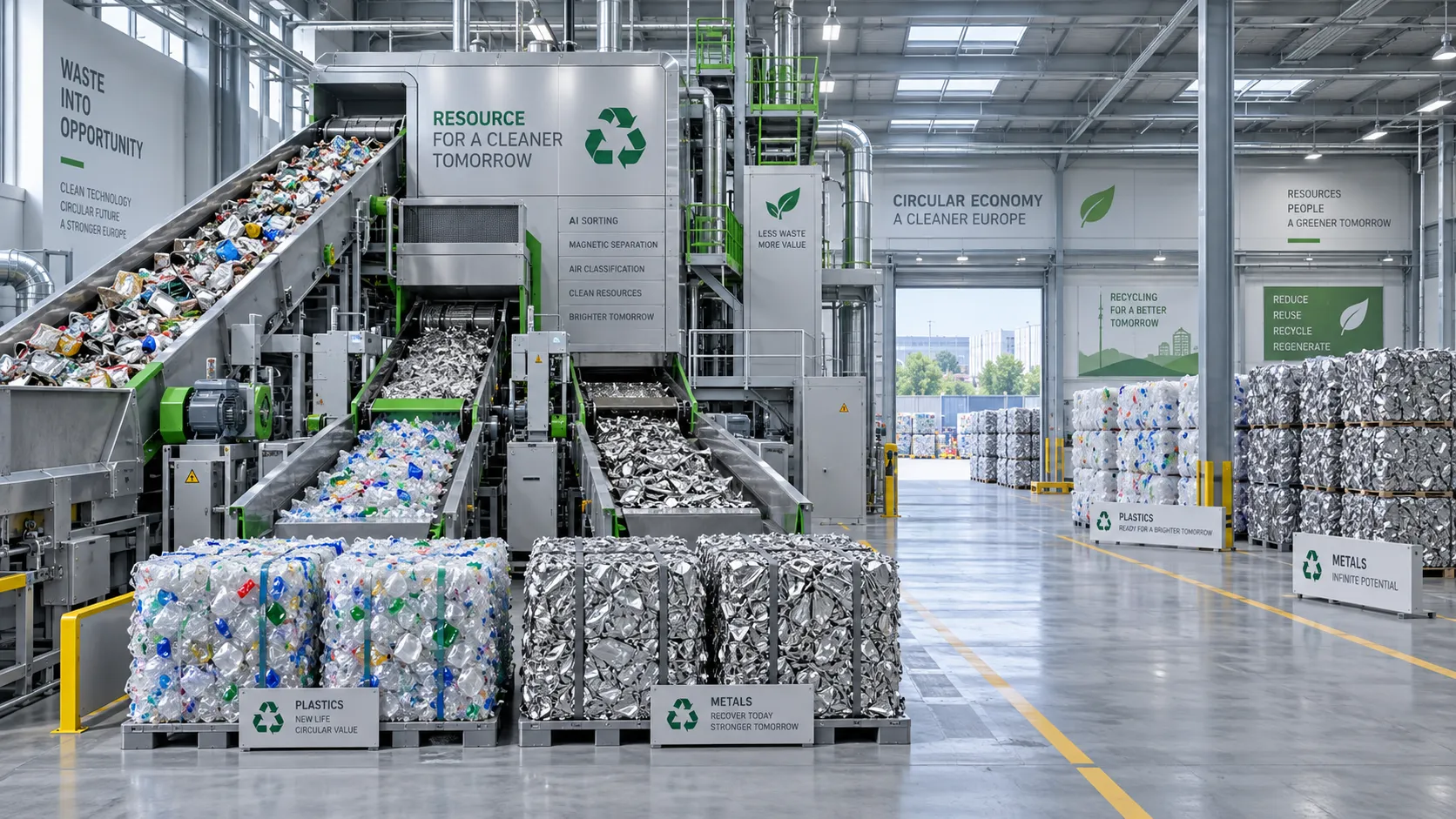
What determines payback for waste-to-resource systems in Europe?
Assess waste-to-resource systems Europe-wide: compare feedstock, recovery yields, costs and contracts to uncover payback drivers and make smarter investment decisions.
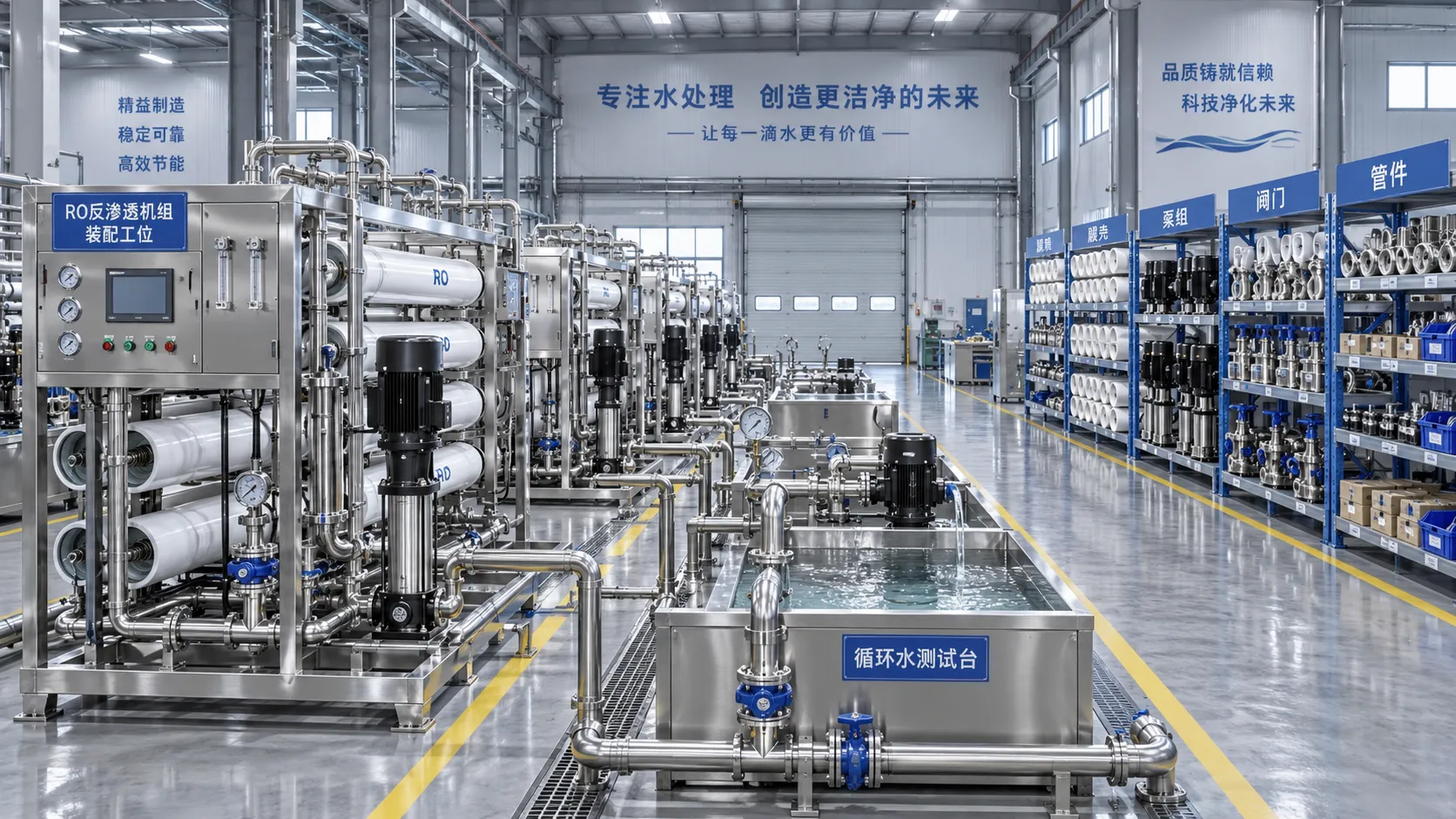
How to verify a water treatment system factory’s production capacity
Verify a water treatment systems factory’s production capacity through records, bottlenecks, component availability, and testing. Learn what to check before accepting a delivery promise.
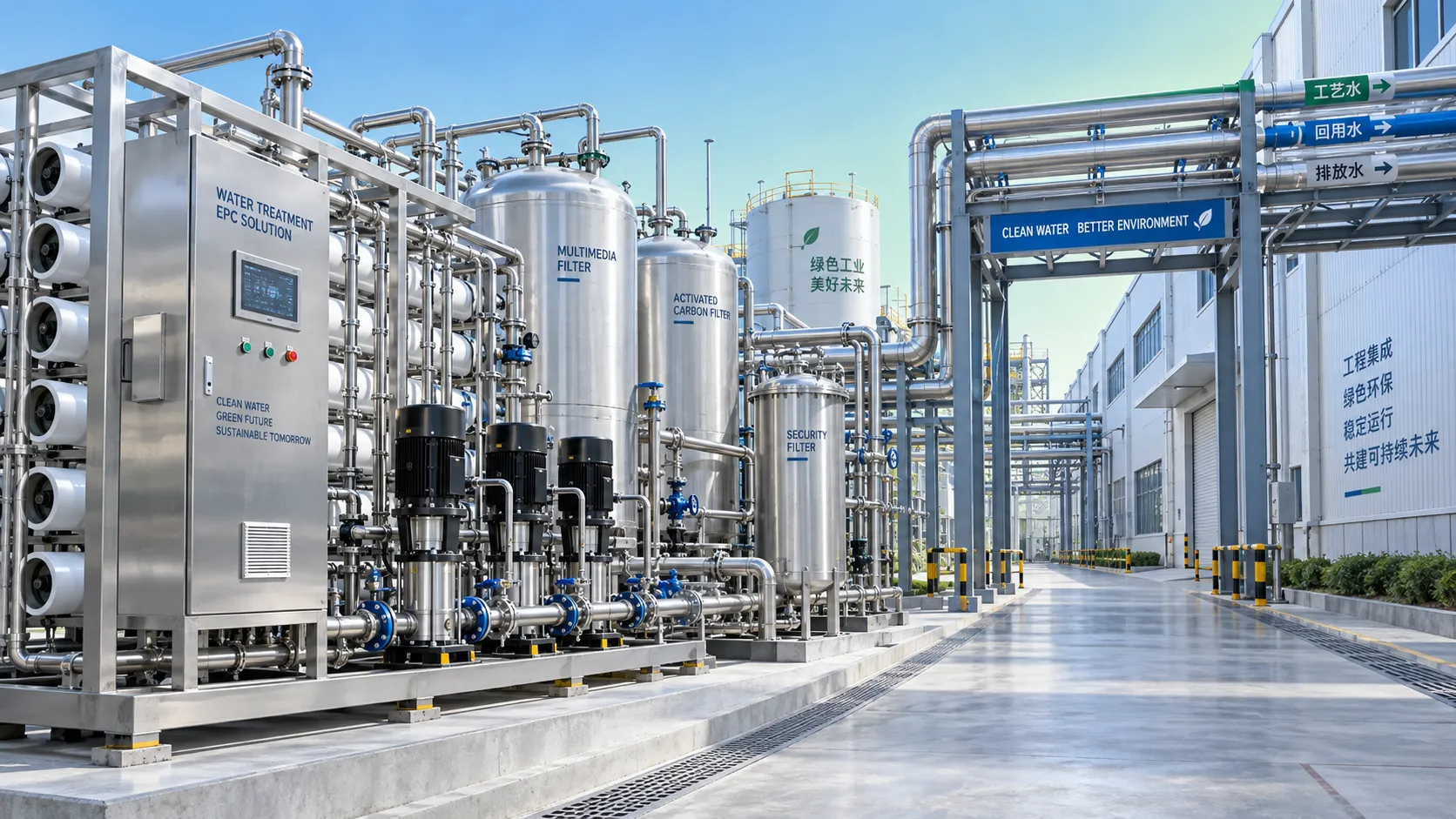
When does EPC environmental project support reduce delivery risk?
EPC environmental project support engineering reduces delivery risk by aligning design, procurement, compliance, construction, and commissioning decisions.
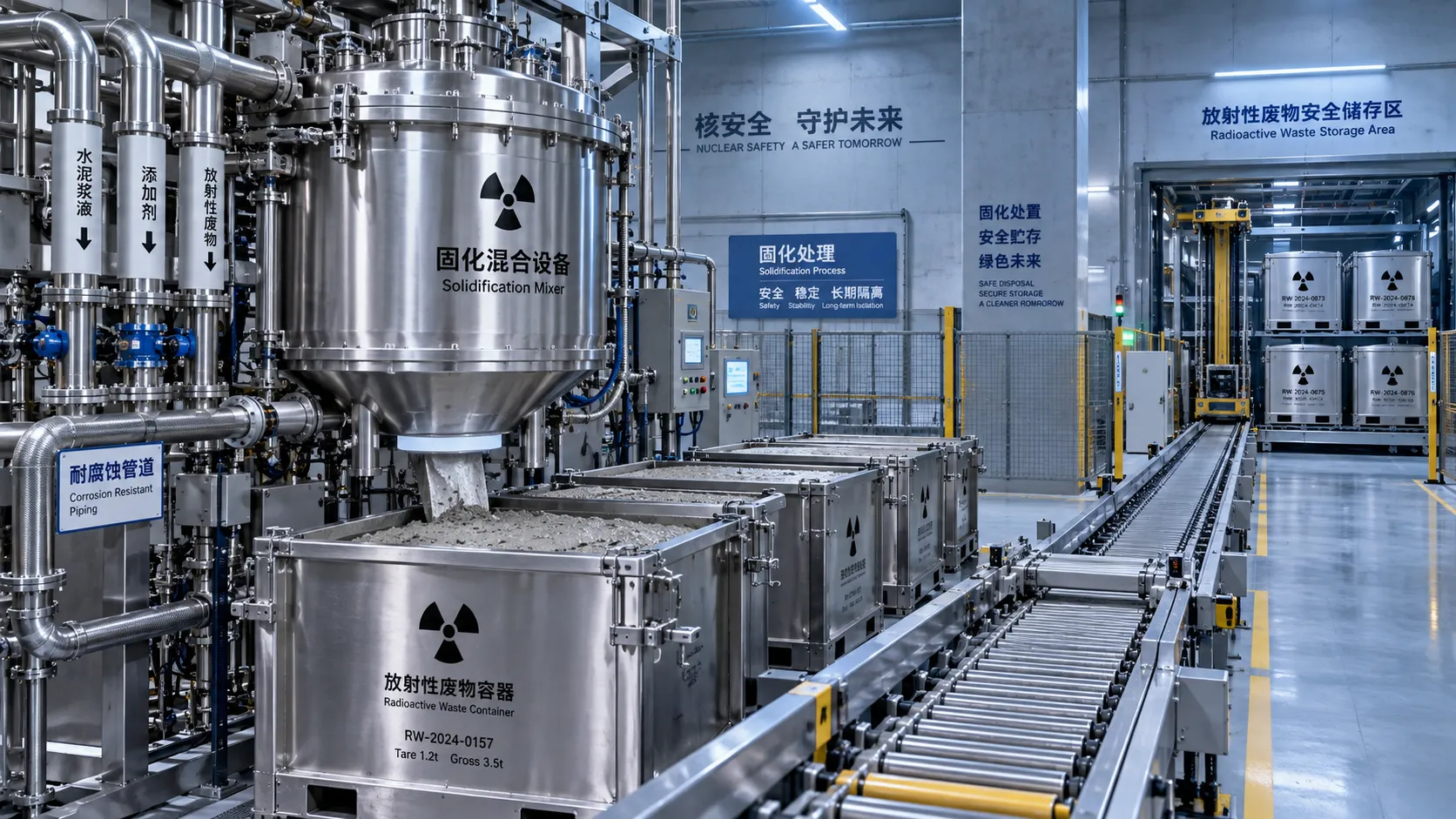
How nuclear plants select a radioactive waste solidification method
Radioactive waste management for nuclear plants: compare vitrification, cementation, polymers, and ceramics to select a compliant, durable solidification solution.
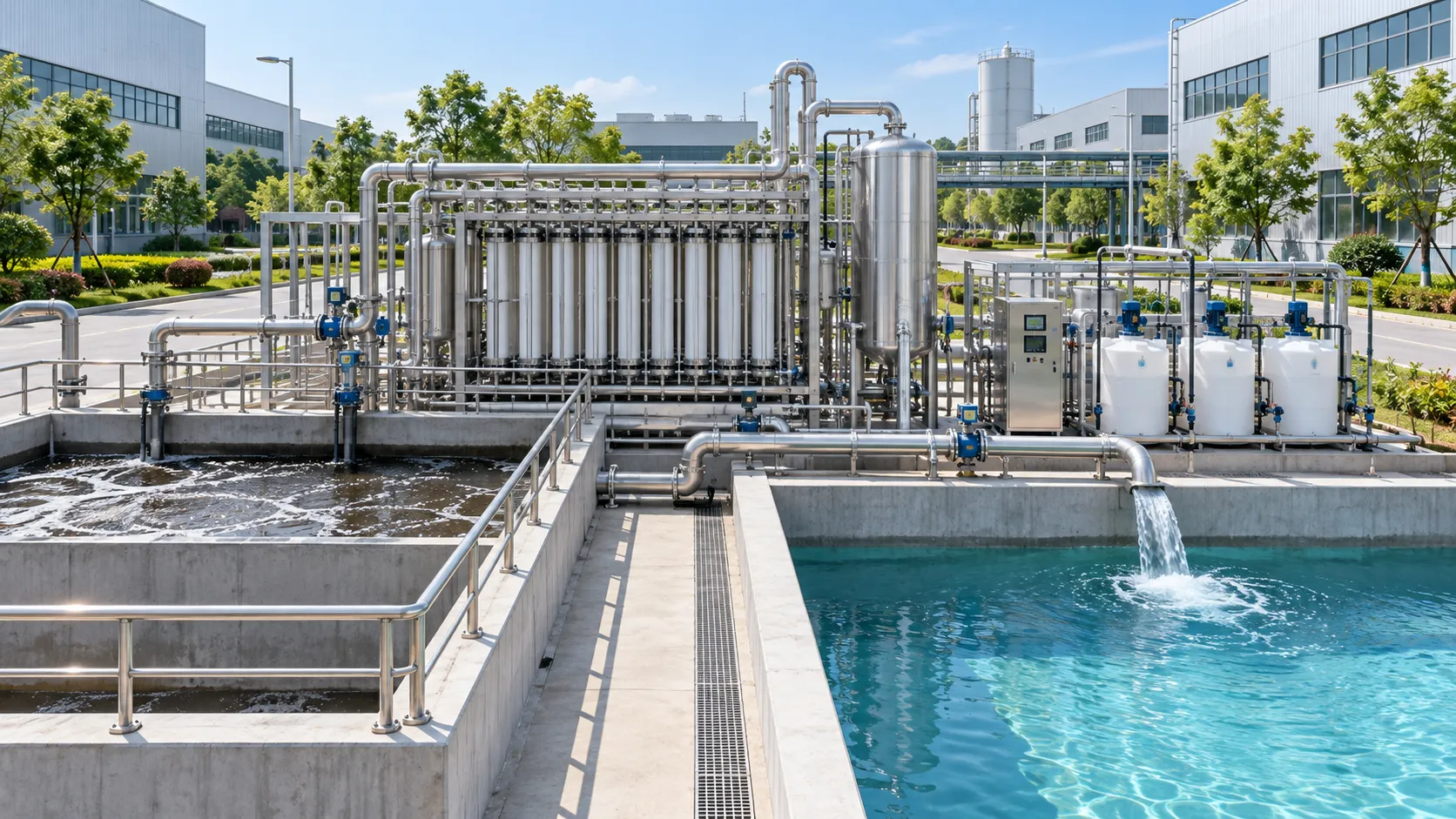
Comparing Upgrade Costs for Industrial Park Wastewater Treatment Systems
Compare costs for wastewater system upgrades in industrial parks with a lifecycle view of CAPEX, OPEX, compliance, resilience, and future expansion.
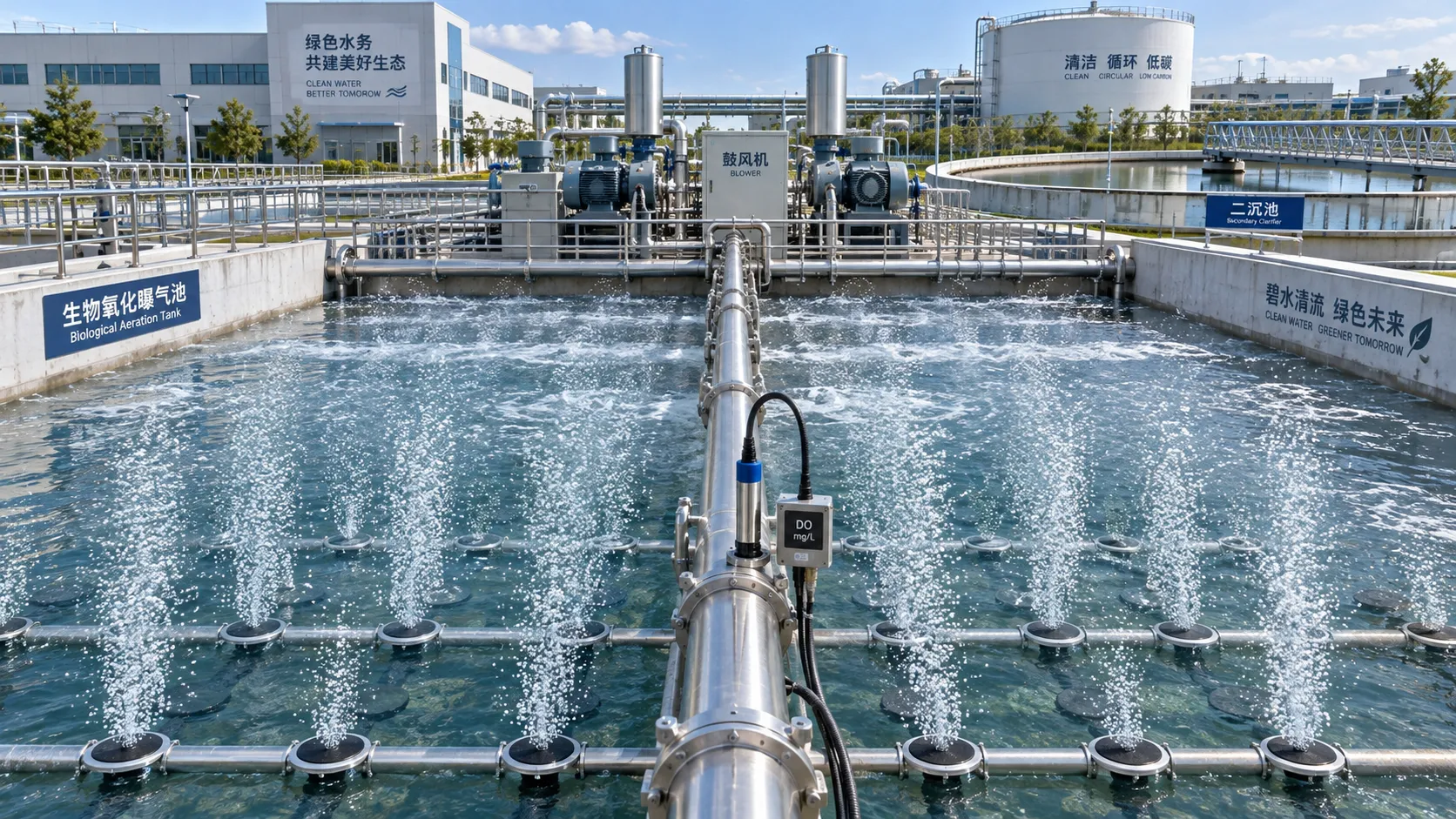
Biological Wastewater Oxidation Explained: Aeration Demand and Process Control
Biological wastewater oxidation explained: optimize aeration demand, DO control, nitrification, and sludge age for stable effluent quality and lower energy costs.
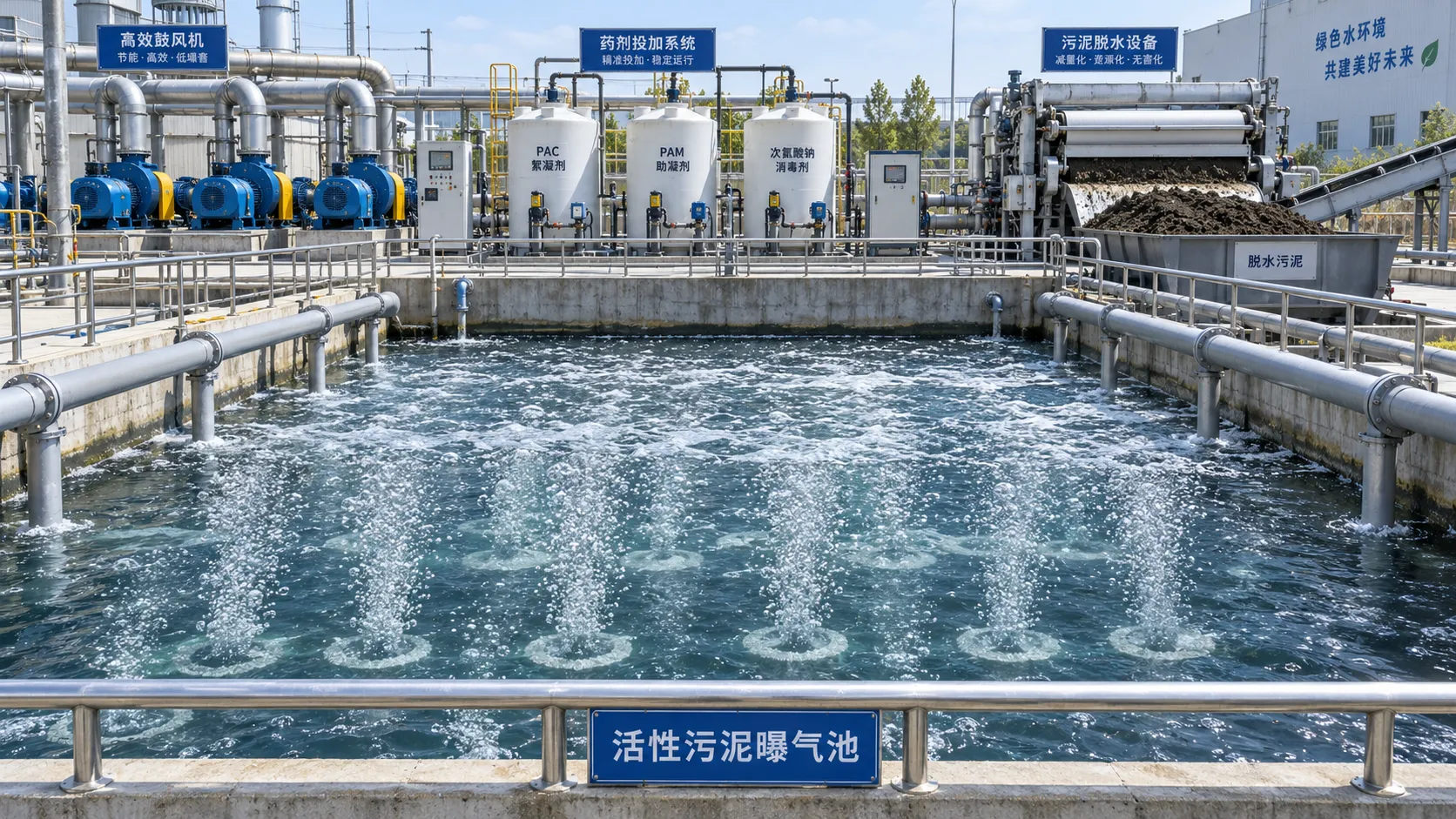
Activated Sludge Cost: Budgeting Energy, Chemicals, Sludge, and Labor
Activated sludge cost explained: compare energy, chemicals, sludge disposal, labor, and compliance risks to build a reliable lifecycle budget.
When Should Municipal Wastewater Plants Upgrade Treatment Capacity and Controls?
Municipal wastewater treatment upgrades: learn when capacity, controls, and resilient planning are needed to protect compliance and optimize plant performance.