
Industry News
Curation by industry experts
Hot Articles
Popular Tags
Tire Pyrolysis Technology: What Affects Oil Yield?
In tire recycling, pyrolysis technology is only as profitable as its oil yield. For operators and plant users, understanding what drives output—from feedstock quality and reactor temperature to residence time and condensation efficiency—is essential for stable performance and better returns. This article breaks down the key factors that influence tire pyrolysis oil yield and how to optimize them in real-world operations.
Why oil yield in pyrolysis technology matters more than nameplate capacity
Many tire pyrolysis projects are sold on daily throughput, but operators know that throughput alone does not determine profitability. In practical plant management, the real margin comes from how much saleable oil the system produces, how stable that output remains, and how consistently the plant stays within environmental limits.
For users in solid waste recovery systems, pyrolysis technology sits at the intersection of circular economy targets, energy recovery goals, and tightening compliance pressure. A plant that runs fast but produces low oil yield, unstable gas composition, or difficult-to-handle char often creates hidden losses in labor, maintenance, storage, and downstream fuel upgrading.
This is why ESD tracks pyrolysis technology not as an isolated machine topic, but as part of a wider eco-shield system. Feed preparation, flue gas treatment, condensate recovery, wastewater control, and carbon management all influence the commercial value of every ton of waste tire processed.
- Higher oil yield improves revenue per ton when oil has a stable market outlet.
- Stable yield helps operators forecast storage, logistics, and burner gas balancing more accurately.
- Better control of yield often reduces secondary losses in smoke, uncondensed vapor, and off-spec liquid fractions.
What “good” oil yield usually means in practice
There is no universal oil yield number that applies to every tire pyrolysis line. Yield depends on tire type, steel content, moisture, process temperature, reactor design, and condensation setup. Operators should compare performance only after confirming whether figures are based on whole tires, shredded tires, dry basis feed, or cleaned rubber fraction.
A useful benchmarking habit is to separate total liquid collected from marketable oil fraction. Some plants report high liquid output that includes significant water, heavy tar, or unstable components. For commercial decisions, what matters is the recoverable and saleable portion after routine settling or upgrading.
Which operating factors affect tire pyrolysis oil yield most?
If operators want to improve pyrolysis technology performance, they should focus first on the variables that have the largest direct effect on vapor generation and condensation. The table below summarizes the core factors plant teams should monitor during routine operation and troubleshooting.
For most plants, the biggest avoidable loss is not inside the reactor alone. It often appears in the connection between thermal decomposition and vapor recovery. That is why pyrolysis technology optimization should include upstream feed control and downstream condensation design, not just furnace settings.
Feedstock quality: the first variable operators should stabilize
Mixed tire streams create unstable oil yield. Passenger tires, truck tires, off-road tires, and reclaimed rubber products do not behave the same way. When batches vary sharply in rubber content, steel ratio, fabric content, and embedded moisture, the operator may see fluctuating vapor release curves and inconsistent oil properties.
Water is especially damaging to stable pyrolysis technology performance. Excess moisture consumes heat, delays effective pyrolysis, dilutes collected liquid, and can complicate storage and downstream burning. Even when total liquid volume looks acceptable, the saleable oil fraction may drop.
Temperature control: more heat does not always mean more oil
A common operating mistake is pushing reactor temperature upward whenever yield drops. In reality, once tire polymer chains have released most condensable vapors, further temperature increases may crack heavy hydrocarbons into permanent gases. This can reduce oil output while raising non-condensable gas volume and thermal stress on equipment.
Operators should pay attention to temperature uniformity, not only peak temperature. Hot spots can over-crack vapor near heated surfaces, while cold zones may leave feed under-processed. Multiple measurement points and trend-based control are usually more informative than a single sensor reading.
Residence time and vapor path design
Oil yield depends on how long solids stay in the decomposition zone and how long vapors remain exposed to high temperature. Solid residence time that is too short may leave recoverable volatiles in char. Vapor residence time that is too long can crack the target oil fraction into lighter gas.
This distinction matters when comparing batch and continuous pyrolysis technology. A line can show acceptable average output yet still lose oil through poorly designed vapor routing, excessive hold-up, or insufficiently insulated transfer sections.
How reactor design and condensation systems change real oil recovery
Two plants with similar feedstock and similar temperature ranges can still produce different oil yield results because their process architecture is different. For users evaluating pyrolysis technology, the reactor is only one part of the performance chain. Gas sealing, vapor transport distance, condenser staging, and fouling control all matter.
- Long vapor paths increase heat loss and can cause early tar deposition in transfer lines.
- Undersized condensers may allow condensable fractions to leave with fuel gas.
- Poor sealing can introduce air, increase safety risk, and disturb thermal conversion behavior.
- Inadequate cleaning access raises fouling frequency and gradually reduces oil recovery efficiency.
Batch versus continuous systems: what users should compare
Batch systems can offer lower entry complexity and flexibility for smaller operations, but they may experience wider cycle-to-cycle variation. Continuous systems usually support steadier heating, more stable vapor evolution, and easier integration with automated control, though they demand stronger feed consistency and maintenance discipline.
The best choice depends on feedstock supply pattern, labor capability, environmental permit conditions, and target product strategy. A user focused on fuel oil sales may prioritize liquid recovery. Another user aiming at recovered carbon black quality may accept a different operating window.
When selecting pyrolysis technology, users should compare equipment beyond marketing claims. The following table highlights practical differences that directly affect oil yield management and daily operation.
This comparison shows why equipment selection cannot be reduced to a single oil yield number. In a circular economy project, the right pyrolysis technology is the one that matches feed preparation, labor capability, emission control, and market outlet for oil, gas, steel, and carbon products.
What operators can do to improve oil yield without creating new risks
The safest gains usually come from disciplined process management rather than aggressive temperature changes. Operators should build a repeatable routine that connects feed inspection, thermal control, vapor recovery, and maintenance feedback into one operating loop.
A practical optimization checklist
- Standardize incoming tires by type, contamination level, and moisture condition before feeding the reactor.
- Keep shredding output within a narrow size range to reduce uneven heating and unstable vapor release.
- Verify calibration of temperature instruments and compare wall temperature with internal process behavior.
- Inspect transfer pipes and condensers for fouling, because gradual deposition can silently lower recovered liquid volume.
- Track oil yield together with gas usage, char discharge, and downtime instead of judging performance from one data point.
- Review burner control and insulation condition to avoid wasting heat on preventable losses.
Do not ignore downstream handling
Collected oil must also be handled correctly. Poor tank venting, mixing of water-rich fractions, or delayed sludge removal can make an acceptable pyrolysis technology line appear underperforming. Sometimes the issue is not low generation but poor separation, poor measurement, or avoidable post-condensation loss.
In projects where pyrolysis oil is used internally as industrial fuel, users should also check flash point expectations, solids carryover, sulfur-related considerations, and burner compatibility. A slightly lower oil yield with cleaner, more stable product may be commercially better than chasing maximum liquid volume.
Compliance, emissions, and system integration: why yield cannot be optimized in isolation
In modern resource recovery projects, pyrolysis technology must satisfy more than production targets. Users are increasingly asked to manage flue gas emissions, oily wastewater, odor, storage safety, and residue handling under stricter local and international environmental frameworks.
This is where ESD’s cross-sector perspective becomes valuable. Tire pyrolysis plants do not operate in a vacuum. They connect with flue gas treatment systems, wastewater polishing units, recovered solid handling, and broader carbon and compliance strategies. A yield improvement that increases smoke, condensate contamination, or sludge burden may not be a real improvement at all.
- Emission control should be checked when changing thermal setpoints or fuel gas reuse ratios.
- Condensate and wash water handling should be reviewed if operating conditions increase heavy tar carryover.
- Storage and transfer safety should be reassessed when oil composition shifts during process optimization.
Standards and procurement questions users should raise
Even when project-specific standards differ by country, operators and buyers should ask suppliers clear questions about temperature measurement philosophy, sealing design, condenser cleaning access, gas handling logic, and integration with air pollution control systems. General alignment with pressure equipment, electrical safety, emission control, and hazardous area requirements should also be clarified early.
For EPC teams or industrial users, this reduces the common risk of buying a reactor-centered package that later needs expensive upgrades in wastewater treatment, odor management, or flue gas cleanup. In many cases, lifecycle cost is driven by integration quality rather than reactor shell price alone.
Common misconceptions about pyrolysis technology and oil yield
“Higher temperature always means higher yield”
Not necessarily. Beyond an effective range, more heat can crack condensable hydrocarbons into gas and reduce recovered oil. Temperature stability and distribution are more important than simply increasing the setpoint.
“If liquid volume is high, oil yield is good”
Liquid volume can include water and unstable heavy fractions. Users should measure usable oil fraction, not just gross collected liquid. Sampling and separation discipline matter.
“The reactor alone determines performance”
Real pyrolysis technology performance depends on the entire line: feed preparation, reactor thermal behavior, vapor transport, condenser efficiency, gas reuse, emissions control, and maintenance access.
“A single yield number is enough for procurement”
Procurement should compare feed basis, operating conditions, energy balance, automation scope, residue handling, and compliance needs. A headline yield figure without context can be misleading.
FAQ: what users and operators ask most about pyrolysis technology
How do I know whether low oil yield comes from feedstock or equipment?
Start with batch records. Compare tire source, moisture, shred size, steel removal condition, reactor temperature trend, and condenser outlet conditions. If yield drops only when feed source changes, feed variability is likely the main cause. If yield declines gradually over time with similar feed, fouling, sealing loss, or condenser performance deterioration may be responsible.
What should I monitor daily to keep pyrolysis technology stable?
Track feed weight, moisture condition, reactor temperature profile, cycle time or residence time, fuel gas usage, condenser temperatures, total liquid recovered, water separation volume, char discharge pattern, and any visible smoke or pressure instability. Daily trend comparison is more useful than isolated readings.
Is continuous pyrolysis technology always better for large projects?
Not always. Continuous systems are often attractive for industrial throughput and process consistency, but they require disciplined feed preparation, stronger instrumentation, and well-planned maintenance. If tire supply is inconsistent or operating teams are still building experience, a phased approach may be more practical.
What should procurement teams ask before ordering a tire pyrolysis line?
Ask for the feed basis behind the claimed oil yield, expected moisture tolerance, temperature control method, condenser staging, cleaning frequency, gas reuse logic, emissions interface, utilities demand, spare parts scope, and commissioning support. Also confirm whether the supplier’s scope includes wastewater, odor, and residue management interfaces.
Why choose us for pyrolysis technology insight and project evaluation
ESD supports users and project teams that need more than surface-level equipment descriptions. We examine pyrolysis technology as part of a complete environmental engineering chain, connecting resource recovery performance with flue gas treatment, water management, compliance pressure, and commercial decision logic.
If you are evaluating a new tire pyrolysis line or troubleshooting oil yield at an existing plant, you can consult ESD on specific issues such as feedstock-to-yield logic, reactor configuration comparison, condensation recovery bottlenecks, process data interpretation, environmental integration risks, and lifecycle-oriented selection criteria.
- Parameter confirmation for temperature window, residence time, and condensation stages
- Selection support for batch versus continuous pyrolysis technology routes
- Review of delivery scope, auxiliary systems, and likely retrofit points
- Guidance on compliance interfaces involving air pollution control and liquid handling
- Commercial insight for oil recovery strategy, by-product handling, and project bankability questions
For operators, plant owners, and EPC teams, the right next step is not just asking for a quotation. It is clarifying the process basis behind expected oil yield, the boundary conditions of the system, and the hidden factors that shape long-term returns. That is where informed technical intelligence creates real project value.
Recommended News
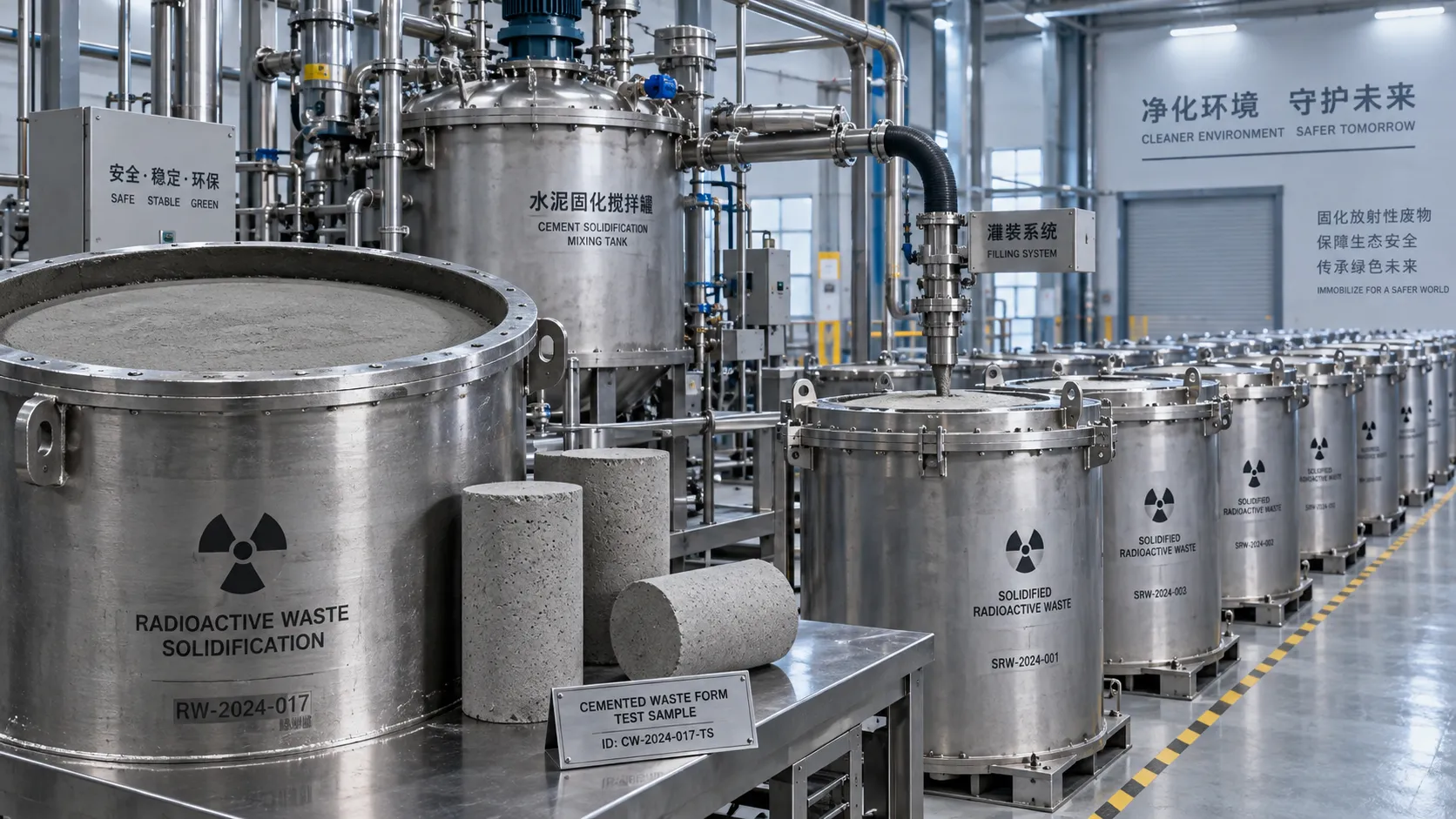
When is cementation suitable for nuclear decommissioning waste?
Explore nuclear waste treatment technology for decommissioning: learn when cementation fits, which risks to assess, and how disposal criteria guide an effective treatment choice.
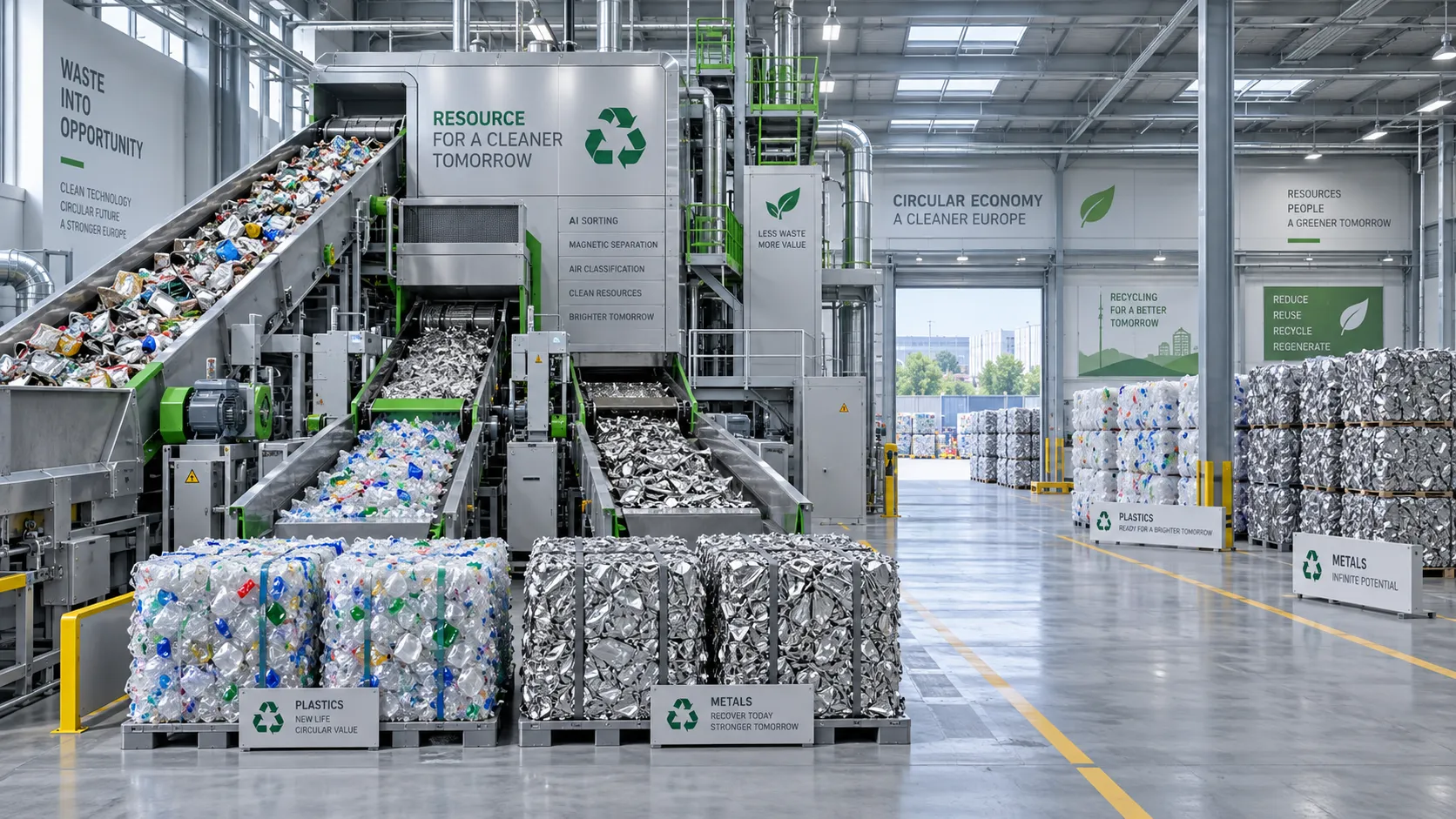
What determines payback for waste-to-resource systems in Europe?
Assess waste-to-resource systems Europe-wide: compare feedstock, recovery yields, costs and contracts to uncover payback drivers and make smarter investment decisions.
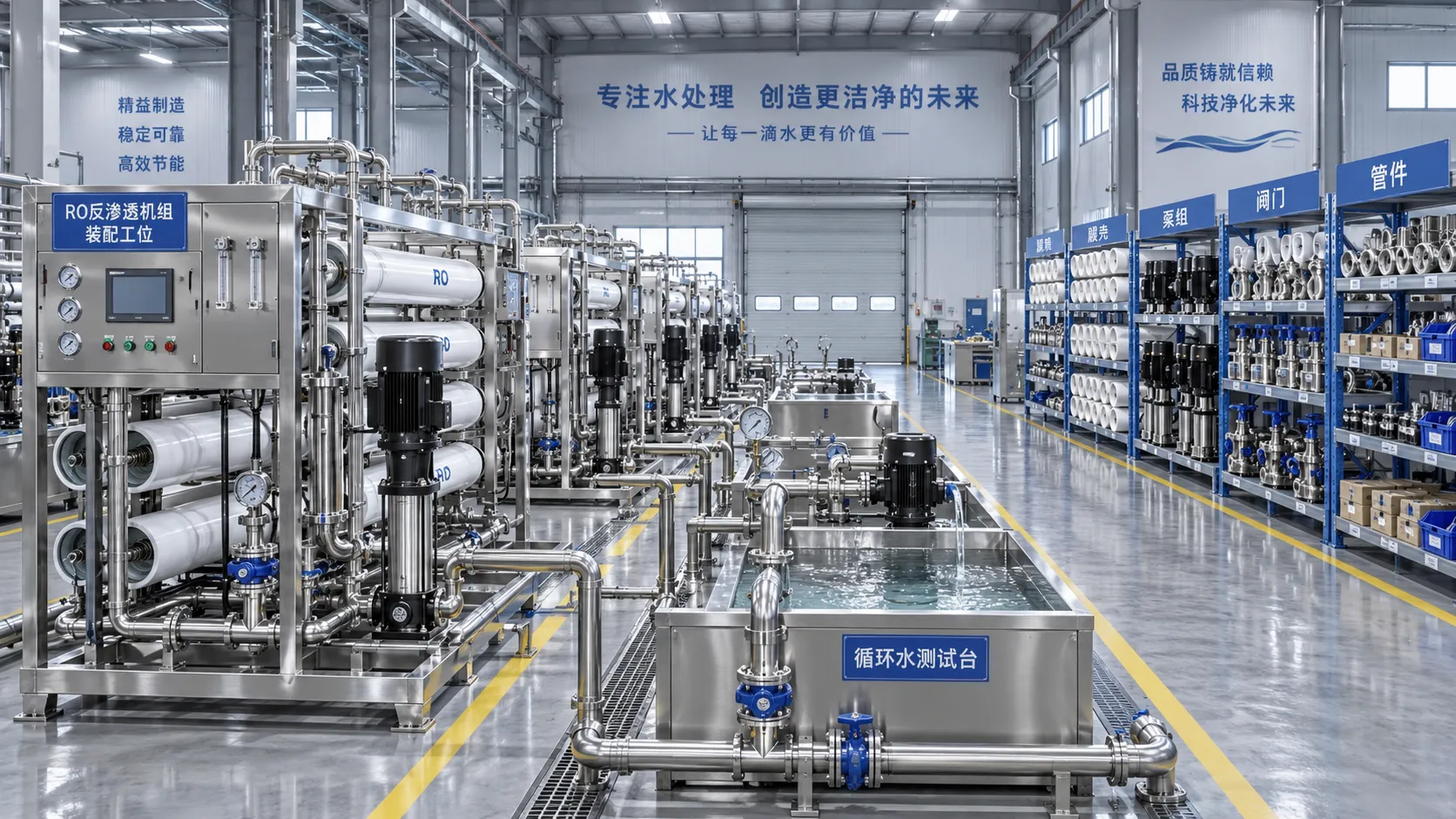
How to verify a water treatment system factory’s production capacity
Verify a water treatment systems factory’s production capacity through records, bottlenecks, component availability, and testing. Learn what to check before accepting a delivery promise.
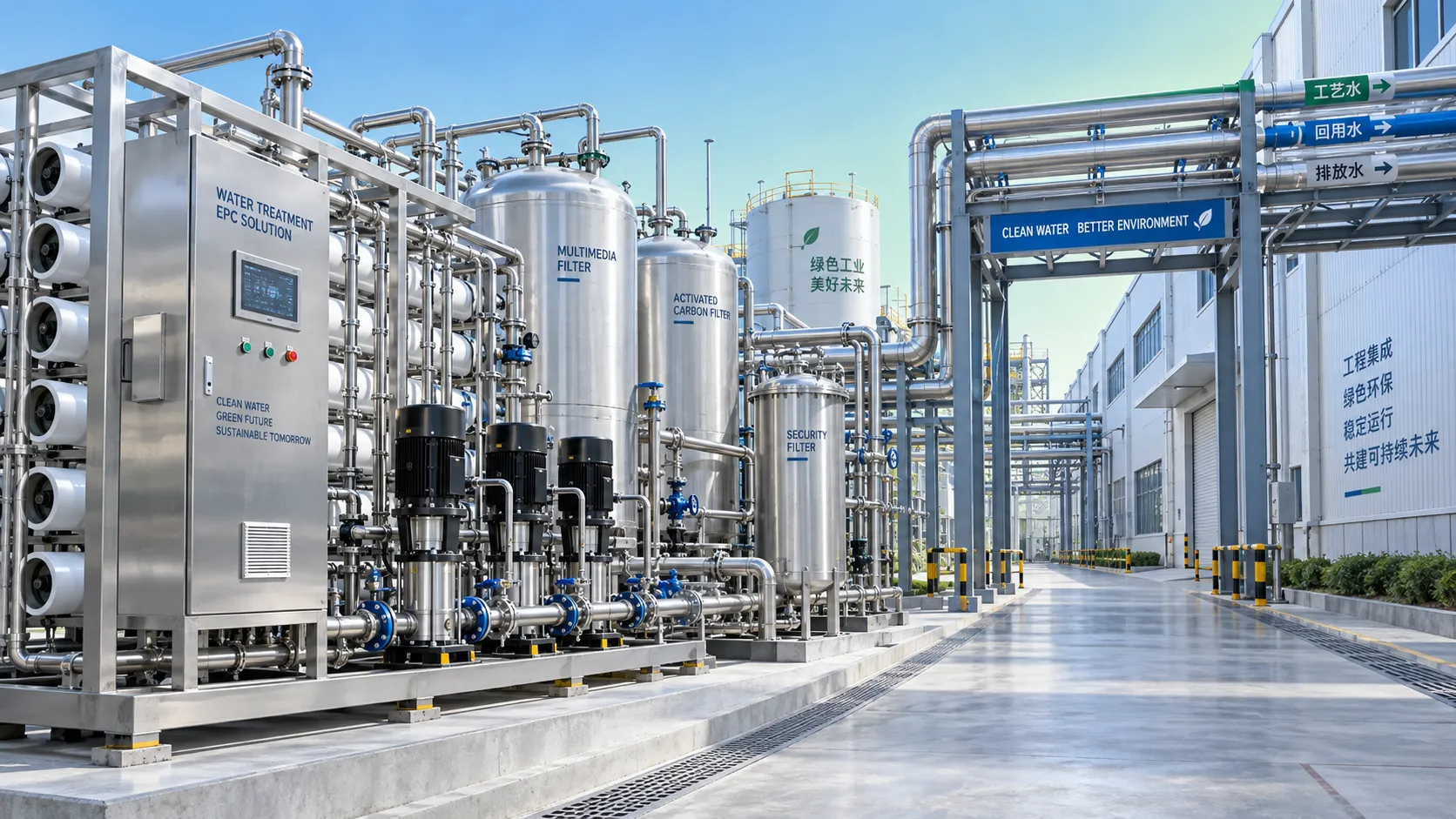
When does EPC environmental project support reduce delivery risk?
EPC environmental project support engineering reduces delivery risk by aligning design, procurement, compliance, construction, and commissioning decisions.
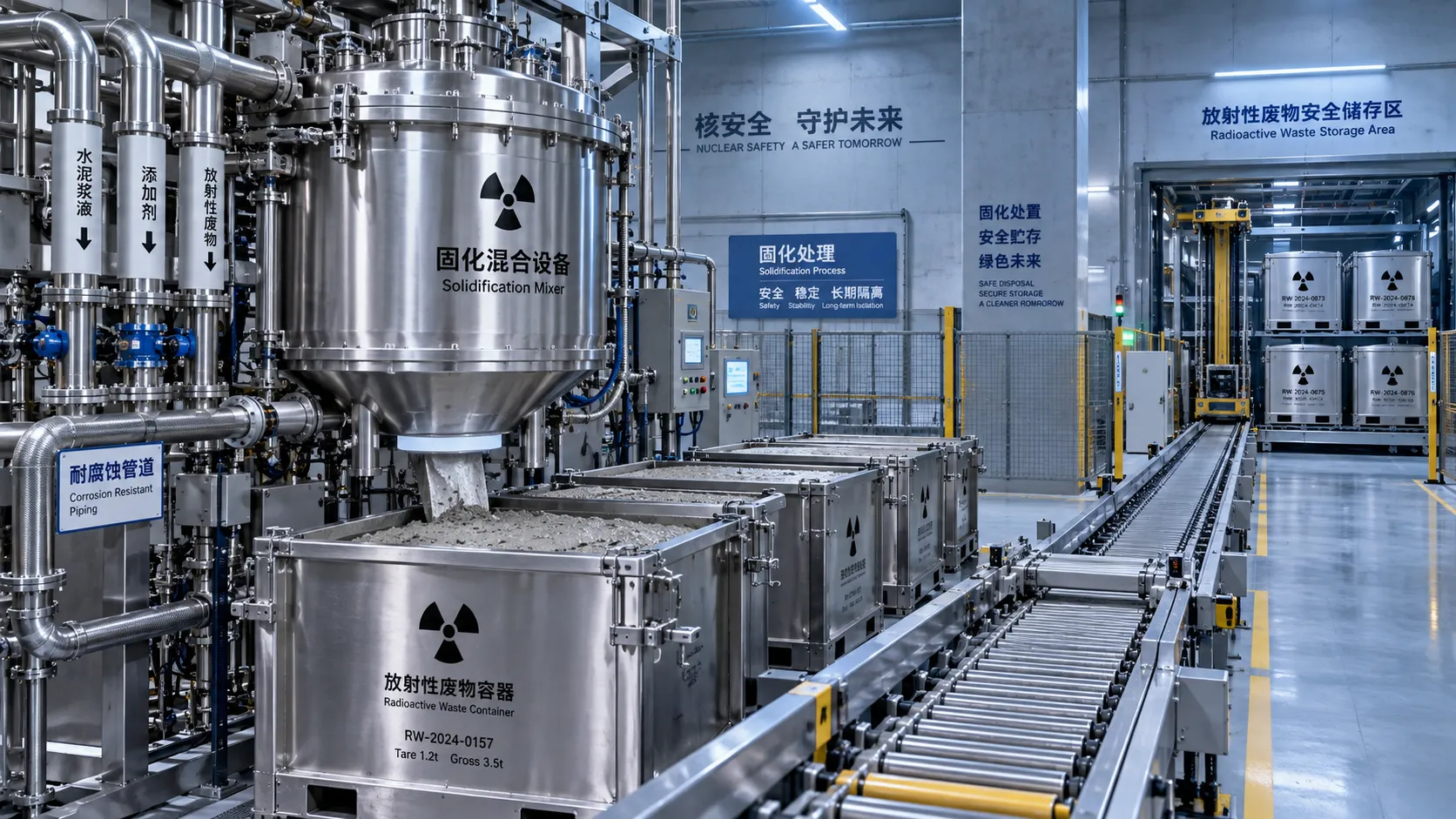
How nuclear plants select a radioactive waste solidification method
Radioactive waste management for nuclear plants: compare vitrification, cementation, polymers, and ceramics to select a compliant, durable solidification solution.
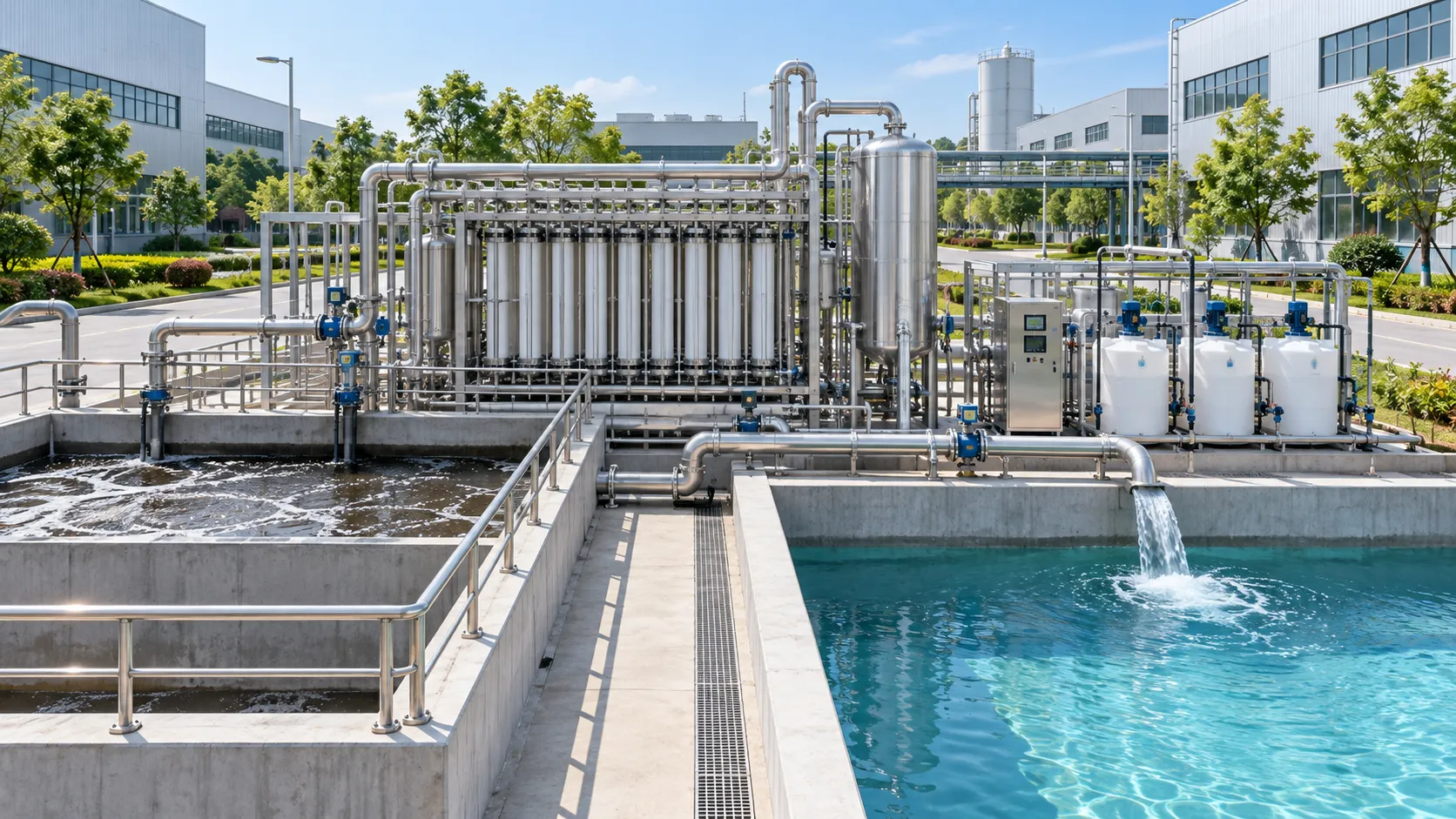
Comparing Upgrade Costs for Industrial Park Wastewater Treatment Systems
Compare costs for wastewater system upgrades in industrial parks with a lifecycle view of CAPEX, OPEX, compliance, resilience, and future expansion.
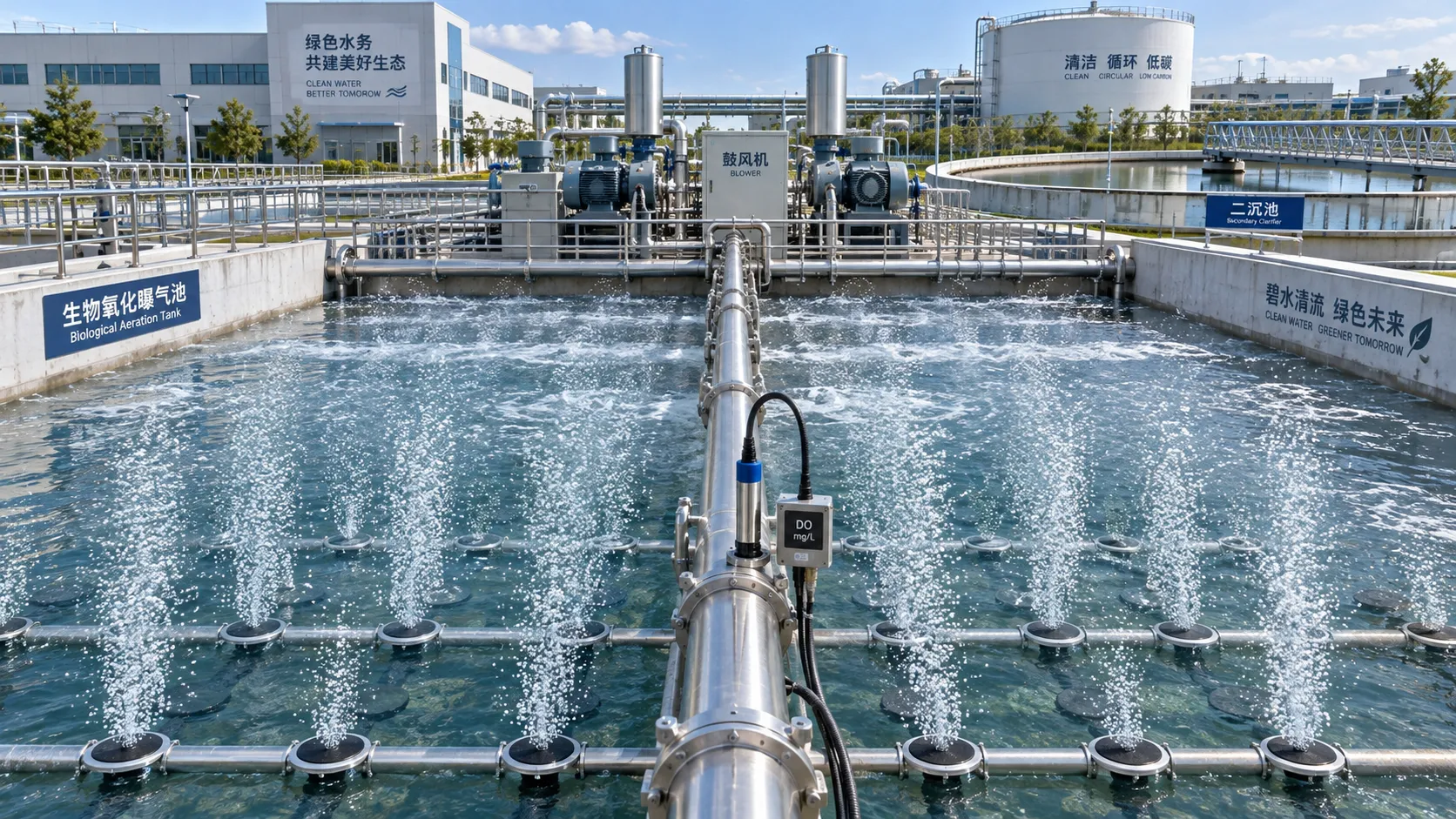
Biological Wastewater Oxidation Explained: Aeration Demand and Process Control
Biological wastewater oxidation explained: optimize aeration demand, DO control, nitrification, and sludge age for stable effluent quality and lower energy costs.
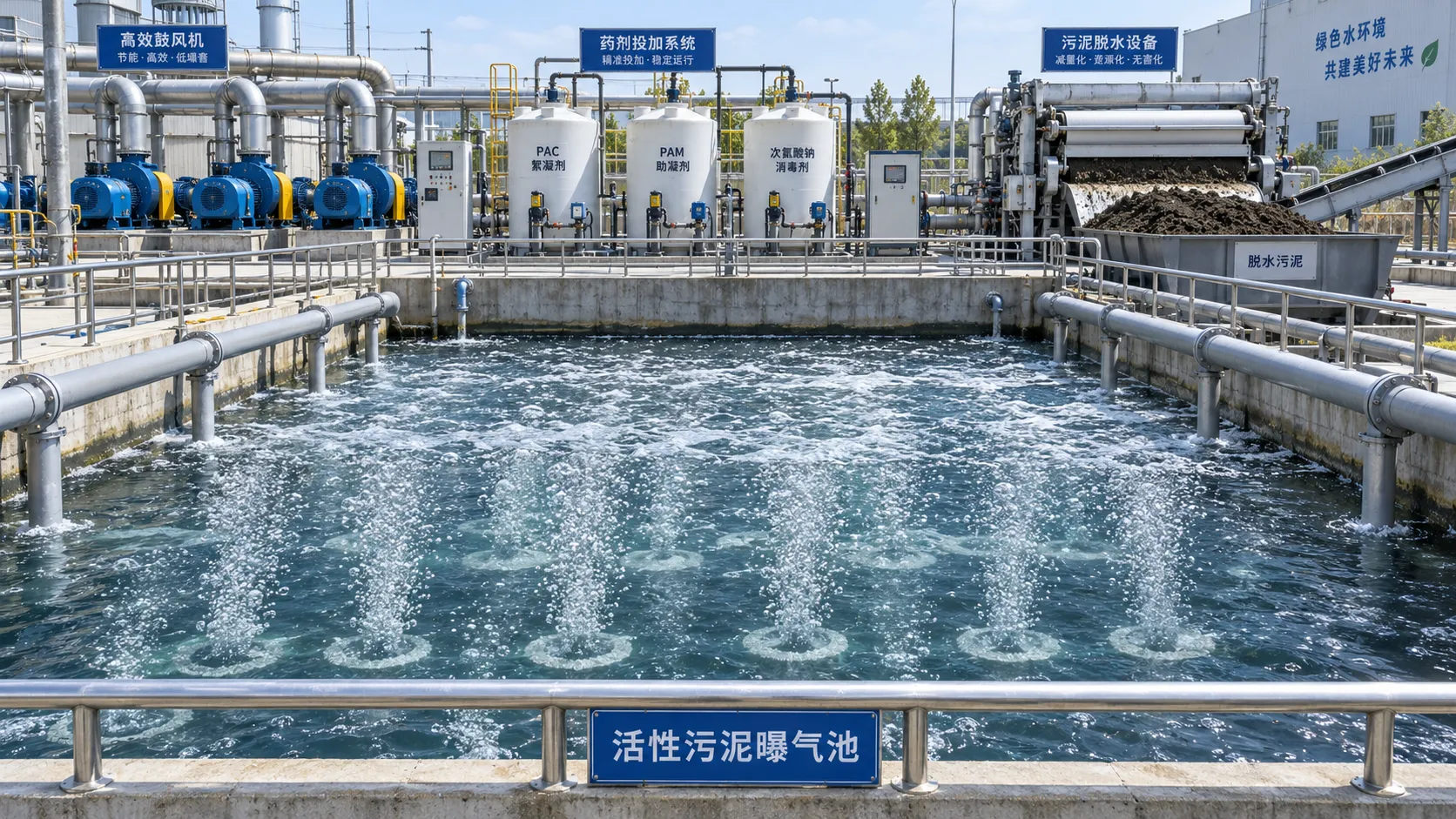
Activated Sludge Cost: Budgeting Energy, Chemicals, Sludge, and Labor
Activated sludge cost explained: compare energy, chemicals, sludge disposal, labor, and compliance risks to build a reliable lifecycle budget.
When Should Municipal Wastewater Plants Upgrade Treatment Capacity and Controls?
Municipal wastewater treatment upgrades: learn when capacity, controls, and resilient planning are needed to protect compliance and optimize plant performance.