
Industry News
Curation by industry experts
Hot Articles
Popular Tags
CBAM Impact in 2026: Margin Pressure and Export Readiness
As CBAM impact intensifies in 2026, export-facing industrial channels enter a different operating reality. Carbon exposure is no longer a distant policy issue. It is becoming a pricing, documentation, and customer trust issue.
For environmental equipment, treatment systems, recovery lines, and heavy industrial components, the CBAM impact now reaches margin structure, bid competitiveness, and shipment readiness. Businesses that prepare early can reduce disruption and preserve overseas growth.
This matters strongly across integrated sectors covered by ESD. Water treatment plants, flue gas systems, recycling equipment, desalination assets, and related engineered products all depend on cross-border supply chains and increasingly strict compliance proof.
When CBAM impact becomes a pricing issue, not just a policy issue
The first key scenario appears when export quotes remain based on material, labor, logistics, and exchange rates only. In 2026, that approach becomes incomplete. Carbon cost visibility starts influencing final landed cost.
The CBAM impact is strongest where buyers compare technically similar offers. If performance gaps are narrow, verified emissions data can shape award decisions. A lower-carbon supply chain may protect price acceptance better than discounting.
This scenario affects fabricated metal parts, pressure systems, pumps, treatment skids, membrane modules, thermal units, and supporting process equipment. Even where products are not directly targeted, upstream carbon intensity can still influence buyer scrutiny.
Core judgment points in this scenario
- Are export quotations reflecting potential carbon-linked adjustments?
- Can emission data be traced to major materials and processes?
- Is there a method to separate product margin from compliance cost volatility?
- Can overseas customers understand the carbon profile without extra explanation rounds?
When CBAM impact becomes a documentation readiness test
A second scenario emerges when the product itself is technically ready, but supporting evidence is weak. The CBAM impact often appears first in paperwork delays, inconsistent data, and extended customer verification cycles.
In large environmental projects, documentation quality affects bid timing and contract confidence. Buyers increasingly expect supplier declarations, production data, material origin records, and emission methodologies to align across all submitted files.
This is especially relevant for EPC-linked packages. A flue gas treatment train, ZLD unit, or desalination subsystem may involve multiple suppliers. One weak documentation link can slow the entire export chain.
Signals that readiness is still incomplete
- Different teams use different emission assumptions.
- Supplier declarations cannot be updated quickly.
- Bills of materials are not linked to carbon data.
- Customer questions require repeated manual clarification.
When CBAM impact reshapes supply chain selection
A third scenario appears in sourcing. The CBAM impact is no longer limited to final assembly. It reaches steel inputs, fabricated sections, energy-intensive treatment components, and outsourced process steps.
For integrated environmental systems, supply chain transparency becomes a commercial capability. Carbon-intensive vendors may look acceptable on purchase price, yet create hidden export cost, slower customs confidence, and weaker long-term account positioning.
This is important in sectors where life-cycle value matters. Desalination plants, waste recovery systems, and air pollution control projects already face technical due diligence. Carbon transparency is becoming another gate in supplier evaluation.
What to review across the supply base
- Energy mix used by critical upstream suppliers
- Availability of verified emissions records
- Traceability from raw material to shipped component
- Substitution options for high-carbon inputs
Typical application scenarios where CBAM impact is most visible
Scenario 1: Heavy engineered exports with long bidding cycles
Projects such as wastewater plants, seawater desalination systems, and flue gas units often involve months of tender review. Here, the CBAM impact shows up in prequalification depth and approval speed.
If carbon data is unclear, technical acceptance may still proceed, but commercial closure can slow down. Buyers seek confidence that future carbon reporting will not create contractual friction.
Scenario 2: Standardized equipment sold through regional channels
Packaged pumps, valves, skids, monitoring devices, and modular recovery units often move faster. In this case, the CBAM impact appears in margin compression because price comparison is immediate and frequent.
Without a clear carbon data package, channel sales may require extra discounting. Faster proof can become a competitive advantage equal to delivery speed.
Scenario 3: Multi-origin assemblies with complex upstream sourcing
Many integrated systems combine imported components, local fabrication, and third-party processing. The CBAM impact becomes difficult when data collection standards differ across countries and suppliers.
The core judgment is not only product performance. It is whether the final exported package can present one coherent emissions story.
How scenario needs differ under CBAM impact
Practical adaptation moves to reduce CBAM impact
The strongest response is operational, not rhetorical. Carbon readiness should be embedded into export execution, quotation logic, and supplier management. Small process changes now can prevent larger margin losses later.
- Build a product-level emissions baseline for major export lines.
- Link bills of materials with supplier carbon declarations.
- Create a repeatable document set for customer review.
- Add carbon sensitivity checks to pricing approvals.
- Identify high-risk suppliers and prepare substitution paths.
- Train sales and technical teams to explain emissions methodology clearly.
Where ESD-style intelligence adds value
In environmental and industrial equipment markets, the CBAM impact cannot be separated from regulation tracking, technology evolution, and global project signals. Strategic intelligence helps connect all three before commercial stress becomes visible.
That is particularly useful where membrane systems, catalytic units, thermal recovery lines, or nuclear-related containment solutions must satisfy both engineering performance and international compliance expectations.
Common misjudgments that weaken export readiness
One frequent mistake is treating the CBAM impact as relevant only to direct primary material exporters. In reality, downstream equipment sellers can still face commercial pressure through sourcing, reporting requests, and customer evaluation standards.
Another mistake is waiting for customer demand before building systems. By then, documentation gaps, supplier inconsistency, and internal confusion can delay deals that should have moved smoothly.
A third mistake is assuming low price offsets poor transparency. In many overseas projects, uncertain compliance creates risk premiums that erode the value of discounts.
- Do not separate carbon reporting from export operations.
- Do not rely on unverified supplier statements.
- Do not assume technical acceptance guarantees commercial acceptance.
Next steps to stay ahead of CBAM impact in 2026
A practical next step is to review the top export product groups by revenue, carbon intensity, and documentation maturity. That simple matrix quickly reveals where the CBAM impact is likely to hit margin first.
Then, prioritize one export-ready workflow. Combine emissions data collection, supplier follow-up, quotation review, and customer response templates into one controlled process. This improves speed, confidence, and cross-team consistency.
The businesses that win in 2026 will not only have capable products. They will also show verified carbon clarity, better supply chain discipline, and stronger export resilience. That is where CBAM impact becomes manageable rather than disruptive.
For sectors spanning water, waste, flue gas, desalination, and nuclear safety support systems, the message is clear: treat carbon readiness as part of market readiness. Protecting margin now means proving preparedness before the next shipment or tender begins.
Recommended News
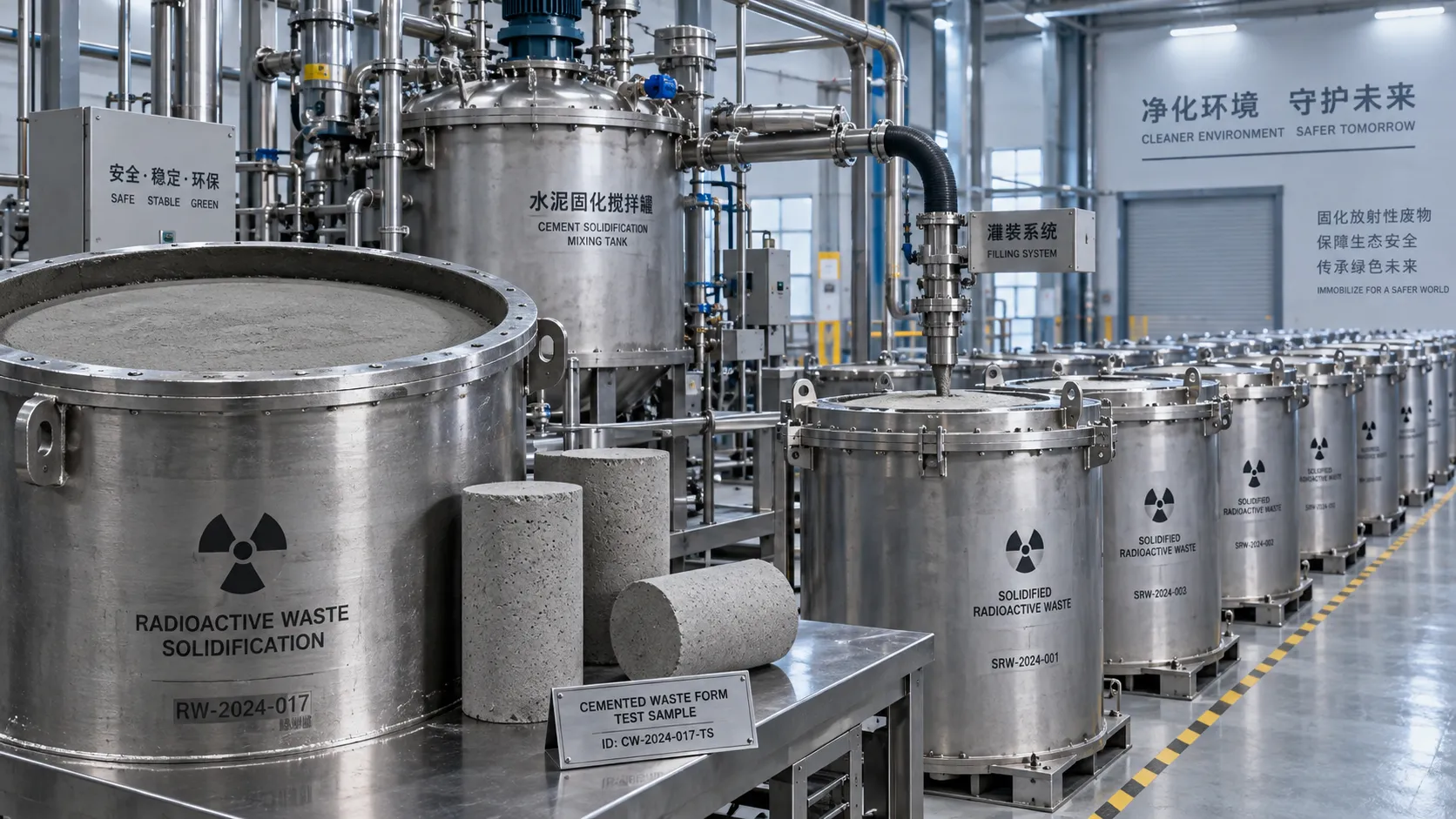
When is cementation suitable for nuclear decommissioning waste?
Explore nuclear waste treatment technology for decommissioning: learn when cementation fits, which risks to assess, and how disposal criteria guide an effective treatment choice.
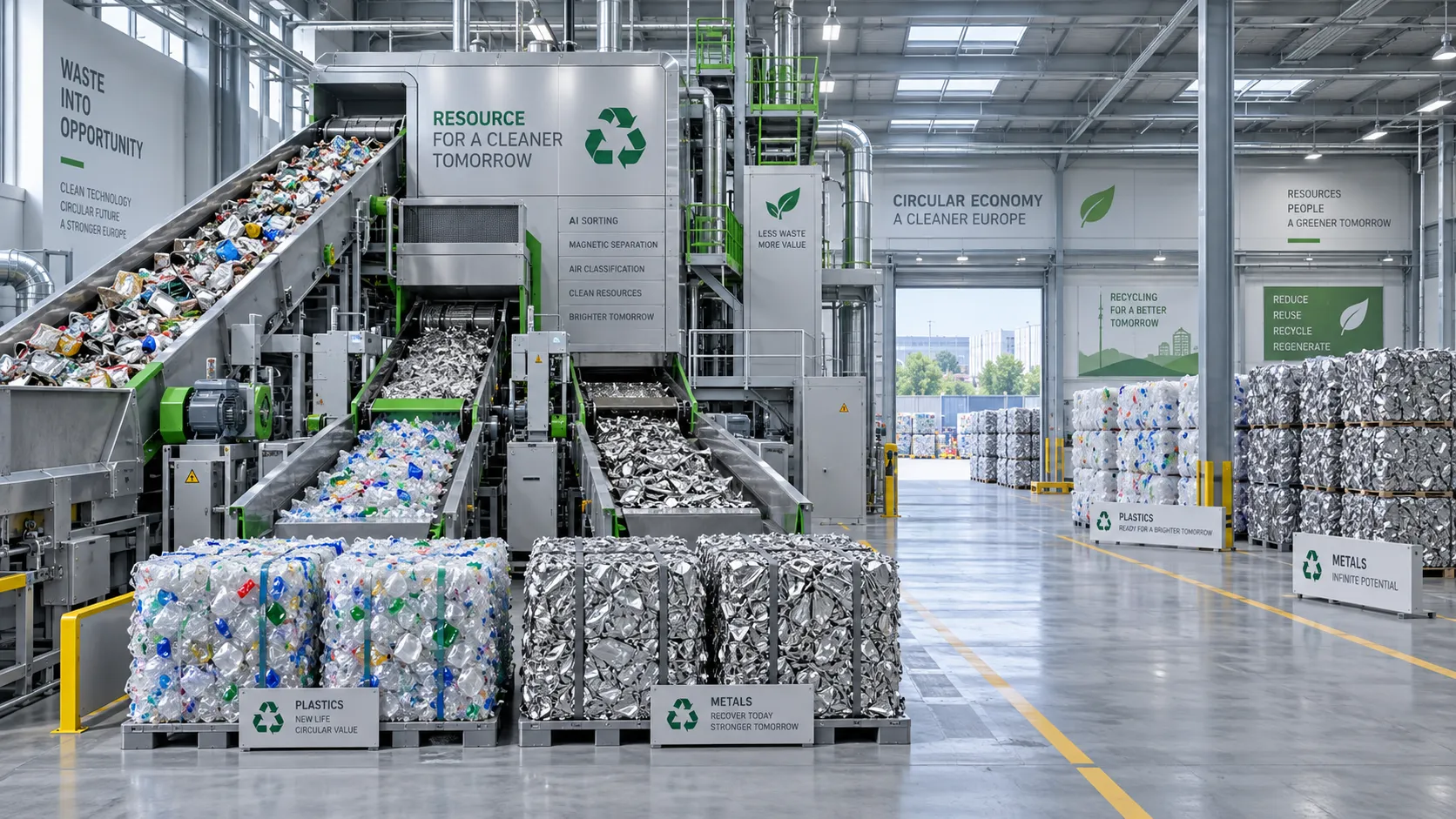
What determines payback for waste-to-resource systems in Europe?
Assess waste-to-resource systems Europe-wide: compare feedstock, recovery yields, costs and contracts to uncover payback drivers and make smarter investment decisions.
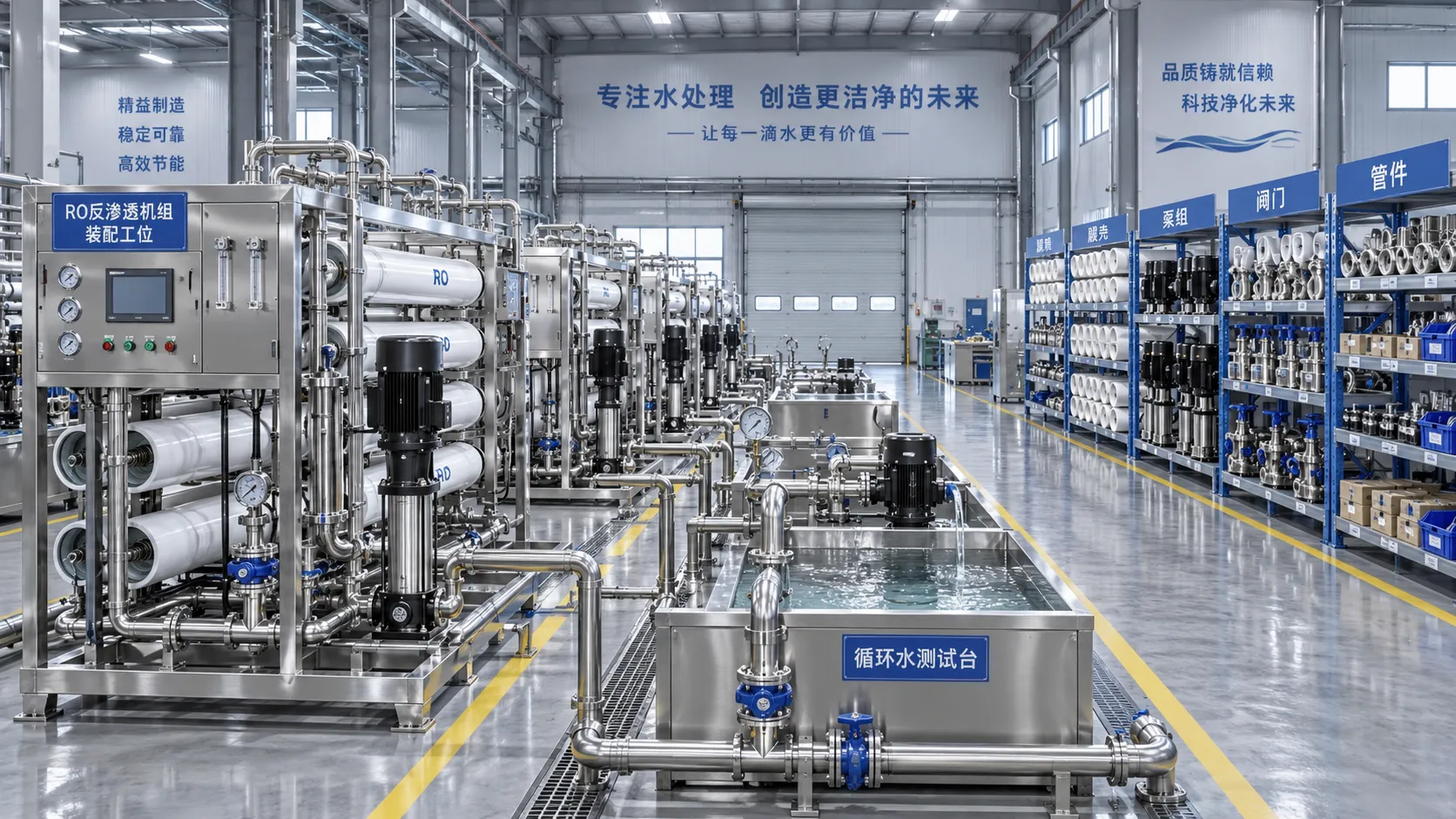
How to verify a water treatment system factory’s production capacity
Verify a water treatment systems factory’s production capacity through records, bottlenecks, component availability, and testing. Learn what to check before accepting a delivery promise.
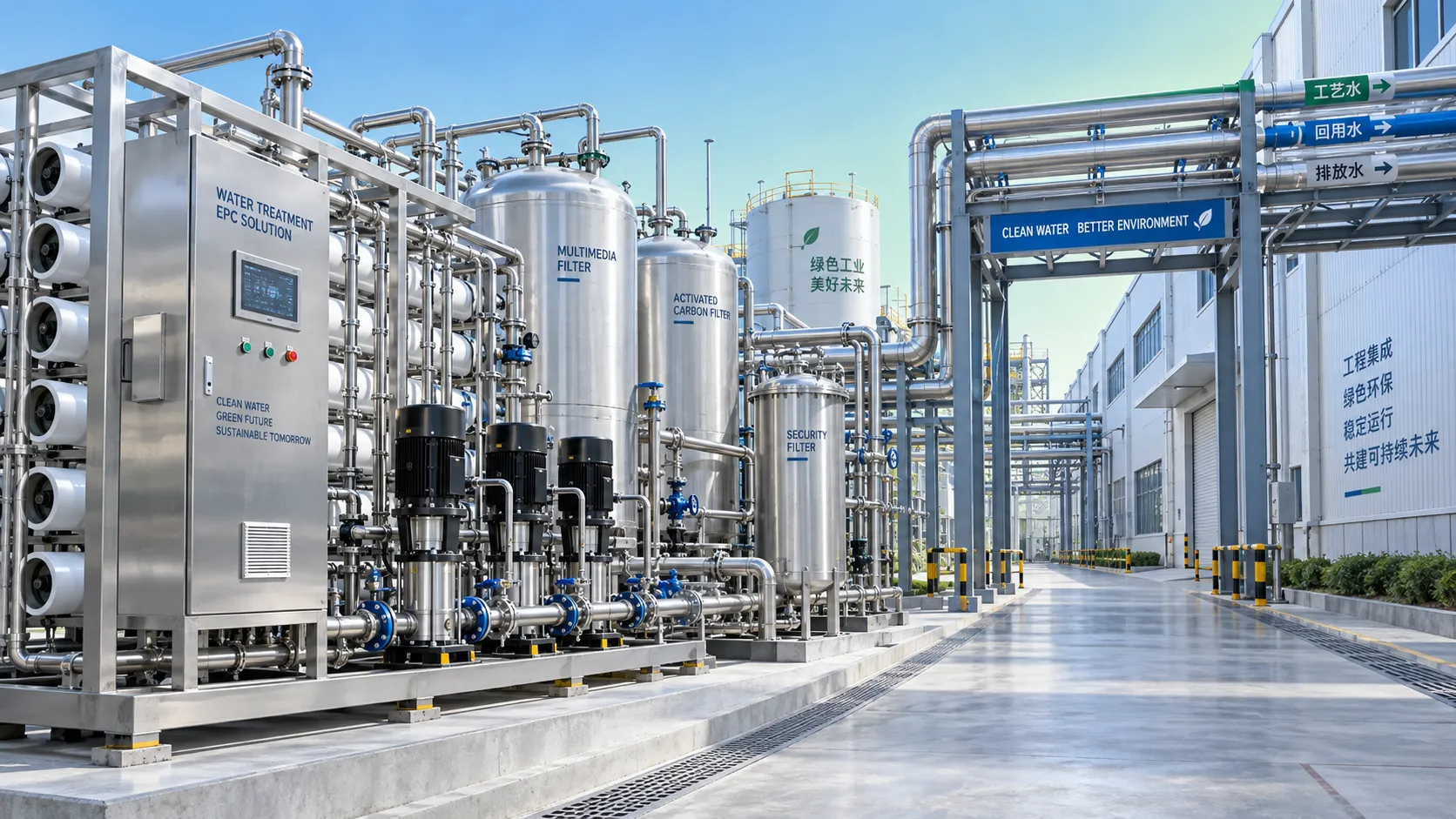
When does EPC environmental project support reduce delivery risk?
EPC environmental project support engineering reduces delivery risk by aligning design, procurement, compliance, construction, and commissioning decisions.
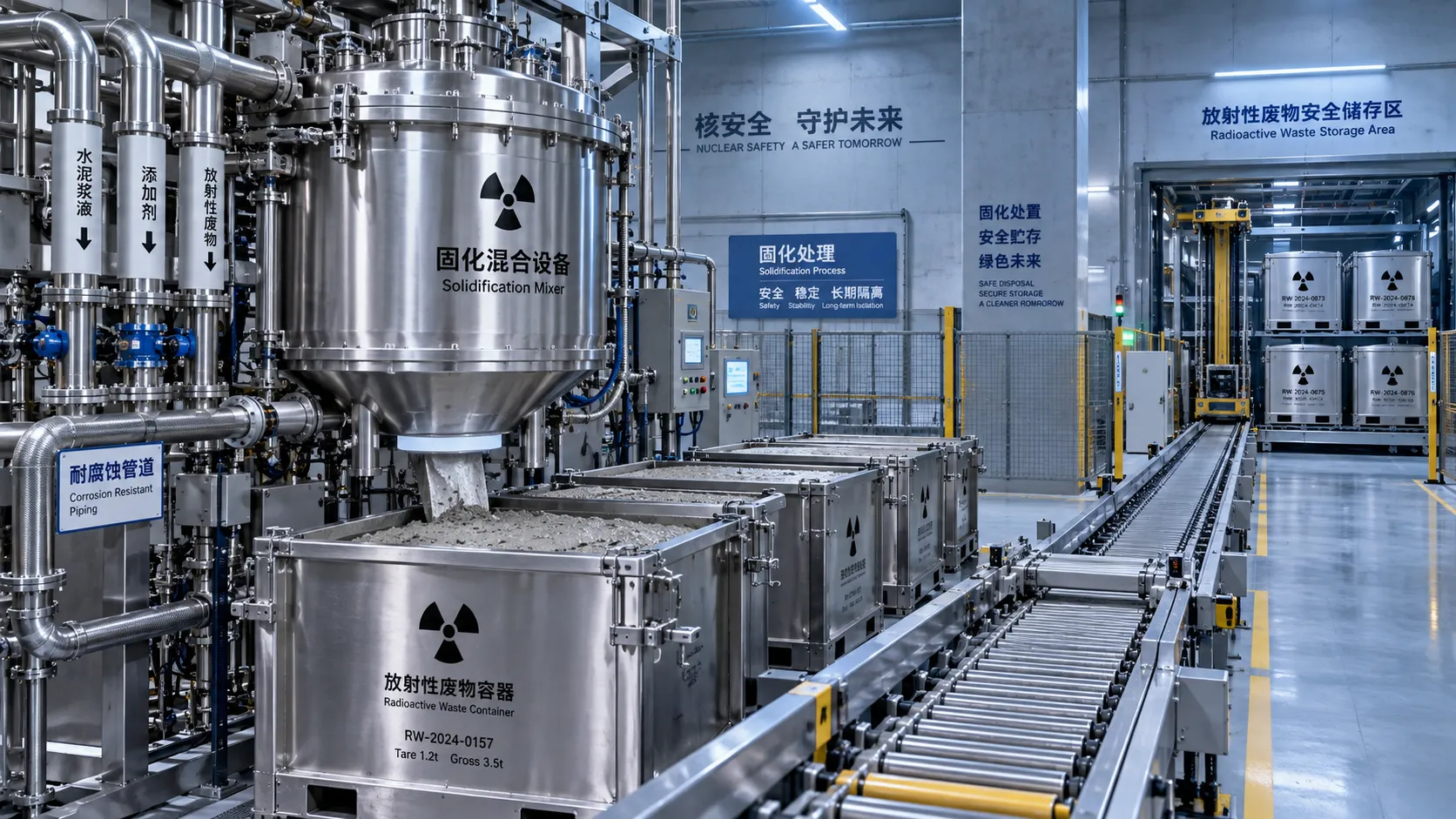
How nuclear plants select a radioactive waste solidification method
Radioactive waste management for nuclear plants: compare vitrification, cementation, polymers, and ceramics to select a compliant, durable solidification solution.
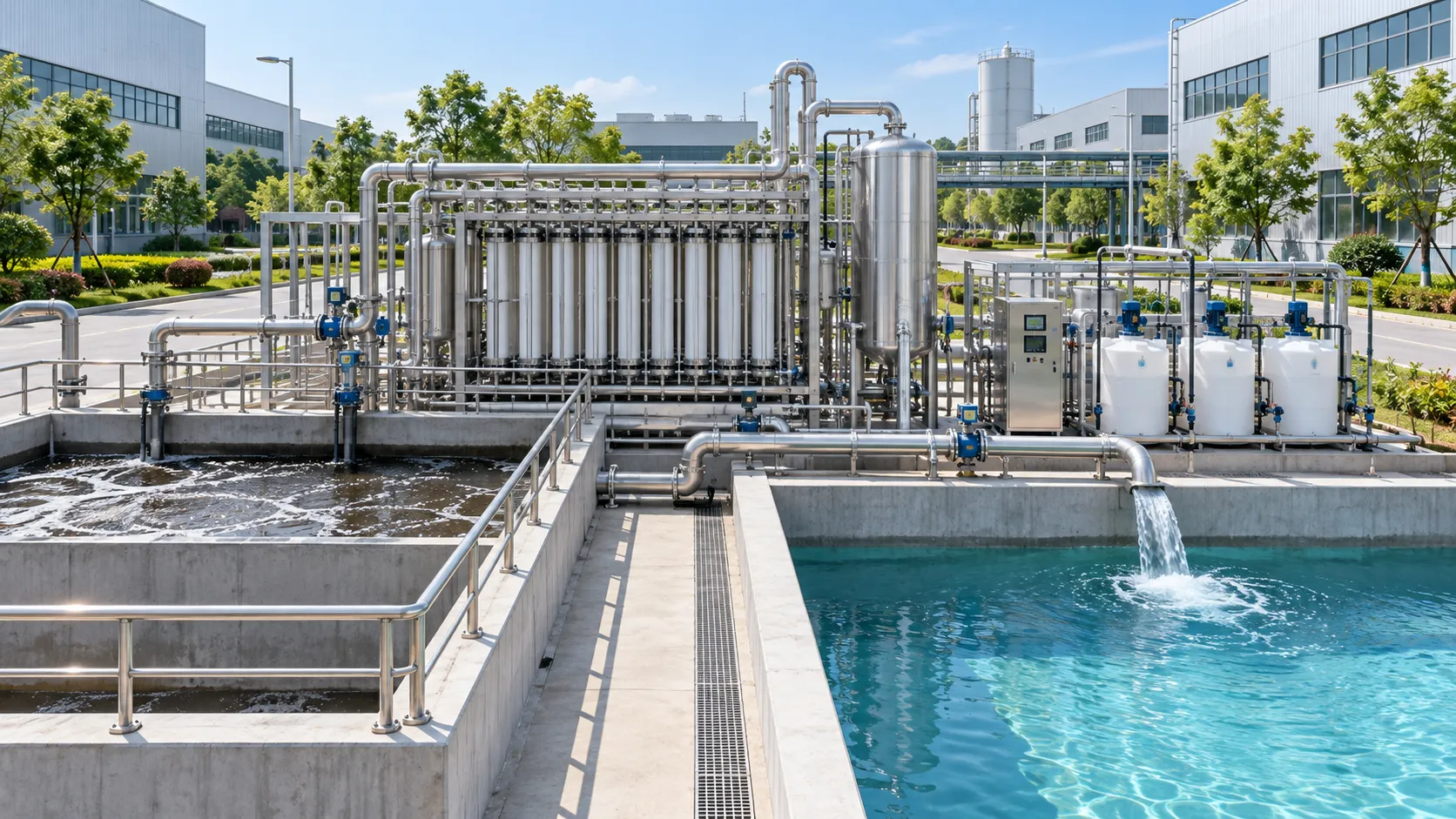
Comparing Upgrade Costs for Industrial Park Wastewater Treatment Systems
Compare costs for wastewater system upgrades in industrial parks with a lifecycle view of CAPEX, OPEX, compliance, resilience, and future expansion.
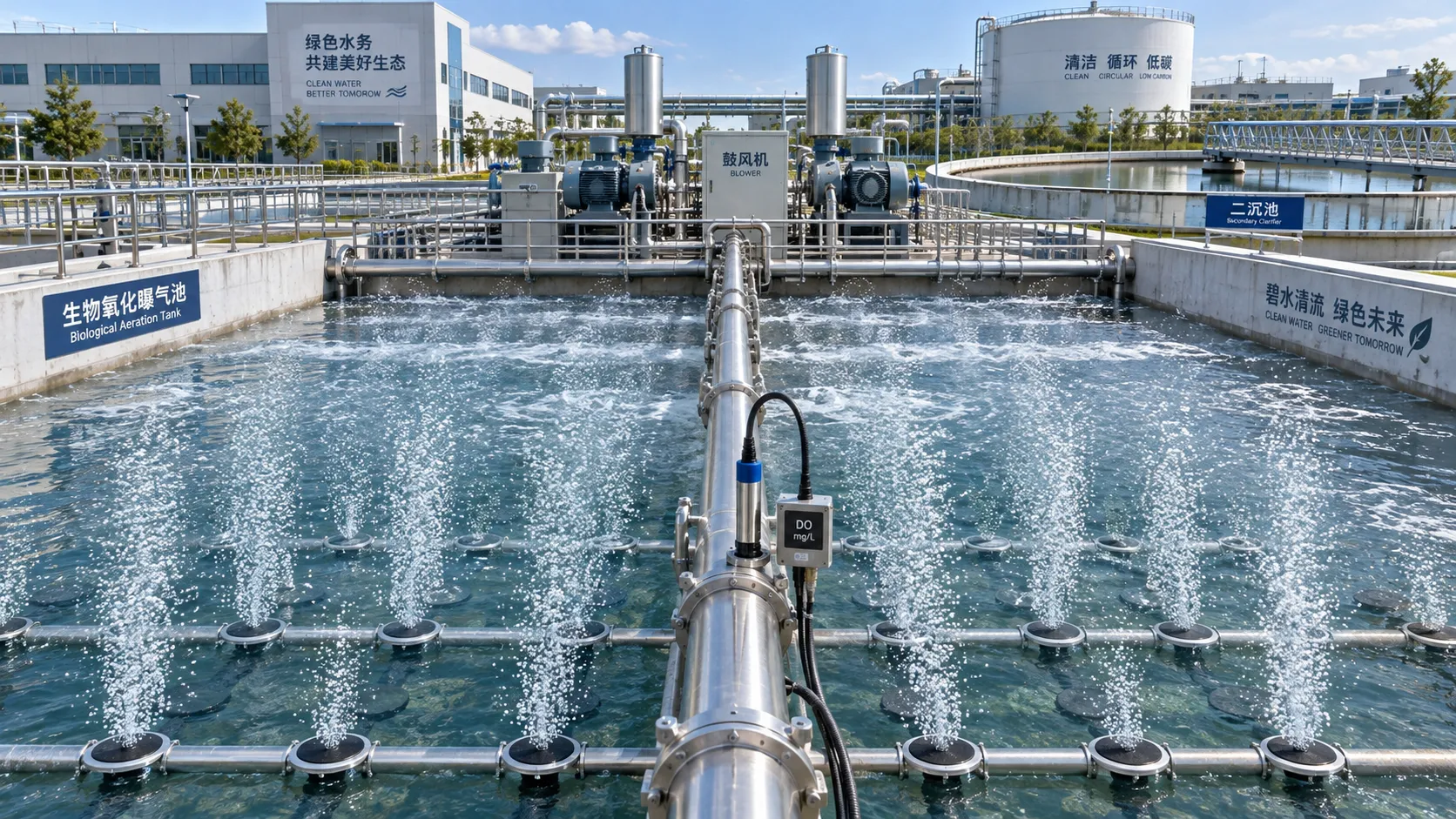
Biological Wastewater Oxidation Explained: Aeration Demand and Process Control
Biological wastewater oxidation explained: optimize aeration demand, DO control, nitrification, and sludge age for stable effluent quality and lower energy costs.
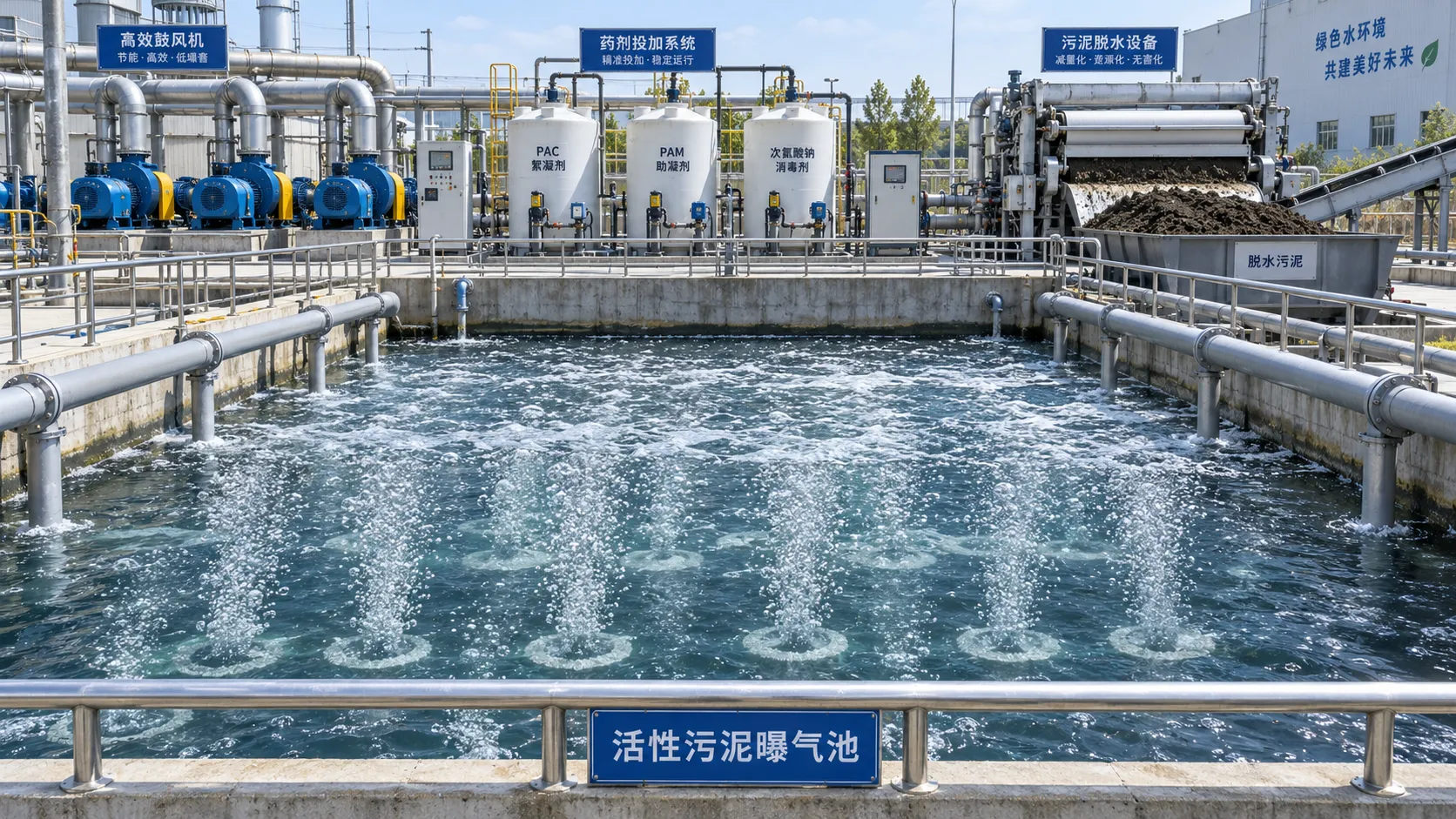
Activated Sludge Cost: Budgeting Energy, Chemicals, Sludge, and Labor
Activated sludge cost explained: compare energy, chemicals, sludge disposal, labor, and compliance risks to build a reliable lifecycle budget.
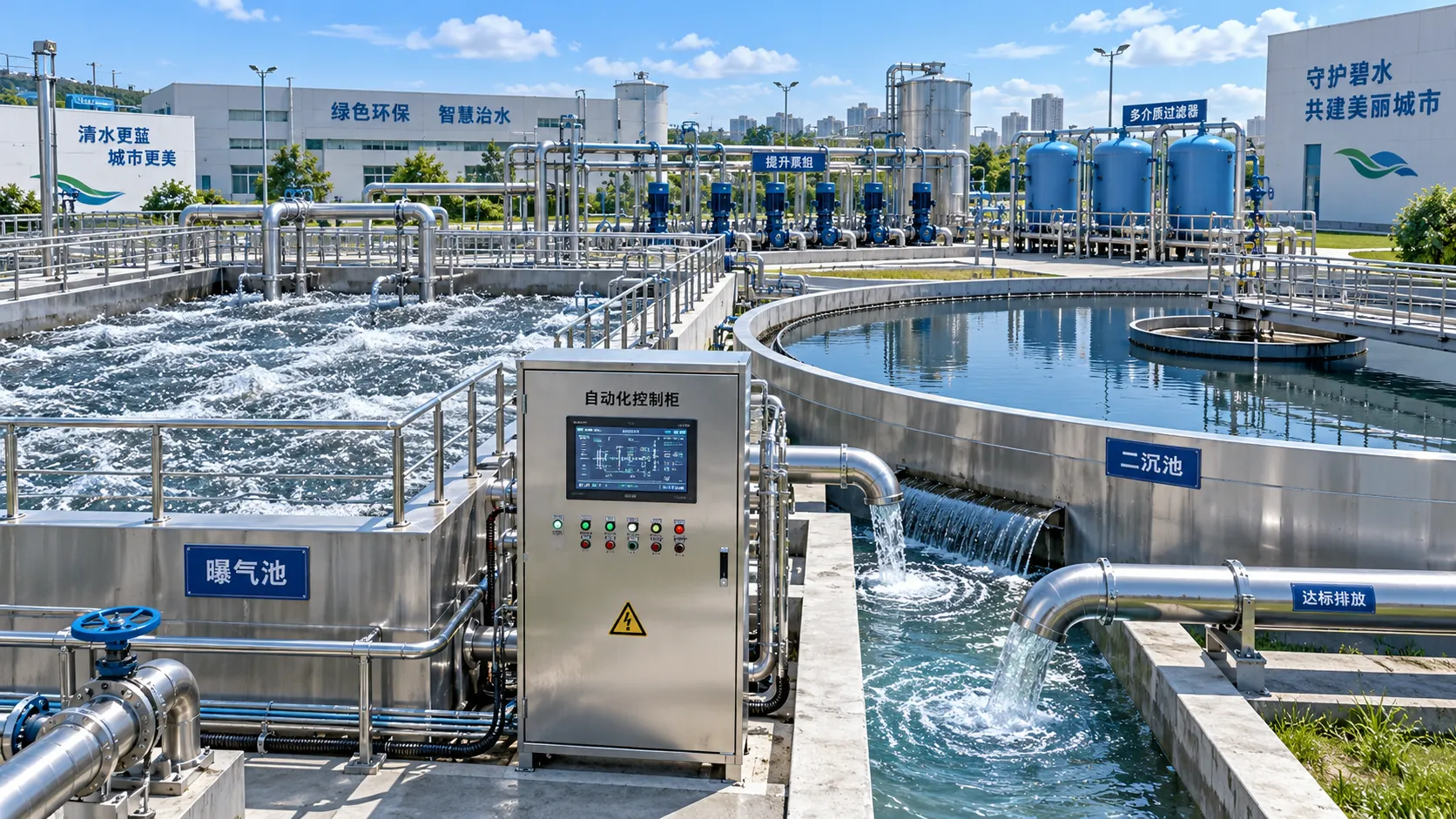
When Should Municipal Wastewater Plants Upgrade Treatment Capacity and Controls?
Municipal wastewater treatment upgrades: learn when capacity, controls, and resilient planning are needed to protect compliance and optimize plant performance.