
Industry News
Curation by industry experts
Hot Articles
Popular Tags
Nuclear Safety in 2026: Operational Gaps No Team Can Ignore
Nuclear Safety in 2026: Why Are Operational Gaps Becoming the Real Threat?
In 2026, nuclear safety is shaped less by paperwork and more by execution under pressure.
Audits still matter, but hidden operating gaps now create the biggest exposure across critical infrastructure.
Maintenance drift, fragmented data, slow emergency escalation, and unstable supplier quality can weaken barriers long before alarms appear.
For a sector linked to water treatment, waste recovery, desalination, and nuclear waste management, these gaps carry cross-industry consequences.
Strong nuclear safety today means integrating equipment intelligence, process discipline, environmental compliance, and real-time decision support.
That is especially relevant where radioactive waste handling intersects with filtration systems, corrosion control, remote monitoring, and closed-loop containment.
The key question is no longer whether standards exist.
The key question is whether daily operations truly match the intent of those standards.
What Does Nuclear Safety Mean Beyond Compliance in 2026?
Modern nuclear safety includes technical integrity, human reliability, digital visibility, and supplier accountability.
It is not limited to reactor design or storage architecture.
It also includes how valves are inspected, how anomalies are classified, and how evidence is shared across teams.
In practice, nuclear safety depends on whether weak signals are detected early enough to prevent escalation.
A compliant facility can still be vulnerable if inspections are rushed or if trend analysis is missing.
This shift matters because nuclear operations now face tighter environmental scrutiny and broader public transparency expectations.
For intelligence-driven platforms such as ESD, the lesson is clear.
Nuclear safety must be read as a living operational system, not a static legal status.
- Barrier health must be measurable.
- Incident precursors must be visible.
- Corrective actions must close fast.
- Cross-site learning must be systematic.
Which Operational Gaps Most Commonly Undermine Nuclear Safety?
Several recurring gaps now appear across high-risk industrial environments.
In nuclear safety, four deserve urgent attention because they often remain hidden until stress conditions reveal them.
1. Maintenance drift
Maintenance drift begins when procedures slowly diverge from design intent.
Intervals get extended, temporary fixes become routine, and documentation loses precision.
This weakens nuclear safety because defense layers depend on consistency, not improvisation.
2. Data blind spots
Data blind spots appear when sensor outputs, lab findings, and field observations remain disconnected.
A small chemistry deviation or vibration change may look harmless in isolation.
Combined, they may reveal a developing safety issue.
3. Emergency response delay
Emergency response plans often look complete on paper.
The real test is whether decisions move quickly during uncertainty.
Delayed escalation, unclear authority, or weak communication can erode nuclear safety within minutes.
4. Supplier inconsistency
Nuclear safety also depends on the upstream quality chain.
If replacement parts, treatment chemicals, shielding materials, or instrumentation vary in performance, hidden risk grows.
That is especially critical in nuclear waste management systems with long lifecycle requirements.
Where Do These Nuclear Safety Gaps Show Up in Real Operations?
Operational gaps are rarely isolated.
They emerge where process complexity, aging assets, environmental controls, and contractor interfaces overlap.
That is why nuclear safety concerns extend into broader ecological engineering systems.
Waste treatment and containment
In nuclear waste management, weak sampling discipline can distort radiation or chemistry profiles.
Improper container tracking can create long-term traceability issues.
Both directly affect nuclear safety and regulatory confidence.
Water purification interfaces
Water systems often support cooling, contamination control, and discharge management.
A blind spot in membrane performance, corrosion monitoring, or effluent verification can spread risk across multiple barriers.
Remote and digital systems
As more assets become digitally monitored, cyber-physical reliability becomes part of nuclear safety.
Poor data governance can produce false confidence or delay corrective action.
How Can Teams Judge Whether Nuclear Safety Oversight Is Truly Effective?
A useful test is whether oversight reveals weak signals before they become formal events.
If reporting only captures completed failures, nuclear safety oversight is reactive, not mature.
Effective oversight combines field evidence, trend review, and decision speed.
Several indicators can help judge readiness.
- Repeat deviations decrease after corrective action.
- Inspection findings are risk-ranked, not simply listed.
- Near-miss review includes technical and organizational causes.
- Supplier nonconformities trigger traceable follow-up.
- Emergency drills test timing, communication, and decision clarity.
For ESD-style intelligence frameworks, nuclear safety performance should be benchmarked across asset classes and environmental interfaces.
That creates a stronger view than isolated site reports.
What Are the Most Common Nuclear Safety Misjudgments in 2026?
Many failures begin with false assumptions rather than missing technology.
The following misjudgments appear repeatedly in complex facilities.
“No incident means no risk.”
This is one of the most dangerous beliefs in nuclear safety.
Absence of incidents may simply reflect luck or limited visibility.
“Digitalization automatically improves control.”
Digital tools help, but only if data quality, alarm logic, and human interpretation remain strong.
Bad dashboards can hide nuclear safety issues behind attractive visuals.
“Supplier certification is enough.”
Certification matters, yet it does not replace batch verification, lifecycle review, or field performance tracking.
Nuclear safety demands evidence, not assumptions.
“Emergency plans are reliable if drills are passed.”
A passed drill may still leave communication bottlenecks untouched.
Real nuclear safety resilience depends on surprise, realism, and cross-functional learning.
How Should Nuclear Safety Be Strengthened Over the Next 12 Months?
The most effective approach is targeted, measurable, and intelligence-led.
Large transformation programs are useful, but immediate gains often come from disciplined operational fixes.
- Map safety-critical assets and identify where monitoring coverage is incomplete.
- Review maintenance deviations against original engineering intent.
- Unify lab, sensor, and inspection data into one anomaly review process.
- Stress-test emergency escalation with time-based decision scenarios.
- Tighten supplier surveillance for high-consequence components and consumables.
- Use trend intelligence to compare internal performance with regulatory and industry movement.
This is where ESD’s broader environmental equipment perspective becomes valuable.
Nuclear safety does not exist apart from filtration reliability, corrosion chemistry, material stability, and compliance evolution.
Better decisions come from linking these signals early.
Nuclear Safety FAQ and Quick Judgment Table
Nuclear safety in 2026 is a test of operational truth.
The greatest danger is not always dramatic failure.
Often, it is the quiet normalization of drift, delay, and incomplete visibility.
A stronger path starts with identifying the gaps that routine reports overlook.
Then connect maintenance evidence, environmental intelligence, supplier controls, and emergency readiness into one decision framework.
That is how nuclear safety becomes more resilient, credible, and future-ready.
The next step is practical: review one high-consequence workflow this month and test where visibility, timing, or accountability still fails.
Recommended News
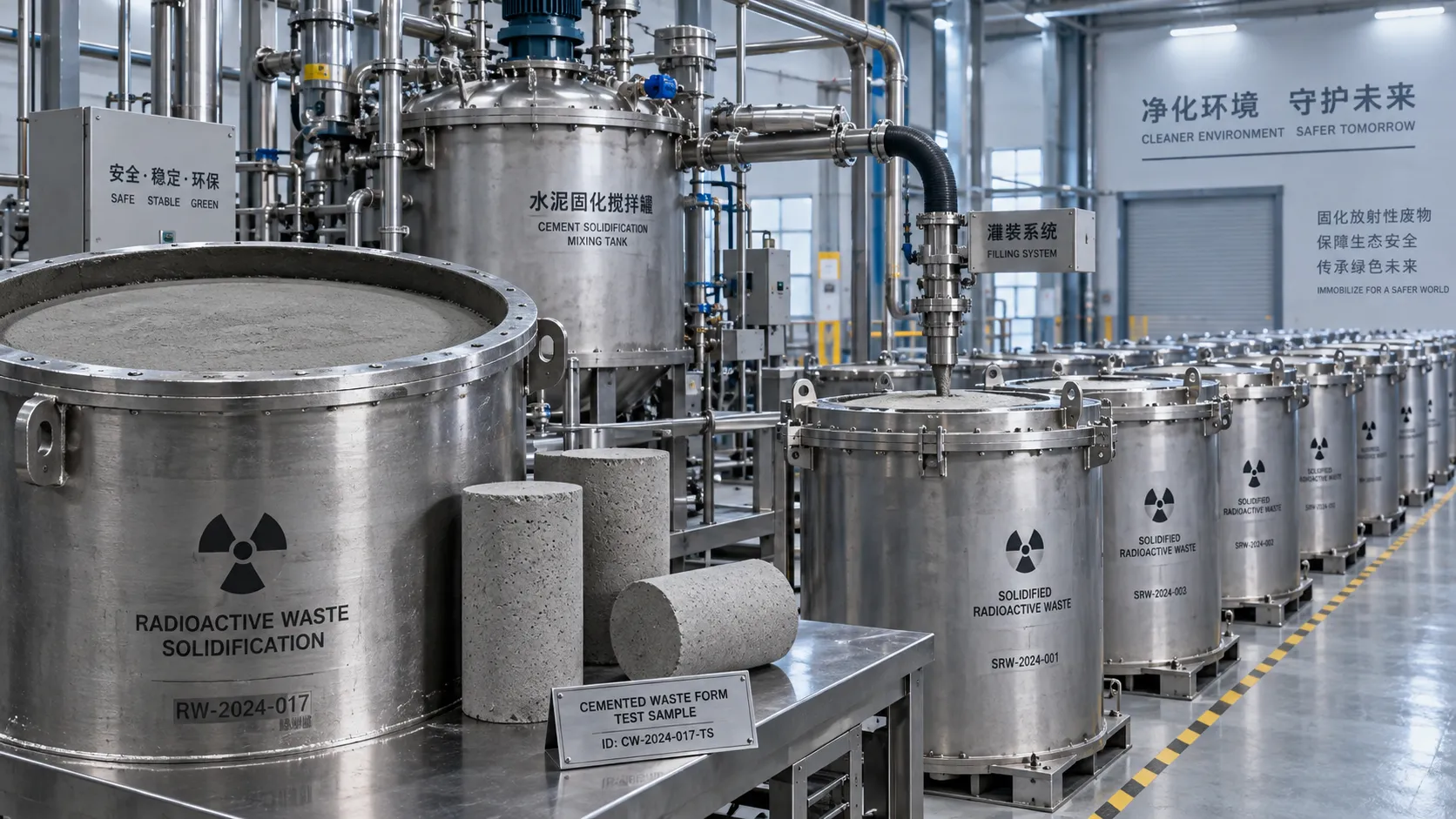
When is cementation suitable for nuclear decommissioning waste?
Explore nuclear waste treatment technology for decommissioning: learn when cementation fits, which risks to assess, and how disposal criteria guide an effective treatment choice.

What determines payback for waste-to-resource systems in Europe?
Assess waste-to-resource systems Europe-wide: compare feedstock, recovery yields, costs and contracts to uncover payback drivers and make smarter investment decisions.
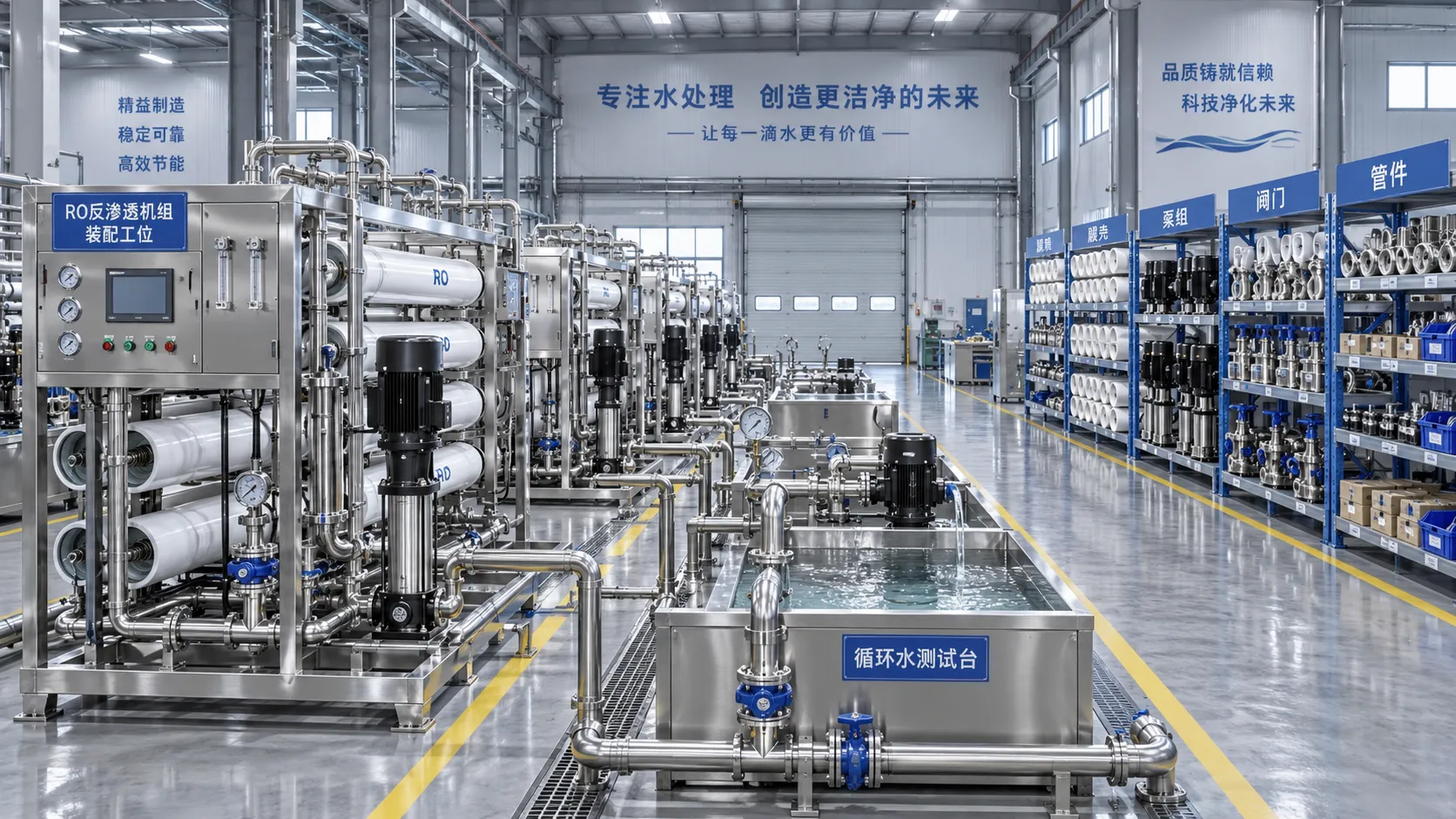
How to verify a water treatment system factory’s production capacity
Verify a water treatment systems factory’s production capacity through records, bottlenecks, component availability, and testing. Learn what to check before accepting a delivery promise.
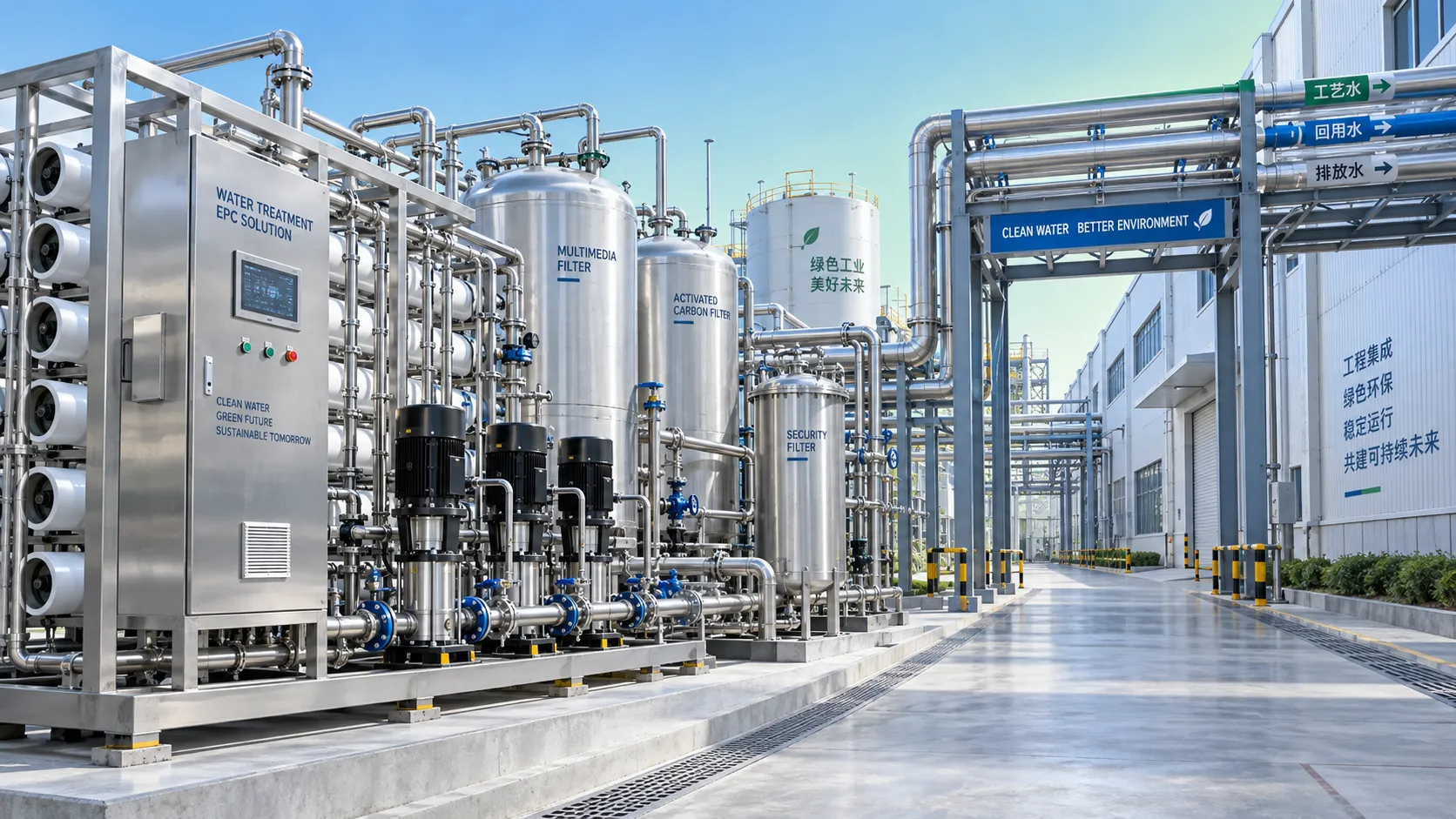
When does EPC environmental project support reduce delivery risk?
EPC environmental project support engineering reduces delivery risk by aligning design, procurement, compliance, construction, and commissioning decisions.
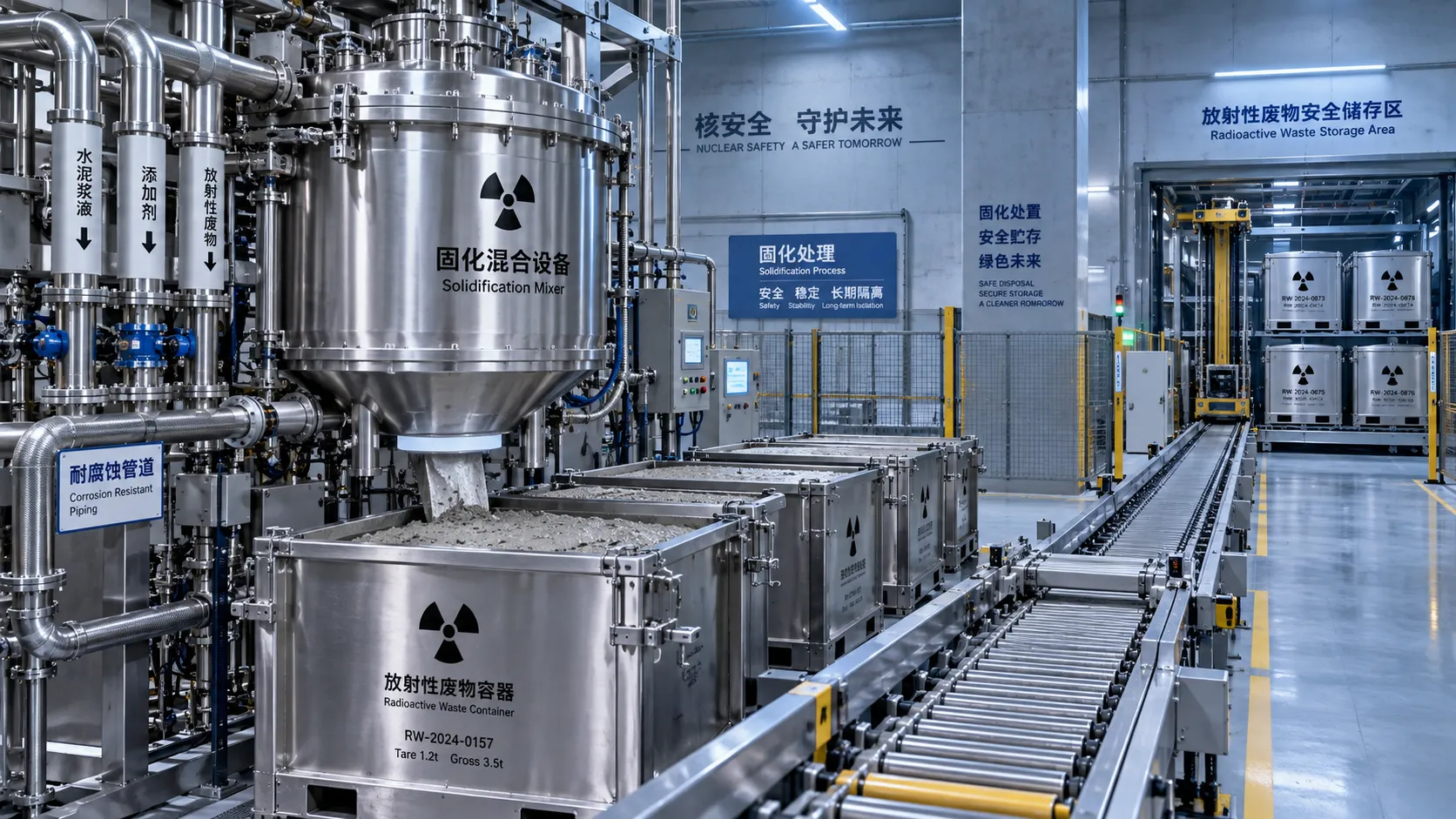
How nuclear plants select a radioactive waste solidification method
Radioactive waste management for nuclear plants: compare vitrification, cementation, polymers, and ceramics to select a compliant, durable solidification solution.
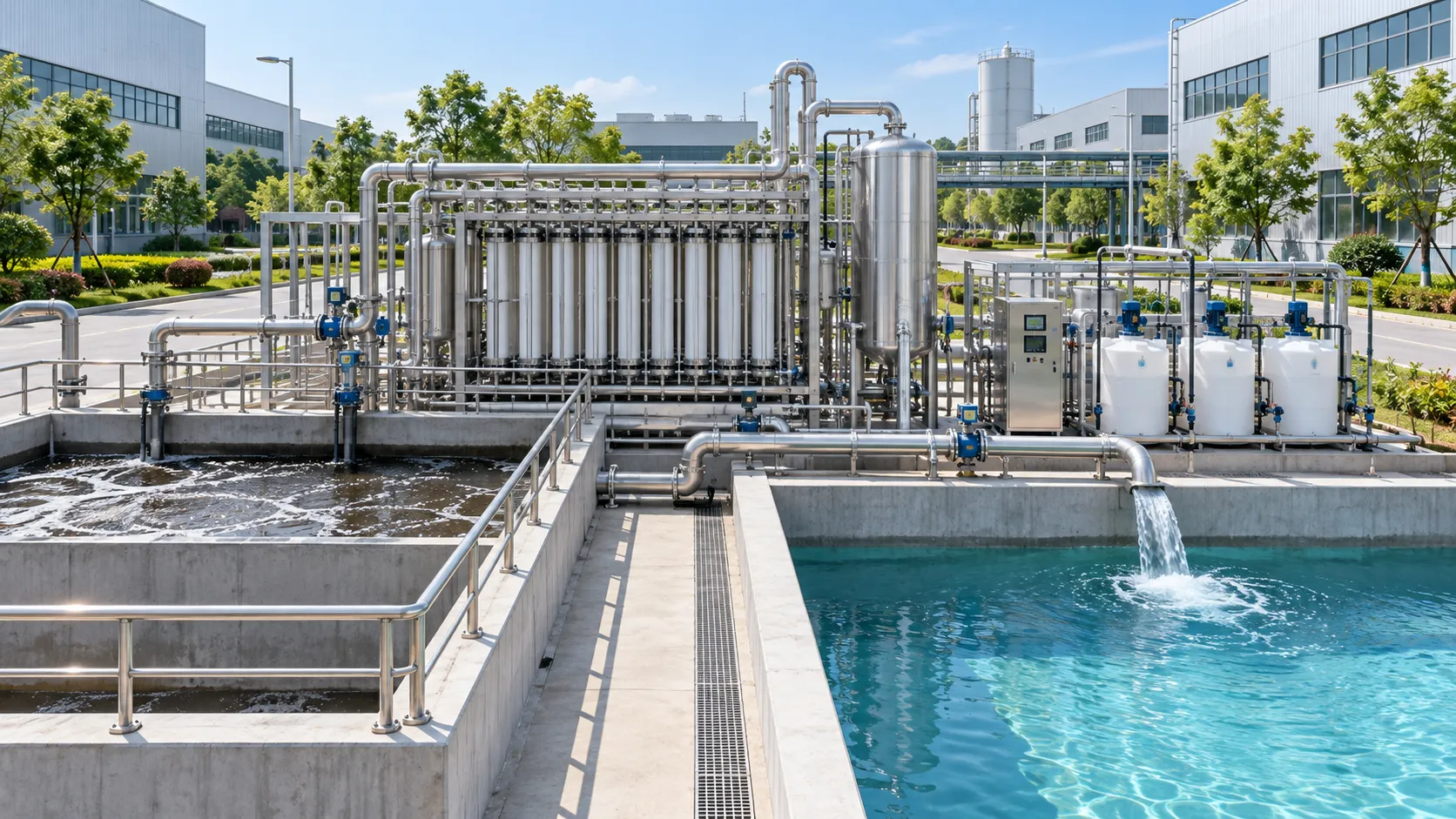
Comparing Upgrade Costs for Industrial Park Wastewater Treatment Systems
Compare costs for wastewater system upgrades in industrial parks with a lifecycle view of CAPEX, OPEX, compliance, resilience, and future expansion.
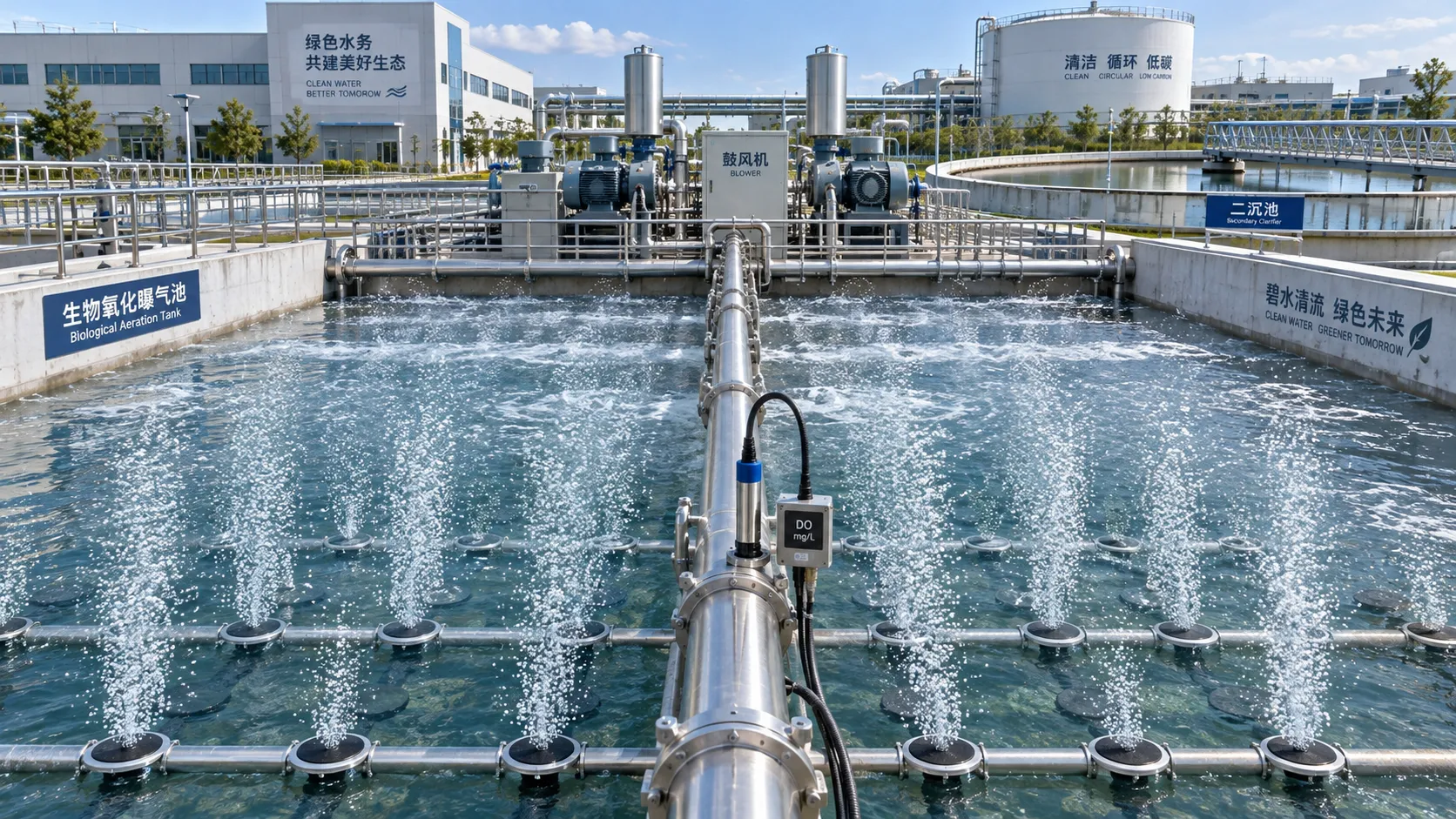
Biological Wastewater Oxidation Explained: Aeration Demand and Process Control
Biological wastewater oxidation explained: optimize aeration demand, DO control, nitrification, and sludge age for stable effluent quality and lower energy costs.
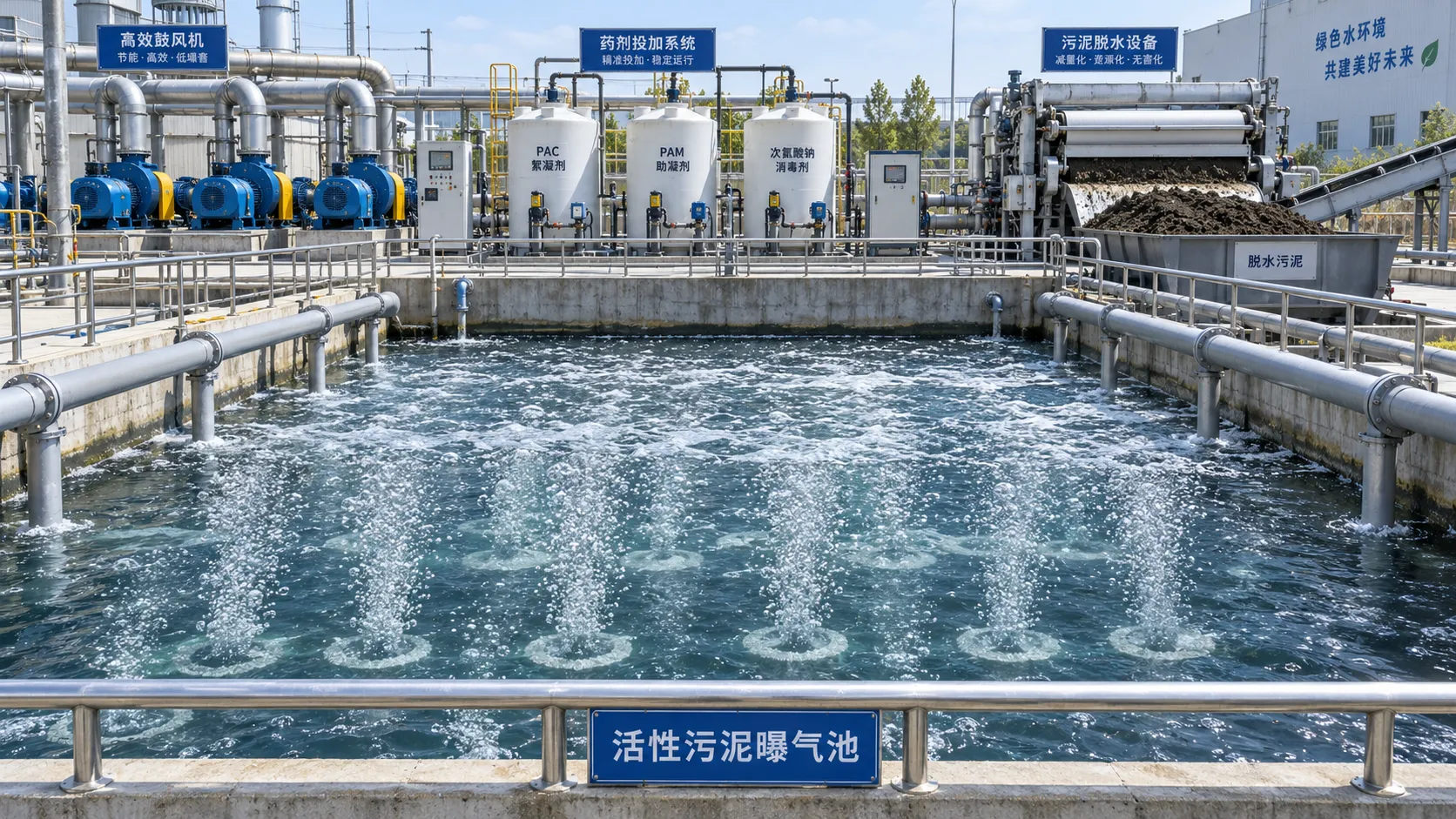
Activated Sludge Cost: Budgeting Energy, Chemicals, Sludge, and Labor
Activated sludge cost explained: compare energy, chemicals, sludge disposal, labor, and compliance risks to build a reliable lifecycle budget.
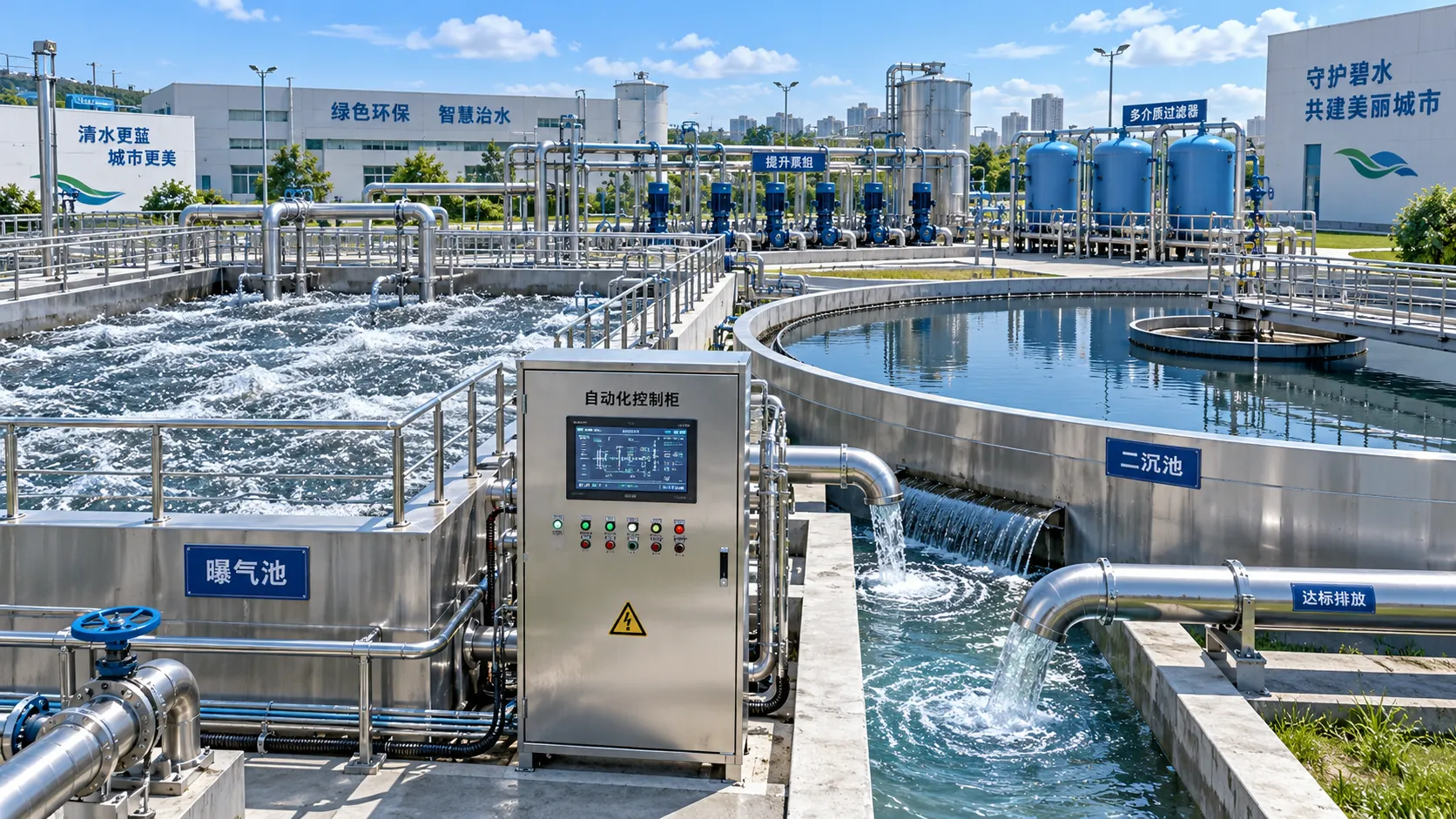
When Should Municipal Wastewater Plants Upgrade Treatment Capacity and Controls?
Municipal wastewater treatment upgrades: learn when capacity, controls, and resilient planning are needed to protect compliance and optimize plant performance.