
Industry News
Curation by industry experts
Hot Articles
Popular Tags
CBAM Impact on Export Costs in Heavy Industry
For heavy industry exporters, the CBAM impact is no longer a policy side note but a direct cost driver shaping pricing, margins, and market access in Europe. From steel and chemicals to energy-intensive environmental equipment, understanding carbon-linked trade exposure is now essential for strategic planning. This article examines how CBAM is changing export cost structures and what decision-makers must do to stay competitive.
Why the CBAM impact now sits on the boardroom agenda
The CBAM impact matters because it changes export economics at the border, not just inside the plant. For decision-makers in heavy industry, that means carbon intensity is becoming a financial variable alongside labor, logistics, energy, and currency risk.
European buyers are also tightening procurement screens. A supplier that cannot explain embedded emissions, monitoring methods, and compliance readiness may face delayed approvals, lower bargaining power, or replacement by a better-prepared competitor.
This is especially relevant for sectors linked to steel structures, process equipment, flue gas systems, desalination skids, pressure vessels, and other high-energy fabrication chains. Even where the product is not directly obvious, upstream carbon exposure can reshape contract profitability.
- Direct cost pressure: carbon-linked import charges can erode margins on long-cycle export contracts.
- Commercial pressure: buyers increasingly ask for verified emissions data before tender award.
- Operational pressure: plants need traceable data from energy use, raw materials, and process emissions.
- Strategic pressure: low-carbon upgrades now affect market access, not only sustainability reporting.
How does CBAM impact export costs in heavy industry?
The cost increase is broader than a border fee
Many exporters first view the CBAM impact as a future customs surcharge. In practice, the cost effect starts earlier. It influences quoting models, customer negotiations, production planning, evidence preparation, and the financing of decarbonization investments.
A company that sells energy-intensive components to Europe may face higher total export cost from three channels: direct carbon liability, compliance administration, and commercial discounting if emissions performance is weaker than competing offers.
Where exporters usually feel the pressure first
- Pricing models become unstable when embedded emissions are not measured accurately.
- Tender cycles slow down because buyers ask for emissions methodology and supporting records.
- Gross margin falls when exporters absorb carbon-related charges to defend market share.
- Capex pressure rises because cleaner power, process optimization, and data systems require investment.
Which cost components should executives model first?
A practical way to evaluate the CBAM impact is to separate visible and hidden cost items. The table below helps management teams map the export cost structure that is most likely to change under carbon-border rules.
The key insight is that the CBAM impact is not limited to a single line on the invoice. It can alter supplier qualification, bid conversion, procurement strategy, and even the timing of factory upgrades.
What sectors and equipment chains are most exposed?
Heavy industry exposure differs by process route, energy source, and bill of materials. Businesses supplying environmental infrastructure should pay special attention when equipment production relies on steel plate, alloy fabrication, heat treatment, energy-intensive machining, or high-emission auxiliary materials.
High-attention export chains
- Flue gas treatment systems using large steel structures, ducts, absorbers, and pressure components.
- Desalination and water treatment skids with energy-intensive pumps, vessels, and fabricated frames.
- Solid waste recovery lines that integrate thermal processing, heavy conveying, and robust structural assemblies.
- Nuclear-adjacent engineered systems where documentation, traceability, and compliance discipline are already demanding.
This is where ESD’s industry focus becomes practical. Exporters do not only need carbon policy interpretation. They need cross-disciplinary intelligence connecting process chemistry, equipment engineering, procurement logic, and global environmental compliance.
Low-carbon readiness versus delayed response: which path protects margins?
Executives often ask whether to act now or wait for clearer enforcement detail. The comparison below shows why early preparation usually creates commercial flexibility, while delay tends to increase both cost and negotiation weakness.
For most heavy industry exporters, waiting is rarely neutral. The CBAM impact compounds over time because customer expectations rise before internal systems are ready, leaving teams to react under tender deadlines.
How should companies calculate exposure before quoting to Europe?
Start with a decision-oriented screening model
Management does not need perfect precision on day one, but it does need a credible screening framework. The goal is to identify where carbon-linked cost exposure is concentrated and which contracts deserve deeper emissions accounting.
- Map product families exported to Europe and rank them by energy intensity, steel content, and process complexity.
- Separate direct production emissions from upstream material exposure such as metal inputs and purchased electricity.
- Estimate the sensitivity of selling price, contribution margin, and bid win probability under different carbon-cost scenarios.
- Flag contracts with long delivery cycles, fixed prices, or strict liquidated damages, because these absorb uncertainty poorly.
Do not isolate carbon from process engineering
In environmental equipment manufacturing, the most useful analysis links emissions to design and process choices. A different material route, fabrication sequence, coating method, or energy source can change both embedded carbon and lifecycle operating value.
That is why ESD’s intelligence model is relevant for executives. It connects regulatory movement with technical realities such as membrane systems, thermal concentration, flue gas treatment kinetics, and recycling process architecture, allowing strategic rather than purely administrative response.
Procurement and supplier decisions: what should buyers inside your company ask?
The CBAM impact often surfaces through the supply chain before it appears in final invoices. Procurement leaders should update supplier qualification criteria so that carbon transparency becomes part of cost control rather than a late-stage compliance exercise.
- Can the supplier provide consistent emissions data at material or component level, not just corporate sustainability claims?
- Is the production route powered by grid electricity with high carbon intensity, or is there cleaner energy integration?
- Are recycled inputs or lower-emission substitutes technically acceptable for the target equipment and standards?
- Will changes in sourcing affect corrosion resistance, pressure rating, membrane compatibility, or maintenance obligations?
This is particularly important for exporters serving water treatment, flue gas control, solid waste recovery, and desalination projects, where technical reliability cannot be traded away for lower nominal material cost.
Common mistakes that increase the CBAM impact
Mistake 1: treating carbon reporting as a paperwork task
If reporting is disconnected from engineering, procurement, and costing, the company may submit data but still fail to improve export competitiveness. Decision-makers should use carbon data to redesign bids, not just satisfy requests.
Mistake 2: focusing only on direct factory emissions
For many fabricated systems, upstream materials and purchased electricity are major contributors. Ignoring them leads to underestimating the real CBAM impact and mispricing European business.
Mistake 3: assuming all products face the same exposure
A modular skid, a flue gas absorber, and a high-spec process vessel may differ sharply in carbon profile and buyer scrutiny. Product-family segmentation is essential for rational action.
FAQ: practical questions decision-makers ask about CBAM impact
How quickly should a heavy industry exporter act?
Immediately, but in phases. Start with exposure mapping, product prioritization, and data governance. Then move to supplier engagement and process improvement. This phased approach reduces confusion while protecting near-term bids.
Does CBAM impact only primary metals, or also complex environmental equipment?
Complex equipment can be affected through both direct classification and upstream carbon-heavy components. For exporters of treatment plants or recovery systems, the commercial risk often comes from the embedded emissions of key materials and fabrication steps.
What should be checked before giving a long-validity quotation to an EU customer?
Review carbon data quality, supplier stability, electricity assumptions, contract adjustment clauses, and documentation responsibilities. A long-validity quote without carbon sensitivity testing may lock in future margin loss.
Can low-carbon positioning improve bid success, not just compliance?
Yes. In many industrial tenders, a supplier that can explain both emissions performance and process reliability gains credibility. The CBAM impact therefore creates a commercial differentiation opportunity, not only a cost burden.
What comes next for heavy industry exporters?
The direction is clear: export competitiveness in Europe will increasingly depend on transparent embedded emissions, credible reduction pathways, and disciplined compliance execution. Companies that integrate these elements early will negotiate from a stronger position.
For sectors connected to water treatment, waste recovery, flue gas control, seawater desalination, and nuclear-related environmental protection, the opportunity is larger than simple risk avoidance. Carbon-aware engineering can support better market entry, stronger EPC partnerships, and more resilient pricing.
Why work with ESD on CBAM impact assessment and export strategy?
ESD helps decision-makers connect policy shifts with real industrial variables: process routes, material choices, purification technologies, recovery logic, and project bidding pressure. This matters when the CBAM impact must be translated into procurement actions and board-level investment choices.
- Clarify which product lines or equipment packages carry the highest carbon-linked export exposure.
- Review parameter-sensitive areas such as material selection, energy consumption, fabrication steps, and process integration.
- Support product selection and solution comparison for exporters serving environmental infrastructure and EPC projects.
- Discuss delivery-cycle risk, buyer documentation expectations, and practical compliance preparation for EU-facing contracts.
- Explore customized intelligence support on certification context, quotation assumptions, and strategic market positioning.
If your team is evaluating parameter confirmation, product selection, delivery timing, customized low-carbon strategy, documentation requirements, or quotation structure for Europe-bound projects, ESD can help frame the right questions before carbon costs reshape the deal.
Recommended News
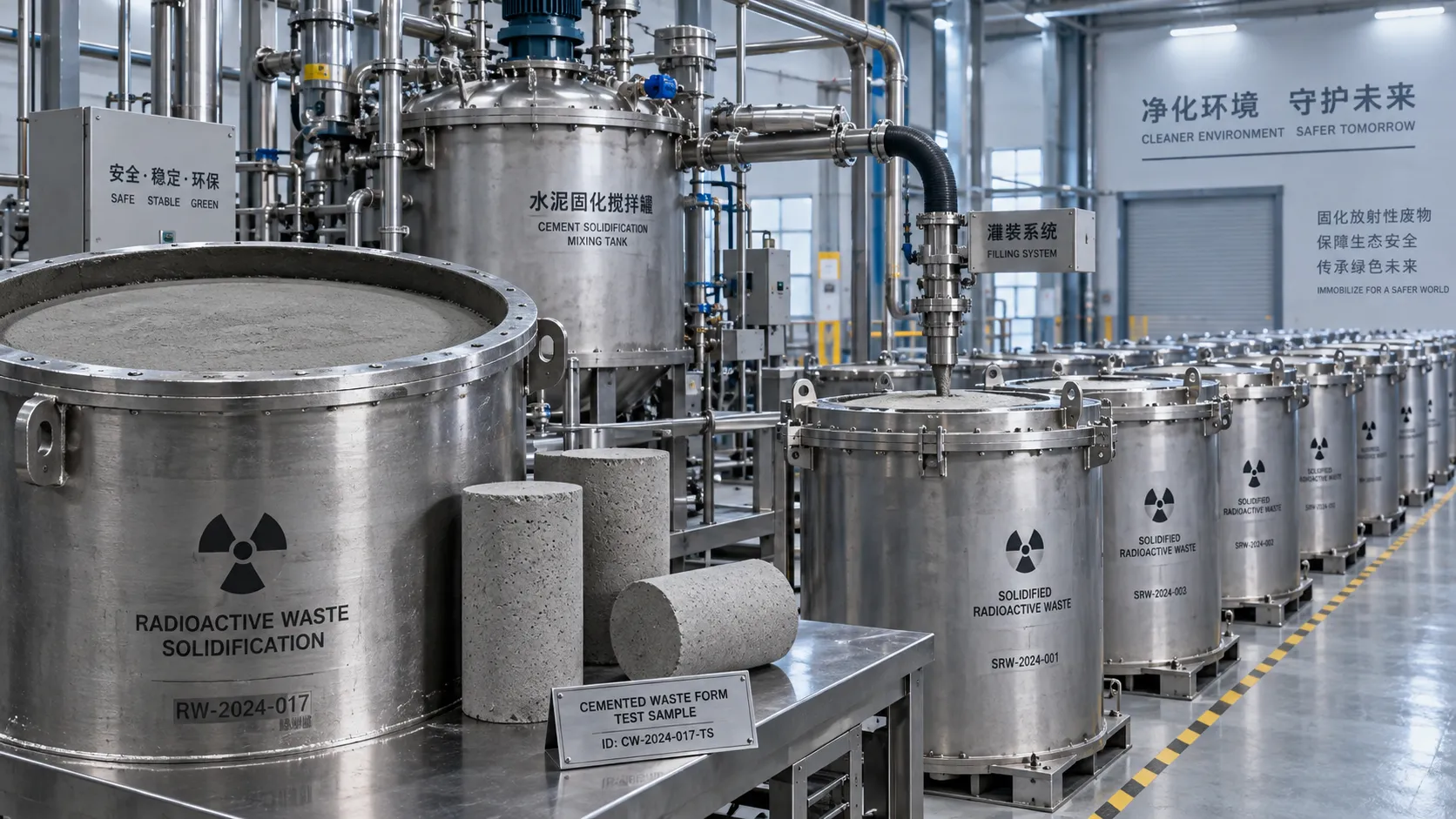
When is cementation suitable for nuclear decommissioning waste?
Explore nuclear waste treatment technology for decommissioning: learn when cementation fits, which risks to assess, and how disposal criteria guide an effective treatment choice.
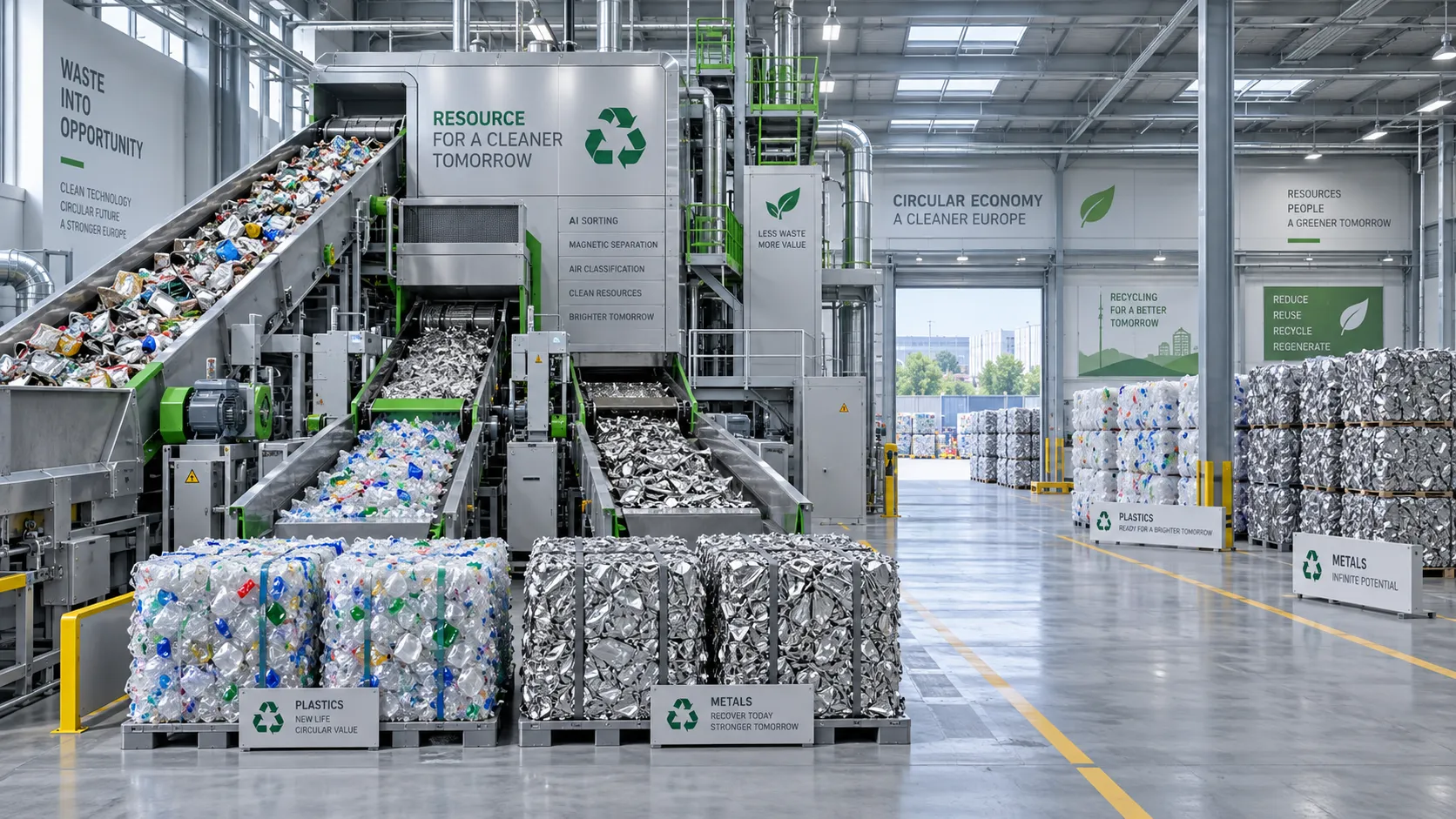
What determines payback for waste-to-resource systems in Europe?
Assess waste-to-resource systems Europe-wide: compare feedstock, recovery yields, costs and contracts to uncover payback drivers and make smarter investment decisions.
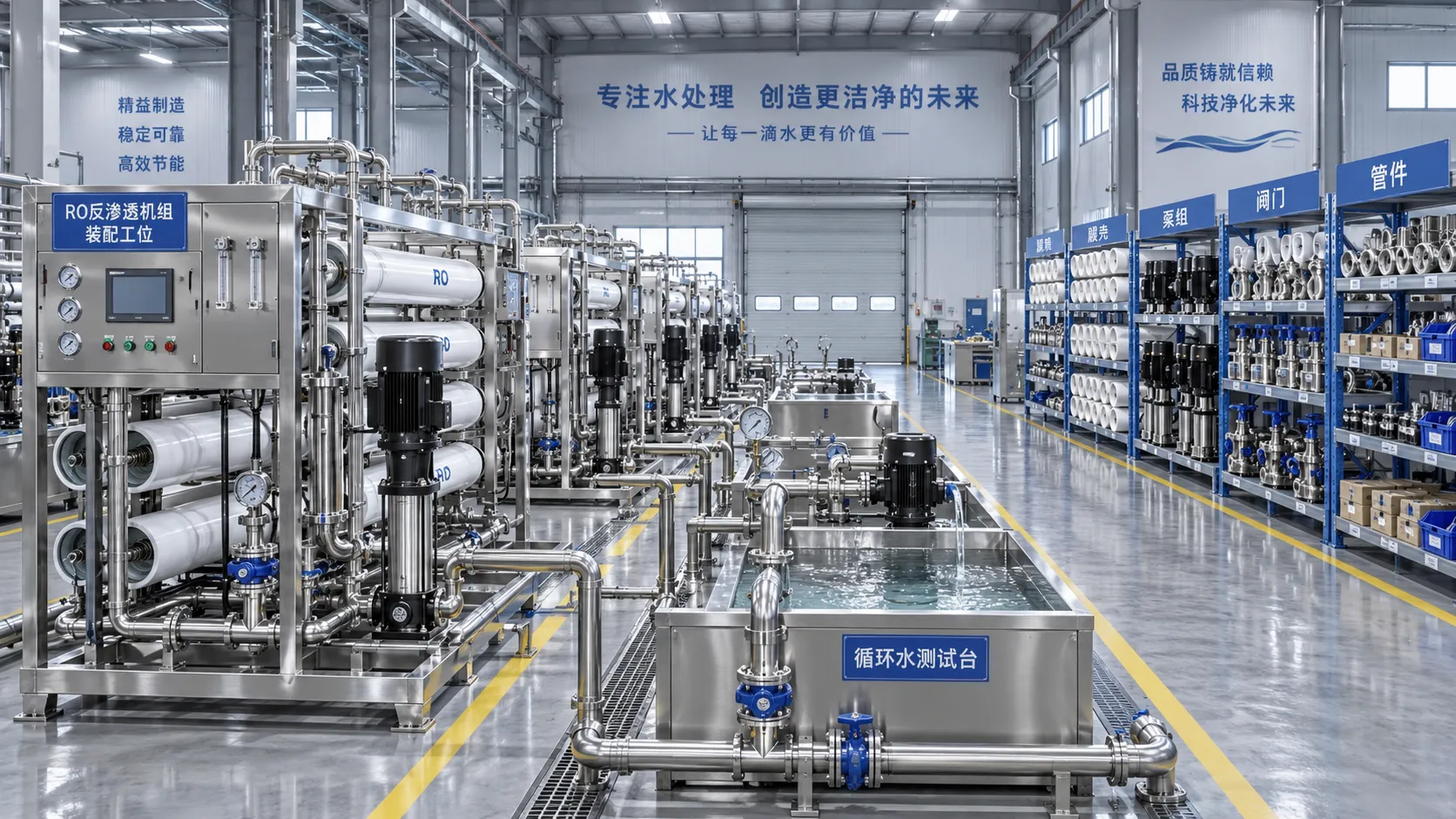
How to verify a water treatment system factory’s production capacity
Verify a water treatment systems factory’s production capacity through records, bottlenecks, component availability, and testing. Learn what to check before accepting a delivery promise.
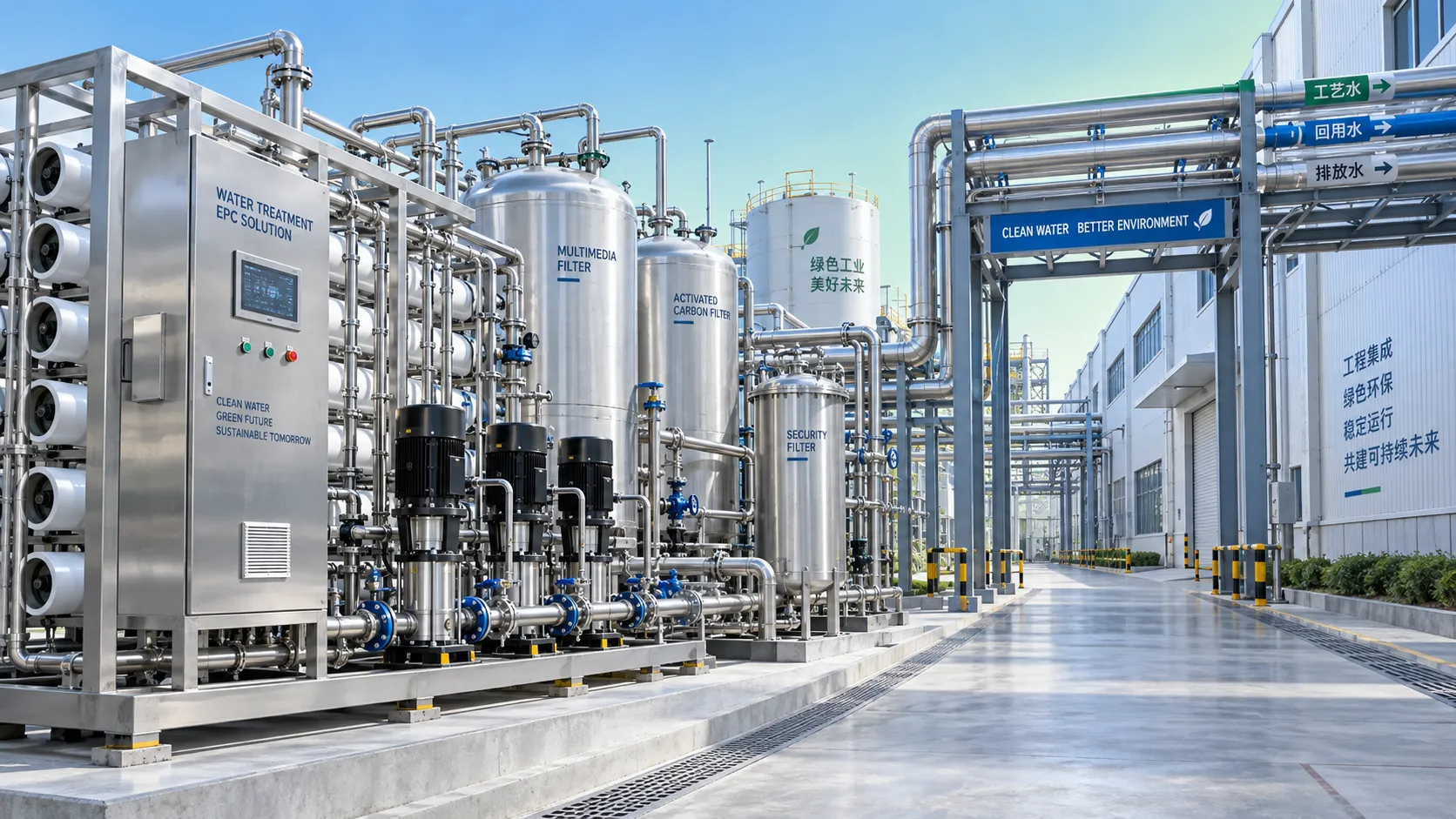
When does EPC environmental project support reduce delivery risk?
EPC environmental project support engineering reduces delivery risk by aligning design, procurement, compliance, construction, and commissioning decisions.
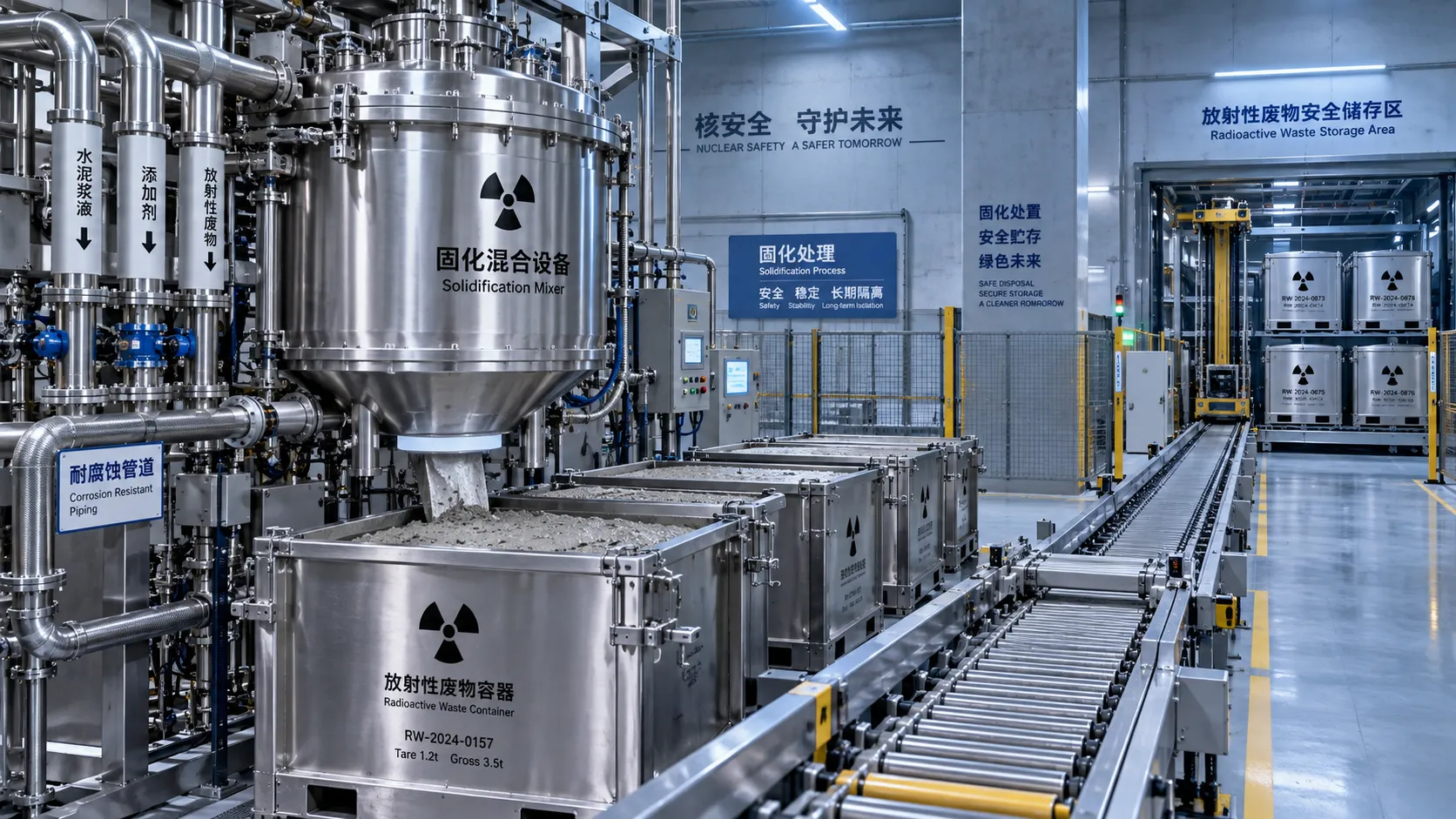
How nuclear plants select a radioactive waste solidification method
Radioactive waste management for nuclear plants: compare vitrification, cementation, polymers, and ceramics to select a compliant, durable solidification solution.
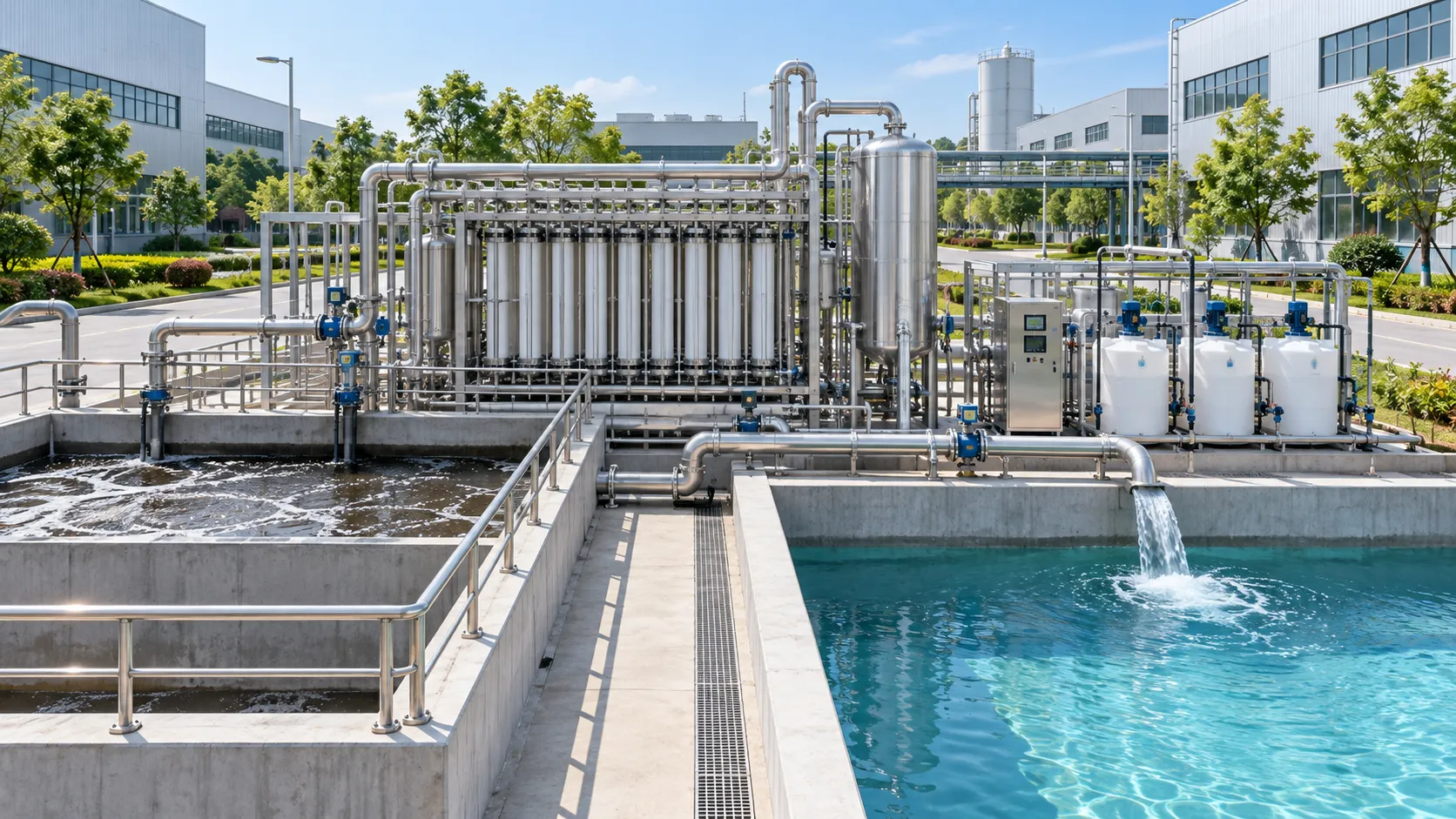
Comparing Upgrade Costs for Industrial Park Wastewater Treatment Systems
Compare costs for wastewater system upgrades in industrial parks with a lifecycle view of CAPEX, OPEX, compliance, resilience, and future expansion.
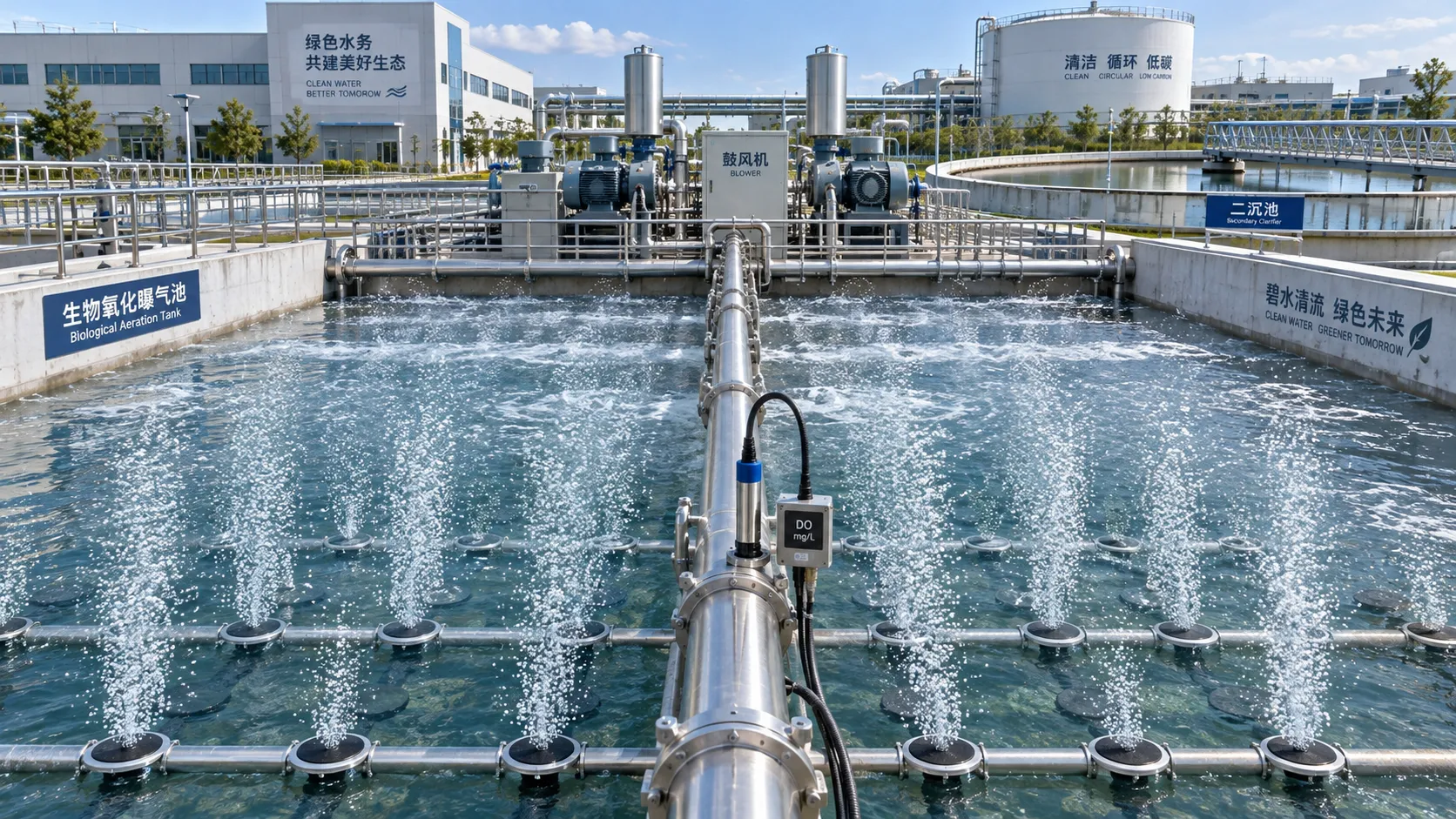
Biological Wastewater Oxidation Explained: Aeration Demand and Process Control
Biological wastewater oxidation explained: optimize aeration demand, DO control, nitrification, and sludge age for stable effluent quality and lower energy costs.
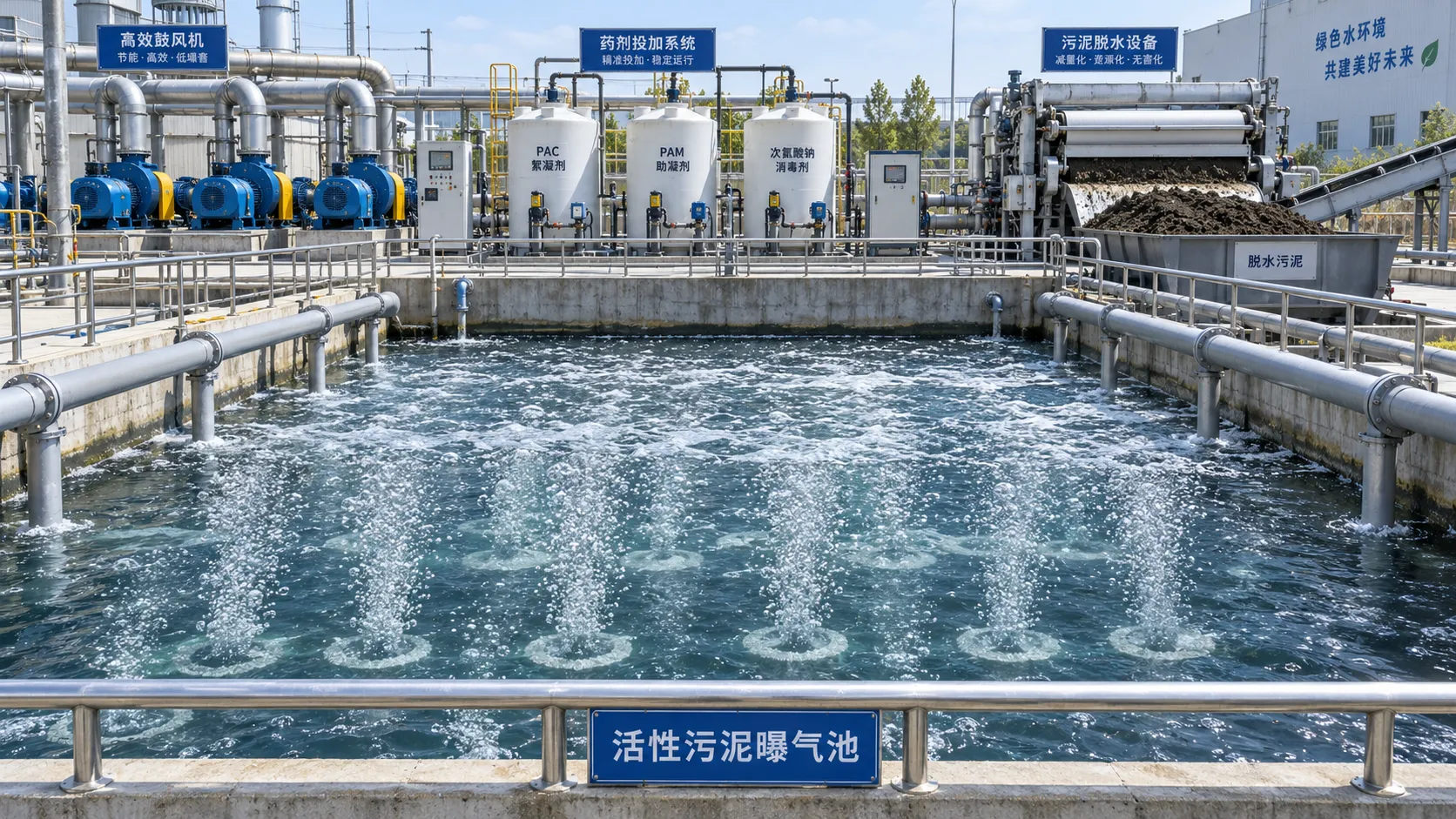
Activated Sludge Cost: Budgeting Energy, Chemicals, Sludge, and Labor
Activated sludge cost explained: compare energy, chemicals, sludge disposal, labor, and compliance risks to build a reliable lifecycle budget.
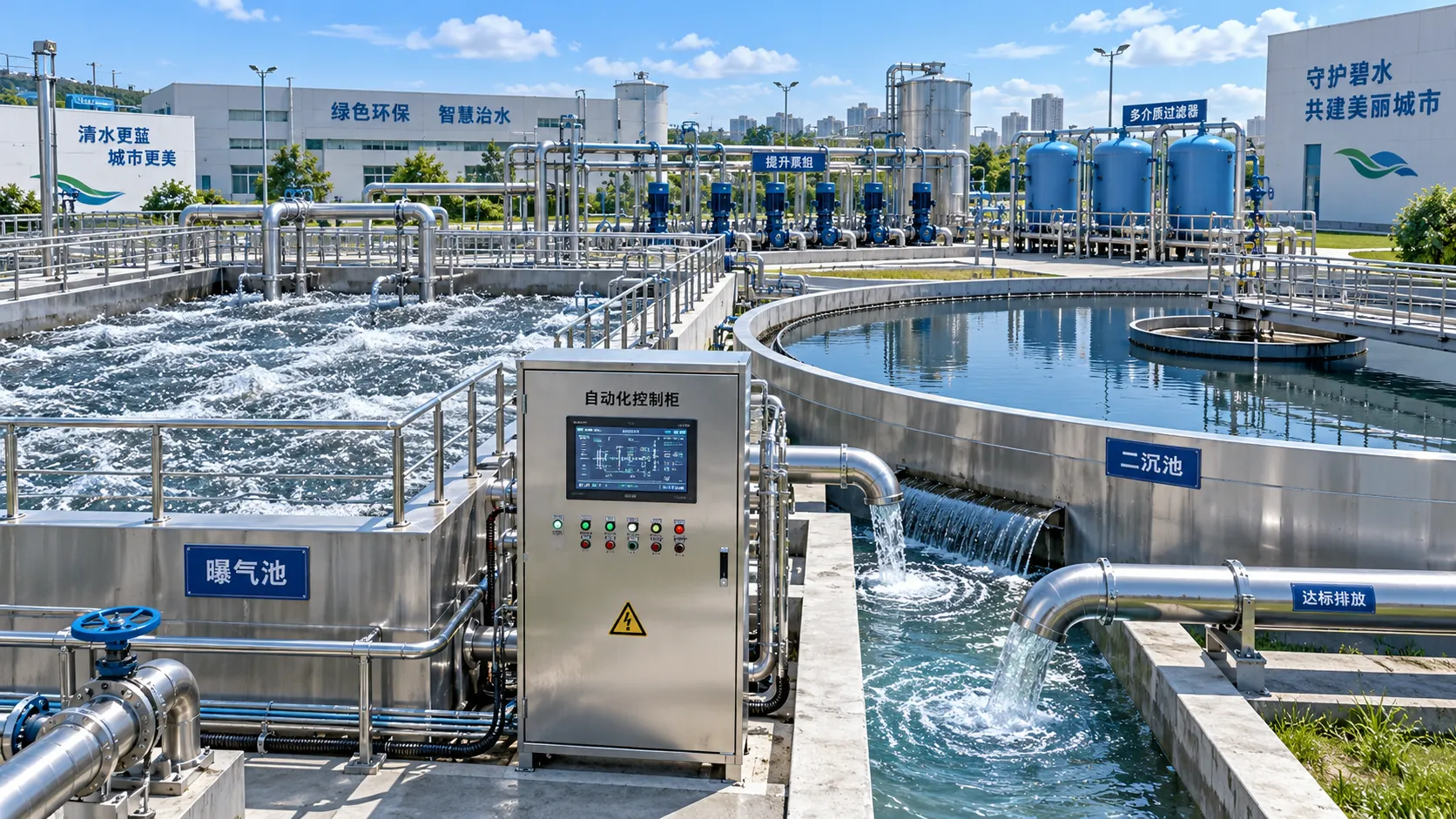
When Should Municipal Wastewater Plants Upgrade Treatment Capacity and Controls?
Municipal wastewater treatment upgrades: learn when capacity, controls, and resilient planning are needed to protect compliance and optimize plant performance.