
Industry News
Curation by industry experts
Hot Articles
Popular Tags
Wastewater Purification Options for Stable Effluent Quality
For technical evaluators, selecting the right wastewater purification strategy is critical to maintaining stable effluent quality under changing loads, stricter discharge limits, and complex contaminant profiles. This article examines practical wastewater purification options, from physical and chemical processes to advanced membrane and polishing systems, helping decision-makers compare performance, reliability, compliance potential, and lifecycle value.
Why stable effluent quality is harder to achieve than it looks
In real projects, wastewater purification is rarely a single-unit decision. Influent variability, seasonal shifts, intermittent production, salinity swings, trace toxics, and tightening permits all affect the final discharge profile.
Technical evaluators therefore need more than a vendor datasheet. They need a system view that links contaminant behavior, process resilience, operating cost, automation needs, sludge generation, and downstream compliance risk.
This is where ESD brings practical value. Its Strategic Intelligence Center tracks large water treatment plants, desalination systems, flue gas treatment interfaces, resource recovery routes, and high-reliability environmental equipment trends that shape long-term treatment decisions.
- Municipal and industrial sites increasingly face lower discharge thresholds for COD, ammonia, total nitrogen, phosphorus, TSS, conductivity, metals, and specific organics.
- Many facilities must evaluate reuse or ZLD pathways, not only end-of-pipe discharge, which changes the role of membranes, concentrate handling, and brine management.
- Procurement timelines are often compressed, making upfront process screening and risk ranking essential for avoiding later retrofits.
Which wastewater purification options are most relevant for technical assessment?
The best wastewater purification train depends on pollutant class, target effluent, footprint, operator skill, and recovery goals. In practice, stable effluent quality usually comes from staged treatment rather than a single technology.
Core process families
- Physical treatment: screening, grit removal, equalization, sedimentation, dissolved air flotation, and media filtration for solids and load stabilization.
- Chemical treatment: coagulation, flocculation, pH adjustment, precipitation, oxidation, and reduction for colloids, phosphorus, metals, color, and refractory compounds.
- Biological treatment: activated sludge, MBR, MBBR, SBR, and anaerobic routes for biodegradable organics and nutrient control.
- Membrane processes: UF, NF, RO, and specialty separations for suspended solids, pathogens, dissolved salts, and reuse-grade polishing.
- Advanced polishing: activated carbon, ion exchange, AOP, degassing, and disinfection for trace contaminants and final compliance refinement.
The table below helps compare common wastewater purification options by function, strengths, and limits. It is useful when shortlisting process trains for variable industrial or municipal applications.
The most important takeaway is that no option solves every problem alone. Stable effluent quality usually comes from a robust front end, a resilient core treatment step, and a polishing barrier aligned with final limits.
How should technical evaluators compare performance under real operating conditions?
A process that performs well at design influent may still fail under upset conditions. Wastewater purification should therefore be assessed against normal, peak, and off-spec operation rather than only average values.
Performance criteria that matter most
- Removal consistency for the regulated parameters, not only headline peak removal percentages.
- Tolerance to hydraulic shock, COD surges, salinity changes, pH excursions, and trace toxic compounds.
- Start-up time, operator intervention frequency, and control system maturity.
- By-product burden, including sludge, spent media, concentrate, odor, and chemical residuals.
- Integration potential with reuse, resource recovery, or future tightening of standards.
For complex sites, ESD’s cross-sector perspective is useful because wastewater purification decisions often connect with desalination pretreatment logic, solids recovery, corrosion control, and carbon-conscious process design.
The table below summarizes practical evaluation dimensions used in technical reviews, especially when multiple solution providers claim similar compliance outcomes.
A disciplined review matrix reduces selection bias. It also helps technical teams defend procurement choices internally when capital cost and operational reliability point in different directions.
Which treatment trains fit different wastewater purification scenarios?
Different sectors generate different contaminant patterns, so wastewater purification should be scenario-based. A municipal influent profile is not evaluated like plating rinse water, refinery wastewater, or high-TDS chemical effluent.
Common scenario logic
- Municipal or mixed domestic wastewater: equalization, biological nutrient removal, tertiary filtration, and disinfection are often sufficient when salinity is moderate.
- Food, beverage, or biodegradable industrial streams: anaerobic plus aerobic treatment can lower energy intensity while managing high organic loads.
- Metal finishing and mining-related streams: segregation, pH control, precipitation, clarification, and selective polishing are usually more effective than biology-first designs.
- High-salinity or reuse-driven applications: advanced pretreatment, UF, RO, and concentrate management become central to stable effluent quality.
When evaluators expect future reuse, they should check whether today’s wastewater purification layout can later support NF or RO without major civil changes. That foresight often lowers lifecycle capital burden.
What are the main procurement and selection mistakes?
Many underperforming systems fail not because the core technology is wrong, but because selection was based on incomplete influent data, narrow cost comparison, or unrealistic operating assumptions.
Frequent decision errors
- Sizing to average flow and average COD while ignoring peak, batch discharge, or cleaning-cycle waste streams.
- Comparing CAPEX only, without quantifying sludge disposal, membrane replacement, chemical usage, and downtime exposure.
- Skipping pilot or treatability work where wastewater contains surfactants, solvents, emulsions, chelants, or inhibitory compounds.
- Assuming compliance at commissioning equals compliance over three to five years of production change.
ESD is particularly relevant for technical assessment because it interprets wastewater purification in the broader context of environmental infrastructure. That includes membrane evolution, ZLD pressure, global compliance shifts, and the operational reliability expected in large public and industrial projects.
How do compliance, standards, and future upgrades affect wastewater purification choices?
Stable effluent quality is ultimately a compliance issue. Even when local permits are the starting point, technical evaluators should also consider analytical methods, reporting frequency, sludge classification, reuse targets, and future permit tightening.
Compliance checkpoints to review
- Confirm which parameters are daily, monthly, or instantaneous limits, because process buffering needs may differ.
- Check whether online monitoring is required for pH, turbidity, conductivity, ammonia, TOC, or flow.
- Review whether sludge, spent adsorbent, ion exchange regenerant, or RO concentrate triggers additional waste management obligations.
- Evaluate future retrofit space for advanced oxidation, carbon adsorption, or membrane polishing if micropollutant standards tighten.
In projects tied to multinational supply chains or public tenders, robust documentation, traceable performance assumptions, and transparent design basis can matter almost as much as the treatment hardware itself.
FAQ: practical questions technical evaluators ask about wastewater purification
How should I choose between conventional biological treatment and MBR?
If footprint is tight, low TSS effluent is required, or reuse is likely, MBR often offers a stronger barrier. If energy sensitivity, simpler maintenance, and lower membrane dependence are priorities, conventional biological treatment with tertiary polishing may be more suitable.
When is RO justified in a wastewater purification system?
RO is typically justified when low conductivity, high reuse quality, or dissolved contaminant control is required. It should not be added casually, because pretreatment quality, scaling potential, concentrate disposal, and cleaning strategy determine whether it remains economical.
What data should be collected before vendor comparison?
At minimum, gather flow ranges, pH, temperature, COD, BOD, TSS, oil and grease, conductivity or TDS, nitrogen species, phosphorus, key metals, and known toxic or inhibitory compounds. Production schedules and cleaning chemical profiles are also important.
Is pilot testing always necessary?
Not always. For familiar wastewater with stable composition and standard discharge targets, proven references and treatability data may be enough. For variable industrial streams, reuse projects, high salinity, or trace contaminant removal, pilot work is often a risk-reduction tool rather than a delay.
Why choose us for wastewater purification intelligence and project evaluation support?
ESD supports technical evaluators who need more than promotional product summaries. Our perspective connects wastewater purification with desalination-grade membrane knowledge, ZLD pathways, resource recovery logic, environmental compliance trends, and equipment reliability considerations across major ecological engineering sectors.
You can consult us for process parameter confirmation, solution comparison, pretreatment logic, membrane route screening, delivery-cycle considerations, compliance documentation focus points, and upgrade paths for reuse or stricter discharge limits.
If your team is reviewing multiple wastewater purification options, contact us with your influent profile, target effluent, operating constraints, footprint limits, and procurement schedule. We can help structure a clearer evaluation framework for technology selection, risk identification, and supplier communication.
Recommended News
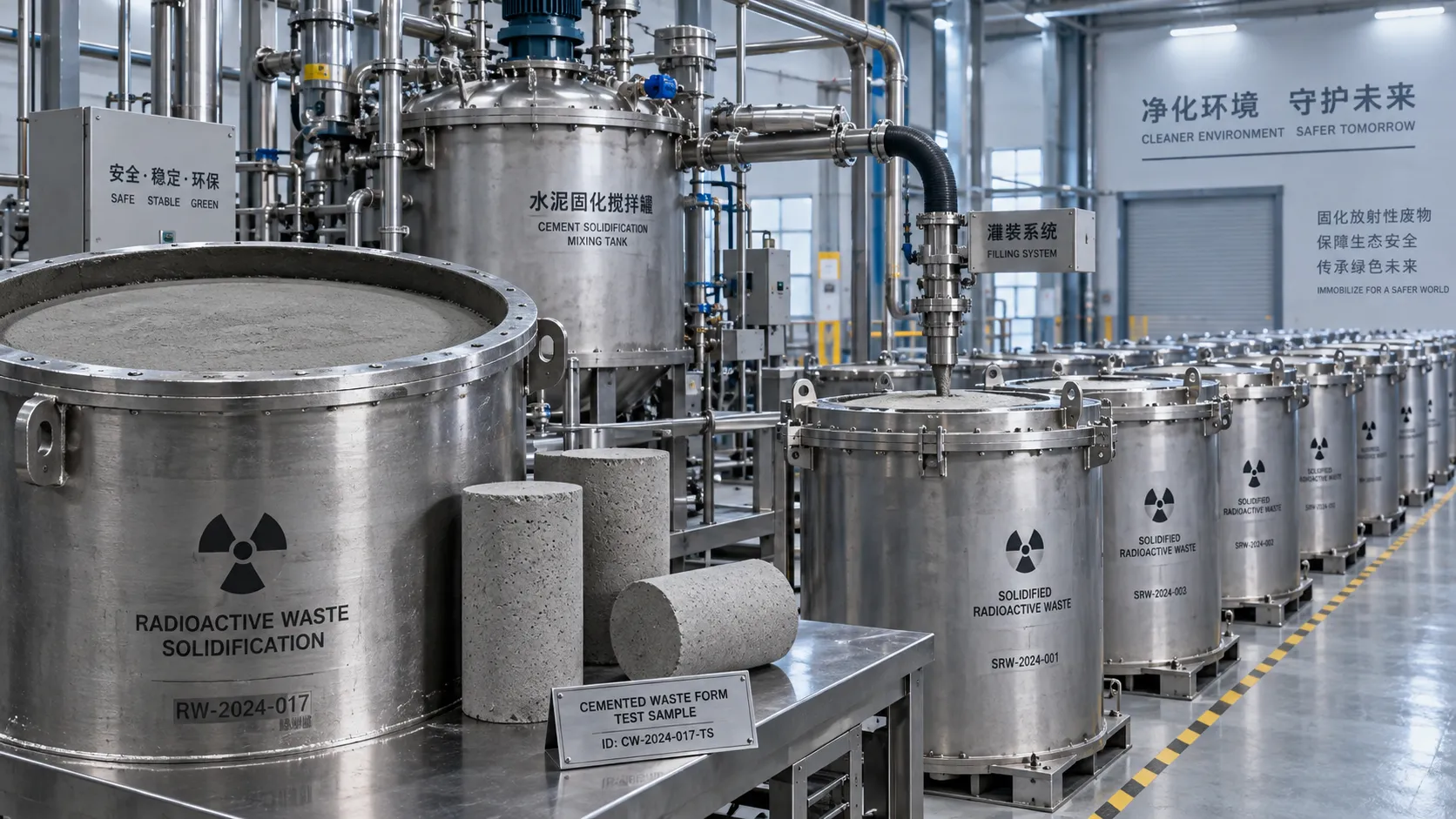
When is cementation suitable for nuclear decommissioning waste?
Explore nuclear waste treatment technology for decommissioning: learn when cementation fits, which risks to assess, and how disposal criteria guide an effective treatment choice.
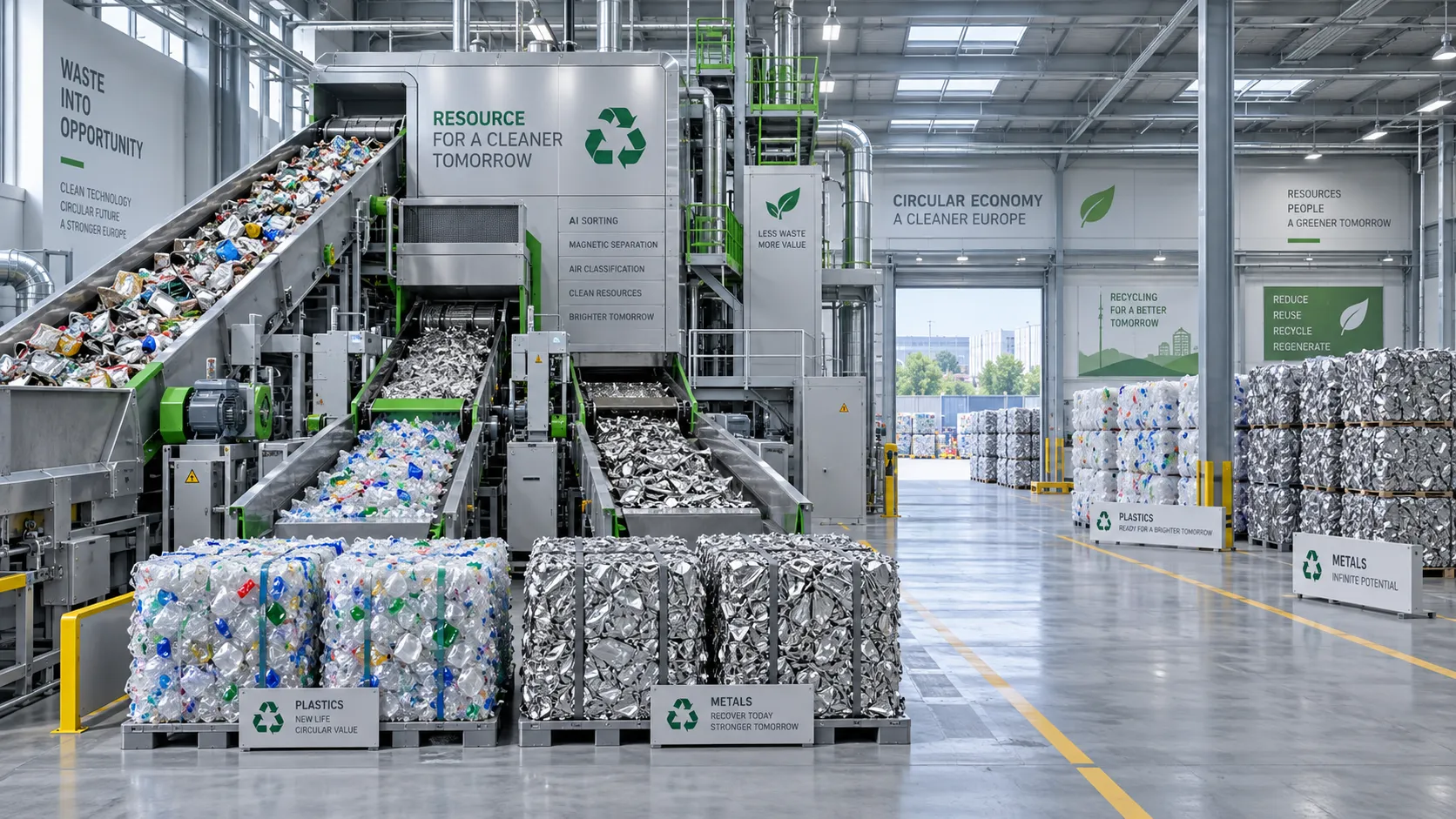
What determines payback for waste-to-resource systems in Europe?
Assess waste-to-resource systems Europe-wide: compare feedstock, recovery yields, costs and contracts to uncover payback drivers and make smarter investment decisions.
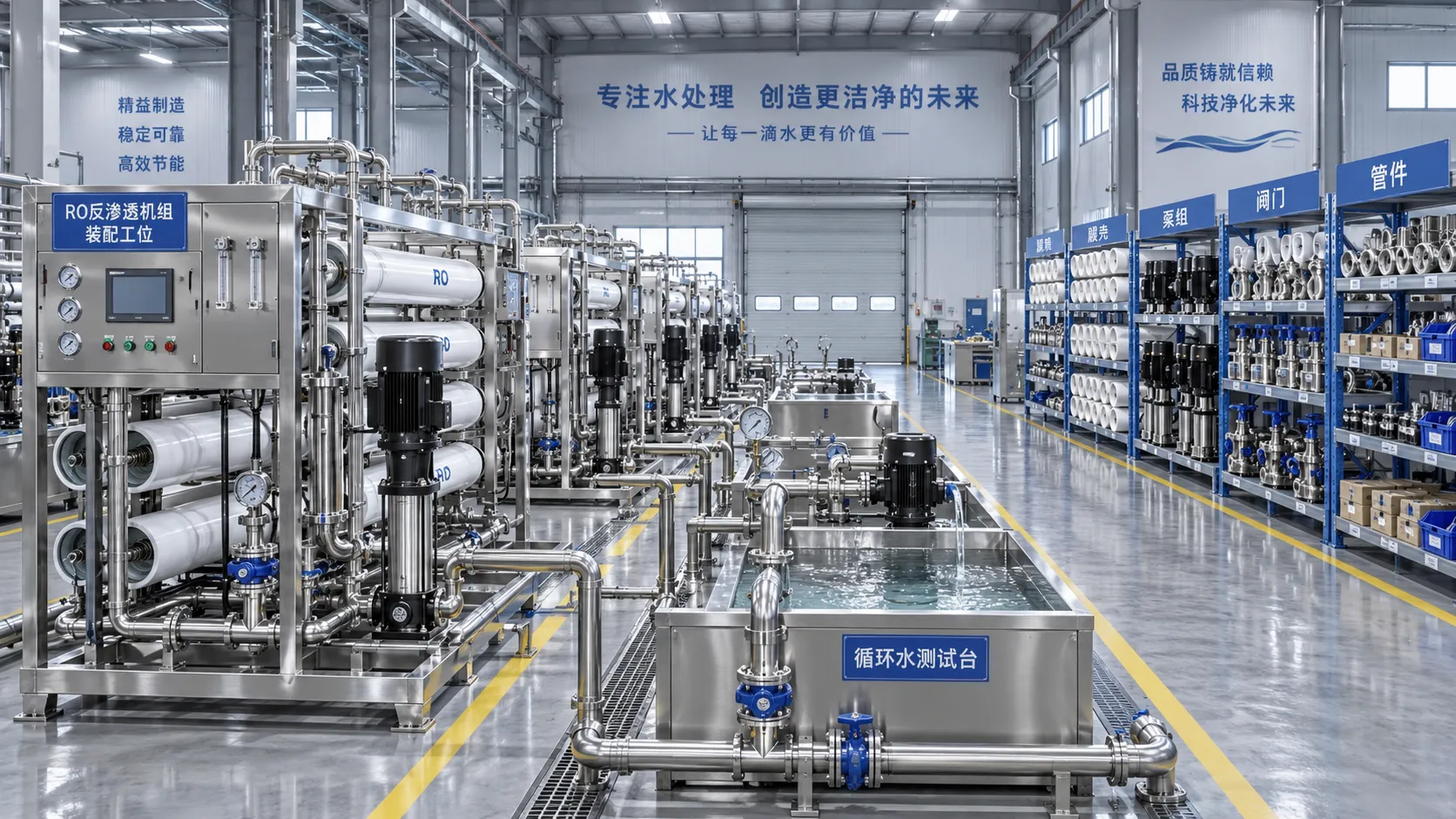
How to verify a water treatment system factory’s production capacity
Verify a water treatment systems factory’s production capacity through records, bottlenecks, component availability, and testing. Learn what to check before accepting a delivery promise.
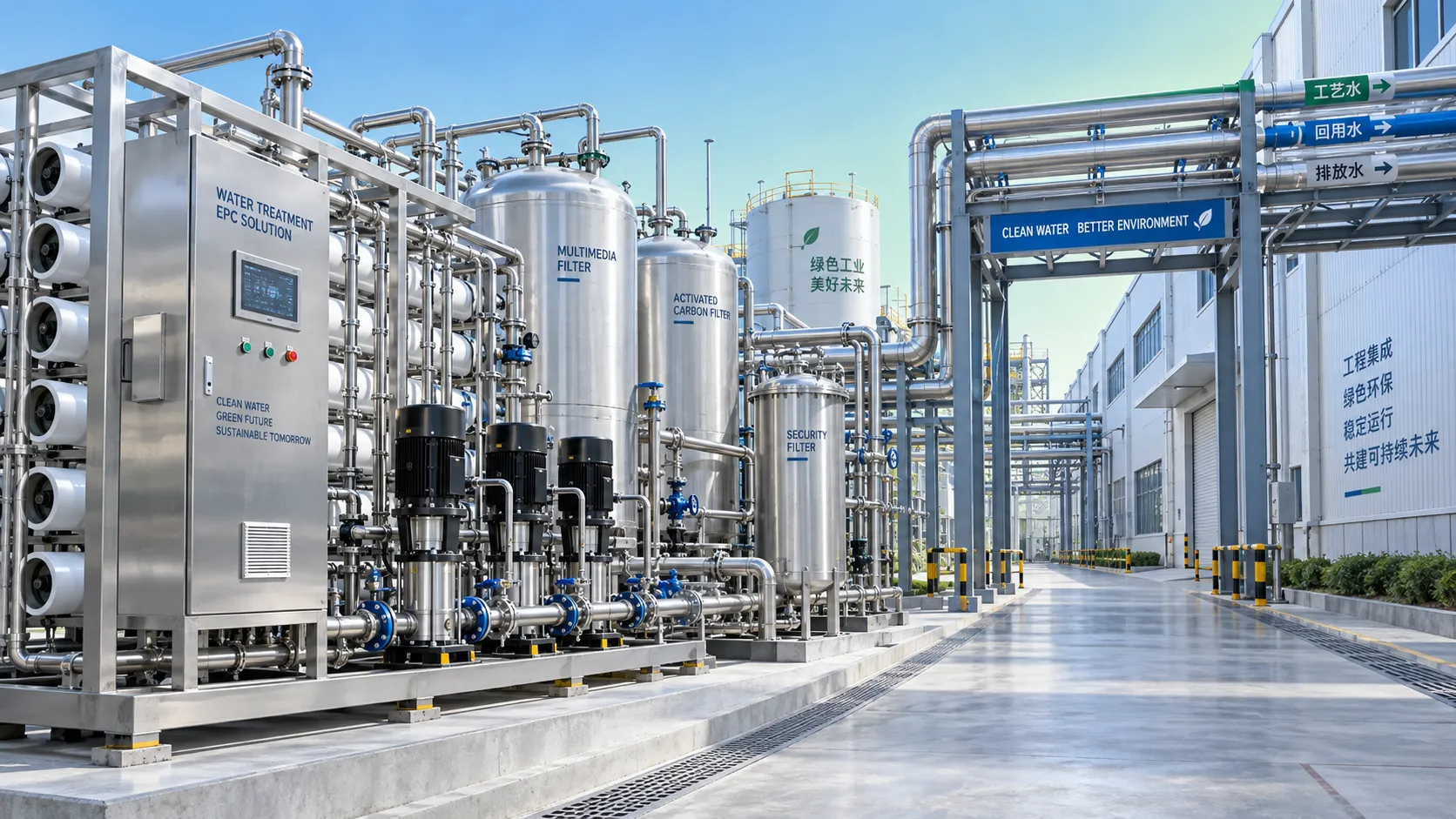
When does EPC environmental project support reduce delivery risk?
EPC environmental project support engineering reduces delivery risk by aligning design, procurement, compliance, construction, and commissioning decisions.
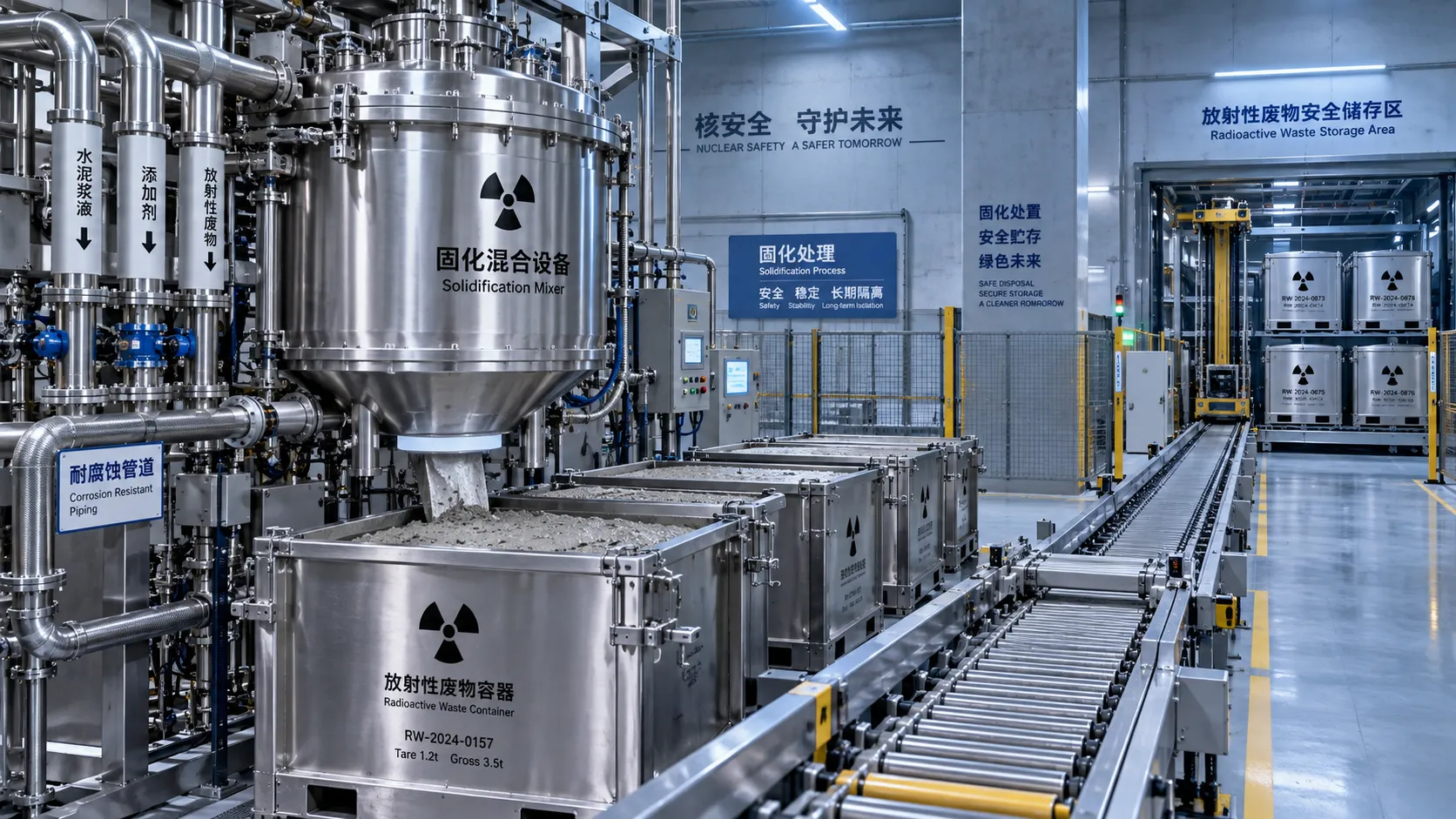
How nuclear plants select a radioactive waste solidification method
Radioactive waste management for nuclear plants: compare vitrification, cementation, polymers, and ceramics to select a compliant, durable solidification solution.
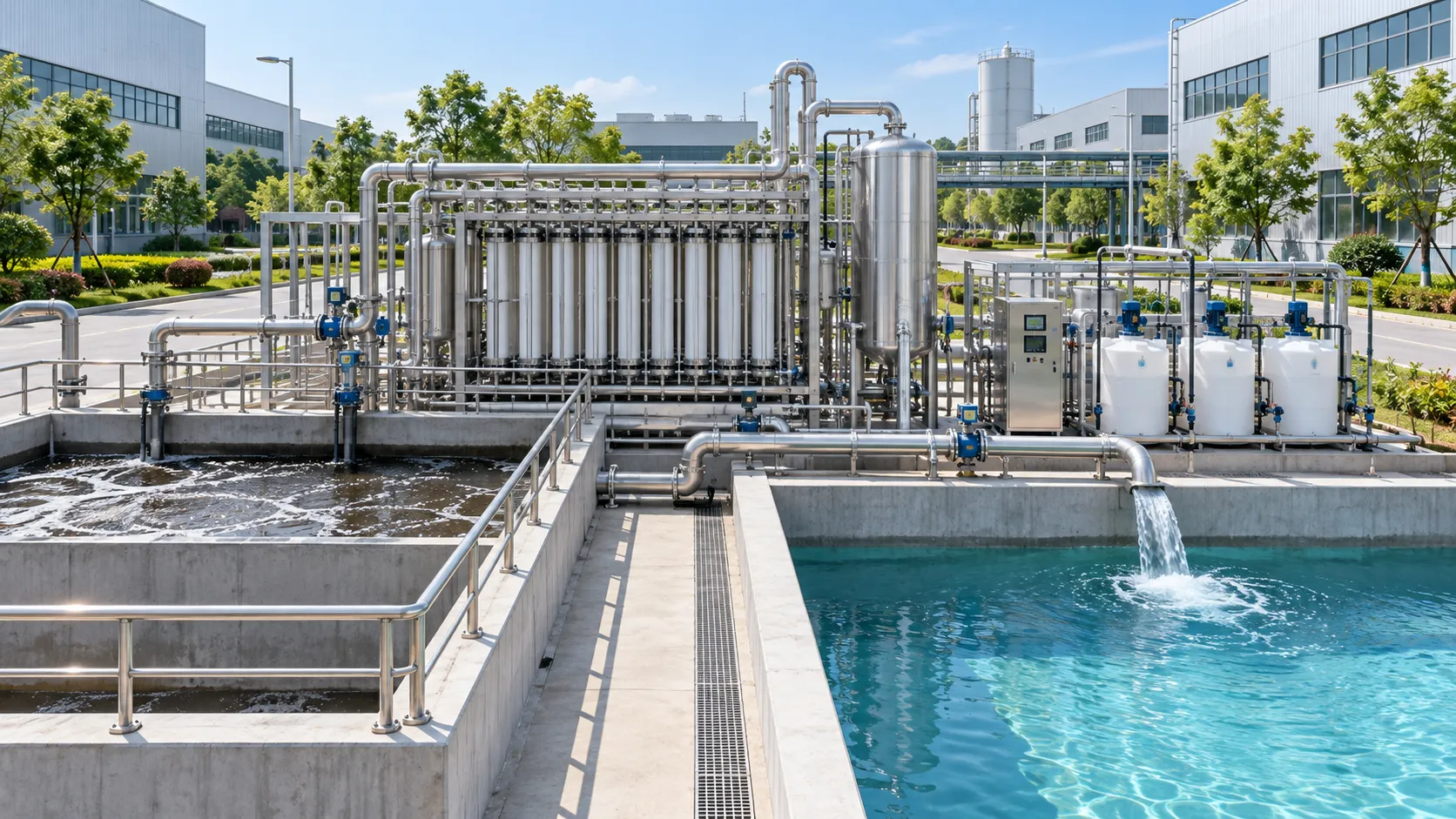
Comparing Upgrade Costs for Industrial Park Wastewater Treatment Systems
Compare costs for wastewater system upgrades in industrial parks with a lifecycle view of CAPEX, OPEX, compliance, resilience, and future expansion.
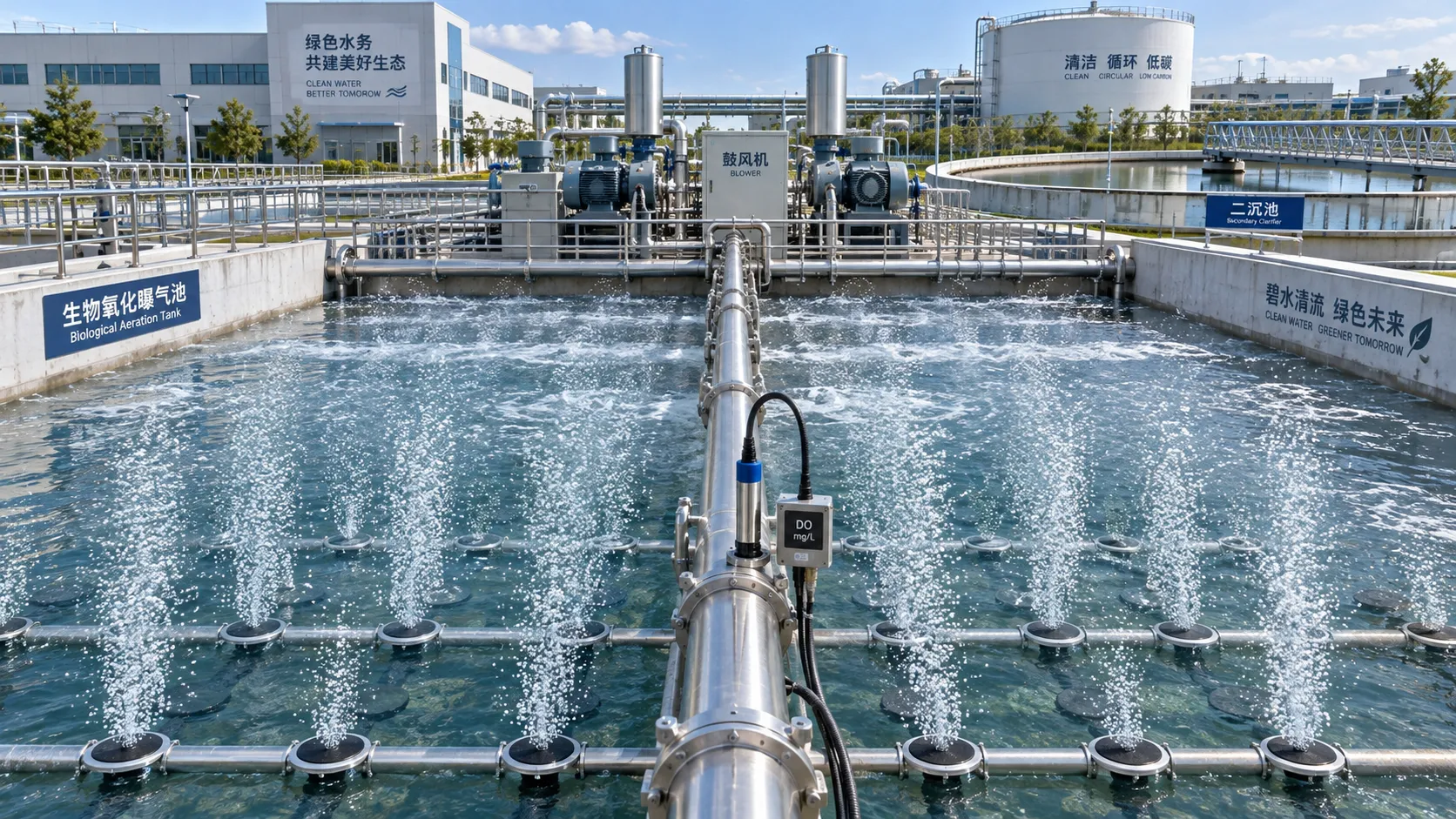
Biological Wastewater Oxidation Explained: Aeration Demand and Process Control
Biological wastewater oxidation explained: optimize aeration demand, DO control, nitrification, and sludge age for stable effluent quality and lower energy costs.
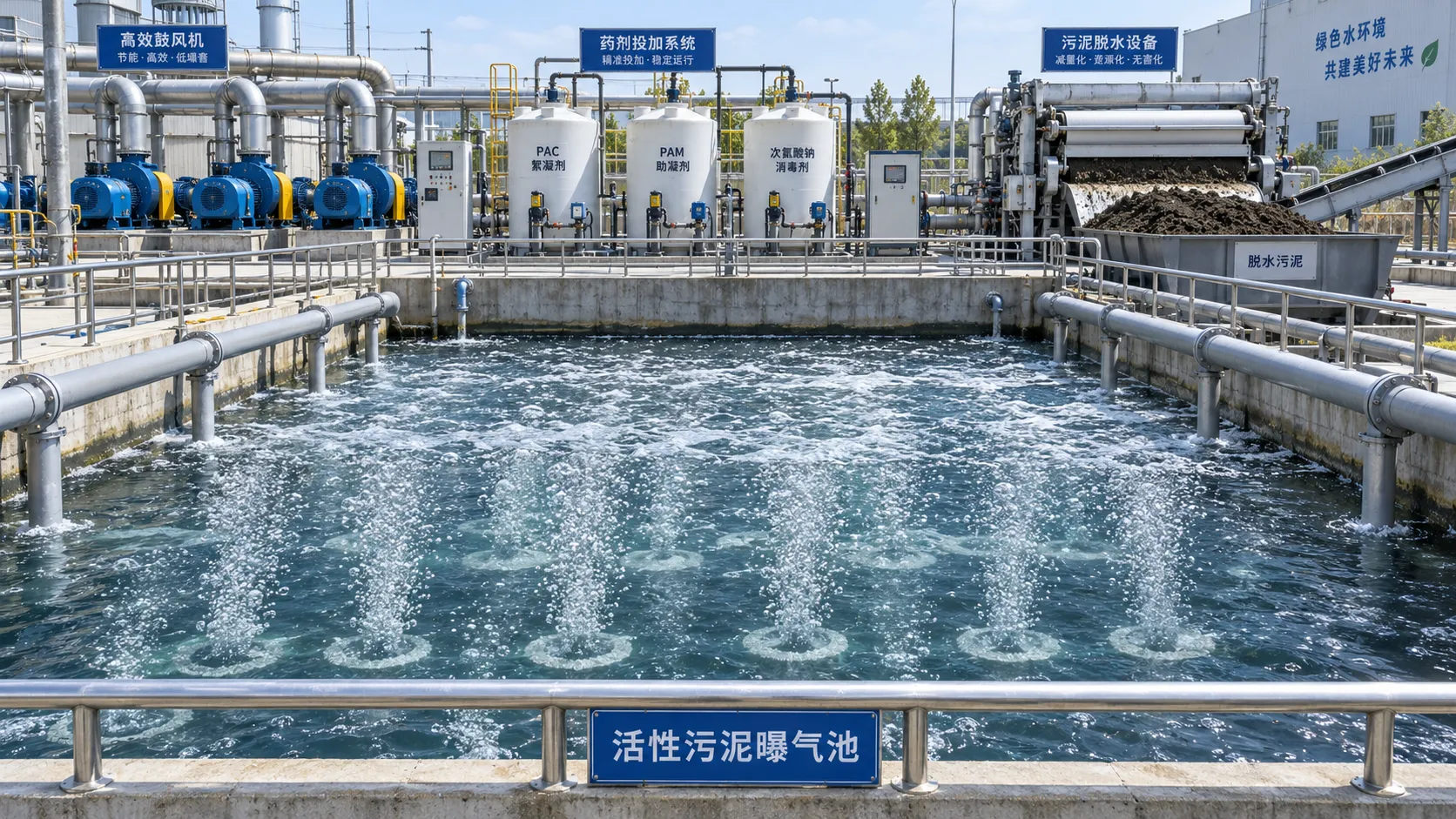
Activated Sludge Cost: Budgeting Energy, Chemicals, Sludge, and Labor
Activated sludge cost explained: compare energy, chemicals, sludge disposal, labor, and compliance risks to build a reliable lifecycle budget.
When Should Municipal Wastewater Plants Upgrade Treatment Capacity and Controls?
Municipal wastewater treatment upgrades: learn when capacity, controls, and resilient planning are needed to protect compliance and optimize plant performance.