
Industry News
Curation by industry experts
Hot Articles
Popular Tags
Municipal Sewage Upgrades That Cut OPEX
Municipal sewage upgrades are no longer just compliance projects—they are strategic investments that can sharply reduce OPEX, improve treatment stability, and strengthen long-term asset performance. For municipal sewage facilities facing rising energy prices, tighter discharge limits, and labor constraints, the smartest upgrades are those that cut avoidable costs without adding operational fragility.
In practice, the best municipal sewage improvement plans combine process optimization, targeted equipment replacement, automation, and sludge management. The goal is not simply to modernize assets. It is to remove cost drivers that repeatedly erode plant economics year after year.
Why Municipal Sewage Upgrades Need a Checklist Approach
Municipal sewage plants rarely lose money because of one dramatic failure. OPEX usually rises through dozens of smaller inefficiencies: excess aeration, poor solids handling, chemical overdosing, pump mismatch, and reactive maintenance.
A checklist approach helps compare upgrades by lifecycle impact, not by headline CAPEX alone. It also keeps municipal sewage decisions tied to energy intensity, sludge yield, operator workload, spare parts risk, and compliance resilience.
Core Checklist: Municipal Sewage Upgrades That Cut OPEX
- Audit aeration power first, because blowers and oxygen transfer usually represent the largest controllable energy cost in municipal sewage biological treatment.
- Replace fixed-speed blowers with high-efficiency turbo or premium screw systems where load variation is high and dissolved oxygen control is inconsistent.
- Upgrade coarse-bubble or aged diffuser grids to fine-bubble systems when fouling, poor transfer efficiency, or uneven basin performance drives excess power demand.
- Install ammonia-based aeration control to match airflow with real biological demand instead of maintaining conservative manual setpoints around the clock.
- Re-rate pumps against actual flow curves and static head, then remove oversized units that operate continuously far from best efficiency point.
- Add variable frequency drives on influent, return sludge, waste sludge, and reuse pumping systems where hydraulic conditions change during daily loading cycles.
- Strengthen primary treatment to cut downstream biological loading, reducing blower energy, sludge production, and polymer demand across municipal sewage operations.
- Optimize mixed liquor suspended solids and sludge age instead of over-retaining biomass, which often increases aeration cost without improving effluent quality.
- Improve internal recirculation control in nutrient removal systems so nitrate transfer and carbon utilization stay balanced under variable municipal sewage loads.
- Automate chemical dosing with online feedback for phosphorus, alkalinity, and odor control to reduce waste caused by seasonal or operator-based overfeeding.
- Upgrade sludge thickening before dewatering, because every extra point of solids concentration reduces hauling, polymer use, and downstream handling costs.
- Evaluate anaerobic digestion, co-digestion, or biogas recovery where sludge volume and local energy tariffs justify conversion of waste into usable power or heat.
- Modernize SCADA, instrumentation, and asset monitoring to identify hidden municipal sewage OPEX losses such as drifting sensors, idle equipment, and nighttime inefficiencies.
- Standardize critical spare parts and service intervals to reduce emergency callouts, rushed procurement, and prolonged downtime from fragmented equipment fleets.
Where These Municipal Sewage Upgrades Deliver the Fastest Returns
Aging Activated Sludge Plants
Older municipal sewage plants often run with oversized blowers, legacy diffusers, and manual DO control. These sites usually have stable civil infrastructure but weak energy performance.
The highest-return sequence is usually aeration audit, blower replacement, diffuser rehabilitation, and control logic tuning. This combination can lower power consumption without major process disruption.
Plants Facing Stricter Nutrient Limits
When municipal sewage discharge permits tighten for nitrogen or phosphorus, operators often respond with higher aeration and more chemical dosing. That may secure compliance but inflate OPEX quickly.
A better path is to improve sensor reliability, recirculation control, and basin zoning first. Process control upgrades frequently unlock compliance at lower energy and chemical intensity.
High-Sludge-Cost Facilities
Some municipal sewage plants are less constrained by electricity than by sludge hauling, landfill fees, or incineration charges. In those cases, solids reduction drives the strongest OPEX gains.
Primary clarification improvement, digestion optimization, better thickening, and higher dewatering performance can materially reduce total residuals management cost per treated cubic meter.
Labor-Constrained or Multi-Site Utilities
Municipal sewage networks with scattered plants benefit from automation more than isolated equipment swaps. Repetitive manual adjustments create inconsistency, overtime, and avoidable alarm events.
Remote monitoring, alarm rationalization, and predictive maintenance make staffing more efficient while improving plant stability. The OPEX effect appears in labor hours, downtime, and chemical control accuracy.
Commonly Missed Risks in Municipal Sewage Upgrade Planning
Ignoring Process Interactions
A single municipal sewage upgrade can shift performance elsewhere. Better primary capture changes biological loading. New dewatering equipment changes polymer response. Every upgrade needs whole-plant balance review.
Chasing Nameplate Efficiency Only
High-efficiency equipment does not guarantee lower OPEX if control strategy, turndown range, or maintenance needs do not fit actual municipal sewage operating conditions.
Underestimating Instrumentation Quality
Advanced control depends on trustworthy data. If DO, ammonia, flow, or solids sensors drift, municipal sewage automation can waste more energy and chemicals than manual operation.
Overlooking Maintenance Access
Some municipal sewage retrofits improve process efficiency but complicate cleaning, isolation, or spare replacement. OPEX rises when maintenance tasks become slower and more specialized.
Using Short Payback as the Only Filter
A narrow payback test may reject upgrades that improve compliance margin, asset life, and outage resilience. Municipal sewage economics should include avoided penalties and reduced process risk.
Practical Execution Steps
- Baseline current municipal sewage OPEX by energy, chemicals, sludge, maintenance, and labor before selecting any upgrade package.
- Rank systems by avoidable annual cost, not by age alone, so investment targets the largest recurring losses first.
- Model process impacts across the full plant to verify that one efficiency gain does not create another operating penalty.
- Pilot controls, sensors, or dewatering changes where uncertainty is high, especially in variable municipal sewage load conditions.
- Bundle shutdown-dependent works together to reduce installation risk and avoid repeated service interruptions.
- Track post-upgrade KPIs monthly, including kWh per cubic meter, sludge yield, polymer consumption, and compliance stability.
Conclusion: Build a Municipal Sewage Upgrade Roadmap Around OPEX Drivers
The most effective municipal sewage upgrades do not begin with equipment catalogs. They begin with a disciplined view of where operating cost is truly created inside the plant.
For most facilities, the strongest opportunities sit in aeration efficiency, smarter controls, better solids management, and tighter pump optimization. These measures reduce cost while supporting regulatory resilience.
The next step is straightforward: establish a plantwide OPEX baseline, score each municipal sewage system by savings potential and execution risk, then phase upgrades in the order that protects reliability and captures measurable returns fastest.
Recommended News
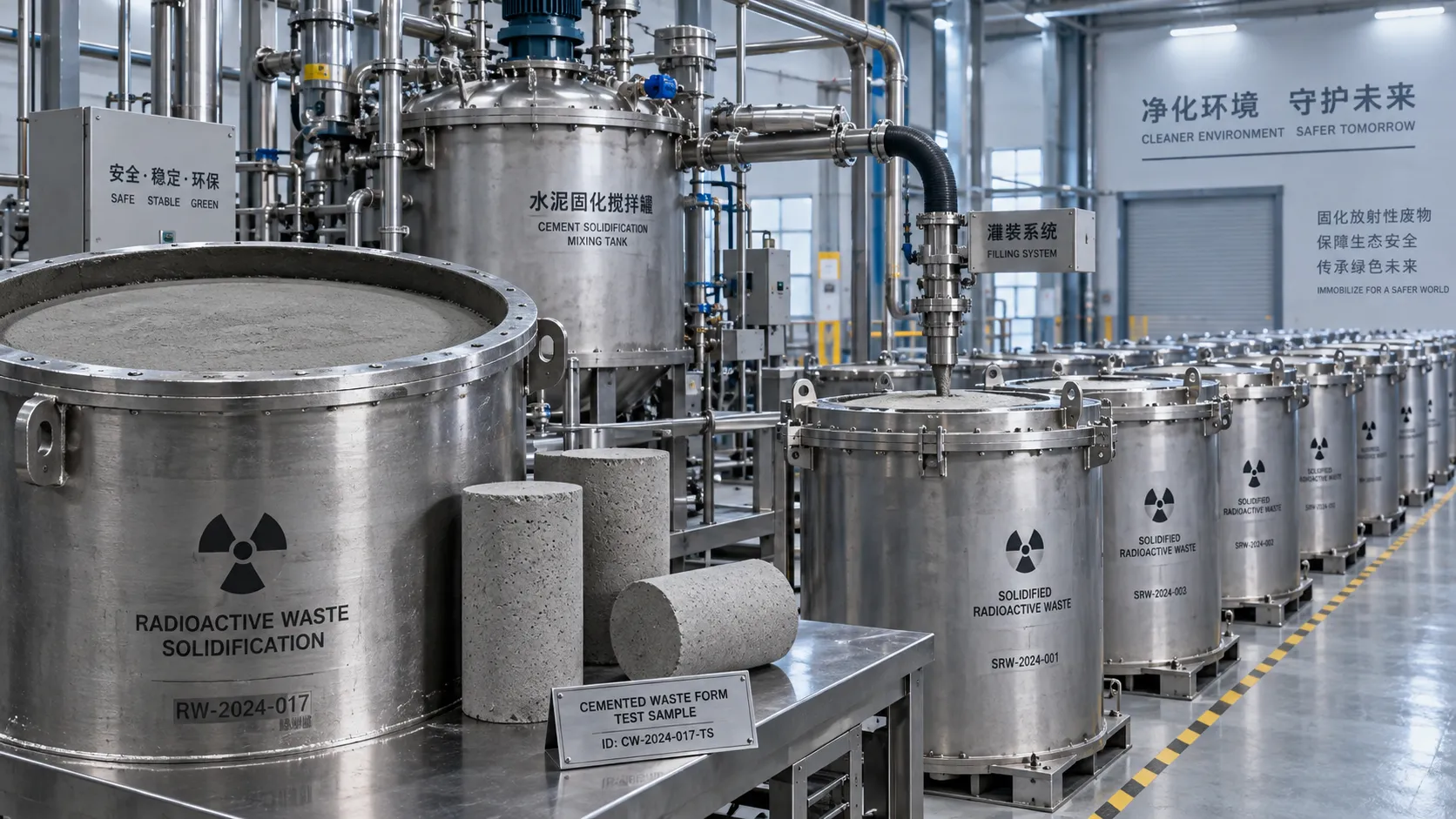
When is cementation suitable for nuclear decommissioning waste?
Explore nuclear waste treatment technology for decommissioning: learn when cementation fits, which risks to assess, and how disposal criteria guide an effective treatment choice.
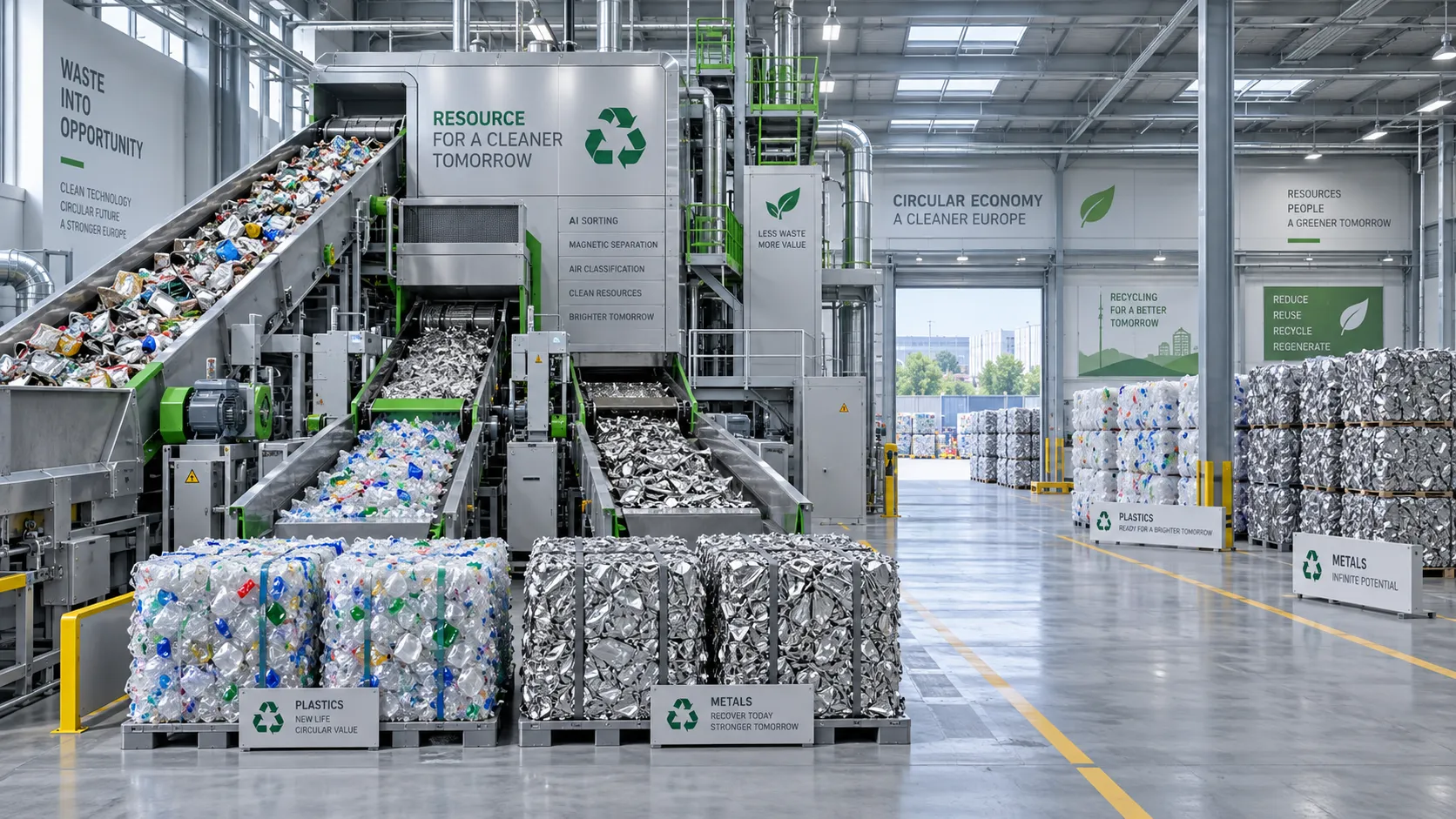
What determines payback for waste-to-resource systems in Europe?
Assess waste-to-resource systems Europe-wide: compare feedstock, recovery yields, costs and contracts to uncover payback drivers and make smarter investment decisions.
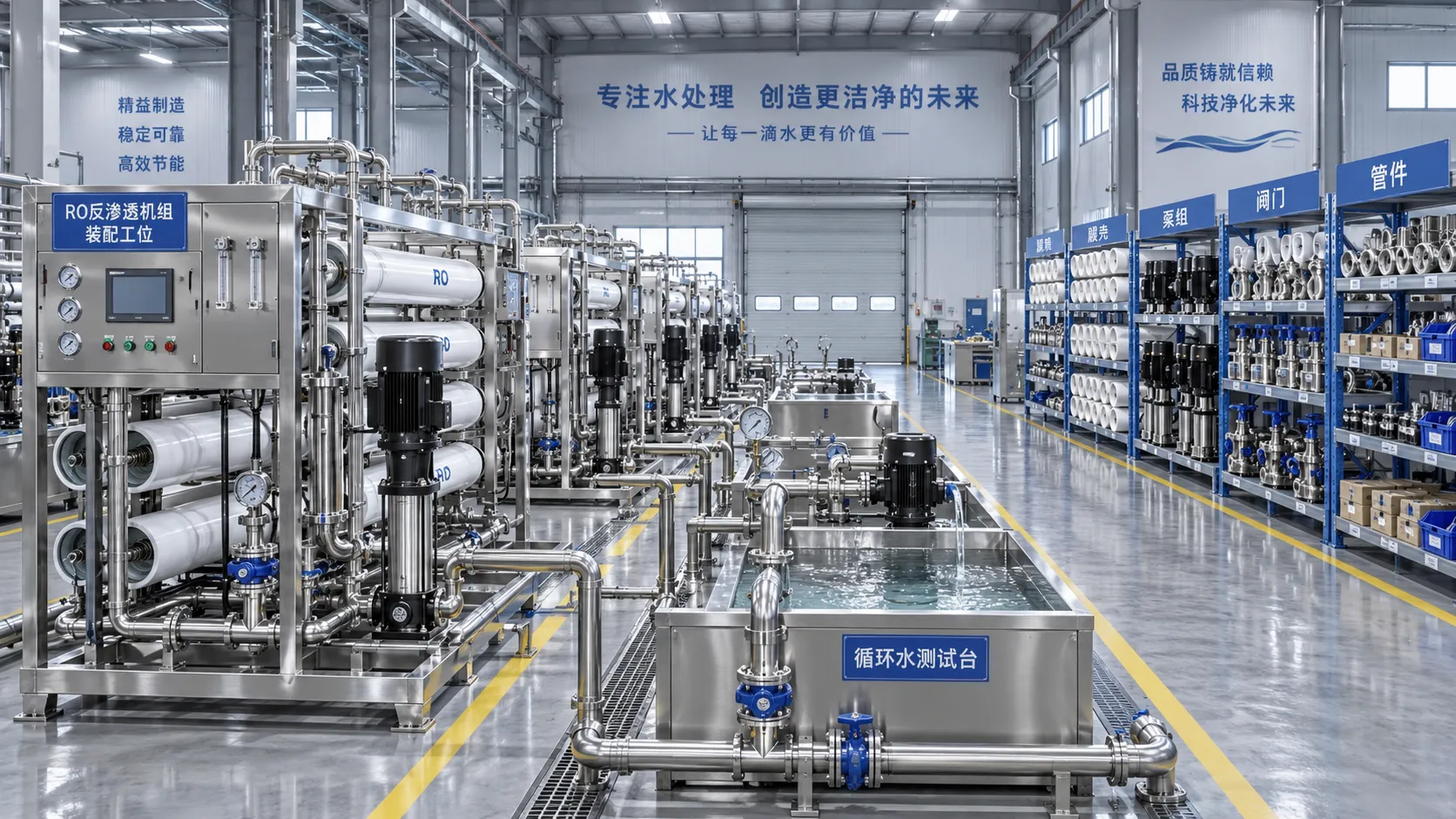
How to verify a water treatment system factory’s production capacity
Verify a water treatment systems factory’s production capacity through records, bottlenecks, component availability, and testing. Learn what to check before accepting a delivery promise.
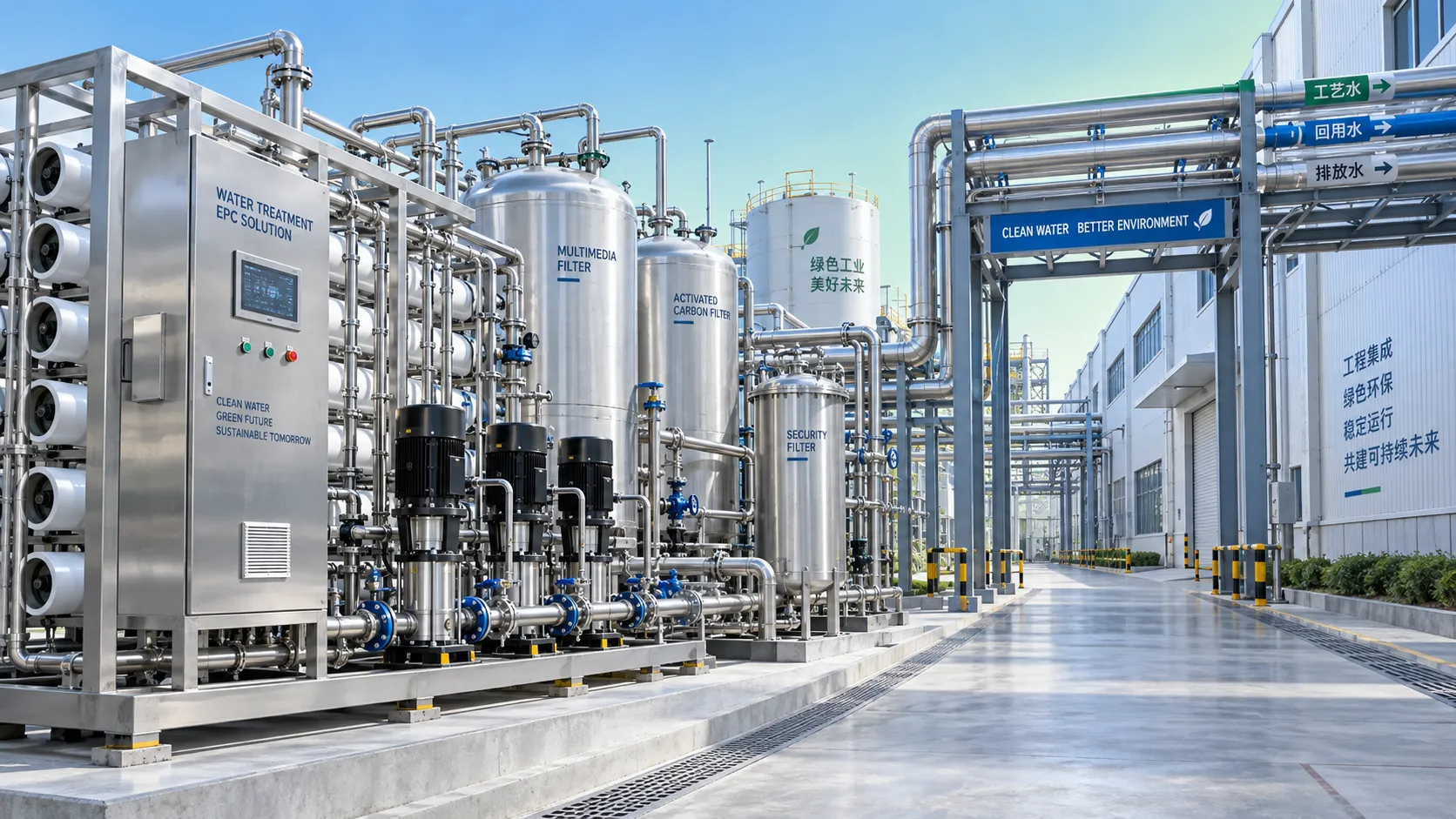
When does EPC environmental project support reduce delivery risk?
EPC environmental project support engineering reduces delivery risk by aligning design, procurement, compliance, construction, and commissioning decisions.
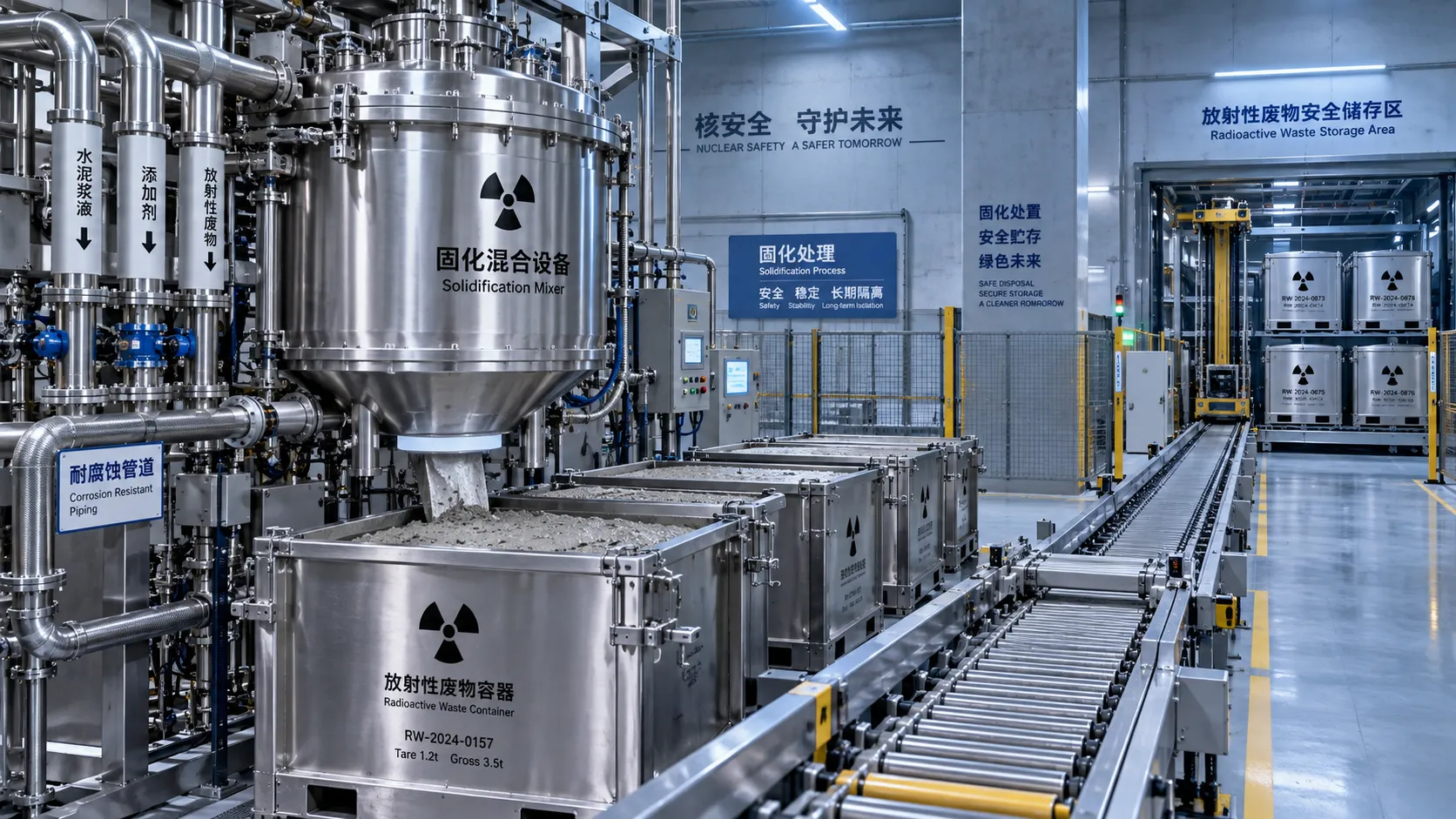
How nuclear plants select a radioactive waste solidification method
Radioactive waste management for nuclear plants: compare vitrification, cementation, polymers, and ceramics to select a compliant, durable solidification solution.
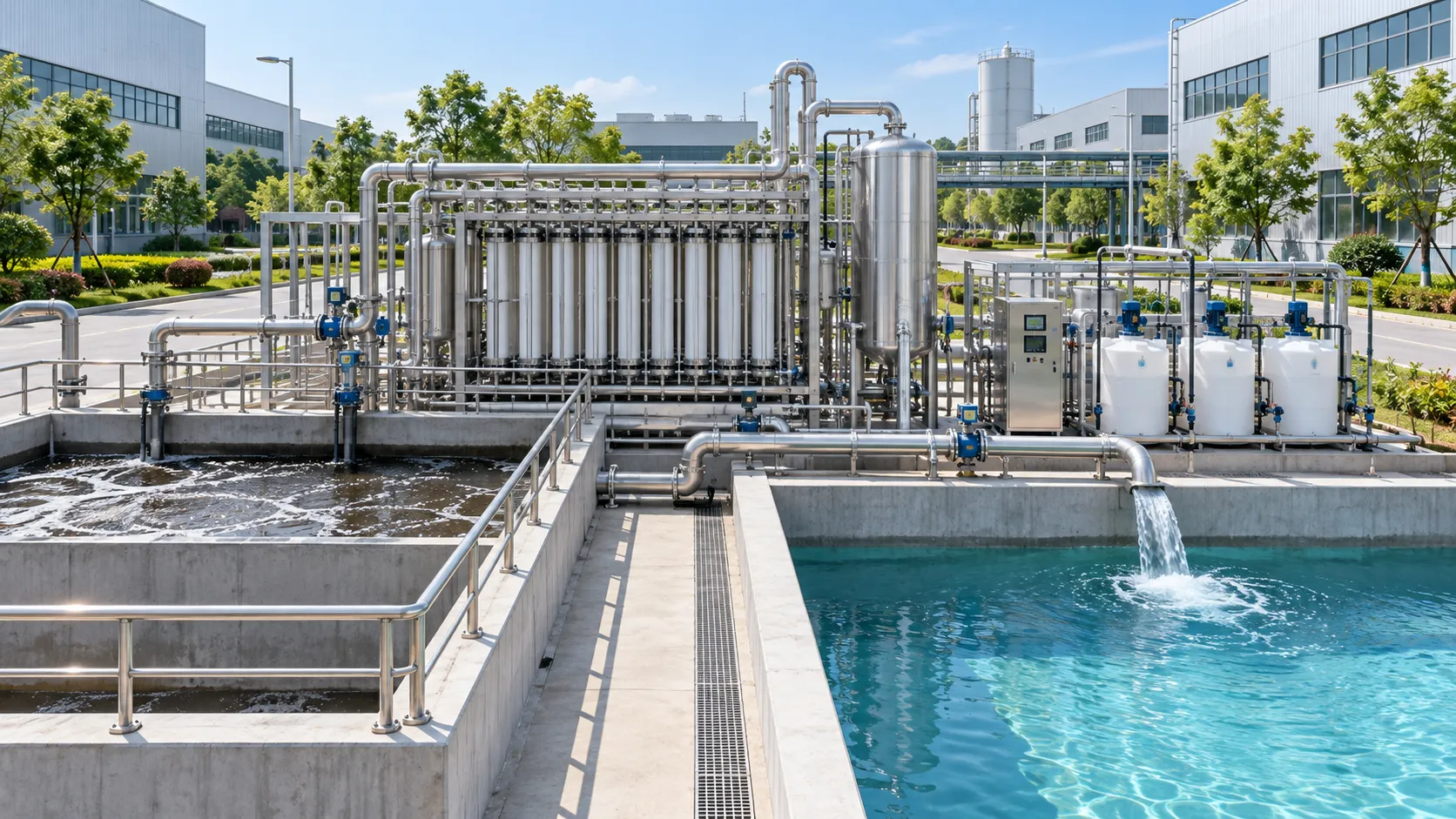
Comparing Upgrade Costs for Industrial Park Wastewater Treatment Systems
Compare costs for wastewater system upgrades in industrial parks with a lifecycle view of CAPEX, OPEX, compliance, resilience, and future expansion.
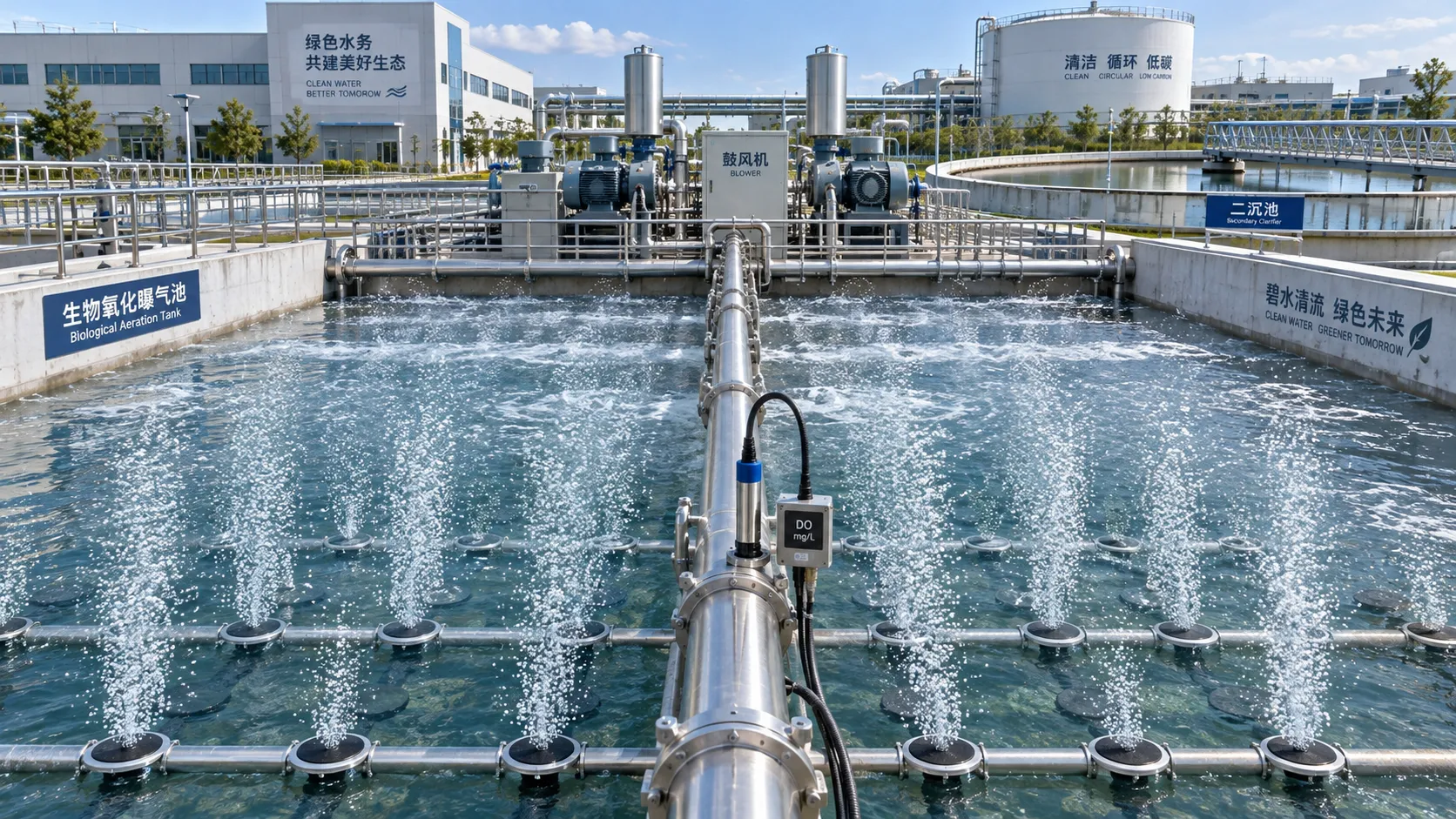
Biological Wastewater Oxidation Explained: Aeration Demand and Process Control
Biological wastewater oxidation explained: optimize aeration demand, DO control, nitrification, and sludge age for stable effluent quality and lower energy costs.
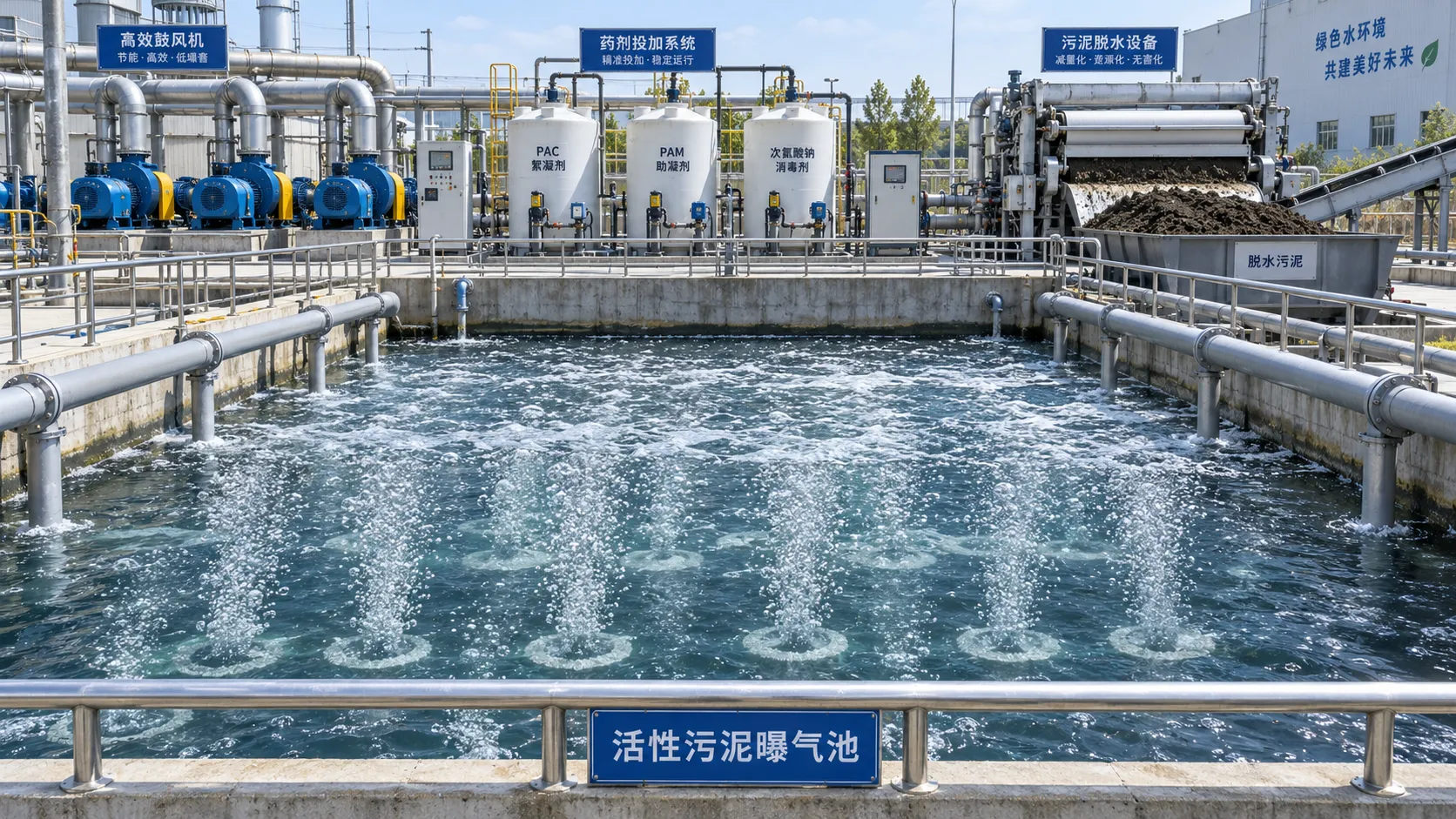
Activated Sludge Cost: Budgeting Energy, Chemicals, Sludge, and Labor
Activated sludge cost explained: compare energy, chemicals, sludge disposal, labor, and compliance risks to build a reliable lifecycle budget.
When Should Municipal Wastewater Plants Upgrade Treatment Capacity and Controls?
Municipal wastewater treatment upgrades: learn when capacity, controls, and resilient planning are needed to protect compliance and optimize plant performance.