
Industry News
Curation by industry experts
Hot Articles
Popular Tags
Carbon Neutrality Certification Standards: Common Gaps in Plant Readiness
As carbon neutrality certification standards tighten across global industrial supply chains, many plants still face hidden readiness gaps in data integrity, process control, emissions accounting, and compliance coordination. For quality control and safety management teams, early visibility into these issues helps reduce audit risk, avoid delay, and build a credible low-carbon operating pathway.
Across water treatment, waste recovery, flue gas control, desalination, and nuclear waste systems, certification pressure now extends beyond energy use alone. It increasingly covers traceable evidence, boundary definitions, supplier inputs, and governance discipline. This is why carbon neutrality certification standards have become both a technical and managerial test of plant maturity.
Understanding Carbon Neutrality Certification Standards in Plant Context
Carbon neutrality certification standards generally verify whether an organization can measure, reduce, and balance greenhouse gas emissions through accepted methods. In practice, they require more than a policy statement or annual carbon report.
Most frameworks examine emissions boundaries, activity data quality, calculation methods, reduction planning, offset treatment, and internal controls. A plant may perform well operationally, yet still fail certification if its evidence chain is weak.
For integrated environmental facilities, the challenge is greater. Complex systems often combine thermal processes, chemical dosing, electricity loads, transport links, and outsourced waste handling. These interactions make carbon neutrality certification standards harder to satisfy without strong coordination.
What certification bodies usually expect
- Clear organizational and operational boundaries
- Consistent Scope 1, Scope 2, and relevant Scope 3 accounting
- Auditable source data from meters, invoices, and process logs
- Documented emission factors and calculation assumptions
- Reduction actions linked to measurable outcomes
- Governance procedures for review, approval, and correction
Why Readiness Gaps Are Growing Across Industrial Operations
The pressure around carbon neutrality certification standards is rising for several reasons. Export regulation, investor scrutiny, customer procurement criteria, and public disclosure expectations now overlap in one compliance environment.
Plants are also operating with mixed-age assets. Digital monitoring may be advanced in one unit, but missing in another. This creates uneven carbon data quality across the same site.
Environmental infrastructure facilities are especially exposed. Their value lies in purification, recovery, and risk control, yet their own emissions profiles can be complicated by energy intensity and indirect upstream inputs.
Common Gaps in Plant Readiness Under Carbon Neutrality Certification Standards
The most frequent failures are rarely dramatic. They usually appear as small control weaknesses spread across departments, systems, and contractors. Under carbon neutrality certification standards, these gaps can undermine an otherwise capable facility.
1. Incomplete emissions boundaries
Plants often define direct fuel use correctly but omit mobile equipment, emergency generators, chemical reactions, wastewater treatment emissions, or outsourced steps. Boundary inconsistency is one of the fastest ways to trigger audit findings.
2. Weak data traceability
Spreadsheet totals without source references are risky. Auditors want meter IDs, calibration history, invoice matching, and timestamp alignment. If data cannot be traced, confidence in the entire inventory declines.
3. Process changes not reflected in carbon accounting
A new blower, revised sludge route, membrane cleaning change, or fuel switch may alter emissions significantly. Yet many plants update operations faster than they update carbon calculation logic.
4. Poor coordination between EHS, production, and finance records
Certification depends on consistency. Energy invoices, procurement data, maintenance logs, and emissions reports must tell the same story. Disconnected teams often create preventable mismatches.
5. Overreliance on offsets before reduction evidence
Many carbon neutrality certification standards give higher credibility to direct reduction pathways than to offset-heavy claims. If reduction planning is weak, the certification narrative becomes vulnerable.
6. Limited internal review and exception handling
Unusual consumption spikes, missing readings, and factor changes need documented review. Without exception rules, plants may submit reports that look complete but contain unresolved anomalies.
Operational Value of Closing These Gaps
Improving readiness for carbon neutrality certification standards delivers value beyond the certificate itself. It sharpens operational visibility and supports more disciplined resource use.
In energy-intensive environmental systems, better carbon accounting often reveals hidden inefficiencies. Examples include over-aeration, unstable thermal profiles, excessive chemical consumption, and avoidable pumping loads.
For ESD-relevant sectors, this matters strategically. Water treatment plants can connect energy intensity with effluent targets. Recovery systems can compare carbon burden against material value. Desalination sites can weigh membrane performance against power demand.
- Fewer audit delays and lower rework costs
- Stronger credibility in project bids and compliance reviews
- Better linkage between decarbonization and process optimization
- More reliable decision support for capital upgrades
Typical Plant Scenarios Where Readiness Breaks Down
Not all facilities struggle in the same way. The most common readiness patterns under carbon neutrality certification standards differ by process type and data complexity.
Practical Steps to Improve Readiness Before Certification
Preparation for carbon neutrality certification standards should begin with a readiness review, not with final reporting. Plants that front-load diagnosis usually move faster during assurance.
Build a boundary map first
Document assets, utilities, chemical inputs, transport links, and outsourced stages. Then align each item with the correct emissions scope and ownership logic.
Create a source-to-report data chain
Every reported figure should connect to a source. Maintain meter lists, invoice archives, conversion rules, factor references, and version-controlled calculation sheets.
Link process engineering with carbon accounting
When equipment or treatment chemistry changes, review emissions implications immediately. Management of change should include carbon impact as a standard checkpoint.
Test data quality regularly
- Check missing values and duplicate entries
- Compare utility records against production loads
- Review year-to-year variance with explanations
- Confirm emission factors are current and documented
Prepare the audit narrative
Certification is not only arithmetic. It is also explanation. Plants should be ready to describe boundaries, assumptions, exceptions, and improvement measures in a coherent way.
A Structured Next Step for Stronger Certification Outcomes
Plants working toward carbon neutrality certification standards should treat readiness as an operational system, not a one-time document exercise. The strongest results come from combining data discipline, engineering context, and governance control.
A practical next step is to run a gap assessment across boundaries, metering, process changes, supplier evidence, and reporting controls. This reveals where certification risk is concentrated and where improvement effort will matter most.
For sectors covered by ESD intelligence, from ZLD and AI sorting to SWRO and nuclear waste management, readiness under carbon neutrality certification standards is quickly becoming a marker of industrial reliability. Plants that close these gaps early gain not only compliance confidence, but also stronger long-term operational credibility.
Recommended News
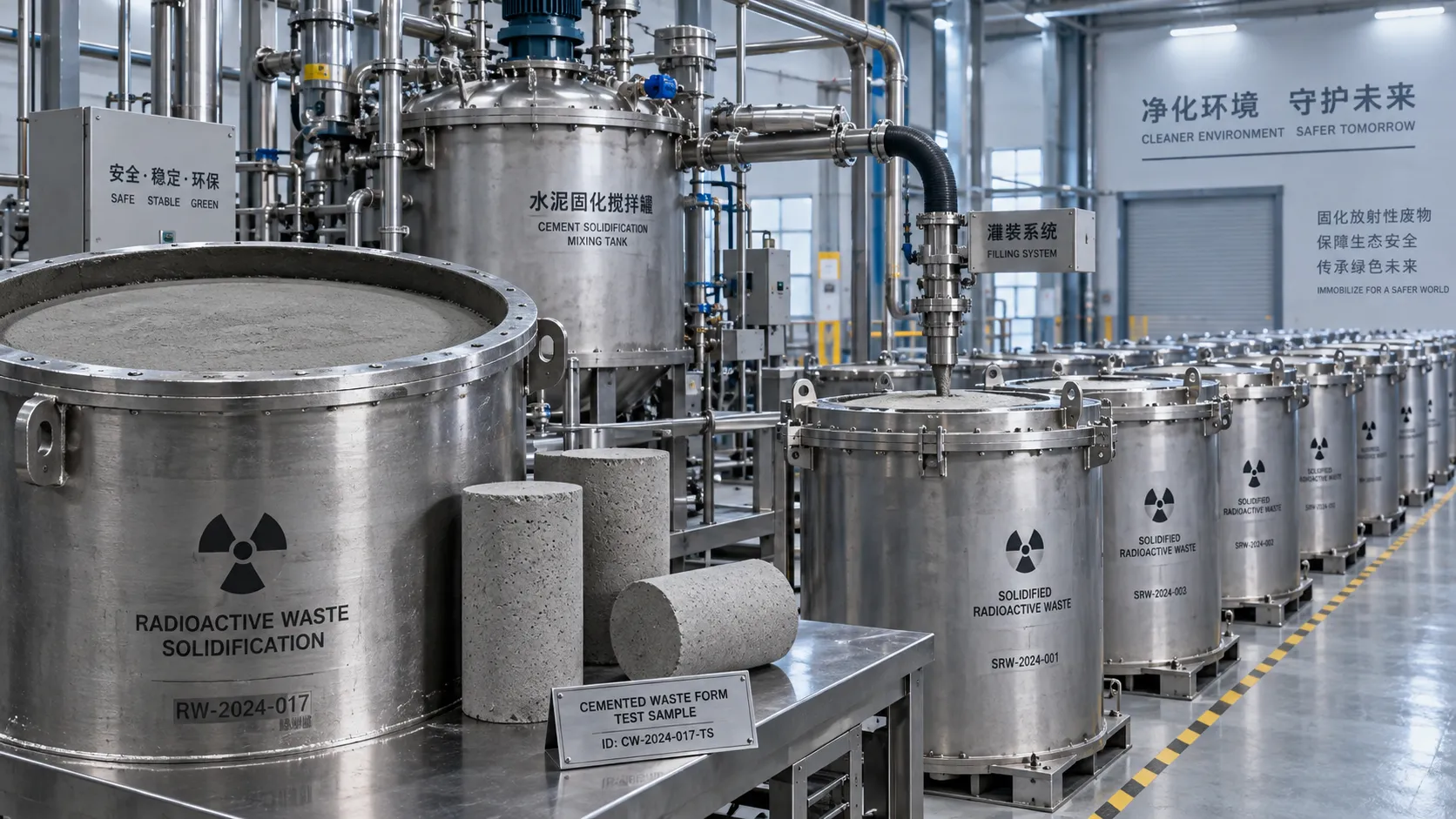
When is cementation suitable for nuclear decommissioning waste?
Explore nuclear waste treatment technology for decommissioning: learn when cementation fits, which risks to assess, and how disposal criteria guide an effective treatment choice.
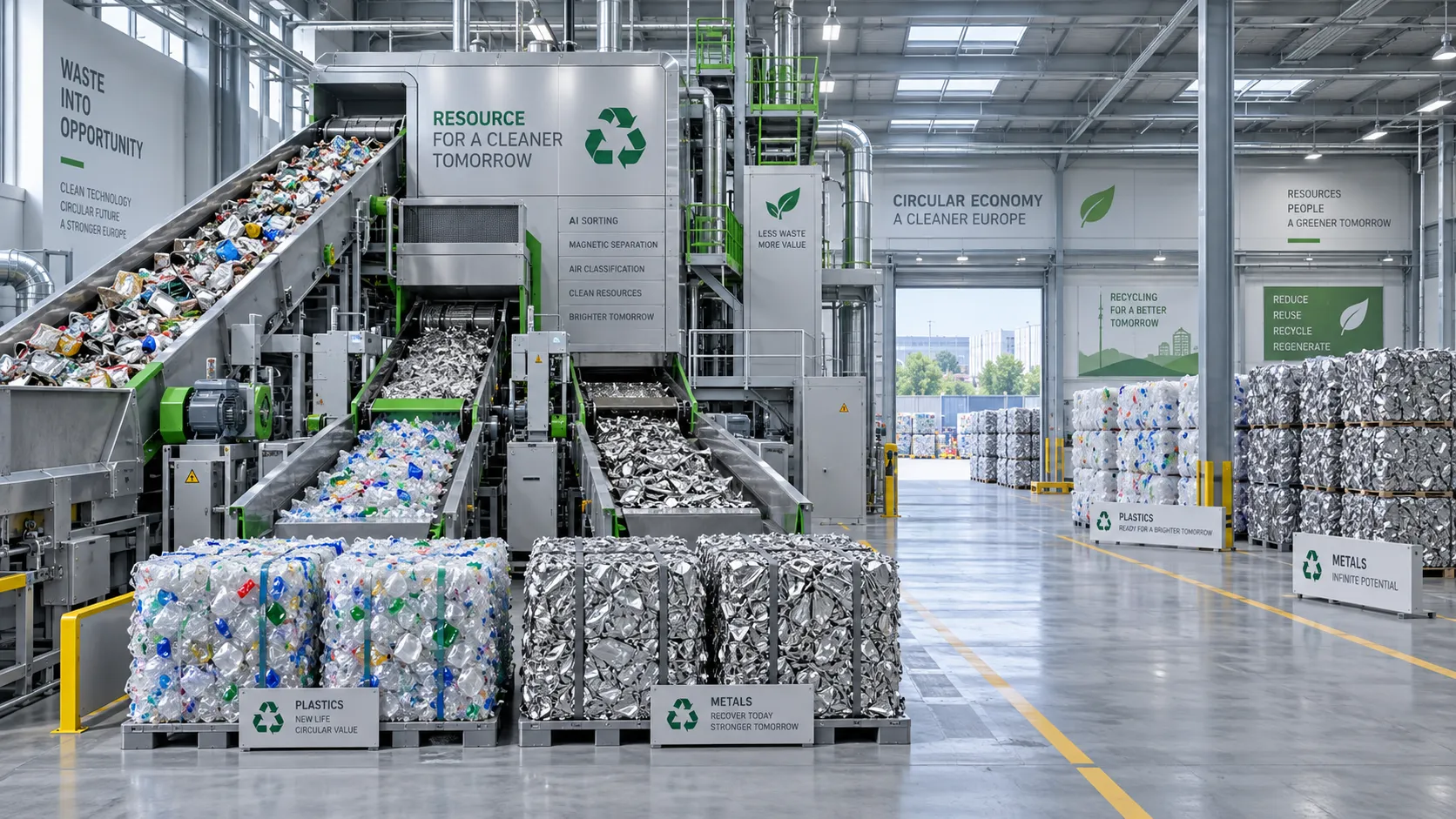
What determines payback for waste-to-resource systems in Europe?
Assess waste-to-resource systems Europe-wide: compare feedstock, recovery yields, costs and contracts to uncover payback drivers and make smarter investment decisions.
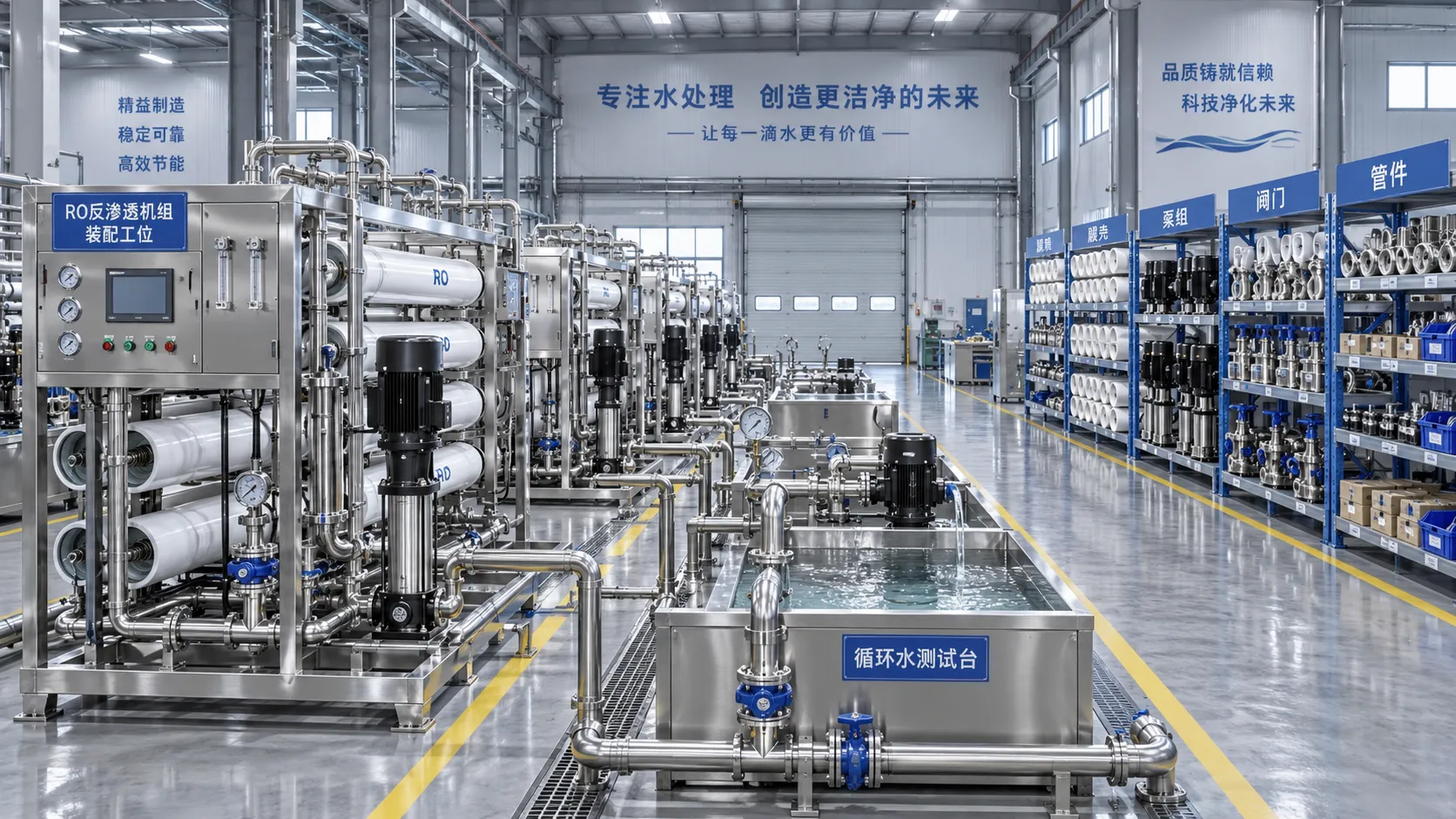
How to verify a water treatment system factory’s production capacity
Verify a water treatment systems factory’s production capacity through records, bottlenecks, component availability, and testing. Learn what to check before accepting a delivery promise.
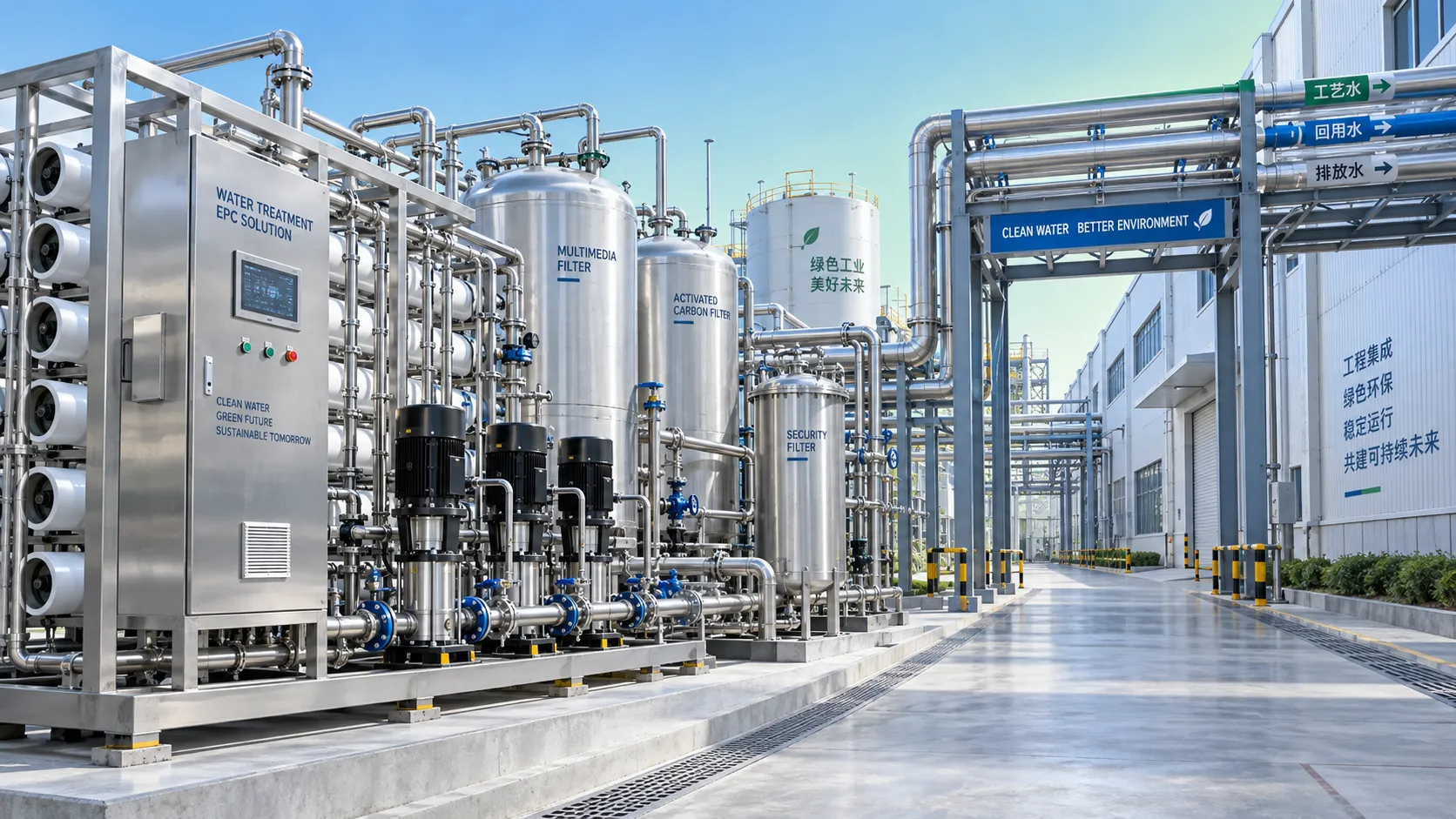
When does EPC environmental project support reduce delivery risk?
EPC environmental project support engineering reduces delivery risk by aligning design, procurement, compliance, construction, and commissioning decisions.
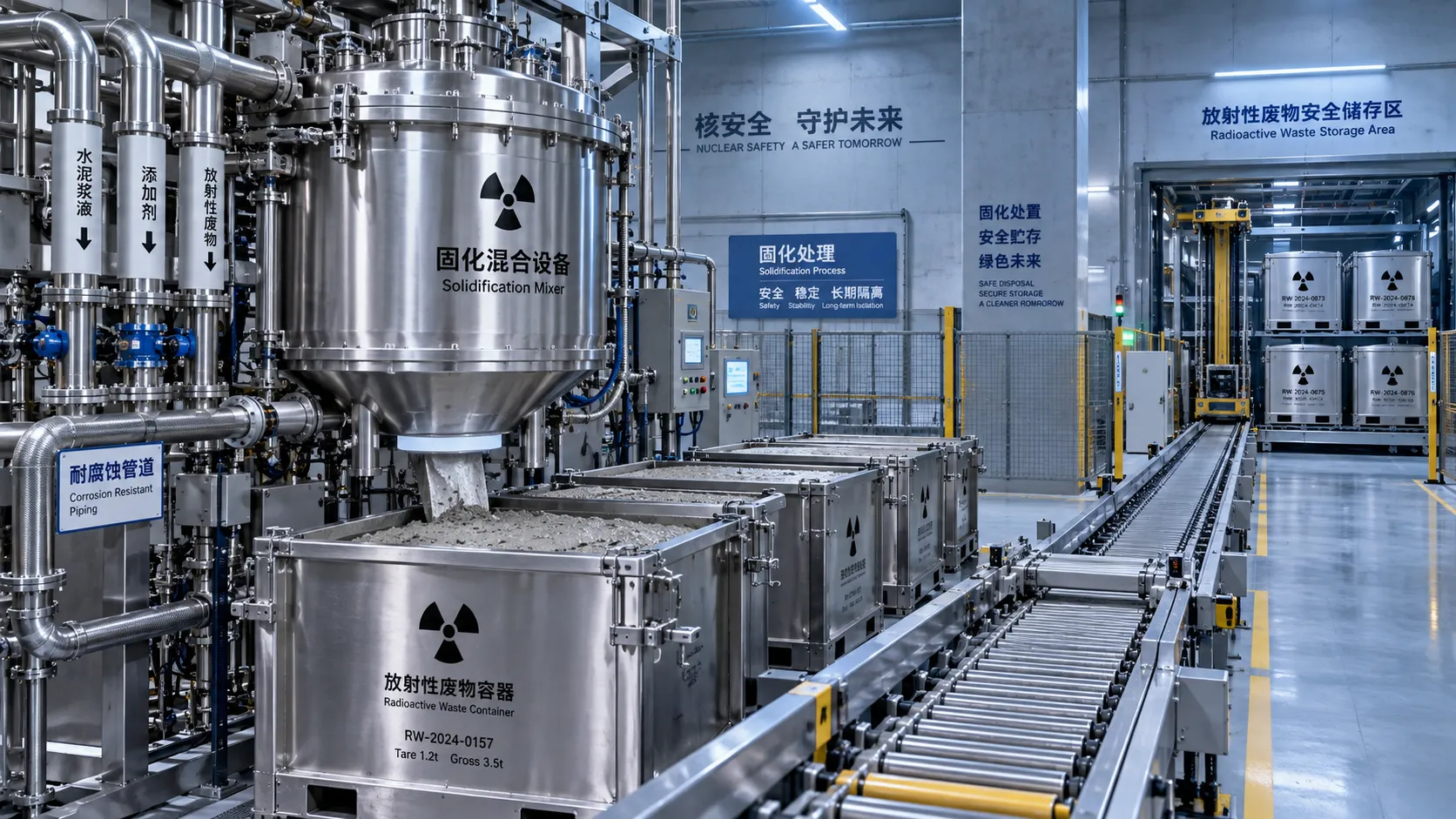
How nuclear plants select a radioactive waste solidification method
Radioactive waste management for nuclear plants: compare vitrification, cementation, polymers, and ceramics to select a compliant, durable solidification solution.
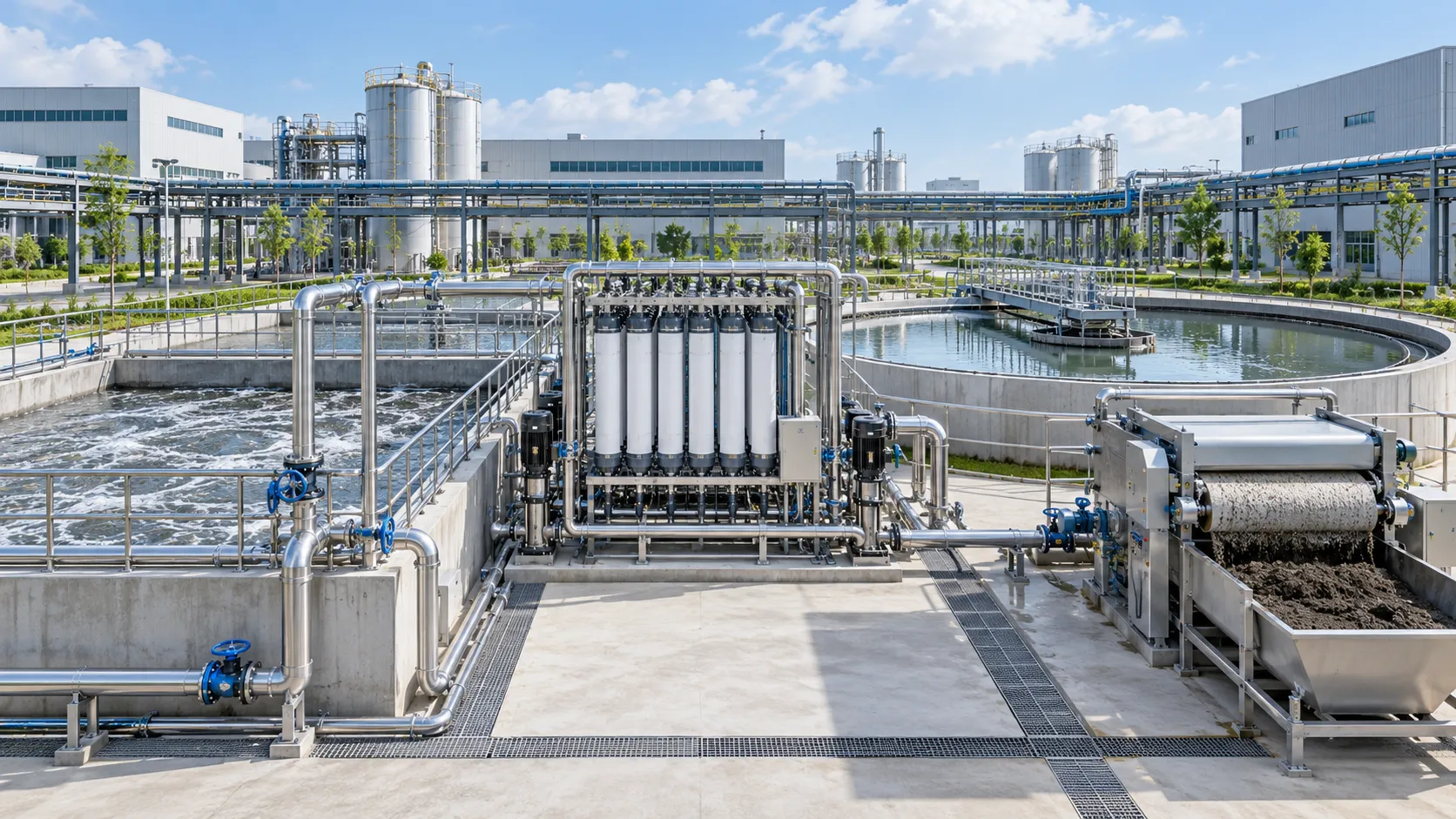
What Drives the Cost of Wastewater System Upgrades in Industrial Parks?
Costs of wastewater system upgrades in industrial parks: uncover key drivers from influent variability and civil works to sludge, energy, compliance, and lifecycle risk.
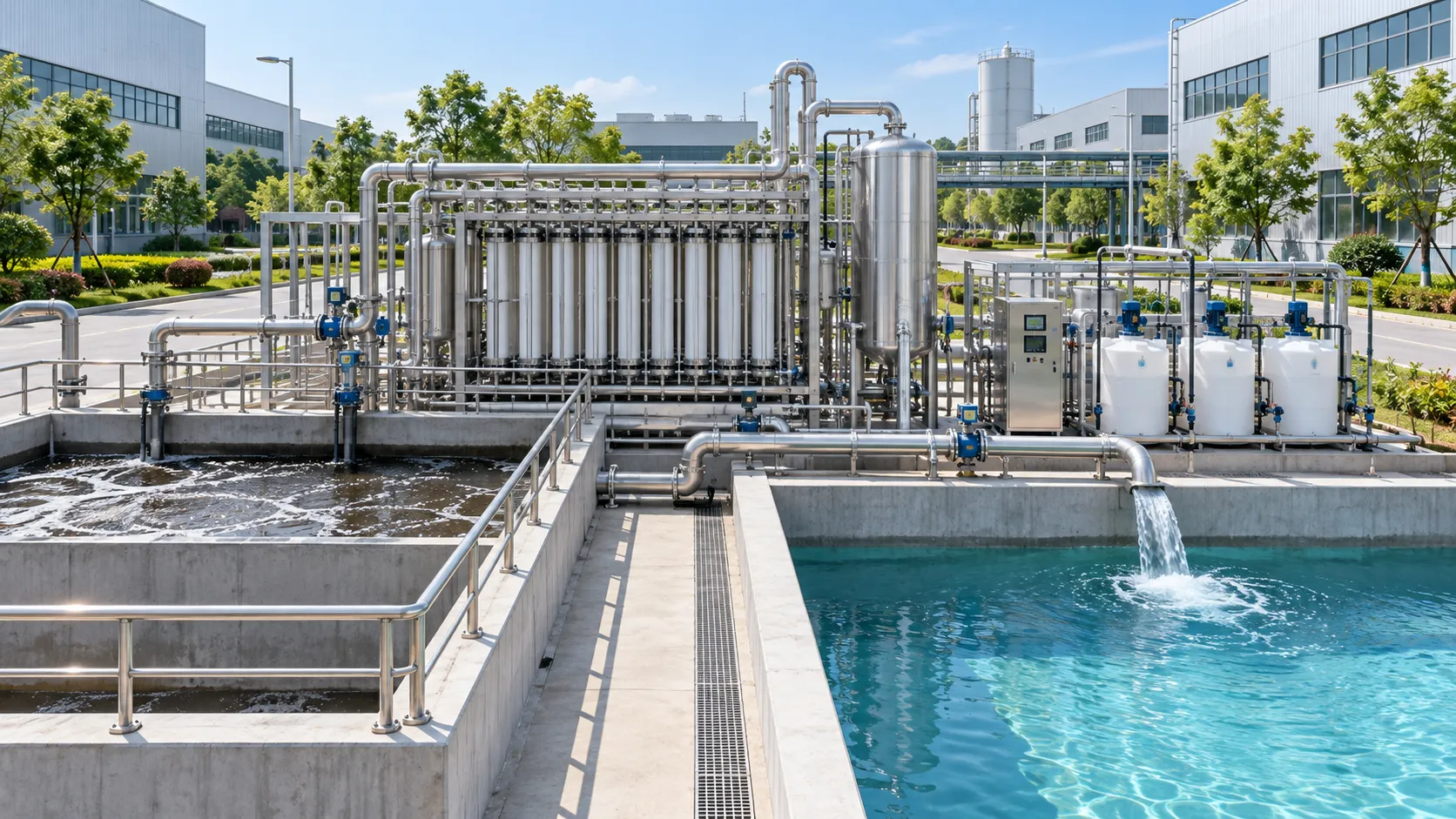
Comparing Upgrade Costs for Industrial Park Wastewater Treatment Systems
Compare costs for wastewater system upgrades in industrial parks with a lifecycle view of CAPEX, OPEX, compliance, resilience, and future expansion.
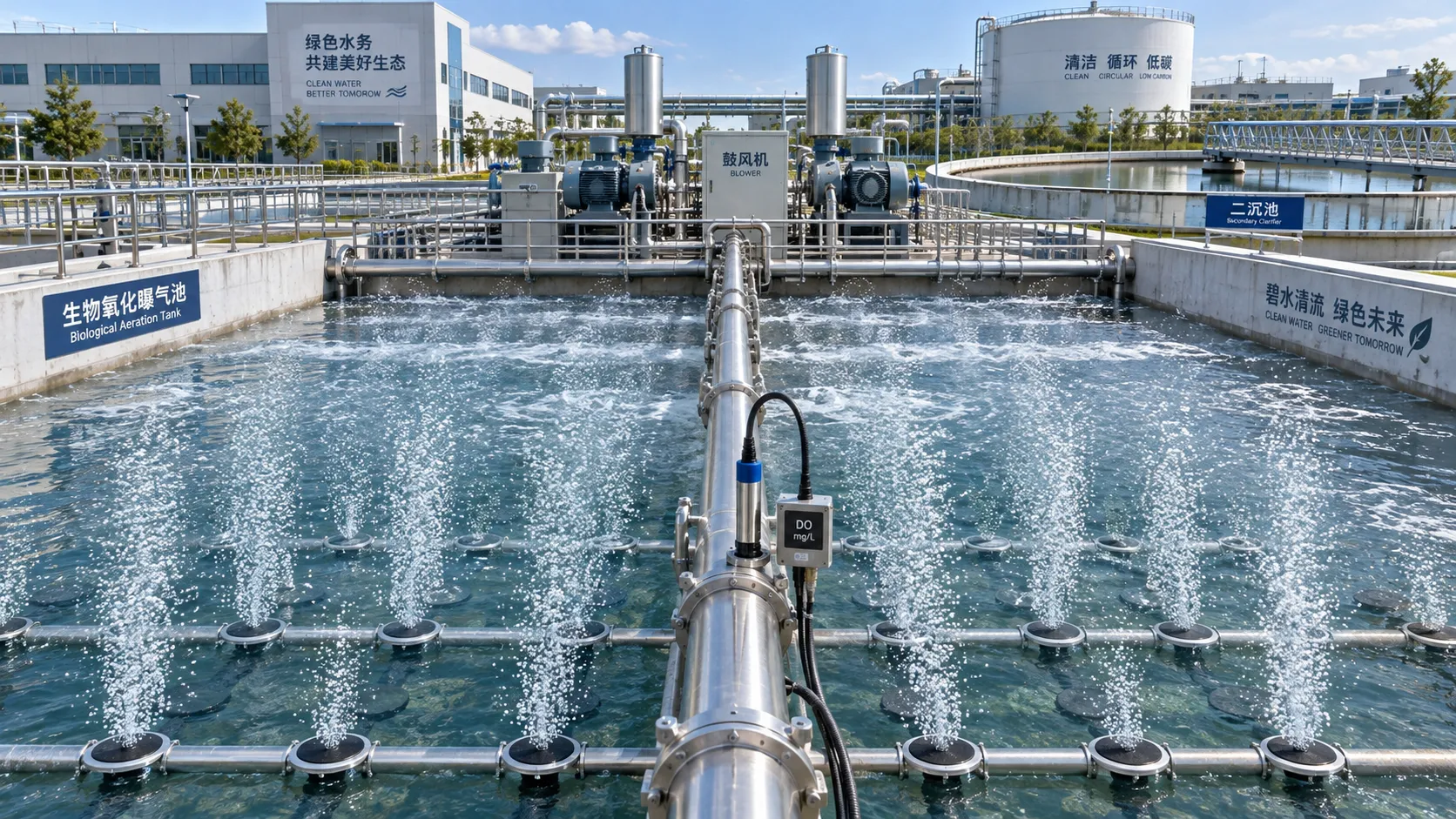
Biological Wastewater Oxidation Explained: Aeration Demand and Process Control
Biological wastewater oxidation explained: optimize aeration demand, DO control, nitrification, and sludge age for stable effluent quality and lower energy costs.
Activated Sludge Cost: Budgeting Energy, Chemicals, Sludge, and Labor
Activated sludge cost explained: compare energy, chemicals, sludge disposal, labor, and compliance risks to build a reliable lifecycle budget.