
Industry News
Curation by industry experts
Hot Articles
Popular Tags
Decarbonization Roadmap for Manufacturing: Key Steps, Costs, and Timing
Decarbonization pressure is becoming an operating reality
For industrial leaders facing tighter carbon rules, rising energy costs, and investor scrutiny, a practical decarbonization roadmap for manufacturing is no longer optional.
This article outlines the key steps, likely costs, and realistic timing needed to cut emissions while protecting productivity, compliance, and long-term competitiveness across complex manufacturing operations.
Across heavy industry, water treatment, waste recovery, desalination, and emissions control, carbon performance is moving from a sustainability metric to a board-level constraint.
A strong decarbonization roadmap for manufacturing now shapes capital allocation, project approvals, supply chain access, and future export readiness.
Signals from the market show the roadmap can no longer wait
Several trend signals are converging at the same time.
Carbon pricing is expanding, CBAM-related disclosure expectations are tightening, and lenders increasingly compare emissions intensity across industrial assets.
Energy volatility also changes project economics. Measures once seen as optional now become defensive investments against fuel, power, and compliance shocks.
In parallel, customers ask for product-level footprint data, not only annual corporate targets. That shift demands better metering, traceability, and process-level action.
For environmentally intensive sectors covered by ESD intelligence, the decarbonization roadmap for manufacturing increasingly overlaps with water efficiency, waste minimization, and pollution control upgrades.
Why this shift is accelerating now
A workable decarbonization roadmap for manufacturing starts with measurement
The first step is not technology selection. It is establishing a reliable baseline.
Without asset-level energy and emissions visibility, even well-funded programs can prioritize the wrong equipment or overestimate savings.
An effective decarbonization roadmap for manufacturing usually begins with four baseline tasks.
- Map Scope 1 and Scope 2 emissions by site, utility, and major process line.
- Identify top energy users, thermal loads, compressed air losses, and idle consumption.
- Separate no-regret actions from complex retrofit opportunities.
- Set a baseline year and define data governance rules.
For water and waste infrastructure, the baseline should also include pumping intensity, chemical dosing, sludge handling, brine management, and flue gas treatment energy demand.
These systems often hide major carbon opportunities because they run continuously and interact with core production utilities.
Where the biggest early reductions usually come from
Early-stage carbon cuts often come from operational discipline rather than breakthrough technology.
- Boiler tuning, heat recovery, insulation repair, and steam trap maintenance
- Variable speed drives on pumps, blowers, and fans
- Compressed air leak reduction and pressure optimization
- Motor upgrades and process control optimization
- Water reuse measures that cut pumping and heating loads
These actions can build confidence, create savings, and fund later phases of the decarbonization roadmap for manufacturing.
Costs vary widely, but the spending pattern follows clear stages
One common mistake is asking for a single cost number.
In reality, decarbonization costs depend on plant age, energy mix, process heat requirements, automation maturity, and local power pricing.
Still, the cost structure of a decarbonization roadmap for manufacturing usually falls into three practical layers.
In many facilities, 20% to 40% of emissions reductions can be captured with relatively modest spending.
The final 20% is usually the most expensive because it requires structural process changes or cleaner energy availability.
That is why timing matters as much as technology choice.
Timing should follow plant realities, not headline promises
A credible decarbonization roadmap for manufacturing aligns with shutdown windows, equipment life cycles, permit timelines, and grid conditions.
Trying to force every measure into a short period often raises risk, disrupts output, and weakens internal support.
A realistic transition sequence
- 0 to 12 months: baseline, audits, metering, quick efficiency wins, governance setup.
- 1 to 3 years: utility optimization, selective electrification, procurement changes, digital controls.
- 3 to 7 years: major process upgrades, renewable power integration, heat network redesign.
- 7 years and beyond: deep process transformation, CCUS, alternative fuels, new plant configurations.
This sequence helps protect uptime while steadily lowering carbon intensity.
It also improves financing prospects because each phase can be linked to measurable results.
Different operational areas will feel the transition in different ways
The impact of a decarbonization roadmap for manufacturing is not uniform across the plant.
Utilities often move first because savings are easier to prove. Core production processes may need longer validation cycles.
- Energy systems: immediate attention on boilers, steam, compressed air, and power quality.
- Water treatment: lower pumping energy, better membrane efficiency, and reuse integration.
- Waste recovery: stronger material circularity reduces embedded carbon and disposal exposure.
- Flue gas systems: fans, reagent consumption, and thermal interaction affect carbon performance.
- Desalination assets: energy recovery and membrane optimization become critical decarbonization levers.
For integrated industrial sites, environmental systems are no longer side utilities. They are active parts of carbon strategy.
The strongest roadmaps focus on a few priorities with high decision value
Not every opportunity deserves equal attention.
The most useful decarbonization roadmap for manufacturing tracks a focused set of decision-critical priorities.
- Marginal abatement cost by project, not only total emissions reduced
- Interaction between carbon, water, waste, and compliance outcomes
- Dependency on grid decarbonization or renewable power access
- Operational reliability and maintenance capability after retrofit
- Data quality for reporting, assurance, and customer disclosure
- Fit with future expansions, shutdown schedules, and financing windows
This approach avoids attractive pilots that cannot scale across an industrial network.
A practical response framework reduces risk and improves momentum
The next step is to convert ambition into a phased investment case
A successful decarbonization roadmap for manufacturing is measurable, staged, and tied to operating realities.
It should show what can be done now, what depends on future infrastructure, and what must wait for major asset renewal.
Start with a site-level baseline, rank projects by cost and feasibility, and connect carbon targets with water, waste, and compliance performance.
For complex industrial systems, the best roadmap is not the most ambitious on paper. It is the one that can survive audits, budgets, and plant conditions.
That is where a disciplined decarbonization roadmap for manufacturing becomes a competitive asset rather than a reporting exercise.
Recommended News
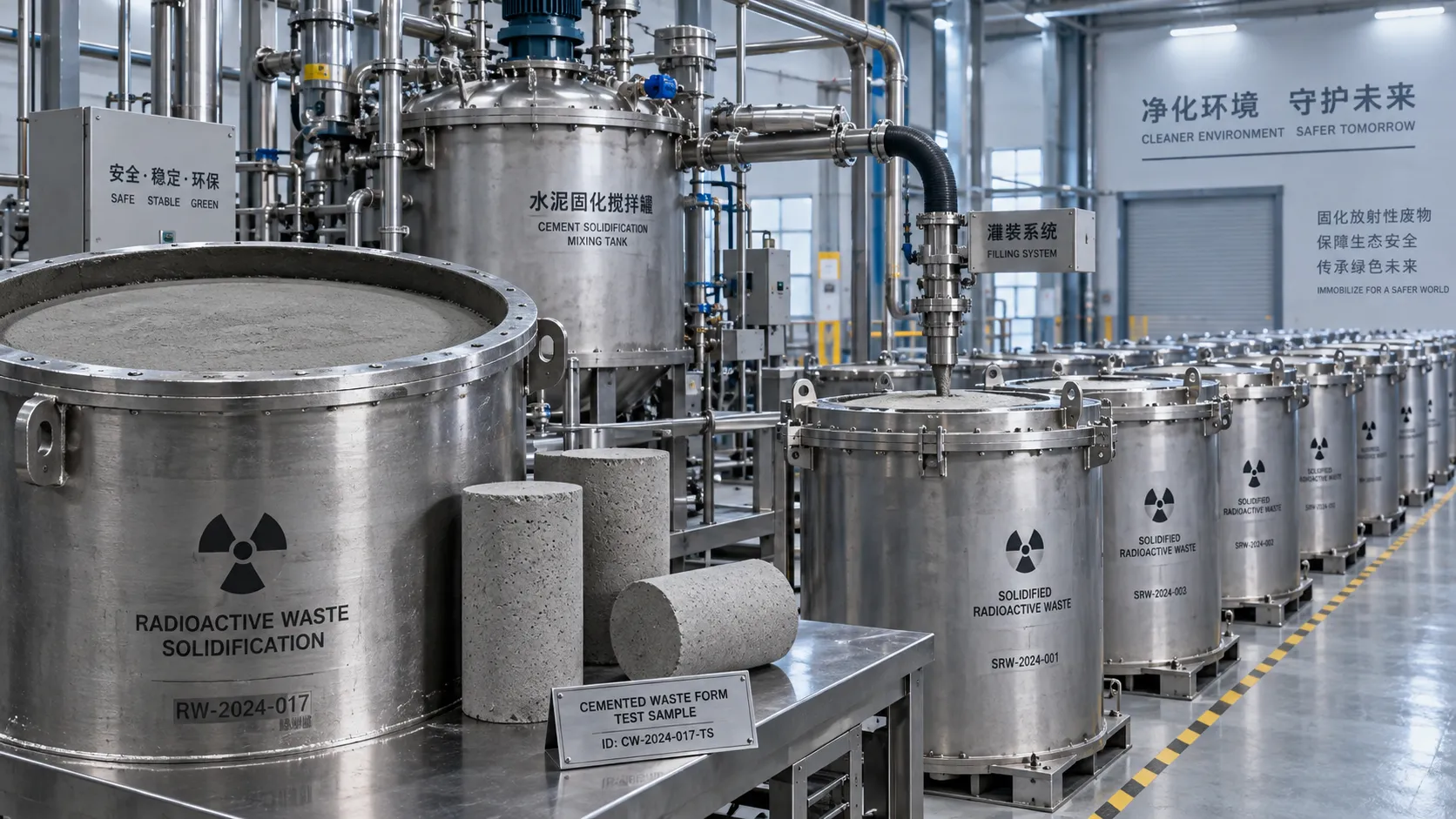
When is cementation suitable for nuclear decommissioning waste?
Explore nuclear waste treatment technology for decommissioning: learn when cementation fits, which risks to assess, and how disposal criteria guide an effective treatment choice.
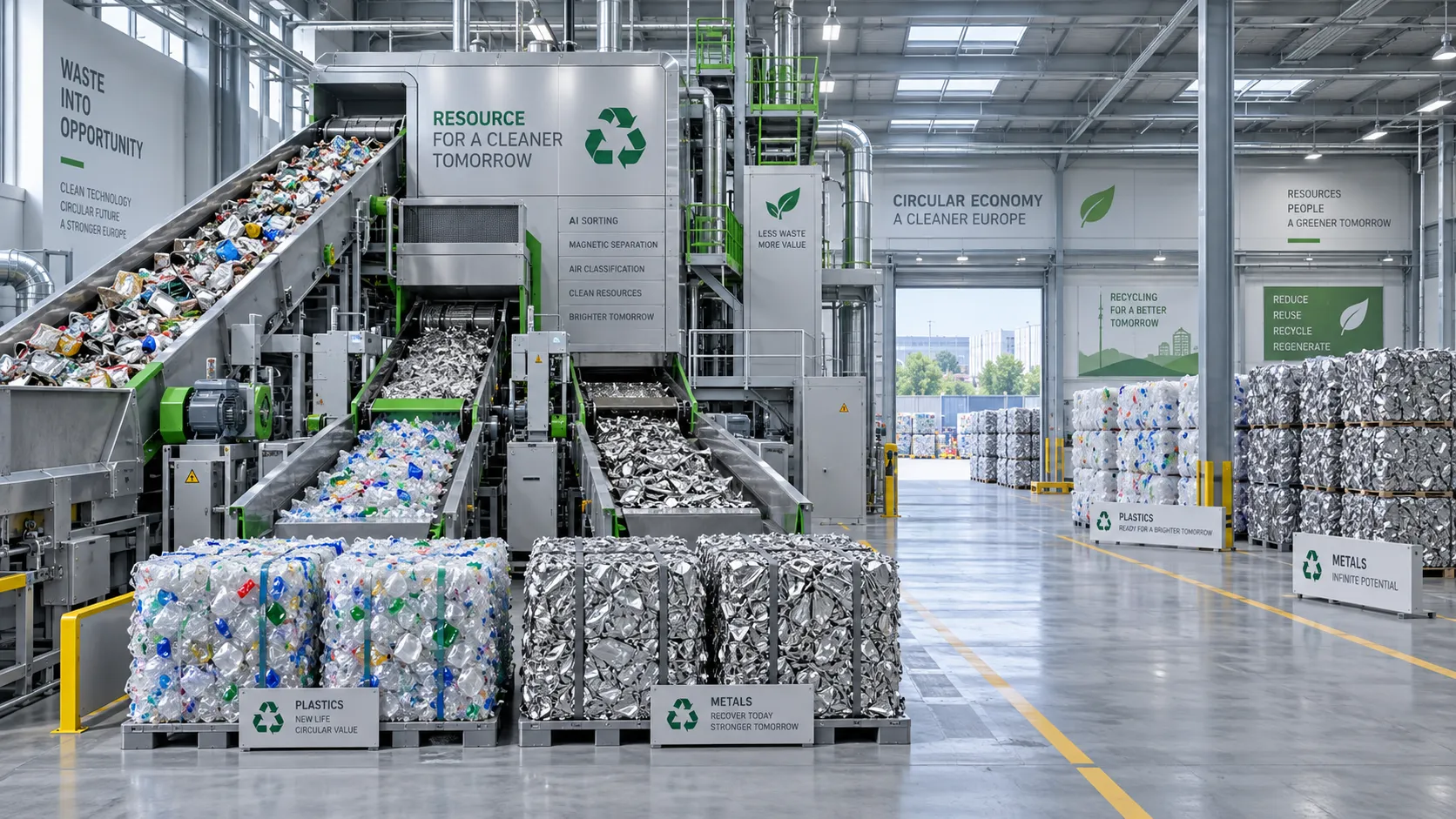
What determines payback for waste-to-resource systems in Europe?
Assess waste-to-resource systems Europe-wide: compare feedstock, recovery yields, costs and contracts to uncover payback drivers and make smarter investment decisions.
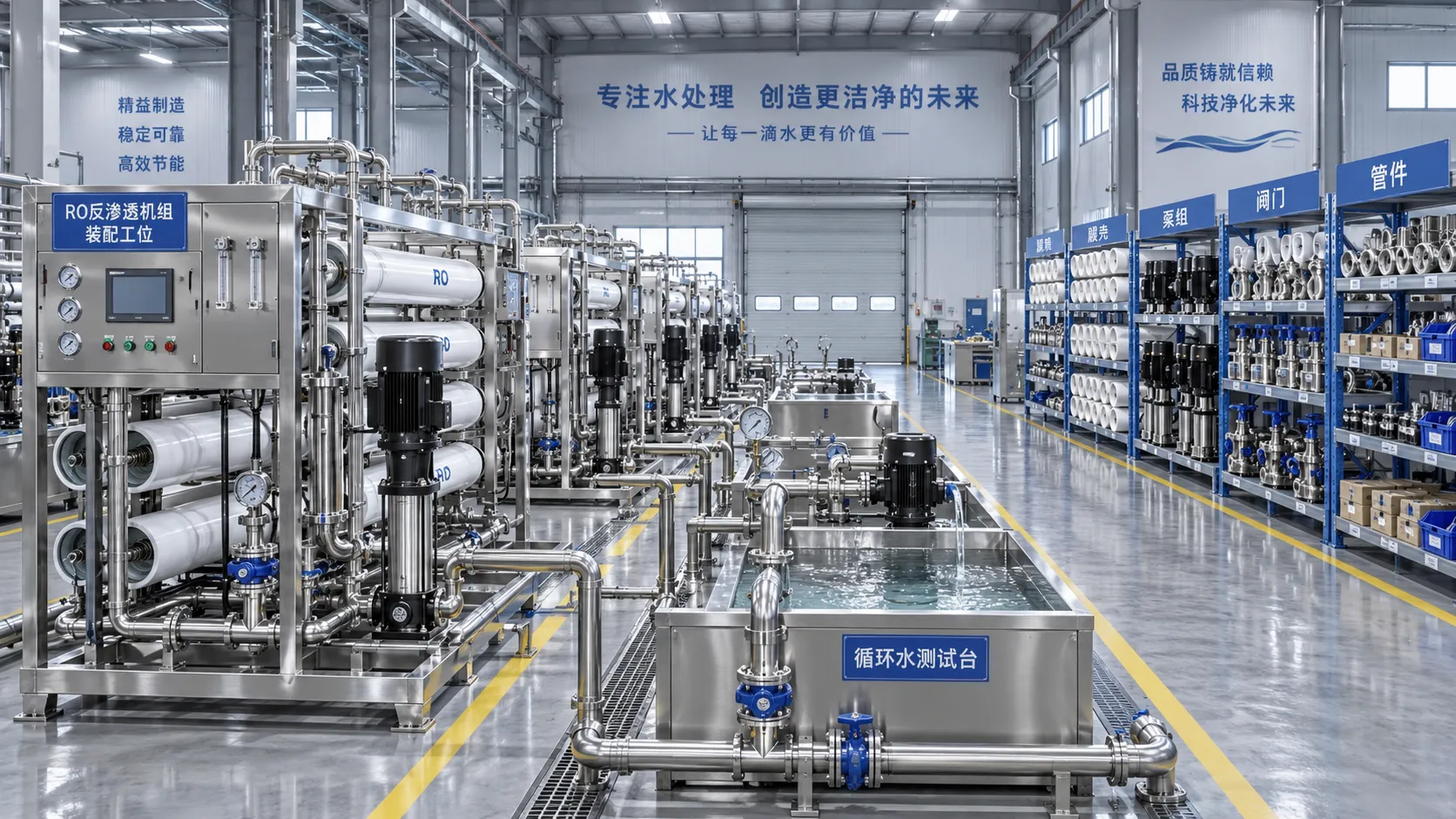
How to verify a water treatment system factory’s production capacity
Verify a water treatment systems factory’s production capacity through records, bottlenecks, component availability, and testing. Learn what to check before accepting a delivery promise.
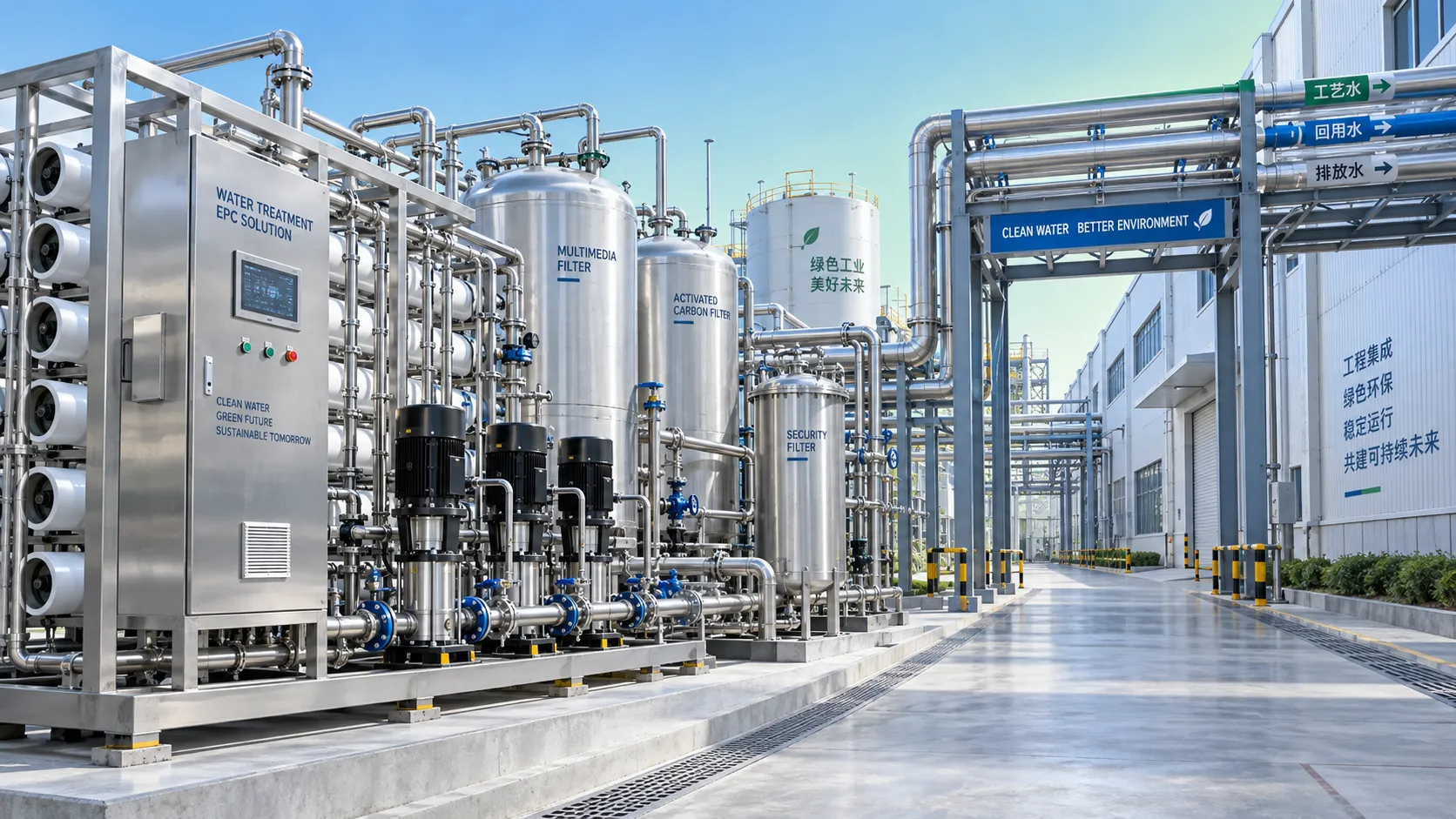
When does EPC environmental project support reduce delivery risk?
EPC environmental project support engineering reduces delivery risk by aligning design, procurement, compliance, construction, and commissioning decisions.
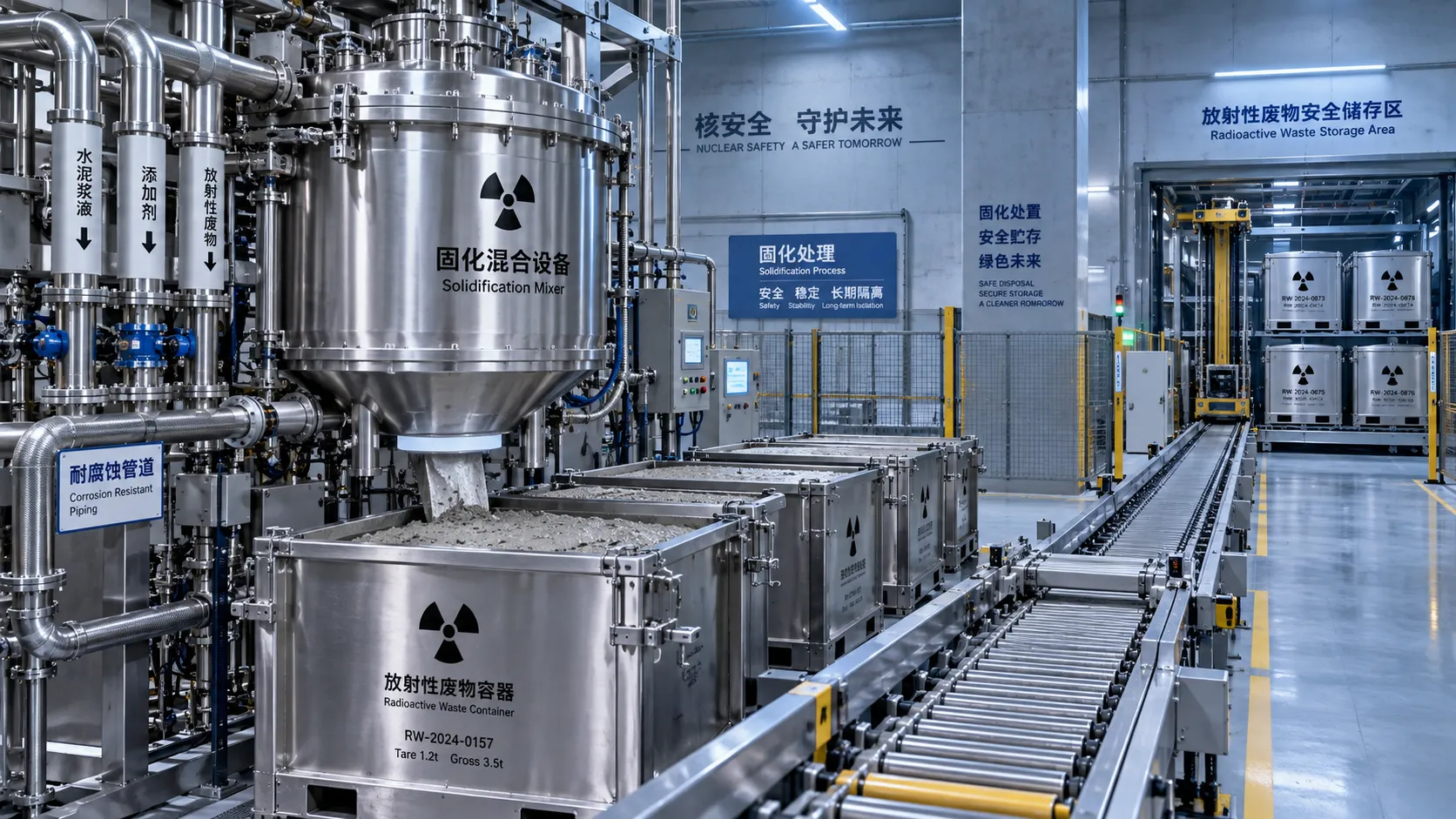
How nuclear plants select a radioactive waste solidification method
Radioactive waste management for nuclear plants: compare vitrification, cementation, polymers, and ceramics to select a compliant, durable solidification solution.
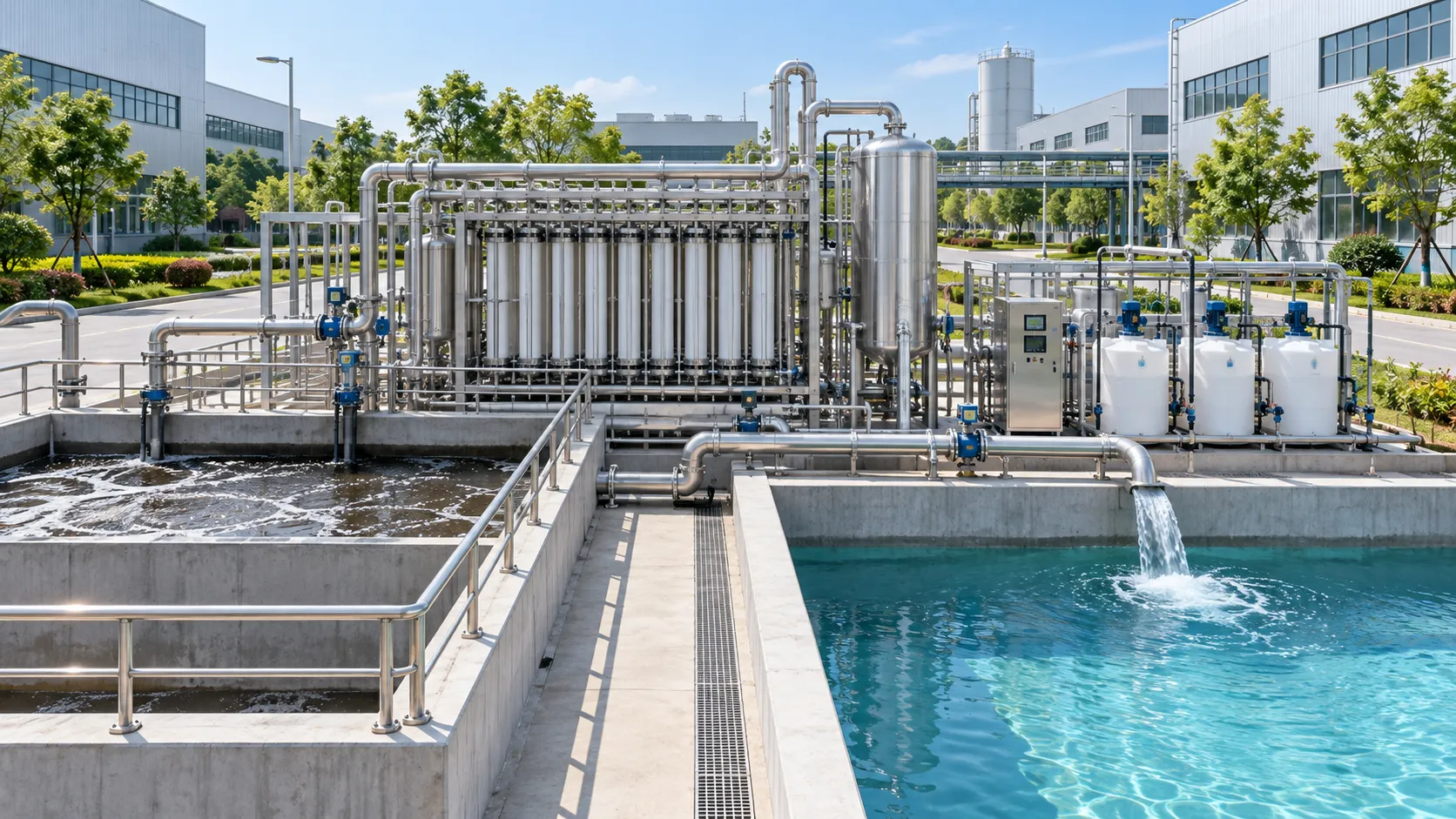
Comparing Upgrade Costs for Industrial Park Wastewater Treatment Systems
Compare costs for wastewater system upgrades in industrial parks with a lifecycle view of CAPEX, OPEX, compliance, resilience, and future expansion.
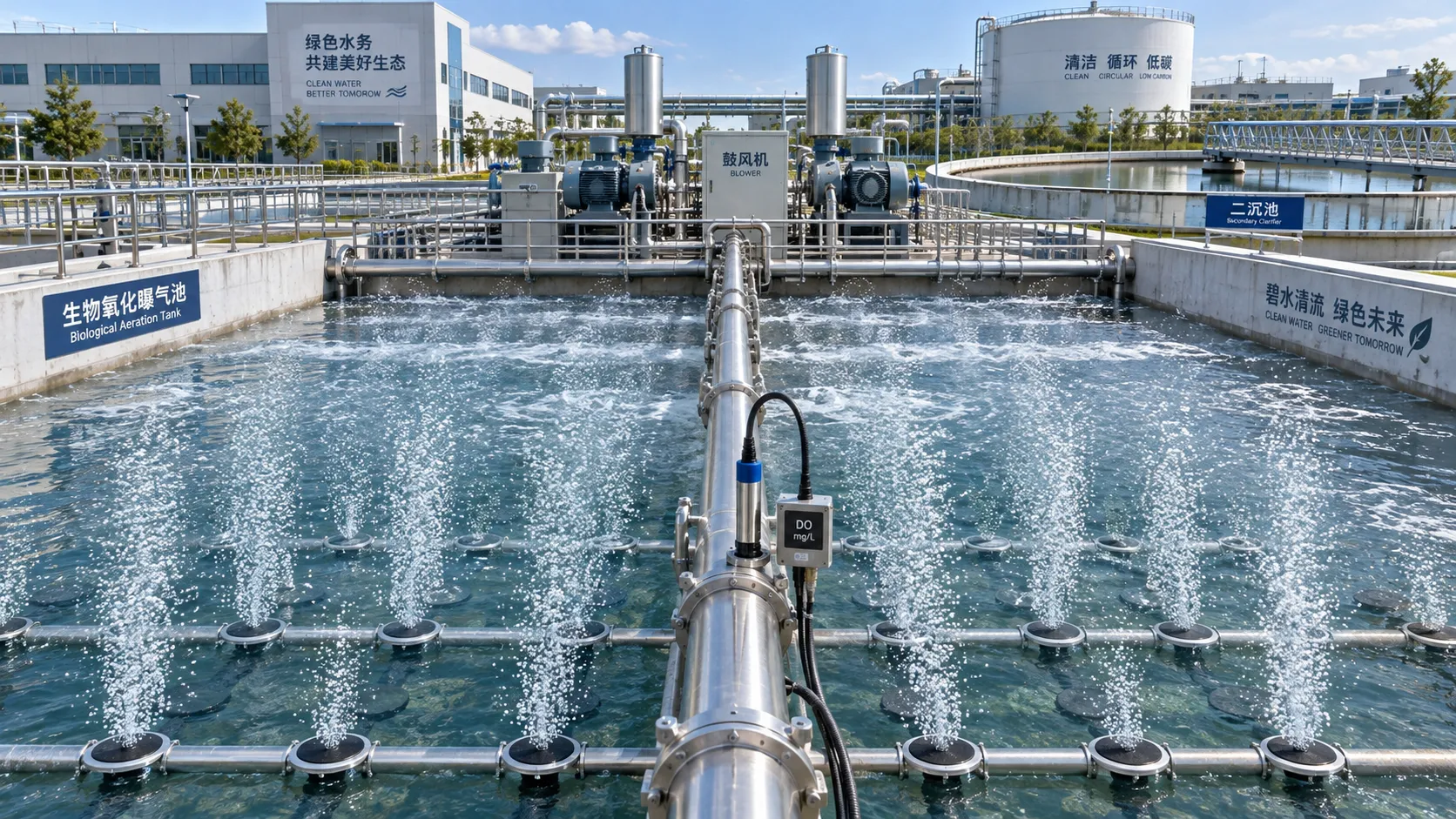
Biological Wastewater Oxidation Explained: Aeration Demand and Process Control
Biological wastewater oxidation explained: optimize aeration demand, DO control, nitrification, and sludge age for stable effluent quality and lower energy costs.
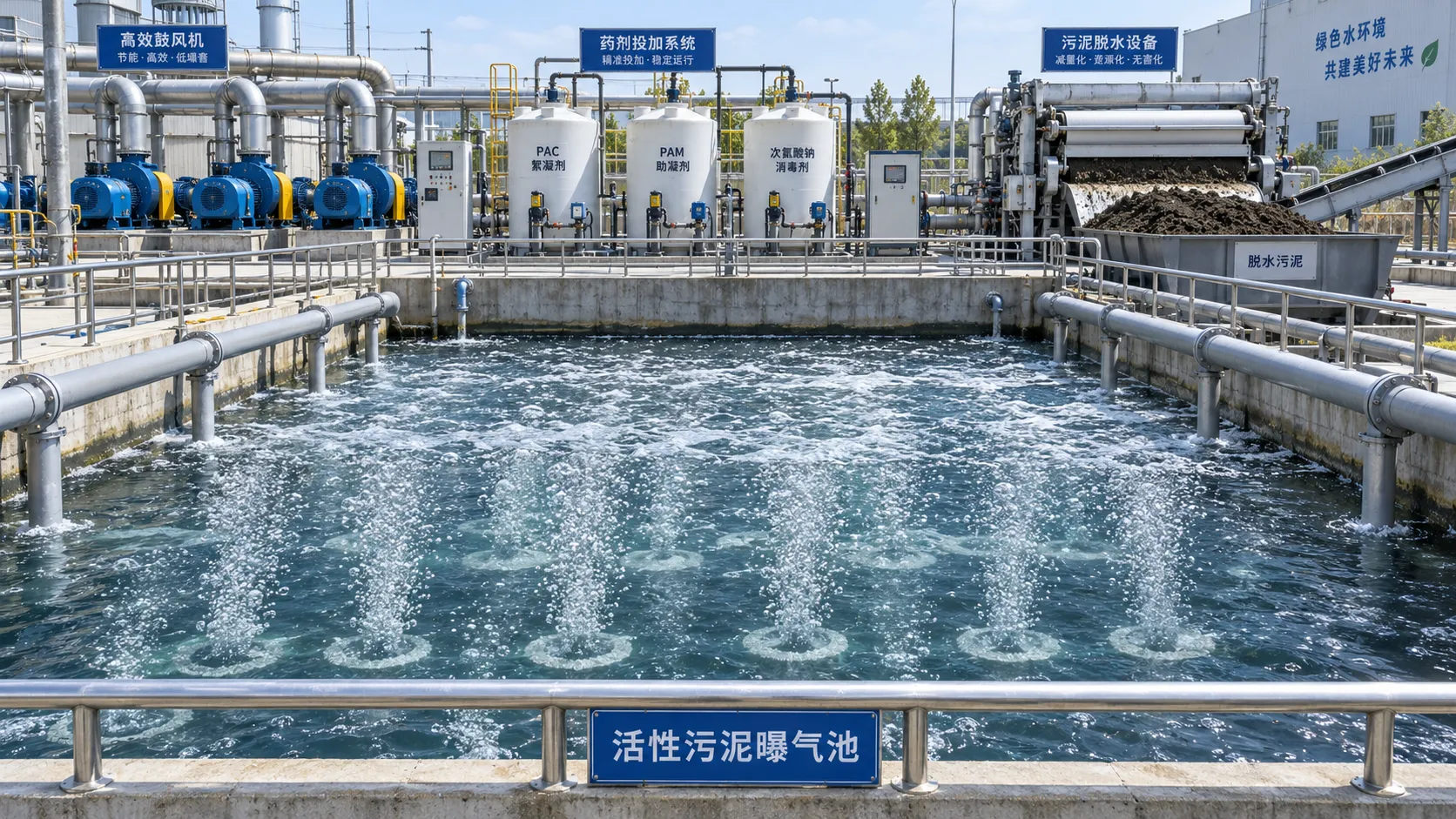
Activated Sludge Cost: Budgeting Energy, Chemicals, Sludge, and Labor
Activated sludge cost explained: compare energy, chemicals, sludge disposal, labor, and compliance risks to build a reliable lifecycle budget.
When Should Municipal Wastewater Plants Upgrade Treatment Capacity and Controls?
Municipal wastewater treatment upgrades: learn when capacity, controls, and resilient planning are needed to protect compliance and optimize plant performance.