
Industry News
Curation by industry experts
Hot Articles
Popular Tags
Green Tech Innovations in Water Treatment to Watch in 2026
As tightening regulations, water stress, and decarbonization targets reshape global infrastructure, green tech innovations in water treatment are moving from niche solutions to strategic imperatives. In 2026, the strongest developments will combine lower energy intensity, tighter process control, chemical reduction, and higher resource recovery. For infrastructure planners, industrial operators, and intelligence platforms such as ESD, the real question is not which trend sounds promising, but which innovations can deliver measurable compliance, resilience, and lifecycle value.
Why a checklist matters for evaluating green tech innovations in water treatment
Water treatment technology is now evolving across membranes, digital controls, oxidation systems, sludge handling, and closed-loop reuse. That creates opportunity, but also evaluation risk.
A checklist approach helps compare innovations using practical criteria: energy demand, chemical intensity, fouling resistance, maintenance burden, carbon footprint, regulatory fit, and integration with existing assets.
This matters across municipal plants, industrial wastewater systems, seawater desalination, and high-reliability treatment lines where downtime, discharge failure, or poor recovery economics can erase technology gains.
Core checklist: what to watch in 2026
- Prioritize low-energy membrane platforms that improve permeability, salt rejection, and fouling tolerance without increasing pretreatment complexity or shortening cleaning intervals.
- Check whether AI-enabled monitoring can detect scaling, biofouling, membrane fatigue, and abnormal energy draw before process instability affects compliance.
- Measure chemical reduction potential in coagulation, disinfection, and cleaning cycles, especially where reagent cost volatility or residual management already affects operating margins.
- Evaluate resource recovery options that turn brine, sludge, or concentrate streams into reusable water, heat, nutrients, salts, or industrial feedstocks.
- Verify compatibility with Zero Liquid Discharge strategies, water reuse loops, and stricter discharge permits rather than treating the innovation as a standalone upgrade.
- Assess full lifecycle emissions, including pumping load, chemical manufacturing, membrane replacement, sludge transport, and residual disposal pathways.
- Review modularity and retrofit potential so new green tech innovations in water treatment can scale across brownfield facilities with minimal downtime.
- Confirm data transparency, cybersecurity readiness, and control-system interoperability when digital twins or cloud analytics are part of the proposed solution.
The most important technology directions
Among the leading green tech innovations in water treatment, advanced membranes remain central. Thin-film nanocomposite RO, low-pressure ultrafiltration, graphene-enhanced surfaces, and anti-scaling coatings are reducing specific energy consumption while extending run time.
Electrified treatment is also advancing. Electrocoagulation, capacitive deionization, and electro-oxidation are gaining attention where operators need lower chemical inventories, smaller footprints, or stronger control over trace contaminants.
Digital intelligence is no longer optional. Sensor fusion, predictive maintenance, and model-based optimization now influence pump scheduling, aeration control, membrane cleaning timing, and chemical dosing accuracy.
Resource circularity is another defining trend. Recovery of phosphorus, ammonia, lithium, and industrial salts is shifting treatment design from disposal thinking toward closed-loop value capture.
How these innovations apply in different scenarios
Municipal water and wastewater plants
For municipal systems, green tech innovations in water treatment should first target aeration efficiency, nutrient removal stability, and non-revenue energy losses. Smart blowers, real-time ammonia monitoring, and membrane bioreactor optimization can deliver strong returns.
PFAS, microplastics, and trace organics are pushing utilities toward hybrid treatment trains. Activated carbon, advanced oxidation, and selective membranes work best when integrated with reliable upstream monitoring.
Industrial wastewater and ZLD-oriented systems
Industrial facilities face more variable chemistry, higher salinity, and stronger compliance exposure. Here, green tech innovations in water treatment must survive shock loads, temperature swings, and complex contaminant mixes.
The best candidates often combine robust pretreatment, selective separation, and brine minimization. High-recovery RO, forward osmosis, mechanical vapor recompression, and crystallization control are becoming more relevant in 2026.
Seawater desalination
In desalination, energy remains the defining metric. New membrane chemistries, isobaric energy recovery devices, and AI-based intake-to-post-treatment optimization are making SWRO systems cleaner and more stable.
Brine management is the next frontier. Technologies that reduce discharge impact or recover minerals from concentrate will shape the next generation of sustainable desalination infrastructure.
Common blind spots when assessing green tech innovations in water treatment
Ignoring pretreatment reality
Many pilot results look excellent under controlled feedwater conditions. Performance can degrade quickly when suspended solids, silica, oil, or biofouling pressure exceed design assumptions.
Chasing energy savings alone
A lower kWh per cubic meter figure is valuable, but not enough. Cleaning frequency, consumables, membrane replacement, sludge generation, and operator intervention can shift total cost upward.
Undervaluing compliance adaptability
Regulations around nutrient discharge, emerging contaminants, and carbon reporting are tightening. A technology that fits today’s permit but lacks flexibility may become a stranded asset.
Overlooking data quality
Digital water platforms only work when sensors are calibrated, data latency is controlled, and process models match actual hydraulic and chemical conditions.
Practical execution steps for 2026 planning
- Map current bottlenecks by unit process, then rank candidate innovations against energy, compliance, recovery, maintenance, and retrofit complexity.
- Run pilot tests under realistic water chemistry, variable loads, and seasonal conditions rather than relying on vendor benchmark data alone.
- Use lifecycle costing that includes chemicals, downtime, residual handling, replacement parts, carbon exposure, and data-system support.
- Link technology selection to broader resilience goals such as reuse expansion, ZLD readiness, desalination efficiency, or stricter contaminant control.
- Build phased deployment plans so high-value green tech innovations in water treatment can scale without disrupting critical operations.
A strategic intelligence lens
This is where an intelligence-driven perspective becomes valuable. ESD tracks not only equipment trends, but also how membrane science, resource recovery economics, and environmental compliance regimes interact across global projects.
That broader view helps distinguish truly bankable green tech innovations in water treatment from solutions that perform well in narrow pilots but struggle in scaled infrastructure settings.
Conclusion and next action
The water sector in 2026 will reward technologies that cut energy, reduce chemicals, improve monitoring, and unlock resource value at the same time. The strongest green tech innovations in water treatment will be those that work across engineering, compliance, and commercial realities.
Start with a structured checklist, test under real conditions, and compare options through a full lifecycle lens. That is the most reliable path to selecting water treatment innovations that remain efficient, compliant, and strategically resilient well beyond 2026.
Recommended News
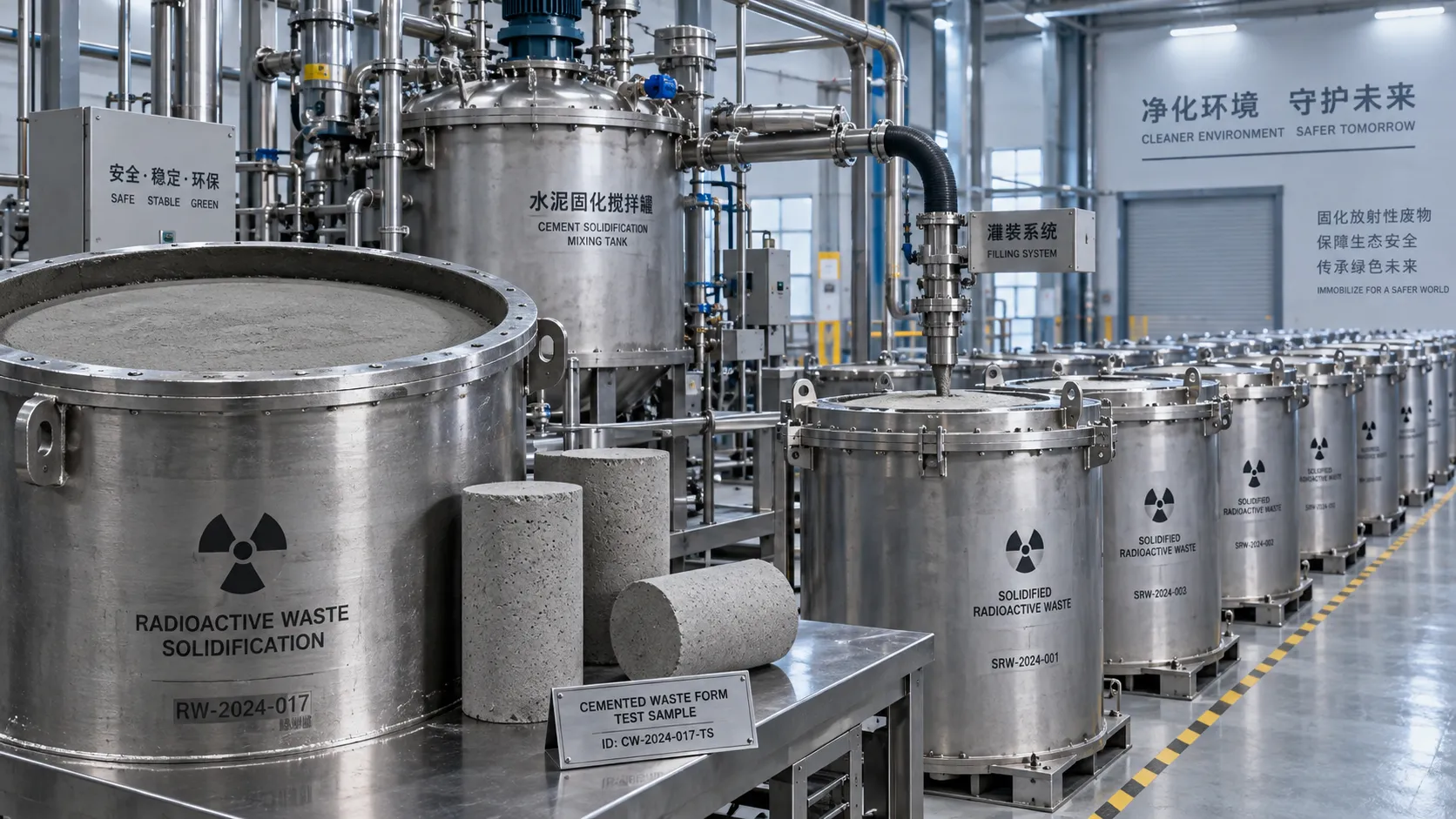
When is cementation suitable for nuclear decommissioning waste?
Explore nuclear waste treatment technology for decommissioning: learn when cementation fits, which risks to assess, and how disposal criteria guide an effective treatment choice.
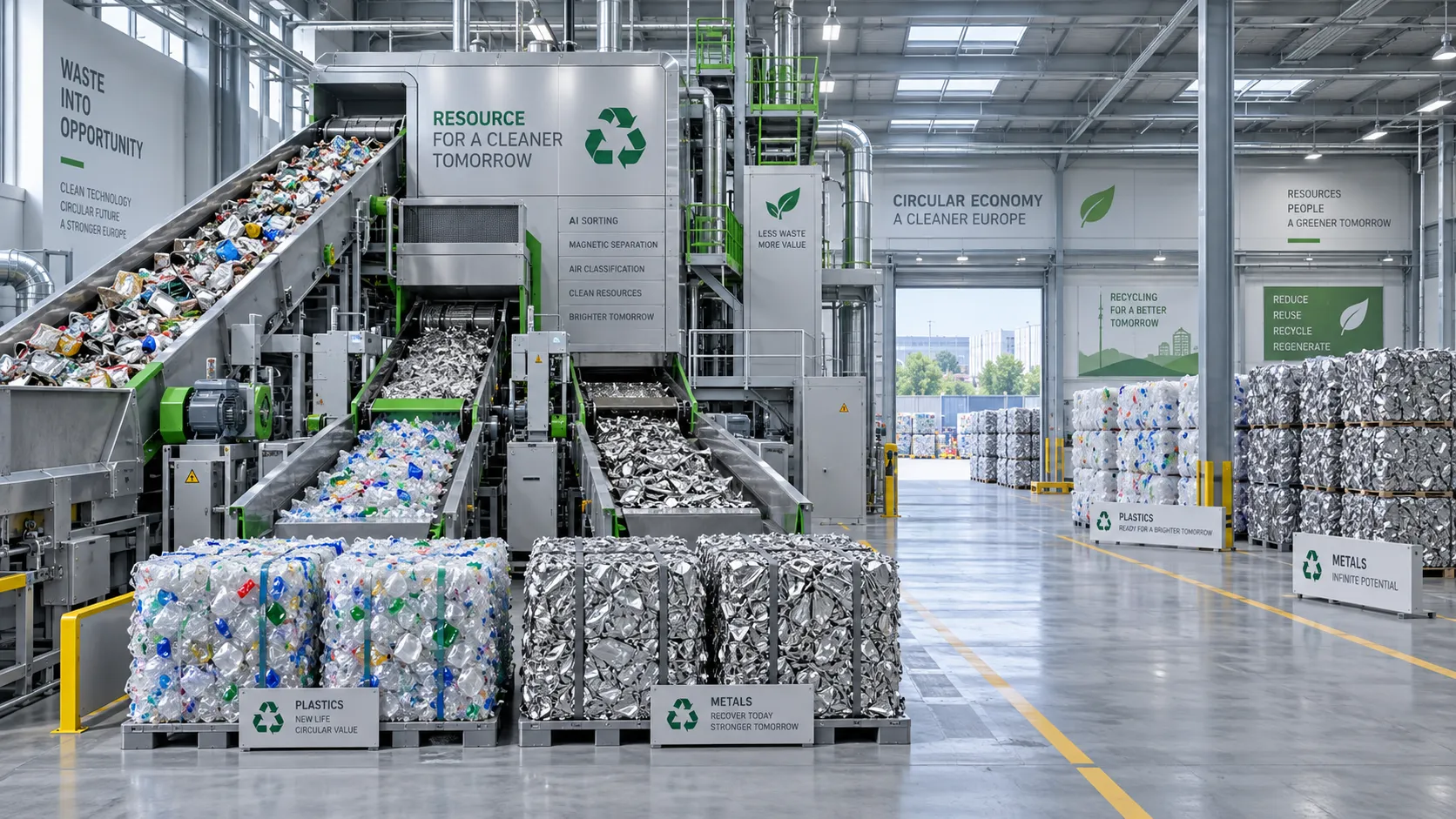
What determines payback for waste-to-resource systems in Europe?
Assess waste-to-resource systems Europe-wide: compare feedstock, recovery yields, costs and contracts to uncover payback drivers and make smarter investment decisions.
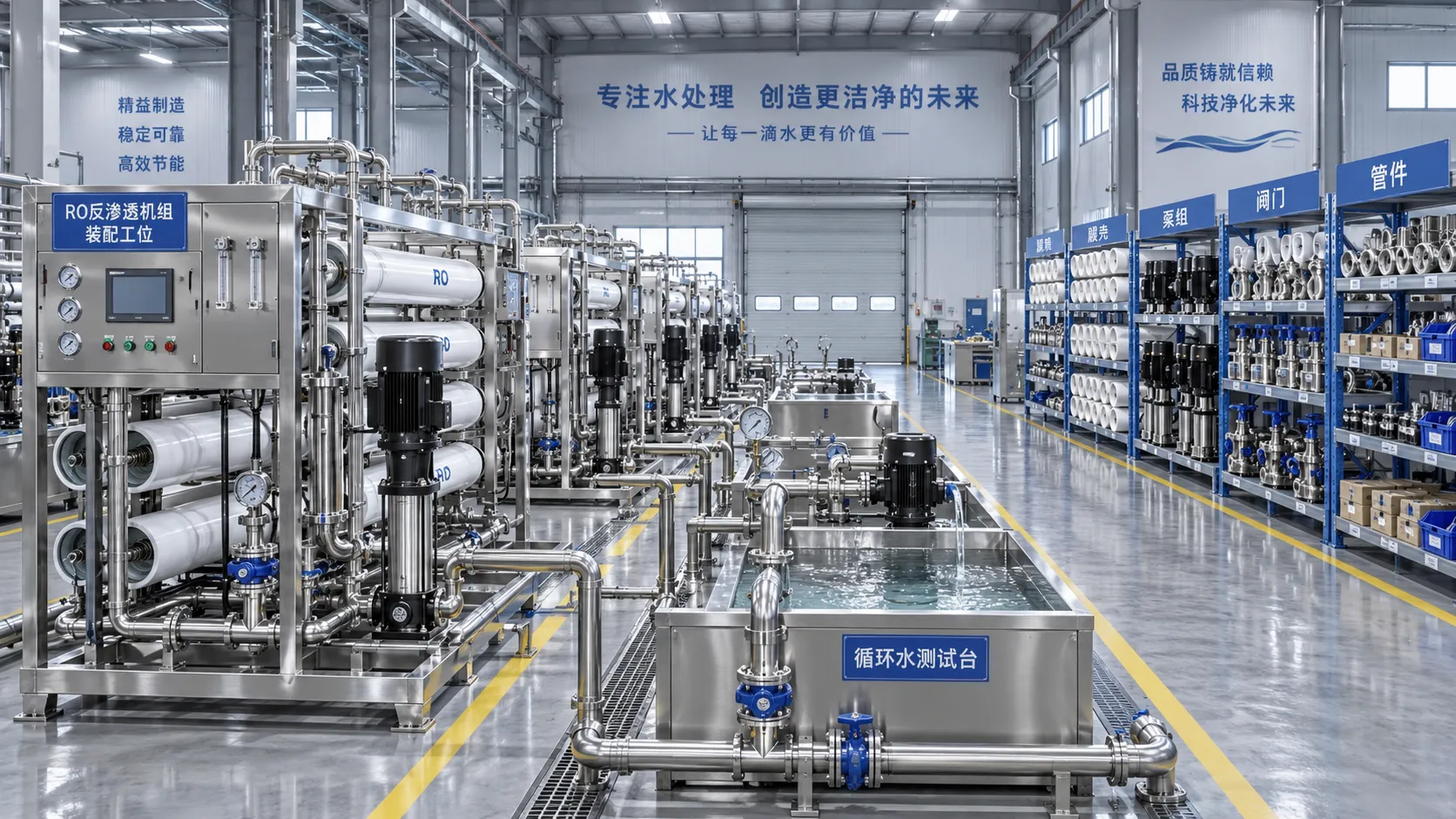
How to verify a water treatment system factory’s production capacity
Verify a water treatment systems factory’s production capacity through records, bottlenecks, component availability, and testing. Learn what to check before accepting a delivery promise.
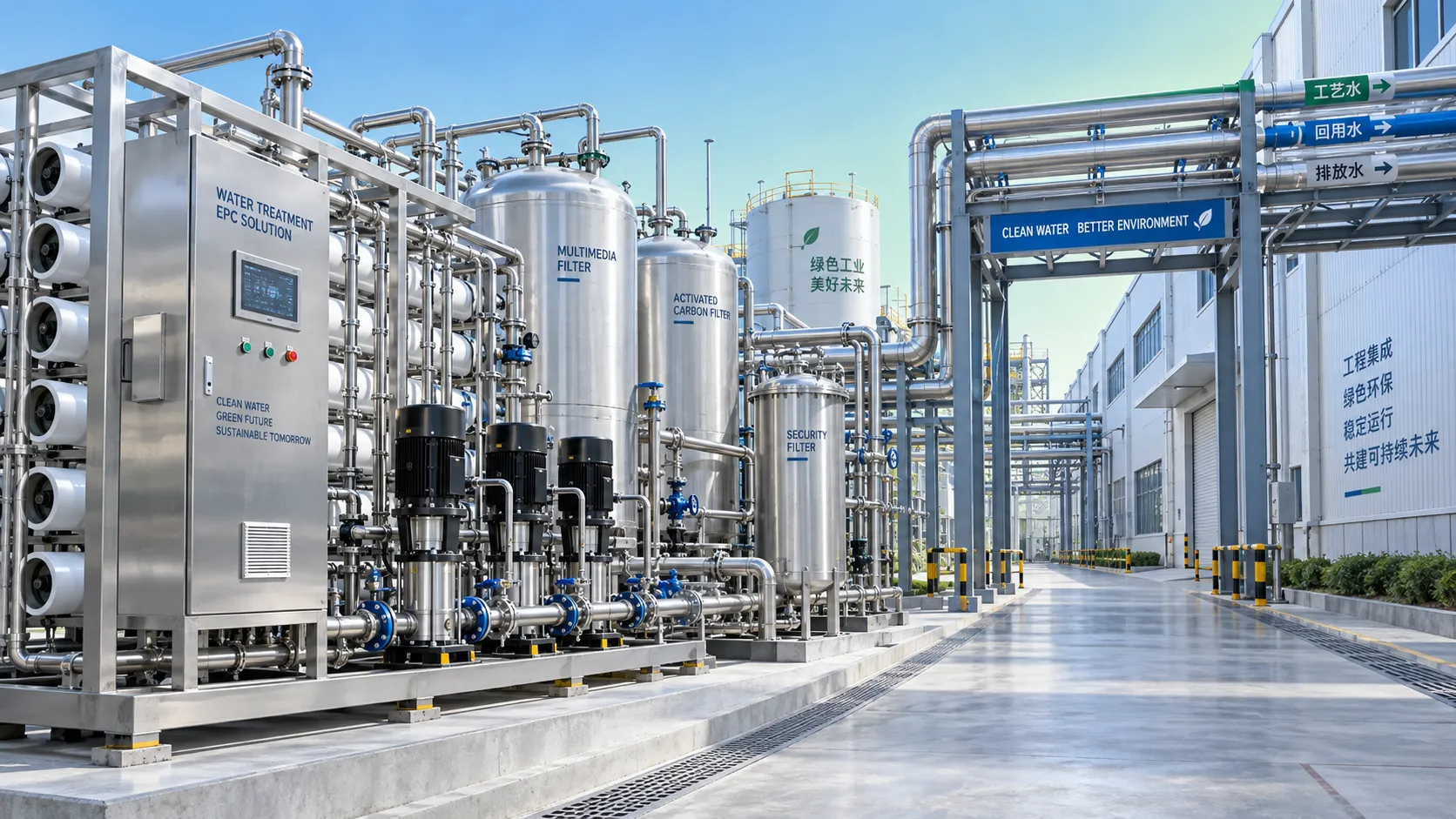
When does EPC environmental project support reduce delivery risk?
EPC environmental project support engineering reduces delivery risk by aligning design, procurement, compliance, construction, and commissioning decisions.
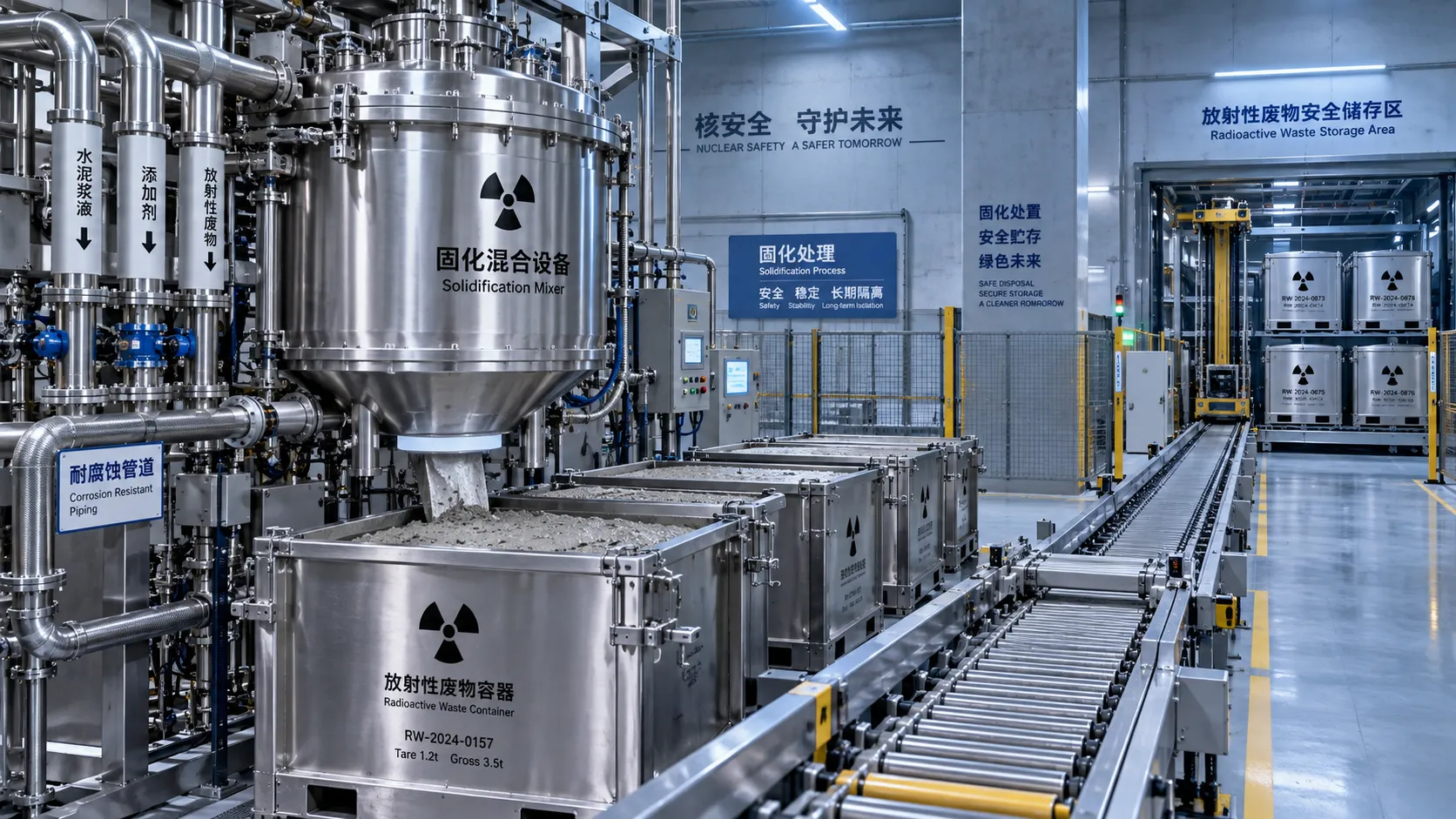
How nuclear plants select a radioactive waste solidification method
Radioactive waste management for nuclear plants: compare vitrification, cementation, polymers, and ceramics to select a compliant, durable solidification solution.
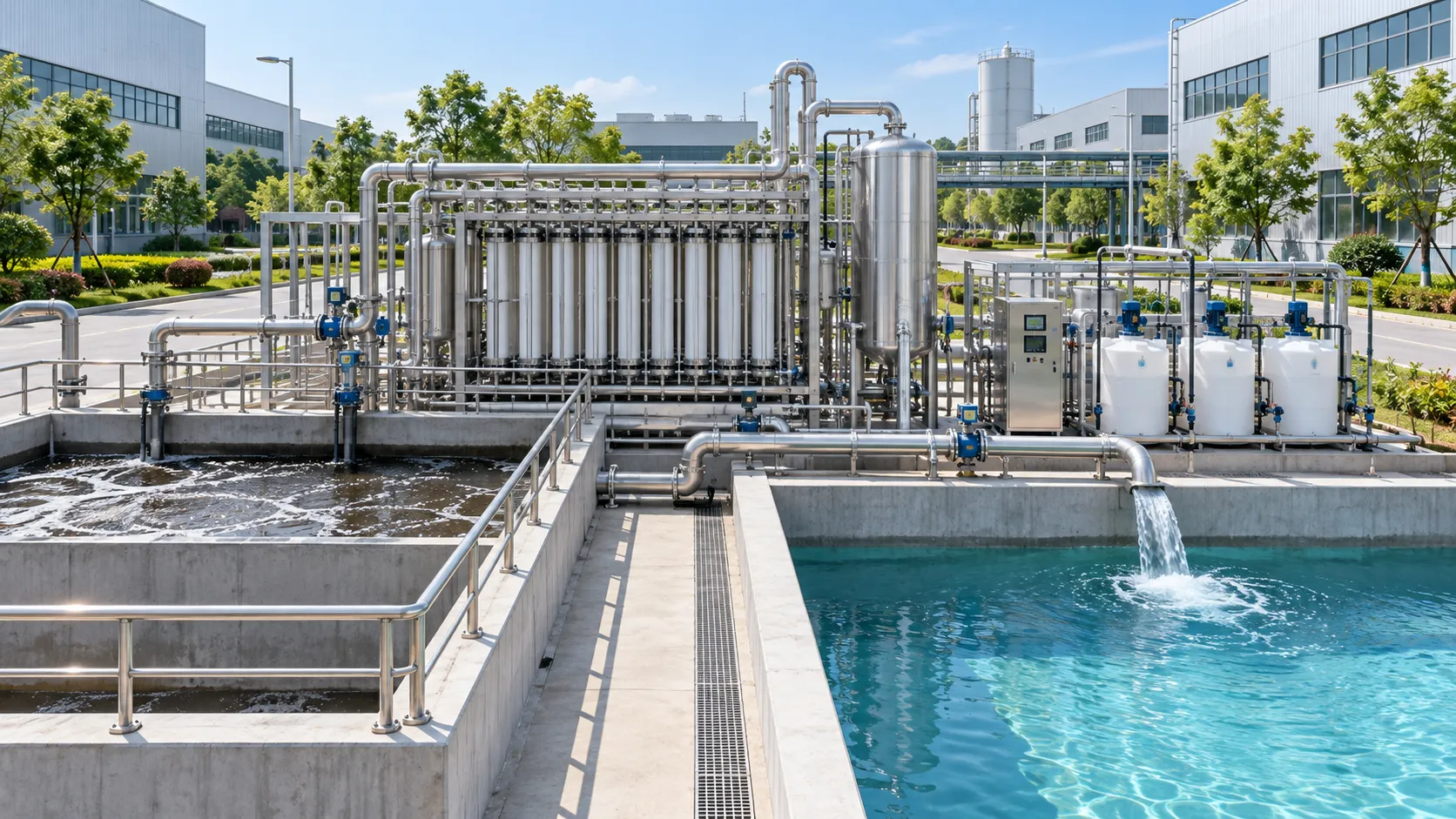
Comparing Upgrade Costs for Industrial Park Wastewater Treatment Systems
Compare costs for wastewater system upgrades in industrial parks with a lifecycle view of CAPEX, OPEX, compliance, resilience, and future expansion.
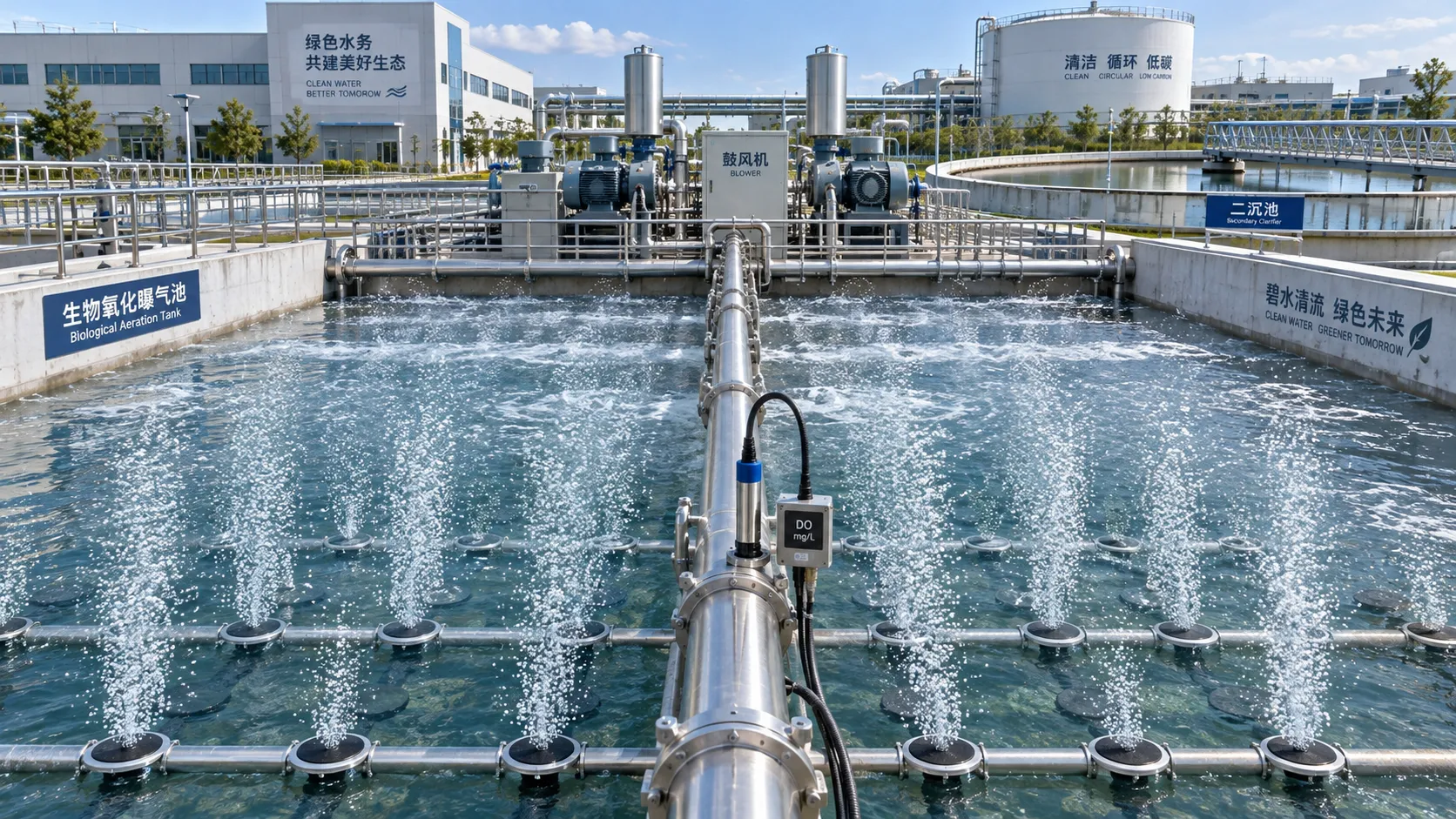
Biological Wastewater Oxidation Explained: Aeration Demand and Process Control
Biological wastewater oxidation explained: optimize aeration demand, DO control, nitrification, and sludge age for stable effluent quality and lower energy costs.
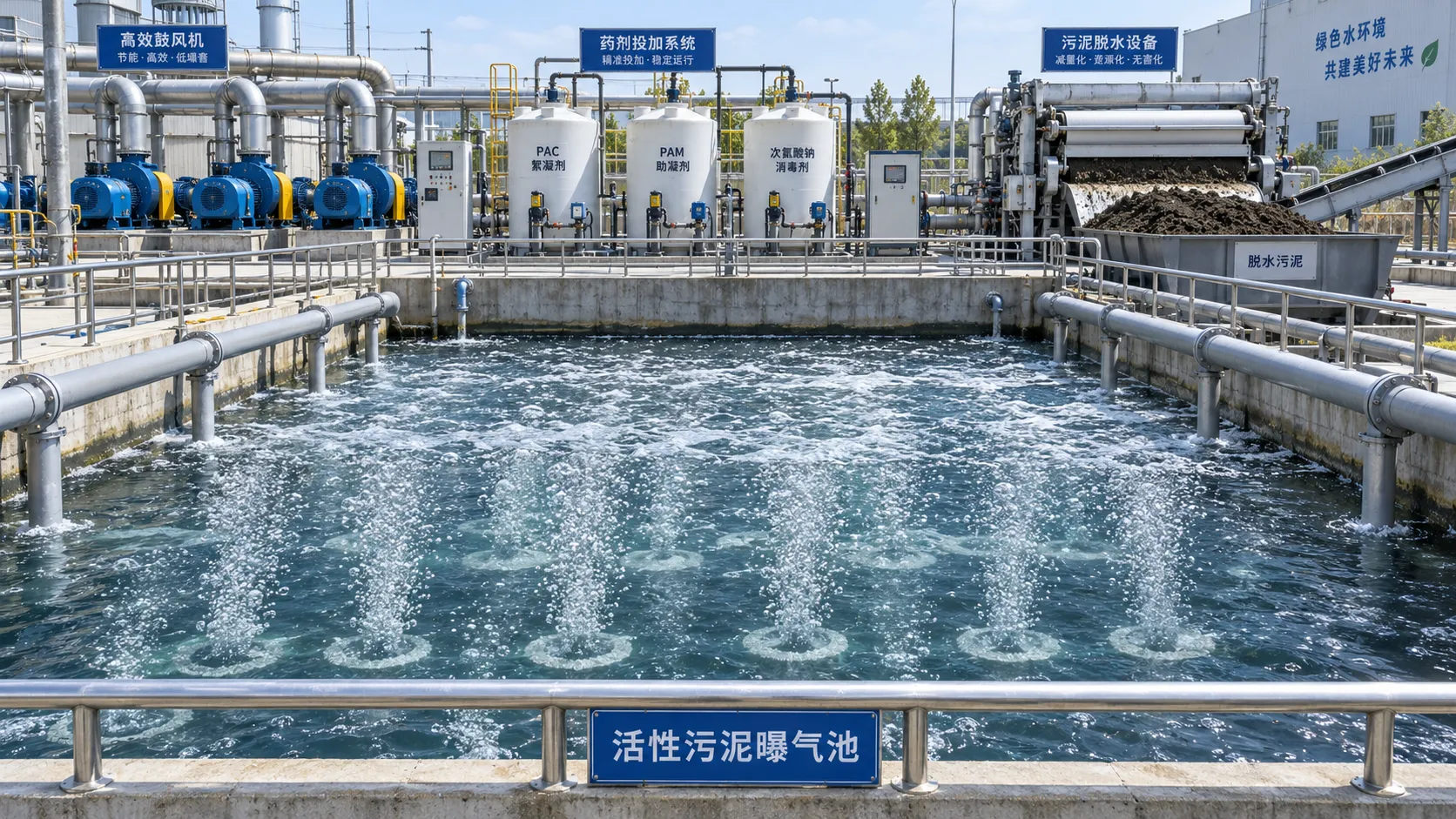
Activated Sludge Cost: Budgeting Energy, Chemicals, Sludge, and Labor
Activated sludge cost explained: compare energy, chemicals, sludge disposal, labor, and compliance risks to build a reliable lifecycle budget.
When Should Municipal Wastewater Plants Upgrade Treatment Capacity and Controls?
Municipal wastewater treatment upgrades: learn when capacity, controls, and resilient planning are needed to protect compliance and optimize plant performance.