
Industry News
Curation by industry experts
Hot Articles
Popular Tags
Carbon Neutrality Certification Standards: Key Criteria and Compliance Risks
Why are carbon neutrality certification standards now a board-level issue?
Carbon claims used to sit inside sustainability reports. Today, they affect contracts, financing, and cross-border credibility.
That shift explains the growing attention on carbon neutrality certification standards across industrial infrastructure, environmental equipment, and resource recovery projects.
In practical terms, a certificate is not just a label. It tests whether emissions are measured correctly, reductions are real, and offsets are used responsibly.
This matters even more in sectors linked to water treatment, desalination, flue gas control, solid waste recovery, and nuclear waste management.
These systems sit at the center of heavy energy use, regulated procurement, and public scrutiny.
From the perspective of ESD’s strategic intelligence focus, the real challenge is not only technical decarbonization.
It is the ability to connect process data, compliance evidence, and market expectations into one audit-ready narrative.
What do carbon neutrality certification standards actually verify?
A common misunderstanding is that certification proves a company has no emissions. It does not.
Most carbon neutrality certification standards verify a sequence: boundary setting, emissions accounting, reduction planning, residual emissions treatment, and third-party assurance.
The strongest schemes usually examine four technical layers.
- Organizational and operational boundaries, including sites, assets, subsidiaries, and outsourced activities.
- Greenhouse gas quantification methods, often aligned with the GHG Protocol or ISO 14064 frameworks.
- Reduction actions, showing measurable improvements before offsetting becomes the main tool.
- Offset quality, retirement evidence, additionality, permanence, and double-counting controls.
In applied engineering sectors, auditors often go deeper than headline figures.
They may review electricity intensity in SWRO desalination, thermal loads in ZLD systems, fuel substitution in waste recovery, or reagent-linked emissions in air pollution control.
So when evaluating carbon neutrality certification standards, the key question is simple: do they test operational reality, or only polished reporting?
Which criteria separate a credible standard from a weak one?
Not every framework carries the same weight. Some are useful for internal progress. Others stand up in procurement, investment, and regulatory review.
A practical way to judge carbon neutrality certification standards is to compare them against the decision points below.
The strongest standards also fit sector complexity. A generic framework may miss hidden emissions in membrane replacement, sludge handling, hazardous waste logistics, or long-life treatment assets.
That is why sector intelligence matters. ESD’s value lies in connecting carbon accounting with engineering realities rather than treating certification as a paper exercise.
Where do compliance risks usually appear, even after certification begins?
Most failures do not start with fraud. They start with incomplete system design.
In real projects, compliance risks often surface when organizations rush toward a neutrality claim before building data discipline.
Several risk points appear again and again.
- Mismatch between legal entities and operating entities, especially in multi-site industrial groups.
- Poor Scope 3 visibility in procurement, transport, chemicals, spare parts, and contracted treatment services.
- Use of outdated emission factors that no longer reflect grid mix or process changes.
- Claims of “neutral operations” while major lifecycle emissions remain outside the declared boundary.
- Dependence on offsets without evidence that direct reductions were technically explored first.
There is also a reputational layer. If certification language overpromises, stakeholder scrutiny can turn a compliance project into a trust issue.
This is especially sensitive where public infrastructure, hazardous materials, or export-facing equipment are involved.
A flue gas system supplier, for example, may face questions not only about factory emissions, but also about performance guarantees, reagent consumption, and lifecycle service emissions.
How should complex environmental industries prepare before seeking certification?
The most reliable path starts earlier than the audit.
Before selecting among carbon neutrality certification standards, map operational carbon drivers at process level.
For environmental infrastructure, that usually means tracking energy, chemicals, thermal recovery, waste residues, transport, maintenance cycles, and equipment replacement patterns.
A useful preparation checklist looks like this.
- Define the claim boundary first: company, facility, project, product, or service line.
- Build a defensible emissions inventory with source documents, metering logic, and revision control.
- Separate reduction measures already achieved from future plans and marketing ambitions.
- Test offset needs only after direct abatement options are ranked by cost and feasibility.
- Review language used in bids, reports, and websites for consistency with audit evidence.
In sectors covered by ESD’s intelligence scope, preparation also benefits from technical benchmarking.
A desalination operator may need energy intensity comparisons. A waste recovery project may need carbon allocation rules across recycled outputs and thermal byproducts.
Without this detail, certification can be formally complete yet strategically weak.
How long does compliance take, and what usually delays it?
Timeframes depend less on the certificate and more on data maturity.
If energy records, asset boundaries, and supplier data are already organized, a narrower certification project may move in a few months.
If data sits across plants, contractors, and legacy systems, the timeline expands quickly.
The most common delays are not technical formulas. They are governance gaps.
A useful rule is to treat carbon neutrality certification standards as an operational control project, not only a reporting project.
That mindset shortens future renewals and reduces recurring audit friction.
What is the smartest next step before making a neutrality claim?
Start with a credibility test, not a slogan.
Ask whether the chosen carbon neutrality certification standards match the actual emission profile, reporting boundary, and market exposure of the organization.
Then check whether the claim can survive audit sampling, customer due diligence, and future policy tightening.
For environmentally intensive sectors, this often means combining emissions accounting with process intelligence, lifecycle understanding, and regulatory foresight.
That is where informed analysis becomes more valuable than generic certification checklists.
A sound pathway is usually clear: define boundaries, verify data, prioritize real reductions, use high-integrity offsets carefully, and align every external claim with evidence.
When those elements are in place, carbon neutrality certification standards become a strategic asset rather than a compliance risk.
The next practical move is to review existing emissions data, compare applicable standards, and identify the exact gaps that could weaken an audit or public claim.
Recommended News
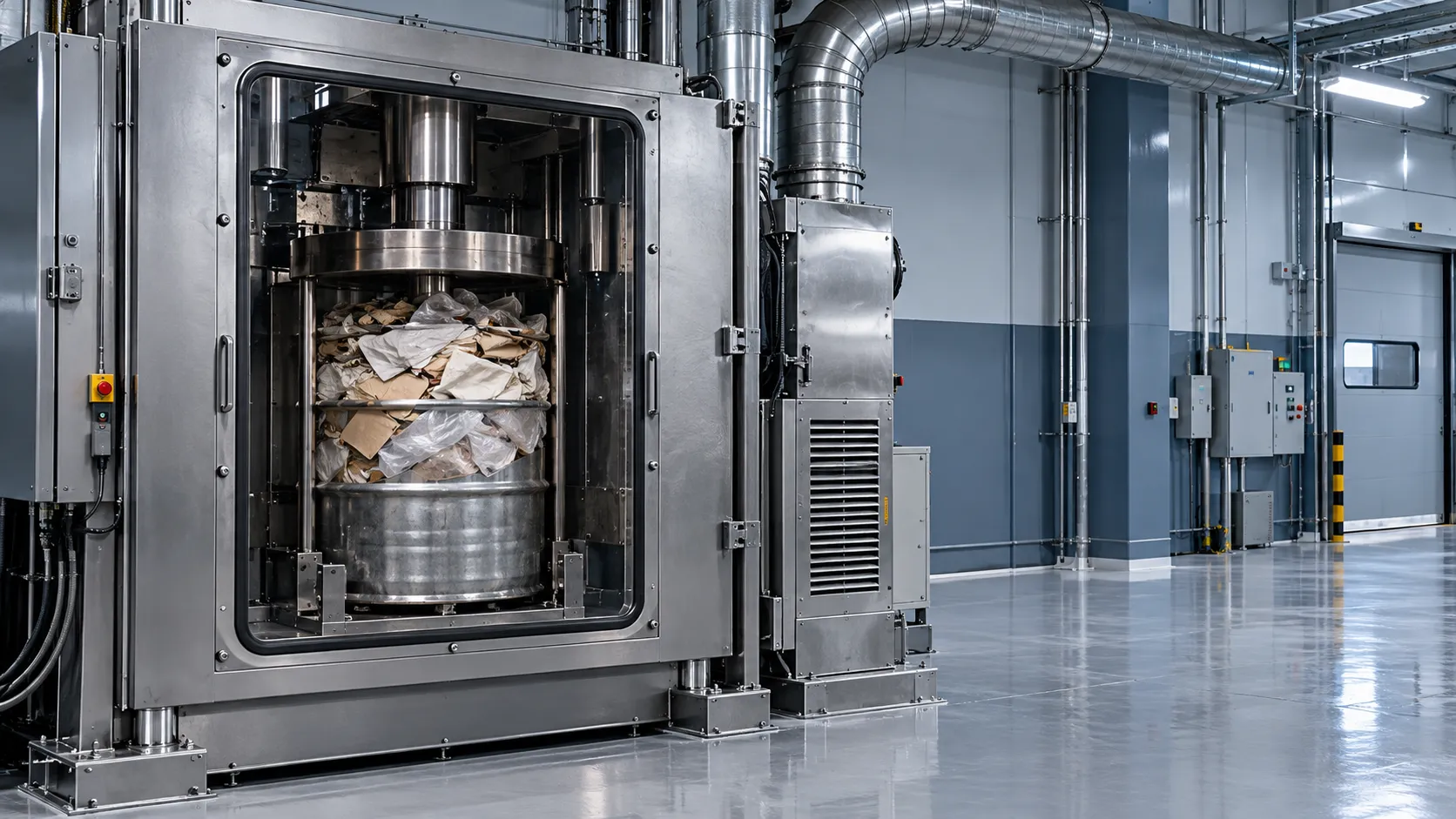
When is compaction suitable for solid nuclear waste treatment?
Is compaction right for solid nuclear waste treatment? Discover suitable waste streams, key safety checks, and disposal requirements to reduce package volume and optimize costs.
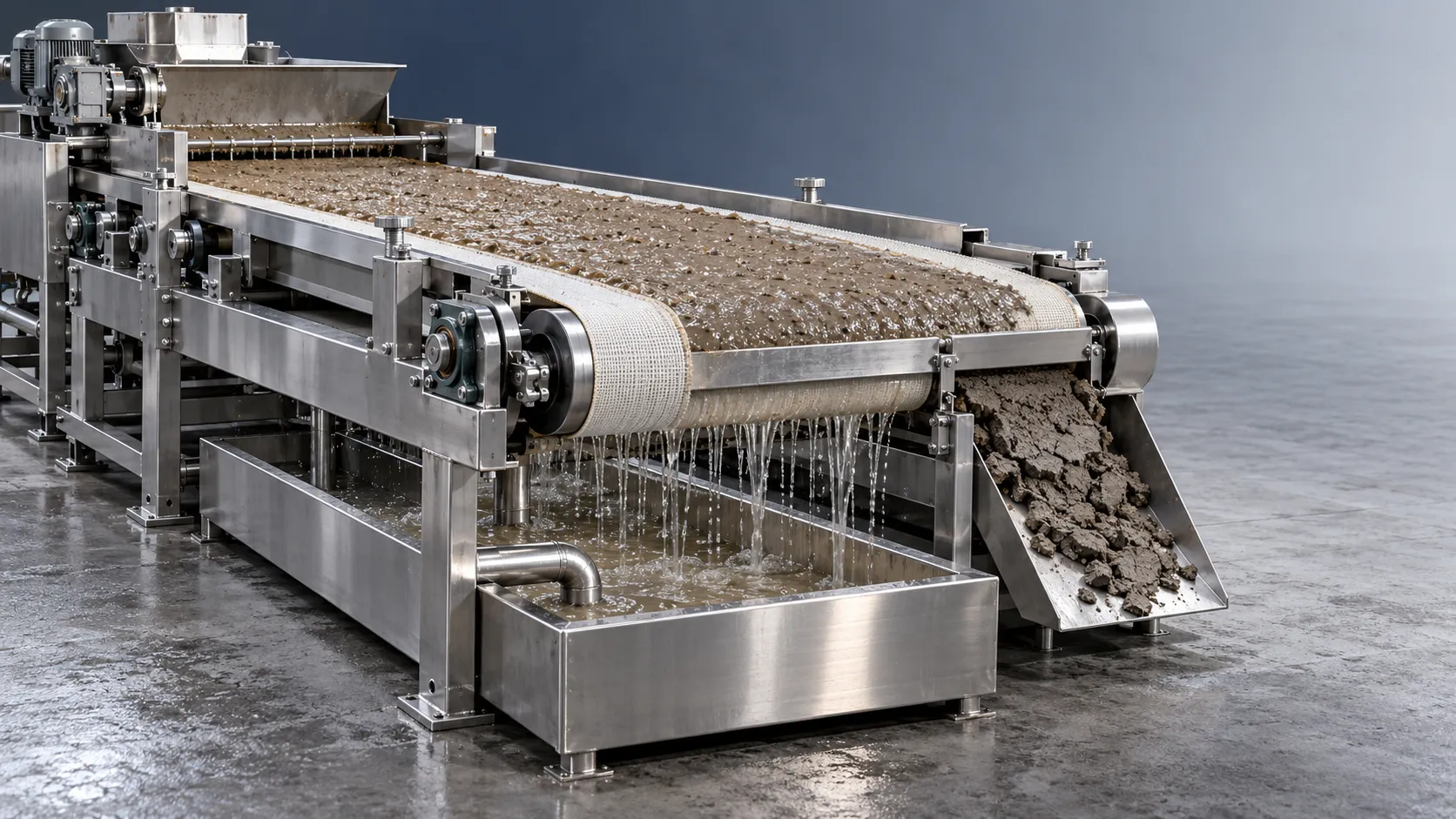
How solids concentration affects dewatering in waste recovery systems
Optimize waste recovery systems dewatering with insights on solids concentration. Learn to balance throughput, cake dryness, and solids capture while avoiding costly equipment overloads.
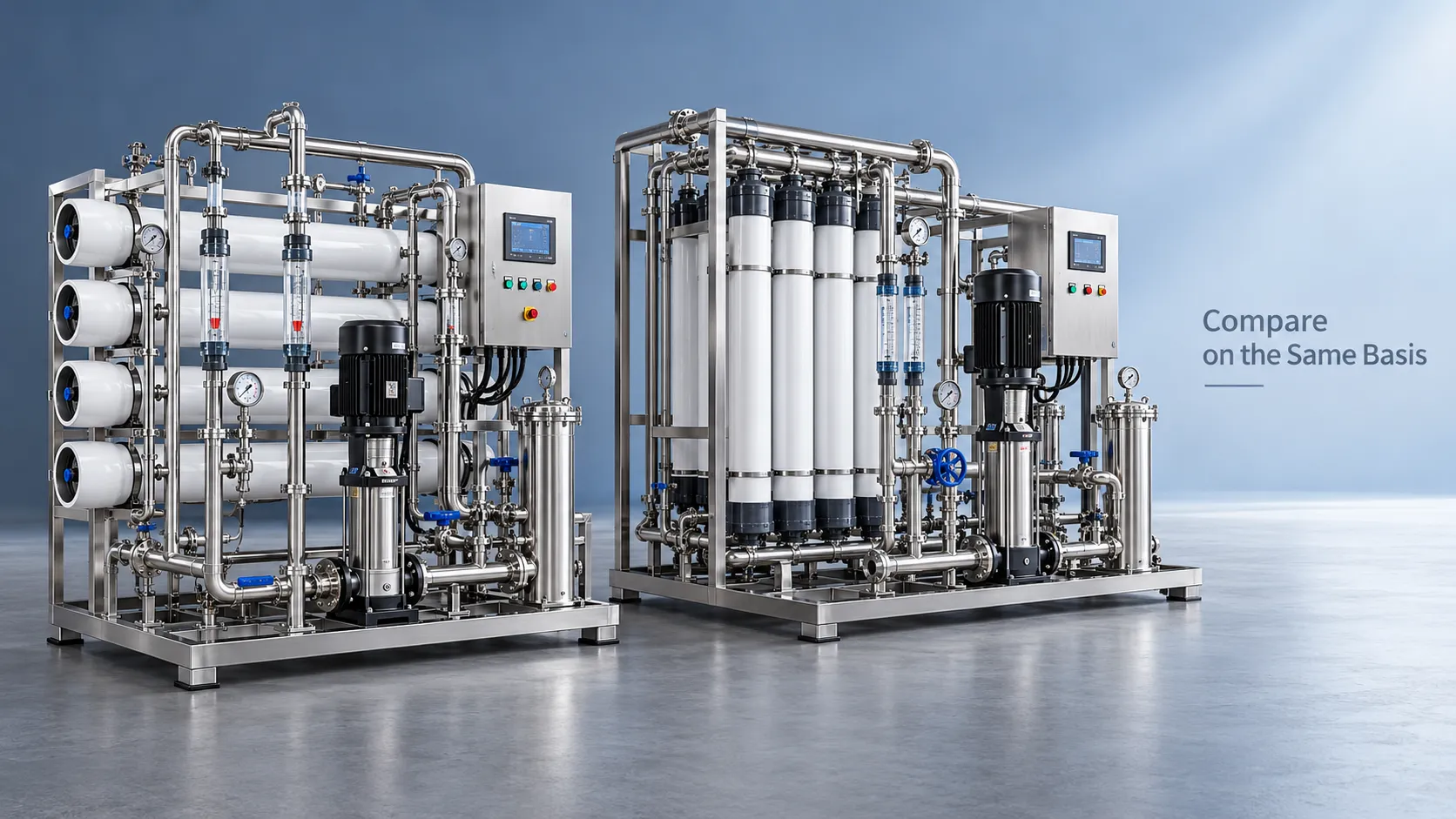
How to compare technical specs in an environmental equipment directory
Use this environmental equipment directory technical guide to compare capacity, energy use, compliance, and supplier evidence. Build a defensible shortlist and choose with confidence.
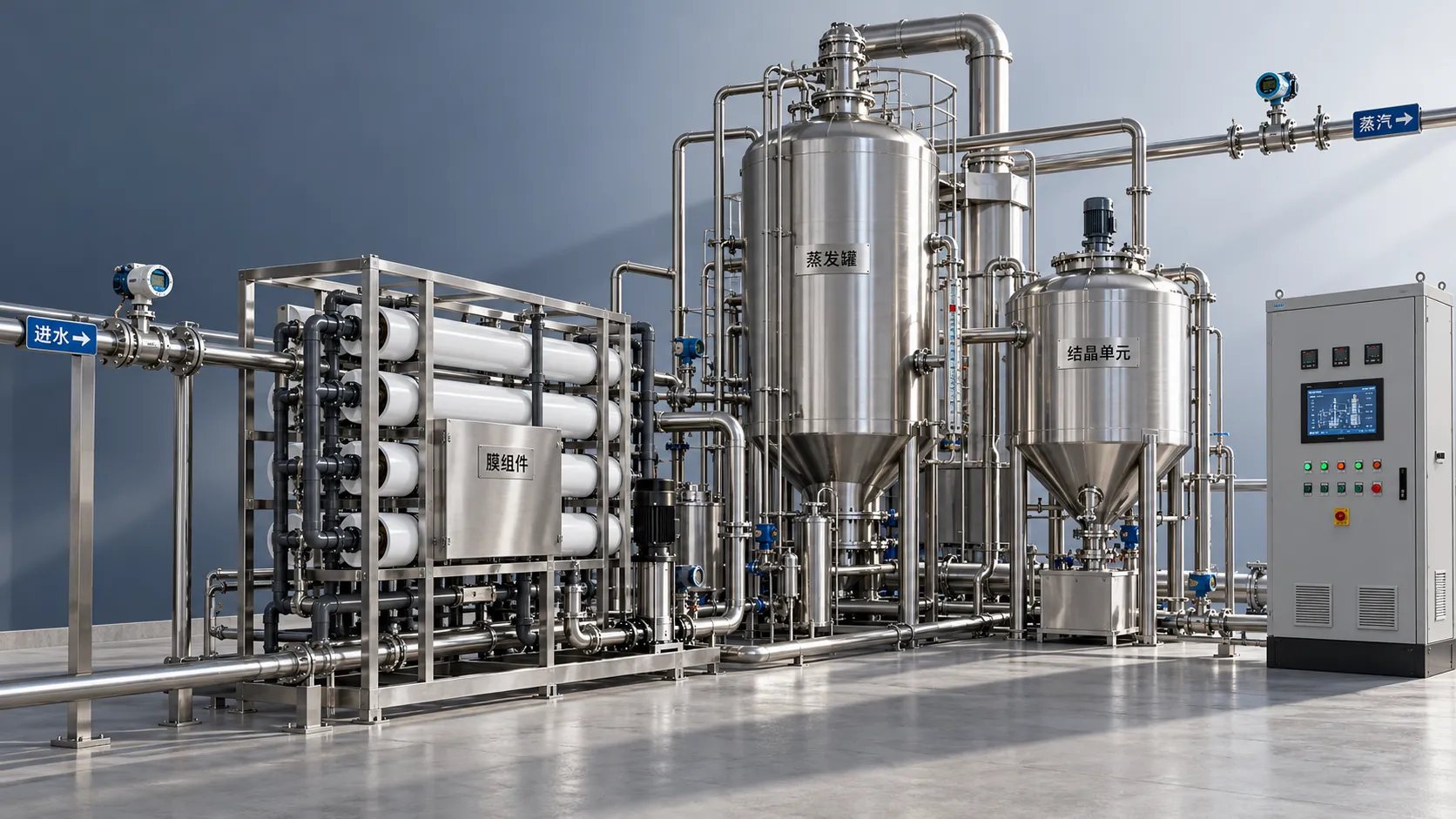
How to assess a zero liquid discharge equipment supplier’s energy claims
Assess a zero liquid discharge equipment supplier’s energy claims. Learn how to verify system boundaries, compare real costs, and demand testable guarantees before you buy.
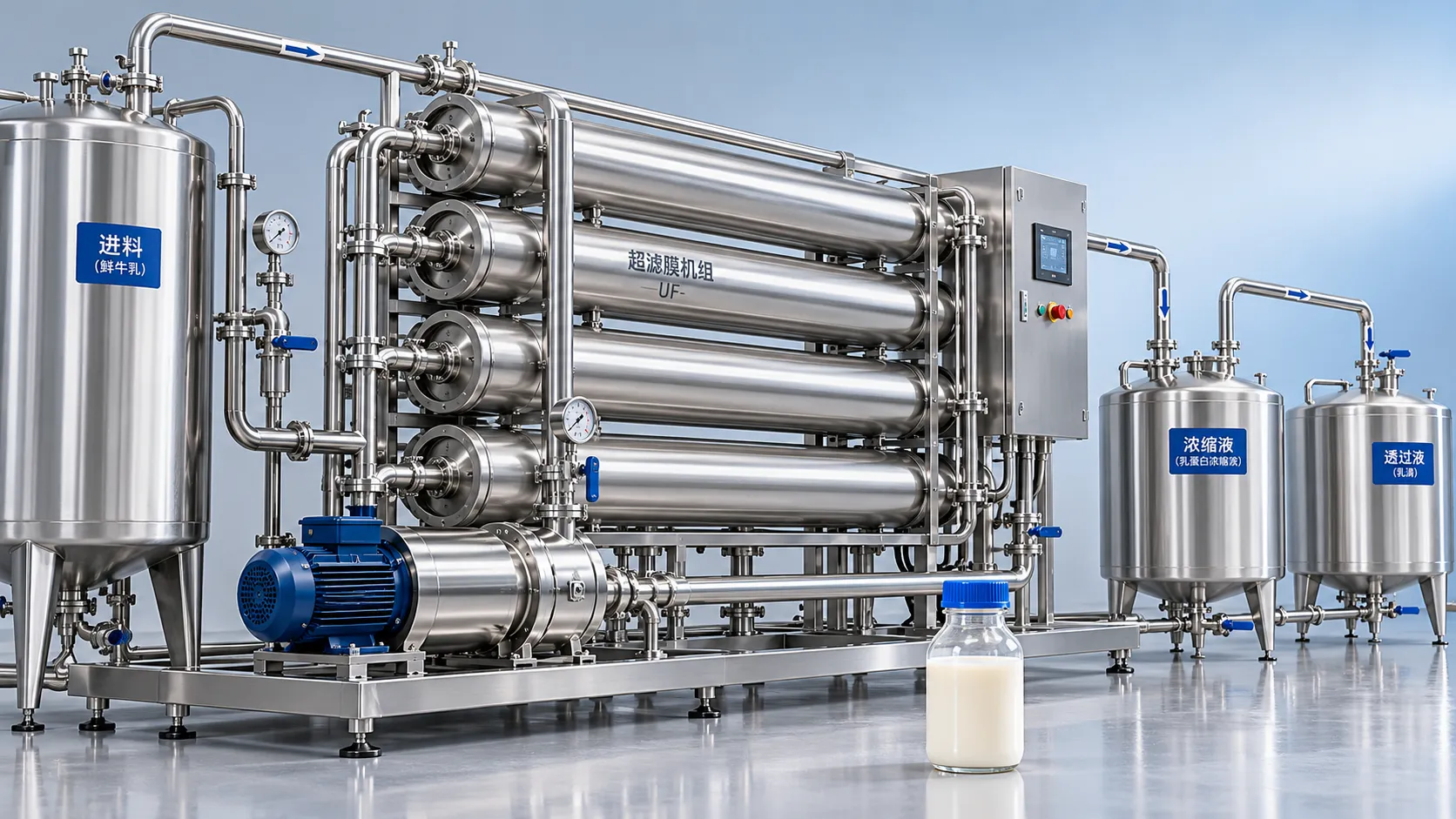
Which membrane filtration process suits dairy protein concentration?
Explore membrane filtration for dairy: compare UF, MF, and RO to select the right process for protein concentration, lactose reduction, and better recovery. Find your best fit.
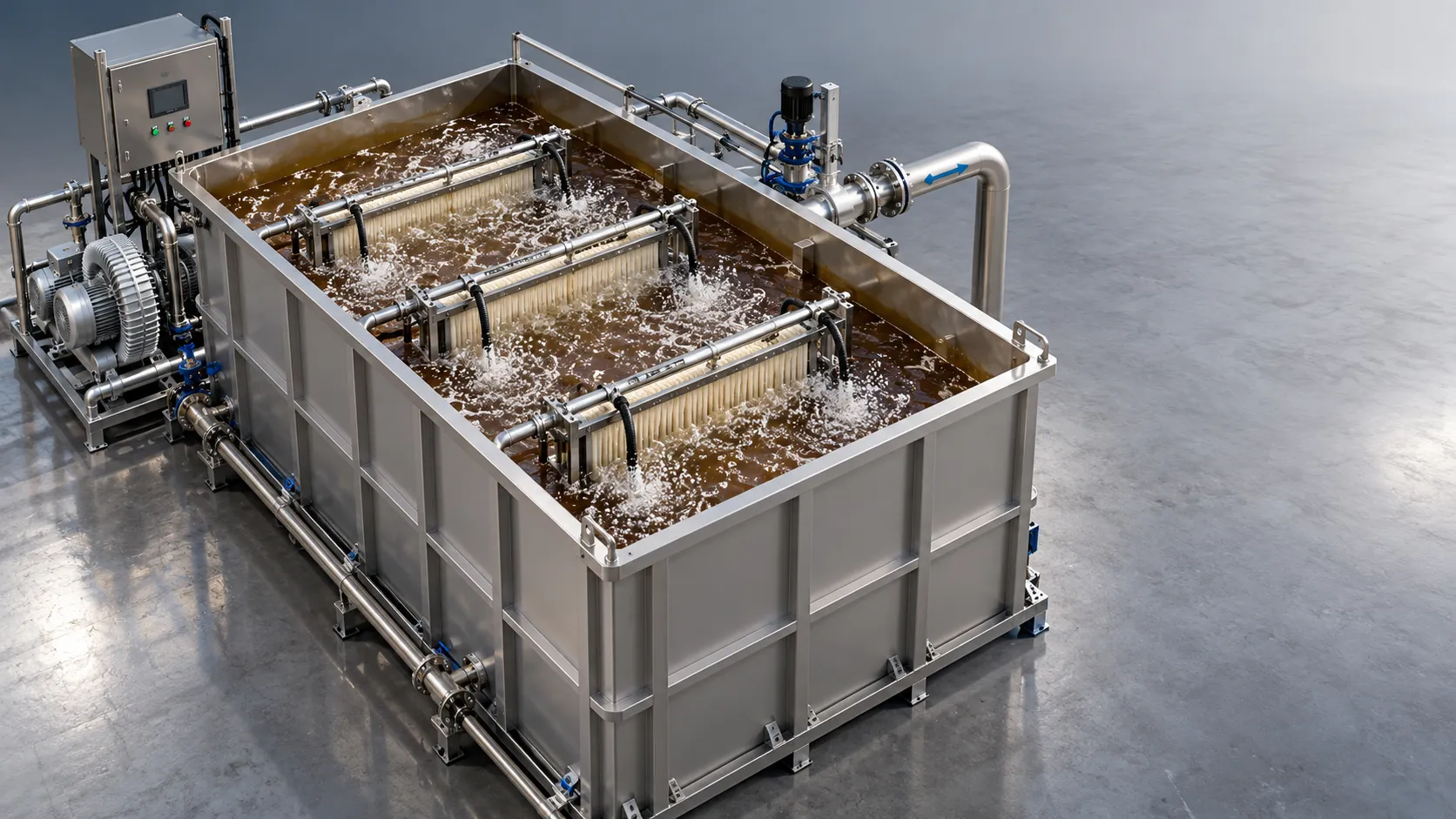
When is an MBR suitable for wastewater purification for bioprocessing?
For wastewater purification for bioprocessing, discover when an MBR fits your needs. Compare water quality, fouling risks, and lifecycle costs before investing.
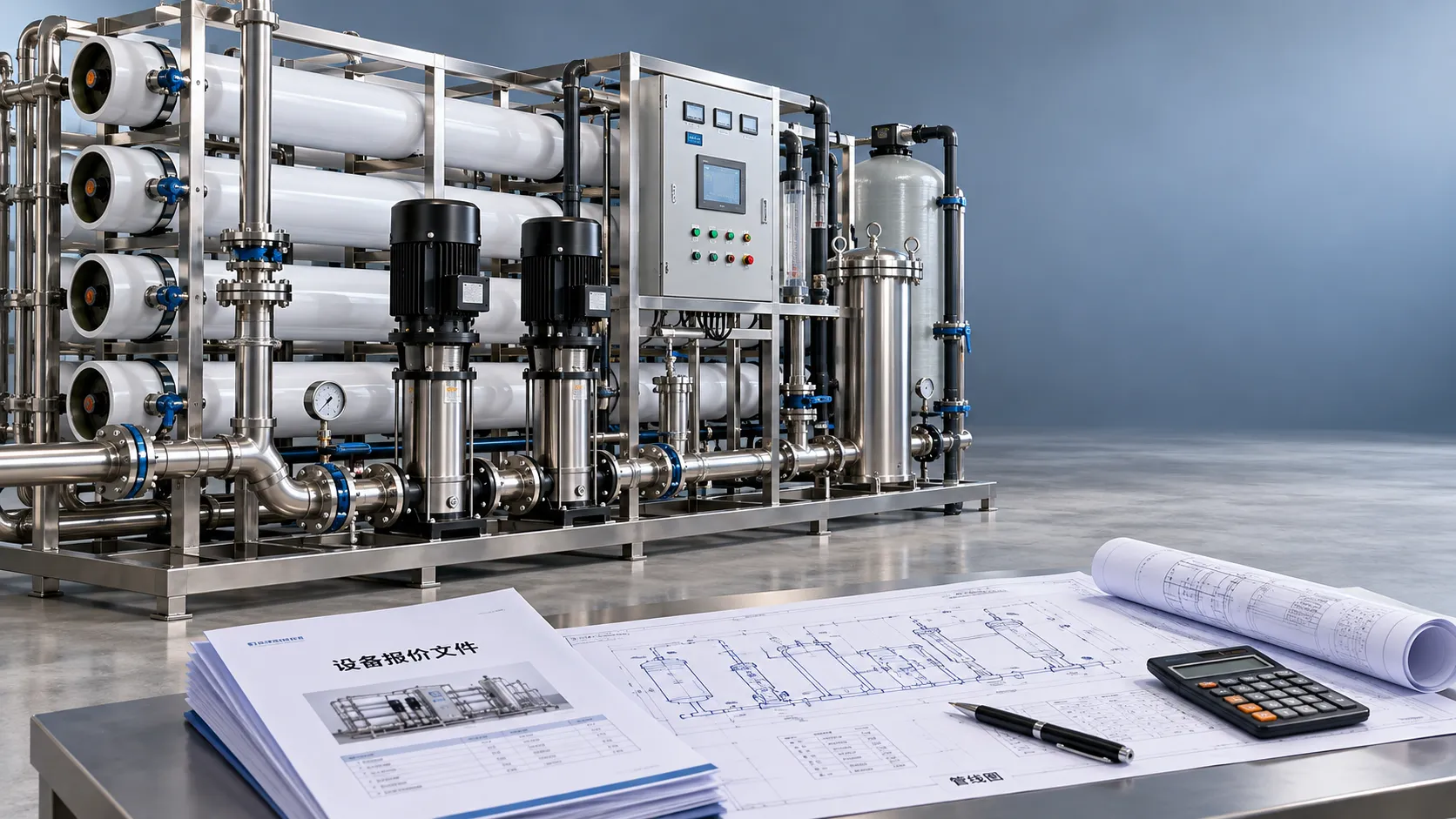
How to check a water treatment quotation for hidden project costs
Review your water treatment quotation for hidden costs, scope gaps, and operating expenses. Learn what to check before signing to protect your budget and avoid costly surprises.
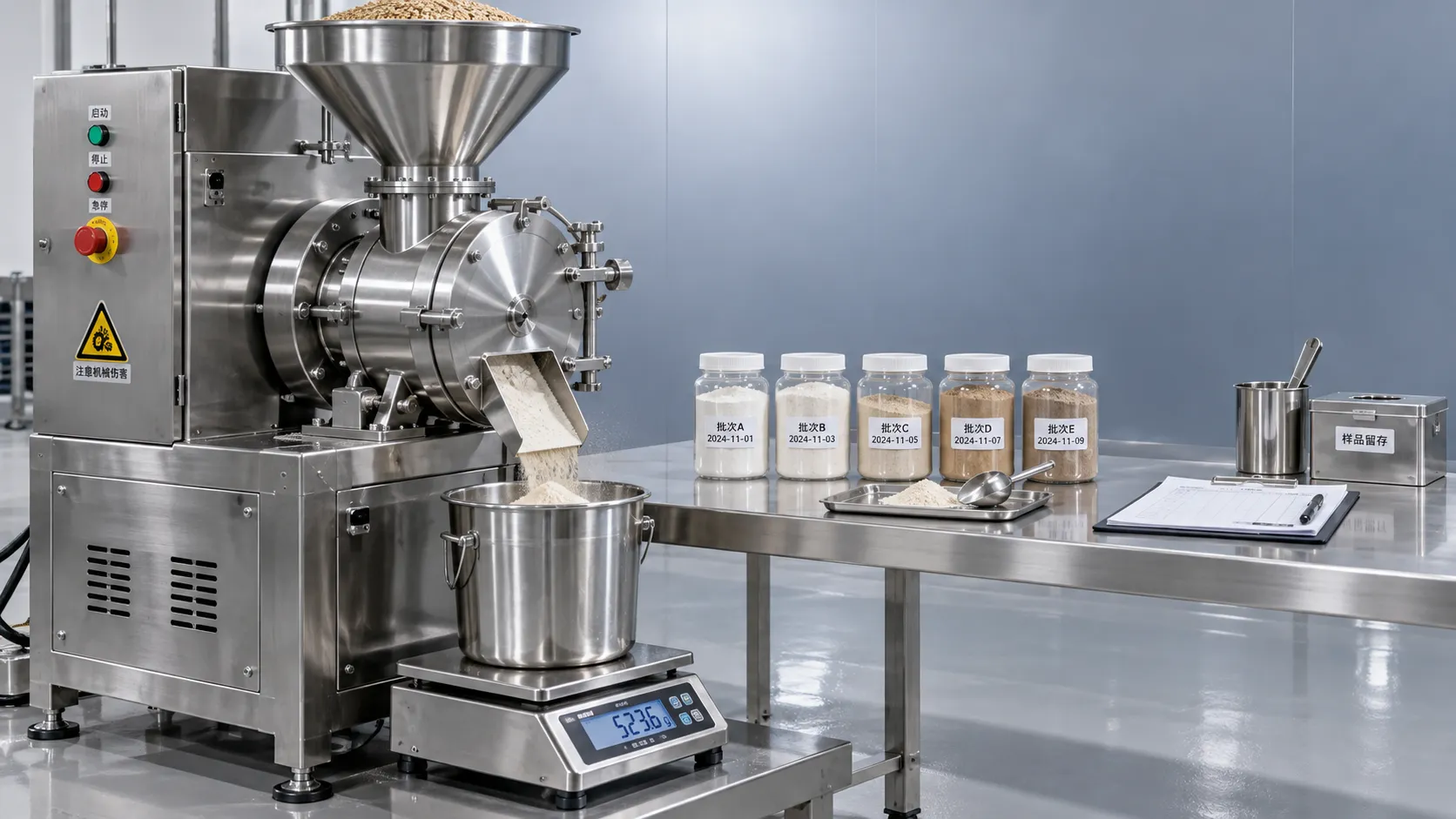
How to vet ingredient processing equipment manufacturers using trials
Vet ingredient processing equipment manufacturers with real-world trials. Learn how to verify yield, cleaning, energy use, and scale-up before you invest.
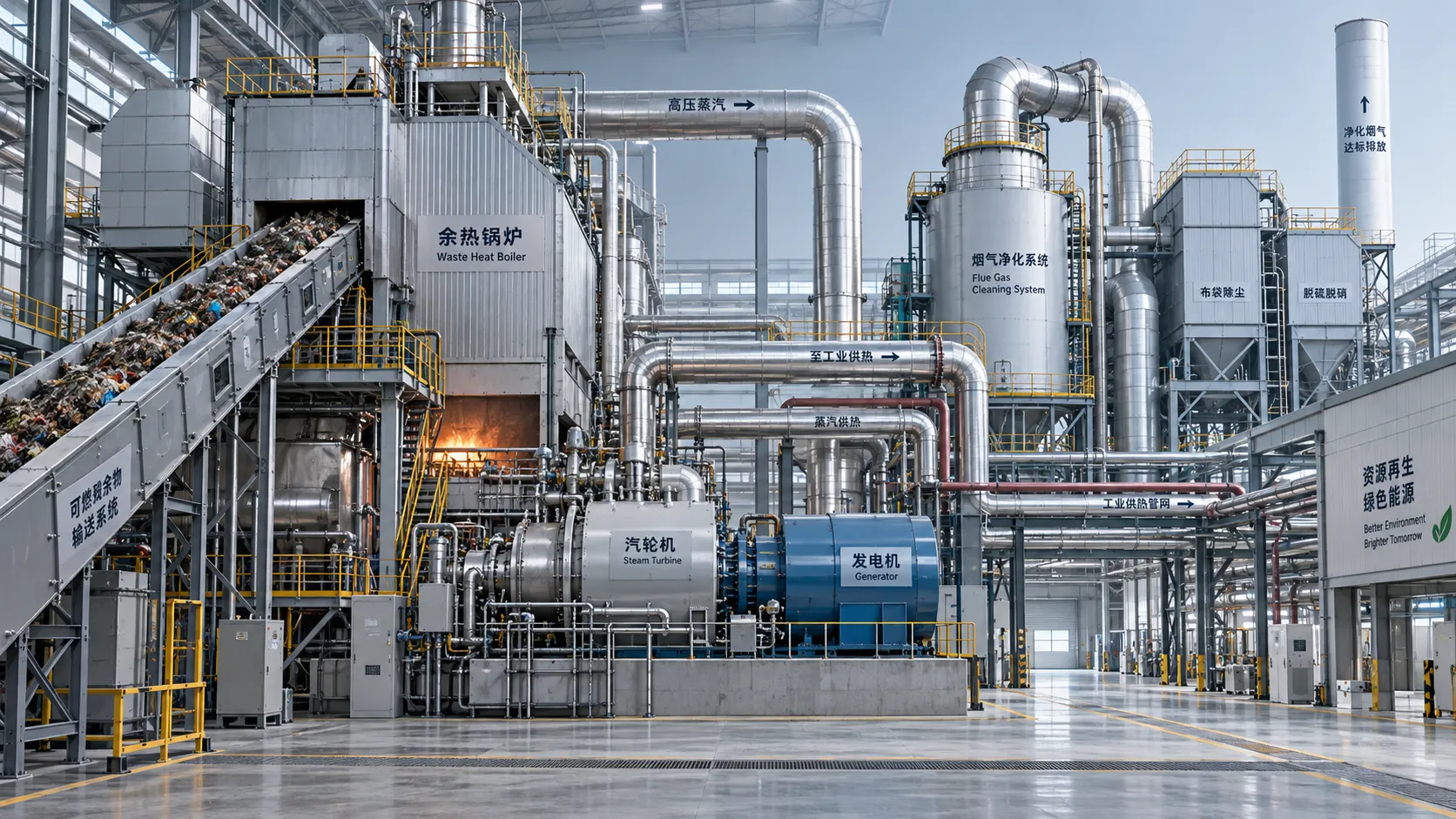
When is energy recovery viable in the solid waste recovery process?
When is energy recovery viable in the solid waste recovery process? Explore feedstock quality, net energy, emissions, and costs to assess feasibility and make smarter investment decisions.